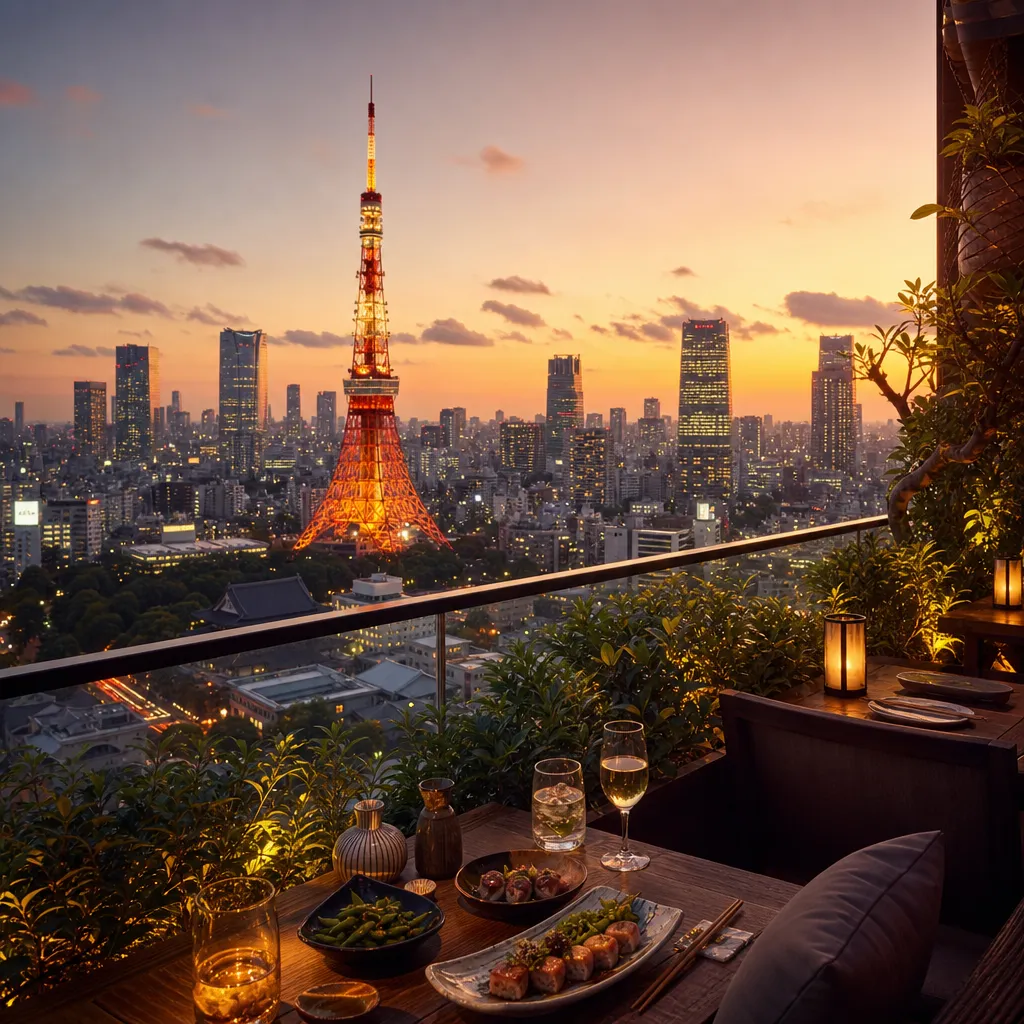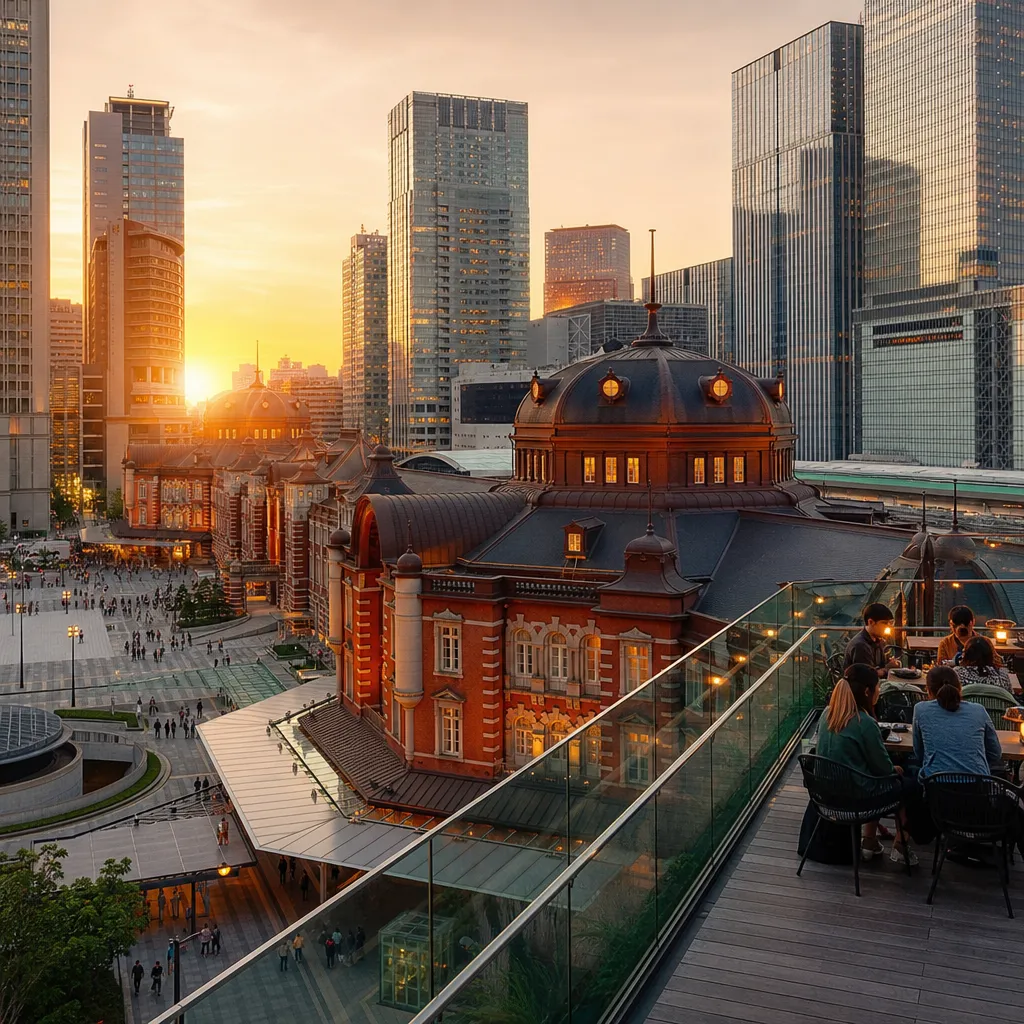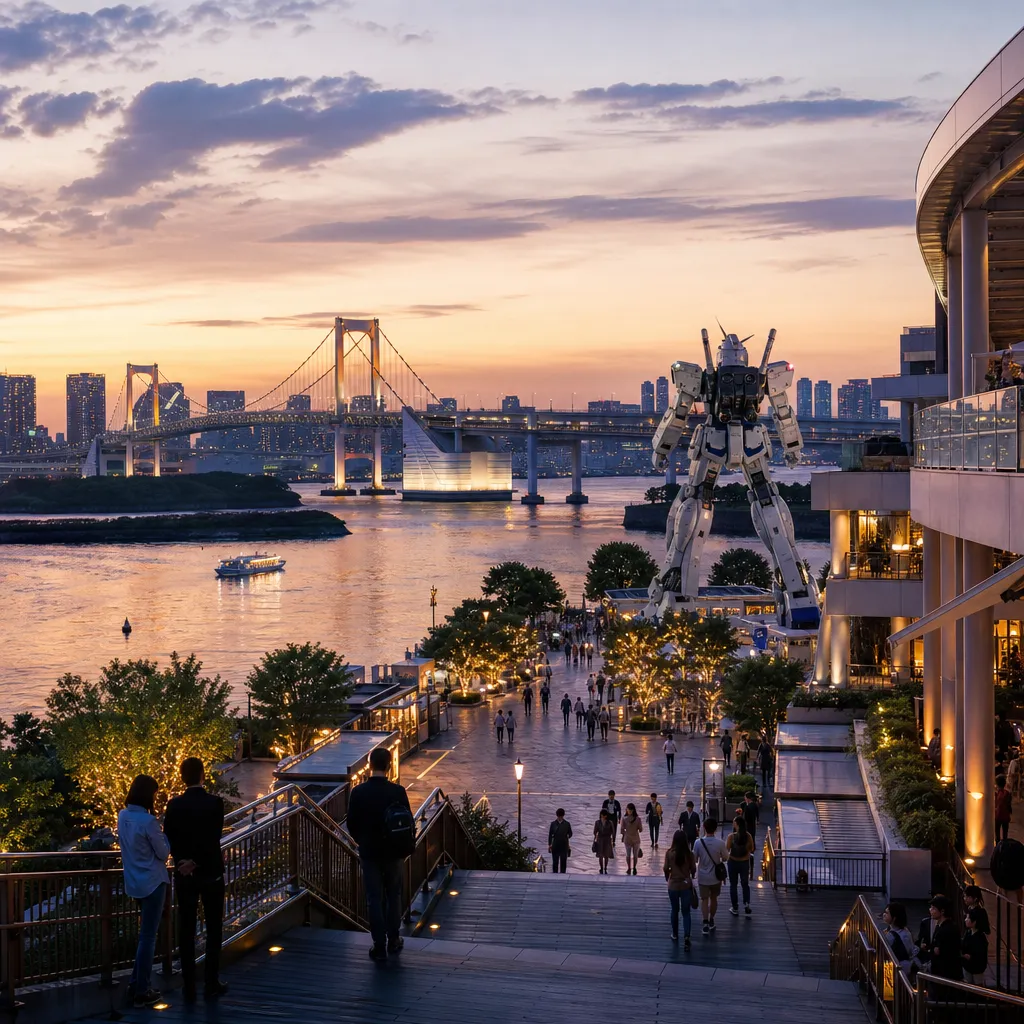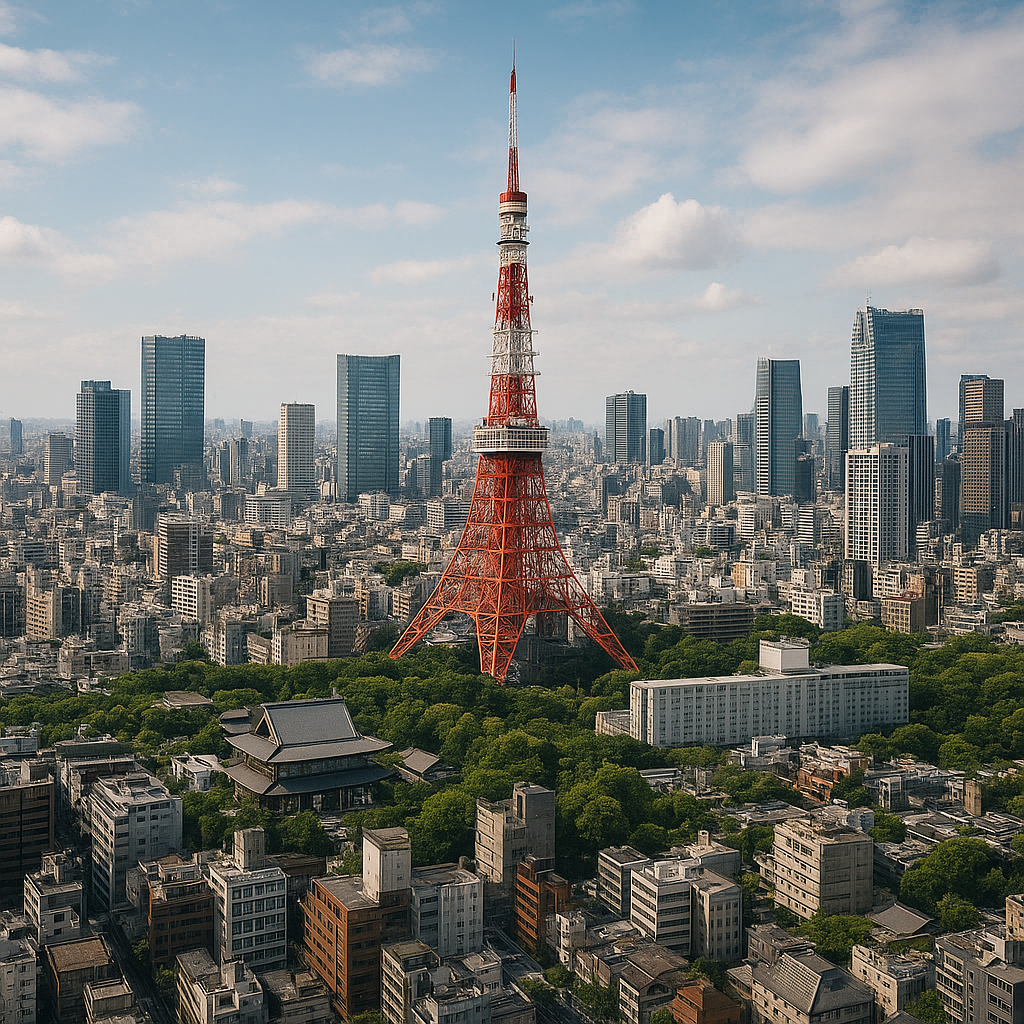
Tokyo presents an extraordinary canvas of architectural wonders that blend ultramodern design with centuries-old traditions. Visitors and enthusiasts alike can uncover layers of history, cutting-edge innovation, and the unique relationship between built environments and cultural identity. This exploration delves into Tokyo’s most compelling points of interest, spotlighting how the city exemplifies the fusion of technology, heritage, and forward-thinking design.
Modern Marvels: Tokyo’s Skyline
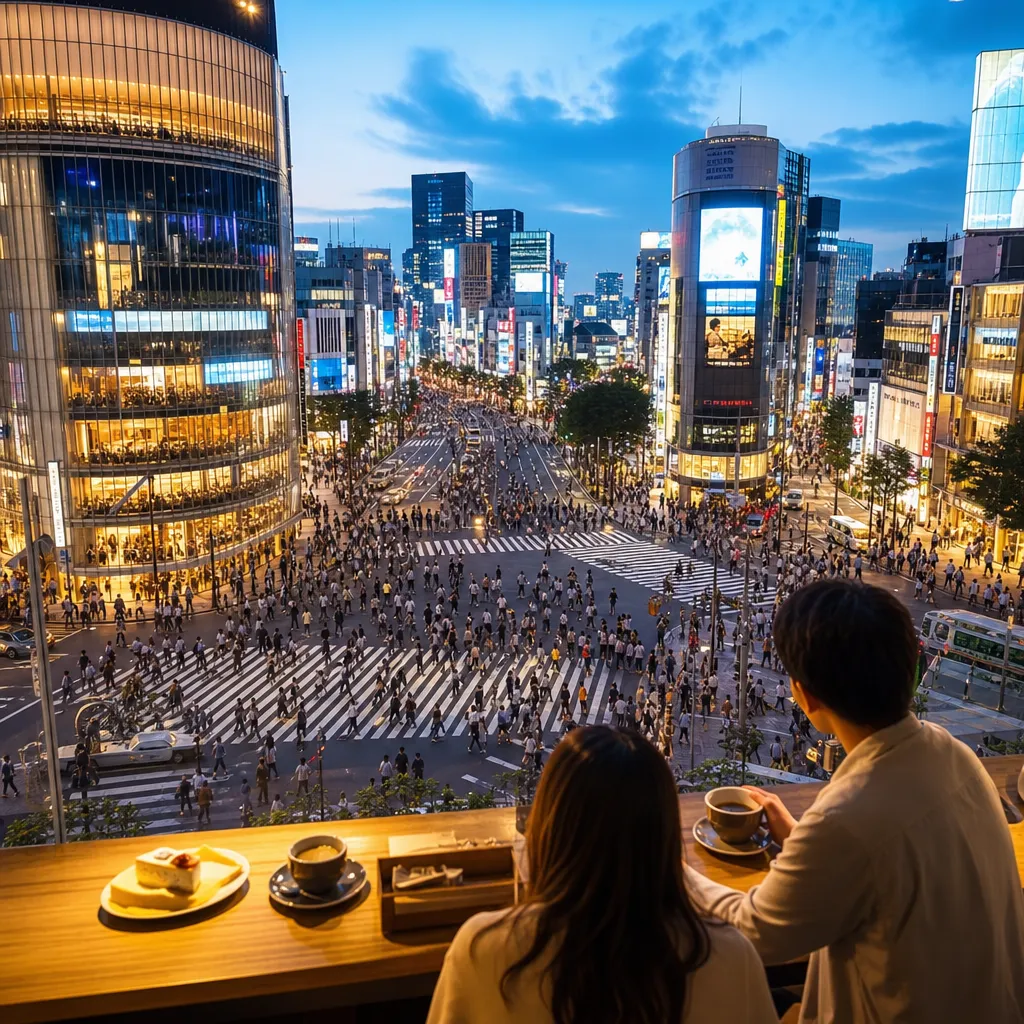
The fast-paced evolution of Tokyo’s cityscape has produced an awe-inspiring array of skyscrapers, public structures, and commercial complexes. From the shimmering glass facades of Shibuya to the dynamic geometry of Roppongi Hills, Tokyo cultivates a reputation as a global metropolis where architectural ambition knows no bounds.
Iconic Skyscrapers
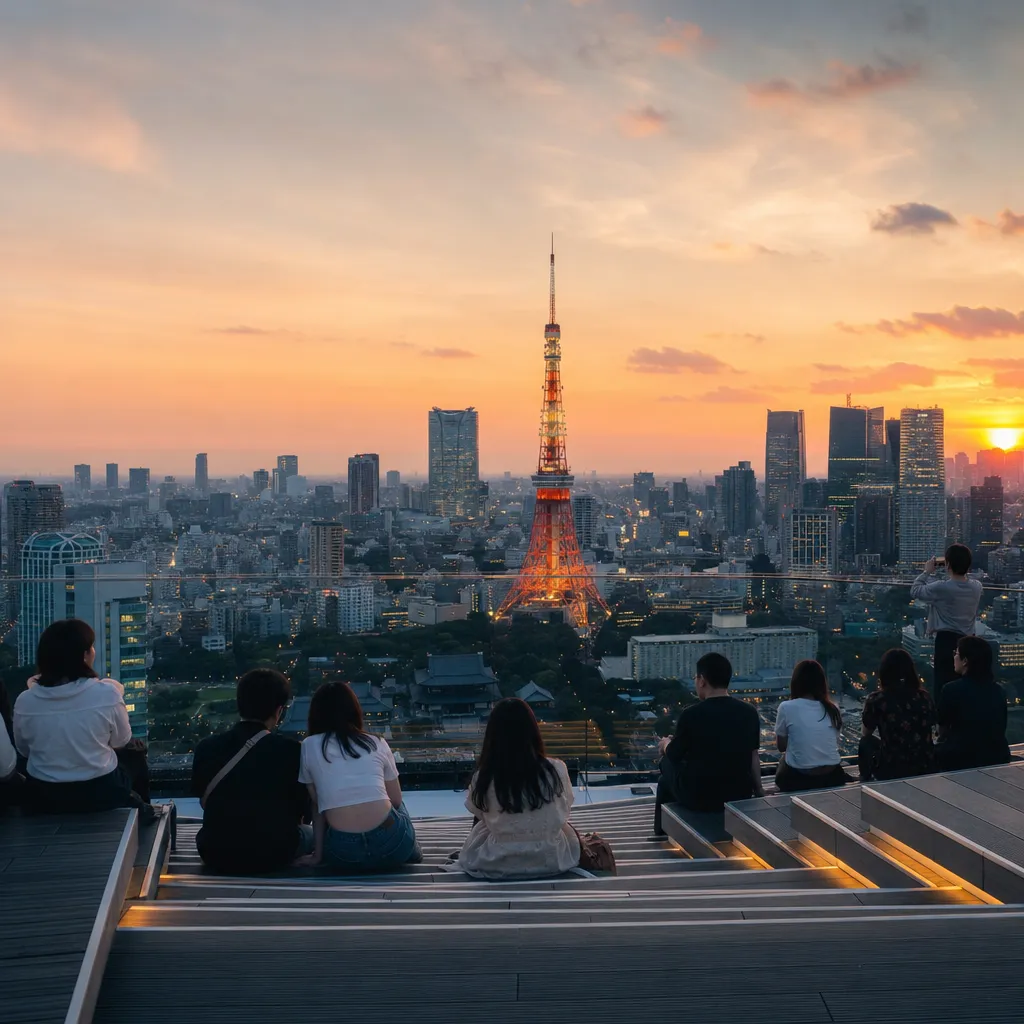
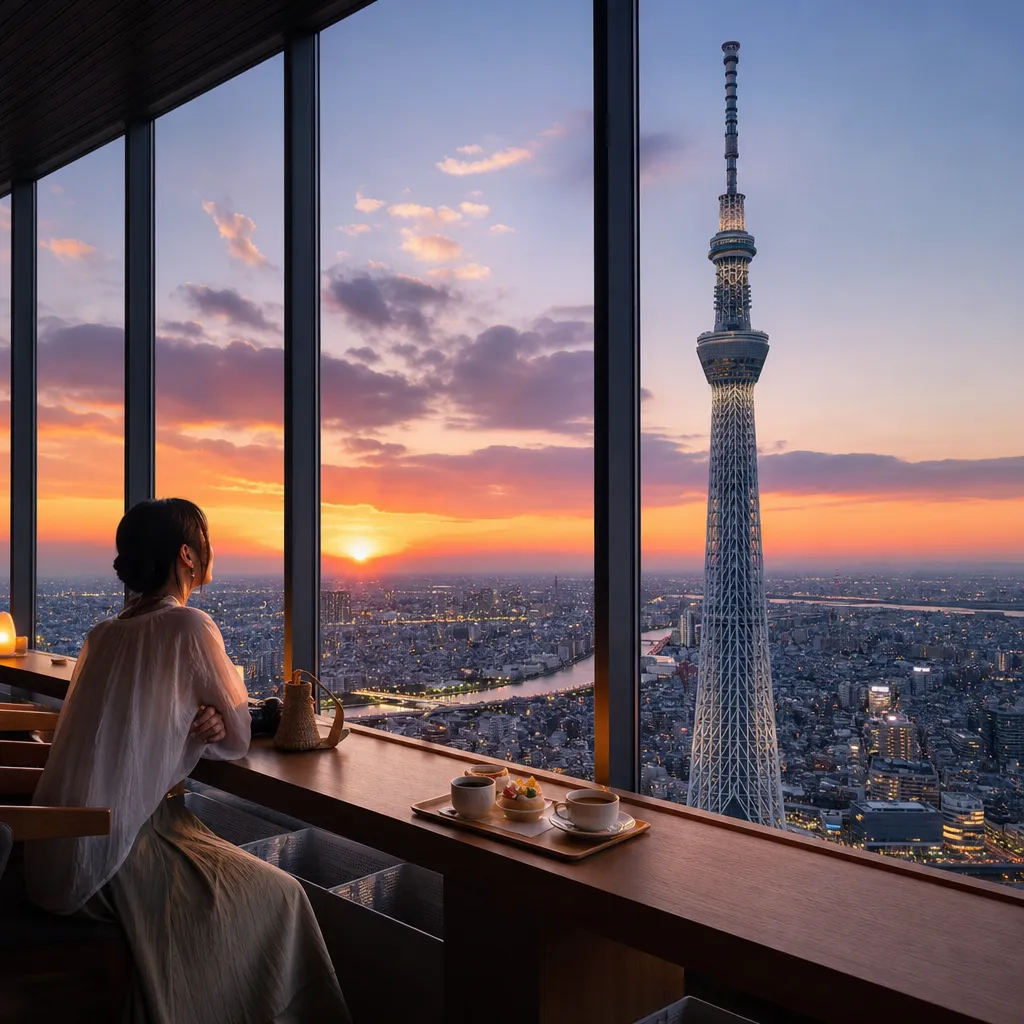
- Tokyo Skytree: Towering at 634 meters, it stands as the world’s second-tallest tower. Its lattice design marries structural resilience with aesthetic grace, reflecting both modern engineering and traditional craft patterns.
- Mode Gakuen Cocoon Tower: Resembling a twisting cocoon, this educational facility demonstrates how innovation and functionality can coexist in a compelling vertical silhouette.
- Shinjuku’s Nishi-Shinjuku district hosts a cluster of high-rises, each showcasing unique façades, advanced earthquake-resistant technologies, and panoramic observation decks.
Futuristic Public Spaces
Beyond commercial towers, Tokyo invests heavily in reimagined public facilities. The Tokyo International Forum features a sweeping glass atrium that evokes the form of a ship’s sail. Similarly, the Yoyogi National Gymnasium—designed by Kenzo Tange—combines tensile roof structures with considerations for acoustics and spectator comfort, illustrating the city’s ability to zone for both form and function.
Historical Horizons: Traditional Architecture
While Tokyo thrives on ultramodern aesthetics, pockets of tradition remain deeply embedded in the urban fabric. Ancient temples, wooden shrines, and quaint merchant houses offer a window into the design principles and materials that influenced generations of builders.
Wooden Temples and Shrines
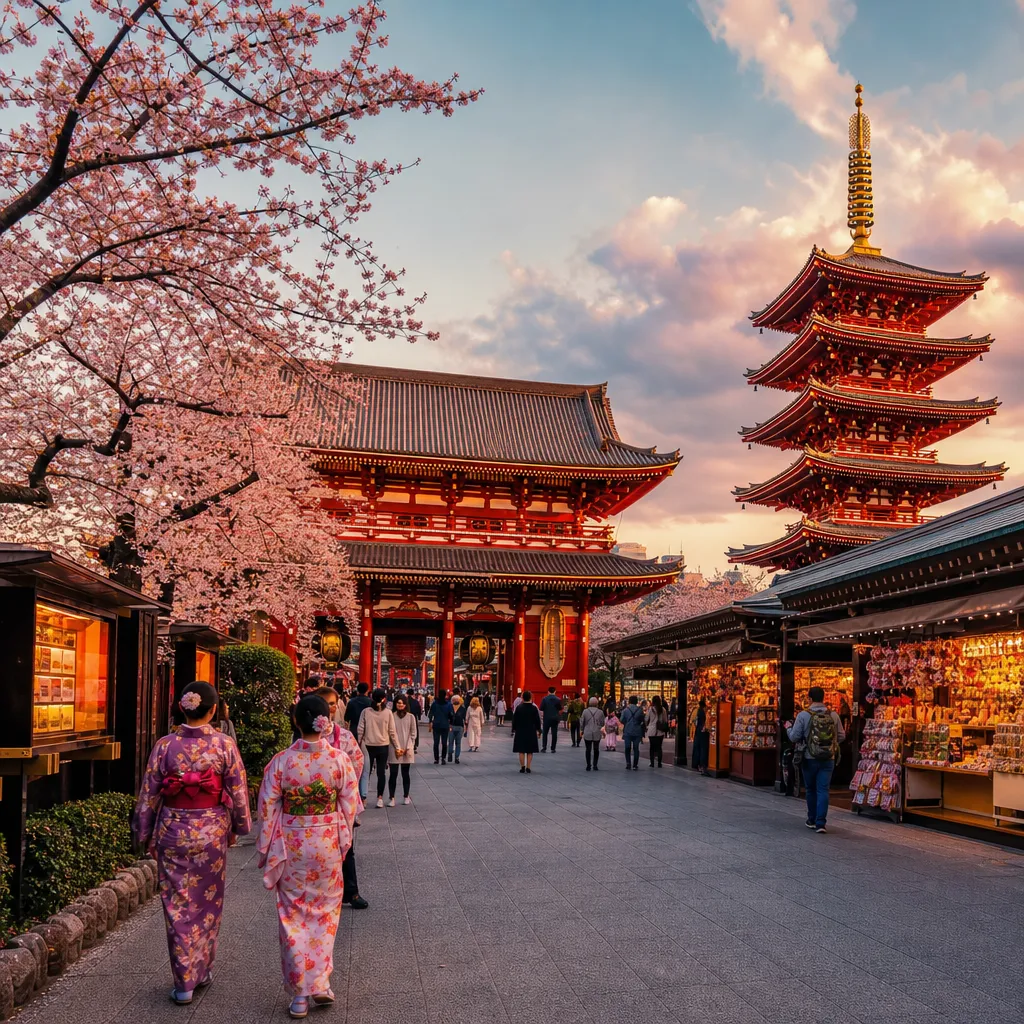
- Sensō-ji in Asakusa is Tokyo’s oldest Buddhist temple, featuring vermilion gates, ornately carved beams, and a spacious courtyard that hosts festivals year-round.
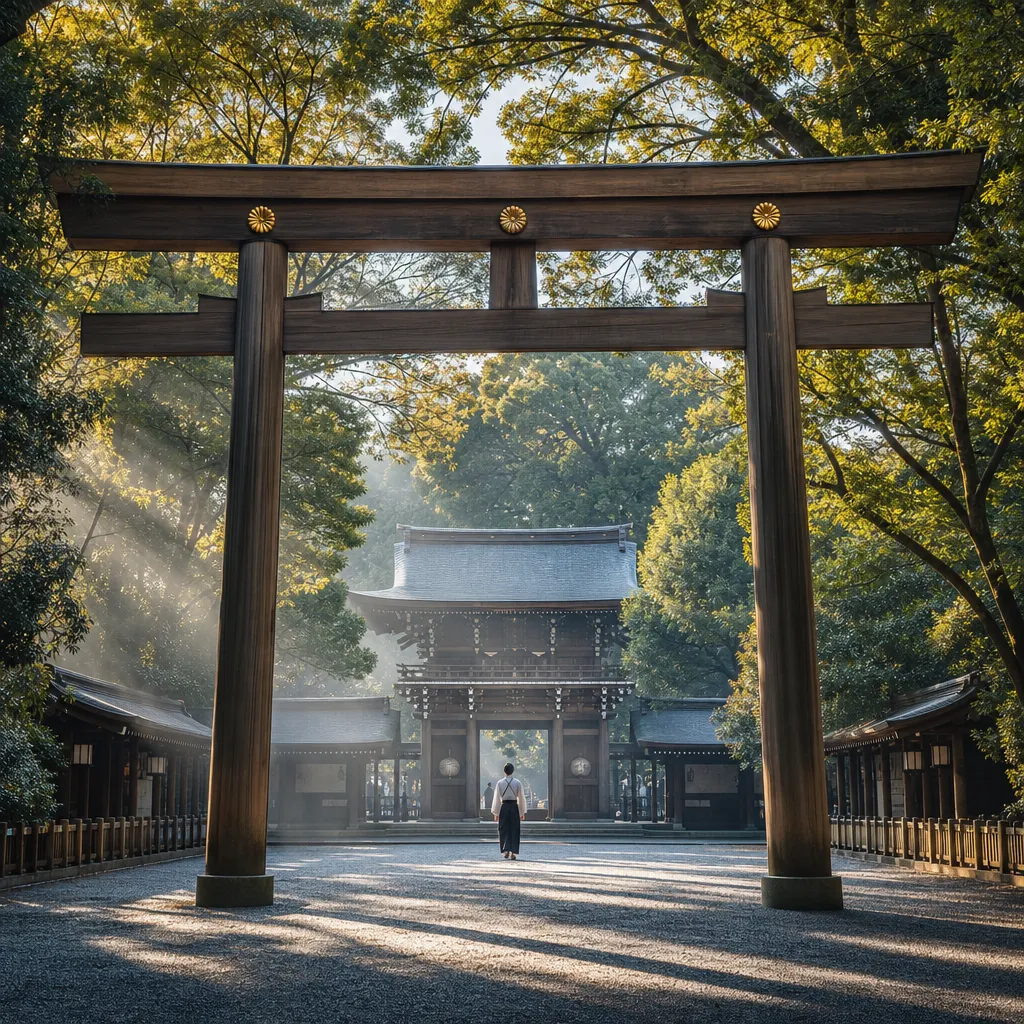
- The Meiji Shrine grounds highlight Shinto architecture with massive torii gates, cypress bark roofs, and a serene forested approach.
- Smaller neighborhood shrines, known as machi-sha, showcase intimate craftsmanship through delicate latticework and symbolic motifs etched into wooden panels.
Timber and Traditional Techniques
Traditional Japanese architecture prioritizes natural materials and modular construction. The use of craftsmanship techniques—like mortise-and-tenon joinery—allows buildings to flex during seismic events, a principle still adopted in modern hybrid structures. Tatami-matted rooms, sliding fusuma doors, and engawa verandas exemplify a harmonious relationship with nature, light, and seasonality.
Innovations and Future Directions
As Tokyo continues to expand, architects push the boundaries of sustainable design, adaptive reuse, and community-focused planning. Emerging projects often integrate digital simulation, robotic fabrication, and ecological systems to forge a new blueprint for urban living.
Sustainable Developments
- Toraya Café Harajuku employs reclaimed wood and green roofs to reduce heat islands, illustrating how small-scale retail can champion sustainability.
- Toranomon Hills incorporates integrated solar panels, rainwater harvesting, and energy-efficient glazing, setting a precedent for large-scale mixed-use complexes.
Adaptive Reuse and Community Spaces
With land at a premium, adaptive reuse projects breathe new life into obsolete structures. The transformation of old warehouses in Kiba into coworking hubs, and the reinvention of industrial sites along the Sumida River into public parks, underscore the value of innovation paired with social engagement. These initiatives foster neighborhood revitalization, connecting local artisans, startups, and residents through thoughtfully curated spaces.
Experimental Research Facilities
- National Art Center, Tokyo: Its undulating glass walls challenge conventional gallery layouts, prioritizing fluid circulation and natural illumination.
- Researchers at the Institute of Industrial Science engage in material studies that may soon yield bio-based concrete and self-healing surfaces, hinting at the next wave of architectural breakthroughs.
From towering observation decks to serene shrine complexes, Tokyo invites architecture lovers to witness an ongoing dialogue between past and future. Every district offers unique lessons in spatial organization, cultural symbolism, and technological prowess. Navigating this dynamic environment reveals Tokyo not just as a city of buildings, but as a living laboratory where skyline dreams converge with enduring heritage, shaping the built environment for generations to come.