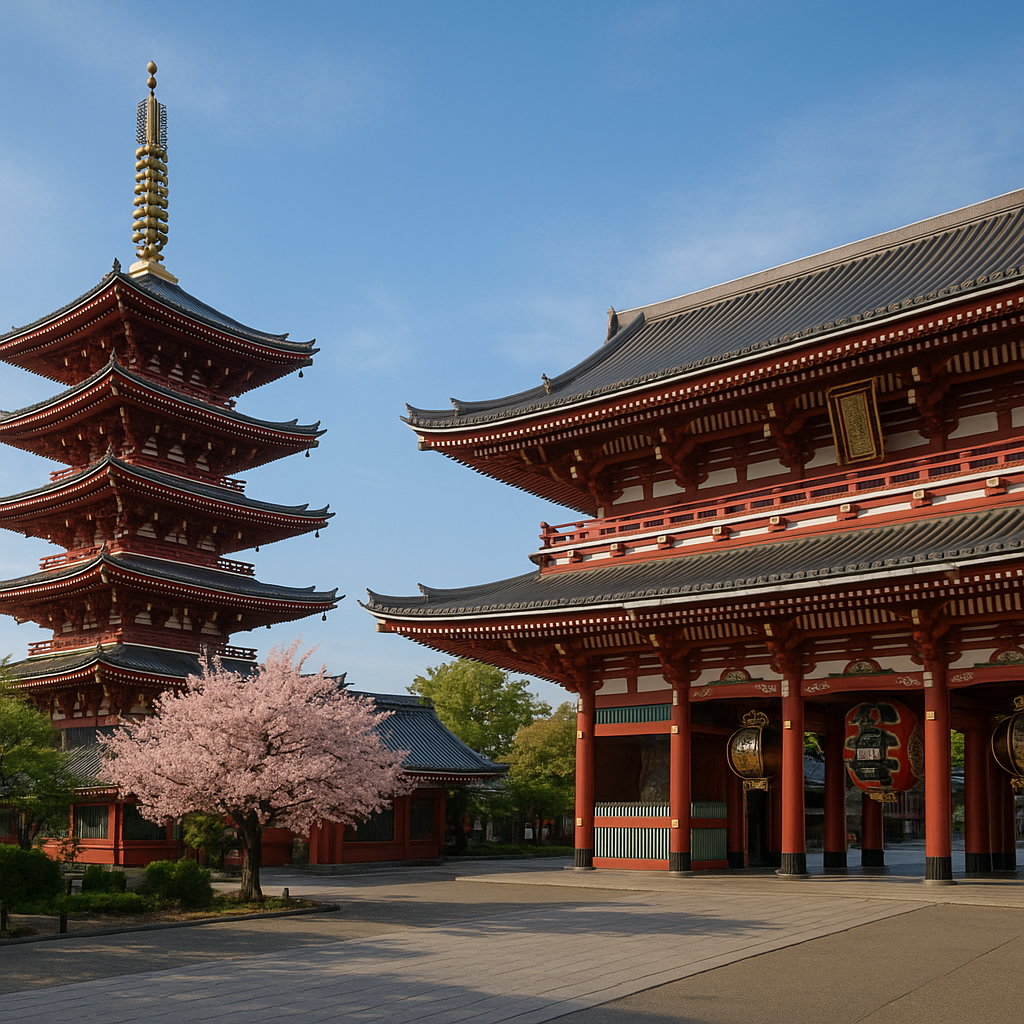
Tokyo is a city where neon-lit streets converge with centuries-old traditions, and among its urban sprawl lie some of Japan’s most sacred temples and shrines. From the thunderous gates of Asakusa to the tranquil forest paths of Harajuku, each site offers a unique glimpse into the city’s heritage, its ongoing culture of respect and reverence, and a chance to experience true tranquility amid the bustling metropolis.
Sensō-ji: The Timeless Icon of Asakusa
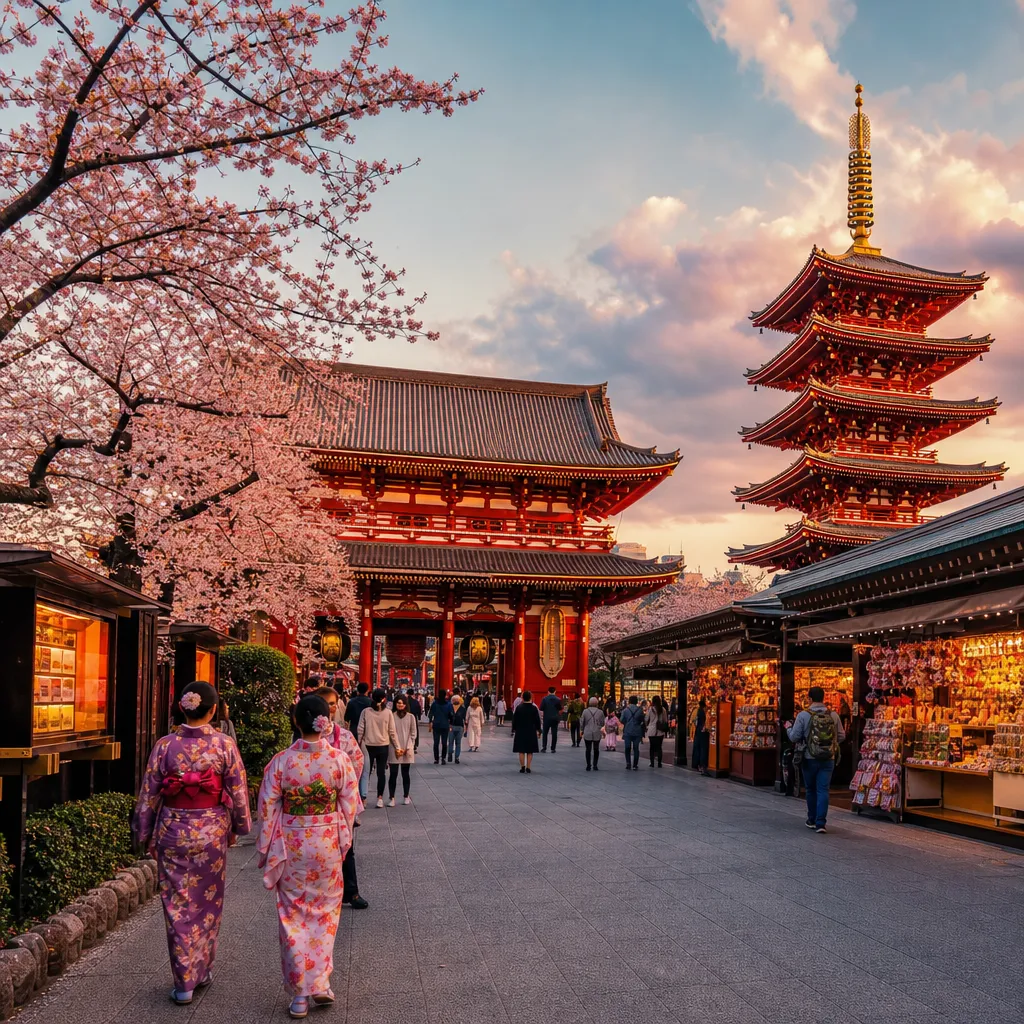
Standing proud at the heart of Asakusa, Sensō-ji is Tokyo’s oldest Buddhist temple, founded in the year 645 CE. Its vibrant red Kaminarimon gate, adorned with a giant paper lantern, beckons tourists and worshippers alike to step into a world where traditions remain unchanged.
- Kaminarimon Gate: The majestic entrance featuring a 3.9-meter tall lantern.
- Nakamise Shopping Street: Lined with stalls selling handcrafted souvenirs and traditional snacks.
- Hōzōmon Gate: A second, more imposing gateway guarded by fearsome Nio statues.
- Main Hall (Hondō): A place to offer incense smoke for spiritual purification.
Devotees write hopes on colorful wooden plaques (ema) and draw numbered fortune slips (omikuji). Evenings bring the temple’s lanterns to life, bathing the grounds in an elegant glow that contrasts sharply with the neon world just steps away. Sensō-ji’s annual Sanja Matsuri festival in May is one of Tokyo’s largest, featuring dynamic mikoshi processions and traditional music.
Meiji Shrine: A Forested Shrine of Modern Majesty
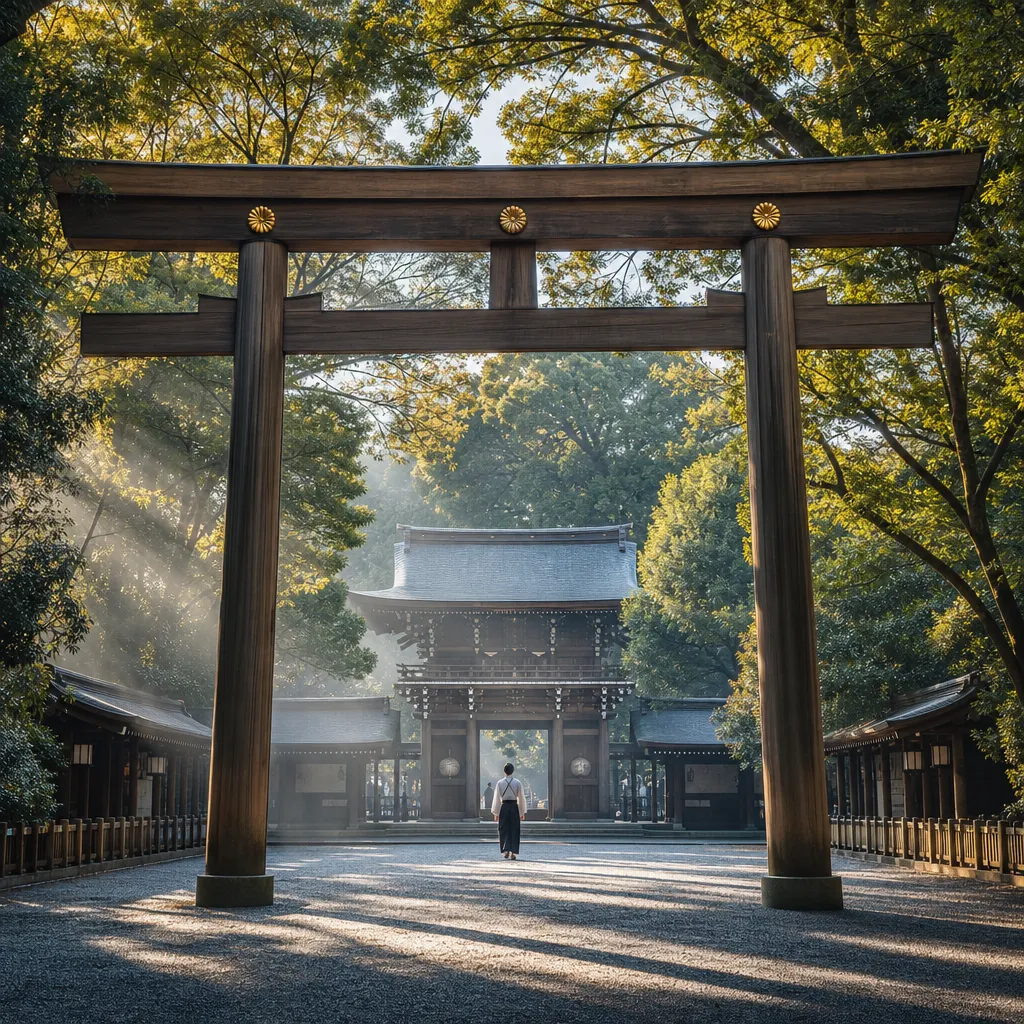
Hidden behind a curtain of towering trees near Harajuku Station, Meiji Shrine honors Emperor Meiji and Empress Shōken, key figures in Japan’s Meiji Restoration. The long, cedar-lined approach evokes a sense of serenity and solemnity that feels miles away from the bustling Takeshita Street just beyond its torii gates.
- Massive Torii Gates: Standing at 12 meters high, crafted from cypress wood without nails.
- Inner Garden (Shin’en): Featuring iris ponds, tea houses, and seasonal blooms.
- Treasure Museum: Exhibiting royal artifacts that illustrate the emperor’s role in Japan’s modernization.
- Ceremonial Offerings: Sake barrels and casks of wine presented to the deities.
Couples often visit Meiji Shrine for traditional Shinto weddings, complete with white kimonos and processions led by shrine maidens. Visitors may also write wishes on elegant paper and hang them beneath the ancient rafters, hoping for success in exams, love, or health. The shrine’s commitment to preservation ensures that the surrounding forest remains untouched, making it a true urban oasis.
Nezu Shrine: A Picturesque Corner of Tradition
One of Tokyo’s lesser-known jewels, Nezu Shrine is celebrated for its delicate vermilion architecture and labyrinthine azalea paths. Established in the 1st century, this Shinto shrine sits in a quiet residential enclave, offering an intimate view of historic design.
- Azalea Festival (Tsutsuji Matsuri): In April–May, more than 3,000 azalea bushes bloom in breathtaking colors.
- Stone Torii Path: Over 300 small gates carve a winding route through the grounds.
- Main Hall: Adorned with copper roofs and carved ornamental details.
- Spring Sunrise Rituals: Early-morning ceremonies invite worshippers to greet the dawn.
Nezu Shrine’s red-lacquered lectern and intricately carved wooden beams make it a photographer’s landmark. Unlike larger sites, it retains a quiet atmosphere, where you can pause by koi ponds and meditate under centuries-old pines. The shrine’s role in local community events, such as blessings for newborns and business openings, demonstrates its enduring place in Tokyo life.
Zojo-ji: The Shogun’s Temple by Tokyo Bay
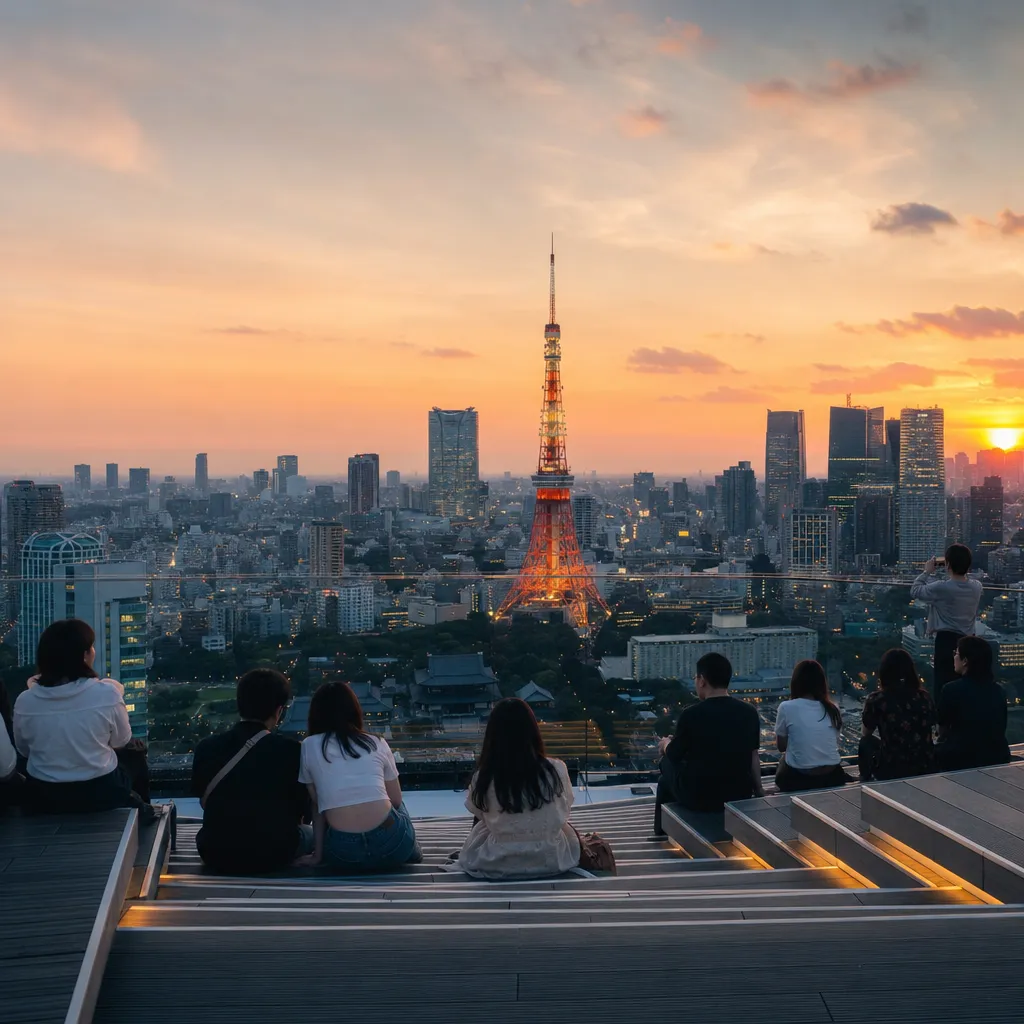
At the base of Tokyo Tower lies Zojo-ji, a Buddhist temple with strong ties to the Tokugawa shogunate. Founded in 1393 and relocated to its current site in 1598, Zojo-ji served as the family temple for six generations of Tokugawa shoguns, cementing its role in Japan’s feudal history.
- Main Gate (Sangedatsumon): A rare surviving wooden structure dating from 1622.
- Daiden (Main Hall): Reconstructed after World War II, blending modern techniques with classic design.
- Shogun Mausoleums: Behind the main complex lie the memorials of influential leaders.
- Annual Shichi-Go-San Festival: Celebrating children’s growth with traditional blessings.
Visitors can stroll through the temple’s cemetery, where centuries-old gravestones mingle with modern memorials. The contrast between Zojo-ji’s solemn grounds and Tokyo Tower’s soaring form creates a striking visual juxtaposition of old and new. The temple also hosts periodic Zen meditation sessions, inviting both locals and travelers to deepen their sense of peace.
Kanda Myojin: Tech Era Guardian
Located near Akihabara, Kanda Myojin Shrine bridges Tokyo’s hypermodern identity with its ancient roots. Established over 1,270 years ago, it protects Tokyo’s locals and the booming electronics district, earning a reputation among gamers and programmers.
- Modern Ema Boards: Illustrated with anime and tech motifs to appeal to younger visitors.
- Seasonal Festivals: Kanda Matsuri in mid-May is one of Tokyo’s three great festivals.
- Talisman Shop: Sells protective charms for safe travel, business success, and even smartphone screens.
- Micro-Zen Garden: A compact courtyard offering calm in a tech-centric neighborhood.
Business owners and tech professionals often visit Kanda Myojin to pray for innovation and cybersecurity. Its vivid red and black structures stand out amid sleek electronic stores, reminding visitors that a sense of pilgrimage can take many forms—whether to a shrine or a state-of-the-art showroom.