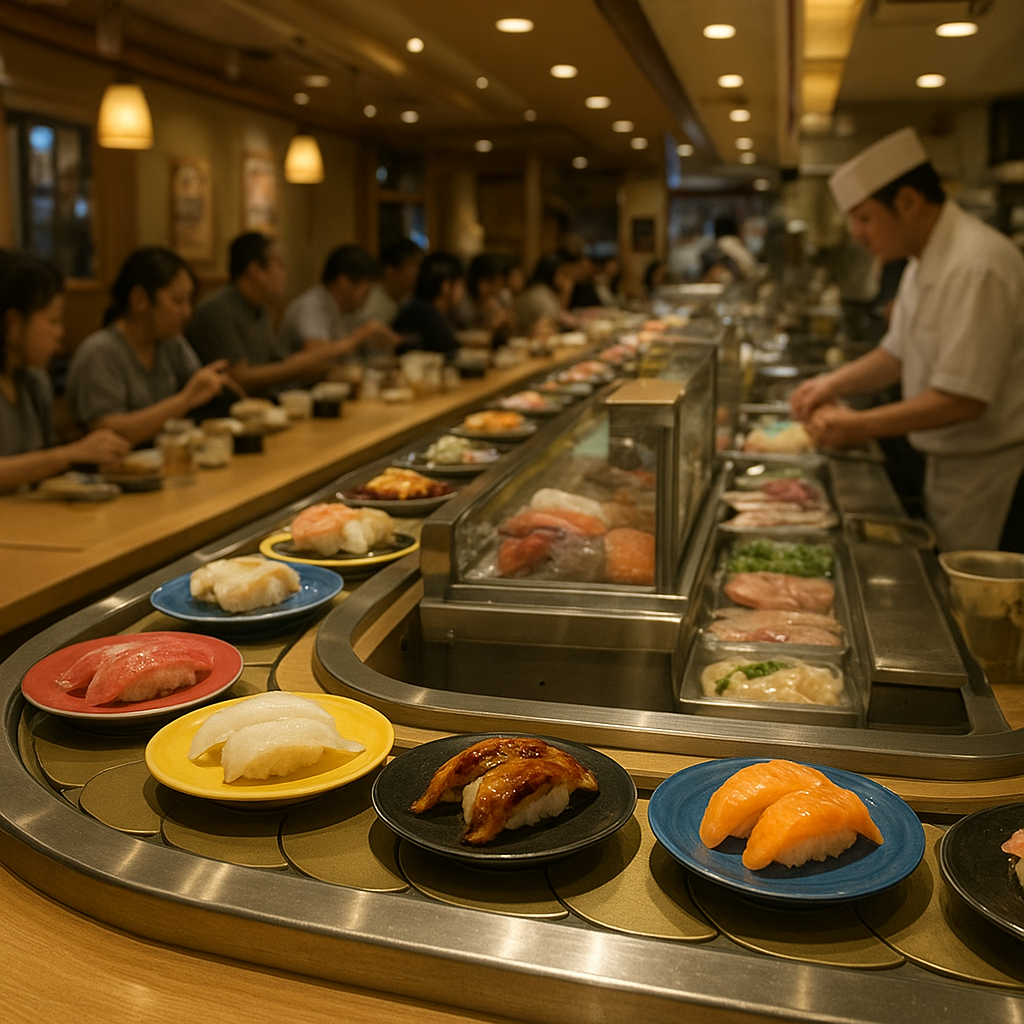
Experience the mouthwatering world of sushi and conveyor belt dining in Tokyo, where cutting-edge innovation meets time-honored tradition. From sleek urban outlets in Shibuya to retro-style halls near Tsukiji Market, the city’s kaiten-zushi venues offer a remarkable fusion of taste, speed, and visual delight. This article explores the evolution, standout locations, and expert tips to elevate your next round of plates on the rotating train.
Historical Evolution of Conveyor Belt Sushi
The concept of kaiten-zushi—literally “rotating sushi”—was born in 1958 when Yoshiaki Shiraishi, driven by a desire to streamline service and lower costs, invented a conveyor system that could present an array of dishes with minimal staff interaction. Over decades, this simple yet ingenious mechanism has been adapted and refined, embracing modern technologies such as RFID tracking and automated ordering screens.
The Birth of a Culinary Revolution
Shiraishi’s inaugural restaurant, named “Mawaru Genrokuzushi” in Osaka, laid the groundwork for what would become a global phenomenon. Patrons could now select plates directly from a slow-moving conveyor belt, eliminating the need to wait for a server. This approach emphasized freshness, affordability, and a playful atmosphere—attributes that quickly resonated with diners on a budget and families alike.
Technological Innovations in Modern Outlets
- RFID-enabled dishes that automatically calculate the bill
- Touchscreen tablets for instant orders of specialty rolls
- High-speed delivery “shinkansen” minibuses for made-to-order items
- Temperature-controlled belts to maintain optimal freshness
These features ensure that each plate of toro, uni, or ikura arrives at your table with the perfect texture and flavor intact, enhancing the overall dining experience.
Top Conveyor Belt Sushi Spots in Tokyo
Tokyo’s bustling districts host a spectrum of kaiten-zushi towns—each with its own personality and menu highlights. Below are a few must-visit venues, celebrated for their quality, variety, and ambiance.
Sushi no Midori – Shibuya
Located in a sleek shopping complex, Sushi no Midori is famed for its generous portion sizes and competitive pricing. Expect lines out the door, but once seated, guests can indulge in premium tuna cuts and seasonal specials without breaking the bank. Signature items include:
- Thick-cut tuna belly (otoro) nigiri
- Spicy scallop roll with yuzu kosho
- Chocolate mousse dessert to cleanse the palate
Genki Sushi – Akihabara
Genki Sushi takes inspiration from the high-speed world of electronics, delivering orders via miniature bullet trains that zip through narrow aisles. The interactive menu lets diners customize sauces and toppings, while the dynamic lighting and upbeat music set a playful tone. Highlights include the affordable larva crab hand roll and matcha pudding.
Uobei – Shinjuku
Uobei’s compact, futuristic booths offer a unique solo-dining experience. Patrons sit on one side of a counter, place orders on a digital panel, then watch as plates arrive in seconds. This format emphasizes speed and affordability, making it a favorite for busy office workers and night owls.
Insider Tips for the Ultimate Dining Experience
Whether you’re a first-timer or a seasoned sushi aficionado, consider these strategies to make the most of your rotating feast.
Timing Is Everything
- Visit off-peak hours (mid-afternoon on weekdays) to avoid long waits.
- Check if the restaurant offers early-bird specials or lunch-only menus.
Maximize Flavor and Value
- Start with lighter fare—e.g., shrimp tempura rolls or cucumber sushi—to prepare your palate.
- Watch the belt closely: freshly replenished plates indicate high turnover and crisp freshness.
- Sample regional specialties, such as Hokkaido crab or Kyushu mackerel, for unique tastes.
Understanding Plate Colors and Pricing
Most kaiten-zushi venues use color-coded plates to denote price tiers. Familiarize yourself with the scheme upon seating, then mix low- and high-tier plates for a balanced bill. Some high-end spots even employ numbered plates that can be redeemed for complimentary desserts.
Etiquette and Cultural Nuances
- Avoid placing soy sauce directly on rice; instead, dip the fish side to maintain the chef’s intended balance of seasoning.
- Refrain from returning plates to the belt; use the designated drop box or hand them to staff.
- Feel free to wave down a server or use the call button if you have special requests.
Future Trends and Expanding Horizons
The kaiten-zushi model continues to evolve beyond Japan’s borders, with international branches popping up in major cities worldwide. Meanwhile, Tokyo-based innovators are exploring drone deliveries, robotic chefs, and augmented-reality menus that overlay ingredient information in real time. As sustainability gains traction, many outlets now feature responsibly sourced seafood and plastic-free packaging.
From the nostalgic charm of conveyor belts to the cutting-edge thrill of automated sushi trains, Tokyo’s rotating dining scene offers something for every palate and budget. Immerse yourself in this dynamic culinary adventure, and discover why kaiten-zushi remains a beloved symbol of innovation, variety, and shared enjoyment.