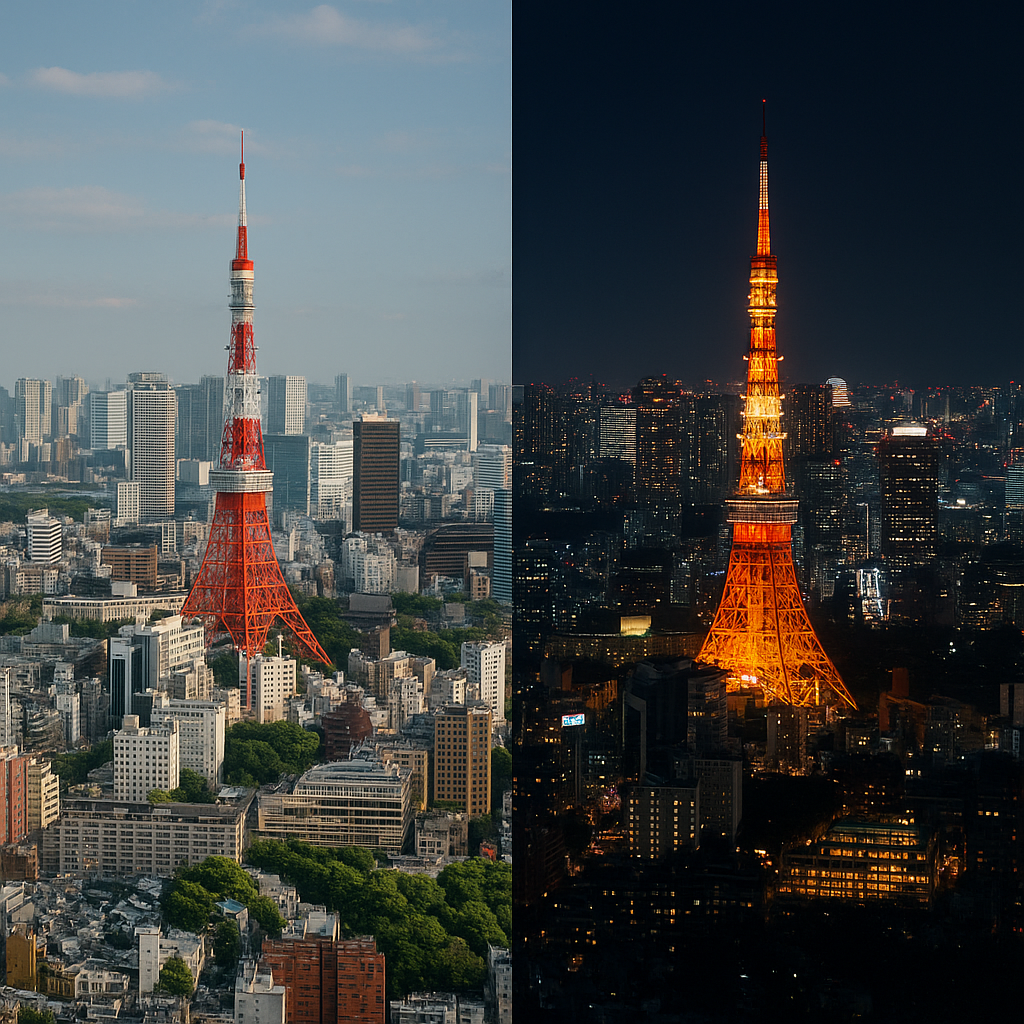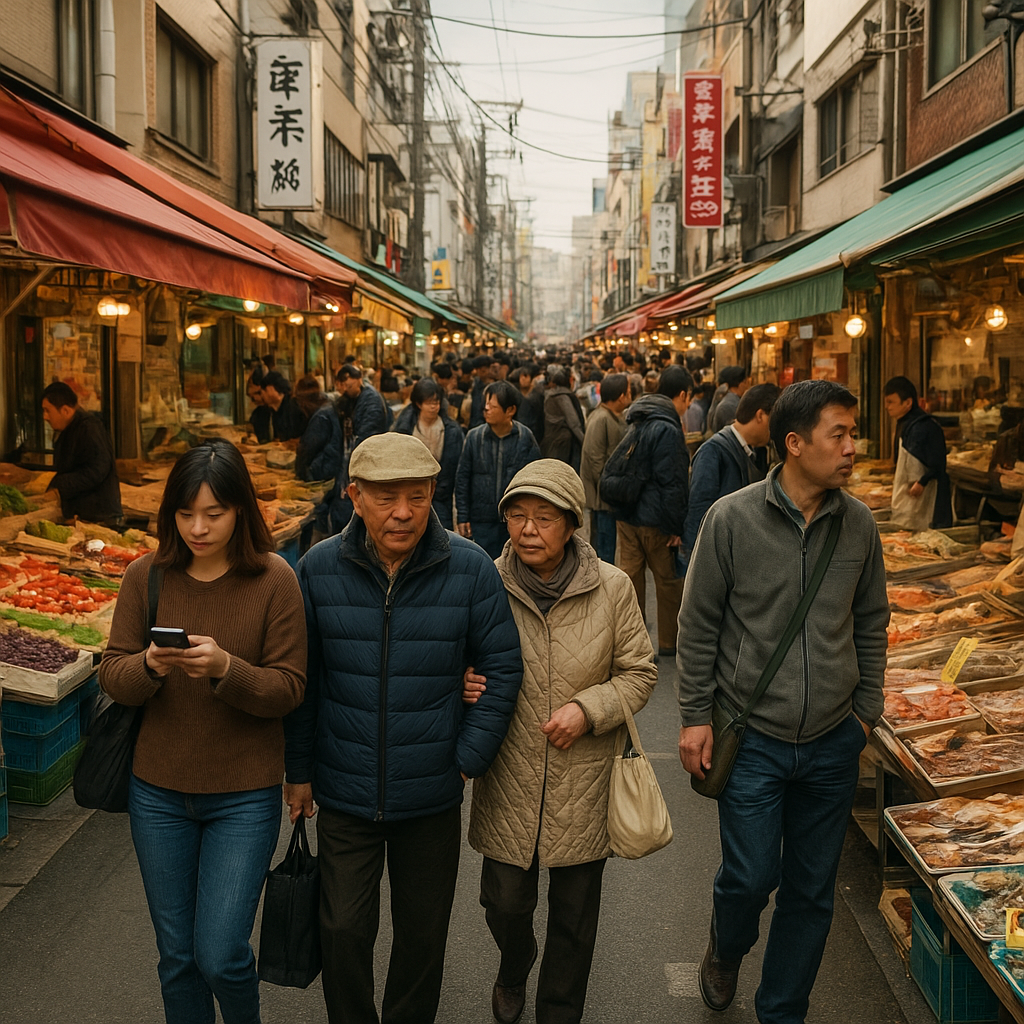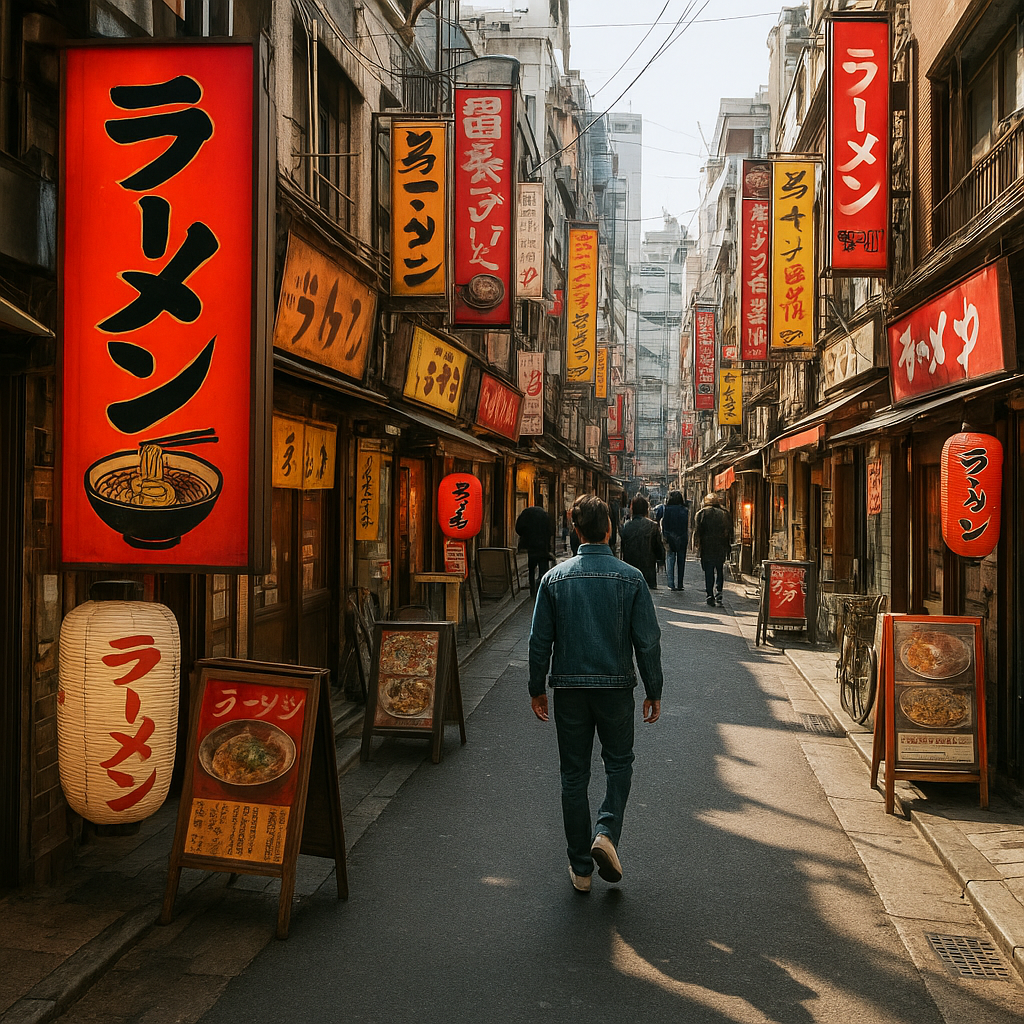
Tokyo’s ramen culture offers an unforgettable journey through a web of aromatic shops, each district boasting its own unique style. From the neon-lit alleys of Shinjuku to the historic streets of Asakusa, ramen aficionados can indulge in a staggering variety of broths and noodle concoctions. Whether you crave a rich tonkotsu bowl or a delicate shoyu creation, these vibrant corners of the city have you covered. Explore the soul of ramen in Tokyo’s most iconic neighborhoods and learn where to find the perfect combination of broth, noodles, and unforgettable umami punch.
Shibuya’s Trendsetting Bowls
Shibuya pulsates with youthful energy and houses some of Tokyo’s most innovative ramen hot spots. Just steps away from the famous scramble crossing, you’ll discover shops serving everything from spicy miso creations to creamy paitan bowls. Many of these vendors experiment by blending traditional recipes with modern twists—toppings like truffle oil, poached eggs, and aromatic herbs are commonplace.
Must-Try Shops in Shibuya
- Ramen Tsukemen Daichi: Known for its thick dipping broth and chewy noodles, this shop delivers a satisfying contrast of textures.
- Nagi Golden Gai: Hidden in a narrow alley, Nagi offers a dense sardine-infused broth that packs a powerful flavor punch.
- Afuri Harajuku: Famous for yuzu-infused chicken broth, Afuri balances citrus brightness with savory depth.
Ikebukuro’s Local Classics
Just north of Shinjuku, Ikebukuro blends both iconic chain restaurants and beloved local joints. This area is especially popular among families and students, offering hearty, budget-friendly bowls that don’t compromise on taste. Here, you’ll find ramen steeped in traditional techniques, yet approachable for first-time visitors.
Highlights in Ikebukuro
- Mutekiya: Famous for its rich tonkotsu broth and generous slices of chashu pork, lines often stretch around the block.
- Menya Musashi: Celebrated for its double soup base combining fish and pork, topped with thick, hand-cut noodles.
- Rokurinsha: Although known for its Tokyo Station location, the Ikebukuro branch maintains the same legendary tsukemen quality.
Shinjuku’s Ramen Rows
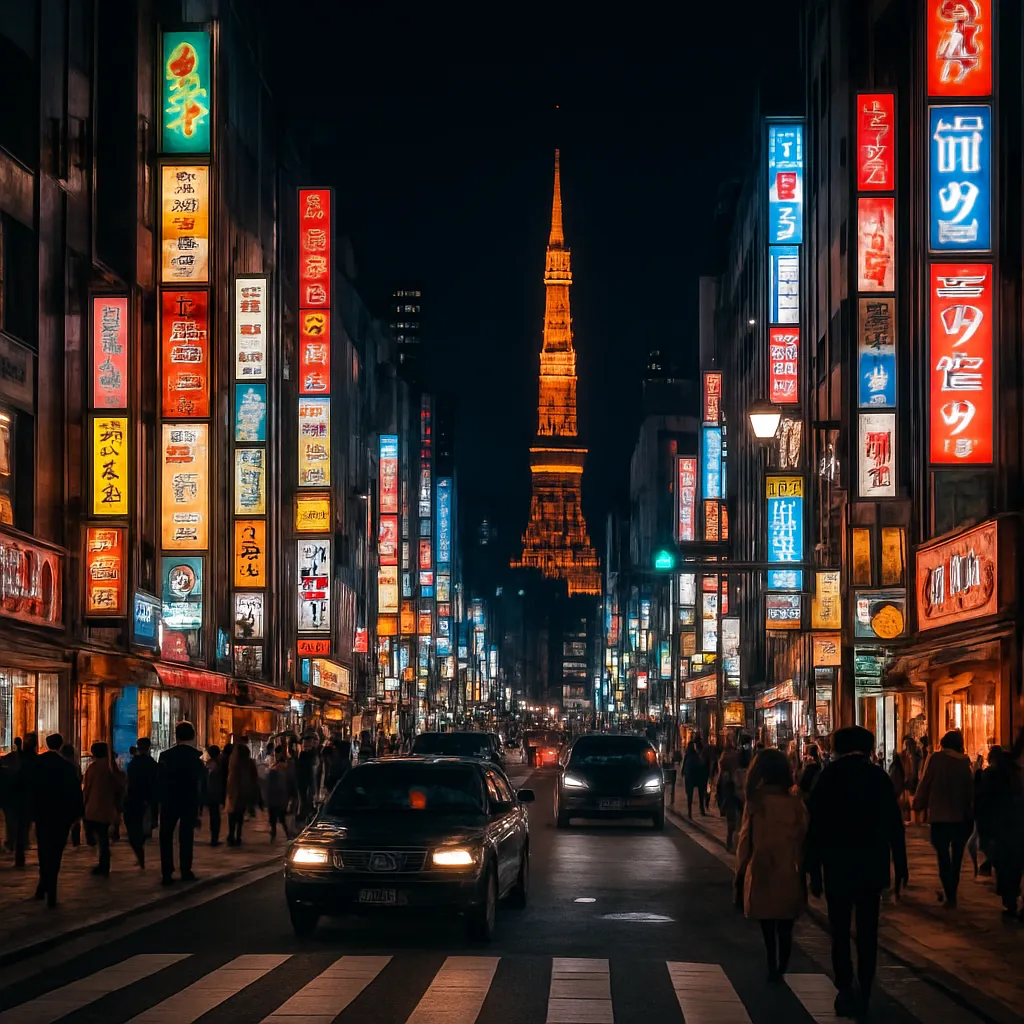
Shinjuku is a labyrinth of neon lights and late-night dining. Among karaoke bars and izakayas, narrow alleys are dotted with ramen counters that open until the early morning hours. It’s here you can chase the last train or dine post-midnight in a bustling atmosphere.
Standout Shinjuku Destinations
- Torikizoku Ramen: Specializes in chicken-based ramen with a clean yet flavorful broth.
- Menya Kaijin: Offers a unique seafood-forward bowl featuring fresh crab and shrimp.
- Ichiran: The famous solo-dining ramen chain, known for its customized order forms and thick tonkotsu broth.
Asakusa and the Spirit of Old Tokyo
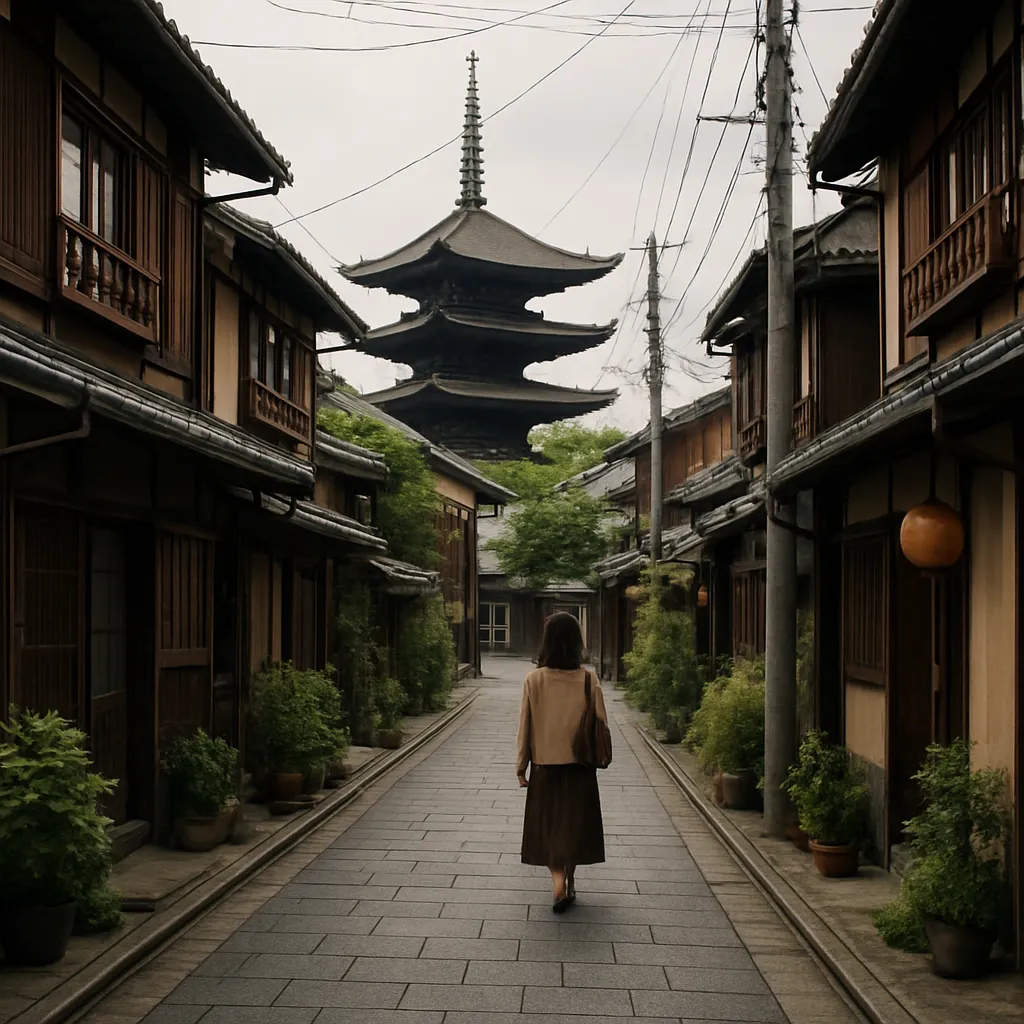
Asakusa preserves a slice of Edo-era charm, making it a fitting backdrop for traditional ramen shops. While strolling beneath the grand Kaminarimon Gate, you can stop by family-run stalls that have perfected their recipes over generations. Expect clear shoyu broths, crisp menma (bamboo shoots), and authentic homemade noodles.
Historical Ramen Spots
- Inoichi: Located near Senso-ji Temple, this shop features delicate chicken broth with locally sourced vegetables.
- Kamogawa: A century-old establishment known for its soy sauce base and thin, springy noodles.
- Miraku: Offers a comforting bowl topped with slices of kamaboko (fish cake) and negi (green onions).
Beyond Central Tokyo: Suburban Delights
Venturing out to the suburbs is a rewarding experience for those seeking hidden ramen treasures. In areas like Kichijoji, Nakano, and Koenji, you’ll find shops where locals gather daily. These neighborhoods blend cozy atmospheres with menus that often feature seasonal ingredients and creative toppings.
Suburban Ramen Must-Eats
- Menya Hanabi (Koenji): Famous for its spicy “taiwan mazesoba” dry ramen loaded with garlic chives and minced pork.
- Ramen Zundoya (Kichijoji): Serves a unique green-tinted broth infused with locally grown spinach.
- Tori-ichi (Nakano): Specializes in crispy chicken skin garnish atop a clear, savory chicken broth.
Cultural Immersion and Ramen Etiquette
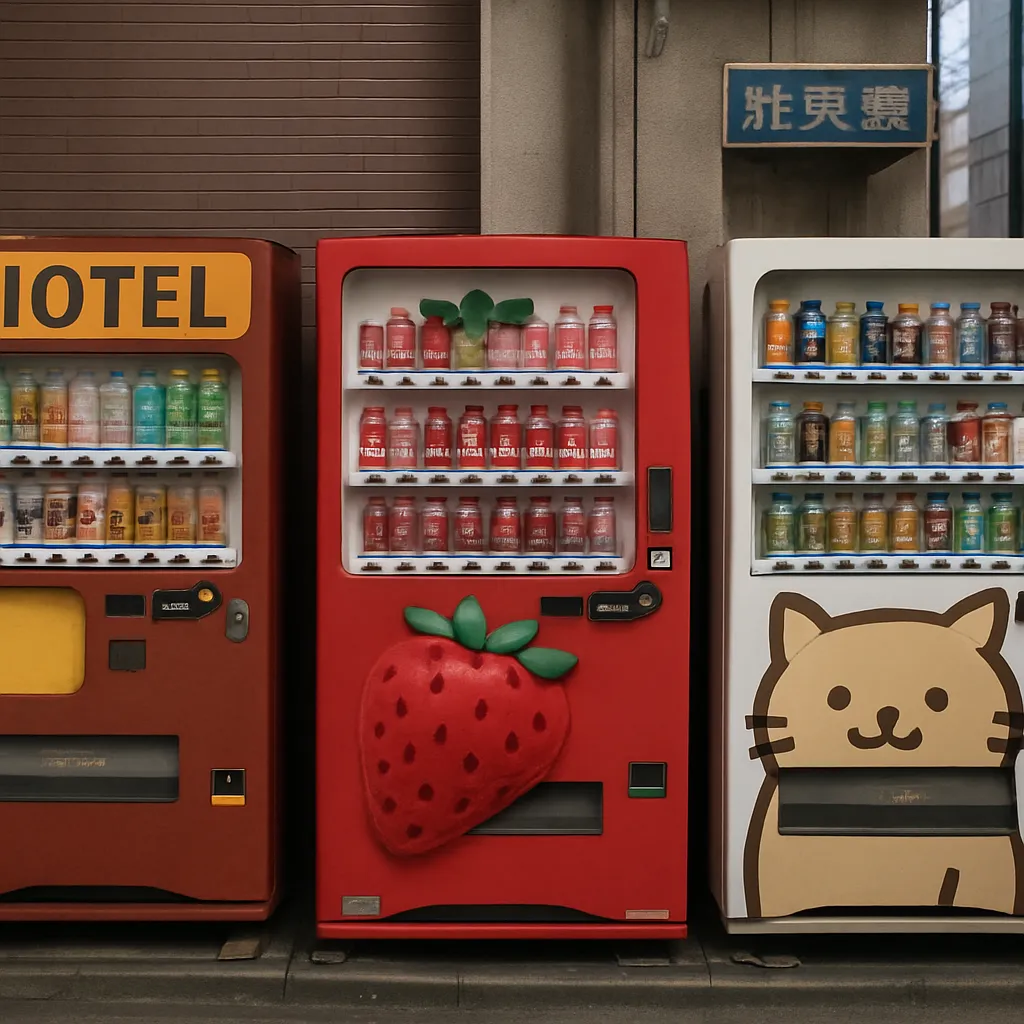
Eating ramen in Tokyo isn’t just about taste—it’s a cultural ritual. Many bustling shops encourage slurping, which cools the hot broth and enhances the aroma. Seating often takes place at compact counters, and it’s customary to purchase a ticket from a vending machine before ordering. Observing local etiquette elevates the overall experience and shows respect to passionate ramen craftsmen.
Ramen Rituals to Follow
- Purchase your meal ticket at the entrance machine.
- Slurp loudly to show appreciation for the chef’s skill.
- Finish your bowl; leaving broth behind is uncommon unless invited.
Conclusion of Your Ramen Quest
With districts like Shibuya, Ikebukuro, Shinjuku, and Asakusa at your fingertips, Tokyo promises an endless ramen adventure. Each neighborhood unveils a different facet of this beloved dish—from innovative creations to traditional classics. Be prepared to explore narrow lanes, follow enticing aromas, and immerse yourself in the rich tapestry of flavors that make Tokyo’s ramen scene truly unparalleled.