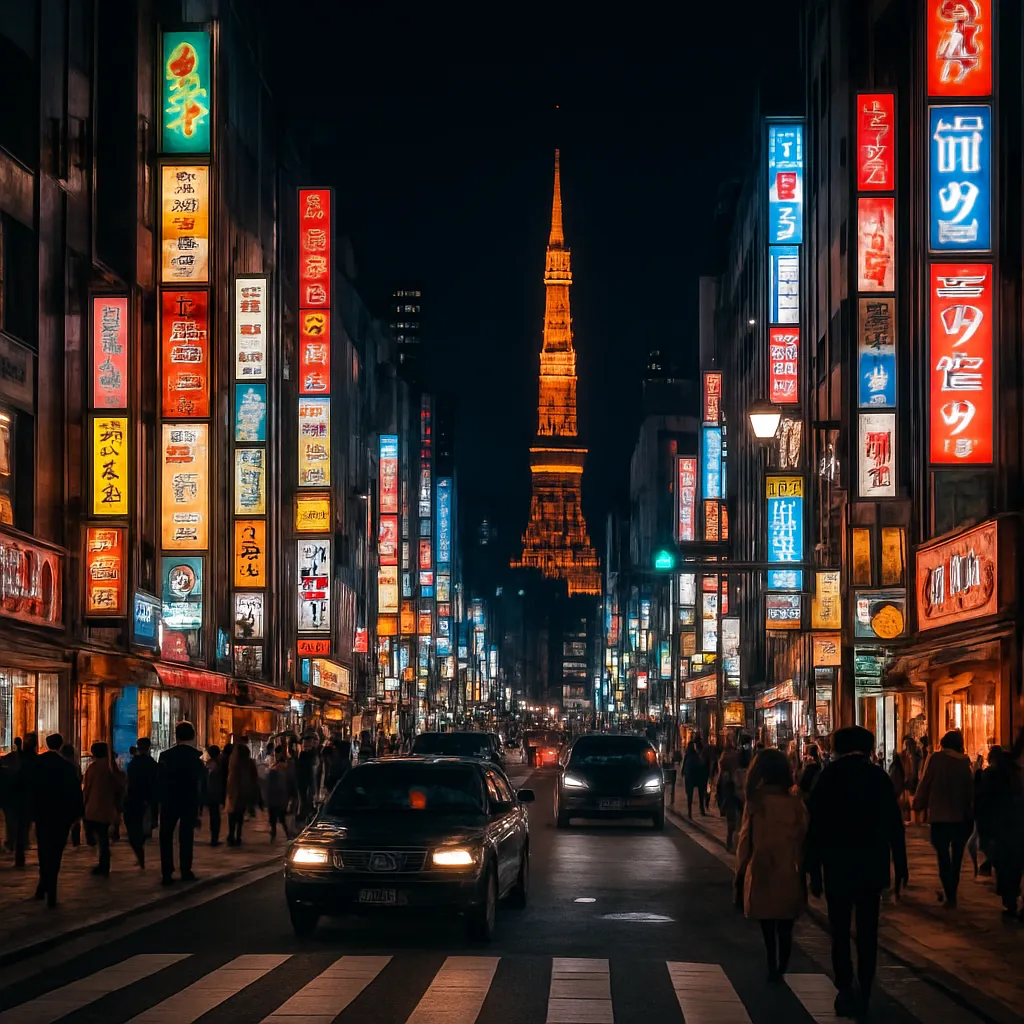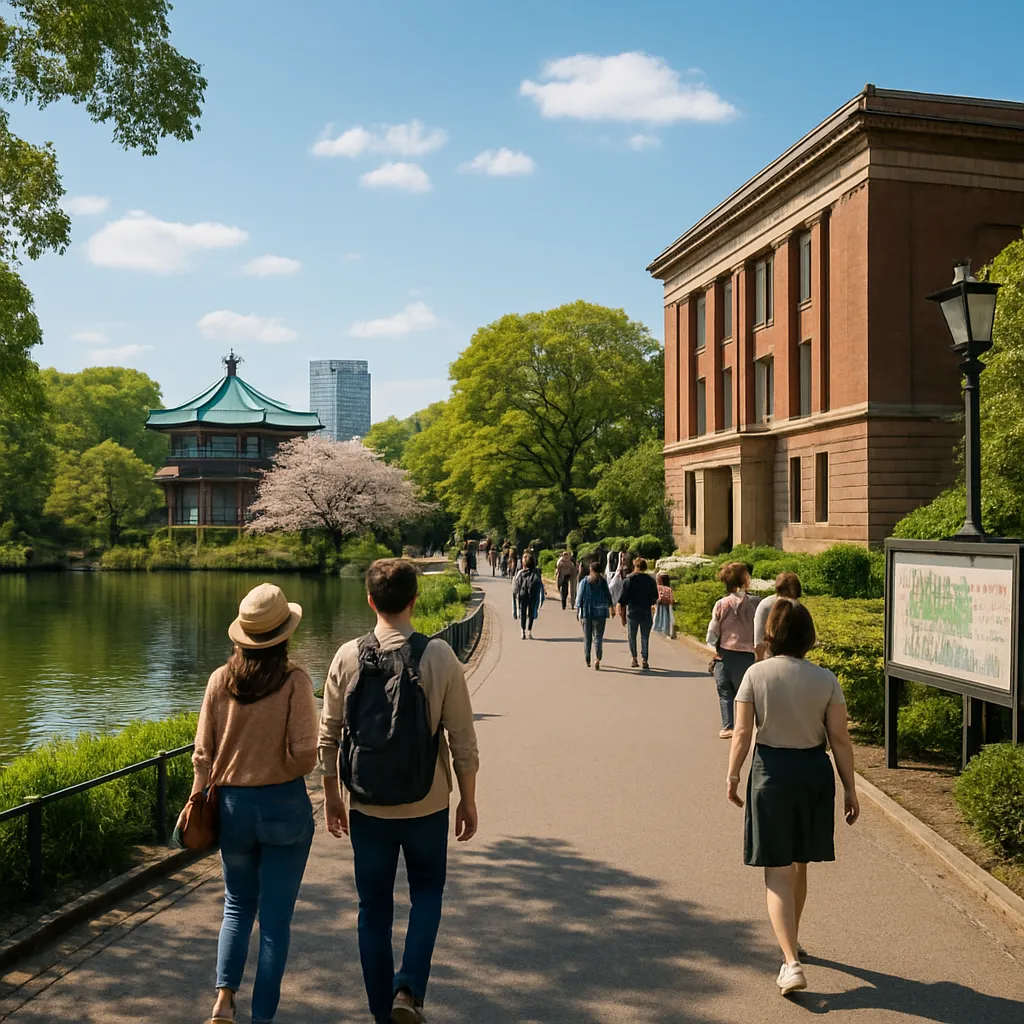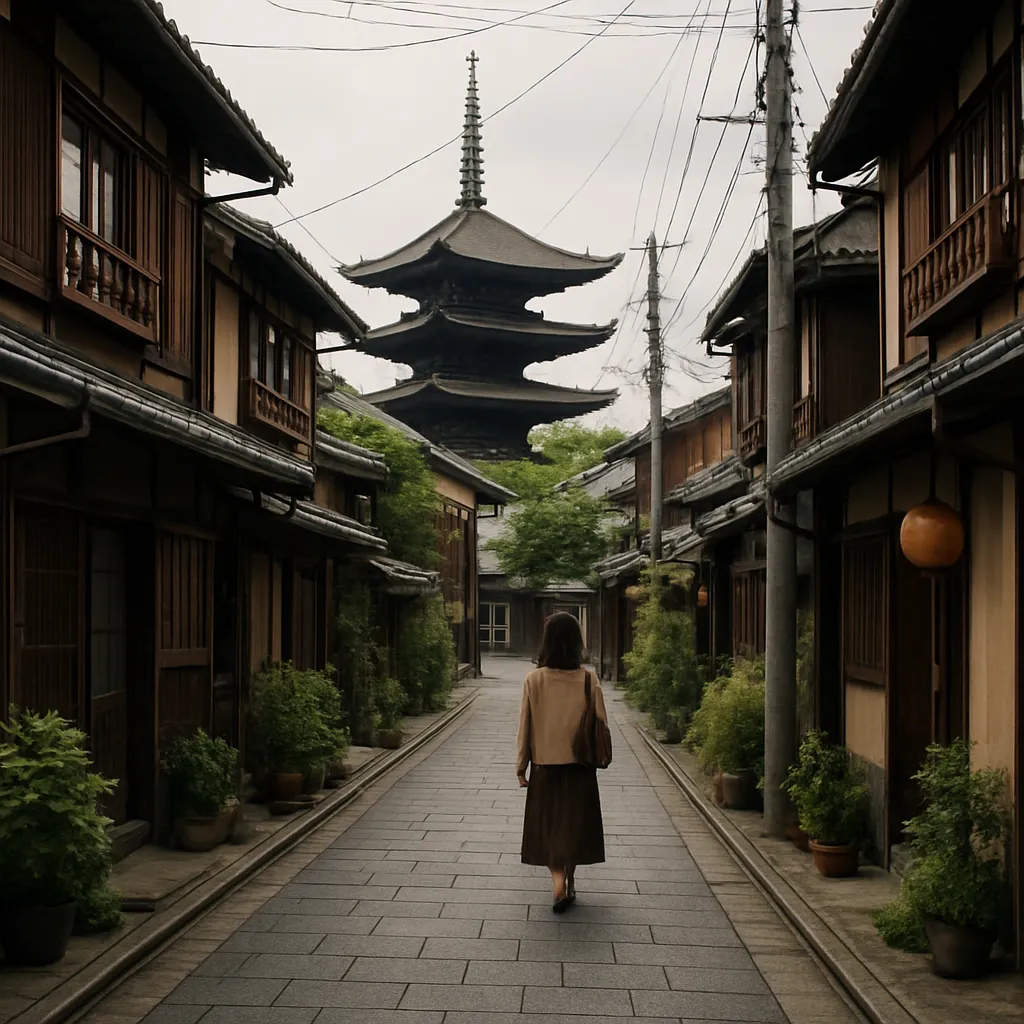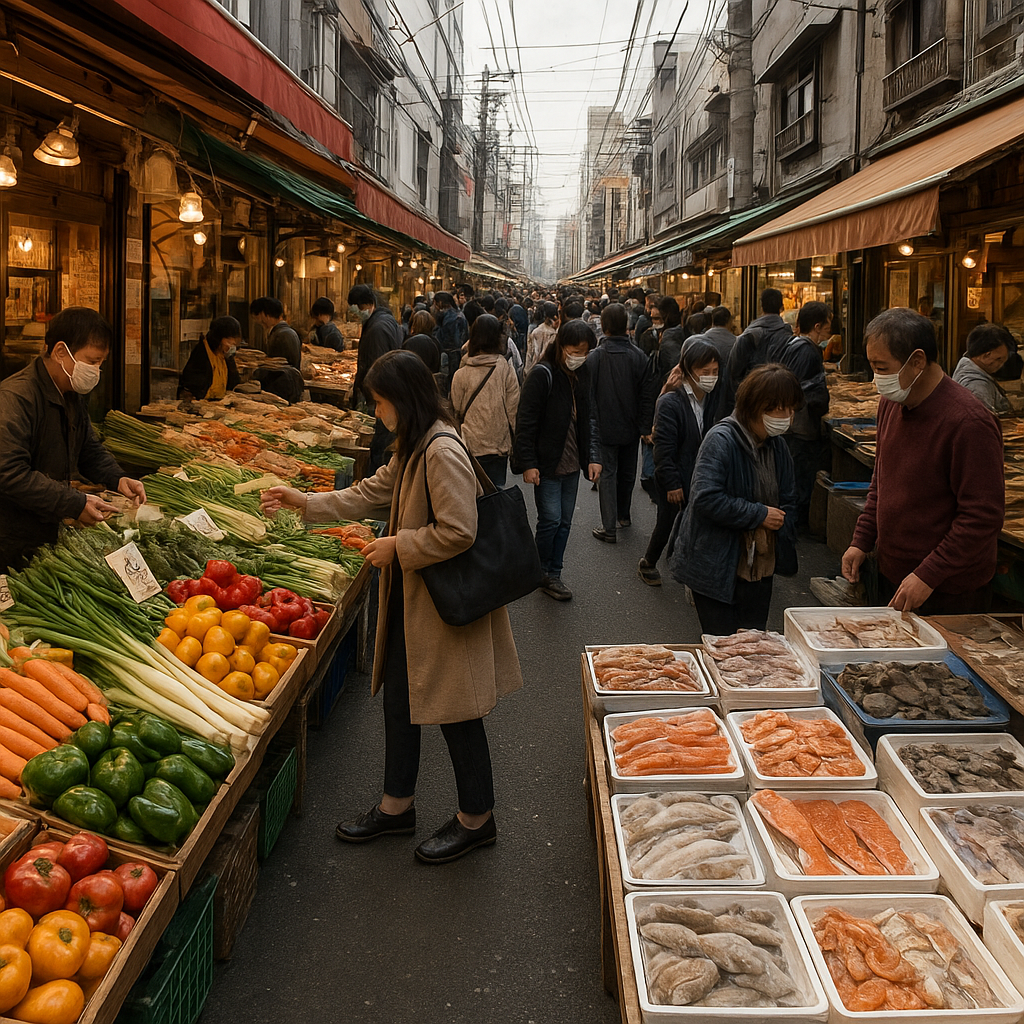
Exploring Tokyo’s local markets offers an immersive journey into the city’s culinary landscape and vibrant street culture. From the bustling fish stalls of Tsukiji Outer Market to the hidden gem of Ota Market, each venue presents a unique tapestry of aromas, textures, and colors. Shoppers and food lovers alike can sample freshly caught seafood, marvel at handcrafted artisanal goods, and haggle for the best bargains. Whether you seek traditional snacks or rare ingredients for home cooking, Tokyo’s markets reveal layers of urban life rarely seen on tourist maps.
Tsukiji Outer Market: A Seafood Paradise
Though the inner auction moved to Toyosu, Tsukiji Outer Market remains a bustling hub where over 400 shops line narrow alleys. Early birds can watch fishmongers skillfully carve giant tunas for sashimi, while curious visitors taste bite-sized treats sold from wooden stalls. The atmosphere here is undeniably vibrant: wooden signboards, steaming bowls of miso soup, and vendors calling out their daily specials. Key attractions include:
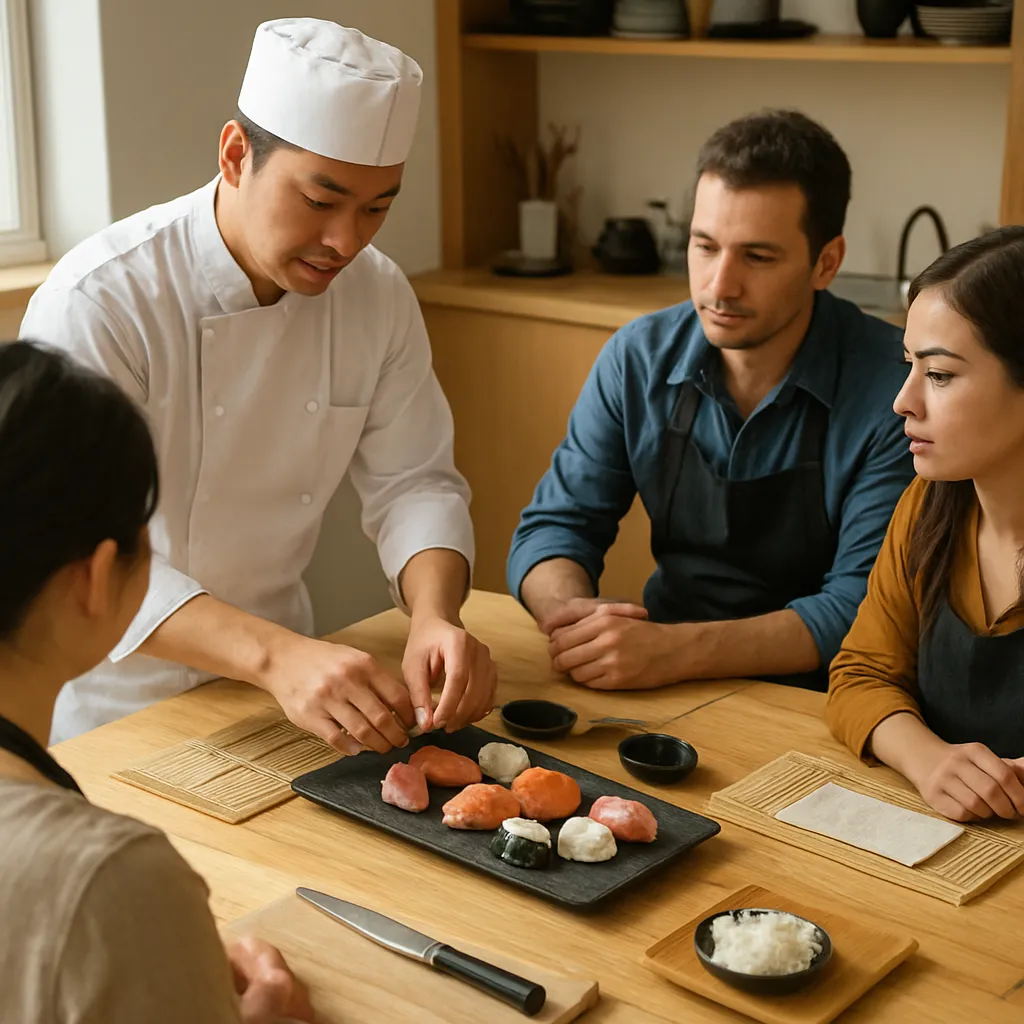
- Fresh sushi counters dishing out morning omakase sets at local prices
- Grilled seafood skewers—octopus, scallops, and squid basted in savory sauces
- Specialty knife shops offering blades forged by master craftsmen
- Traditional Japanese sweets, from mochi rice cakes to dorayaki pancakes
For a genuine taste of Tsukiji, visitors should aim to arrive before 9 AM. This ensures access to the widest selection of seafood and the chance to interact with seasoned vendors. Don’t miss the iconic tamagoyaki stalls selling thick, sweet omelet slices—a local breakfast favorite. The neighborhood surrounding Tsukiji, including Higashi-Ginza, also features cozy izakayas and hidden sake-bars, perfect for an evening recap of your market discoveries.
Ameya-Yokocho: Bargain Hunting and Street Food Galore
Located between Ueno and Okachimachi stations, Ameya-Yokocho—often called “Ameyoko”—was once a postwar black market. Today it’s a lively maze of discount shops, fruit stands, and street-food stalls. The eclectic mix of goods ranges from imported cosmetics to military surplus gear, making it an ideal spot for thrifty travelers. Meanwhile, fragrant clouds of steam rise from food vendors offering everything from skewered yakitori to spicy kimchi pancakes. Highlights include:
- Fruit stalls showcasing plump strawberries, melons, and exotic tropical fruits
- Street-food counters selling karaage (Japanese fried chicken) and takoyaki balls
- Wholesale underwear shops where multi-pack deals are the norm
- Small seafood vendors peddling live crabs and shellfish at discount prices
As you wander the bustling lanes, keep an eye out for squeezable juice bars and stalls selling hot oden on chilly days. The mix of Japanese and international influences is reflected in the signage: some shops still display Cyrillic or English typefaces from decades past. Haggling is common, so don’t hesitate to negotiate prices on bulk purchases. If timing allows, visit on Sundays when the market is less crowded, granting a more relaxed browsing experience.
Nakamise Shopping Street: Traditional Crafts and Snacks
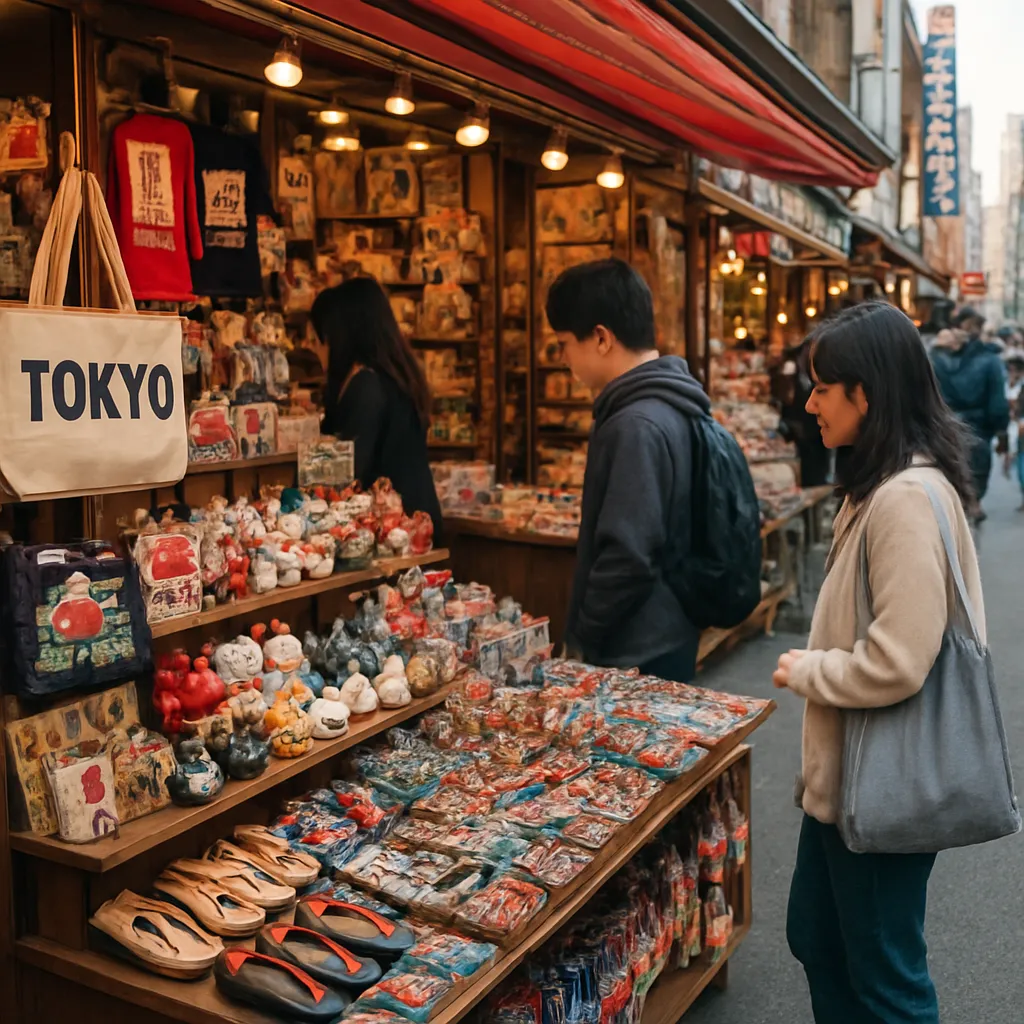
Nakamise Street leads directly to Senso-ji, Tokyo’s oldest temple in Asakusa. This historic thoroughfare is lined with over 80 stalls, each offering souvenirs, handcrafted items, and snacks passed down through generations. The setting retains an air of tradition, with red lanterns swaying overhead and the distant chiming of temple bells. Popular items include:
- Hand-painted fans and silk scarves reflecting Edo-period designs
- Woodblock prints and ukiyo-e reproductions capturing old Tokyo scenes
- Freshly baked ningyo-yaki cakes shaped like famous deities or local landmarks
- Colorful glassware (Edo kiriko) engraved with intricate patterns
Sampling the street-food offerings is a must. Try roasted senbei rice crackers brushed with soy glaze, sweet bean-filled taiyaki fish cakes, or warm dango skewers drizzled with sweet syrup. The pace here is slower compared to Tsukiji or Ameya, allowing time to appreciate every handcrafted detail. A mid-afternoon visit offers pleasant light for photography, highlighting the contrast between wooden shopfronts and the grand pagoda of Senso-ji in the background.
Ota Market: A Glimpse into Tokyo’s Agricultural Heart
Ota Market, the city’s primary wholesale marketplace for fruits, vegetables, and flowers, operates largely behind closed doors for the public. However, guided tours and early-morning visit programs have opened parts of this vast complex to enthusiasts. Here you witness the sophisticated logistics that supply Tokyo’s restaurants and homes daily. The sprawling halls showcase:
- Rows of pristine cherries, melons, and grapes graded by size and sweetness
- Exotic produce such as dragon fruit, baby corn, and microgreens cultivated in rooftop farms
- Flower auctions featuring orchids, roses, and seasonal blooms destined for festivals
- Specialty stands selling edible flowers and rare herbs for high-end dining
Attending the 4 AM fruit auction is a highlight for serious food aficionados. The rapid-fire bidding, punctuated by hand signals and passionate shouts, demonstrates the market’s intensity. Afterward, guided groups often enjoy a breakfast of shaved ice topped with premium melons—a sweet reward for early risers. This glimpse into Tokyo’s agricultural network underscores the city’s commitment to fresh produce and the meticulous standards upheld by growers and distributors alike.
Tips for an Unforgettable Market Experience
When navigating Tokyo’s local markets, consider the following pointers to make your visit seamless:
- Carry small change and coins for easy transactions at street stalls.
- Learn a few basic Japanese phrases to greet vendors and ask prices.
- Plan early-morning visits to beat the crowds and witness auctions.
- Bring a reusable bag for purchases—many vendors charge for plastic.
- Respect local customs, such as refraining from eating while walking in certain areas.
Each market embodies a distinct facet of Tokyo’s identity, from the high-energy seafood stalls to the serene temple path stalls of Asakusa. By sampling diverse offerings—whether kebabs from Ameyoko, artisanal crafts in Nakamise, or premium fruits at Ota—you’ll gain a deeper appreciation for the city’s culinary ingenuity and rich cultural tapestry. Dive into these market scenes and let each encounter spark a lasting memory of Tokyo’s endless wonders.