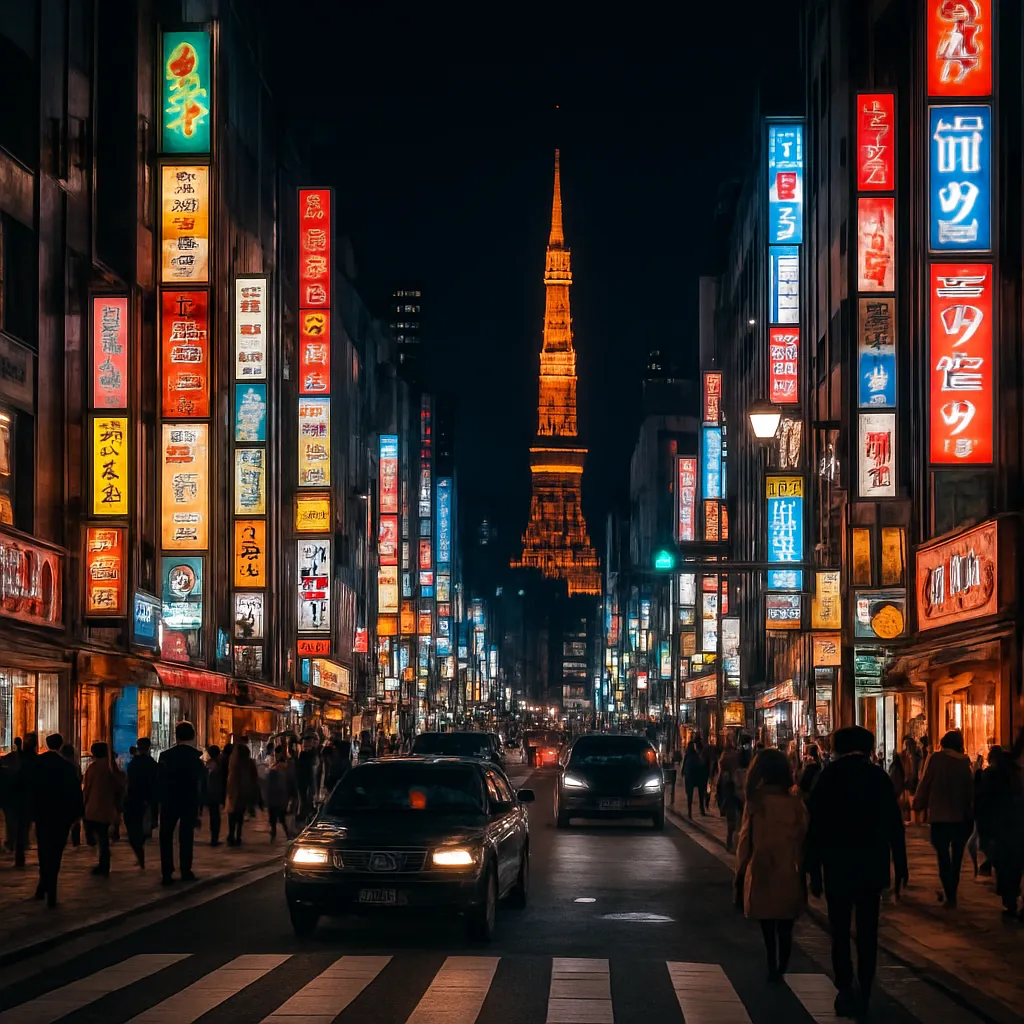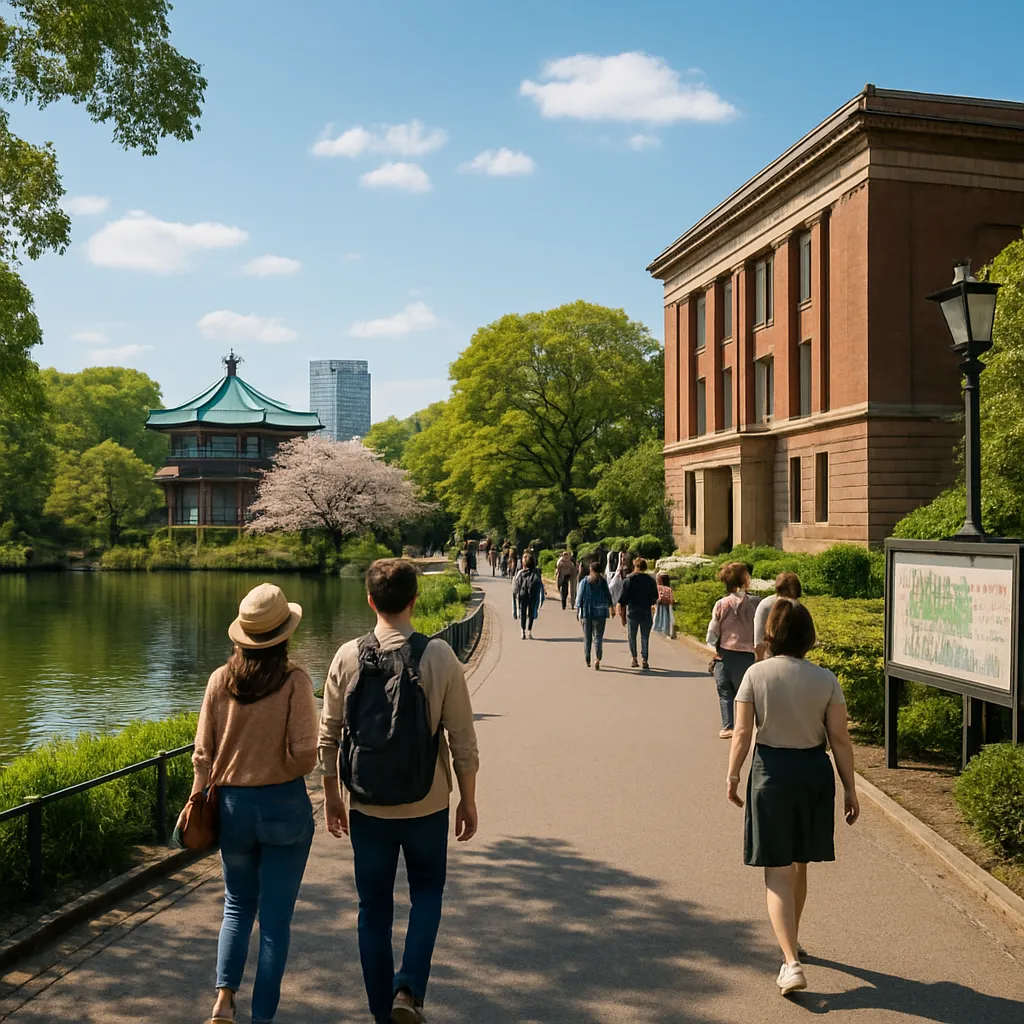
Nestled within the pulsating heart of Tokyo lies an unexpected world of steamy sanctuaries where centuries-old tradition meets modern comfort. For travelers and locals seeking a moment of tranquility, the city’s hot springs and public baths provide an oasis of calm amid the urban rush. From grand onsen theme parks to tiny neighborhood sento, each bathhouse offers a unique glimpse into Japanese culture and a chance for total relaxation.
Geothermal Oases: Oedo Onsen Monogatari and Beyond
One of Tokyo’s most celebrated attractions for onsen enthusiasts is Oedo Onsen Monogatari, a sprawling complex in Odaiba designed to resemble an Edo-period town. Visitors wrap themselves in traditional yukata, meander along cobblestone streets, and enjoy multiple bathing pools rich with minerals said to promote rejuvenation.
Signature Hot Spring Pools
- Indoor rotenburo (open-air baths) with view of Rainbow Bridge
- Gold-infused water for beauty benefits
- Carbonated springs known for muscle relief
Spa Services and Dining
Beyond soaking, the complex features massage parlors, foot baths, and relaxation lounges. A variety of eateries line the pathways, offering local specialties such as ramen and yakiimo (roasted sweet potato).
Hidden Gems in the City: Neighborhood Sento
While mega-onsen parks grab headlines, Tokyo’s true bathing culture thrives in modest sento scattered across its wards. These public baths serve as community hubs, where families and friends gather for casual conversation and comfort.
Notable Sento to Explore
- Jakotsu-yu (Meguro): Famous for its early 20th-century design and deep rectangular baths
- Futaba-yu (Koto): Celebrated for vibrant murals depicting Mount Fuji and seasonal landscapes
- Kiyosumi-yu (Koto): Known for its black mineral water that aids circulation
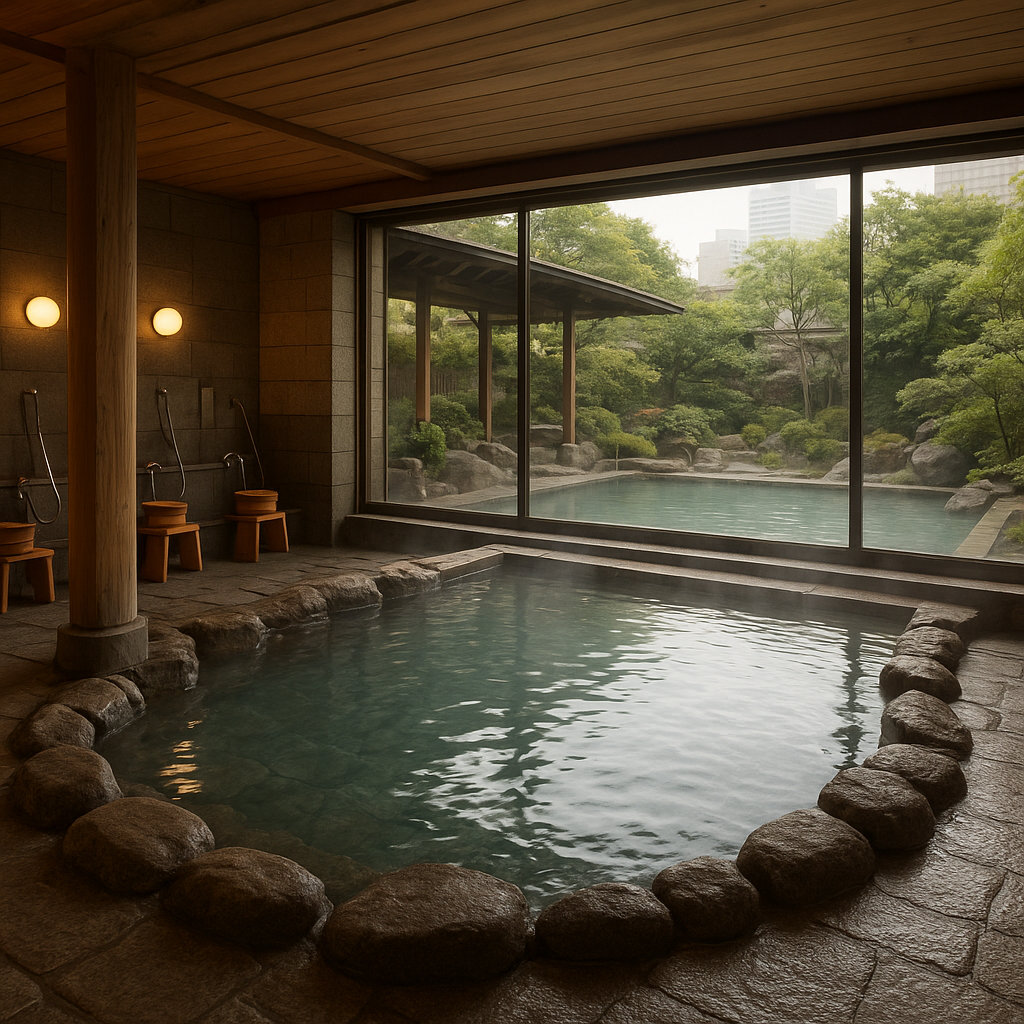
At many sento, the bathing area includes multiple temperature pools, a sauna, and a cold plunge. Post-bath, patrons enjoy cooling drinks sold at small vending stalls just outside the changing rooms.
Cultural Rituals and Etiquette at Sento and Onsen
Respectful conduct ensures a pleasant experience for all. Before entering communal baths, visitors adhere to several ritual steps.
- Remove shoes upon entry and store them in designated cubbies.
- Undress completely in the changing room; swimsuits are not allowed.
- Thoroughly wash and rinse your body at the shower stations before soaking.
- Keep towels out of the water; place them on the side or head.
- Maintain low voices; avoid swimming or splashing.
The tradition of communal bathing dates back over a millennium, originally rooted in Shinto purification rituals. Today, it fosters a spirit of culture and sociability, bridging generations and social classes.
Modern Wellness Centers and Rooftop Baths
Tokyo’s skyline has inspired innovative rooftop onsen that blend urban panoramas with serenity. Several upscale hotels and wellness centers now feature high-rise baths where guests can soak under the stars while gazing at neon city lights.
Top Picks for Scenic Soaks
- Tokyo Dome Hotel: Offers a rooftop onsen with panoramic views of the Imperial Palace.
- Hotel Niwa Tokyo: Combines traditional Japanese gardens with an indoor-outdoor spa.
- Okinawa Spa in Shinjuku: Unique for its island-themed decor and salt-water pools.
These contemporary facilities often incorporate advanced wellness technology, such as chromotherapy lighting, negative ion generators, and aromatherapy-infused waters. Whether seeking stress relief or a touch of health therapy, visitors can tailor their experience to personal needs.
Wellness Workshop Options
- Guided meditation sessions overlooking the city
- Traditional tea ceremonies held near hot spring pools
- Seasonal flower baths featuring cherry blossoms or yuzu citrus
For an immersive retreat, some centers offer overnight stays where guests awaken to a fresh morning dip, followed by a ritual breakfast of miso soup, grilled fish, and rice. This holistic approach to bathing underscores the Japanese philosophy: wellness is an ongoing journey, not just a momentary indulgence.