Tokyo’s historic districts offer a fascinating journey through time, where centuries-old temples, winding alleys, and age-old traditions blend seamlessly with modern life. From the smoky lanterns of Asakusa to the cobblestone lanes of Kagurazaka, each neighborhood reveals layers of the city’s rich past. Embark on an exploration of these vibrant quarters and uncover the enduring spirit of Edo-era Tokyo.
Asakusa: Gateway to Traditional Tokyo
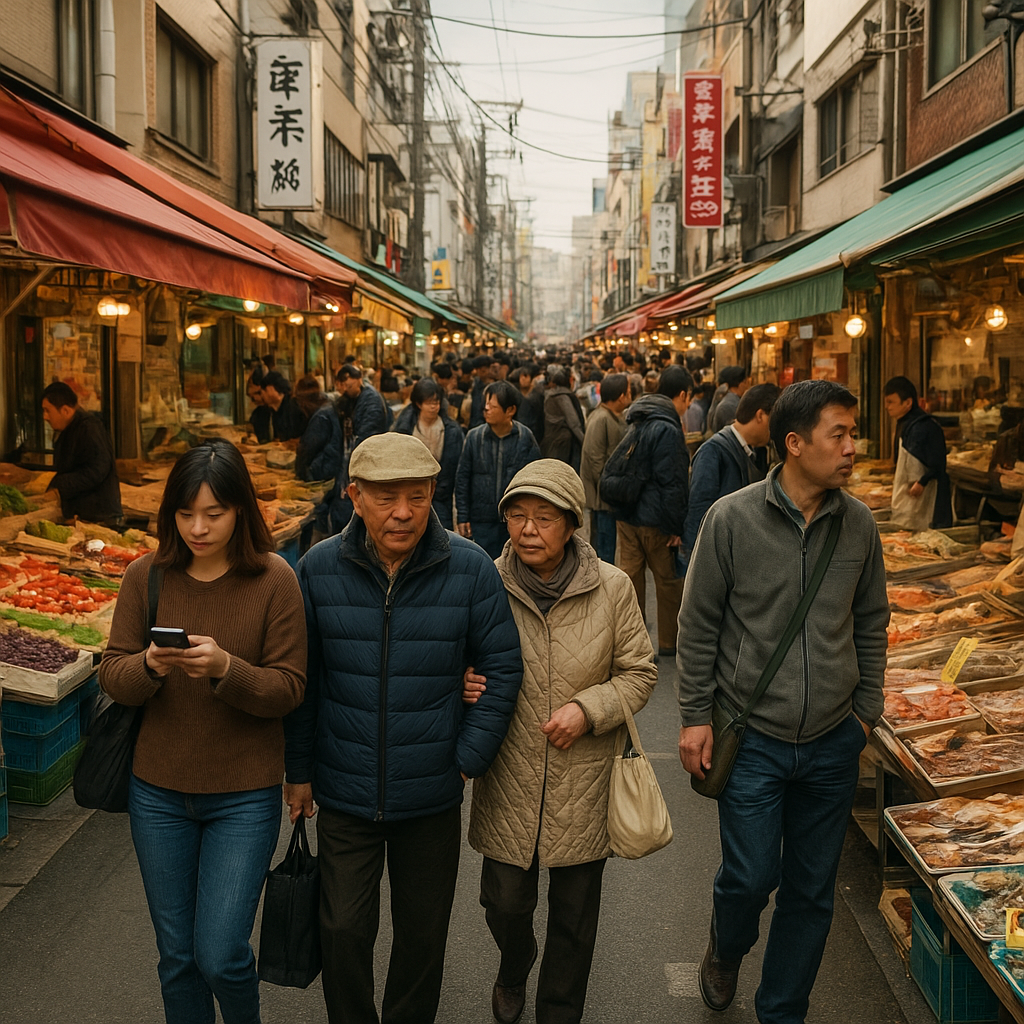
Asakusa remains one of the most iconic areas for anyone seeking a taste of Tokyo’s heritage. Centered around the majestic Sensō-ji Temple, this district pulses with centuries-old customs and lively festival energy. Visitors step through the thunderous Kaminarimon Gate, pass by colorful stalls on Nakamise-dōri, and soak in the atmosphere of an Edo-period marketplace.
- Sensō-ji – Tokyo’s oldest Buddhist temple, founded in 645 CE.
- Nakamise-dōri – A bustling shopping street offering traditional snacks and souvenirs.
- Asakusa Culture Tourist Information Center – Panoramic views on the rooftop observation deck.
- Denboin Garden – A hidden tranquil spot behind the temple.
- Rickshaw Rides – Guided tours through Narrow lanes by skilled pullers.
Beyond the temple grounds, the district’s retro charm lingers in old teahouses, street-food stalls dishing up delicacies like ningyō-yaki (sweet cakes) and tempura. Every spring, the Sanja Matsuri festival ignites the streets with colorful mikoshi processions, reaffirming Asakusa’s role as a center of communal celebration.
Yanaka: A Glimpse of Old Edo
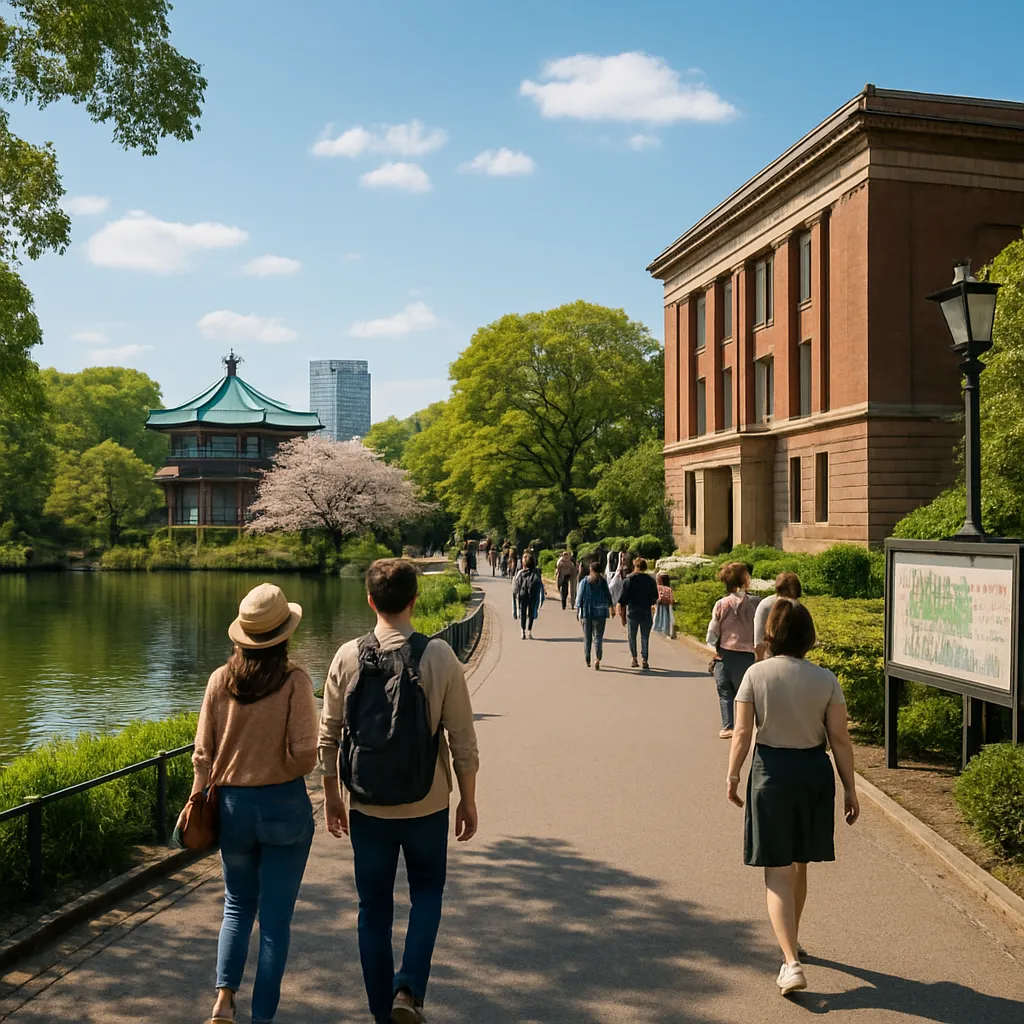
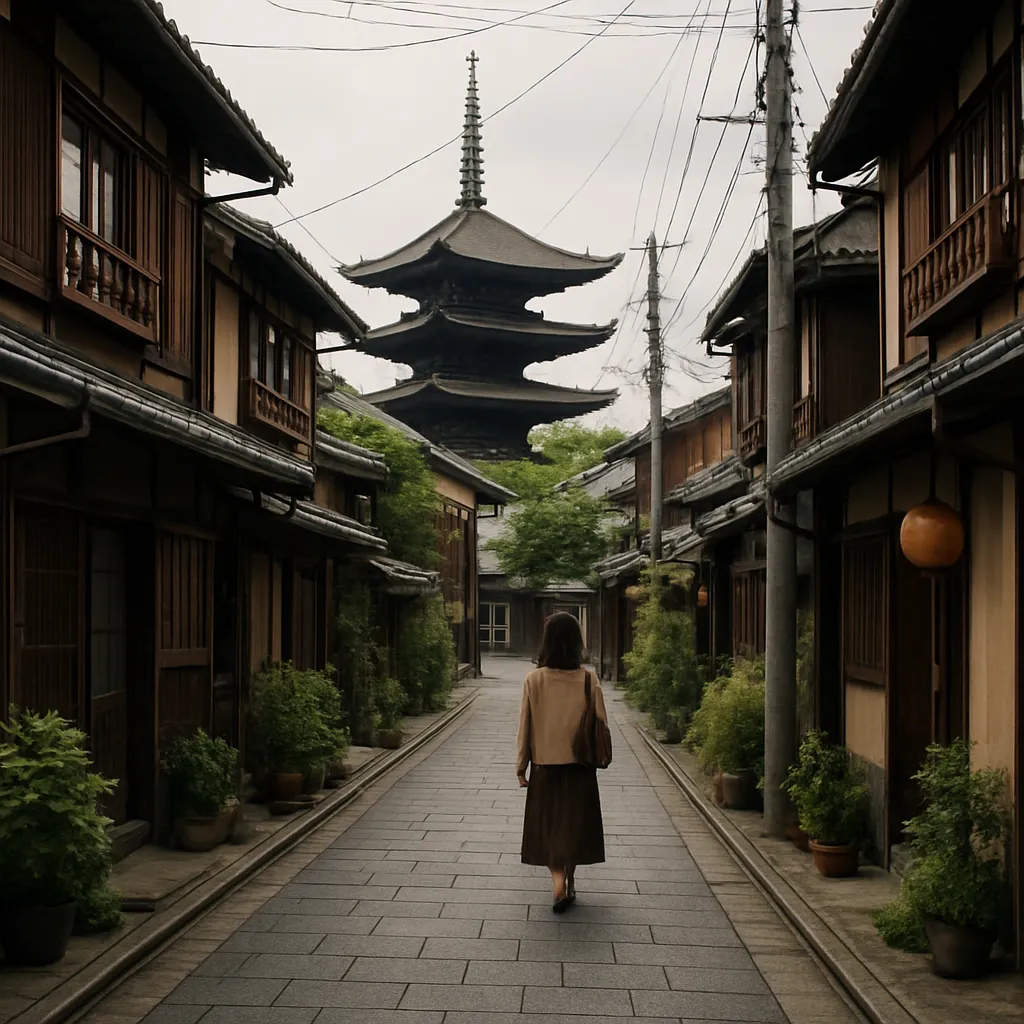
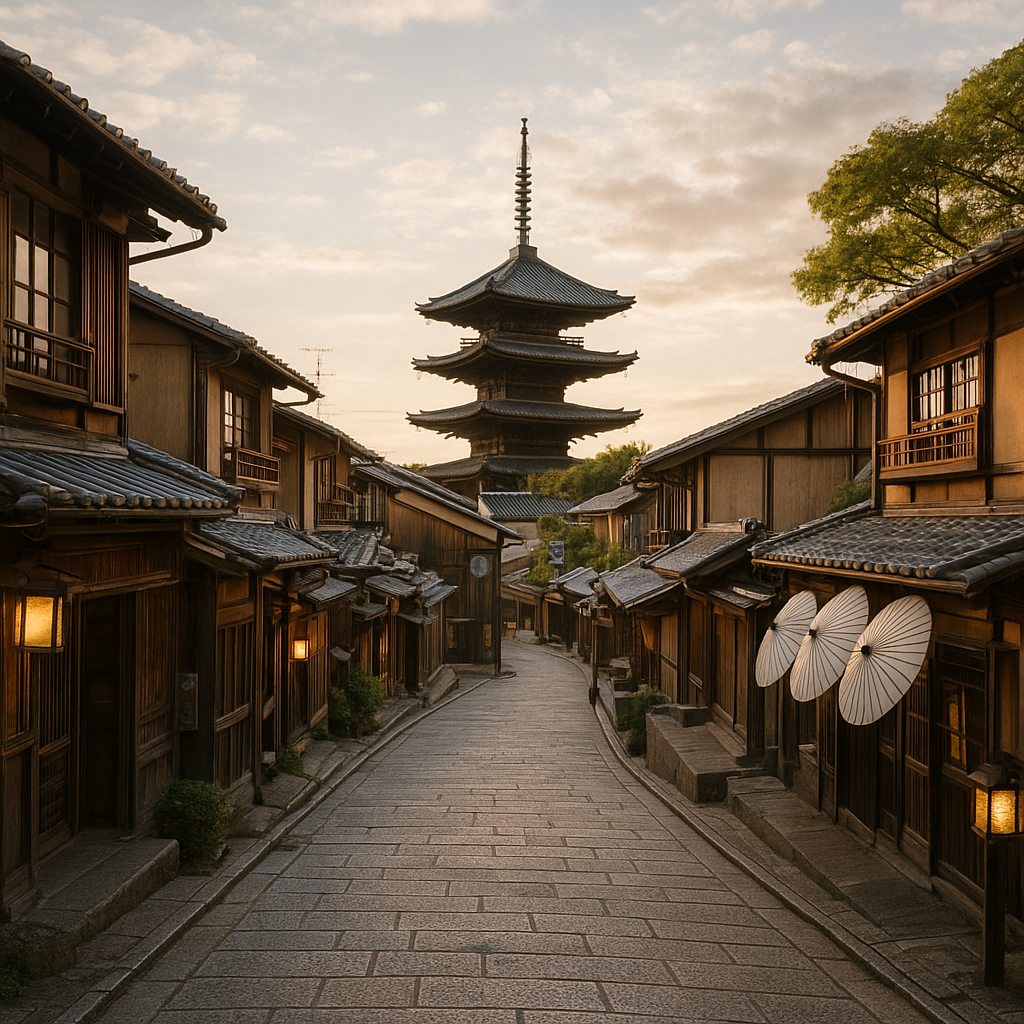
In the aftermath of modern urban development, Yanaka stands as a rare enclave of authentic Edo atmosphere. Nestled north of Ueno, this neighborhood boasts narrow lanes lined with wooden townhouses, small temples, and family-run shops. The pace here is unhurried, inviting visitors to stroll slowly, admire historic façades, and feel a sense of serenity.
- Yanaka Cemetery – A peaceful path adorned with cherry blossoms in spring.
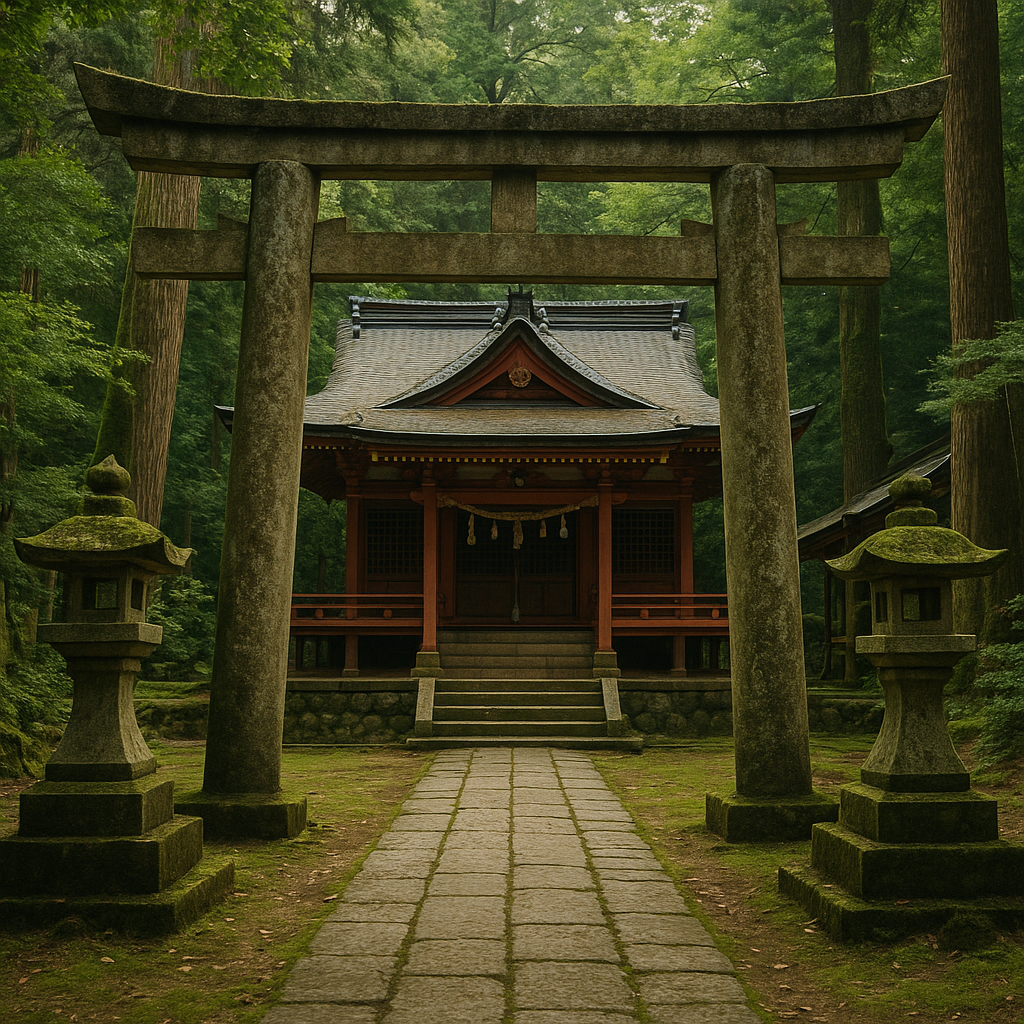
- Nezu Shrine – Famous for its vibrant vermillion torii gates and seasonal azalea festival.
- Yanaka Ginza – A charming shopping street offering local crafts and street food.
- Shinobazu Pond – Tranquil waters with views of Benten-dō and seasonal lotus blooms.
- Gallery and Café Hopping – Discover pottery studios showcasing traditional craftsmanship.
Artisans and long-established eateries maintain traditions passed down through generations. As you wander, the scent of freshly roasted coffee from a retro-style café mingles with the rustle of bamboo leaves, creating an evocative sensory tapestry that feels almost transported from another era.
Kagurazaka: The Geisha Quarter Revived
Kagurazaka retains whispers of its past as a thriving geisha district. Tucked between Iidabashi and Ushigome, this neighborhood features sloping cobblestone alleyways that lead to hidden kaiseki restaurants, traditional teahouses, and elegant gate entrances known as “yukizuri.” Even today, you may catch a fleeting glimpse of a maiko (apprentice geisha) darting between buildings.
- Akagi Shrine – A stunning modern shrine designed by Kengo Kuma, blending tradition and innovation.
- Ichiriki Chaya Site – Historic site of one of the most exclusive teahouses in Edo.
- French-Japanese Fusion Eateries – Celebrating Kagurazaka’s reputation as “Little Paris.”
- Geisha Performance Shows – Periodic stage events offering traditional dance and music.
- Stargazing from Kagurazaka Observatory – A quiet spot overlooking Shinjuku’s skyline.
By night, lantern-lit streets reveal a different side of Kagurazaka’s charm. The gentle glow of andon lamps and the muted clatter of geta sandals conjure a romantic ambiance. Visitors can join guided walking tours to learn about the district’s secret alleys, hidden courtyards, and the subtle etiquette of geisha culture.
Nihonbashi: Where Commerce Meets History
Nihonbashi, literally “Japan Bridge,” served as the starting point of the five major roads of Edo. Today, this financial hub preserves its landmarks alongside cutting-edge shopping complexes. The original wooden bridge was replaced in 1911 by a stone structure crowned with intricate carvings, which still spans the Nihonbashi River.
- Mitsui Main Building – A Meiji-era masterpiece blending Western and Japanese design.
- Nihonbashi Mitsukoshi – One of the oldest department stores in Japan, founded in 1673.
- Bank of Japan – Architectural tours reveal the grandeur of early 20th-century banking halls.
- Edo-Tokyo Museum Connection – Tracing the transformation of the city from Edo to modern Tokyo.
- Kayabachō Alleyways – Former merchant lanes now lined with craft breweries and sake bars.
Walking beneath modern skyscrapers, visitors often spot plaques marking the zero-kilometer marker for Edo’s highway system. This blend of commerce and culture underscores Tokyo’s ability to evolve while honoring its foundational roots.
Koishikawa Korakuen: An Imperial Garden Sanctuary
Koishikawa Korakuen ranks among Tokyo’s oldest and most beautiful gardens. Designed in 1629 for the Mito branch of the Tokugawa family, its landscape architecture reflects both Chinese and Japanese aesthetics. Winding paths traverse ponds, hills, and rock arrangements inspired by famous vistas across Asia.
- Shiguretei Pavilion – A classic teahouse where guests can experience a tea ceremony amidst blooming plum trees.
- Tsutsuji-zaka Hill – Offering elevated views over the garden’s central pond.
- Hasu-ike Pond – Home to lotus flowers that carpet the water’s surface every summer.
- Stone Lantern Collection – Each lantern tells a story of imperial patronage.
- Seasonal Landscapes – Spectacular colors in cherry blossom season and autumn foliage.
Though tucked behind the University of Tokyo’s historic buildings, Koishikawa Korakuen emanates an aura of tranquility. Wandering its paths, one senses the refined tastes of Edo aristocrats and the timeless appeal of nature sculpted by human hands.