Tokyo’s network of street crossings offers more than mere routes for pedestrians to navigate the metropolis—it provides an immersive urban experience that blends art, technology, and social rhythm. From the world-famous scramble intersections in Shibuya to seasonal illuminations adorning quieter neighborhoods, each crosswalk in Tokyo can feel like a living canvas, reflecting the city’s dynamic culture and ceaseless innovation. Touring these unique junctions reveals hidden facets of this megacity, deepening one’s appreciation of its unmistakable energy.
Iconic Urban Beat at Shibuya Scramble
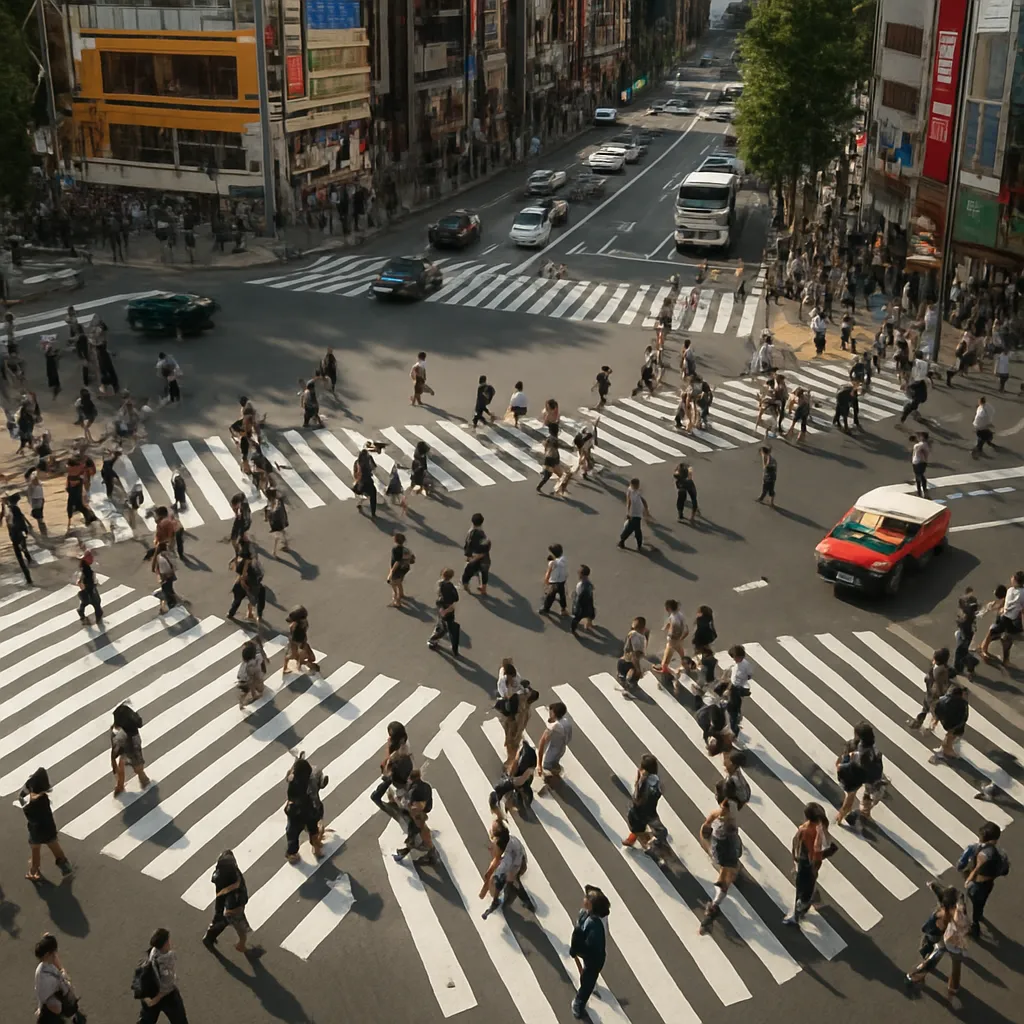
Shibuya’s massive intersection has earned a place among the globe’s most recognizable landmarks. When the traffic lights turn red, upwards of 2,500 people spill into the vast plaza from all directions, converging and diverging in a perfectly choreographed dance. Tourists and locals alike pause to capture the scene—ever eager to document the fleeting beauty of urban movement.
Historical Evolution
Since its early days in the 1970s, the scramble crossing has undergone multiple renovations to accommodate growing footfall and enhance safety. Surrounding buildings were retrofitted with larger LED screens and high-definition cameras, transforming the intersection into a multimedia spectacle. Over time, Shibuya’s lights have become more than pragmatic signals; they act as a backdrop for impromptu performances and branded events.
Daily Rhythm and Peak Moments
- Rush Hour: Morning commuters speed across the intersection, weaving past friends and strangers.
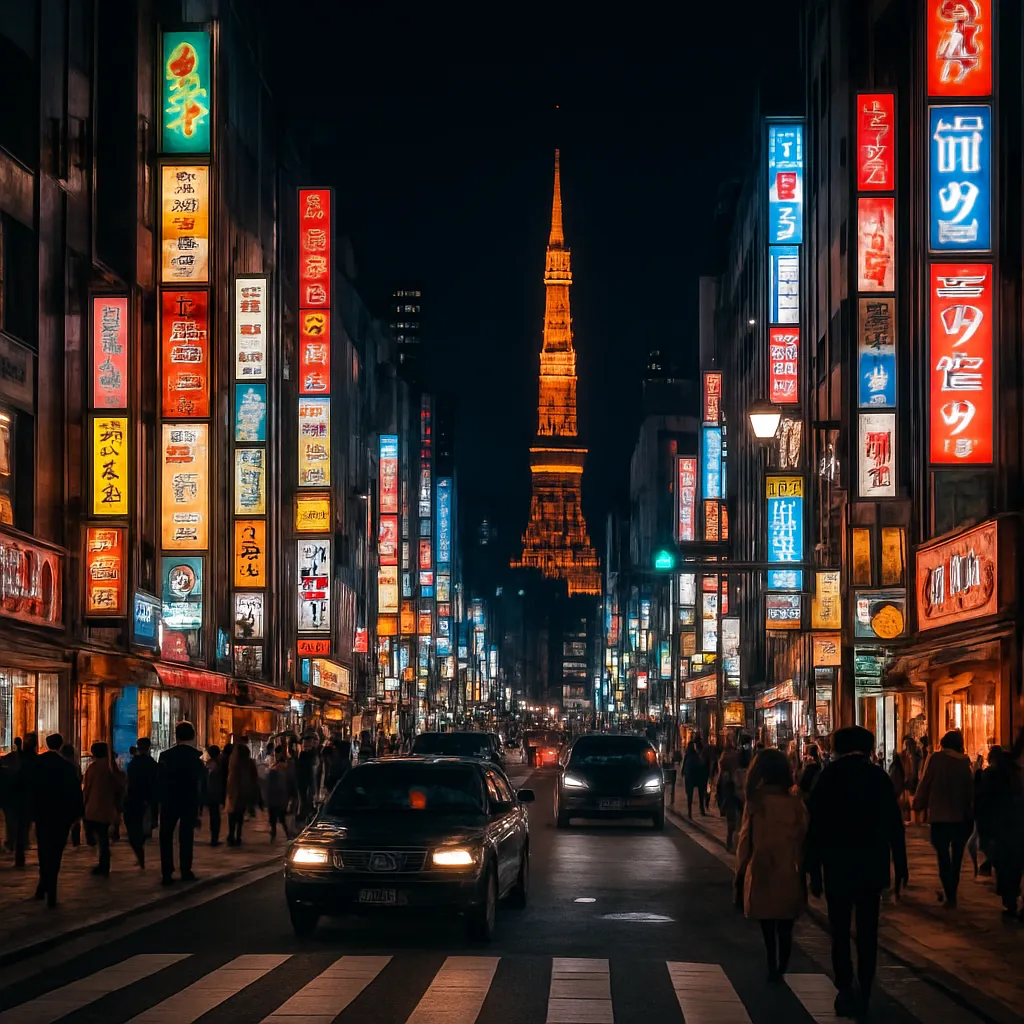
- Evening Glow: Neon reflections shimmer on rain-slick pavement, heightening the vibrancy.
- Midnight: The hum subsides, replaced by occasional pedestrians making their way home.
Every 90 seconds or so, vehicular traffic pauses, inviting onlookers to experience the synchronized flood of humanity from ground level or the vantage of adjacent cafés. This brief pause encapsulates Tokyo’s capacity for organized chaos—strangers crossing paths without collision, connected by the universal beat of the city.
Colorful and Seasonal Crosswalk Collaborations
Beyond Shibuya, Tokyo’s neighborhoods experiment with diversity in their crosswalk designs. These patterns often celebrate local traditions, seasonal festivities, or collaborative art projects.
Ginza’s Chic Geometry
In Ginza, subtle pastel stripes and geometric shapes nod to the district’s reputation for refined style. The crossings here are discreet yet elegant—mirroring nearby boutique façades and upscale storefront windows.
Harajuku’s Pop Art Panels
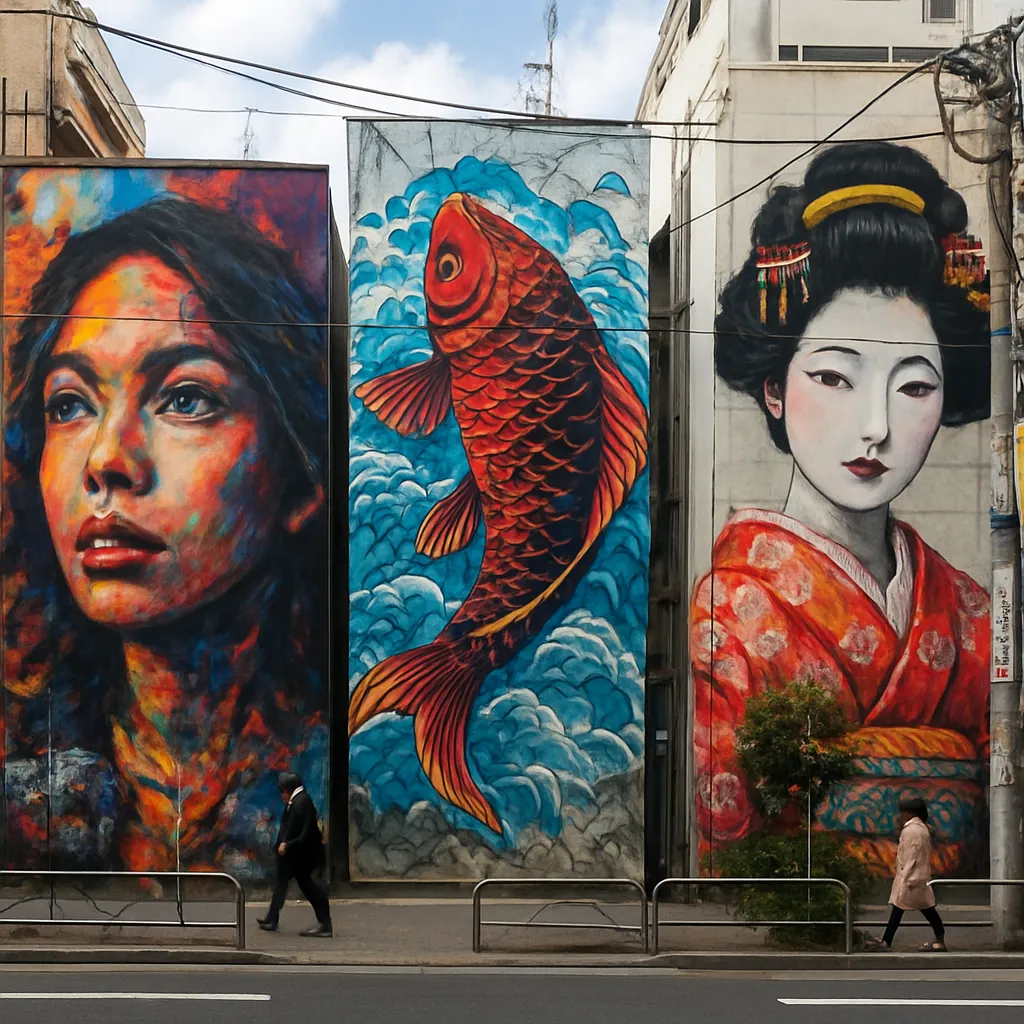
Takeshita Street’s entry points sometimes sport vibrant graphic murals inspired by manga and street fashion. Each crossing bursts with color, inviting selfie-obsessed visitors to strike a pose amidst a kaleidoscope of cartoonish characters and bold motifs.
Omotesando’s Seasonal Showcases
- Spring: Petal-shaped outlines trace the paths of blossoms as they drift across the pavement.
- Summer: Cool blue waves mimic the breezes that flow beneath the zelkova trees.
- Autumn: Amber hues evoke the warm glow of fallen leaves.
- Winter: Twinkling LED rivets embedded in the asphalt recall the hush of snowfall.
These designs often result from partnerships between city planners, local artists, and corporate sponsors, demonstrating a shared commitment to infusing functional spaces with playful creativity.
Cutting-Edge Pedestrian Technology
Tokyo’s urban planners continually integrate technology into crosswalks to improve safety, accessibility, and synchronization. From sensor-driven signals to tactile paving, each innovation addresses specific needs within the city’s complex transport ecosystem.
Smart Signal Systems
Modern intersections in Tokyo feature adaptive traffic lights equipped with AI-powered cameras. These cameras count waiting pedestrians, then adjust green times dynamically to minimize congestion. In busier zones, horizontal countdown timers inform foot traffic exactly how many seconds remain until it’s safe to proceed.
Illuminated Pathways
- LED Guides: Thin light strips embedded along the edges of crosswalks become visible even in heavy rain and dense fog.
- Solar-Powered Markers: Discreet solar panels power low-intensity ground lighting that enhances visibility after dusk.
Accessibility Innovations
Designers have woven audible cues, Braille signage, and ramped curbs into the crossing infrastructure, ensuring that people with visual or mobility challenges can navigate independently. In some districts, smartphone apps sync with signal systems to vibrate or signpost personalized crossing instructions.
The constant renovation of crosswalk technology reflects Tokyo’s spirit of innovation, striving to set global benchmarks in safety and urban design.
Cultural Significance and Social Dynamics
Street crossings in Tokyo represent more than functional junctions; they serve as stages for everyday human interaction.
Meeting Points and Urban Rituals
- Shibuya Hachiko Corner: Friends converge at a bronze statue of the loyal dog Hachiko before branching off into different city sectors.
- Shinjuku West Exit: Taxi-bound commuters and bar-hop hopefuls jostle for space under a canopy of neon signs.
These zones become impromptu gathering spots, reinforcing a sense of community amid the bustling metropolis.
Tourist Fascination and Local Adaptation
While visitors marvel at the crossing flurries, locals often customize their own morning and evening routines around these intersections—stopping for a quick snack at a nearby convenience store or striking up casual conversations as they wait. The crosswalks, therefore, are catalysts for both tourist snapshots and intimate urban vignettes.
Safety Culture and Mutual Respect
Despite the apparent haste, Tokyo’s crossings maintain an underlying calm, born from a collective adherence to rules. Pedestrians line up obediently behind white stop lines, cyclists dismount before walking across, and drivers yield faithfully. This harmony underscores a broader societal ethos: respect for others’ time and space.
Together, such crossings exemplify Tokyo’s ability to weave phenomenon and order into a seamless whole, transforming every street corner into a living testament to the city’s enduring allure.