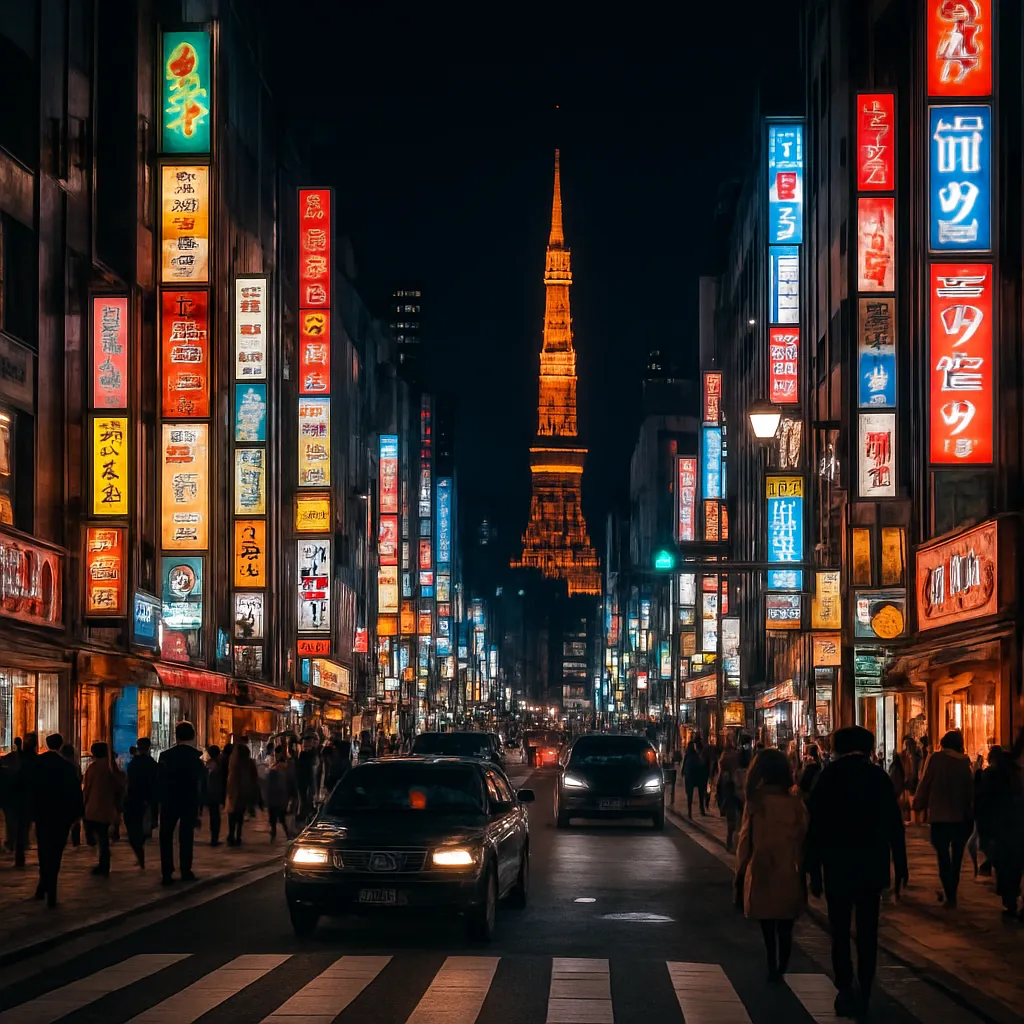
Exploring Tokyo’s hidden ryokans offers a glimpse into an era where tranquility and heritage converge amid the city’s pulsating energy. Far from the neon-clad streets and high-rise hotels, these traditional inns deliver an immersive journey steeped in ancient customs, regional cuisine, and warm hospitality. Whether nestled alongside historic temples or tucked into quiet backstreets, Tokyo’s ryokans provide an authentic escape for travelers seeking deeper connections with Japan’s living traditions.
Rediscovering Tokyo’s Traditional Ryokans
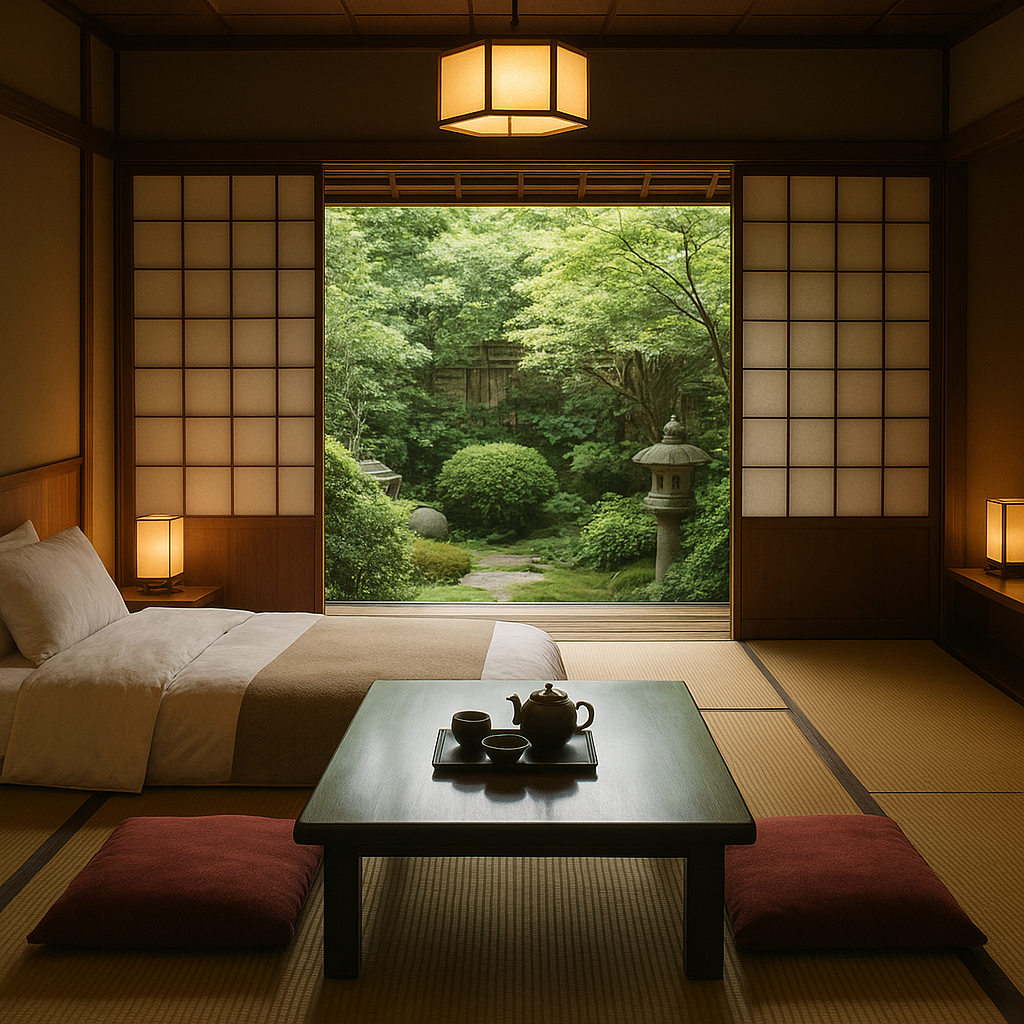
Amid the urban sprawl, a handful of ryokans preserve the quintessential elements of Japanese lodging: tatami-matted rooms, sliding shōji screens, and low wooden furnishings. These establishments serve as guardians of culture, offering guests a rare chance to partake in age-old customs such as tea ceremonies and kimono wearing. Unlike modern hotels, ryokans prioritize a holistic sense of welcome—emphasizing respect, harmony, and a personal touch that elevates the overall experience.
Key Characteristics
- Traditional architecture featuring wooden beams and earthen walls
- Personalized attention from dedicated staff, often including a resident maiko (apprentice geisha) or seasoned innkeeper
- Comprehensive meal plans (kaiseki dinners and elaborate breakfasts)
- Shared or private onsen baths sourced from local hot springs or artificially heated mineral water
Guests often remark on the contrast between the fast-paced metropolis and the serene atmosphere of their ryokan. The careful attention to every detail—from the arrangement of the futon to the artful placement of ikebana flower arrangements—underscores a commitment to tranquility and aesthetic harmony.
Design and Amenities: A Fusion of Past and Present
While some ryokans in Tokyo have maintained pristine historic structures, others have undergone subtle modernizations to meet contemporary standards. This delicate balance ensures comfort without diluting the innate charm of traditional design. Many establishments now boast amenities such as free Wi-Fi, climate control, and refined plumbing, seamlessly integrated into their classical layouts.
The Tatami Room
Architecture enthusiasts will appreciate the precise craftsmanship of tatami mats, which regulate humidity and provide a soft, natural flooring. Walls adorned with hand-painted fusuma panels depict seasonal landscapes, further immersing guests in a poetic narrative of nature’s cycles.
Modern Conveniences
- Discrete air conditioning and heating systems concealed within wooden latticework
- En-suite bathrooms featuring both Western-style fixtures and traditional Japanese soaking tubs
- State-of-the-art onsen facilities that mimic mineral-rich springs
- Smartphone rental services to navigate local districts with ease
The mingling of old and new caters to a diverse clientele—history buffs, design aficionados, and international tourists alike—ensuring that the ryokan remains relevant in the modern hospitality landscape. Even here, the core values of warmth, respect, and understated luxury shine through, maintaining the enduring ambiance that defines true Japanese lodging.
Culinary Delights and Onsen Rituals
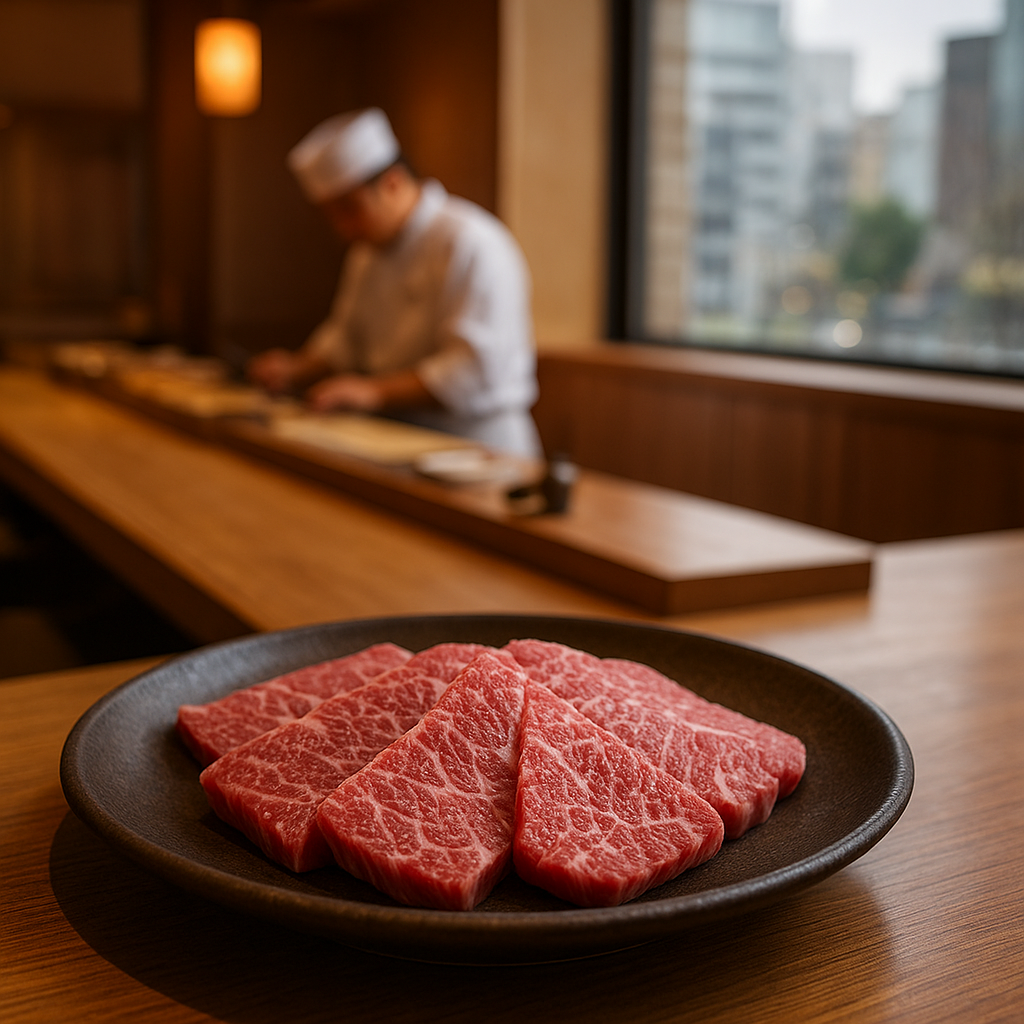
No ryokan stay is complete without indulging in kaiseki, the multi-course dinner that transforms simple ingredients into gastronomic artistry. Each dish highlights seasonal produce, often sourced from local markets or nearby rural regions within easy reach of Tokyo.
Typical Kaiseki Sequence
- Zensai: Assorted appetizers presented on elegant lacquerware
- Sakizuke: A delicate amuse-bouche to awaken the palate
- Nimono: Simmered vegetables and protein in a light broth
- Yakimono: Grilled fish or meat, meticulously seasoned
- Mushimono: Steamed dishes such as chawanmushi (savory egg custard)
- Gohan: Steamed rice served with miso soup and pickles
- Mizumono: A refreshing dessert of seasonal fruit or wagashi (traditional confections)
The rhythmic progression of courses is designed to engage all senses, transforming dinner into a meditative ritual. Guests often converse with the chef or the ryokan’s proprietors, gaining insight into ingredient selection and preparation techniques. This fosters genuine appreciation for Japan’s culinary tradition and regional diversity.
Soothing Onsen Experiences
After dinner, visitors are encouraged to soak in communal or private onsen baths. These mineral-infused waters are reputed to ease muscle tension, improve circulation, and cleanse the spirit. Although Tokyo lacks natural geothermal springs in its central districts, several ryokans have imported thermal waters from nearby prefectures such as Izu or Hakone, recreating authentic onsen environments.
- Separate bathing areas for men and women, with options for private reservations
- Open-air rotenburo baths overlooking tranquil gardens or urban skylines
- Traditional wooden stools, handcrafted buckets, and soothing botanical soaps
Dipping into the hot water as steam rises against crisp night air offers a profound sense of serenity. This ritual not only cleanses the body but also invites introspection, aligning perfectly with the ryokan’s overarching ethos of holistic well-being.
Location Highlights and Nearby Attractions
Strategically situated ryokans allow guests to blend cultural immersion with Tokyo’s vibrant urban tapestry. From historic districts to burgeoning art quarters, the following neighborhoods offer an ideal balance of exploration and repose.
Yanaka and Nezu
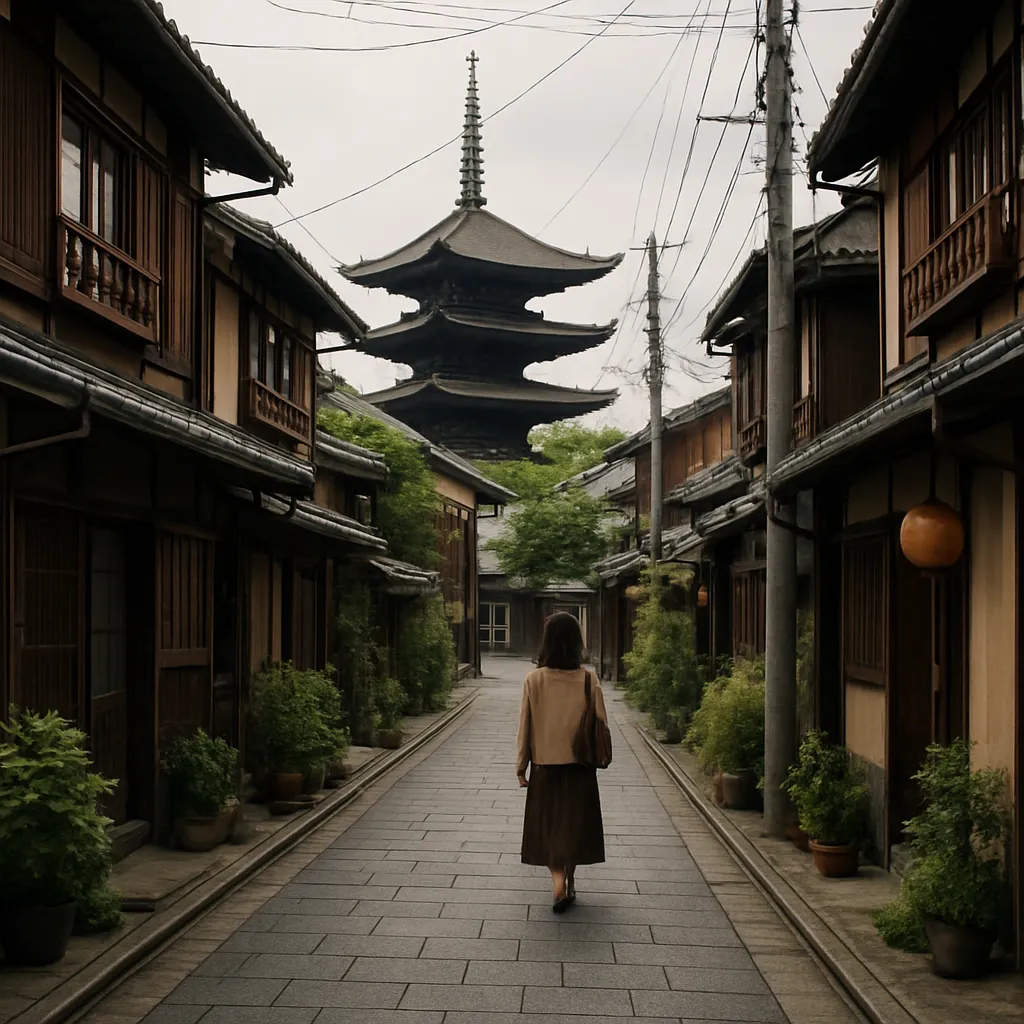
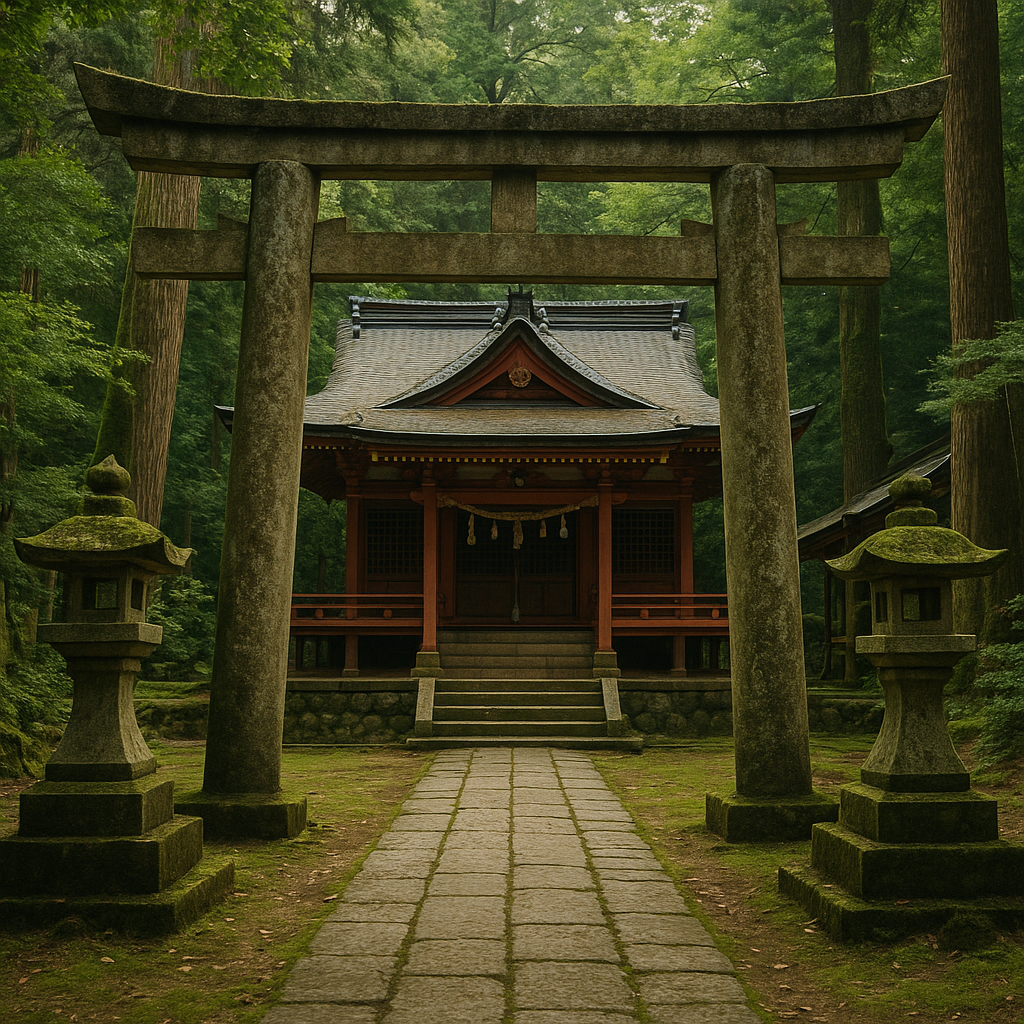
- Winding alleys lined with temples, shrines, and century-old shops
- Quiet teahouses hosting calligraphy and incense workshops
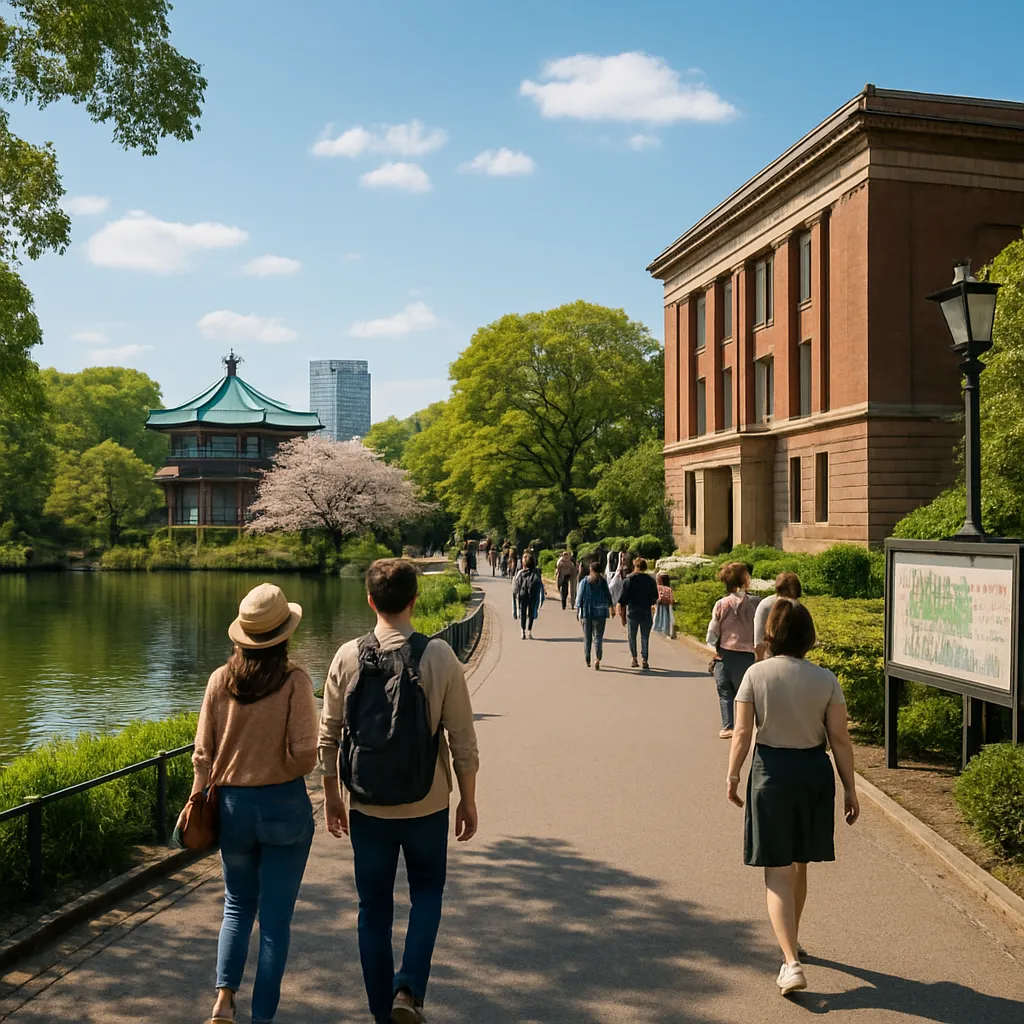
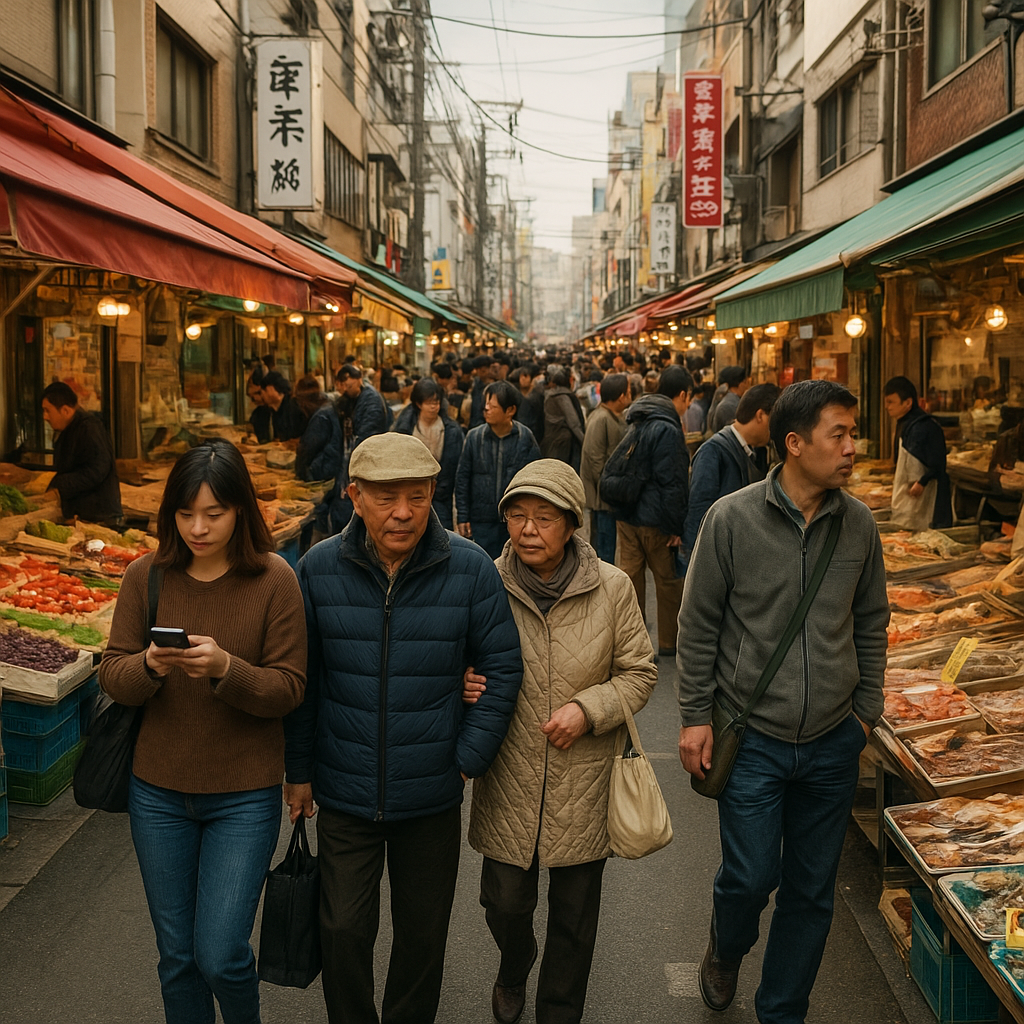
- Close proximity to Ueno Park, the Tokyo National Museum, and Ameya-Yokochō market
Asakusa
- Home to Senso-ji, Tokyo’s oldest Buddhist temple
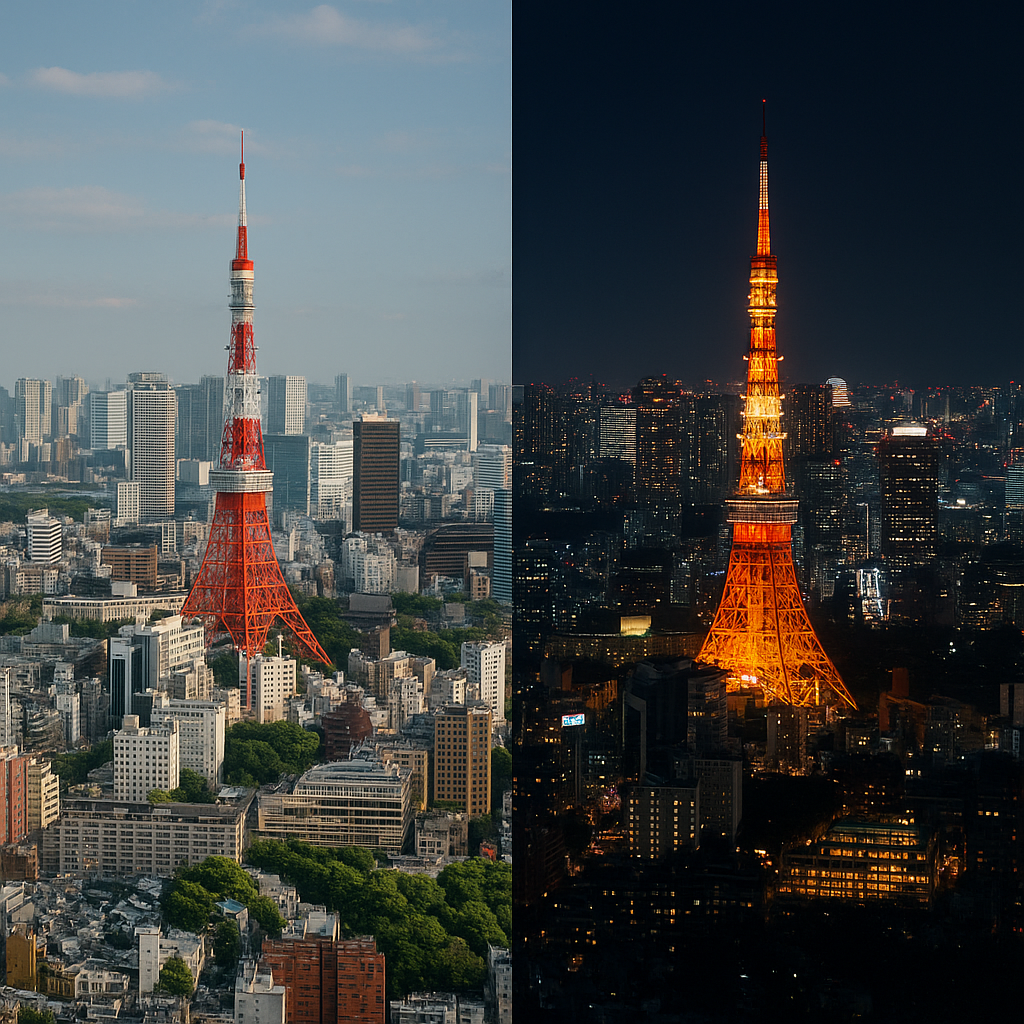
- Riverside promenades with views of the Sumida River and Tokyo Skytree
- Rickshaw tours and traditional craft galleries
Shibuya and Harajuku Fringe
- Stylish ryokans offering a juxtaposition of tranquility and youthful street cultures
- Access to Meiji Shrine’s wooded grounds and trendy cafés in Omotesando
- Rooftop gardens providing unexpected city panoramas
Each locale grants unique opportunities to engage with Tokyo’s multifaceted identity—ancient and modern, serene and dynamic. Guests can wander through verdant temple precincts before riding the subway to neon-lit shopping districts, returning each evening to the comforting embrace of their ryokan’s time-honored hospitality.