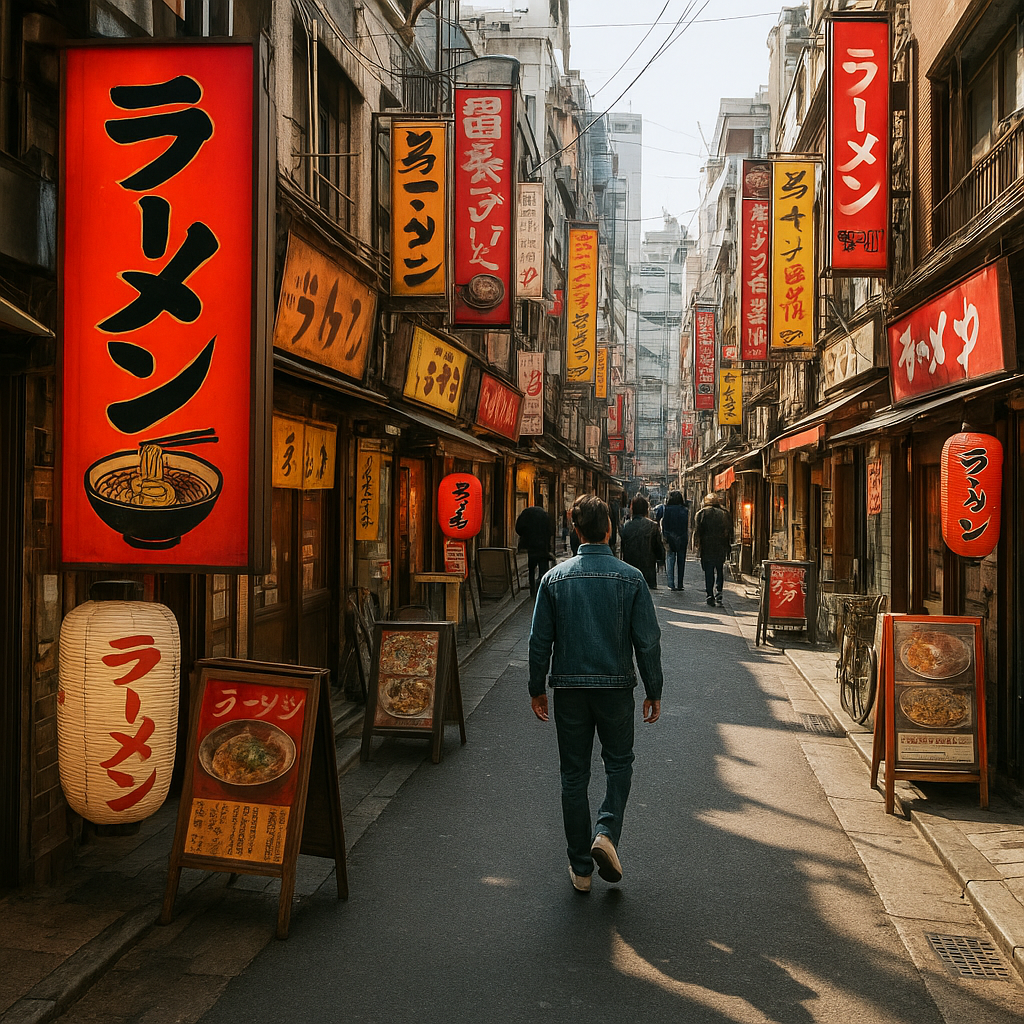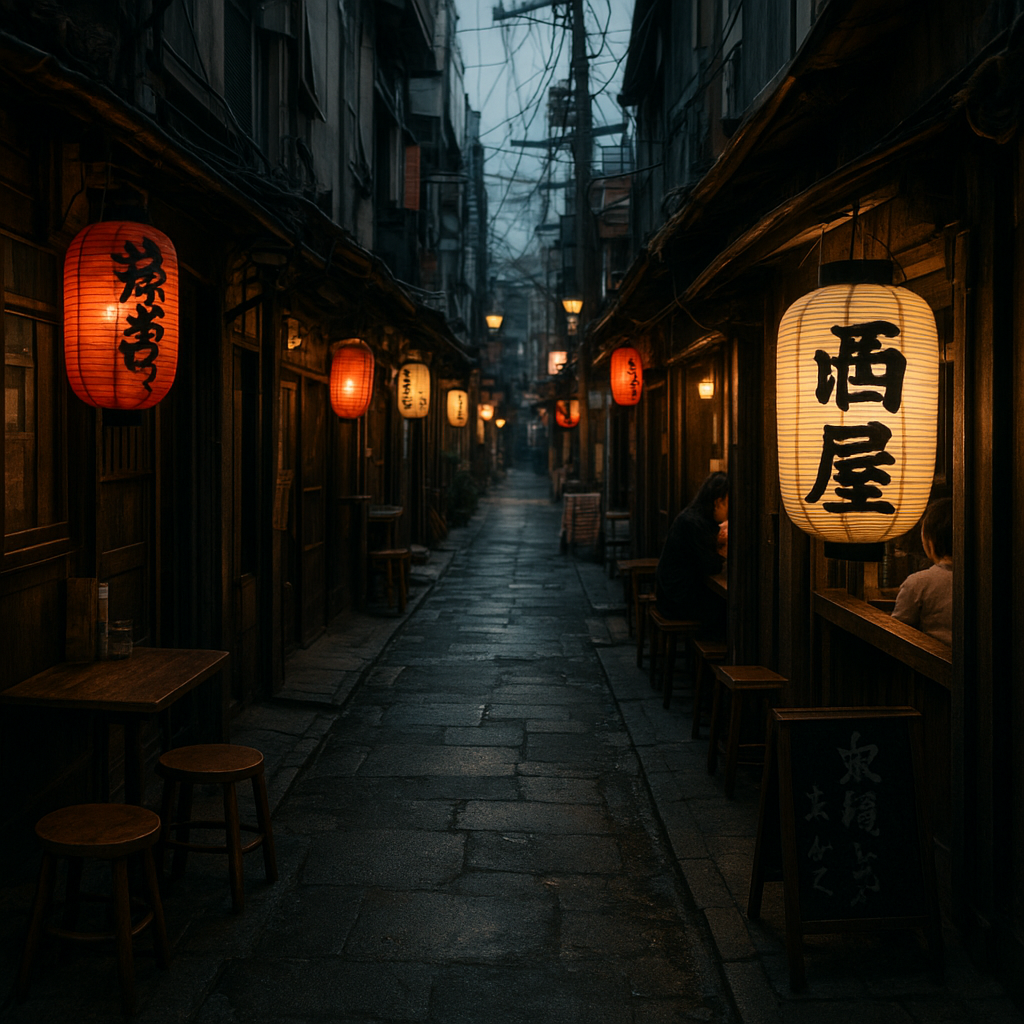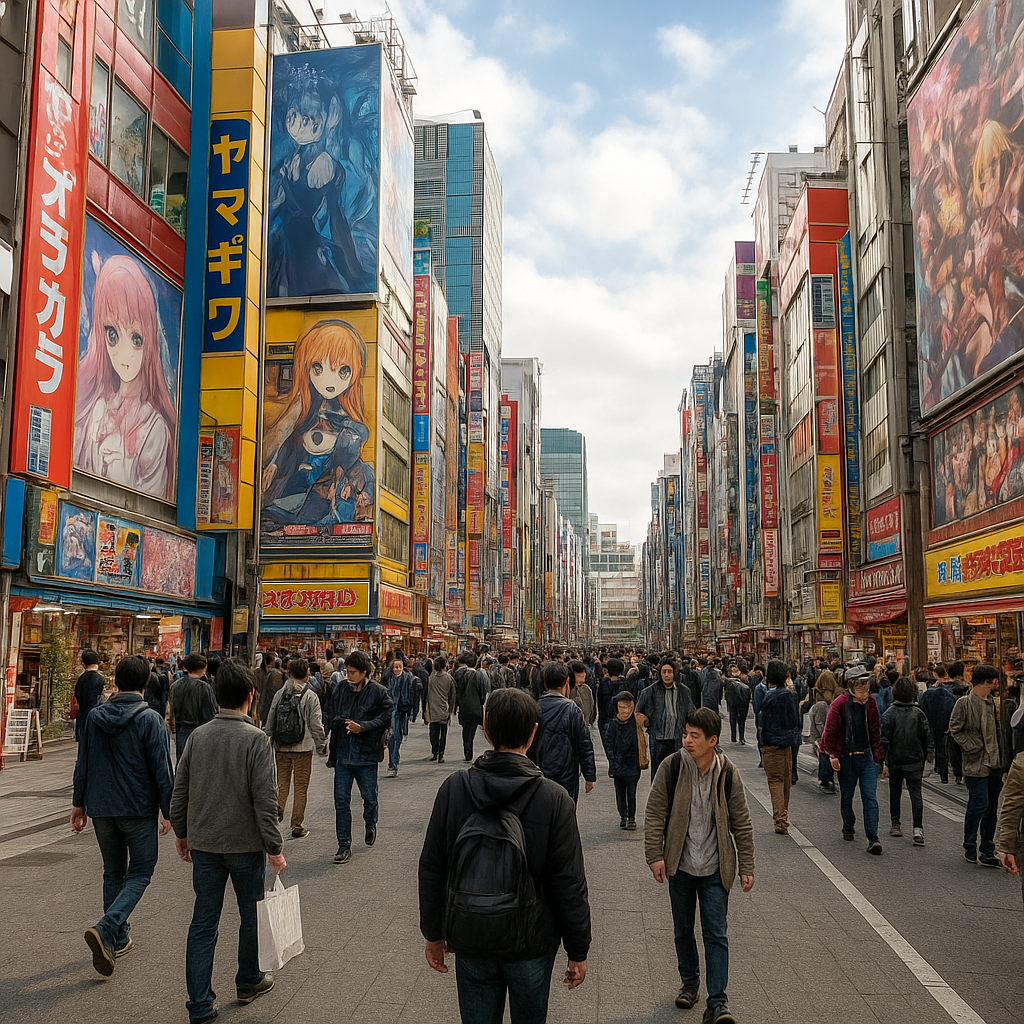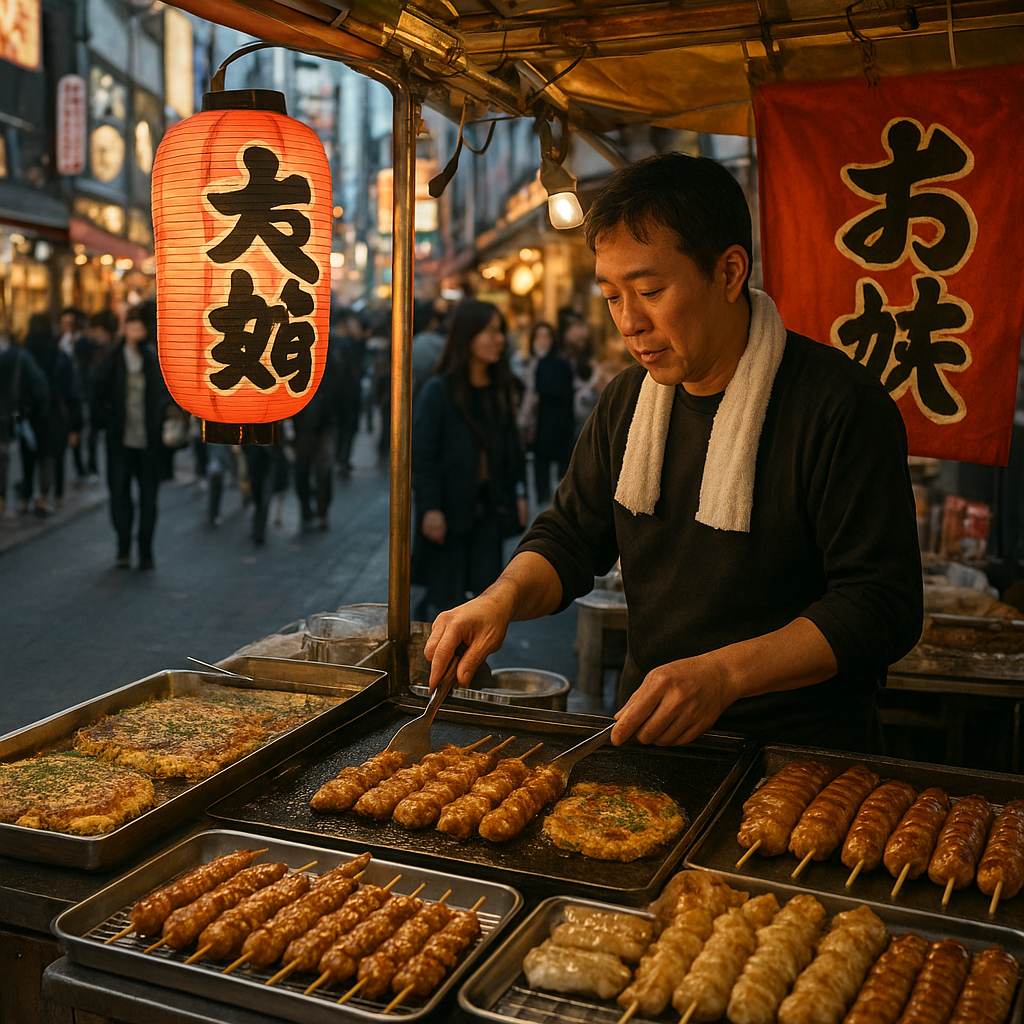
Tokyo offers a fascinating blend of ultramodern skyscrapers and centuries-old traditions. Visitors often underestimate how rich and diverse the city’s handcrafted arts truly are. From delicate paper creations and vibrant textiles to exquisite ceramics and lacquerware, these tangible pieces of culture make for the very best **souvenirs** to commemorate your journey through Japan’s capital. Uncover the stories behind each artifact, learn where to find authentic pieces, and discover how to choose and preserve these treasures for years to come.
Exploring Tokyo’s Timeless Crafts
Immersing yourself in Tokyo’s craft heritage reveals a world of meticulous techniques passed down over generations. Many workshops across the city continue to practice methods that date back to the **Edo** period. By visiting these studios, you not only receive a souvenir but also become part of an ongoing tradition.
Washi Paper and Calligraphy
Washi, or traditional Japanese paper, is renowned for its strength and unique texture. Artisans create it by hand from the fibers of the mulberry tree. In central Tokyo, you can:
- Observe a step-by-step demonstration of paper making
- Purchase sheets decorated with gold leaf or intricate prints
- Attend a calligraphy session where washi serves as the ideal canvas
The same studios often offer elegant greeting cards, bookmarks, and wall art that highlight the paper’s delicate beauty. These make ideal gifts that capture both artistry and tradition.
Textile Arts: Tenugui and Indigo Dyeing
The humble tenugui is a multi-purpose towel made from lightweight cotton. Patterns range from classic waves and cherry blossoms to modern graphic designs. Many shops in Tokyo specialize in hand-dyed textiles using the ancient indigo process, resulting in shades that deepen with each wash.
- Kitchen or hand towels
- Table runners and scarves
- Wrapped gifts using furoshiki techniques
These textiles are washable, durable, and eco-friendly, making them a beloved choice among eco-conscious travelers.
Urushi Lacquerware and Kintsugi
One of Japan’s most iconic crafts is urushi lacquerware. These items range from elegant trays and bowls to decorative boxes and jewelry. Each piece is coated with layers of sap-based lacquer, creating a glossy, resilient finish. A fascinating offshoot of this tradition is kintsugi, the art of repairing broken pottery with gold or silver lacquer. Rather than hiding cracks, kintsugi celebrates breakage as part of an object’s history, highlighting imperfections with glimmering veins.
Iconic Souvenirs to Bring Home
Beyond handcrafted works, Tokyo boasts a variety of specially curated mementos known collectively as Omiyage. These items often feature regional flavors, playful designs, and nods to local heritage.
Ceramics and Edo-Kiriko Glassware
Ceramic studios in Tokyo produce beautifully glazed pieces influenced by classic Japanese aesthetics. You might select:
- Tea bowls with subtle, earthy glazes
- Sake sets featuring elegant forms and nimble craftsmanship
- Plates and dishes painted with seasonal motifs
For something more translucent, Edo-Kiriko glassware delivers intricate cut patterns that catch the light. Originating in the early 19th century, these pieces remain highly sought after, and you can find them in specialty shops around Ginza and Asakusa.
Fans, Inro Boxes, and Sensu
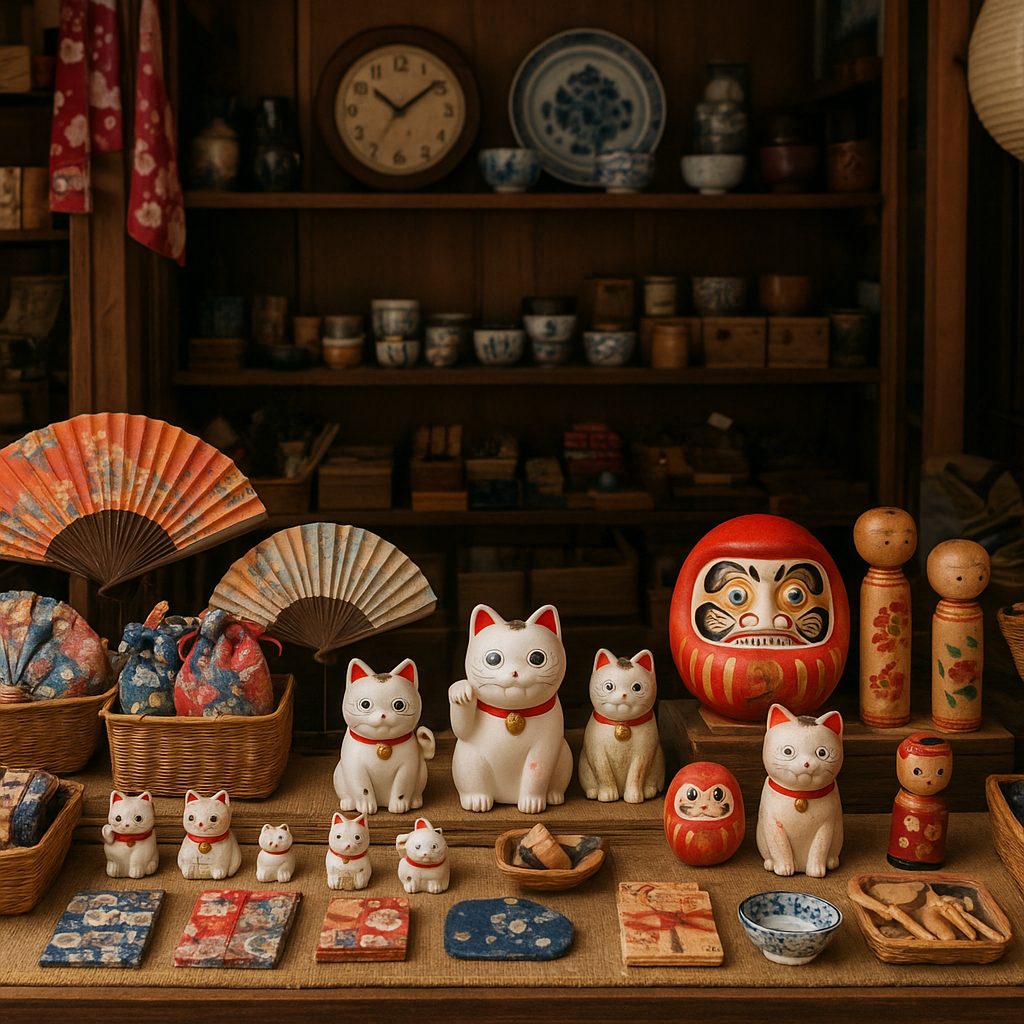
Traditional folding fans, or sensu, combine lightweight bamboo frames with paper or silk surfaces. They often depict scenic landscapes, mythological creatures, or modern abstractions. Inro boxes—small compartments tied to kimono sashes—serve as ornate containers for personal items. Although they once carried seals and medicines, today they function as decorative collectibles, reflecting Edo-era elegance.
Omamori and Daruma Dolls
When visiting shrines like Meiji Jingu or Senso-ji, you’ll find protective charms called omamori. Each is believed to confer blessings—ranging from good health to academic success. Paired with red-eyed Daruma dolls, these tokens infuse your travels with spiritual significance. Daruma are particularly admired for their persistence-themed design, where you fill in one eye upon setting a goal, and the other once it is achieved.
Best Shopping Districts and Markets
Discovering authentic crafts is half the thrill of collecting them. Tokyo offers specialized districts and bustling markets that cater to every interest.
Asakusa and Nakamise-dori
Nakamise-dori, the street leading to Senso-ji Temple, hosts dozens of stalls selling everything from traditional snacks to handcrafted souvenirs. Look for:
- Miniature kimono ornaments and silk pouches
- Hand-painted folding fans
- Woodblock prints featuring iconic city scenes
Afterward, venture off the main lane to find hidden workshops where artisans handcraft goods on the spot.
Ginza’s Specialty Boutiques
Ginza is synonymous with luxury, but it also harbors refined stores dedicated to traditional arts. In alleys behind the main avenues, you can shop for:
- Exquisite urushi lacquer pieces in art galleries
- High-end Washi stationery sets and calligraphy tools
- Designer kimono boutiques offering custom fittings
Here, you’ll encounter knowledgeable staff who can explain each craft’s history and proper care instructions.
Tsukiji Outer Market and Neighboring Streets
While famed for its seafood stalls, the outer corridors near Tsukiji also include vendors selling tins, tea leaves, and ceramics ideal for tea ceremonies. You might pick up:
- Matcha bowls with textured glaze
- Loose-leaf teas in decorative canisters
- Hand-crafted tea scoops (chashaku)
Sampling tea on the spot can help you choose the best flavors and styles.
Practical Tips for Collectors
Bringing traditional crafts home requires careful planning to ensure they arrive in pristine condition and retain their value.
- Packaging Make sure delicate items are bubble-wrapped and placed in sturdy boxes. Many Tokyo shops offer professional gift-wrapping services ideal for fragile ceramics and glassware.
- Customs Regulations Check your country’s import restrictions, especially for organic materials like wood, lacquer, or paper. Securing proper documentation can prevent delays.
- Preservation Avoid prolonged exposure to direct sunlight and humidity, particularly for lacquerware and paper products. Store textiles in breathable bags to prevent mold.
- Authenticity Look for certification seals or maker’s marks, often found discreetly stamped on the underside of ceramics or inside lacquer boxes. Ask about the artisan’s lineage to verify genuine craftsmanship.
- Budgeting Traditional crafts can range from affordable souvenirs to high-end heirlooms. Plan your purchases across a spectrum of price points to balance quality with quantity.
By exploring these vibrant markets and shops, you’ll build a curated collection that reflects Tokyo’s artistic legacy. Each item carries a piece of history—and the skilled hands of the artisans who continue to shape Japan’s cultural identity.