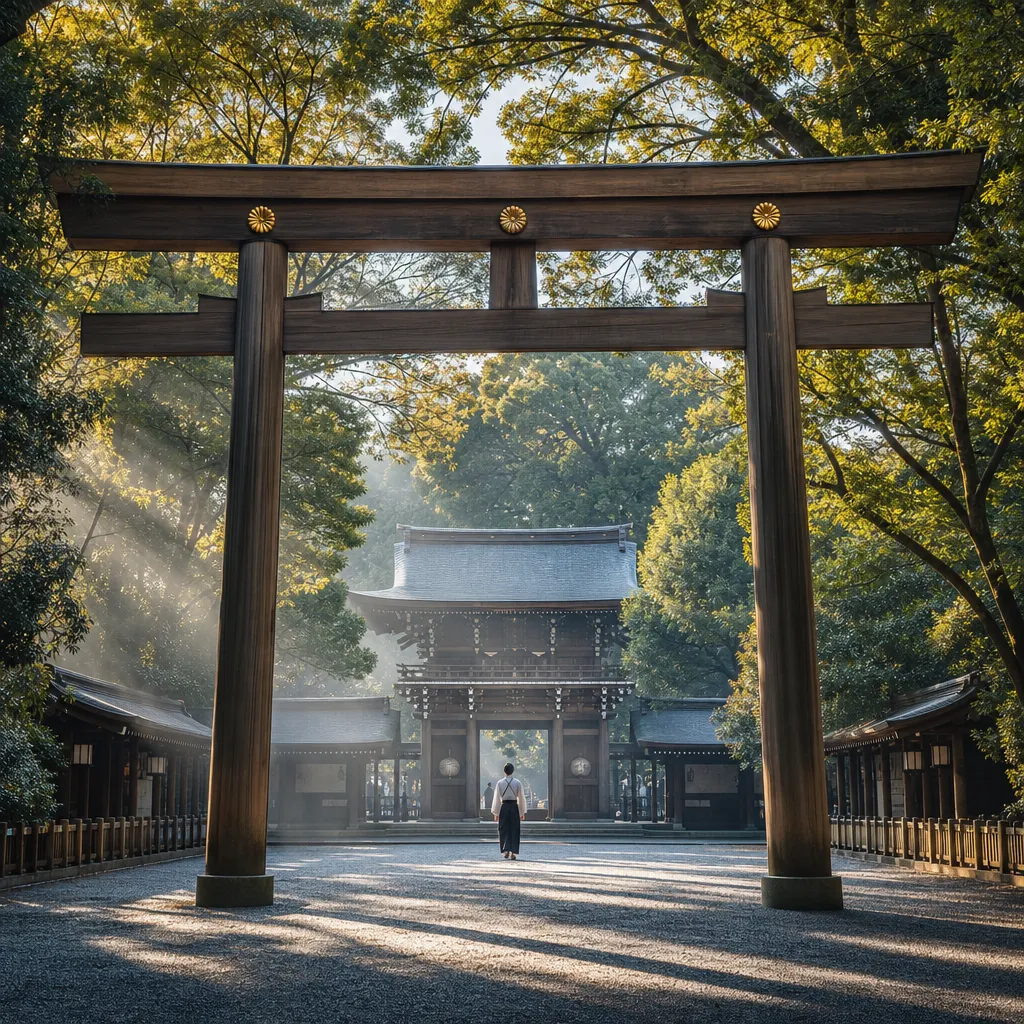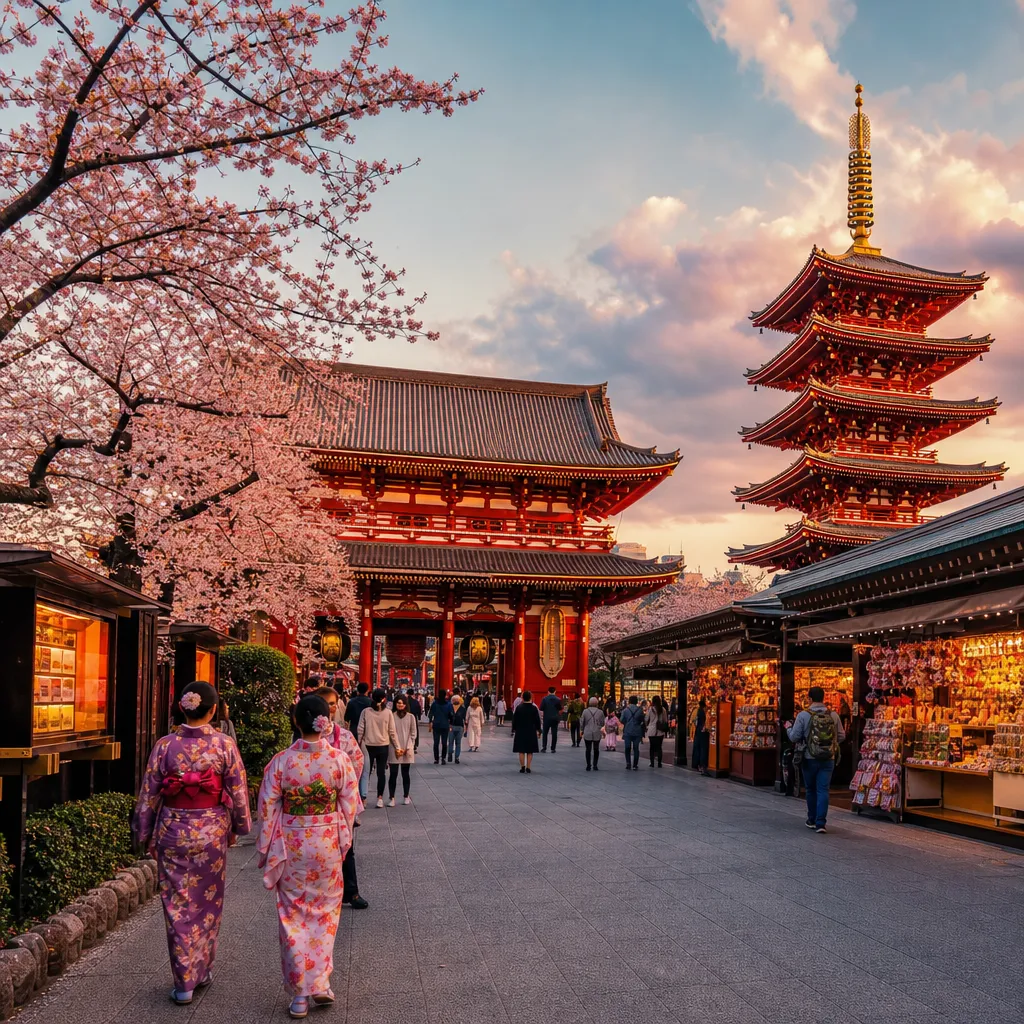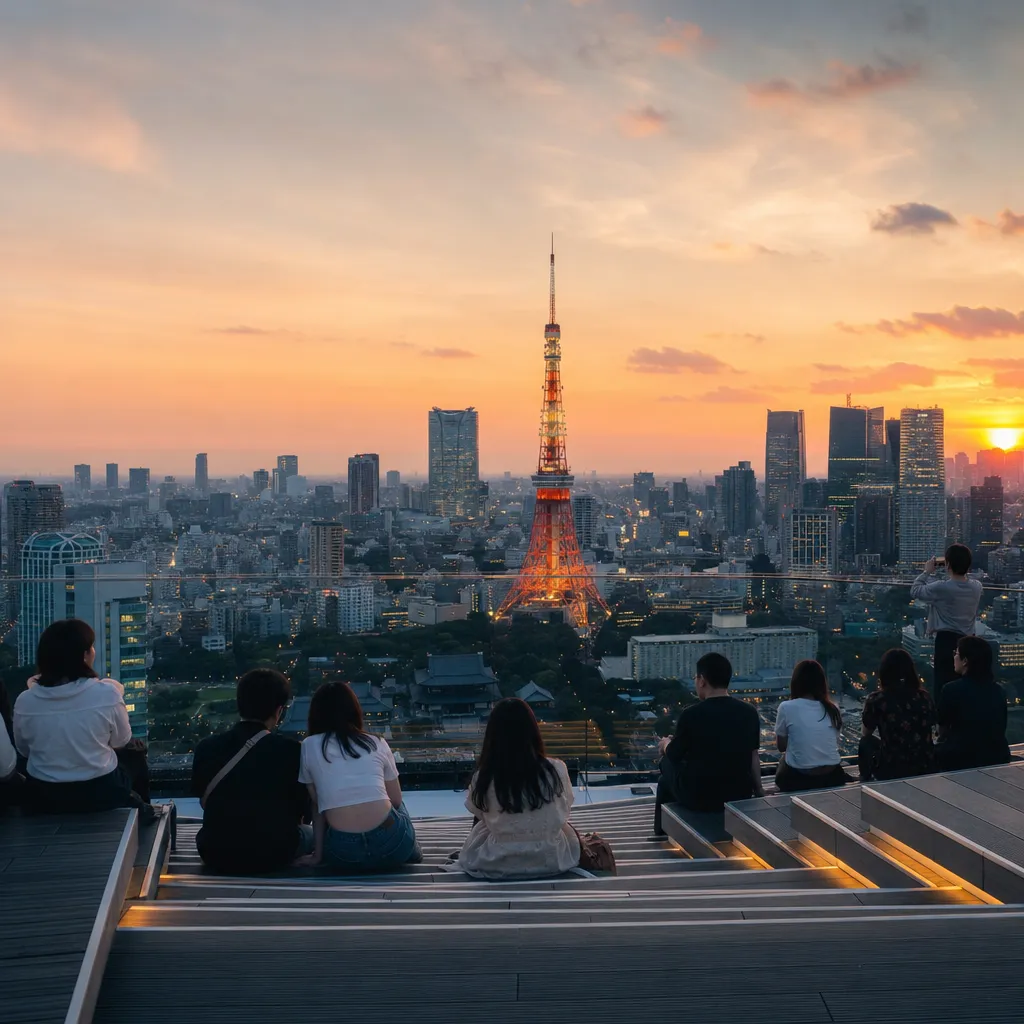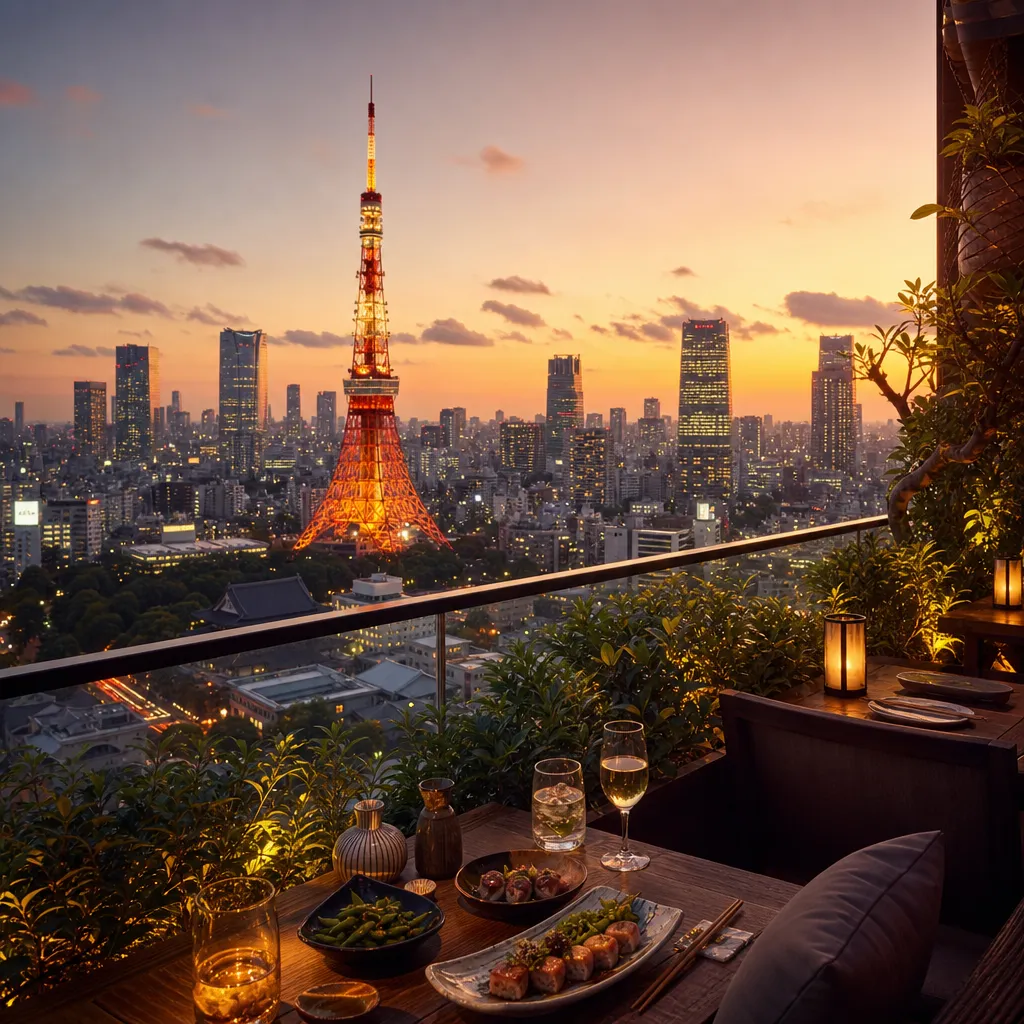
Tokyo’s sprawling metropolis often conjures images of neon-lit streets and bustling train stations. Yet, tucked between skyscrapers and winding highways lie pockets of verdant solace that invite explorers to disconnect from the urban frenzy. From ancient woodlands to seaside retreats, these hidden havens reveal the biodiversity and timeless beauty that lie just beyond the city’s concrete façade. Embark on a journey through the capital’s lesser-known landscapes, where every trail, valley, and shoreline whispers stories of nature’s resilience and Tokyo’s enduring bond with landscape.
Forest Sanctuaries at Tokyo’s Doorstep
Less than an hour from Shinjuku Station, Mount Takao offers an immersive escape into a world of moss-covered stones, towering cedar trees, and crisp mountain air. Pilgrims and hikers have long revered this sacred peak, which houses the centuries-old Yakuoin Temple deep within its slopes. Visitors can choose from several trails, each winding through dense forest that showcases the best of forest bathing.
Trail Highlights
- Trail 1 (Omotesando): Paved, family-friendly, with viewpoints overlooking Tokyo Tower and Mount Fuji on clear days.
- Trail 6 (Biwa Waterfall): Rugged path leading to a serene cascade, ideal for those seeking adventure.
- Inariyama Trail: Connects Takao to neighboring peaks, perfect for multi-day hikes and extended rejuvenation.
During spring, vibrant azalea blooms line the ridges, while autumn transforms the forest into a vivid tapestry of crimson and gold. Throughout the year, local vendors offer steaming sobacha (buckwheat tea) and grilled tofu on sticks—simple treats that underscore the area’s tranquil charm.
Mount Mitake and Musashi Rock
Further along the Ōme Line, Mount Mitake stands guard over Chichibu Tama Kai National Park. The ancient Musashi Rock, believed to have spiritual significance, perches on an outcrop overlooking the Tama River valley. A cable car ascent leads to the summit, where a network of trails reveals hidden shrines and patches of pristine forest. In winter, the crisp silence broken only by birdsong exemplifies true serenity.
Rivers, Streams, and Urban Oases
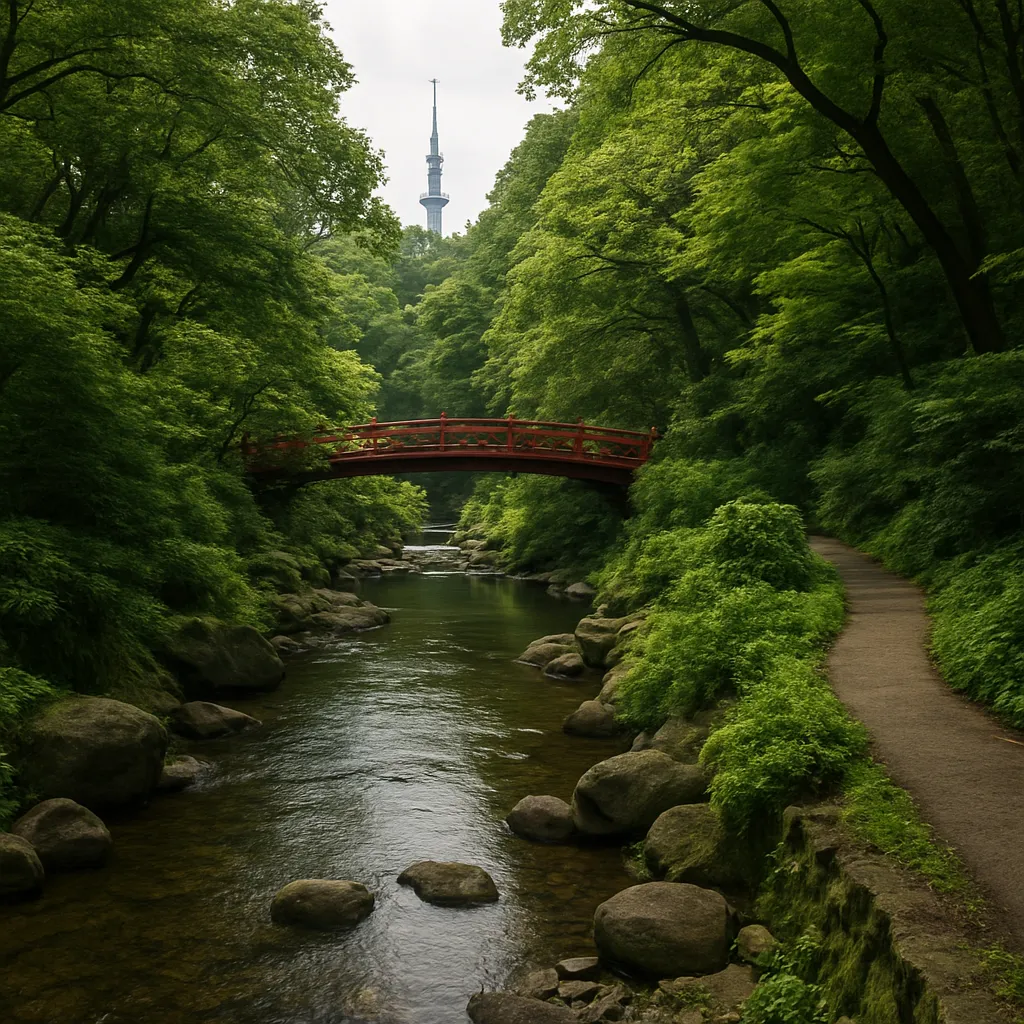
Even within the city’s core, winding waterways carve out tranquility from the concrete jungle. Todoroki Valley in Setagaya Ward boasts a half-hour stroll along a shaded brook, flanked by bamboo groves and ferns. Sunlight filters through the canopy, illuminating stepping stones and small shrines tucked into the rock face.
Todoroki Valley Park
- Japanese Garden: A miniature pond, stone lanterns, and a quaint teahouse contribute to a classic Edo-period ambiance.
- Waterwheel Pavilion: Offers a glimpse into traditional milling methods once common along the valley.
- Walking Path: Smooth and accessible, suitable for strollers and wheelchairs, yet rich with verdant scenery.
For a more rugged riverside adventure, follow the Kanda River upstream from Ochanomizu. Rows of cherry trees turn the path into a pink corridor each spring, while kayakers and anglers frequent calmer stretches year-round. Stay alert for kingfishers darting across the water, a splash of electric blue against the muted tones of stone embankments.
Yanaka Cemetery and Nezu Shrine
In Taito Ward, the sprawling labyrinth of Yanaka Cemetery offers leafy lanes lined with ancient tombstones, providing an unexpected haven for birdwatchers. Beyond its gates lies Nezu Shrine, renowned for its vermilion torii gates and azalea festival. A short walk away, Yanaka Ginza—Tokyo’s “old town” shopping street—serves up local delicacies, from sweet potato croquettes to shaved ice treats, perfect after a meditative morning stroll.
Coastal and Island Retreats
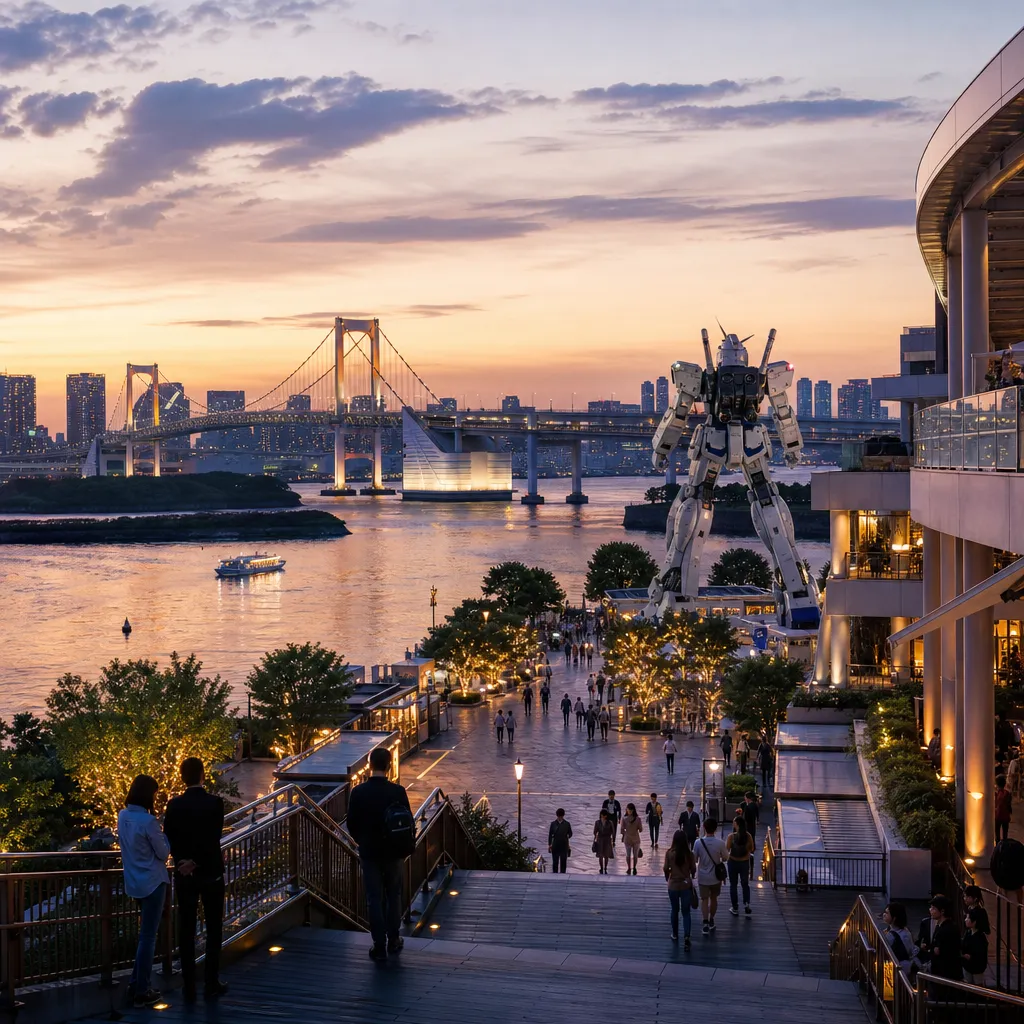
Escape the city’s pulse by venturing to Tokyo Bay or the Izu archipelago. Kasai Rinkai Park, perched on reclaimed land, offers sweeping views of Rainbow Bridge and Odaiba’s futuristic skyline. Its bird sanctuary attracts migratory species, while the adjacent aquarium displays local marine life in interactive exhibits.
Islands of Izu: Ōshima and Beyond
Less than three hours by boat from Takeshiba Pier, Ōshima welcomes visitors with its volcanic landscapes and hot spring resorts. Mount Mihara’s crater rim trail showcases stark lava fields dotted with hardy wildflowers. On clear days, you can glimpse Mount Fuji looming across Sagami Bay. Nearby sandy coves and snorkeling spots reveal schools of tropical fish darting among rocky reefs.
- Oshima Onsen: Open-air baths fed by geothermal springs, offering panoramic ocean views.
- Kazahaya Park: Formal gardens and bonsai exhibitions celebrating Japan’s horticultural heritage.
- Surfing Beaches: Young locals and visitors ride gentle breaks on the island’s western shore.
Further south, the islands of Niijima and Shikinejima boast white-sand beaches and emerald waters. Niijima’s elliptical coastline hosts annual surfing and windsurfing competitions, while Shikinejima lures adventurers with unspoiled hiking trails and secluded coves. Ferries run daily during peak season, making these islands accessible yet blissfully untouched.
Chiba Peninsula: Coastal Forests
On the opposite side of Tokyo Bay, the Kujūkuri coast stretches for nearly 60 kilometers, blending pine forests with sweeping beaches. Though popular with surfers and beachgoers, hidden groves and sand dunes offer moments of escapism. Explore Naritasan Park’s serene ponds and bonsai garden or discover secluded inlets beneath towering cliffs along the southern coast.
Seasonal Highlights and Practical Tips
Every season transforms Tokyo’s natural enclaves, so plan your visit according to the experience you seek:
- Spring: Cherry blossoms and azaleas awaken valleys and temples in a riot of color.
- Summer: Dense foliage and mountain streams provide cool relief from urban heat.
- Autumn: Fiery maple leaves drape forested slopes and riverside paths.
- Winter: Crisp air and clear skies enhance panoramic views and starlit onsen nights.
To maximize your journey:
- Purchase a Suica or Pasmo card for seamless train and bus travel.
- Check local bus schedules for remote trailheads and island ferries.
- Respect wildlife by keeping noise to a minimum and carrying out any waste.
- Pack layers and sturdy footwear to handle sudden weather changes.
Whether you seek the gentle murmur of a forest brook, the soft whisper of seaside breezes, or the ethereal glow of autumn foliage, Tokyo’s hidden natural escapes await. Venture beyond the neon lights to discover a side of the capital that pulses with wildlife, time-honored traditions, and a profound sense of eco-friendly harmony.