Tokyo offers a mesmerizing journey through the world of high-end retail, where each district brings its own blend of heritage, avant-garde design, and unparalleled service. From the glittering avenues of Ginza to the tree-lined boulevards of Omotesando, visitors and locals alike revel in a luxury shopping scene defined by meticulous attention to detail and a commitment to craftsmanship. This article delves into four distinct aspects of Tokyo’s most opulent shopping experiences, exploring iconic neighborhoods, monumental department stores, and the innovations shaping the future of luxury retail in Japan’s capital.
Ginza: The Epitome of Luxury Shopping
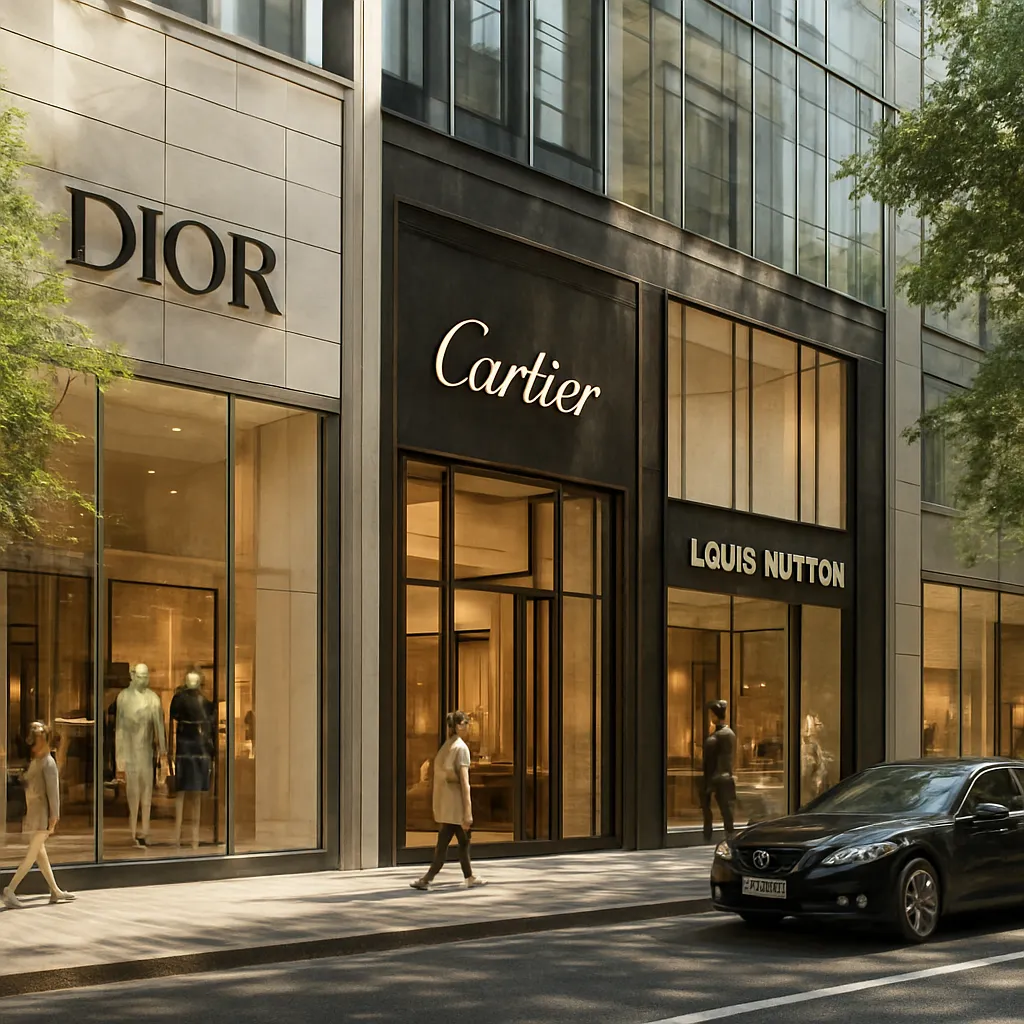
Ginza stands as Tokyo’s flagship district for upscale retail, where every storefront seems to challenge the next in both architecture and prestige. Neon-lit streets showcase prestigious global houses alongside Japanese ateliers that sparkle under meticulously curated lighting. Walking along Chuo-dori, patrons will discover flagship boutiques of Chanel, Dior, and Louis Vuitton, each occupying multi-story edifices crafted to embody the brand’s essence.
Architectural Masterpieces
Renowned architects like Herzog & de Meuron and SANAA have shaped Ginza’s skyline with structures that fuse form and function. The Dior Ginza store, designed by Japanese star architect Riken Yamamoto, stands out with its undulating aluminum façade—an art installation in its own right. Inside, shoppers find a minimalist interior that allows every bespoke accessory and couture piece to shine against white marble floors and softly lit display cases.
The Art of Omotenashi
Service in Ginza transcends mere hospitality, reflecting the Japanese philosophy of omotenashi. Sales associates memorize regular customers’ preferences, offering curated selections and complimentary tea ceremonies in private lounges. This level of personalized attention elevates the shopping trip to a ritual of pampering, where every detail—down to the delicate wrapping paper embellished with seasonal motifs—is executed with precision.
- Ginza Six: A modern retail complex featuring luxury brands, art installations, and a rooftop garden.
- Wako: An Art Deco landmark housing exquisite jewelry and timepieces.
- Matsuya: A department store combining traditional Japanese goods with global designer labels.
Omotesando and Aoyama: Architectural Marvels and High-End Boutiques
Just south of Harajuku, Omotesando’s wide, tree-lined avenue is often called Tokyo’s Champs-Élysées. Here, luxury brands commission striking façades from internationally acclaimed architects, turning retail spaces into public spectacles. In adjacent Aoyama, art galleries and concept stores create a more intimate atmosphere, where discovery and exclusivity meet.
Flagship Stores as Cultural Hubs
The Prada Aoyama store, designed by Herzog & de Meuron, uses stacked, rotating concrete slabs to form a striking exterior that invites curiosity. Inside, sunlight filters through the gaps, casting dramatic shadows on the minimalist interior. Similarly, the Omotesando Hills complex, designed by Tadao Ando, skillfully integrates retail with exhibition spaces, allowing visitors to appreciate contemporary art and design while browsing the latest collections.
Hidden Gems and Concept Boutiques
Aoyama’s side streets reveal small ateliers and emerging designers showcasing sustainable fabrics, hand-stitched leather goods, and limited-edition ornaments. These concept boutiques emphasize ethical production and innovative techniques—attributes increasingly coveted by discerning shoppers seeking items that marry style with social responsibility.
Six-Story Department Stores: Tailored Elegance in Tokyo’s Retail Palaces
Tokyo’s department stores represent the pinnacle of multi-brand luxury, each offering a world-class selection of fashion, cosmetics, gourmet food, and homeware across multiple floors. These palatial emporiums are more than mere retail outlets—they are cultural destinations where visitors can experience seasonal events, fine dining, and live demonstrations of master artisans at work.
Isetan Shinjuku
Isetan’s Shinjuku flagship is famed for its avant-garde fashion curation and vibrant food hall known as “Shoku no Gekijo.” This gourmet paradise features rare teas, hand-crafted sake, and an array of confectioneries presented in elaborate packaging. On the upper floors, exclusive collaborations and pop-up shops keep the offerings fresh and exciting, inviting shoppers to return often for new discoveries.
Mitsukoshi Nihonbashi
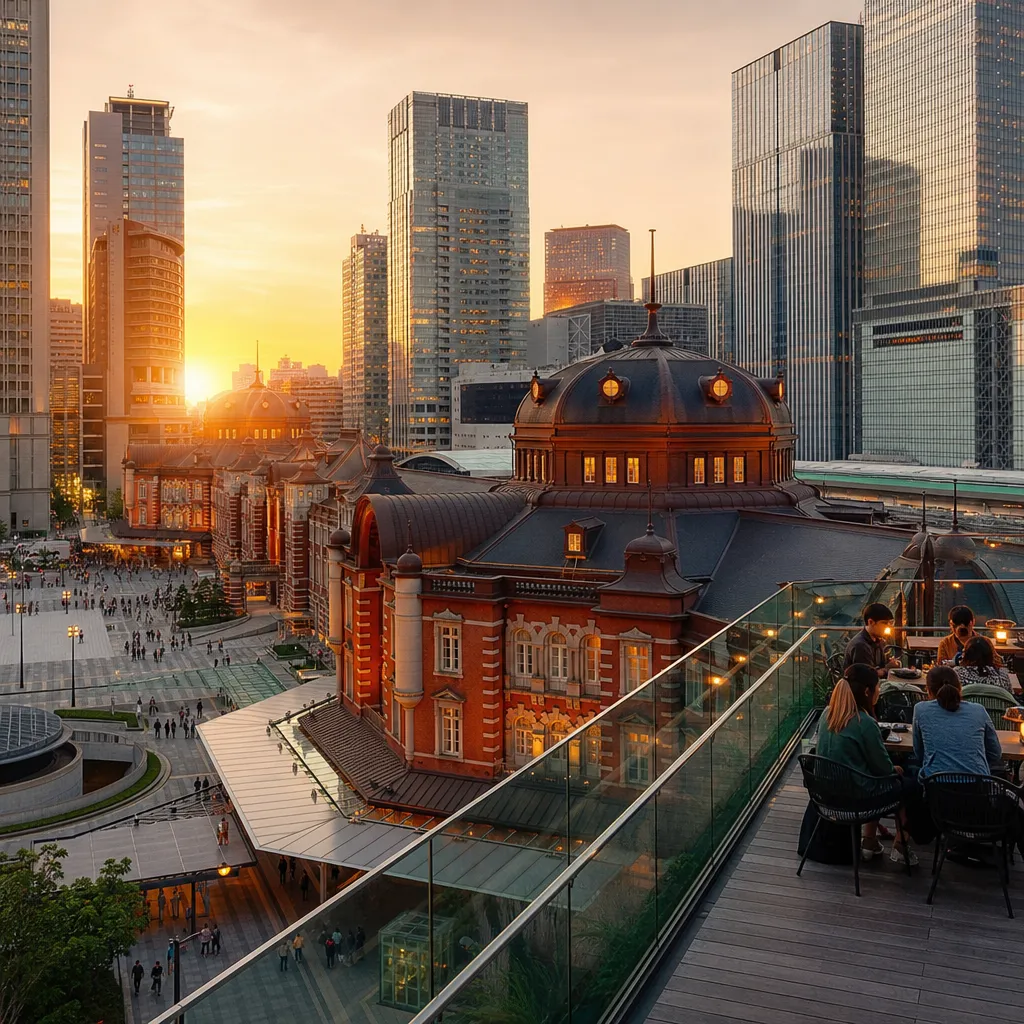
Housed in a heritage-listed building near Tokyo Station, Mitsukoshi Nihonbashi blends tradition with modern luxury. The storied façade gives way to sleek interiors where kimonos woven by master artisans sit alongside high-fashion ensembles. Seasonal exhibitions in the gallery space celebrate Japanese culture, from ikebana displays to lacquerware workshops, reinforcing the department store’s role as a guardian of tradition.
Takashimaya Times Square
While the exterior is unassuming, inside Takashimaya Times Square in Shinjuku reveals a labyrinth of luxury floors, including an entire level dedicated to beauty brands not found anywhere else in Japan. Personalized skincare consultations, in-store fragrance mixers, and makeup demonstrations ensure that visitors leave not just with products, but with an enhanced understanding of global beauty trends.
The Future of Luxury Shopping: Innovation Meets Tradition
As Tokyo’s luxury retail sector evolves, a fusion of cutting-edge technology and time-honored customs shapes the emerging landscape. Virtual reality showrooms, AI-driven personal shoppers, and smart mirrors that recommend outfits are gradually appearing alongside artisanal workshops and live tailoring services.
Digital Innovations
Luxury brands in Tokyo are experimenting with immersive digital experiences. In pop-up stores, clients don VR headsets to virtually walk through ateliers in Paris or Milan, selecting custom garments to be produced on-demand. AI-driven apps analyze customers’ style history and body measurements, creating highly personalized shopping lists and reducing decision fatigue.
Sustainable Luxury
Environmental consciousness is redefining exclusivity, with high-end retailers sourcing ethically produced materials and implementing closed-loop recycling programs. Luxury boutiques collaborate with local craftspeople to upcycle vintage textiles into one-of-a-kind pieces, offering shoppers not only rare designs but also the satisfaction of supporting responsible practices.
The Return of Handcrafted Traditions
Despite the allure of tech-driven retail, Tokyo’s shoppers still cherish human touch. Department stores host regular demonstrations by master potters, copperware artisans, and kimono dyers, allowing customers to witness centuries-old techniques firsthand. These live showcases remind visitors that true exclusivity often lies in the imperfections and nuances of handcrafted goods.