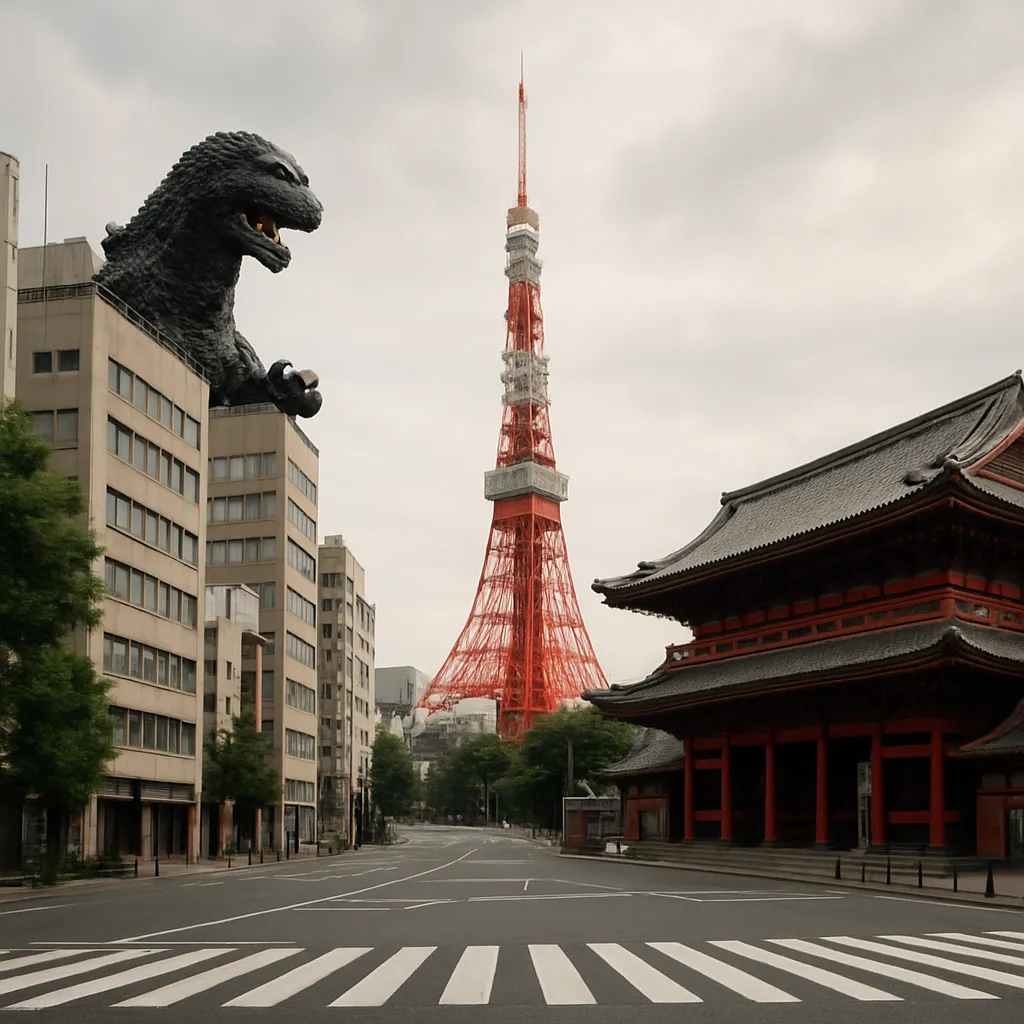
Tokyo emerges as a cinematic dreamscape, where each neon-lit street and ancient temple becomes part of a legendary narrative. This sprawling metropolis blends the timeless traditions of the past with the vibrant energy of the present, offering a kaleidoscope of stories waiting to be captured on film. From the iconic scramble of Shibuya Crossing to the immersive echoes of subway tunnels, Tokyo invites filmmakers and visitors alike to experience its nostalgic charm and futuristic allure. Explore the city’s most memorable movie locations and discover how these real-world settings have shaped the way audiences see Tokyo on screen.
Shibuya Crossing: The Urban Stage
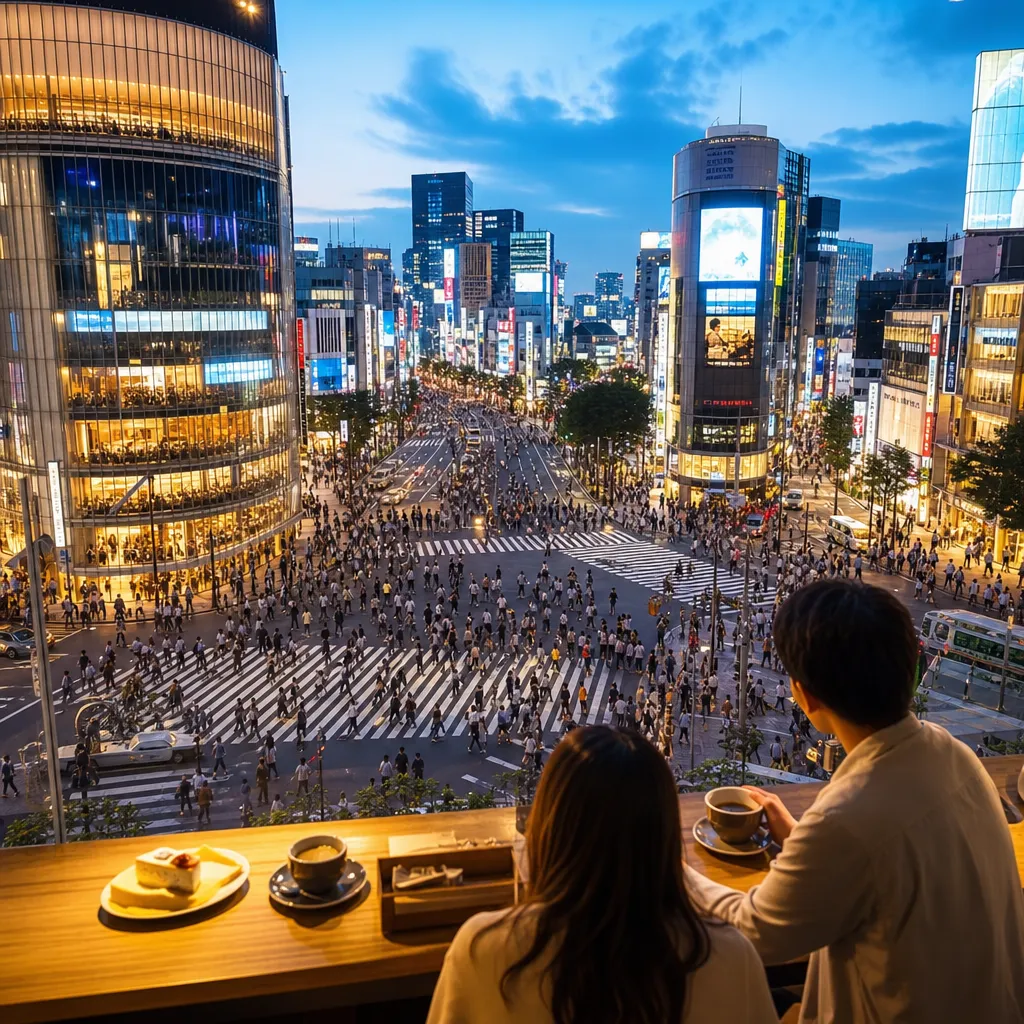
Countless productions have immortalized the electric chaos of Shibuya Crossing, making it one of the most photographed intersections in the world. This pulsating crossroads appears in films such as Lost in Translation, Fast and Furious: Tokyo Drift, and The Wolverine, each capturing the overwhelming rush of humanity moving in every direction. Directors use this space to convey themes of isolation, connection, and the relentless pace of modern life. The neon billboards and towering skyscrapers create a backdrop that feels both intimate and colossal.
- Lost in Translation – Sofia Coppola’s quiet drama uses Shibuya to contrast urban alienation with personal connection.
- Fast and Furious: Tokyo Drift – High-speed car chases roar through the midnight lights and bustling sidewalks.
- The Wolverine – Futuristic projections and crowds heighten the hero’s sense of disorientation in an unfamiliar world.
Visitors can stand on the corner of QFRONT building’s second floor or join the scramble itself to recreate cinematic moments. Cafés overlooking the intersection offer elevated vantage points perfect for snapping photographs or simply absorbing the electric atmosphere that Hollywood and local filmmakers prize.
Asakusa and Senso-ji: Echoes of the Past
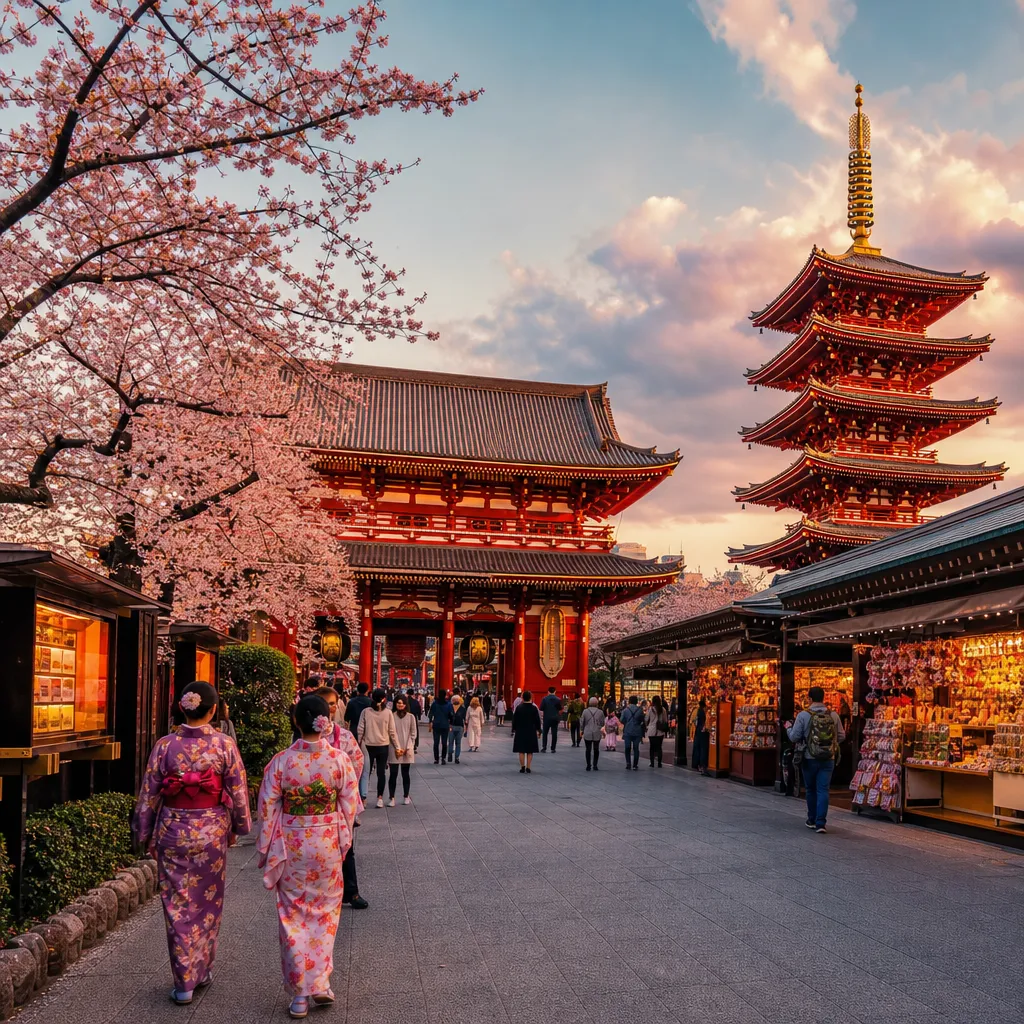
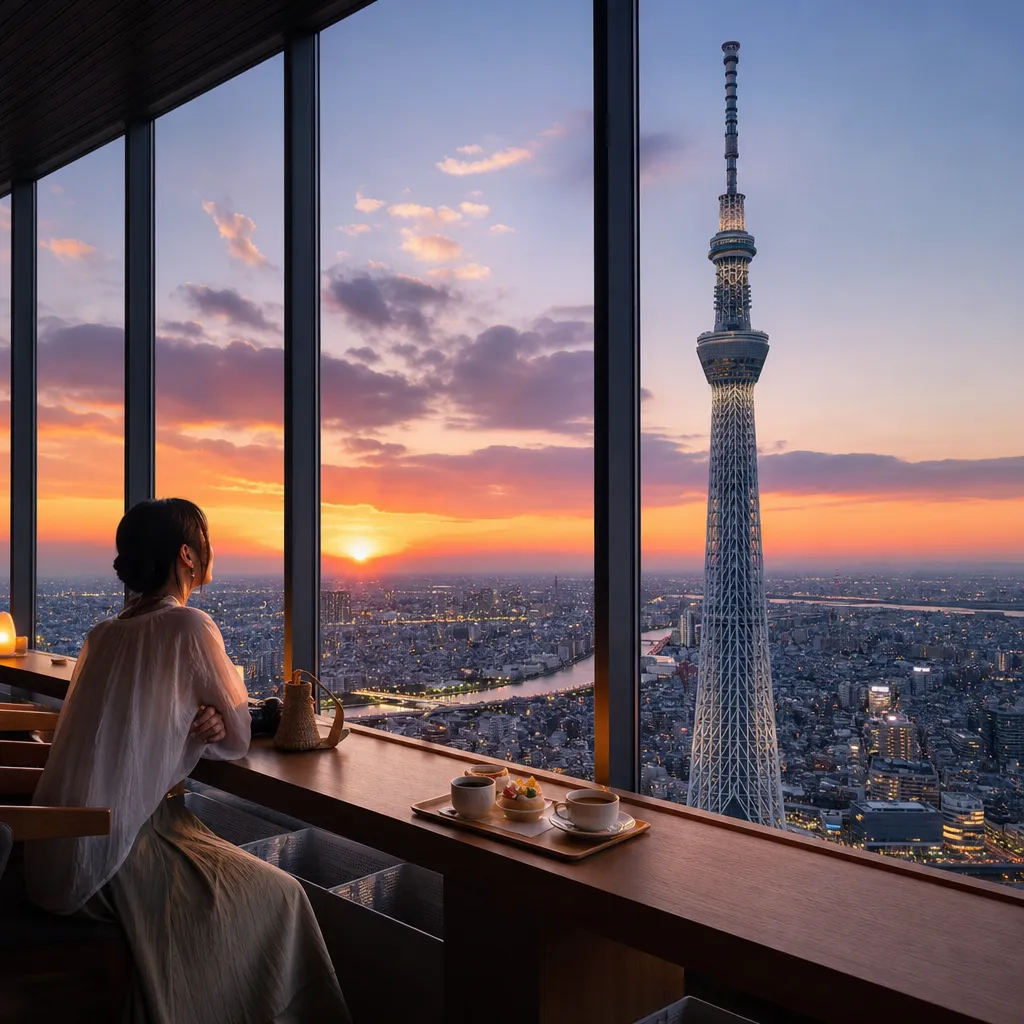
Steeped in centuries-old tradition, Asakusa’s narrow lanes and the majestic Senso-ji Temple provide a vivid contrast to Tokyo’s neon heart. This historic quarter appears in classic samurai films, period dramas, and modern features alike. Akira Kurosawa’s Yojimbo and Sanjuro filmed samurai duels against the backdrop of wooden stalls and paper lanterns, while more recent movies have used Senso-ji’s vermilion gates to evoke a sense of spiritual renewal.
- Yojimbo – Kurosawa’s masterwork features the temple grounds as a stage for honor and deception.
- Memoirs of a Geisha – Although largely shot in studios, location inserts at Kaminarimon Gate lend authenticity to the story.
- Tokyo Story – Yasujiro Ozu’s quiet masterpiece captures local life around the temple market, highlighting daily rituals.
Strolling down Nakamise Dori, the bustling shopping street leading to the temple, visitors can imagine rickshaw rides and wandering actors preparing for a scene. Traditional sweet shops and souvenir stalls have stood for generations, lending an authentic backdrop that filmmakers continually return to when they need a tangible link to Japan’s past.
Odaiba’s Futuristic Canvas
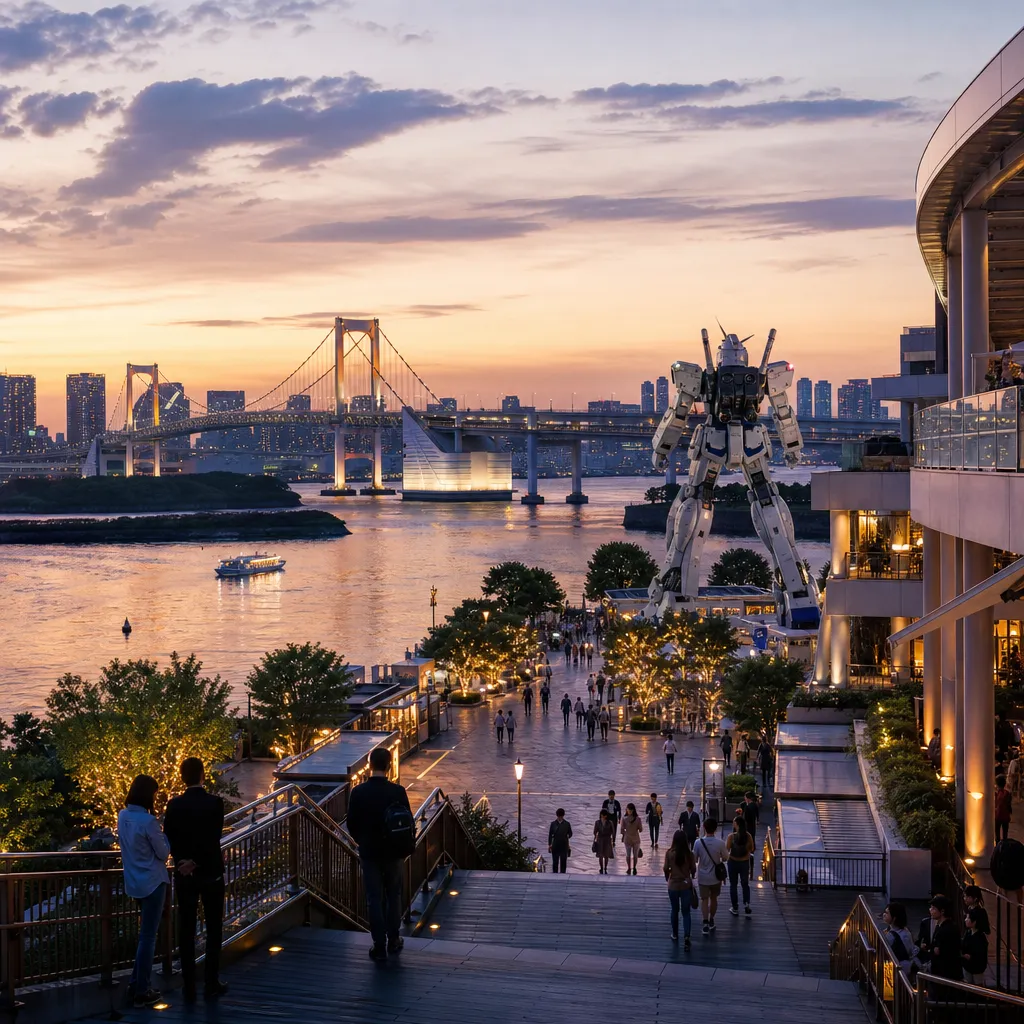
Built on reclaimed land, Odaiba has become a symbol of Tokyo’s utopian aspirations. This waterfront district, with its sleek architecture and Rainbow Bridge, resembles a set from a science fiction epic. Patlabor: The Movie and Gundam Unicorn have both used Odaiba’s open plazas and exhibition halls to stage robot battles and high-tech showdowns. The giant Unicorn Gundam statue at DiverCity Tokyo feels as if it stepped straight out of a CGI sequence.
- Patlabor: The Movie – Real police mechs patrol Odaiba’s parks and waterfronts in a near-future Tokyo.
- Gundam Unicorn – The iconic RX-0 Unicorn Gundam turns slowly in museum-like surroundings, merging reality and fantasy.
- Evangelion: 3.0+1.0 Thrice Upon a Time – Visual nods to Odaiba’s futuristic vistas underscore the film’s themes of rebirth.
Beyond its cinematic appearances, Odaiba offers interactive experiences such as VR zones, teamLab Borderless exhibitions, and panoramic cruises along Tokyo Bay. These attractions reinforce the district’s reputation as a playground for filmmakers and fans of speculative storytelling alike.
Akihabara’s Electric Aura
Akihabara, the ultimate district for electronics and anime culture, has also played a key role in Japan’s filmography. The labyrinth of neon signs, gadget stores, and cosplay cafés features prominently in Summer Wars, which uses the real streets to ground its digital adventure in a recognizable setting. Visitors will spot references to live-action adaptations of manga and anime, as well as scenes from independent thrillers that exploit the district’s endless alleys and hidden backstreets.
- Summer Wars – The animated journey begins and ends among Akihabara’s arcade halls and video stores.
- Tokyo Gore Police – This cult splatter film stages gruesome confrontations in neon-soaked alleyways.
- Steins;Gate – The anime’s time-travel plot hinges on a real-life building near the JR Akihabara Station.
Cosplayers often populate traffic islands and public squares, offering impromptu photo shoots that echo the city’s onscreen vibrancy. Many filmmakers choose these natural crowds to lend authenticity and texture to action scenes and dramatic encounters.
Tokyo Tower’s Silver Screen Moments
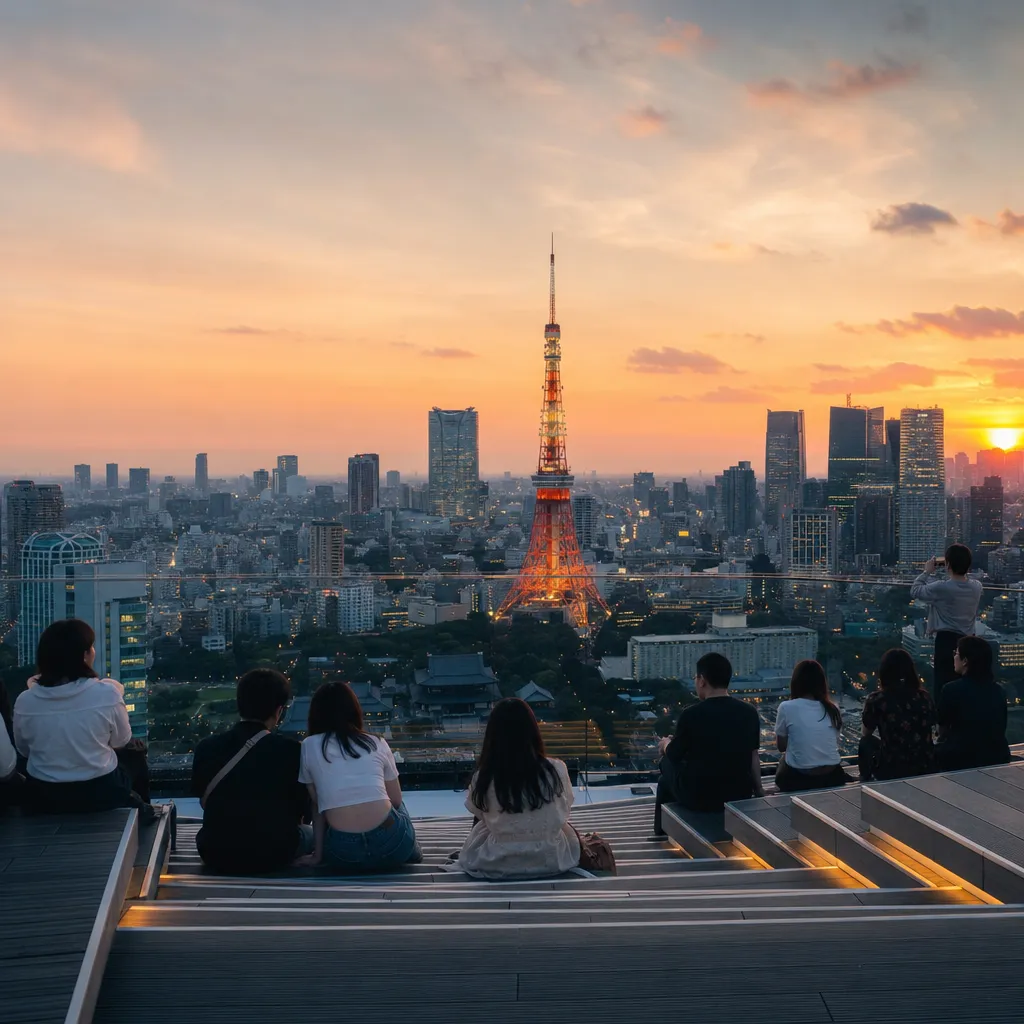
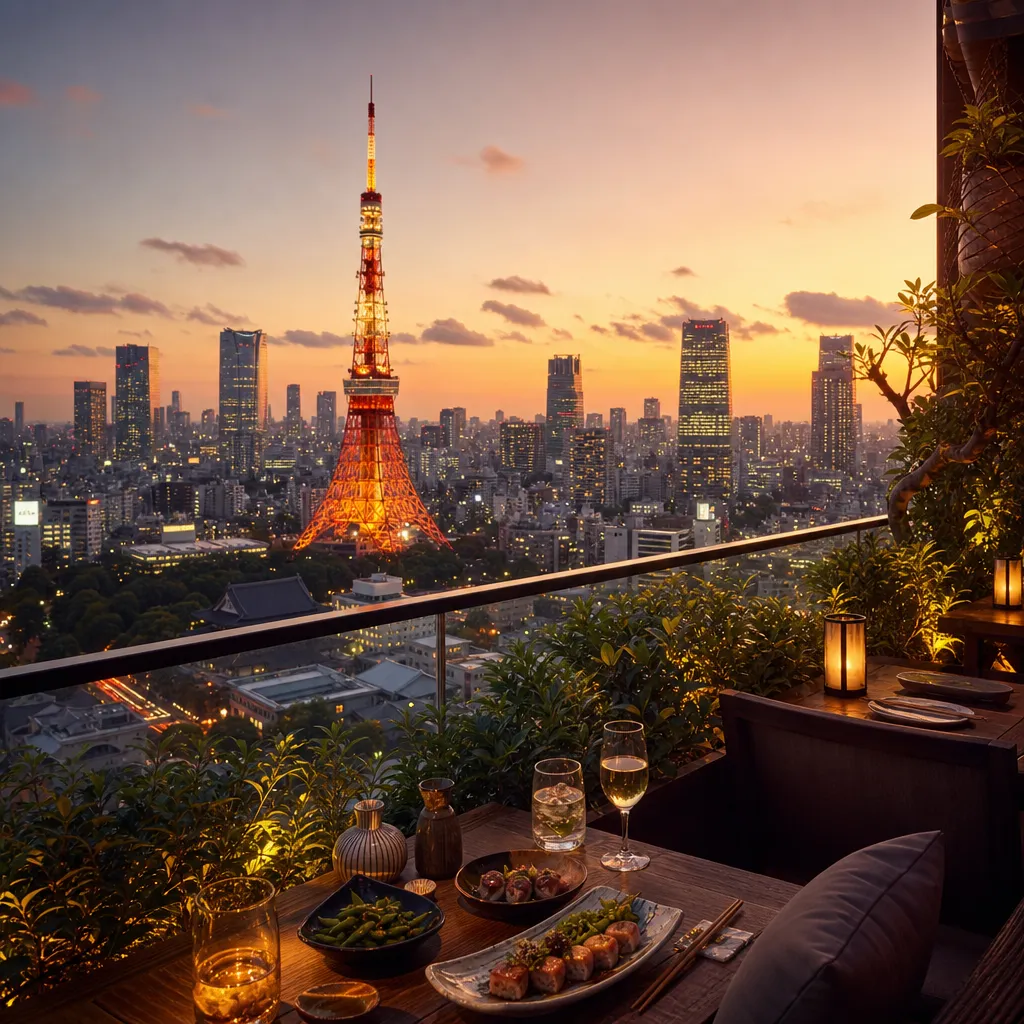
Rising above the Minato Ward, Tokyo Tower has inspired countless film sequences that exploit its unmistakable silhouette. In Godzilla vs. Mothra, the plaza beneath the tower becomes a battleground for giant monsters, while in The Return of Godzilla, the iconic structure stands as a symbol of human resilience. Romantic dramas like The Garden of Words use the observation deck and nearby park to frame intimate conversations against the cityscape.
- Godzilla vs. Mothra – Tokyo Tower’s base is obliterated during the titanic clash.
- The Return of Godzilla – The tower endures as a beacon of hope amid the monstrous devastation.
- The Garden of Words – Makoto Shinkai’s anime highlights the tower in misty morning scenes, emphasizing quiet reflection.
Visitors can take an elevator ride to the Main Deck at 150 meters, or venture further to the Special Observatory at 250 meters for a bird’s-eye perspective. At night, the tower illuminates in seasonal colors, creating a cinematic backdrop that feels perfectly composed for a love story or a high-stakes thriller.