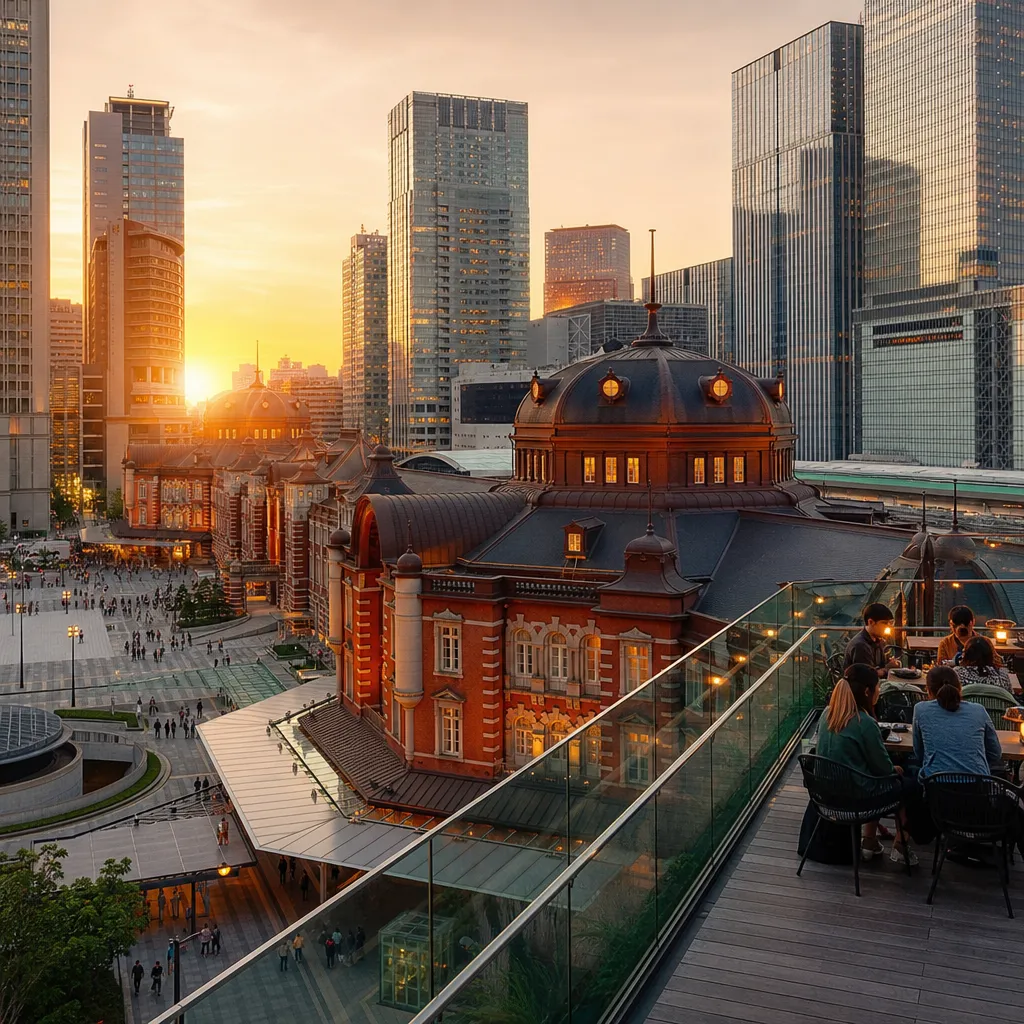
The Tokyo Station area is one of the most practical places to base yourself or spend a full day, but it is more varied than many first-time visitors expect. Around the station you have the red-brick Marunouchi side, the financial district of Otemachi, the department-store-heavy Yaesu side, the refined shopping streets of Nihonbashi, and the upscale edge of Ginza within easy reach. That mix makes it useful for architecture, dining, shopping, museums, short walks, and efficient rail access across the city and beyond. If you plan the area well, it can be much more than a transport hub between the airport and the Shinkansen.
Tokyo Station itself sits on the border of Chiyoda and Chuo wards, right in central Tokyo. The station complex is huge, so it helps to think in sub-areas: Marunouchi for historic architecture and broad business-district avenues, Yaesu for busier commercial zones and many casual dining options, Otemachi for office towers and links toward the Imperial Palace area, and Nihonbashi for long-established department stores and a more traditional mercantile identity.
How to Understand the Tokyo Station Area
If you are arriving for the first time, the most useful distinction is between the west side and east side of the station. The Marunouchi side is the classic image: the restored red-brick station façade, plaza space, nearby luxury hotels, and direct access toward the Imperial Palace East Gardens. It feels spacious and formal, especially on weekdays when office workers dominate the scene.
The Yaesu side is more commercially dense. This is where many highway buses serve the station area, and it connects well to department stores, underground shopping, and practical eating options. It tends to feel busier and less scenic, but it is often more convenient for quick meals and onward transport.
Just to the northeast, Nihonbashi offers a different rhythm. It is still highly central, but it feels older in commercial heritage, with flagship department stores and long-running shops. If Marunouchi is the polished business face of central Tokyo, Nihonbashi is the historic merchant side.
| Place | Area | Best For | Type | Key Feature |
|---|---|---|---|---|
| Tokyo Station Marunouchi Building | Marunouchi | Architecture, photography | Historic station building | Restored red-brick façade |
| KITTE | Marunouchi | Viewpoint, shopping | Commercial complex | Rooftop garden facing the station |
| Tokyo Character Street | Inside Tokyo Station | Family shopping, souvenirs | Underground retail zone | Character shops and themed goods |
| Tokyo Ramen Street | Inside Tokyo Station | Quick meal | Ramen zone | Several well-known ramen shops in one place |
| Mitsukoshi Nihonbashi Main Store | Nihonbashi | Department store food halls, heritage shopping | Department store | One of the city’s classic retail institutions |
| Museum of the Imperial Collections, Sannomaru Shozokan | Imperial Palace area | Art and culture | Museum | Imperial collection works near the palace grounds |
What to See First: Architecture, Plazas, and Short Walks
The most obvious place to start is the Tokyo Station Marunouchi Building. The restored exterior is one of the city’s best-known early 20th-century landmarks, and it stands out precisely because so much of surrounding central Tokyo is glass and steel. It is especially good for visitors interested in architecture or photography, and the view from the open plaza on the Marunouchi side makes it easy to appreciate the full frontage.
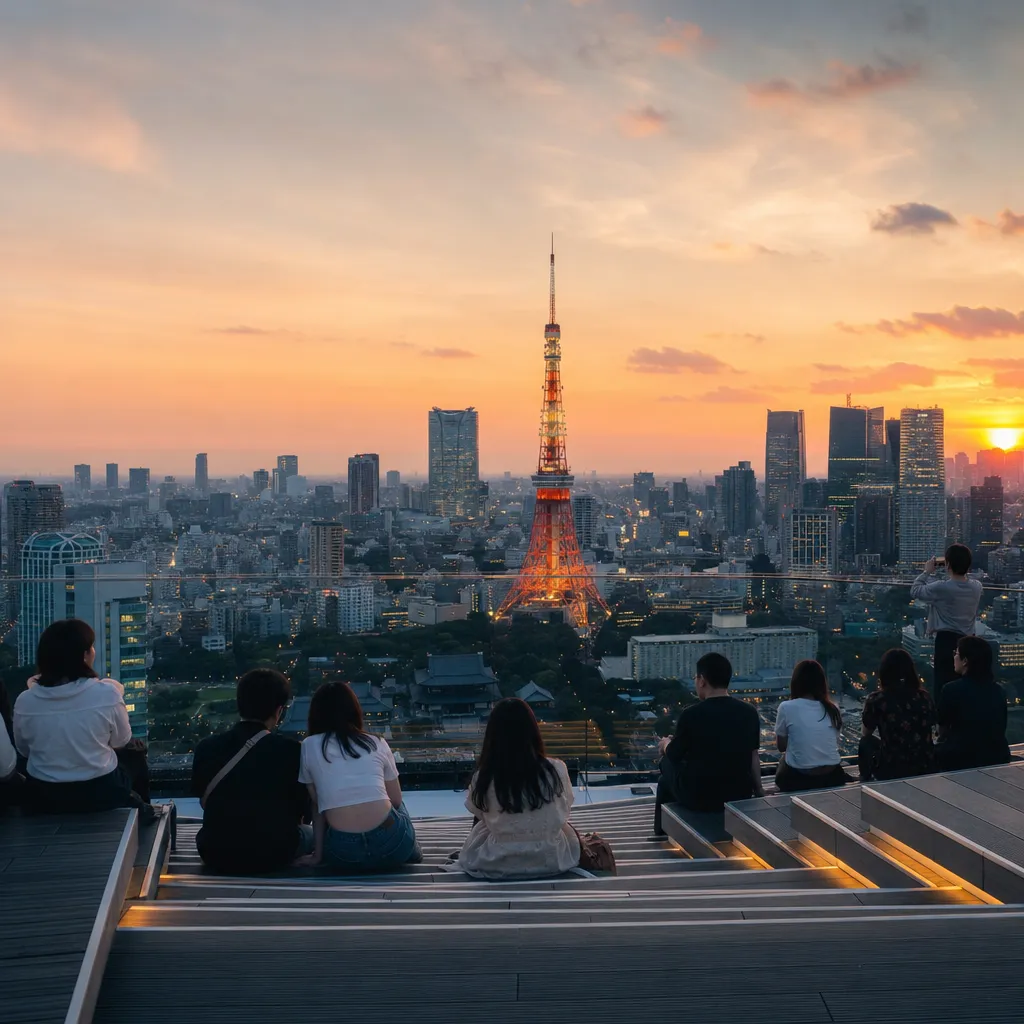
For a slightly elevated angle, KITTE in Marunouchi is one of the most useful stops. This commercial complex occupies the former central post office site, and its rooftop garden is a practical photo spot looking toward Tokyo Station. The visit is easy to combine with shopping or a coffee break, and it works well in late afternoon or early evening when the station façade begins to light up.
If you want a longer walk, head from Marunouchi toward the Imperial Palace East Gardens. This is one of the easiest green escapes from the station area, and it changes the mood quickly from business district to quieter historical landscape. The route suits walkers who want a break from interiors and train concourses. As with any palace-related site, check current entry information before going.
Another good urban walk is from Tokyo Station into Nihonbashi. This route is less about green space and more about Tokyo’s layered commercial history. You move from the grand station area into a district where old department stores, office towers, and long-established businesses coexist in a way that feels very different from trend-driven shopping neighborhoods.
Best Food Stops Inside and Around the Station
For convenience, few places in Tokyo are easier than the station itself. Tokyo Ramen Street, inside the station complex, is useful when you want a focused ramen stop without leaving the area. The line-up changes over time, but the concept stays the same: several notable ramen specialists gathered in one place. It is especially practical before or after a train journey, though queues can build at peak meal times.
Also within the broader station shopping zone, Gransta Tokyo is worth knowing for takeaway food, sweets, bento, and gifts. It is not a single restaurant but a large station retail and dining area. This is where many travelers pick up high-quality train food or edible souvenirs, and it is one of the best options if you want something polished but efficient.
On the Yaesu side and in nearby commercial buildings, you will find many izakaya, casual Japanese restaurants, and business-lunch places. These are often more functional than atmospheric, but they can be very useful if you want speed and choice. If you are hoping for a destination dinner rather than a practical one, Marunouchi and nearby Nihonbashi usually offer a more composed setting.
For department-store food halls, Daimaru Tokyo connected to the station and Mitsukoshi Nihonbashi Main Store slightly farther out are both strong options. Food basements in this part of the city are especially helpful for visitors who want a wide choice of prepared foods, sweets, and giftable items without committing to a restaurant reservation.
Where to Shop: Station Retail, Department Stores, and Souvenirs
If your goal is practical shopping between trains, the station itself can easily fill an hour or two. Tokyo Character Street is especially useful for families, anime and character-goods shoppers, and anyone looking for easy-to-carry gifts. It is more playful than the businesslike tone of the surrounding district and tends to be busiest on weekends and school holidays.
Tokyo Okashi Land, also in the station area, is another convenient stop if you want Japanese snacks and confectionery gifts in one place. It works best for casual browsing rather than deep specialty shopping.
For more formal retail, Daimaru Tokyo on the Yaesu side is one of the easiest department stores to use if you are already at the station. It is especially good for food shopping, travel-friendly gifts, and polished basics. Department stores in Japan can feel overwhelming, but this one is straightforward for visitors because of its immediate station access.
In Nihonbashi, Mitsukoshi Nihonbashi Main Store and Takashimaya Nihombashi are better choices if you want a classic department-store experience with a stronger sense of heritage. Even if you are not shopping seriously, the buildings themselves and the atmosphere of the surrounding streets make the area worth visiting.
Museums, Culture, and Quiet Indoor Stops
The Tokyo Station area is not museum-dense in the same way as Ueno, but it does offer worthwhile cultural stops. The Museum of the Imperial Collections, Sannomaru Shozokan, in the Imperial Palace area, is the best nearby option for visitors interested in art connected to the Imperial Household. It is a more restrained visit than a blockbuster museum and suits travelers who prefer a focused, quieter cultural stop.
Inside KITTE, the Intermediatheque is one of the area’s most unusual indoor attractions. Operated in collaboration with the University Museum of the University of Tokyo, it presents academic and historical objects in a dense, cabinet-like style. It is a good pick on rainy days or for travelers who enjoy offbeat museum spaces rather than major headline institutions.
If you continue toward Nihonbashi, you can also look for gallery spaces and department-store exhibition areas, which sometimes host smaller cultural displays. These should be treated as variable rather than fixed attractions, but they can add depth to a shopping-focused itinerary.
Hotels and Best Areas to Stay Nearby
If convenience is the top priority, staying around Marunouchi, Yaesu, or Nihonbashi makes excellent sense. This is one of the easiest parts of the city for airport transfers, Shinkansen connections, and cross-city train access. It is especially well suited to business travelers, first-time visitors with short stays, and anyone making early morning intercity departures.
The Tokyo Station Hotel, built into the Marunouchi station building, is the signature stay in the area. It suits travelers who value heritage architecture and maximum rail convenience. The atmosphere is much calmer than the surrounding station flow suggests, and it is one of the strongest choices if arriving or departing by Shinkansen matters.
Four Seasons Hotel Tokyo at Marunouchi is near the station on the Marunouchi side and works well for travelers who want a smaller luxury property in an ultra-central location. Shangri-La Tokyo, close to the station on the Marunouchi/Yaesu side interface, is another high-end option with very strong transport convenience.
For a style-led but still practical base, Hotel Metropolitan Tokyo Marunouchi near the station is often considered by travelers who want central access without choosing the very top luxury bracket. In Nihonbashi, you can also find business-oriented and upscale hotels that place you in a slightly quieter evening environment while keeping station access easy.
Best Photo Spots and When to Go
The classic shot is the Marunouchi façade of Tokyo Station from the plaza. Early morning is best if you want fewer people and softer light; evening is best if you want the building illuminated against the surrounding office skyline. Because this is a major public thoroughfare, be considerate and avoid blocking pedestrian flow, especially on weekday commuting hours.
KITTE’s rooftop garden is the easiest elevated station view. It is practical for casual photographers because you do not need special access or a formal observation deck visit. It is also one of the most reliable places to understand the contrast between the historic station building and the newer towers around it.
For urban streetscape photography, the broad avenues of Marunouchi are useful, especially where older brick and stone elements meet newer high-rises. Around winter illumination periods, this side of the district often becomes more visually dramatic, though event schedules and lighting periods should always be checked in advance.
In Nihonbashi, your focus shifts from grand station imagery to layered city texture: department-store exteriors, bridges, commercial signage, and the mix of old and new business architecture. It suits travelers who prefer street photography and urban detail over skyline views.
Practical Tips for Visiting Efficiently
- Allow extra time inside the station: Tokyo Station is large and often confusing on a first visit, especially if you are switching between JR lines, Shinkansen areas, and underground shopping zones.
- Choose your side deliberately: use Marunouchi for architecture and calmer walks, Yaesu for practical shopping and bus connections, and Nihonbashi for department stores and heritage retail.
- Use the area in layers: station interior for quick food and shopping, Marunouchi for sightseeing, Nihonbashi for a half-day extension.
- Expect weekday business crowds: central office districts feel busiest around commuting times and lunch hours.
- Reserve destination restaurants when possible: casual station dining is often fine for walk-ins, but higher-end places in Marunouchi or nearby hotels may need advance planning.
- Check current operating information: station shops, museum displays, rooftop access policies, and seasonal events can change.
Suggested Half-Day and Full-Day Itineraries
Half-day if you only have a few hours
Start on the Marunouchi side with the station façade and plaza, then go up to KITTE for the rooftop view. Have lunch at Tokyo Ramen Street or pick up something from Gransta Tokyo. If time remains, walk toward the Imperial Palace East Gardens or browse station shopping before your next train.
Full day focused on the district
Begin with morning photos at Tokyo Station, then explore Marunouchi on foot. Visit Intermediatheque in KITTE, have lunch in or around the station, and spend the afternoon in Nihonbashi visiting Mitsukoshi or Takashimaya. End with dinner back near the station or in Marunouchi, where the night lighting gives the district a more polished evening atmosphere.
What area of the Tokyo Station district is best for first-time visitors?
Marunouchi is usually the best starting point because it has the historic station building, the clearest sense of place, and easy access to KITTE and the Imperial Palace side.
Is the Tokyo Station area good for food, or should I eat elsewhere?
It is very good for convenience and solid variety. The station itself is excellent for ramen, bento, sweets, and quick meals, while Marunouchi and nearby Nihonbashi are better for more deliberate lunches or dinners.
Do I need restaurant reservations around Tokyo Station?
For casual station dining, often not. For hotel restaurants, higher-end dining, or popular dinner spots in Marunouchi, reservations are a sensible idea.
Is the area suitable for families?
Yes. Character Street, easy station facilities, department stores, and short walking distances between major sights make it practical, though crowds can be heavy.
Can I enjoy the area without speaking Japanese?
Yes. Because it is a major transport and business hub, English signage is generally stronger here than in many other parts of the city.
What is the best time of day to visit Tokyo Station for photos?
Early morning is best for lighter crowds, while evening is best for the illuminated Marunouchi façade and a more dramatic city atmosphere.
Is Tokyo Station a good area to stay in?
It is one of the best areas for convenience, especially for short stays, business trips, airport transfers, and Shinkansen travel. It is less nightlife-oriented than areas such as Shinjuku or Shibuya.
What should I check before visiting?
Check current museum information, rooftop or building access policies, seasonal event schedules, and any restaurant reservation details. If you are catching a train, allow extra navigation time inside the station.
Sources
- GO TOKYO (Tokyo Convention & Visitors Bureau)
- JR-Central / Tokyo Station information
- KITTE Marunouchi official website