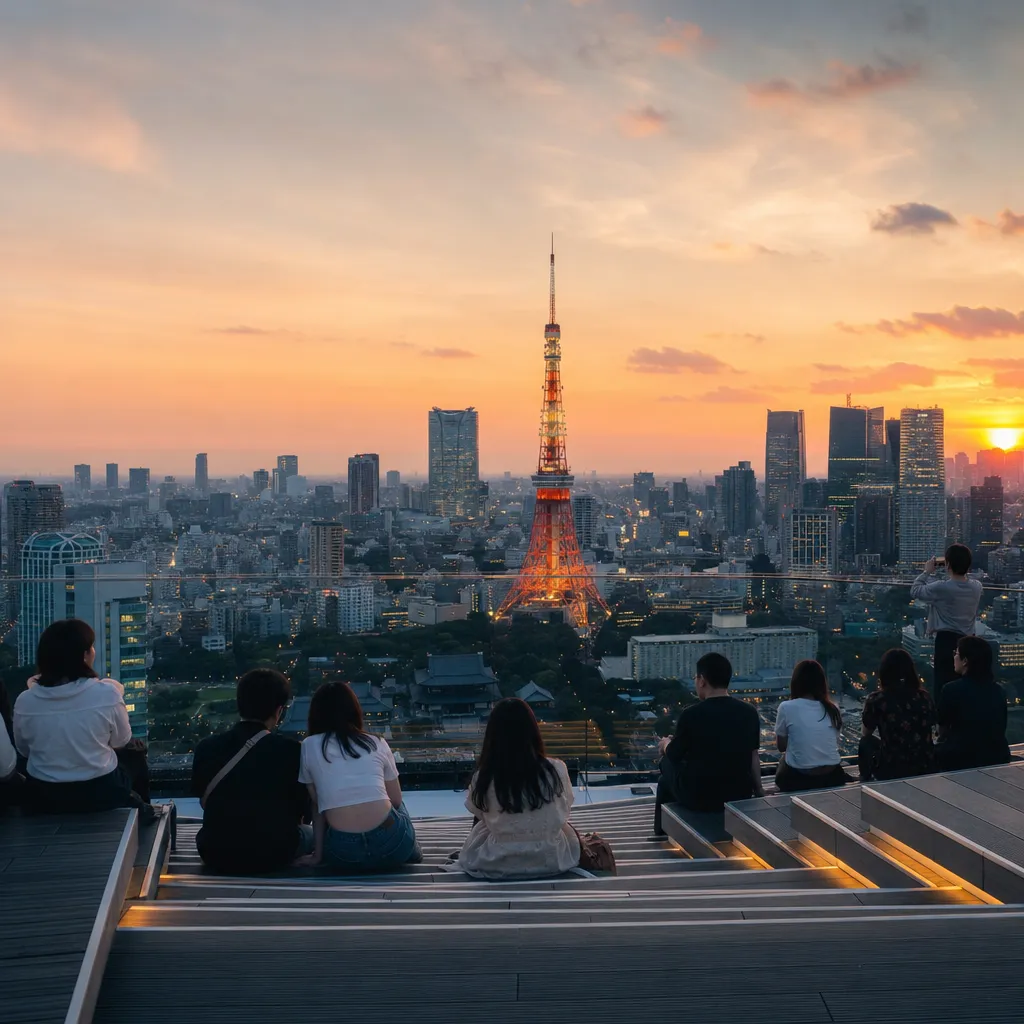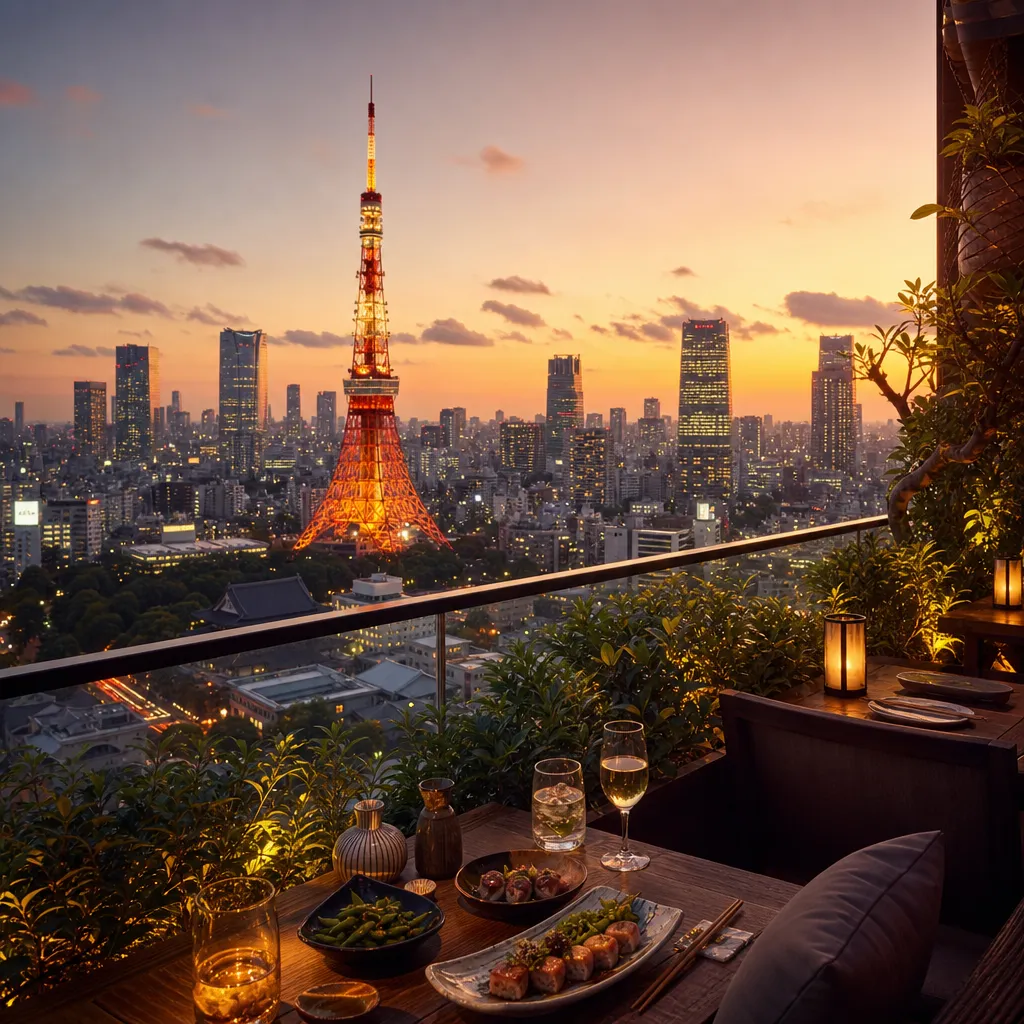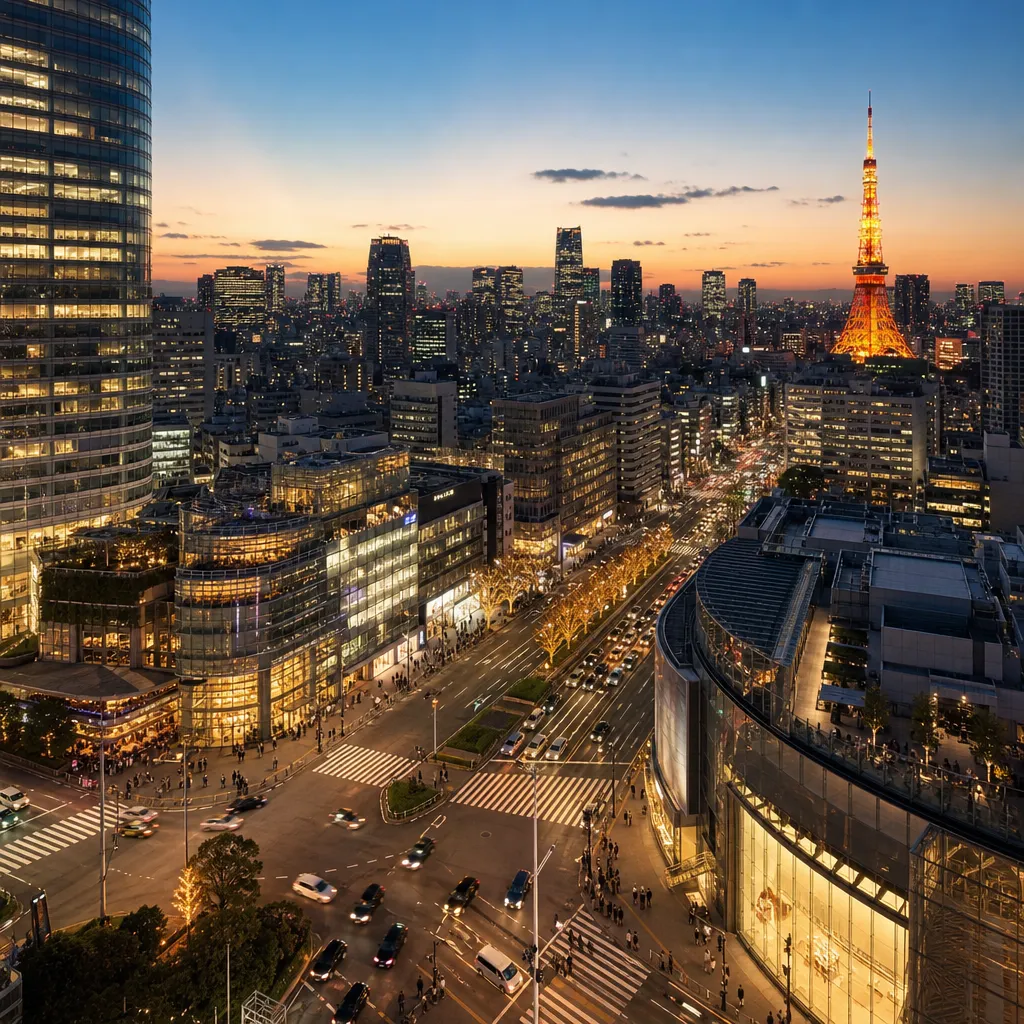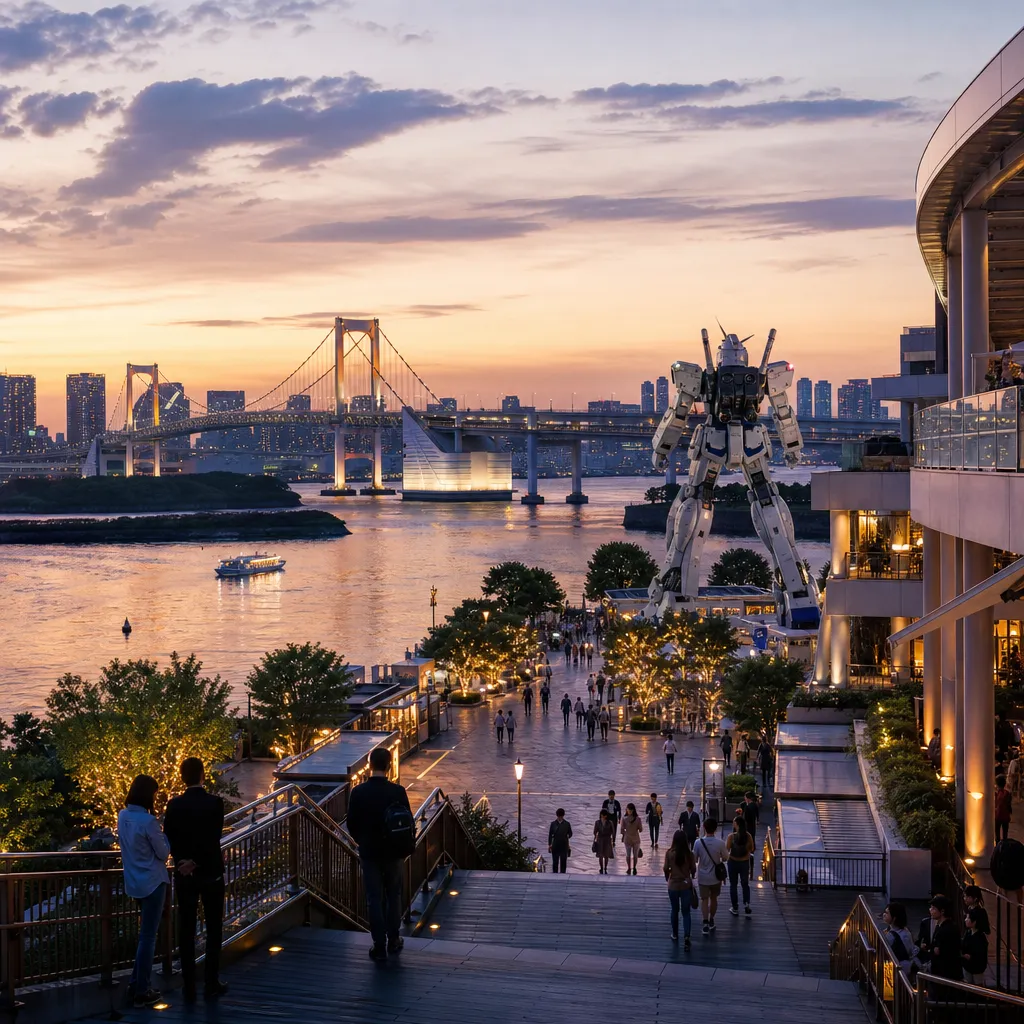
Odaiba is one of the easiest parts of Tokyo to enjoy if you want big views, wide walkways, modern architecture, and a mix of shopping, museums, and family-friendly attractions in one district. Built on reclaimed land in Tokyo Bay, it feels more open than most central neighborhoods, with promenades, bridges, waterfront parks, and large entertainment complexes rather than dense backstreets. It is not where you come for old Tokyo atmosphere, but it works very well for a half-day or full-day outing, especially if you want skyline photography, indoor attractions, or a change from the city’s more crowded centers. The area is spread out, so planning by transport stop and by zone makes a real difference.
In practical terms, most visitors reach Odaiba via the Yurikamome automated line or the Rinkai Line. The main useful stations are Daiba, Tokyo International Cruise Terminal, Telecom Center, Aomi, and Tokyo Teleport. Odaiba sits in the wider bay area, mainly across parts of Minato and Koto wards, and feels distinctly less compact than districts like Shibuya or Ueno.
| Place | Area / Station | Best For | Type | Key Point |
|---|---|---|---|---|
| DiverCity Tokyo Plaza | Aomi / Tokyo Teleport | Shopping, Gundam photo stop | Mall | Large retail complex with the life-size Unicorn Gundam nearby |
| Aqua City Odaiba | Daiba | Views, dining | Mall | Good bay and Rainbow Bridge outlooks from parts of the complex |
| Decks Tokyo Beach | Daiba / Odaiba-kaihinkoen | Families, indoor attractions | Entertainment complex | Convenient base for museums, retro-themed attractions, and the seaside park |
| Odaiba Marine Park | Odaiba-kaihinkoen | Walking, skyline photos | Waterfront park | Classic Tokyo Bay promenade with city views |
| Miraikan | Aomi / Telecom Center area | Science-focused indoor visit | Museum | Hands-on science and future-oriented exhibits |
| Tokyo Joypolis | Decks Tokyo Beach / Odaiba-kaihinkoen | Rainy-day entertainment | Indoor theme park | Arcade-style attractions in a central Odaiba location |
Understanding Odaiba’s layout before you go
Odaiba works best when you think of it as several clusters rather than one compact district. The Daiba and Odaiba-kaihinkoen side is the easiest for classic sightseeing: bay views, shopping complexes, the beachside promenade, and some of the area’s most recognizable photography spots. The Aomi and Tokyo Teleport side is convenient for larger malls and entertainment venues. Farther south and west, around Telecom Center and the cruise terminal side, the atmosphere becomes quieter, more spacious, and more architectural.
If you only have a few hours, focus on one side and walk the waterfront between stops. If you try to cover every attraction in one visit, the distances can become tiring, especially in summer heat or bad weather.
Best things to do in Odaiba
Walk Odaiba Marine Park and the waterfront promenade
Odaiba Marine Park, near Odaiba-kaihinkoen Station, is still the core outdoor experience. You come here for Tokyo Bay, open air, the Rainbow Bridge backdrop, and broad views back toward the central city skyline. It is especially good in the late afternoon and early evening, when the light softens and the bayfront becomes more photogenic.
This area suits couples, families, and solo travelers equally well. It is a very easy low-effort stop if you want views without committing to a major museum or shopping session. In warmer months, bring water and sun protection because shade can be limited along exposed stretches.
See the Unicorn Gundam statue at DiverCity Tokyo Plaza
DiverCity Tokyo Plaza, near Tokyo Teleport Station and also accessible from the Yurikamome side, is one of Odaiba’s busiest commercial anchors. The life-size Unicorn Gundam statue outside is the main draw even for visitors who are not particularly interested in anime or mecha culture. It is a straightforward, reliable photo stop and easy to combine with shopping or a meal.
The mall itself is practical rather than atmospheric, but it is useful on a first visit because it gives you food options, toilets, and shelter in bad weather. If you are traveling with children or teenagers, this is often one of the easiest crowd-pleasers in the area.
Visit Miraikan for a stronger museum experience
Miraikan, the National Museum of Emerging Science and Innovation, is in the wider Telecom Center/Aomi area. Among Odaiba’s indoor attractions, it is one of the most worthwhile if you want something more educational and less purely commercial. The museum focuses on science, technology, environment, space, and society, and it works well for adults as well as families with older children.
This is a good choice on hot, rainy, or winter days. Temporary exhibitions and entry systems can change, so check the museum’s official information before heading over. Allow more time than you might expect if you enjoy interactive exhibits.
Use Decks Tokyo Beach for mixed entertainment
Decks Tokyo Beach, near Odaiba-kaihinkoen and Daiba, is useful because of its location right by the waterfront and because it bundles several attractions into one building. If your group has mixed interests, it can be easier than splitting up across the district. It has long been one of the practical family bases in Odaiba.
Even if you do not stay long inside, it is well placed for combining indoor time with a sunset walk outside.
Museums and indoor attractions worth your time
Odaiba has changed over the years, and some high-profile attractions have closed or moved, so it is worth being selective. The strongest indoor options tend to be those with a clear identity rather than generic leisure space.
- Miraikan — best for visitors who want a serious museum rather than only entertainment.
- Tokyo Joypolis — inside Decks Tokyo Beach, useful for arcade-oriented rides and group fun, especially on rainy days.
- Small Worlds Miniature Museum — in the Ariake side of the bay area rather than central Odaiba proper, but easy to combine if you are exploring the wider waterfront district and want detailed model displays.
If you are traveling mainly for museums, Odaiba is not Tokyo’s richest area overall, but it is strong for interactive and family-oriented indoor time. Before visiting any attraction in this part of the city, check current operating information carefully because closures, special schedules, and ticketing policies can change.
Where to eat and drink in Odaiba
Odaiba is more useful than exciting as a food destination. Most visitors eat at malls, hotel restaurants, or bay-view dining floors rather than coming here specifically for independent local dining. That said, meal planning matters because the area is spread out and some zones feel quiet outside peak sightseeing hours.
For convenient casual meals
DiverCity Tokyo Plaza, Aqua City Odaiba, and Decks Tokyo Beach are the simplest choices. Expect broad, mixed offerings rather than one defining local specialty. These are best if you need flexibility for families, groups, or travelers with different budgets.
For ramen with a sightseeing angle
Aqua City Odaiba has long been known for a ramen-focused dining area. Concepts and participating shops can change, so treat it as a practical ramen stop rather than planning around one specific tenant unless you have confirmed it. It is a good fit if you want an easy meal between waterfront walks and shopping.
For bay-view dining
Restaurants inside Aqua City Odaiba and some hotels in the area are worth considering if your priority is the setting rather than culinary discovery. Evening is the obvious time to go. If you want a table with a better outlook, reservations may be sensible, especially on weekends, holidays, and date-night hours.
For coffee breaks, the same commercial complexes are your most reliable option. Odaiba is not one of Tokyo’s notable café neighborhoods, so come here for views and convenience, not for a deep specialty coffee crawl.
Shopping: what Odaiba does well
Shopping in Odaiba is about scale and ease. You are not here for niche fashion, vintage hunting, or neighborhood retail culture. You are here for large complexes where shopping can be combined with food, entertainment, and weather-proof movement.
- DiverCity Tokyo Plaza — practical mainstream shopping and the Gundam landmark.
- Aqua City Odaiba — useful if you want dining plus waterfront outlooks.
- Decks Tokyo Beach — more leisure-focused, good if your group includes children or you want to stay close to the promenade.
If shopping is your top priority rather than just one part of the day, central retail districts such as Ginza, Shibuya, or Shinjuku are stronger than Odaiba. Odaiba works better when shopping is paired with sightseeing and indoor leisure.
Photography spots and views
Odaiba is one of the easier places in Tokyo for visitors who want open compositions rather than dense street scenes. The waterfront creates cleaner lines, bigger skies, and less visual clutter than many inland neighborhoods.
Rainbow Bridge and skyline views
The promenade around Odaiba Marine Park is the classic choice. You get water in the foreground, bridge structure, and a recognizable urban backdrop. Early evening is usually the most rewarding time for atmosphere and balanced light.
Statue of Liberty replica area
The Odaiba Statue of Liberty replica, near the waterfront around the Daiba side, is a popular photo stop because it combines a recognizable landmark with bay views and the bridge behind it. It is often crowded, so expect to wait if you want a clean frame.
Unicorn Gundam
The statue outside DiverCity Tokyo Plaza is best for dramatic urban-scale framing, especially if you like architecture and pop culture imagery in the same shot. Because it is in a busy plaza, patience helps.
For night photography, Odaiba is convenient because the open spaces make tripod-free handheld photography relatively manageable, but wind from the bay and crowd movement can still affect results. Be considerate around shopping complexes and avoid blocking pedestrian flow.
How to plan a half-day or full-day visit
Half-day Odaiba plan
- Arrive via Daiba or Odaiba-kaihinkoen for the waterfront.
- Walk through Odaiba Marine Park.
- Visit Aqua City Odaiba or Decks Tokyo Beach for lunch or a break.
- Continue to DiverCity Tokyo Plaza for the Unicorn Gundam.
Full-day Odaiba plan
- Start with the waterfront in the morning or late morning.
- Visit one major indoor attraction such as Miraikan or Tokyo Joypolis.
- Take a long lunch inside one of the malls.
- Spend the afternoon shopping or moving between bayfront promenades.
- Stay into early evening for skyline views and illuminated architecture.
If you are combining Odaiba with another district on the same day, nearby bay-area areas such as Ariake, Toyosu, or even a transfer toward Shimbashi often make more sense than trying to pair it with a distant west-side neighborhood.
Practical tips that matter in Odaiba
- Use the right rail line for your plan. Yurikamome is scenic and useful for bay views; Rinkai Line can be more direct depending on where you are coming from.
- Expect more walking than the map suggests. Distances between attractions are manageable but longer than in compact central districts.
- Weather matters. Odaiba is much less pleasant in strong summer sun, heavy rain, or winter wind if your main plan is outdoors.
- Do not build your trip around outdated attractions. This area changes frequently, so confirm current status for any specific museum, exhibit, or entertainment venue.
- Families do well here. Wide spaces, elevators, shopping-complex facilities, and indoor backup options make it easier than many crowded central districts.
- It is also good for first-time visitors. Signage is generally straightforward, and language barriers are often lower than in smaller local neighborhoods.
FAQ
What is the best station for visiting Odaiba?
It depends on your plan. Daiba and Odaiba-kaihinkoen are best for the waterfront and classic sightseeing, while Tokyo Teleport is very useful for DiverCity and larger retail complexes.
Is Odaiba worth visiting on a first trip to Tokyo?
Yes, especially if you want waterfront views, modern city scenery, family attractions, and an easier-paced district. It is less suitable if your priority is traditional streets, older culture, or destination dining.
How much time should I spend in Odaiba?
A half-day is enough for the main waterfront and one shopping or entertainment stop. A full day makes sense if you plan to add a museum, substantial indoor time, or an evening view.
Is Odaiba good for families with children?
Yes. The area is spacious, stroller-friendly by Tokyo standards, and has several indoor attractions and mall facilities that make logistics easier.
Do I need reservations for Odaiba attractions or restaurants?
Usually not for basic sightseeing or casual meals, but some museums, special exhibitions, and better-positioned view restaurants may benefit from advance planning. Check official information for anything specific.
What is the best time of day to visit Odaiba?
Late afternoon into evening is often the most satisfying if you want views and photography. Midday works better if your focus is shopping or indoor attractions.
Can I visit Odaiba in bad weather?
Yes, but plan around indoor sites such as malls, museums, and entertainment facilities. In poor weather, long waterfront walks become much less appealing.
What should I check before visiting?
Check current operating information for museums, amusement facilities, and any specific restaurant you want to try. In Odaiba, attraction lineups can change more noticeably than in older sightseeing districts.
Sources
- GO TOKYO (Tokyo Convention & Visitors Bureau)
- Miraikan Official Website
- Yurikamome Official Website