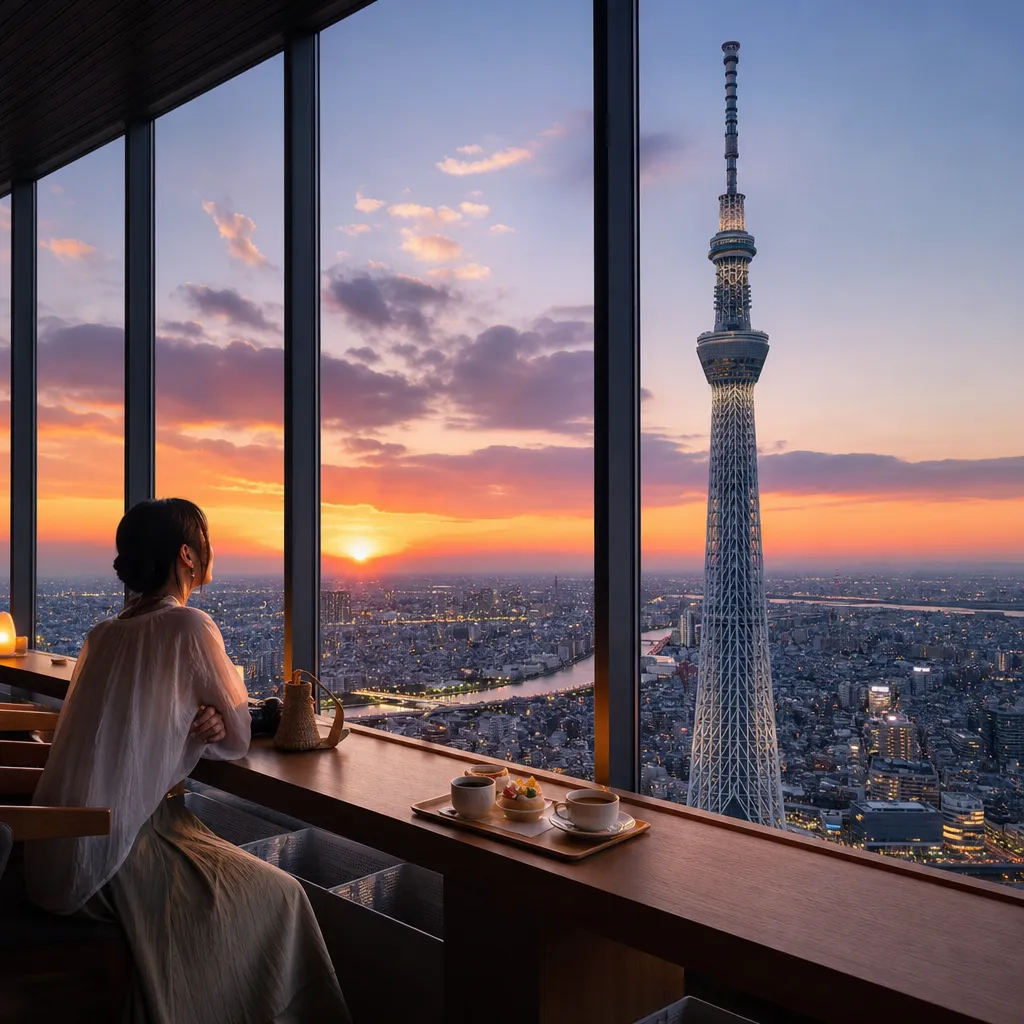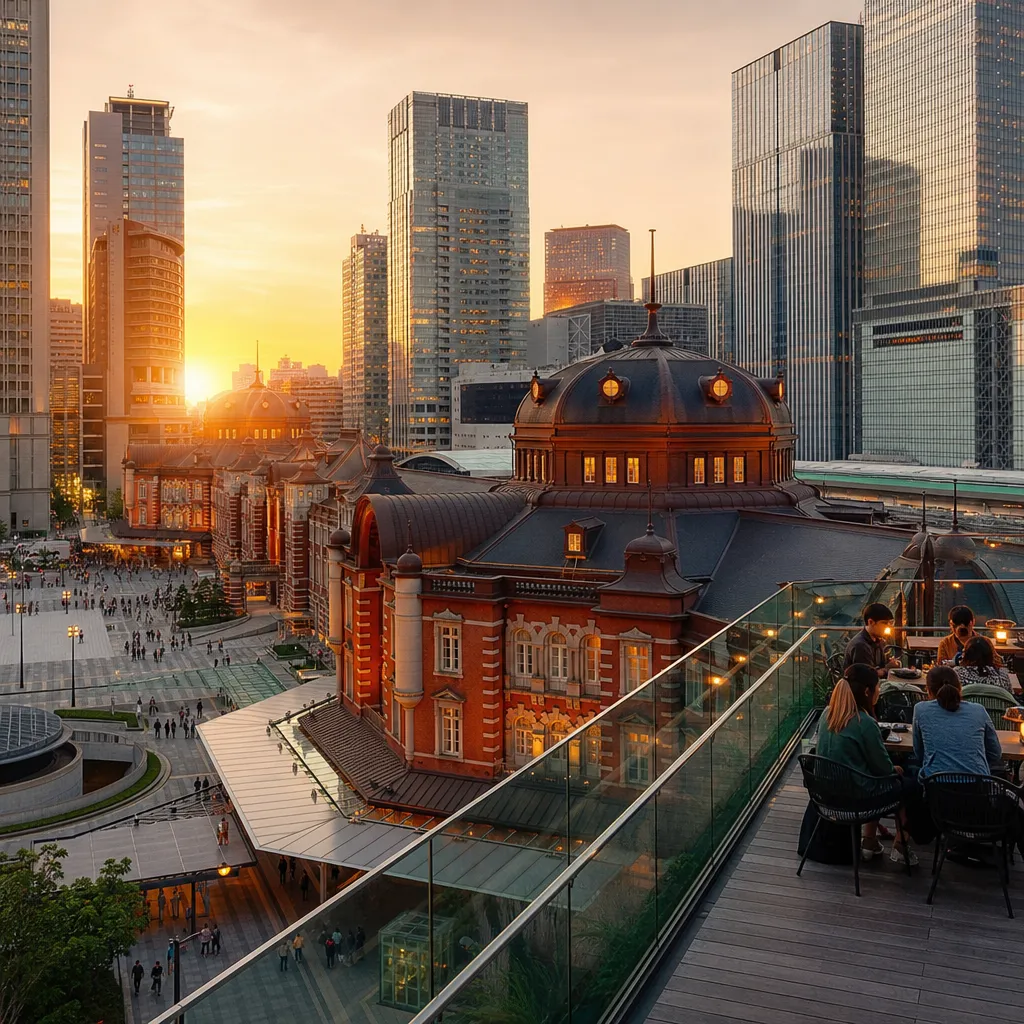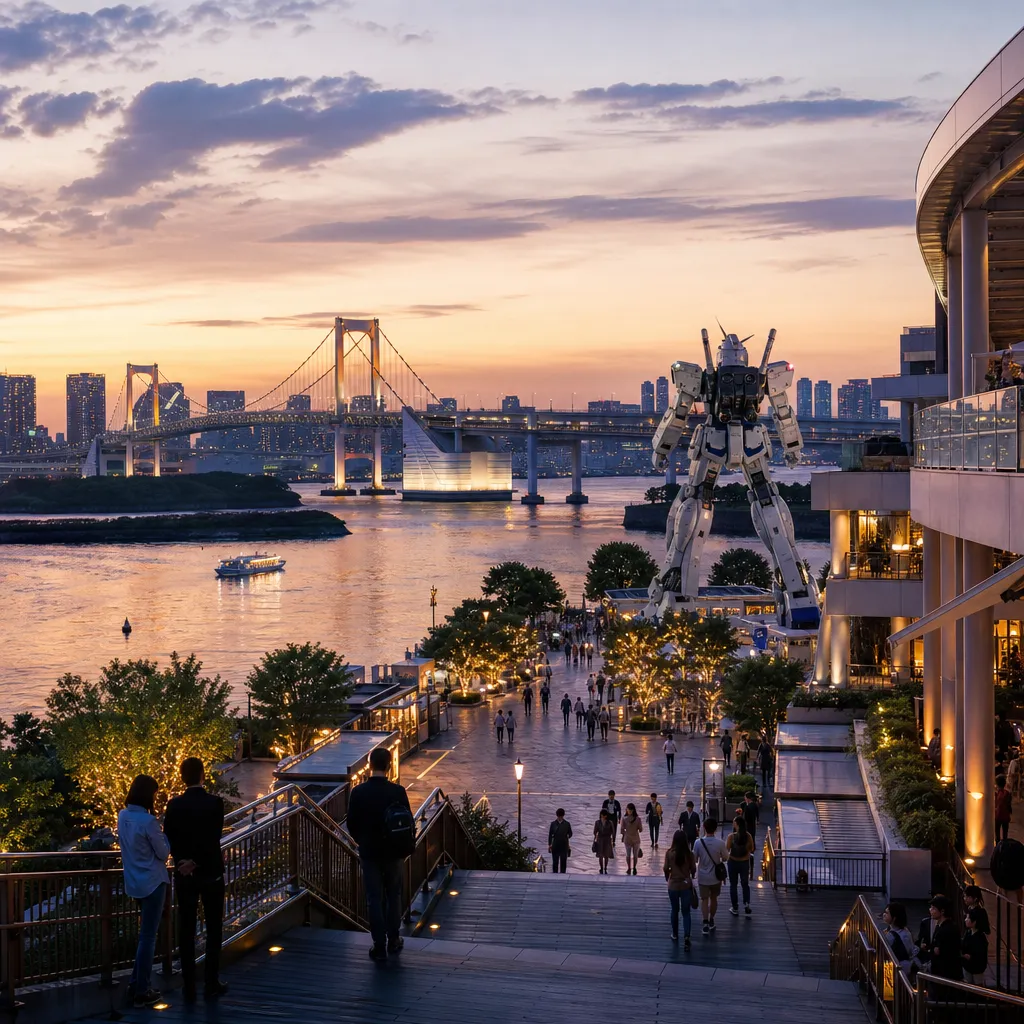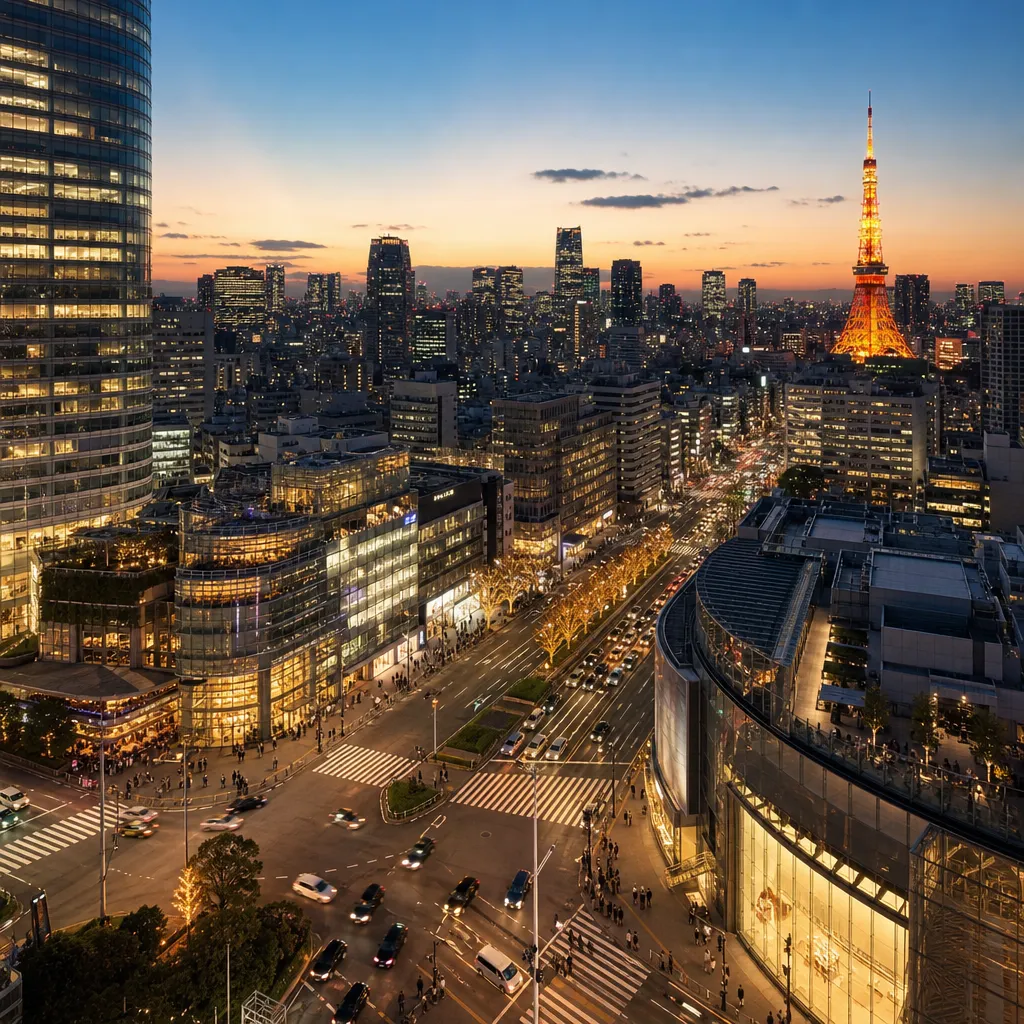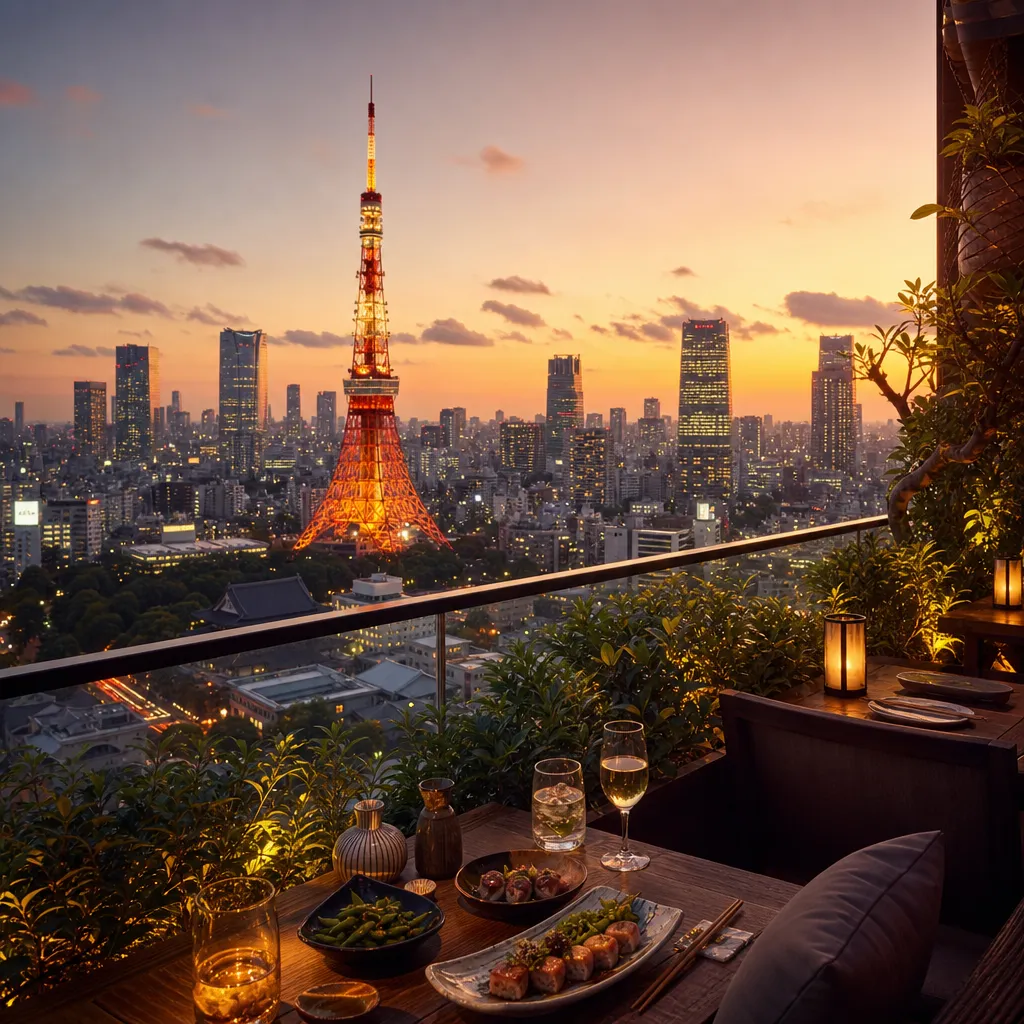
Tokyo Tower remains one of the city’s clearest symbols, but it works best when you treat it as part landmark, part neighborhood base, and part evening outing rather than just a quick photo stop. The tower stands in Minato ward, between the wider Shiba-koen, Hamamatsucho, and Azabu-Juban areas, with good access from central Tokyo and plenty to pair with a visit. You can come for the observatories, for classic skyline photography, for nearby temples and parks, or simply to experience a piece of postwar Tokyo design history. A well-planned visit matters, because the atmosphere changes a lot depending on time of day, weather, and which side of the tower you approach from.
Why Tokyo Tower is still worth visiting
Completed in 1958, Tokyo Tower is not the highest observation structure in the city anymore, but that is exactly part of its appeal. It offers a more intimate, old-Tokyo style observation experience than newer mega-decks, and from the observatories you can look back across central wards rather than feeling too detached from them.
The tower is especially strong for travelers who want a classic city icon, couples planning an evening date, photographers looking for urban compositions, and visitors staying in Minato, Ginza, Shinbashi, or around Tokyo Station who want an easy half-day stop. Families can also fit it in comfortably because the surrounding area is relatively manageable and can be combined with parks and open space.
Compared with Tokyo Skytree, the experience here is less about maximum height and more about atmosphere, history, and location. You are also close to several worthwhile places on foot or by short train rides, so the tower works well as one part of a broader itinerary.
Where Tokyo Tower is and how to get there
Tokyo Tower is in Minato ward, in the wider Shiba-koen area of central Tokyo. The surrounding character is quieter than Shibuya or Shinjuku, with office buildings, hotels, temples, embassies, and pockets of greenery rather than nonstop retail streets. It feels distinctly central, but less hectic.
Several stations can be useful depending on where you are coming from. Akabanebashi Station on the Toei Oedo Line is one of the most convenient rail access points. Onarimon Station on the Toei Mita Line is also useful, particularly if you want to approach through the Shiba Park side. Kamiyacho Station on the Tokyo Metro Hibiya Line works well if you are combining the visit with Azabudai, Toranomon, or Roppongi-area plans. Hamamatsucho Station, served by JR lines and the Tokyo Monorail, can be practical for visitors arriving from elsewhere in the city or from Haneda Airport.
Because more than one station works, it is usually best to choose your approach based on what you want to do before or after. Arriving from Akabanebashi or Onarimon tends to feel more directly focused on the tower itself. Coming from Hamamatsucho makes more sense if you are linking the visit with Zojoji Temple, nearby hotels, or airport transit.
If you are using taxis, simply giving the tower name is generally straightforward. For public transport, check the current official access guidance on the day of travel, especially if you are navigating with luggage, strollers, or mobility considerations.
What to expect at the tower itself
Tokyo Tower has a base complex and observation areas above. The main attraction is the view, but the experience is also about the tower’s retro-modern identity: bright international-orange steelwork, classic signage, and a more nostalgic atmosphere than many newer attractions.
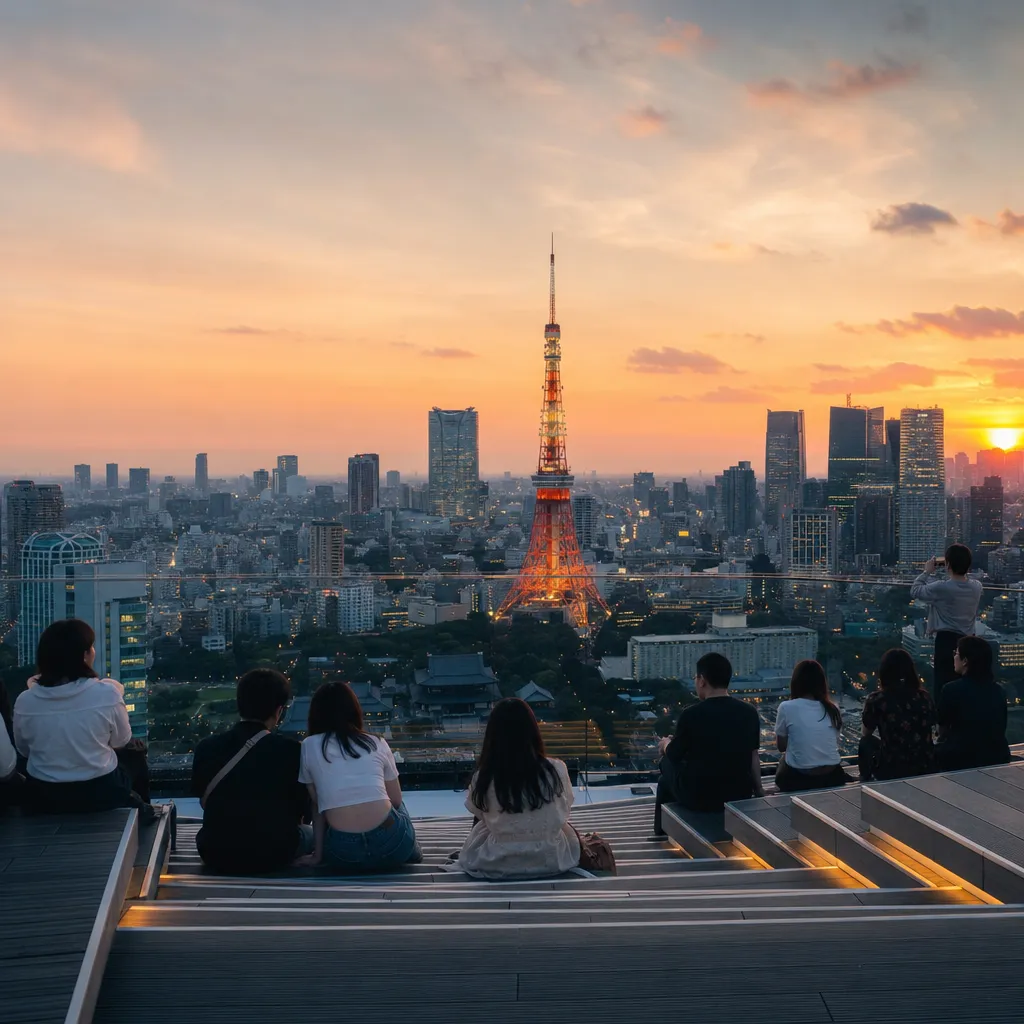
The observation decks are best for visitors who enjoy identifying neighborhoods and landmarks rather than only chasing height records. On clearer days, the panorama can stretch across central Tokyo and toward the bay side, while night visits emphasize road grids, office towers, and the dense, luminous texture of the city.
Admission types and access arrangements can change, so it is worth checking the official website before going. At busier times such as weekends, holidays, and seasonal illumination periods, buying tickets in advance may save time. On quieter weekdays, same-day visits are often more relaxed.
If you dislike crowds, avoid arriving right at the most popular sunset period unless that specific light is your priority. For a calmer experience, late afternoon before sunset traffic builds or later in the evening after peak demand can be more comfortable, subject to current operating hours.
Best times to visit for views, photos, and atmosphere
Daytime is best if you want to orient yourself geographically. Buildings, parks, and the bay area are easier to read, and this is usually the easiest time for families and first-time visitors.
Late afternoon into sunset is the strongest choice for many photographers. The light softens over central Tokyo, and you can experience both daylight and illuminated city views in a single visit. This is also often the busiest period.
Night is ideal if your priority is atmosphere. The city’s roadways, office districts, and clusters of high-rises look especially strong after dark, and the tower’s own lighting becomes part of the outing rather than just the destination.
Weather matters more than some travelers expect. A cloudy or rainy day can still produce moody images, but if long-distance visibility matters to you, try to keep your tower visit flexible within your itinerary. Winter often offers crisper air and better long views, while humid summer days can soften the skyline.
Best nearby places to combine with Tokyo Tower
One of the best reasons to visit Tokyo Tower is that the surrounding area supports a fuller half-day or evening plan. These nearby places are real advantages, not filler.
| Place | Area | Best For | Type | Key Feature |
|---|---|---|---|---|
| Zojoji Temple | Shiba-koen, Minato | Culture and photography | Buddhist temple | Historic temple foreground with tower backdrop |
| Shiba Park | Around Tokyo Tower | Walking and relaxed views | Park | Green space and multiple tower angles |
| Azabudai Hills | Toranomon-Azabudai area | Architecture and dining | Mixed-use development | Contemporary contrast to the tower’s mid-century identity |
| The Okura Tokyo area | Toranomon vicinity | Design-minded travelers | Hotel district | Refined modern-classic Tokyo atmosphere nearby |
| Hamamatsucho waterfront side | Hamamatsucho, Minato | Transit-linked strolling | Urban area | Easy pairing with JR access and bay-facing routes |
Zojoji Temple
Just beside the tower area, Zojoji is one of the most rewarding combinations in the neighborhood. It is a major Buddhist temple with deep Edo-period associations and a broad open precinct that creates one of the classic visual pairings in the city: temple architecture with Tokyo Tower rising behind it.
This stop suits photographers, history-minded travelers, and anyone who wants more than an observation deck visit. It is usually best in the morning for a more composed atmosphere, or around late afternoon when the tower background starts to glow. As at any active temple, behave respectfully, keep voices down, and do not treat worship areas as a photo studio.
Shiba Park
Shiba Park is useful less as a single postcard spot and more as a network of calm streets, green sections, and tower viewpoints. If you want breathing room after busier districts, this is one of the better central locations for it.
It works well for couples, families, and solo travelers who like to walk rather than rush. Spring and autumn are especially pleasant, but it remains a practical buffer zone year-round.
Azabudai Hills
To the north and northeast of the wider tower area, Azabudai Hills adds a very different side of contemporary Tokyo: large-scale new architecture, higher-end retail and dining, and a polished urban environment. If your Tokyo Tower visit is about city design as much as sightseeing, this is a logical extension.
Kamiyacho Station is often a useful transport link for combining both areas. This pairing suits architecture fans, business travelers, and visitors planning a more upscale afternoon or evening.
Best photo spots around Tokyo Tower
You do not need to rely only on photos from the observatory. Some of the best images come from the streets and temple precincts around the tower.
Zojoji Temple grounds
This is one of the most dependable exterior compositions because the contrast between historic temple structures and the steel tower tells a clear Tokyo story. Early morning and late afternoon generally provide the most flattering light.
Shiba Park streets and slopes
Walking through the wider Shiba-koen area gives you changing angles framed by trees, local roads, and quieter urban texture. This is better for patient photography than for one single signature shot.
From around Akabanebashi
The roads and intersections around Akabanebashi can produce strong upward views of the structure itself. These are urban, graphic compositions rather than scenic park images, so they suit visitors who like architecture and street photography.
Night illuminations
After dark, the tower’s lighting changes the feel completely. For exterior shots, a tripod policy may vary by location and may not always be practical in busy pedestrian areas, so travel light and be prepared to work handheld. Be considerate and avoid blocking paths, especially near religious sites or narrow sidewalks.
How to plan your visit by travel style
For first-time visitors
Pair Tokyo Tower with Zojoji Temple and a walk through Shiba Park. This gives you the classic image, the historical layer, and a manageable central-Tokyo half day without overcomplicating transport.
For couples
Go in late afternoon and stay through nightfall. The transition from daylight to city lights is the strongest version of the experience. Follow it with dinner in the broader Minato area, or continue toward Azabu-Juban, Toranomon, or Roppongi depending on your plans.
For families
Daytime is easiest. The park surroundings make the outing feel less compressed than some indoor attractions, and transport is straightforward. Check current ticketing and facility information in advance if you are visiting with small children.
For photographers
Do not limit yourself to the tower deck. Plan exterior time around Zojoji and the surrounding streets, and keep weather flexibility if possible. Night and blue-hour shots are often stronger than midday images.
For short-stay travelers
If you only have one evening free and are staying near Tokyo Station, Shinbashi, Ginza, or Hamamatsucho, Tokyo Tower is one of the easier iconic sights to fit in without a major detour.
Practical tips that make the visit easier
- Check official ticket and operating information before you go. Admission setups, seasonal events, and last entry details can change.
- Use the station that matches your next stop. The area is served by multiple useful stations, so route planning matters more than following one fixed approach.
- Allow time for the area, not just the deck. The surrounding temple, park, and street views are part of the appeal.
- Prioritize clear weather if views matter. The tower is still enjoyable in poor weather, but skyline-oriented visitors should stay flexible.
- Visit outside peak evening windows if you dislike queues. Sunset is popular for good reason, but not ideal for everyone.
- Be respectful when photographing near Zojoji. It is an active religious site, not only a backdrop.
- Consider Haneda access. If you are arriving or departing via Haneda and staying centrally, the Hamamatsucho connection can make this an efficient stop.
Common mistakes to avoid
One common mistake is treating Tokyo Tower as a stand-alone errand and leaving immediately afterward. The nearby cultural and urban landscape is what gives the visit more depth.
Another is going only because it is famous, without thinking about timing. If views are your priority, weather and light matter. If atmosphere is your priority, evening is usually stronger than midday. If you want quieter surroundings, weekday daytime can be better than a weekend sunset rush.
It is also easy to underestimate the area’s layout. Because several stations serve the neighborhood, visitors sometimes choose a rail route that makes less sense for their onward plans. A quick check of the map before heading out can save time.
Is Tokyo Tower better during the day or at night?
It depends on your priority. Daytime is better for understanding the city layout, while night is stronger for atmosphere and illuminated views. Late afternoon into night offers the fullest experience if conditions are clear.
What is the best area to combine with Tokyo Tower?
The easiest combination is the wider Shiba-koen area, especially Zojoji Temple and Shiba Park. For a more contemporary contrast, the Kamiyacho and Azabudai side works well.
How do I get to Tokyo Tower by public transport?
Useful stations include Akabanebashi, Onarimon, Kamiyacho, and Hamamatsucho, depending on your route and the rest of your day. The official Tokyo Tower access page is the safest place to confirm current guidance.
Do I need to book Tokyo Tower in advance?
Advance booking can be helpful on weekends, holidays, and busy evening periods. On less crowded weekdays, same-day visits may be more feasible. Check current ticketing options before you go.
Is Tokyo Tower suitable for families?
Yes. It is one of the easier central attractions to combine with open space, and the surrounding park area helps break up the visit. Daytime is generally the simplest choice for families.
Can I take good photos without going up the tower?
Yes. Zojoji Temple, Shiba Park, and the surrounding streets offer some of the most distinctive exterior images. Many visitors get their favorite photos from ground level rather than the observatory.
How much time should I allow for a Tokyo Tower visit?
If you only want the observatory, you may move through it fairly quickly. If you include Zojoji, walking, and exterior photography, allow at least a half day or a relaxed evening block.
What should I check before visiting?
Check official admission information, operating status, weather visibility, and any seasonal event or illumination details. If photography is a priority, also think about the light and whether you want day, sunset, or night conditions.
Sources
- Tokyo Tower official website
- GO TOKYO (Tokyo Convention & Visitors Bureau)
- Zojoji Temple official website