The Tokyo Imperial Palace is one of the city’s most important landmarks, but it is not a single ticketed monument in the European palace sense. It is a large, carefully protected complex in central Tokyo, surrounded by moats, stone walls, gates, gardens, and broad parkland, with the Imperial Household Agency maintaining strict access rules for the innermost areas. For most visitors, the real appeal lies in combining the East Gardens, the outer moat viewpoints, the Marunouchi side, and nearby museums into a half-day or full-day route. If you understand what is open, what is ceremonial, and where the best walking entrances are, the visit becomes far more rewarding.
The palace sits in Chiyoda, in the geographic and administrative heart of the city. Tokyo Station is the most useful major transport hub for the Marunouchi side, while Otemachi, Nijubashimae, and Takebashi stations are especially convenient for different gates and garden access points. The surroundings feel very different depending on the side you approach from: Marunouchi is polished and businesslike, Otemachi is office-heavy, and the Kitanomaru side near Takebashi has a greener, more museum-focused atmosphere.
What the Tokyo Imperial Palace actually is
The present Imperial Palace stands on the former site of Edo Castle, once the seat of the Tokugawa shogunate. After the Meiji Restoration, the imperial residence moved here, and the area became the political and symbolic center of modern Japan. Much of what visitors see today is therefore a mix of castle remains, modern palace grounds, ceremonial bridges, moats, guardhouses, lawns, and reconstructed historical features rather than a palace interior open for casual tourism.
This distinction matters. Most visitors cannot simply walk into the main palace residence. The best-known public areas are the Imperial Palace East Gardens, which occupy part of the old Edo Castle inner grounds, and the exterior walking areas around the moats and bridges. There are also guided palace grounds tours organized by the Imperial Household Agency, but these are controlled visits and different from independent sightseeing.
Best areas to visit around the palace
If you only have limited time, focus on the zones that are both accessible and visually rewarding.
Imperial Palace East Gardens
The East Gardens are the most substantial public section for independent visitors. They are in the Otemachi/Takebashi side of Chiyoda and are reached conveniently from Otemachi, Takebashi, or Tokyo Station depending on your route. This is where you will find some of the clearest traces of Edo Castle: stone ramparts, gate structures, foundation remains, open lawns, and seasonal planting.
For travelers interested in history, this is the essential part of the palace area. It suits walkers, photographers, families, and anyone who wants more than a quick exterior photo stop. Because it is an outdoor historical garden space rather than a compact attraction, allow time to wander rather than rushing through.
Nijubashi Bridge area and Marunouchi-side forecourt
The famous postcard view is from the outer plaza facing the Nijubashi area on the Marunouchi side. This is the most formal and ceremonial-looking palace approach, with broad gravel space, guarded boundaries, and the image many people associate with the Imperial Palace. The nearest useful station area is Marunouchi/Tokyo Station or Nijubashimae.
This side works best for architecture and cityscape contrast: modern office towers behind a historic imperial setting. It is usually more of a short stop than a long wandering area, but it is excellent early in the day when light is softer and the plaza feels calmer.
Kokyo Gaien National Garden
The landscaped outer grounds around the palace are often grouped into a wider palace-area walk. This includes broad open spaces, pine trees, moats, and long sightlines. If you want a central Tokyo stroll without the density of nearby business districts, this is one of the city’s easiest options.
Kitanomaru Park
On the north side of the palace grounds, near Takebashi and Kudanshita, Kitanomaru Park is a quieter addition that many first-time visitors skip. It is not part of the main palace sightseeing image, but it works very well if you want greenery, a less formal atmosphere, and access to nearby cultural institutions such as the National Museum of Modern Art, Tokyo.
| Place | Area | Type | Best For | Key Feature |
|---|---|---|---|---|
| Imperial Palace East Gardens | Chiyoda, Otemachi/Takebashi side | Historic garden and castle remains | History, walking, photography | Edo Castle foundations and gates |
| Nijubashi area | Marunouchi side, Chiyoda | Exterior viewpoint | Classic palace photo stop | Formal bridge and palace forecourt view |
| Kokyo Gaien | Outer palace grounds, Chiyoda | Open parkland | Easy central strolls | Moats, pines, wide city views |
| Kitanomaru Park | North side of palace, Chiyoda | Park and cultural area | Quieter walks, museum pairing | Green setting near museums |
How to visit: independent walk or guided tour
Most visitors should choose between two practical approaches.
Option 1: Independent visit
This is the easiest and most flexible choice. Start from Tokyo Station or Otemachi if you want to combine the Marunouchi facade of the station, the palace outer grounds, and the East Gardens. If your priority is the gardens and a quieter arrival, Takebashi is especially useful.
An independent visit is best for photographers, casual walkers, families with strollers, and travelers building the palace into a wider central Tokyo day. It also lets you move at your own pace between historical remains and nearby cafés or museums.
Option 2: Imperial Household Agency guided tour
Guided visits to parts of the inner palace grounds are available through the Imperial Household Agency, subject to their current procedures. These tours are worth considering if you want access beyond the usual exterior viewpoints and are interested in the formal setting of the palace precincts.
However, this is not a casual drop-in attraction. Entry procedures, capacity, eligibility, language support, security rules, and booking systems can change. Check the official Imperial Household Agency information before planning around it.
Best route for a first-time visitor
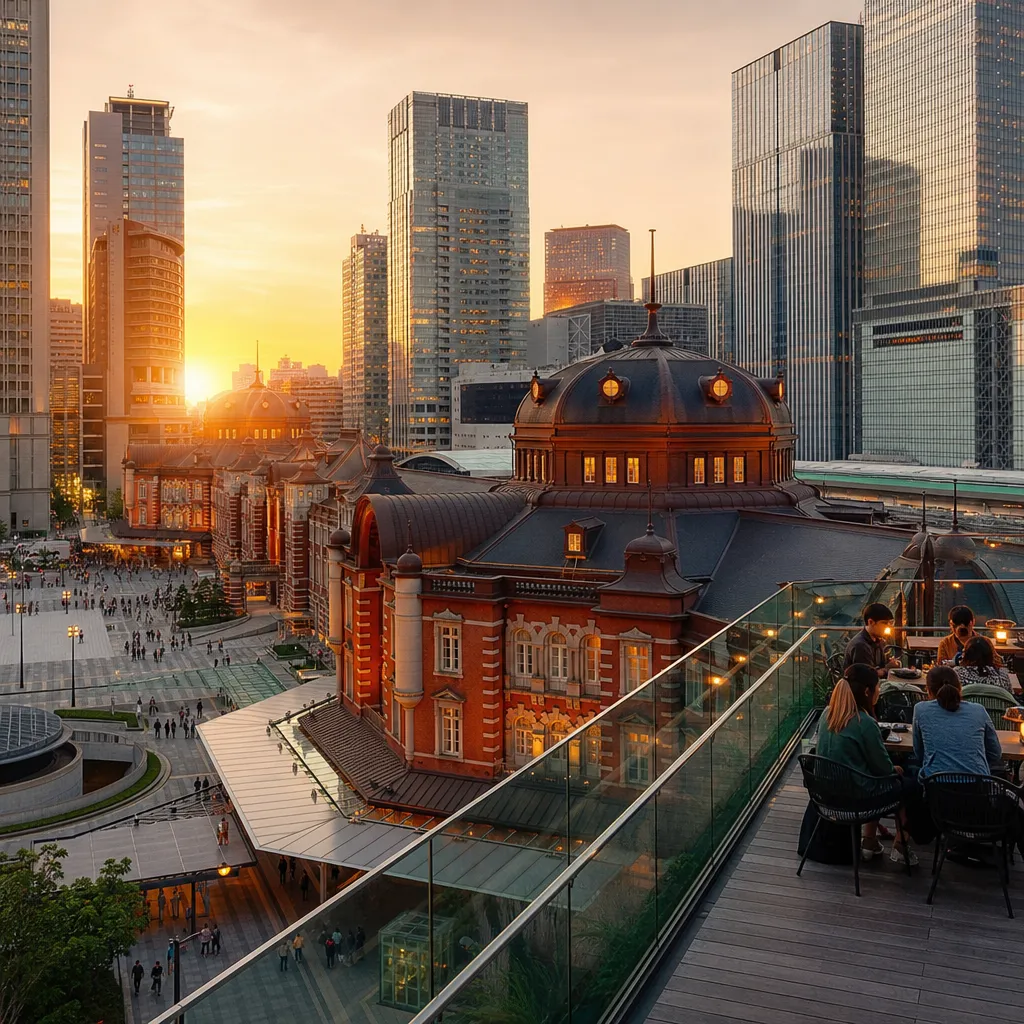
A very practical first visit begins at Tokyo Station. The station itself, especially on the Marunouchi side, is one of the city’s most important architectural landmarks, and it places you naturally on the palace-facing side of central Tokyo.
- Start on the Marunouchi side of Tokyo Station and walk toward the palace outer grounds.
- See the Nijubashi-facing forecourt and take in the classic moat-and-bridge view.
- Continue toward the East Gardens access area for the historical core of the visit.
- Explore the old Edo Castle remains, gate structures, walls, and elevated viewpoints within the gardens.
- If you still have time, continue north toward Kitanomaru Park or stop at a museum nearby.
This route works particularly well in the morning or on a clear afternoon. In summer, remember that large parts are exposed, so water, a hat, and comfortable shoes make a noticeable difference. The grounds are spacious, and the visit is more enjoyable if you treat it as a substantial walk rather than a quick check-box stop.
What to see inside the East Gardens
The East Gardens are the strongest part of the palace area for travelers who want depth. The old castle gates, massive stone walls, and foundation remains of the former castle keep help explain the scale of Edo Castle, which was once one of the largest fortified complexes in the world.
The elevated area where the castle tower once stood is especially useful for understanding the layout of the old stronghold. You are not looking at a reconstructed donjon, but at the remaining base and surrounding defensive design. For many visitors, that is actually more interesting, because it reveals how much of Tokyo’s political history is embedded in the landscape.
Seasonal planting also matters here. While not as famous internationally as some major cherry blossom or autumn foliage spots, the gardens can be very pleasant in spring and fall. In those periods, expect more local visitors and a calmer atmosphere than in some of the city’s more crowded seasonal parks.
Photography and architecture tips
The palace area is strongest for landscape-and-urban-context photography rather than close-up palace interiors. The best compositions usually mix one or more of the following: stone embankments, moats, pine trees, gates, bridges, and the skyline beyond.
For classic photos, the Marunouchi side near the Nijubashi area is the obvious choice. For more textured historical shots, the East Gardens are better. If you are interested in architecture, pair the palace visit with the red-brick Marunouchi facade of Tokyo Station and the office towers around Marunouchi and Otemachi for a clear contrast between imperial space and modern business Tokyo.
Morning light is often more comfortable for exterior views, especially if you want a cleaner atmosphere and fewer people in wide shots. In rainy weather, the moat, stone, and pines can still photograph very well, but bring protection for your gear because much of the area is fully outdoors.
Always pay attention to signs and security boundaries. This is an active imperial precinct, not just a historic park, so some areas are naturally restricted.
Nearby places that combine well with the palace
The palace is easy to combine with other central sights because it sits between several major districts.
Marunouchi
On the Tokyo Station side, Marunouchi is ideal for cafés, department-store basements, business-lunch style restaurants, and polished shopping arcades. It is a practical place to eat before or after your walk, especially if you want convenience rather than destination dining.
National Museum of Modern Art, Tokyo
Near Takebashi, this museum is one of the best pairings with a palace-area itinerary. It suits visitors who want a quieter, more cultural afternoon after the gardens. The location also makes sense geographically, so it is an efficient addition rather than a detour across the city.
Yasukuni area and Kitanomaru side
If you continue north and west of the palace zone, the atmosphere becomes greener and less corporate. This side feels more spacious and can be a good choice for visitors who prefer long walks over shopping-heavy Tokyo itineraries.
Practical advice before you go
- Wear proper walking shoes. The palace area is larger than many visitors expect, and surfaces range from paved paths to gravel.
- Do not expect palace interiors in the usual museum sense. The appeal is the grounds, history, landscape, and ceremonial setting.
- Check official information before going. Access days, closures, guided tour procedures, and garden entry conditions can change.
- Bring weather protection. Shade is limited in some exposed sections.
- Respect security and boundaries. Some zones are clearly controlled because this remains a functioning imperial site.
- Good for families? Yes, especially the gardens and outer grounds, provided children are comfortable with walking.
- Good for solo travelers? Very much so. It is easy to navigate alone and combines well with museums or station-area dining.
Who the Tokyo Imperial Palace is best for
The palace area is best for travelers interested in Japanese history, urban design, landscape photography, and quiet central walking routes. It works especially well for first-time visitors staying near Tokyo Station, Ginza, Nihombashi, or the wider central Chiyoda area.
It is less suitable if you are expecting furnished royal rooms, dramatic interior displays, or a highly commercial sightseeing experience. In that case, the East Gardens and exterior grounds may still be worthwhile, but only if you appreciate them as a historic and symbolic landscape rather than a conventional palace tour.
Is the Tokyo Imperial Palace free to visit?
The outer grounds and East Gardens are generally the most accessible parts for ordinary visitors, while the inner palace areas are more restricted. Guided access arrangements and any admission-related details should be checked on official sources before you go.
What is the best station for visiting the Imperial Palace?
Tokyo Station is the most convenient all-purpose starting point, especially if you want to see the Marunouchi side and the famous bridge view. Otemachi, Takebashi, and Nijubashimae can be more convenient depending on which side of the grounds you want to enter.
Can you go inside the main palace buildings?
Not in the way you would enter a public museum or historic house. The main palace compound is restricted, though guided visits to parts of the grounds may be available through the Imperial Household Agency.
How long should I allow for a visit?
A brief exterior stop can be under an hour, but most travelers should allow at least half a day if including the East Gardens and a proper walk around the area. Add more time if you plan to visit a nearby museum or linger in Marunouchi.
Is the Imperial Palace good for children?
Yes, especially for families who enjoy open space and walking. The East Gardens and outer grounds are easier with children than a formal museum-heavy itinerary, but there are few distractions if your group is not interested in history or outdoor exploration.
When is the best time of day to visit?
Morning is usually the most comfortable for walking and photography, especially in warmer months. Clear afternoons can also work well, but midday sun can make the exposed sections feel harsher.
Do I need advance booking?
Not usually for a basic independent walk in the public areas, but guided palace tours may require advance planning or have limited same-day availability depending on current rules. Always verify before building your schedule around a guided visit.
Is photography allowed?
Photography is commonly part of the visit in the public outdoor areas, especially around the moats, bridges, and gardens. As always, follow posted restrictions and avoid photographing controlled or restricted areas if signage indicates otherwise.
Sources
- Imperial Household Agency
- GO TOKYO (Tokyo Convention & Visitors Bureau)
- The National Museum of Modern Art, Tokyo