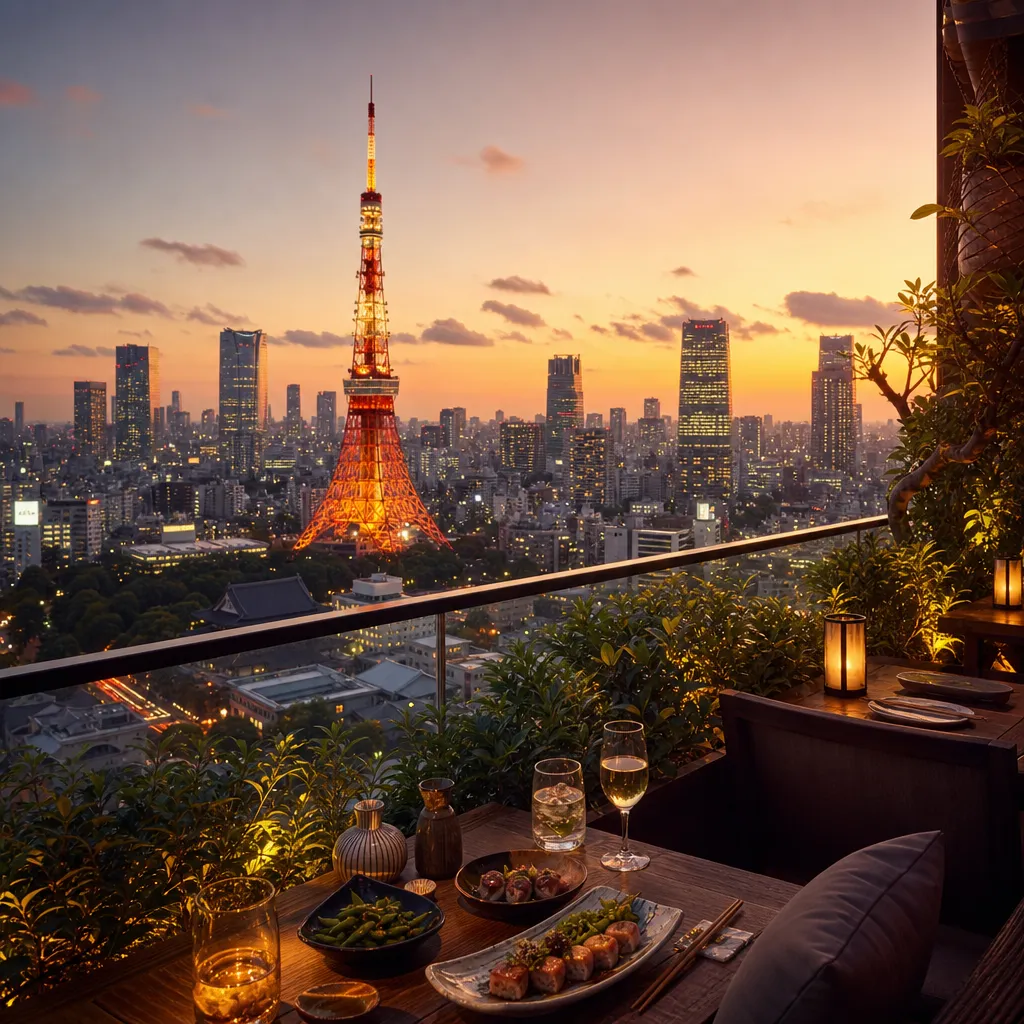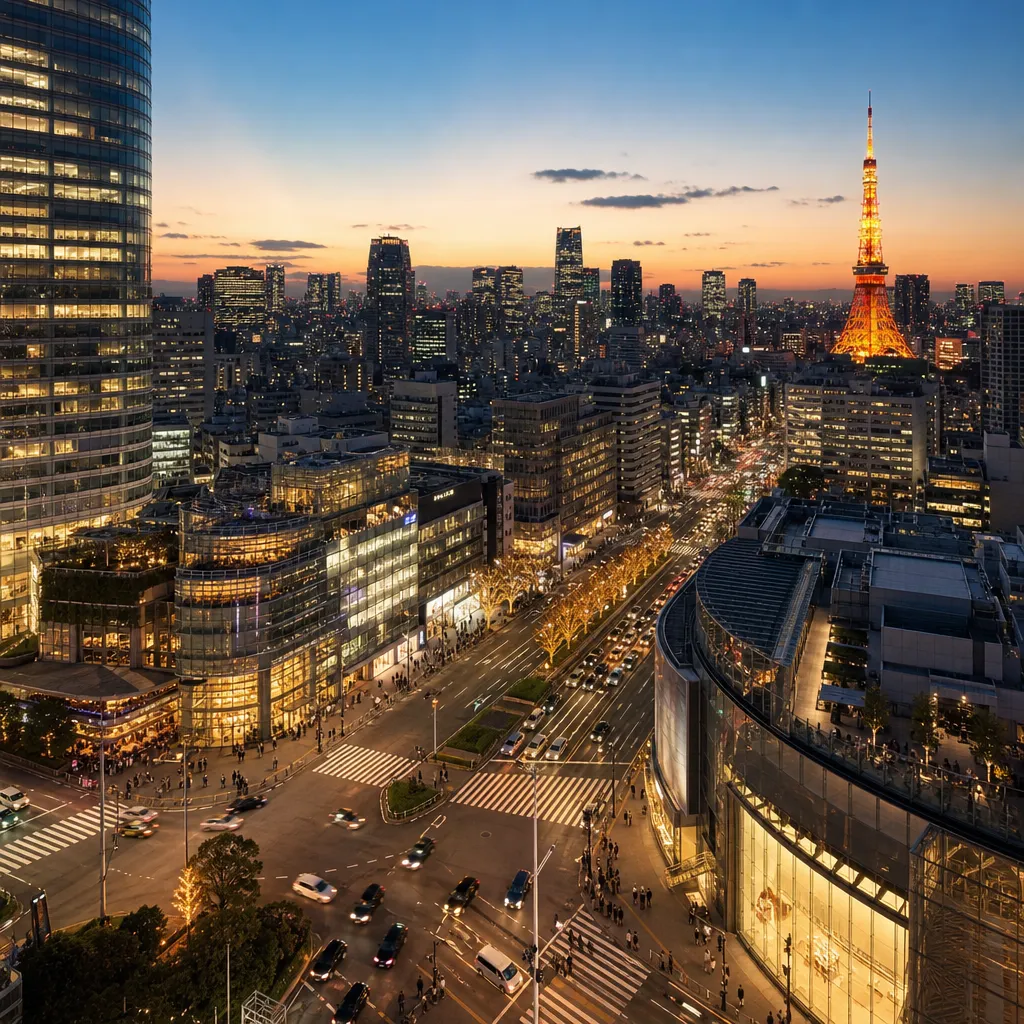
Roppongi is one of central Tokyo’s most internationally oriented districts, but it is more varied than its late-night reputation suggests. In and around the neighborhood you can combine major contemporary art museums, polished restaurants, high-rise viewpoints, design-led shopping, and a few quieter cultural stops within a compact part of Minato ward. It also works well as a base for visitors who want strong transport connections without staying in the busiest parts of Shibuya or Shinjuku. The guide below focuses on what is genuinely practical: where to go, what each place is good for, and how to plan your time in the area.
Where Roppongi is and what the area feels like
Roppongi is in Minato ward, in central Tokyo. The two stations most visitors use are Roppongi Station on the Tokyo Metro Hibiya Line and Toei Oedo Line, and Roppongi-itchome Station on the Namboku Line. For some destinations, Nogizaka Station is also useful, especially for the National Art Center.
The district is best understood as several overlapping zones. Around Roppongi Hills, the atmosphere is polished and modern, with offices, upscale dining, museums, and wide pedestrian areas. Around Tokyo Midtown, the mood is similarly refined, with design shops, restaurants, and direct access to green space. Closer to the heart of the nightlife streets, Roppongi becomes more bar- and club-oriented in the evening.
If you want art, architecture, and city views, come by day and stay into the evening. If you are focused on bars and late-night dining, plan for after dark. Families usually find the Midtown and Roppongi Hills sides more comfortable than the club-heavy backstreets.
Quick planning table
| Place | Area | Best For | Price Level | Key Feature |
|---|---|---|---|---|
| Roppongi Hills / Mori Art Museum | Roppongi | Art, views, architecture | Mid to high | Major contemporary art complex with skyline access |
| Tokyo Midtown | Akasaka / Roppongi side | Dining, shopping, design | Mid to high | Large mixed-use complex with stylish food and retail |
| The National Art Center, Tokyo | Roppongi / Nogizaka side | Exhibitions, architecture | Varies by exhibition | Striking Kisho Kurokawa building with rotating shows |
| Suntory Museum of Art | Tokyo Midtown | Japanese art and crafts | Mid | Strong traditional arts focus in a contemporary setting |
| Hinokicho Park | Next to Tokyo Midtown | Quiet break, families | Free | Green space that softens the district’s urban feel |
| 21_21 DESIGN SIGHT | Tokyo Midtown | Design-focused exhibitions | Mid | Tadao Ando architecture and accessible design themes |
Best cultural stops in Roppongi
Mori Art Museum and the Roppongi Hills area
Roppongi Hills is one of the district’s anchor developments and a practical first stop if you want to understand modern Roppongi. It combines shopping, restaurants, public space, and cultural venues in one large complex near Roppongi Station.
The Mori Art Museum, inside the Mori Tower, is one of Tokyo’s key contemporary art institutions. It is especially good for travelers who want a serious museum visit without leaving central Tokyo. Exhibitions change, so check the current program in advance. Depending on ticket arrangements at the time of your visit, many visitors pair it with the tower’s observation facilities, making it a strong late-afternoon choice.
This area suits solo travelers, couples, and first-time visitors well. It is also one of the easiest parts of Roppongi to navigate if you prefer a clean, high-rise urban environment over the district’s busier nightlife lanes.
The National Art Center, Tokyo
Near Nogizaka Station and within the wider Roppongi museum cluster, The National Art Center, Tokyo is worth visiting for both its architecture and its exhibition model. The wave-like glass façade by Kisho Kurokawa is one of the area’s most photogenic exterior views, especially in soft daylight.
Unlike a museum built around a permanent collection, it mainly hosts temporary exhibitions. That means the experience depends on what is on, but the building itself is consistently rewarding. It suits travelers with an interest in architecture, photography, and major art shows. Because programming changes, it is smart to check whether advance booking is recommended for the exhibition you want.
Suntory Museum of Art
Inside Tokyo Midtown, the Suntory Museum of Art is a more focused counterpoint to big contemporary art venues. Its strengths are Japanese art, craft, and design-oriented exhibitions. If you want something quieter and more rooted in traditional aesthetics, this is one of the district’s best options.
It pairs especially well with lunch or tea in Midtown and is a good indoor choice on rainy days. Visitors with an interest in lacquerware, ceramics, textiles, and Japanese visual culture often find it more intimate than the larger museums nearby.
21_21 DESIGN SIGHT
Also around Tokyo Midtown, 21_21 DESIGN SIGHT is one of the most interesting design-focused institutions in central Tokyo. The building, associated with Tadao Ando, is part of the appeal. Exhibitions tend to make everyday design, communication, materials, and Japanese visual thinking accessible even if you are not a specialist.
This stop works well for creative travelers, students of architecture, and repeat visitors to Tokyo who want something beyond the city’s standard sightseeing list.
Where to eat in Roppongi
Roppongi is not the place to hunt only for the cheapest meal, but it is a strong neighborhood for business lunches, polished dinners, international cuisine, sushi counters, yakitori, and hotel dining. The concentration of offices, expatriate residents, and luxury hotels gives the area an unusually wide dining range compared with many Tokyo districts.
Tokyo Midtown and Roppongi Hills are the safest places to start if you want reliable choice without much planning. You will find everything from casual cafés and dessert stops to more formal restaurants. These complexes are particularly useful for visitors who want a meal before or after a museum.
For a more local-feeling dinner, look beyond the large developments into the surrounding streets, where there are smaller Japanese restaurants, izakaya, and specialist counters. Because popular places in Roppongi can fill up with office workers and evening diners, reservations are wise for sit-down dinners, especially on weekends or if you want a specific cuisine.
If your priority is a memorable view, some of the district’s hotels and upper-floor restaurants are better choices than street-level venues. Expect a higher spend and, in some cases, dress expectations that are a little more polished than at casual neighborhood spots.
Bars, rooftops, and nightlife
Roppongi remains one of Tokyo’s best-known nightlife districts, but it helps to choose your evening style. The area contains everything from hotel bars and wine lounges to casual pubs and club-oriented streets. Visitors who want a more refined night out should focus on luxury hotel bars or restaurants in larger complexes rather than diving straight into the busy central nightlife zone.
The Tokyo EDITION, Toranomon and The Ritz-Carlton, Tokyo, both in the wider central Minato area, are frequently considered for high-floor drinks with a more composed atmosphere. The Ritz-Carlton is in Tokyo Midtown, making it especially convenient if you are already in Roppongi. These are good choices for couples, business travelers, or anyone who wants a skyline setting without the intensity of club streets.
If you want classic late-night Roppongi, stay aware that the district can become loud and persistent around nightlife touts. The simplest practical advice is to avoid following street solicitation and stick to established venues you have chosen yourself. Solo travelers can still enjoy Roppongi at night, but planning your destination in advance makes the experience smoother.
Architecture, public space, and photography spots
Roppongi is one of Tokyo’s more rewarding districts for visitors interested in contemporary urban form. You are not coming here for old-town streetscapes; you are coming for large-scale city planning, museum architecture, towers, plazas, and the contrast between glassy commercial development and small backstreets.
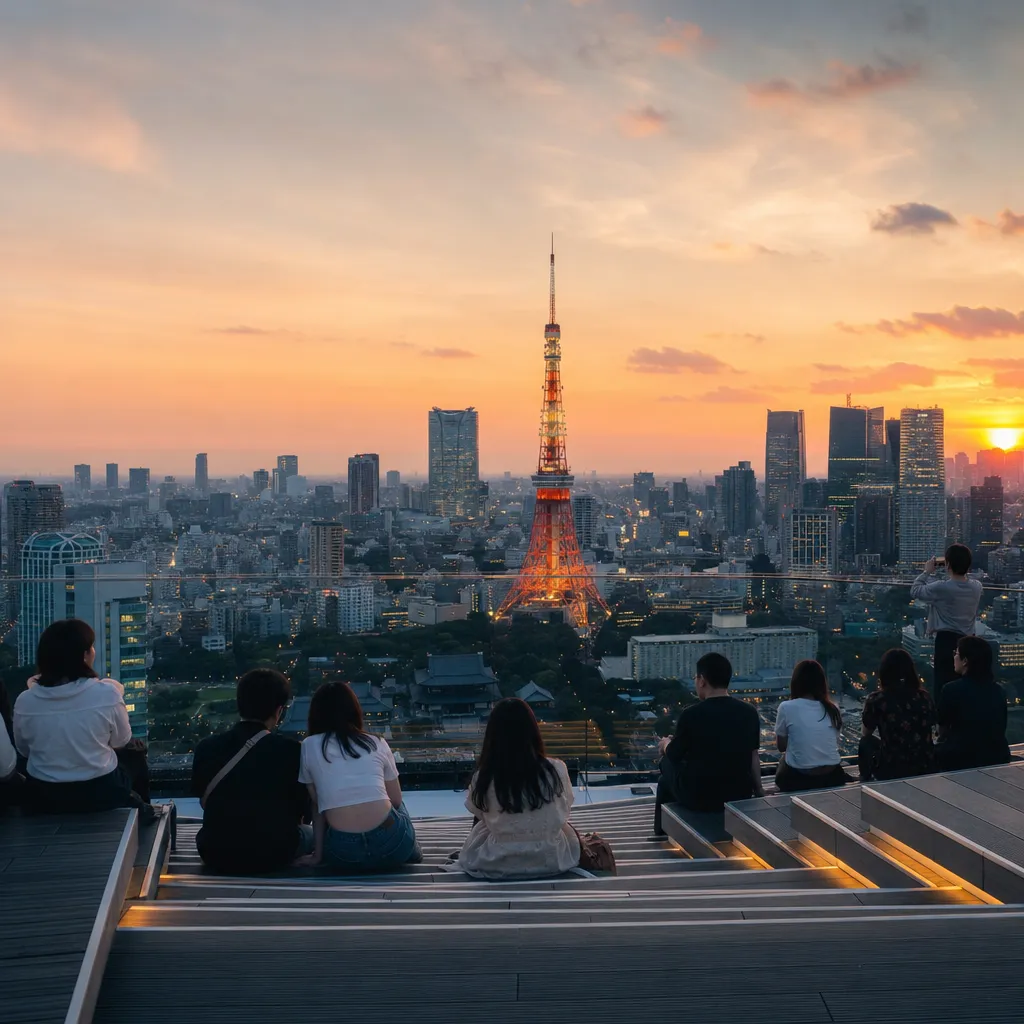
Roppongi Hills offers some of the district’s most practical photography opportunities: layered walkways, tower perspectives, seasonal illumination depending on the time of year, and views toward Tokyo Tower from some surrounding streets and elevated points. Evening blue hour is often the most forgiving time for city photography here.
The National Art Center, Tokyo is one of the best exterior subjects in the area, especially for wide-angle shots of the curved glass façade. Tokyo Midtown gives you cleaner, more minimal compositions, with polished architecture and public realm design that works well in daytime.
For a softer urban scene, walk into Hinokicho Park, beside Tokyo Midtown. It is not large by Tokyo park standards, but it gives you water, greenery, and a calmer foreground against the surrounding high-rises. Families, casual photographers, and travelers needing a break from air-conditioned interiors all benefit from stopping here.
Shopping and design-oriented browsing
Roppongi is not Tokyo’s best district for bargain shopping, vintage hunting, or dense street retail. It is stronger for design-led shopping, department-store-style convenience, museum stores, and curated lifestyle retail. In practical terms, that means Tokyo Midtown is usually the best shopping base in the area.
Midtown’s appeal is that it combines fashion, interior goods, gifts, and food options in a setting that feels calm rather than chaotic. If you want to browse without the sensory overload of Shibuya or Shinjuku, it is a comfortable choice. The museum shops in the district are also worth checking, especially at design and art venues where the selection is often more interesting than typical souvenir retail.
Roppongi Hills is similarly useful if your priorities are convenience and quality rather than discount hunting. It suits travelers staying nearby who want one-stop dining and shopping in bad weather or limited time.
Hotels and where to stay
Roppongi works well for visitors who value central location, polished hotels, and easy access to multiple parts of the city. It is especially strong for business travelers, couples, repeat visitors, and travelers who plan to eat out and enjoy nightlife. Families can stay here comfortably too, but many prefer the calmer edges of the district rather than the nightlife core.
The Ritz-Carlton, Tokyo, in Tokyo Midtown, is one of the area’s landmark luxury stays. It suits travelers looking for a high-end base with strong access to dining, art, and central Tokyo transport.
Grand Hyatt Tokyo, in Roppongi Hills, is another major option and particularly convenient if you want to stay inside a large integrated complex with restaurants, shopping, and cultural venues close at hand.
In the wider Roppongi and Akasaka-Toranomon side of Minato ward, visitors will also find more business-oriented and lifestyle hotels. When choosing, think less about the district name and more about whether you want to be closer to Roppongi Station, Roppongi-itchome, or the quieter edges toward Akasaka or Toranomon.
If you are a light sleeper or traveling with small children, it is sensible to avoid the most nightlife-heavy blocks around central Roppongi.
A practical one-day Roppongi itinerary
- Morning: Start around Tokyo Midtown with coffee or breakfast, then visit 21_21 DESIGN SIGHT or the Suntory Museum of Art.
- Late morning to early afternoon: Walk through Hinokicho Park, then head toward the museum cluster near Nogizaka for The National Art Center, Tokyo.
- Afternoon: Move back toward Roppongi Hills for shopping, a light meal, or simply time in the complex.
- Late afternoon to evening: Visit the Mori Art Museum and, if available with your ticketing plan, combine it with the observation level for city views.
- Dinner: Eat in Roppongi Hills, Tokyo Midtown, or a pre-booked restaurant in the surrounding streets depending on your budget and dining style.
- Night: Choose either a refined hotel bar or a more energetic nightlife venue, but decide in advance which type of evening you want.
Practical tips before you go
- Best timing: Roppongi works especially well from late morning into evening, when museums, shopping, dinner, and night views can all be combined.
- Transport: The Hibiya and Oedo lines make Roppongi easy to combine with Ginza, Ebisu, Ueno-side connections, Shinjuku, and other central districts.
- Reservations: For serious dinners, upscale bars, and popular temporary exhibitions, checking ahead is worthwhile.
- Budget: The area skews mid-range to expensive, especially for dining and hotels.
- Families: Daytime museum visits, Midtown, and Hinokicho Park are the easiest family-friendly parts of the district.
- Street sense: In nightlife areas, use normal big-city caution and avoid following touts into unfamiliar venues.
FAQ
Is Roppongi a good area to stay in Tokyo?
Yes, especially if you want a central Minato ward base with strong dining, museums, and nightlife. It suits travelers who prefer a polished urban setting over traditional neighborhoods.
What is the best station for visiting Roppongi?
Roppongi Station is the main choice for most visitors. Nogizaka Station is useful for The National Art Center, and Roppongi-itchome Station may be more convenient for some hotels and the eastern side of the area.
Do I need reservations for restaurants in Roppongi?
For casual meals, walk-ins are often possible, especially in large complexes. For popular sit-down dinners, higher-end restaurants, and hotel venues, booking ahead is a good idea.
Is Roppongi suitable for families?
During the day, yes. Museums, Tokyo Midtown, and Hinokicho Park are family-friendly. The nightlife core is less suitable late at night.
What is the best time of day to visit Roppongi?
Late afternoon into evening is often the strongest window because you can combine museums, dinner, and city views. Daytime is better if your priority is architecture, shopping, and a calmer atmosphere.
Is Roppongi expensive?
Compared with many other Tokyo neighborhoods, it tends to be more expensive for hotels, bars, and formal dining. You can still find moderate options, but the district is not primarily a budget area.
Can I enjoy Roppongi without speaking Japanese?
Yes. Roppongi is one of the easier districts for international visitors, especially in major museums, hotels, and large commercial complexes.
What should I check before visiting?
Check current museum exhibitions, observation deck access, restaurant reservation policies, and any seasonal events or illuminations you hope to see.
Sources
- GO TOKYO
- Mori Art Museum
- The National Art Center, Tokyo