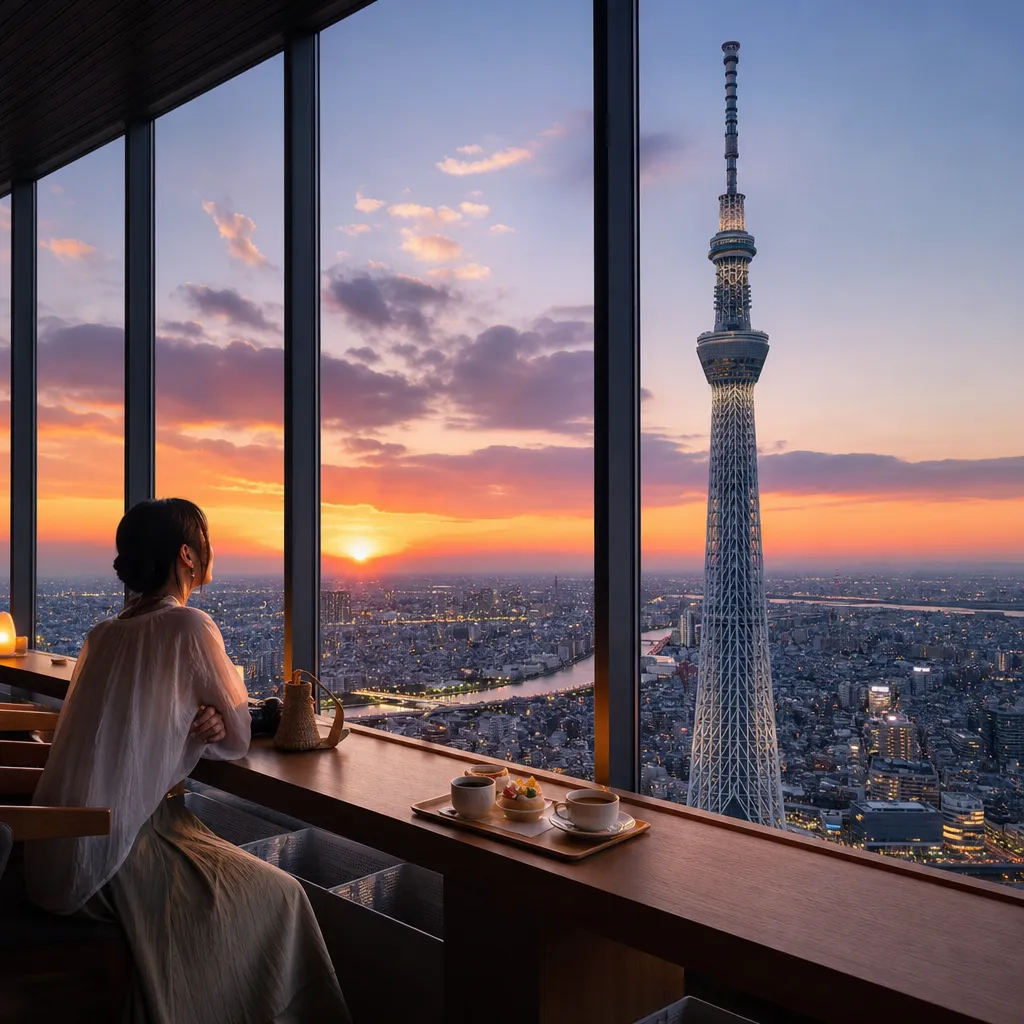
Tokyo Skytree is one of the city’s easiest modern landmarks to use as both a lookout and a full half-day destination. It rises in Sumida ward on the east side of the city, close to older neighborhoods such as Asakusa, but it feels very contemporary at ground level thanks to the large Tokyo Solamachi complex around its base. For many visitors, the biggest question is not whether to go, but how to fit it into a practical itinerary, when to visit, and what is worth doing nearby. This guide focuses on exactly that: views, timing, transport, crowds, and the surrounding area.
What Tokyo Skytree is and where it fits in the city
Tokyo Skytree stands in the Oshiage area of Sumida ward, in eastern Tokyo. It is the city’s best-known broadcasting tower and one of its most recognizable pieces of contemporary architecture. The surrounding development, Tokyo Skytree Town, includes shopping, dining, and family-friendly attractions, so this is not just a quick photo stop.
The nearest transport hub is Oshiage Station, which is the most useful access point for most visitors. Tokyo Skytree Station on the Tobu line also serves the area. Compared with districts such as Shibuya, Shinjuku, or Roppongi, the atmosphere here is less nightlife-oriented and more mixed-use: part sightseeing zone, part shopping complex, part local residential area.
Skytree works especially well if you are already planning time in Asakusa, along the Sumida River, or in the wider eastern part of the city. It is also convenient for families, first-time visitors, and anyone who wants a high-altitude city panorama without the business-district feel of some other observatories.
How to get there and plan your arrival
For most travelers, the easiest station to aim for is Oshiage. It is served by multiple rail operators, which makes Skytree fairly straightforward to reach from areas including Asakusa, Ueno, Ginza-side connections, and parts of central and eastern Tokyo. If you are arriving from the Nikko or Tobu network, Tokyo Skytree Station may also be convenient.
Because the tower is attached to a major commercial complex, wayfinding is generally easier than at stand-alone attractions. Signage in the area is good, and once you emerge around Oshiage the tower itself is an obvious visual reference point.
Practical arrival tips:
- Allow extra time on weekends and holidays, especially in the afternoon and early evening.
- Check current ticketing options in advance. Entry systems, timed admission, and online purchase options may change.
- If sunset matters to you, arrive well before it. That time slot is popular and queues can build.
- If you want a calmer visit, go earlier in the day or on a weekday outside school holiday periods.
What to see from the observation decks
The main reason to visit is the scale of the view. From Skytree, you can understand how vast Tokyo really is: dense low-rise neighborhoods, clusters of high-rises, the sweep of the Sumida River, and the contrast between traditional eastern districts and the more vertical western skyline.
On clear days, visibility improves dramatically, and the experience is much stronger. In hazy, humid, or rainy conditions, the tower can still be enjoyable, but the long-distance panorama may be limited. Sunset into blue hour is often the most rewarding general time if you want both daylight detail and night illumination, though it is also one of the busiest periods.
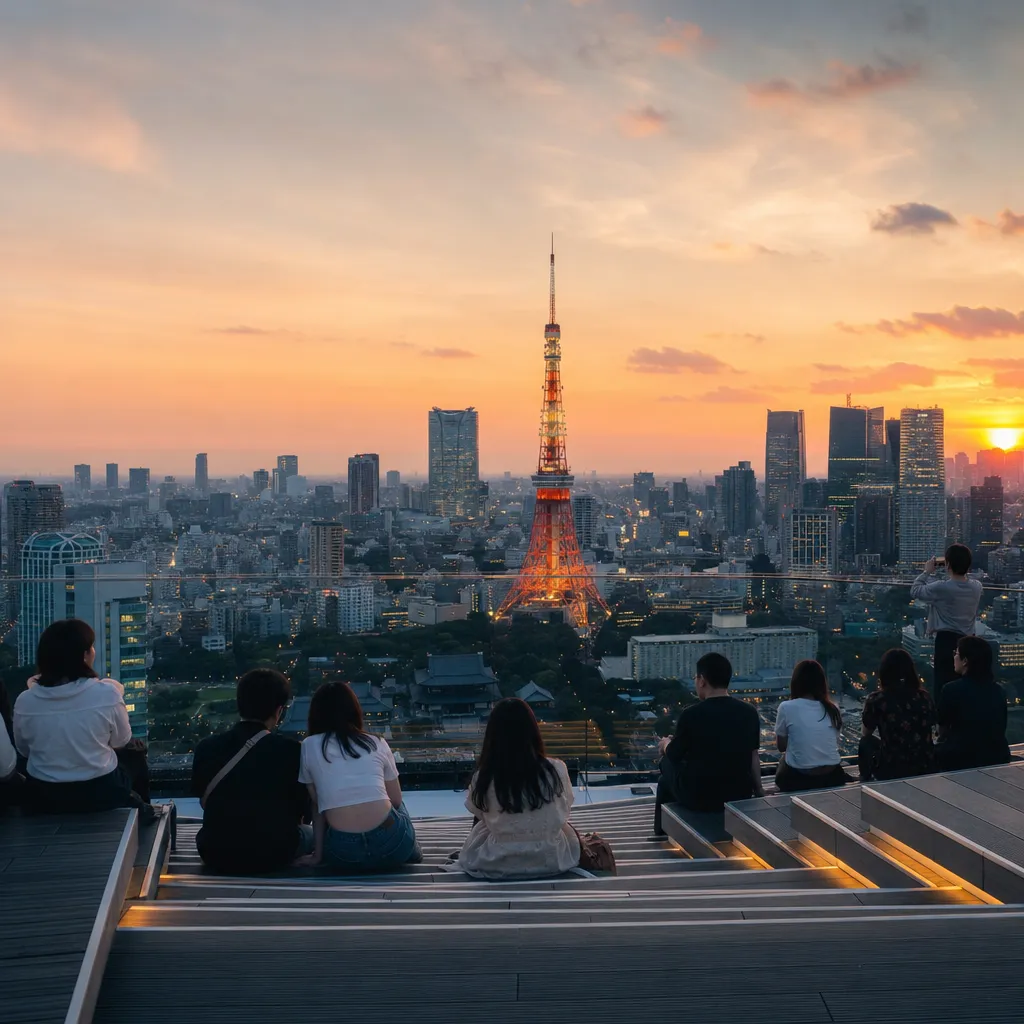
Expect a different feel from Tokyo Tower. Skytree is taller, more expansive, and more analytical as a city view. Tokyo Tower often feels more iconic in silhouette, but Skytree gives a stronger sense of urban scale.
For photographers, glass reflections can be an issue after dark. If you are serious about night photography, darker clothing can help reduce reflected color in the glass, and daytime or twilight often produces cleaner images for casual visitors.
When Tokyo Skytree is most worth visiting
The best time depends on what you want from the experience.
- Morning to early afternoon: generally better for clearer visibility and lighter crowds on some days.
- Late afternoon to sunset: best for changing light and the transition from day to night.
- Evening: strong for city lights, date-night atmosphere, and seeing the city as a luminous grid.
Season also matters. Winter often brings crisper air and better long-distance views than the more humid months. Summer can be atmospheric but hazier. During peak domestic travel periods, weekends, and public holidays, expect a busier experience throughout the complex, not just at the observatory.
If this is a priority attraction, it is sensible to build flexibility into your itinerary and visit on the clearest day available rather than locking yourself into poor weather.
What to do around the base: Tokyo Solamachi and nearby attractions
Tokyo Solamachi, the commercial complex at the base of the tower, is useful rather than incidental. It gives Skytree broader appeal for travelers who do not want to spend all their time in an observation queue. You will find a wide range of shops, sweets, souvenir options, and casual dining. The atmosphere is polished and accessible, more department-store-adjacent than neighborhood-shopping-street local.
Families often combine the tower with attractions inside the same complex, particularly the Sumida Aquarium. This makes the area a practical rainy-day option and a strong choice for travelers with children who may not want an itinerary built only around shrines and long walks.
Another notable nearby stop is the Tobu Museum in the wider local area, useful for railway fans and families, though it is a separate outing rather than part of the tower complex itself.
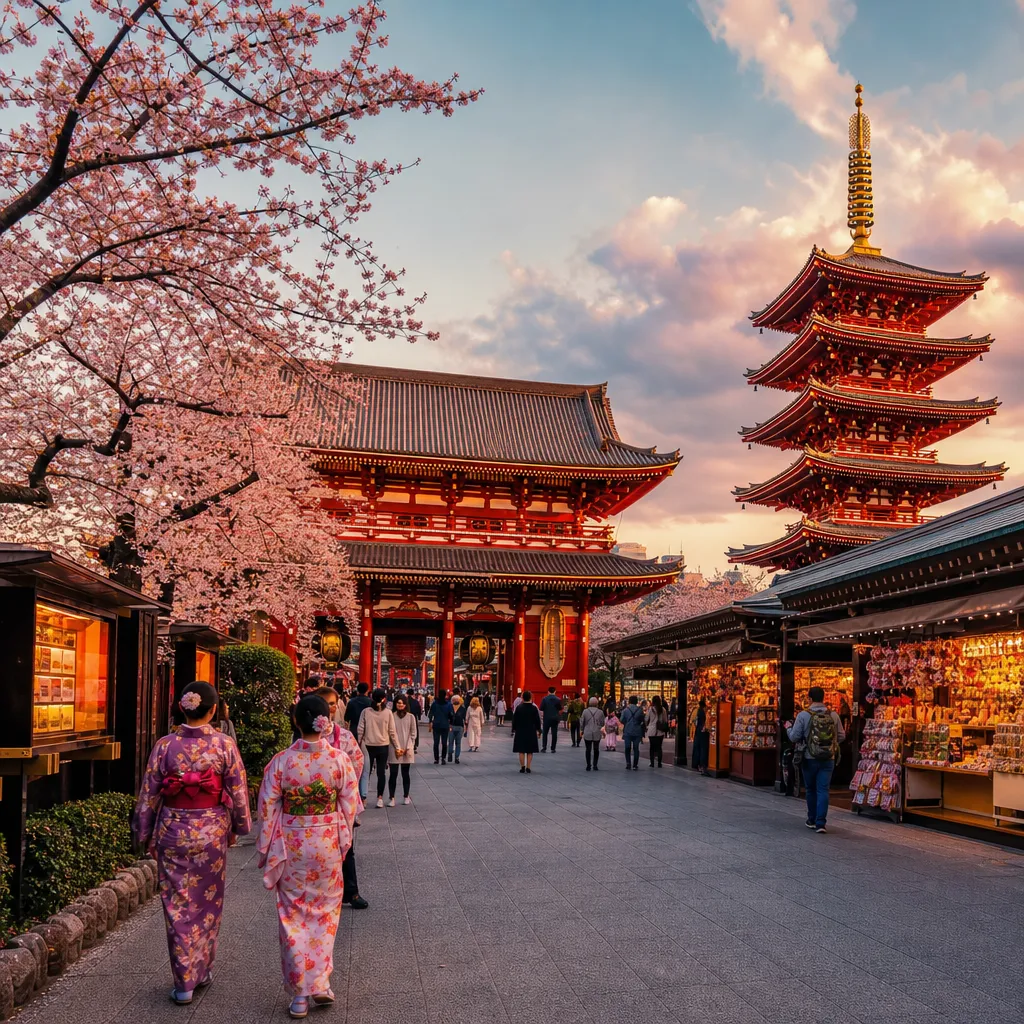
If you prefer to balance modern Tokyo with older streetscapes, pair Skytree with Asakusa. The two areas connect naturally in the same day, and the contrast is one of the best reasons to include Skytree in an east-side itinerary.
| Place | Area | Type | Best For | Key Feature |
|---|---|---|---|---|
| Tokyo Skytree | Oshiage, Sumida | Observation tower | Panoramic city views | Very high vantage over eastern and central Tokyo |
| Tokyo Solamachi | At the tower base | Shopping and dining complex | Casual meals, shopping, families | Large attached complex that makes the area easy for half-day visits |
| Sumida Aquarium | Tokyo Skytree Town | Indoor attraction | Families, rainy days | Easy add-on inside the same destination area |
| Senso-ji area | Asakusa, nearby | Historic district | Traditional streetscape pairing | Strong contrast with the tower’s modern setting |
Best nearby walks and photo spots
The most useful way to photograph Skytree is not only from the observatory but from the surrounding neighborhood. Ground-level views help you appreciate its shape, scale, and relationship to older parts of the city.
Sumida River and Asakusa side
One of the most practical pairings is a walk between the Asakusa area and the tower. From around the river and bridges in the wider Asakusa district, Skytree appears in layered urban compositions with water, boats, and lower traditional streets. This is especially good near late afternoon and early evening.
Views from local streets in Oshiage
Closer to the base, narrow neighborhood streets can frame dramatic upward angles. These are less about skyline panorama and more about architectural scale. Be considerate: this is an active residential and commercial area, not a staged tourist set.
Night illumination
After dark, the tower’s lighting design creates a different atmosphere from daytime visits. If photography is your goal, tripod rules may vary by location, and crowded pedestrian areas are not ideal for elaborate setups. Handheld street photography is usually the easiest approach.
Where to eat in the Skytree area
You do not need to treat this district as a destination for Tokyo’s most ambitious dining, but it is easy to eat well here if you set expectations correctly. Tokyo Solamachi is the simplest option, especially for families, mixed groups, or travelers who want flexibility. The range usually covers casual Japanese food, sweets, and café breaks.
For a more local feel, look beyond the main complex into the wider Oshiage and Sumida area, where you may find smaller neighborhood restaurants. These are often better for a quieter meal than the busiest parts of the shopping complex, though they may be less predictable for English support.
If food is a major priority, many visitors prefer to sightsee at Skytree and then eat in Asakusa, where there is a stronger sense of old Tokyo streets, more classic dining atmosphere, and easier pairing with temple-area wandering. That combination often makes more sense than trying to turn Skytree itself into a fine-dining destination.
Good dining strategies for this area:
- Use Solamachi for convenience and variety.
- Use nearby local streets for a quieter neighborhood meal.
- Use Asakusa before or after Skytree if you want more character and historic surroundings.
Suggested itineraries
Half-day Skytree visit
- Arrive via Oshiage in late morning or early afternoon.
- Visit the observation deck while visibility is still decent.
- Have a casual meal or coffee in Tokyo Solamachi.
- Add Sumida Aquarium or shopping if the weather is poor.
Skytree plus Asakusa
- Start in Asakusa with Senso-ji and surrounding streets.
- Move toward the Sumida River for exterior views of the tower.
- Continue to Oshiage and visit Skytree in the late afternoon.
- Stay through sunset if conditions are clear.
Family-friendly version
- Arrive early to avoid the heaviest crowds.
- Visit the tower first while energy is high.
- Take a break in Solamachi.
- Use Sumida Aquarium as an additional indoor stop.
Who should prioritize Tokyo Skytree
Skytree is especially worth prioritizing for first-time visitors, families, photographers interested in city scale, and travelers who want an easy, weather-flexible attraction with amenities close at hand. It also suits people staying in eastern neighborhoods or anyone planning a day around Asakusa and Sumida.
It may be less essential for repeat visitors who already know the city well and prefer street-level neighborhoods, small museums, or food-focused itineraries. If you dislike queues and only want skyline views, you may prefer choosing your observation deck based on weather and convenience rather than treating Skytree as compulsory.
Still, as a planning choice, Skytree is one of the more reliable major attractions in the city because it combines strong infrastructure, easy transport, indoor facilities, and a genuine sense of place within eastern Tokyo.
Practical tips before you go
- Check official ticket and operating information shortly before visiting.
- Choose a clear day if views matter more than schedule certainty.
- Budget extra time for security, queuing, and elevator access during peak periods.
- Combine it with Asakusa or the Sumida riverside to make the day feel more varied.
- If traveling with children, use the complex’s indoor facilities to pace the visit.
- For night views, expect more reflections in photos and heavier crowding around sunset.
Is Tokyo Skytree better during the day or at night?
Both work well, but the most balanced option is late afternoon into evening. You get daylight detail first and city lights after dark. If visibility is the top priority, daytime on a clear day can be stronger.
What station should I use for Tokyo Skytree?
Oshiage Station is the most useful choice for most visitors. Tokyo Skytree Station can also be convenient, especially depending on your rail route.
How much time should I allow for a visit?
For the tower alone, many visitors allow around 1.5 to 3 hours depending on queues and how long they stay at the decks. If you add Solamachi, the aquarium, or a meal, a half day is more realistic.
Is Tokyo Skytree suitable for families with children?
Yes. The area is one of the most family-friendly major sightseeing zones in the city because of the attached shopping and indoor attractions. It is much easier logistically than many stand-alone landmarks.
Do I need to buy tickets in advance?
Advance purchase can be useful, especially for weekends, holidays, or sunset visits. Ticketing practices can change, so check current official information before you go.
Can I combine Tokyo Skytree with Asakusa on the same day?
Yes, very easily. They are natural companions in an east-side itinerary, and the contrast between traditional Asakusa and the ultra-modern tower is part of the appeal.
Is photography allowed at Tokyo Skytree?
Casual photography is a normal part of the visit, but specific rules around equipment may vary. If you plan to use larger gear, check current policies in advance.
What should I check before visiting?
Check weather, visibility, ticket options, and current operating information. If sunset views matter to you, also consider seasonal daylight times and likely crowd levels.
Sources
- Tokyo Skytree official website
- GO TOKYO (Tokyo Convention & Visitors Bureau)
- Tobu Railway official website