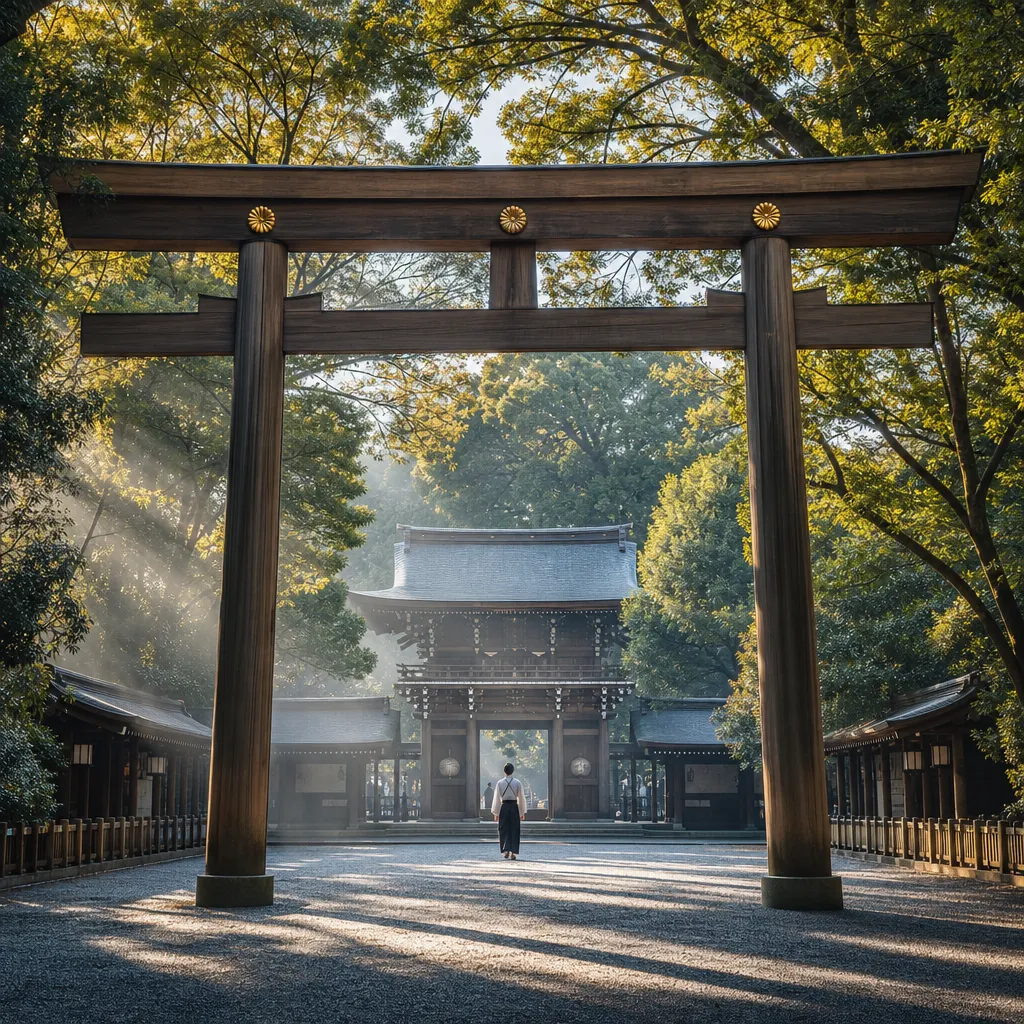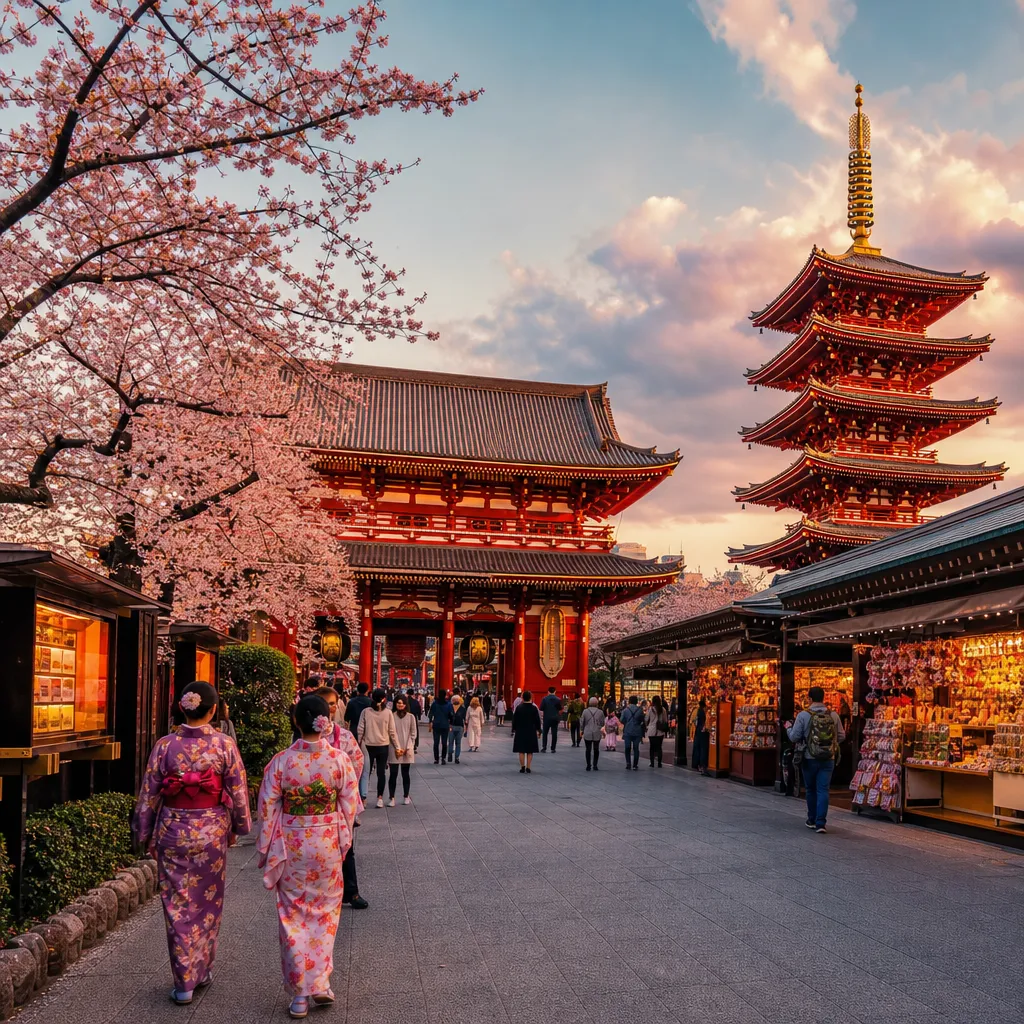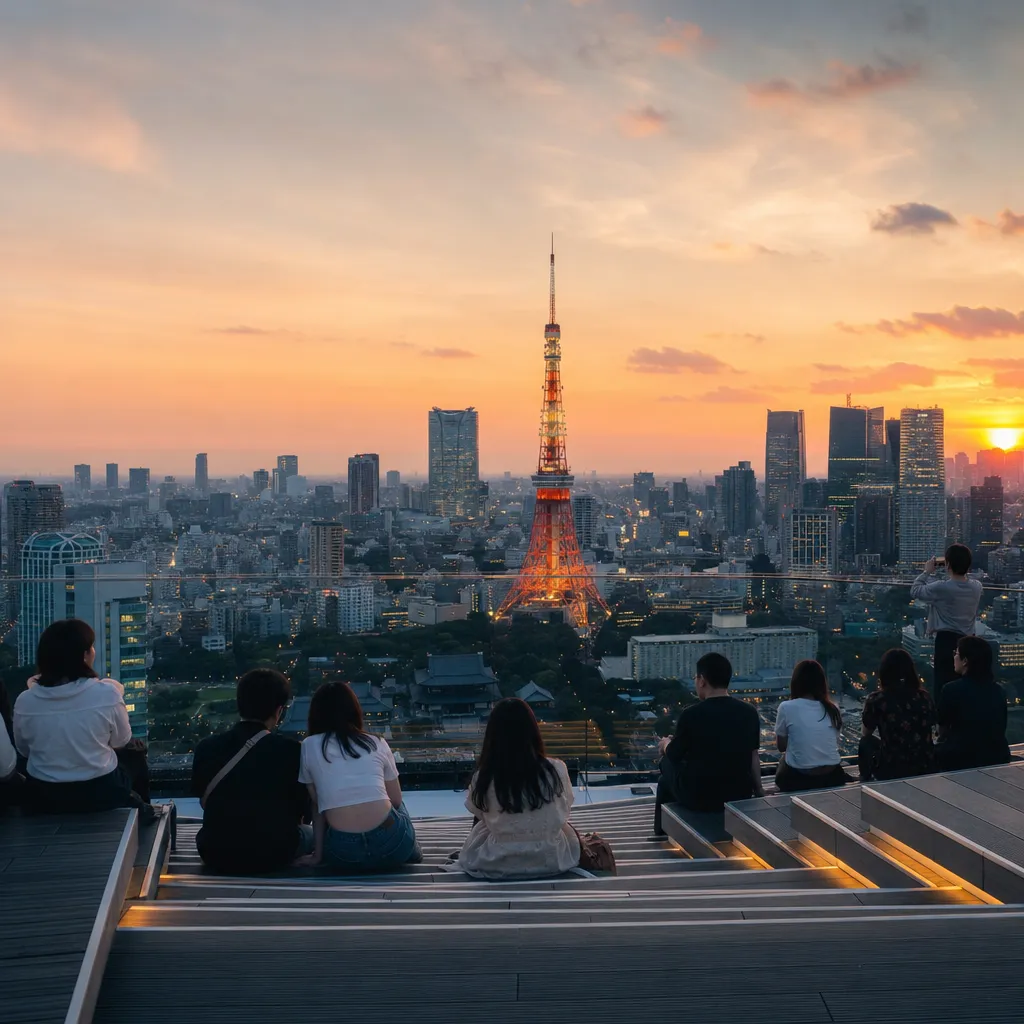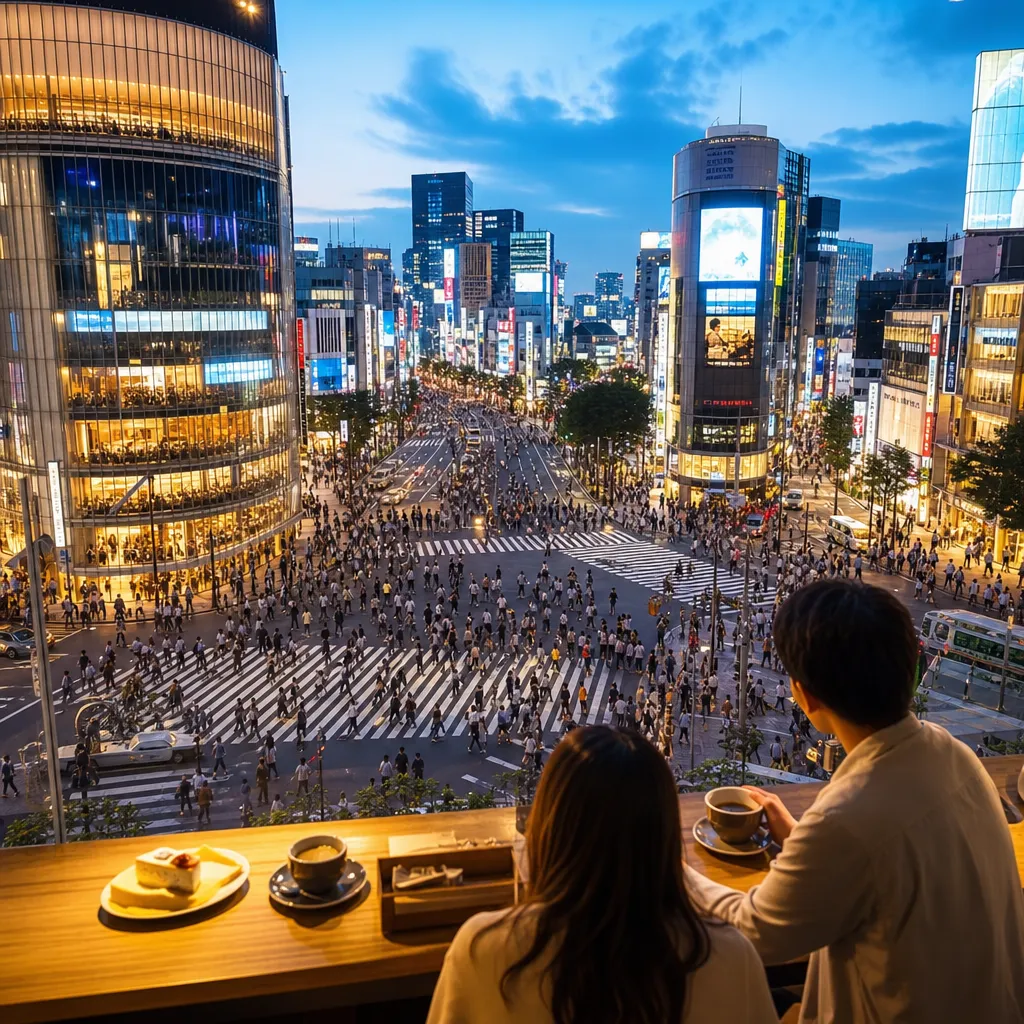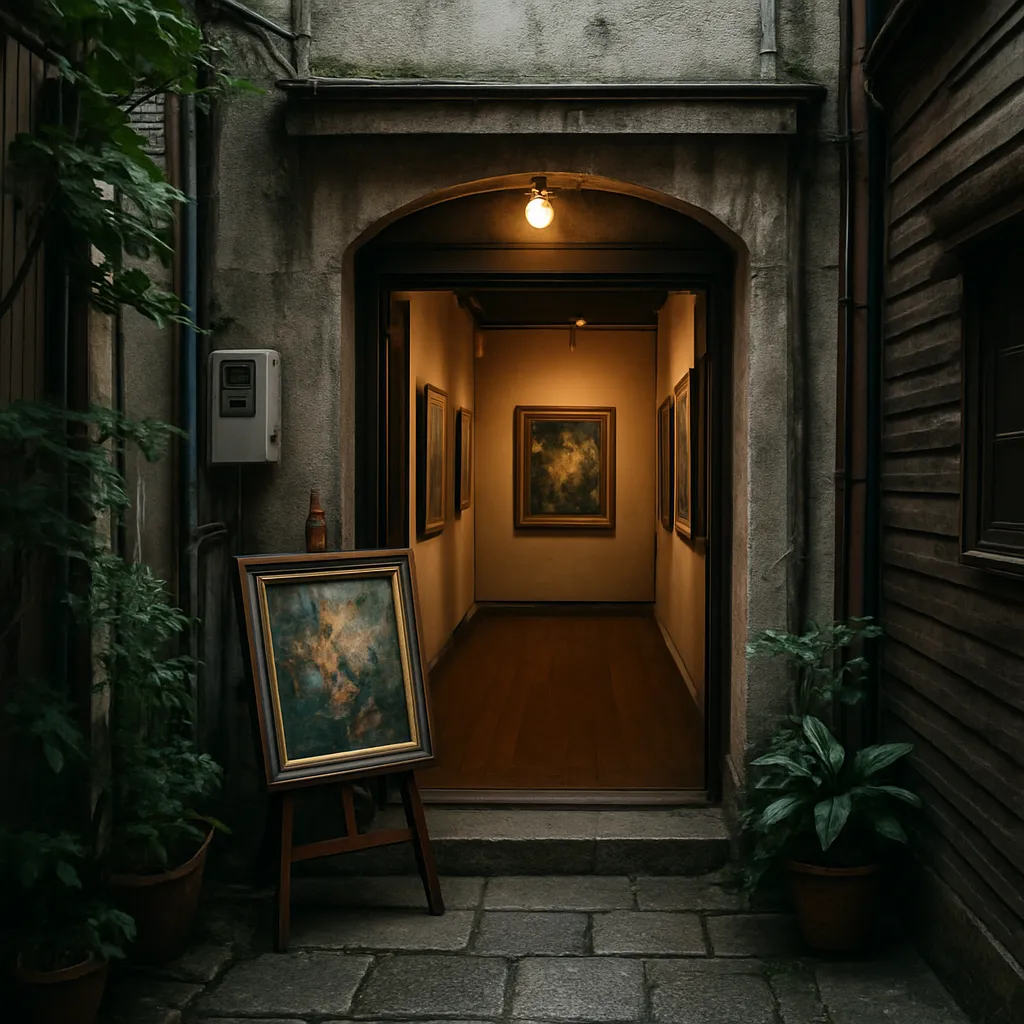
Tokyo’s vibrant cultural tapestry extends far beyond its world-famous museums and high-profile exhibitions. In the heart of bustling districts and tucked away in narrow alleyways, one can uncover a **neon-lit** labyrinth of **underground** art galleries where **emerging** talents and seasoned visionaries converge. These intimate enclaves blend **traditional** Japanese aesthetics with cutting-edge **innovation**, offering visitors a truly multifaceted experience.
Neighborhood Discoveries
Koenji’s Offbeat Spaces
Koenji, known for its vintage shops and live music venues, also hosts a cluster of small yet influential galleries. Wander down Chalé Alley to find Gallery Ego, a cozy spot run by a collective of artists focusing on multimedia installations. The space’s exposed brick walls and minimalist shelving frame each piece perfectly, immersing viewers in an environment where art feels both personal and provocative.
Just a short walk away, one will discover Atelier Midas, tucked behind a nondescript storefront. This **intimate** studio-gallery hybrid is renowned for its pop-up events and collaborative workshops. Local **curators** often invite guest artists from abroad, fostering a dynamic **network** of creatives keen on exploring new boundaries. Every month, visitors can participate in hands-on sessions ranging from printmaking to digital projection mapping.
Yanaka and the Old Town Vibes
Yanaka’s winding lanes, lined with centuries-old temples, hide a contrasting world of contemporary art. Here, tiny galleries like The Owl’s Nest emphasize **immersive** installations that interact with traditional architecture. One particularly striking exhibit involved kinetic sculptures dangling from historic wooden beams, bathed in shifting LED lights that echoed Tokyo’s modern skyline.
- Gallery Sora: Focused on ceramic and textile works, integrating local craftsmanship with modern design.
- Studio Ikoi: A former tea house transformed into a **multidisciplinary** hub for performance art and video projection.
- Tsubaki Shokudo Annex: A café-gallery offering organic teas alongside rotating exhibitions of abstract painting.
Curators, Collectors and Community
Behind every hidden gallery lies the vision of passionate **curators** and dedicated collectors. These tastemakers often operate on a shoestring budget, relying on personal connections and a shared commitment to artistic exploration. In neighborhoods like Nakameguro, Riverside Art Collective bridges the gap between loft-like gallery spaces and open-air pop-up displays along the Meguro River during cherry blossom season.
Key roles in this ecosystem include:
- Curators who scout both local and international artists, shaping coherent exhibitions from diverse styles.
- Collectors providing patronage, acquiring pieces that might otherwise remain unseen.
- Volunteers and community members who help organize events, ensuring that art remains accessible.
- Critics and bloggers who amplify the reach of these hidden venues through digital **networks**.
By nurturing a sense of solidarity, these contributors help maintain Tokyo’s reputation as a global art hub while preserving the authenticity of its **underground** scene.
Innovative Architecture and Design
Some of Tokyo’s most captivating galleries are defined by their structural ingenuity. In Higashi-Nihonbashi, Onarimon Vaults Gallery occupies former railway storage cellars, repurposed into an industrial-chic display area. The low ceilings and curved walls create an eerie yet **immersive** atmosphere, perfect for avant-garde light and sound installations.
In contrast, the newly opened K5 Warehouse in Yoyogi showcases a monumental transformation of a 1960s industrial plant into a multidisciplinary art complex. Its concrete pillars and high ceilings accommodate large-scale sculptures and performance pieces, while modular rooms can be reconfigured for intimate talks or film screenings.
- Adaptive reuse: Converting unused industrial spaces into contemporary galleries.
- Sustainable design: Emphasizing energy-efficient lighting and recycled materials.
- Flexible layouts: Allowing curators to tailor the floorplan to each exhibition’s needs.
Interactive and Immersive Experiences
Beyond the static display of paintings and sculptures, many hidden galleries in Tokyo invite visitors to become active participants. At the Secret Code Gallery in Shibuya, guests are handed puzzles upon entry. Solving each clue unlocks doors to different exhibition rooms, revealing site-specific artworks that comment on urban life in **neon-lit** Tokyo.
Another standout is the Flux Pavilion in Odaiba, a labyrinthine installation that adapts to audience movement. Motion sensors trigger shifts in ambient sound and lighting, creating a living artwork that evolves with each visitor’s path. The gallery’s designers consulted experts in **architecture** and psychology to ensure the space stimulates both the senses and the imagination.
For those seeking hands-on creation, Art Lab Ochanomizu offers regular open studios where participants can experiment with virtual reality painting, 3D printing, and interactive projection. These workshops encourage collaboration between seasoned artists and newcomers, breaking down barriers and fostering a spirit of collective **innovation**.
Mapping Tokyo’s Hidden Treasures
Exploring Tokyo’s secret galleries often feels like embarking on a treasure hunt. Helpful resources include:
- Local art maps distributed at community centers and independent bookstores.
- Online forums where enthusiasts share tips on current exhibits and pop-up events.
- Social media accounts of key galleries and collectives, announcing midnight openings or themed tours.
By following these channels, visitors can uncover fresh perspectives on a city that continually reinvents itself through its **emerging** art scene. Whether you’re a seasoned collector or a curious traveler, Tokyo’s hidden galleries promise an unforgettable journey into the heart of contemporary creativity.