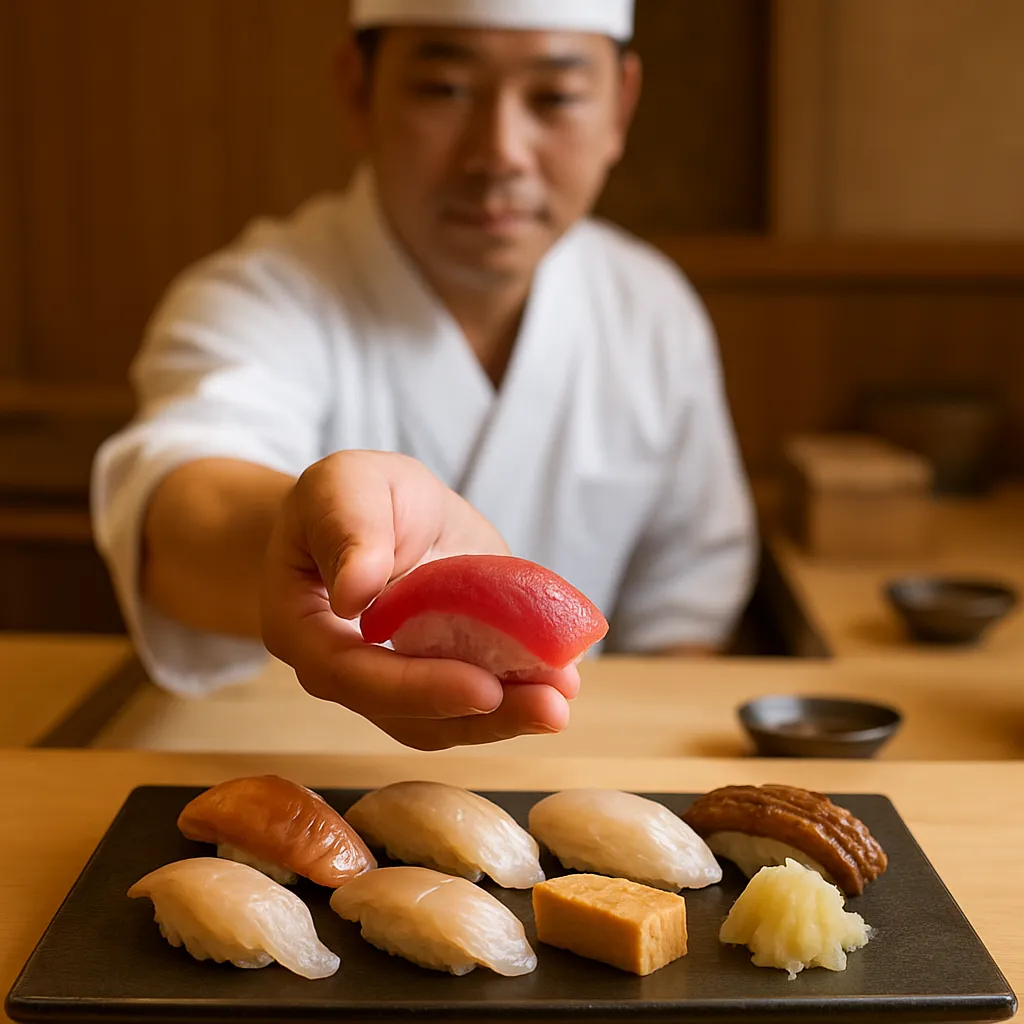
Tokyo stands as a beacon for culinary explorers seeking the ultimate sushi journey. Among the city’s endless gastronomic wonders, the omakase experience reigns supreme, offering diners a personalized tasting menu crafted by master chefs. This ritual transcends a simple meal, blending time-honored tradition with cutting-edge innovation to deliver an unforgettable feast of the senses.
The Evolution of Sushi Omakase in Tokyo
The roots of Tokyo’s sushi culture stretch back to the Edo period, when fish markets along the Sumida River supplied fresh catch to be paired with vinegared rice. Known as Edomae sushi, this style emphasized the local waters and seasonal bounty. Over centuries, chefs refined their techniques, adding curing methods, precise rice seasoning, and perfected knife work.
By the mid-20th century, a handful of ambitious sushi masters began to offer complete tasting menus. Rather than choosing nigiri individually, patrons surrendered control, placing their trust in the chef’s hands. The term omakase (literally “I leave it up to you”) was born, signifying a bond between guest and chef, rooted in mutual dedication to quality. Today, Tokyo’s omakase counters are global icons of culinary excellence, drawing gourmands from every continent.
Iconic Omakase Destinations Across the City
- Sukiyabashi Jiro (Ginza) – The world-renowned counter immortalized by documentaries. Here, each piece of nigiri is served with pinpoint precision, reflecting decades of relentless practice.
- Sushi Saito (Akasaka) – A hidden gem with a tiny seating capacity. Expect an intimate setting where the chef’s craftsmanship elevates even the humblest fish to sublime heights.
- Sushi Yoshitake (Ginza) – Fusion-minded yet deeply respectful of tradition. Diners can savor creative techniques like blowtorching or kombu-aging, showcasing the pinnacle of modern sushi artistry.
- Sushi Mizutani (Ginza) – A shrine to classic Edomae flavors. The rice here is masterfully balanced, pairing seamlessly with impeccably fresh sashimi.
- Sushi Sawada (Ginza) – Boasting only a handful of seats, Chef Sawada’s menu changes daily according to Tokyo’s fish market arrivals, honoring true seasonality.
Behind the Counter: The Art of Omakase
Sourcing the Fish
Tokyo’s sprawling Tsukiji and Toyosu markets are the lifeblood of any top omakase. Chefs rise before dawn to handpick every ingredient: from fatty bluefin tuna and glistening uni to rare shellfish from Hokkaido. Emphasis on freshness ensures that every bite bursts with pure ocean essence.
The Dialogue
Unlike a fixed menu, omakase encourages interaction. Guests often engage in light conversation, offering feedback on temperature or seasoning. This dynamic exchange honors the chef’s adaptability and underscores the meal’s bespoke nature. The result is an exclusive experience tailored down to the final morsel.
Seasonality and Presentation
Central to omakase is showcasing the fleeting beauty of each season. In spring, delicate cherry blossom shapes carved into turnips accompany pale pink sea bream. Winter menus might highlight simmered amberjack or velvety toro. The plating is minimal yet poetic, letting the ingredients shine. Such attention to detail transforms every course into an edible work of artistry.
Practical Tips for Guests
- Reservations: Secure a spot weeks or even months in advance. High-demand chefs often open booking windows exactly one month prior.
- Timing: Arrive punctually. Latecomers may disrupt the flow of ingredients and preparation.
- Etiquette: Keep conversation low, refrain from strong fragrances, and trust the chef’s sequence. Avoid requesting off-menu items—omakase thrives on trust.
- Budget: Expect to invest anywhere from ¥20,000 to over ¥50,000 per person, depending on the chef’s prestige and ingredient quality.
- Tipping: In Japan, gratuities are not customary. A simple “thank you” and bow convey deep appreciation.
Exploring Variations: From Traditional to Avant-Garde
While the classic Edomae approach remains a cornerstone, some Tokyo chefs push boundaries. Fusion-infused omakase might pair nigiri with housemade charcoal salt or yuzu-infused soy. Others integrate molecular techniques—soy foam, spherified dressings, or flash-freezing for novel textures. This spirit of experimentation appeals to adventurous diners eager for the next gastronomic frontier.
Still, even the most radical counter retains links to its heritage, respecting rice temperature, fish quality, and the rhythm of a well-paced omakase. It is this harmonious blend of innovation and respect for origin that keeps Tokyo’s sushi scene at the very peak of global dining.