Navigating the intricate web of Tokyo’s subway system can feel like decoding a labyrinth, yet once mastered, it transforms into one of the most efficient and reliable ways to explore Japan’s buzzing capital. From securing the right transit card to mastering local etiquette, this guide offers essential hacks and practical advice that will help you glide through crowded platforms and connect to hidden gems across the city. Dive into the world of Tokyo’s underground with confidence and uncover tips that turn a novice rider into a savvy commuter.
Understanding Tokyo’s Subway Network
The sprawling Tokyo metro consists of multiple operators, including Tokyo Metro and Toei Subway, each managing its own color-coded lines. Despite the apparent complexity, a few key insights will make route planning a breeze:
- Fare gates and Card Compatibility: Both Suica and PASMO IC cards can be used interchangeably across nearly all subway lines. These reloadable smart cards eliminate the need to purchase single-ride tickets and automatically calculate the lowest fare.
- Interchange Hubs: Major stations such as Shinjuku, Tokyo, and Ueno serve as junctions between multiple lines. Familiarize yourself with the station maps posted near platforms to spot the quickest transfer corridors.
- Color-Coding & Numbering: Each subway line is identified by a unique color and letter-number code (e.g., “G09” for the Ginza Line at Shibuya). Memorize key transfers by their codes instead of station names to minimize language confusion.
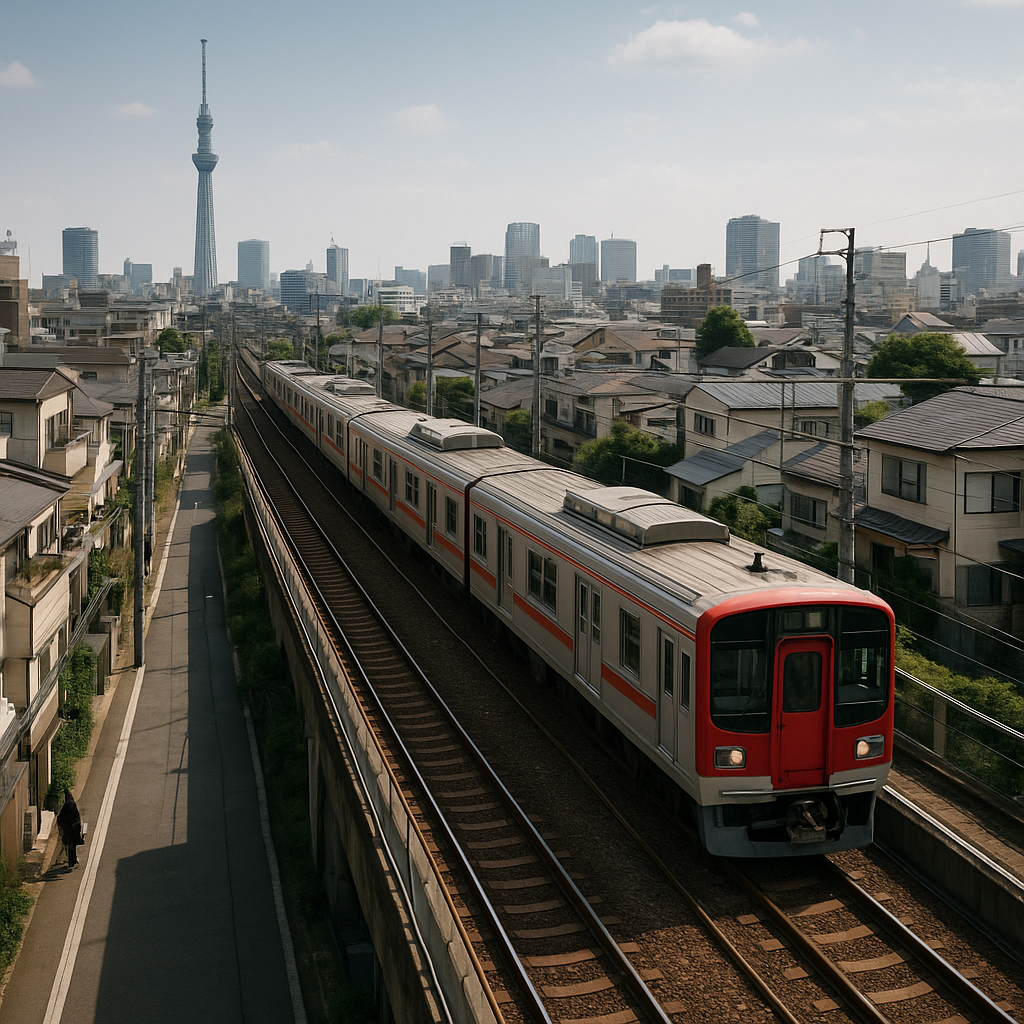
For longer journeys reaching suburban areas or neighboring prefectures, connect from the subway to JR lines. The “through-service” trains run seamlessly from Tokyo Metro tracks onto JR East lines, reducing the need to exit and re-enter fare gates.
Essential Hacks for Seamless Travel
Once you understand the network, employ these hacks to enhance your experience:
1. Tap & Ride with IC Cards
Purchase a Suica or PASMO at any station ticket machine or airport counter. These cards also work on buses and many convenience stores. Keep them topped up via machines or mobile apps for continuous connectivity.
2. Plan with Real-Time Apps
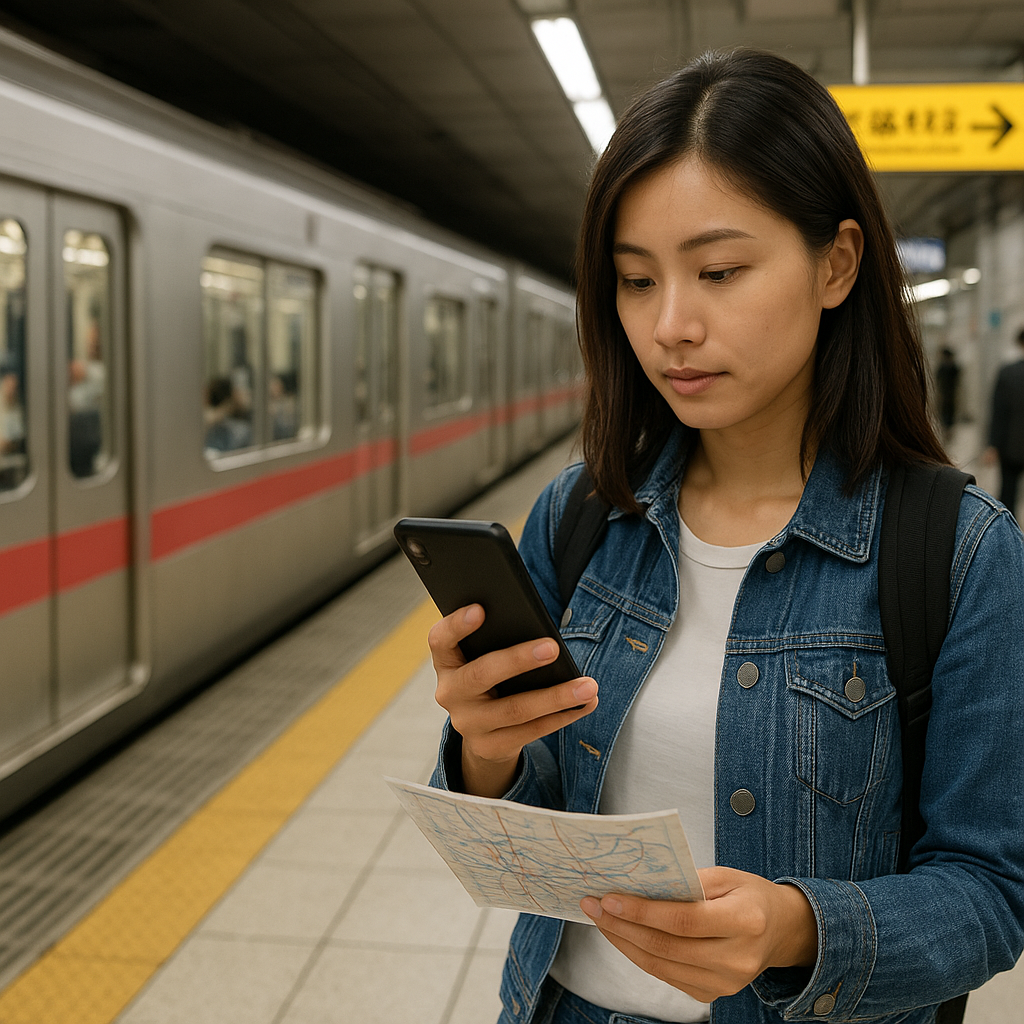
Download navigation apps like Google Maps or Japan Transit Planner. They display train arrival times, platform numbers, and estimated walking times for transfers. Opt for “least transfers” when you have heavy luggage or prefer a more direct route.
3. Master Rush-Hour Strategies
Tokyo’s rush-hour crush spans roughly 7:30–9:30 AM and 5:00–7:00 PM on weekdays. If possible, schedule travel outside these windows. When unavoidable:
- Stand behind the painted guide arrows on the platform to allow exiting passengers to disembark first.
- Queue politely in marked lines along the platform edge; officers sometimes direct traffic during peak times.
- If you carry bulky items, position them near the end of the car to minimize obstruction.
Local Etiquette and Travel Courtesy
Adhering to unspoken rules ensures a respectful ride for everyone. Observe these customs to blend in seamlessly:
- Keep conversations quiet. Use silent mode on your phone and avoid speaking loudly.
- Avoid eating or drinking in cars—reserved only for long-distance trains.
- Priority seating is marked for elderly, pregnant, or disabled passengers. Vacate these spots promptly if someone in need boards.
- Line up before boarding and let passengers off before entering.
- Refrain from placing bags on adjacent seats; hold them on your lap or between your feet.
By showing consideration in crowded spaces, you’ll earn nods of appreciation from locals and enjoy a more efficient commute.
Off-Peak Exploration and Hidden Gems
Beyond the tourist hotspots, Tokyo’s subway opens doors to neighborhoods flourishing with unique experiences. Try these off-peak discoveries:
Shimokitazawa: Vintage Vibes
On the Odakyu or Keio Inokashira lines, exit into a district brimming with second-hand boutiques, indie cafés, and live music venues. Wander side streets for quirky shops and street art.
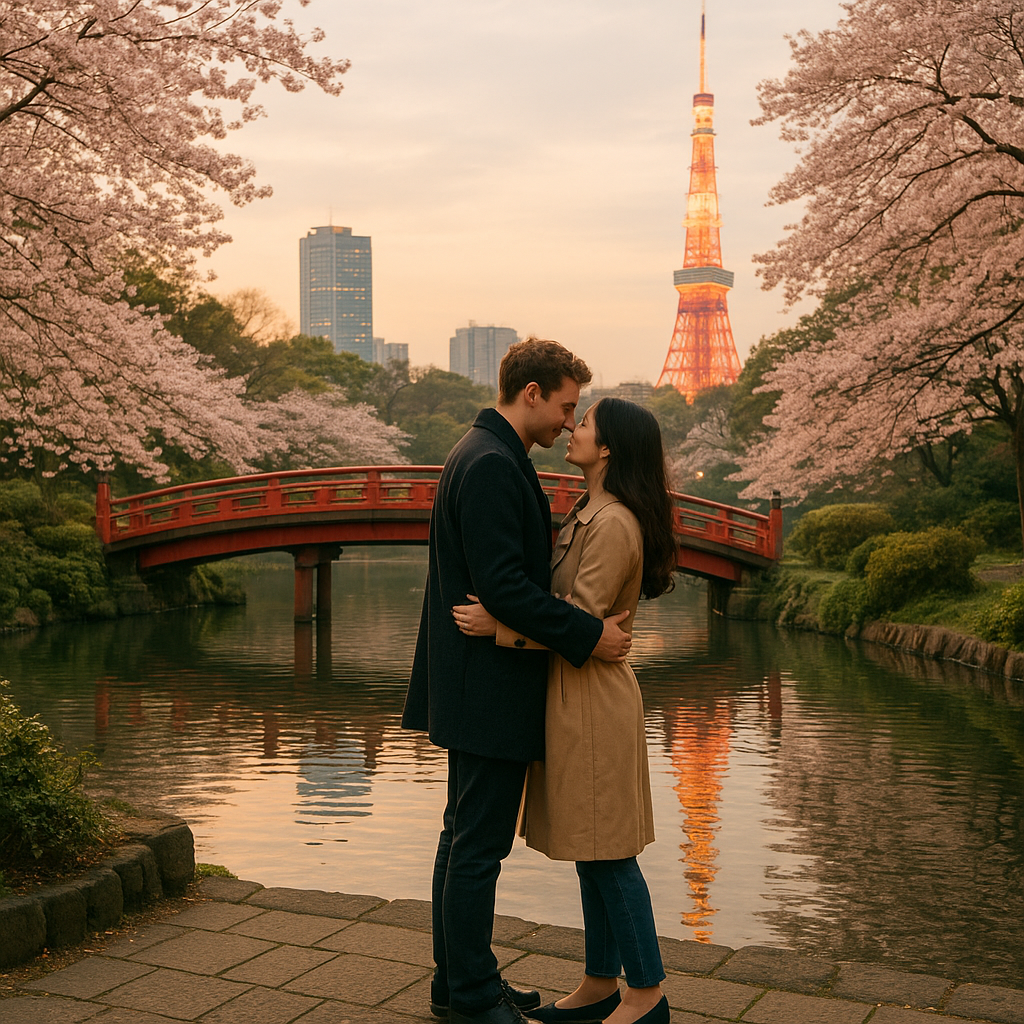
Nakameguro: Cherry Blossom Paradise
Hop off the Hibiya Line at Nakameguro Station to stroll alongside the Meguro River. In spring, rows of cherry trees create a pastel canopy, perfect for a leisurely picnic.
Tsukishima: Monja Alley
Alight at Tsukishima Station on the Oedo Line and wind through narrow lanes lined with storefronts specializing in monjayaki—a savory, gooey pancake best enjoyed at a tabletop grill. Locals share tips on the airiest batter textures.
Kiyosumi-Shirakawa: Coffee Culture
Accessible via the Hanzomon or Oedo lines, this up-and-coming neighborhood offers specialty coffee roasters and minimalist cafés. Sample single-origin brews and chat with baristas about their craft.
Safety and Connectivity Tips
Tokyo’s subway is renowned for punctuality and safety, but a few pointers will further streamline your journey:
- Stay within station boundaries until your train arrives. Escalators and passageways can close early in some smaller stations.
- If you miss the last subway (usually around midnight), look for all-night bus services or ride-share apps. Keep your IC card balance above zero to avoid last-minute top-ups.
- Emergency buttons on platforms allow you to alert staff. Station attendants often speak basic English and can guide you during delays.
- Most platforms are equipped with platform doors for added safety. Stand clear until they open in sync with train doors.
Whether you’re commuting daily or embarking on a one-time adventure, understanding the nuances of Tokyo’s subway will elevate your travel experience. Embrace the harmony of punctual trains, respectful passengers, and a network designed for efficient exploration, and you’ll find yourself navigating like a local in no time.