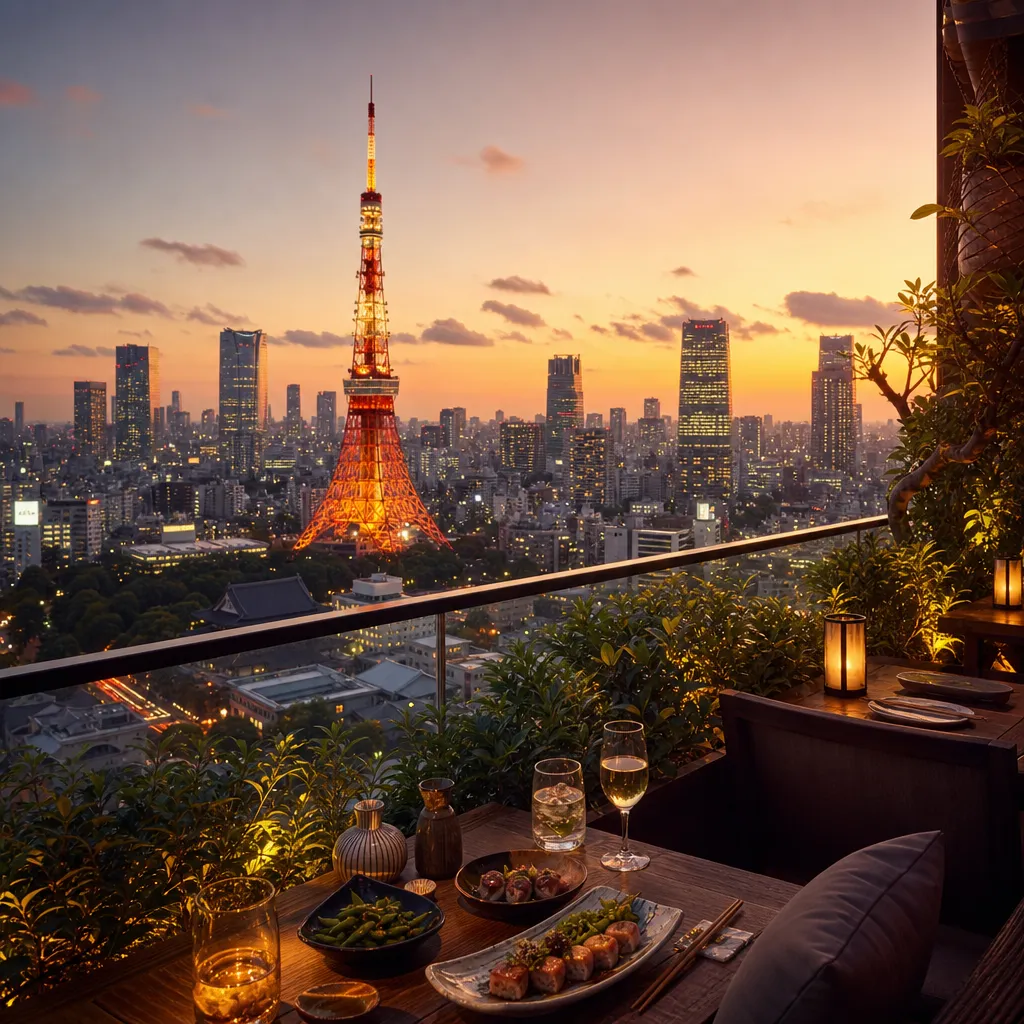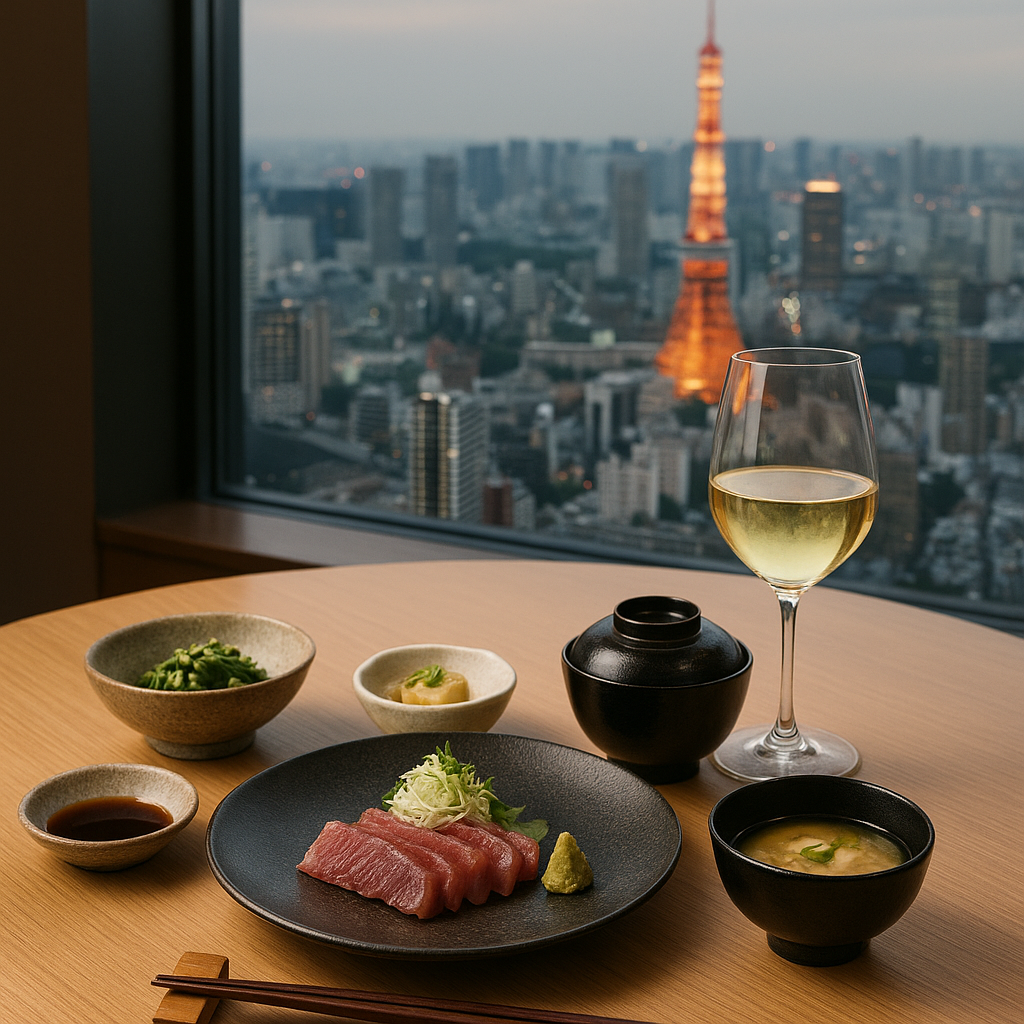
Tokyo stands as a testament to culinary excellence, offering an unparalleled panorama of dining experiences that have earned this metropolis its status as a global gastronomic capital. From hidden alleyway counters to sprawling luxury establishments, the city’s relationship with the Michelin Guide reflects its unwavering passion for quality, creativity, and authenticity. This guide will navigate you through the multifaceted world of Michelin-starred dining in Tokyo, uncovering the secrets behind its most celebrated venues, the techniques that define its masterpieces, and practical advice for explorers eager to embark on a memorable epicurean journey.
Gastronomic Landscape of Tokyo
Tokyo’s culinary tapestry weaves traditional flavors with bold experimentation. At its core lie venerable institutions dedicated to sushi craftsmanship and kaiseki artistry, where each course tells a story of heritage and seasonality. Yet alongside these pillars, cutting-edge chefs hatch daring creations in intimate kitchens, pushing the boundaries of taste and texture.
- Micro-restaurants: Often seating fewer than ten guests, these venues focus intensely on the chef’s personal vision.
- Omakase counters: Patrons relinquish control to the chef, guaranteeing a personalized progression of dishes.
- Fine dining: Grandiose settings where every detail—from tableware to lighting—contributes to a multisensory event.
As you stroll through districts like Ginza, Roppongi, and Nihonbashi, you’ll notice plaques discreetly announcing Michelin distinctions. Yet, many stellar destinations thrive in the backstreets of Ebisu, Kanda, and Tsukiji Outer Market. Here, the devotion to umami shines brightest—whether in a simmered broth, a grilled fish, or a meticulously plated dessert. For visitors, understanding this expanse of choices is paramount. Recognizing the interplay between price, setting, and menu type will ensure that expectations align with realities.
Tradition and Innovation in Tokyo’s Cuisine
At the heart of Tokyo lies an enduring respect for time-honored methods. In a bustling city that never sleeps, sushi chefs train for decades, honing their knife skills and mastering fish selection. Rice—often overlooked by novices—receives meticulous care in temperature, seasoning, and polishing, forming the foundation for every bite. Similarly, kaiseki chefs follow seasonal rhythms, sourcing ingredients from local markets and purveyors to craft harmonized, multi-course meals.
Concurrently, Tokyo inspires a wave of innovation. Busier palates have led to fusion experiments: French techniques meet Japanese precision, and molecular gastronomy coexists with rustic izakaya fare. In neighborhoods like Shimokitazawa and Daikanyama, casual eateries reinterpret ramen, tsukemen, and tempura with avant-garde twists, while high-end laboratories of taste introduce smoky infusions, freeze-dried foams, and edible art.
- Preservation techniques: From fermentation to pickling, old-school practices yield tangy complexity.
- Modern tools: Sous-vide machines and anti-griddles refine textures to unprecedented levels.
- Flavor layering: Chefs merge sweet, salty, sour, and bitter components to produce depth and contrast.
By juxtaposing tradition with contemporary flair, Tokyo forges a culinary dialogue that honors its roots while boldly venturing into unexplored realms. Diners can sample Edo-period recipes perfected over centuries and then hop to an ultra-sleek lounge serving deconstructed matcha desserts.
Exploring Michelin-Starred Restaurants
Navigating Tokyo’s Michelin realm can feel overwhelming, with over 200 starred spots scattered across the metropolis. To streamline your selections, consider these categories:
- Sushi perfection: Classic counters where masters serve tuna, uni, and toro at the apex of freshness.
- Kaiseki sanctuaries: Reservation-only temples of seasonality, each dish a poem in taste and appearance.
- Ramen reinventions: One-star or Bib Gourmand shops reshaping the noodle tradition.
- International fusion: Global influences woven into Japanese sensibilities, from Italian-Japanese trattorias to Franco-Japanese bistros.
When selecting destinations, it’s helpful to review recent Michelin announcements, chef interviews, and local food reviews. Many guides note whether tasting menus include rare ingredients like matsutake mushrooms, live abalone, or premium wagyu beef. Keep an eye out for chef-driven pop-ups and limited-run collaborations—events that often garner special mentions from critics and quickly book out.
For budget-conscious travelers, the Michelin Guide also highlights fine dining experiences under fixed-price thresholds. These “value” finds preserve the highest standards of cooking without the steep premiums of grand establishments. Whether you splurge on a 20-course tasting menu or enjoy a simplified Lexus-branded ikura don, each moment in a Michelin-starred venue promises a narrative of excellence.
Etiquette, Reservations, and Practical Tips
Securing a seat at Tokyo’s most coveted tables demands strategy and foresight. Here are essential pointers to ensure smooth sailing:
Reservation Protocol
- Book at least one month in advance for three-star restaurants; two weeks may suffice for one- or two-star spots.
- Use authorized booking platforms or enlist hotel concierge services, which have established lines of communication with top kitchens.
- Confirm dietary restrictions early—many chefs prefer to tailor the seasoning and courses in advance.
Dining Etiquette
- Arrive punctually; being even five minutes late can disrupt the kitchen’s rhythm.
- Dress code varies: business casual is standard, while ultra-formal venues may request jackets for men.
- Avoid strong perfumes or colognes, as they can overpower delicate flavors.
- Express gratitude: a simple “Arigatō gozaimashita” resonates deeply with Japanese chefs and staff.
Budget and Timing
- Lunch menus are often more affordable than dinner but can sell out faster.
- Set aside extra yen for sake pairings—overall, beverage selections can double the meal cost.
- Consider visiting during off-peak seasons (late autumn or early spring) to secure better availability and milder weather.
By respecting local customs, understanding the nuances of high-end Japanese service, and meticulously planning your reservation strategy, you’ll unlock the door to some of the world’s most revered culinary experiences. Every bite in Tokyo emphasizes the devotion of its chefs to craft, the precision of ingredients, and the harmony of presentation.