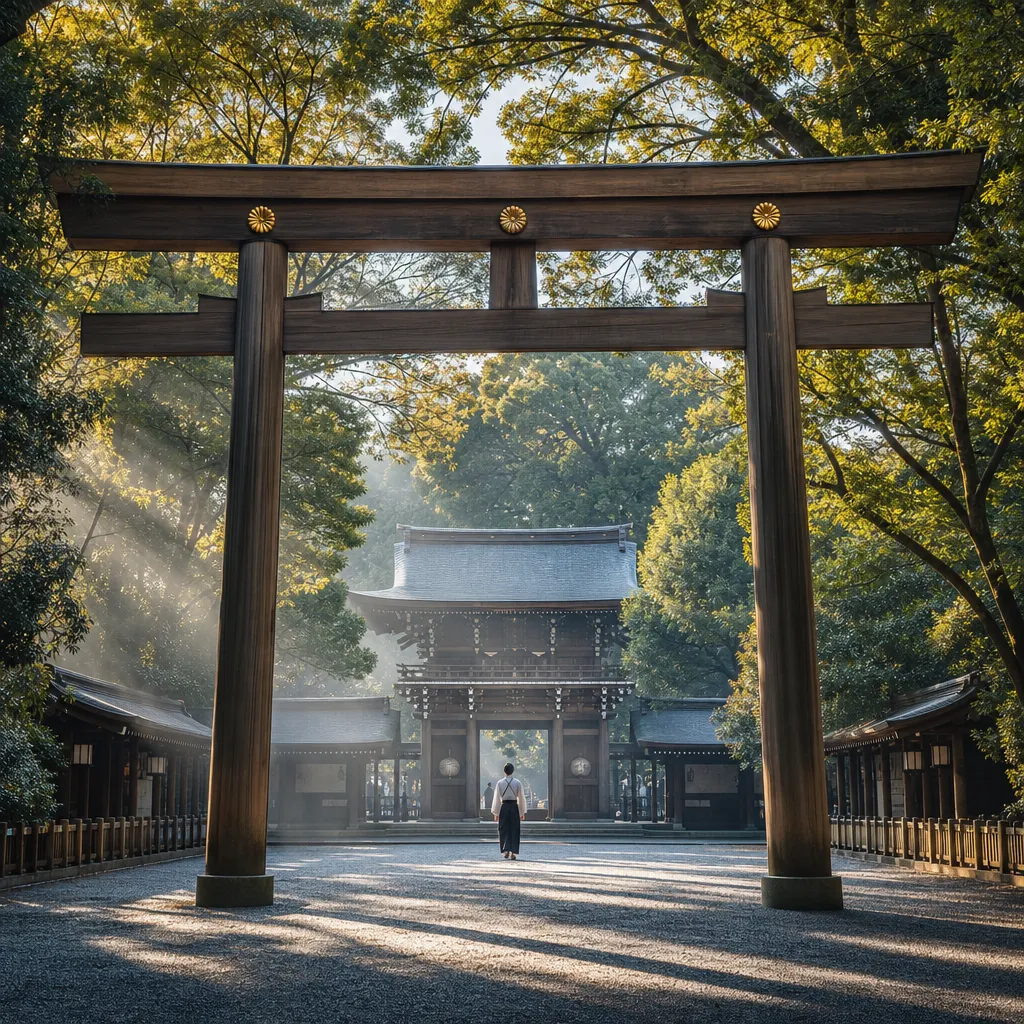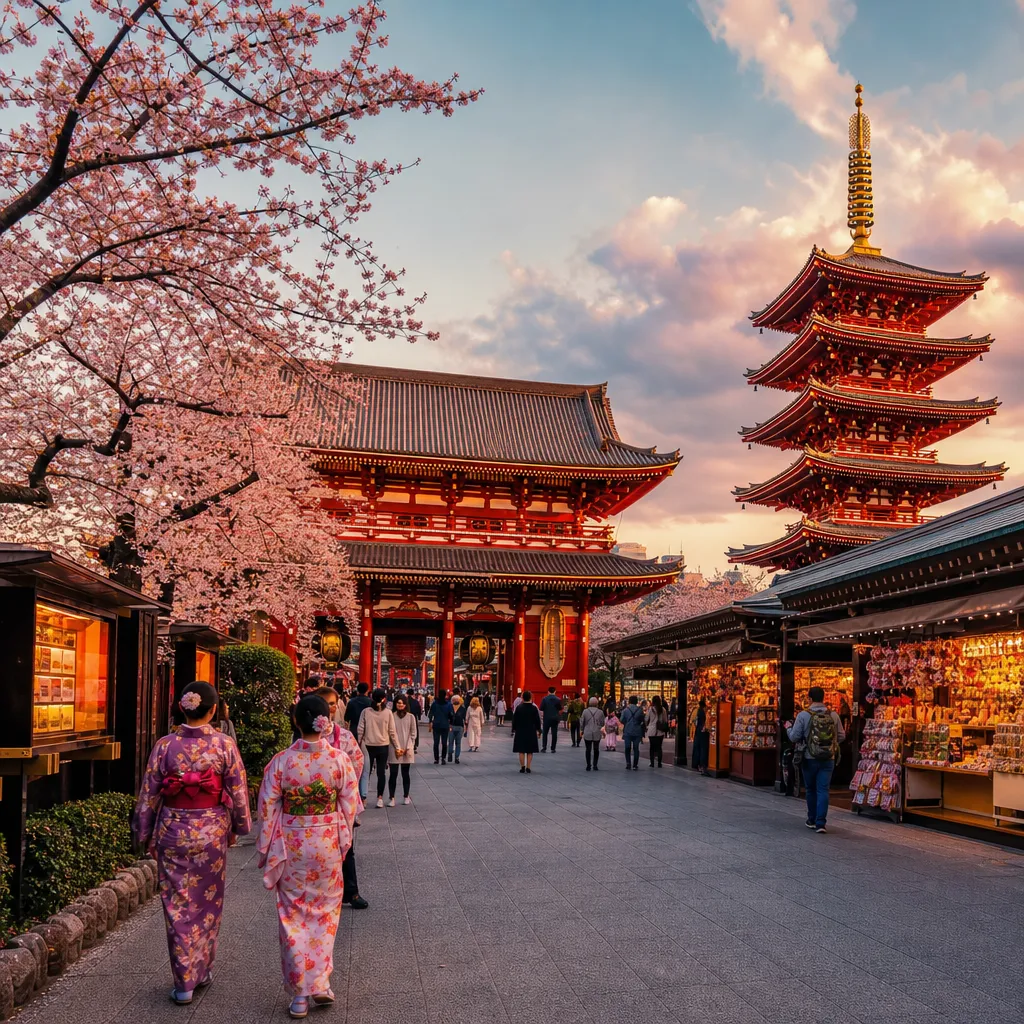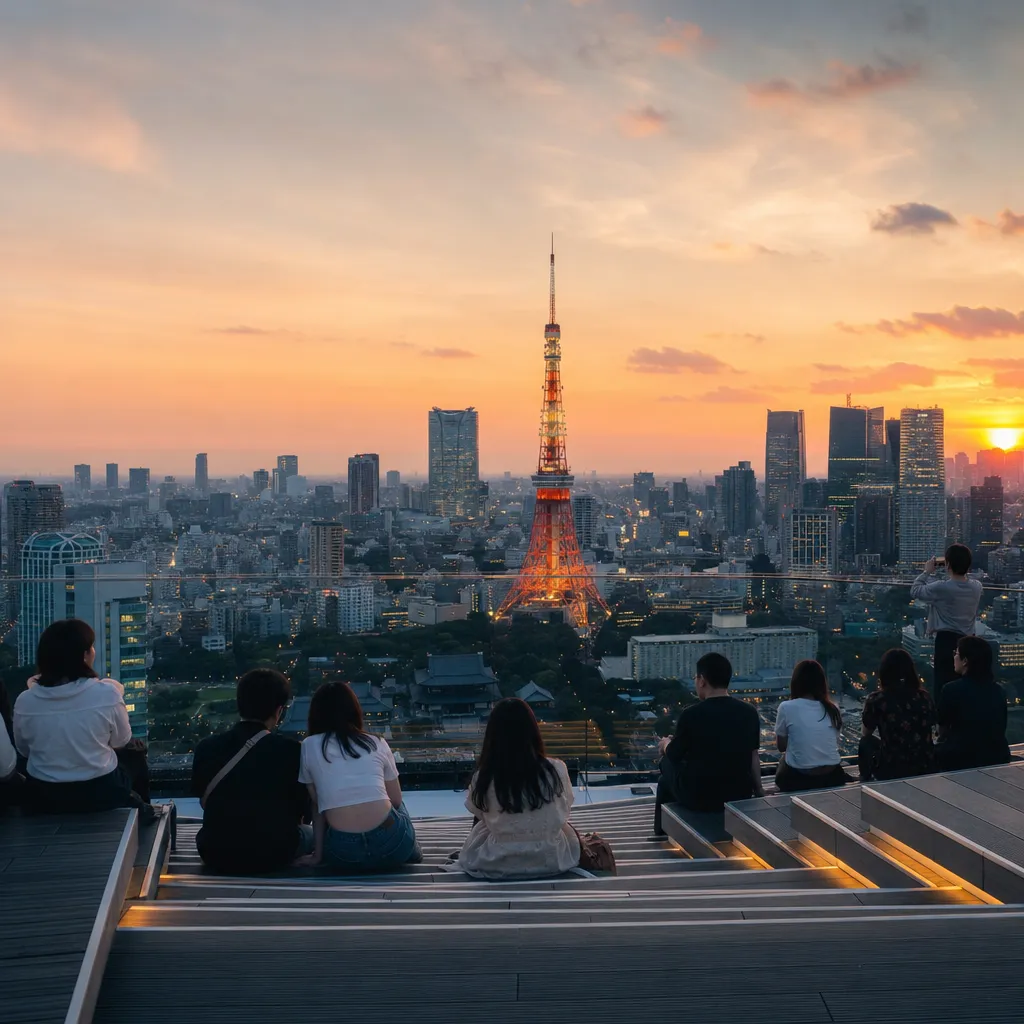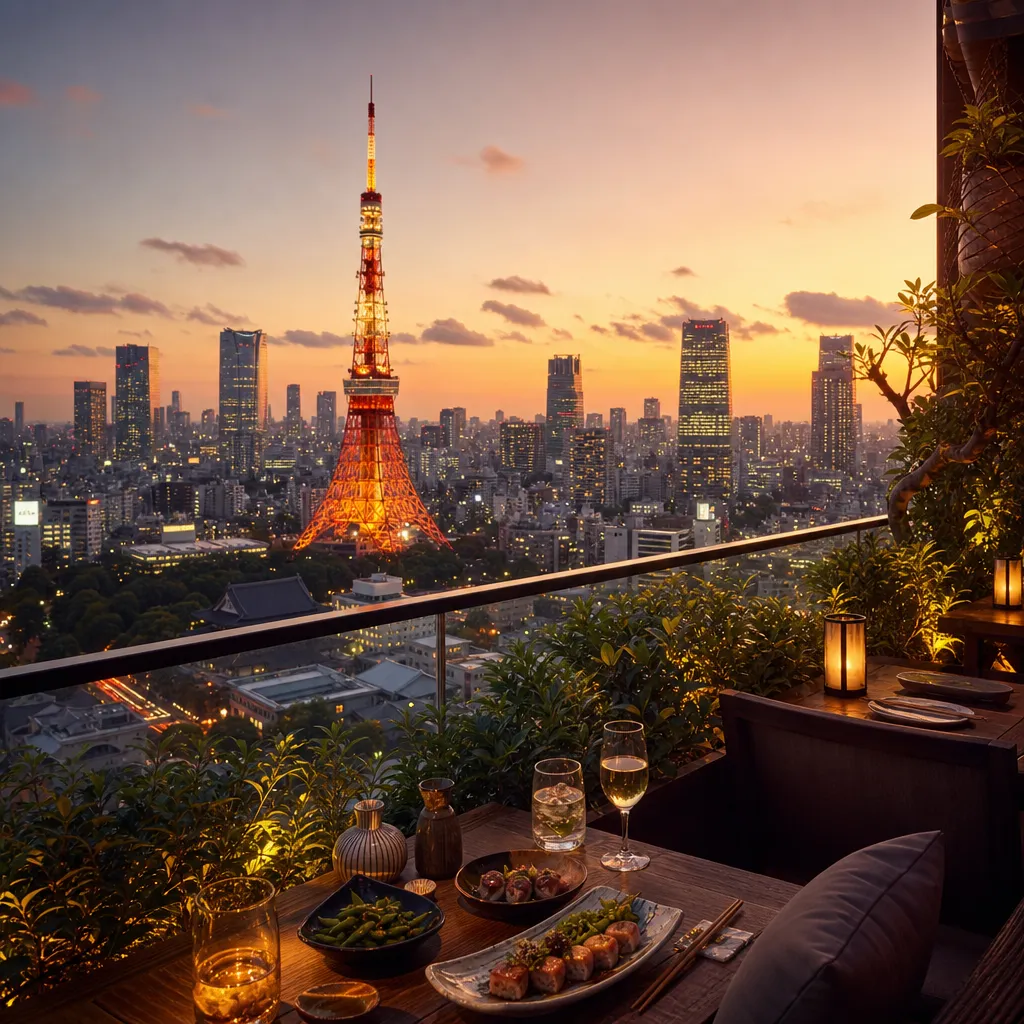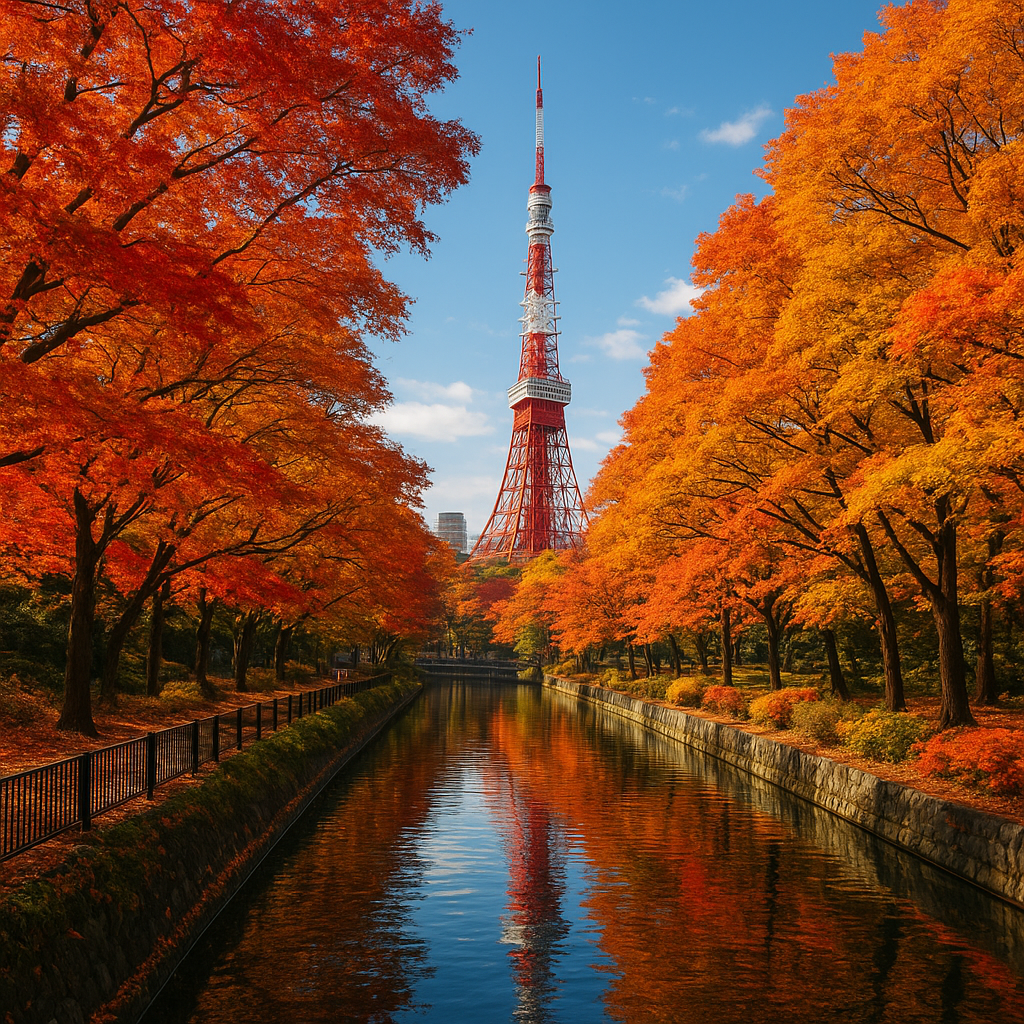
As the crisp air of autumn settles over Tokyo, the city transforms into a living canvas of brilliant reds, golds, and oranges. From the bustling streets of Shibuya to the tranquil pathways of suburban parks, the foliage season reveals a side of Tokyo that feels both serene and alive. In this guide, discover where to witness the best leaves displays, uncover hidden spots beyond the usual tourist trails, and gather practical advice to make your stroll through autumn’s wonders truly unforgettable.
Top Foliage Destinations in Central Tokyo
Meiji Jingu Gaien Ginkgo Avenue
Meiji Jingu Gaien boasts one of Tokyo’s most iconic autumn scenes: a mile-long avenue lined with over 150 ginkgo trees. Each fall, these trees turn a vivid shade of yellow, creating a radiant tunnel that attracts photographers and locals alike. The peak usually occurs in mid to late November. Arrive early to capture the soft morning light filtering through the leaves, or enjoy a leisurely cycle along the path while sipping warm coffee from a nearby café.
Shinjuku Gyoen National Garden
Spanning over 58 hectares, Shinjuku Gyoen offers a harmonious blend of Japanese, English, and French garden styles. In autumn, the Japanese landscapes come alive with momiji (Japanese maple) turning deep red. Don’t miss the large pond area, where crimson reflections dance on the water’s surface. Weekdays are less crowded, making it ideal for photographers seeking that perfect, undisturbed shot.
Rikugien Garden
A masterpiece of Edo-period landscape design, Rikugien is renowned for its “six poems” stroll garden. The collection of ponds, hills, and teahouses sets a poetic stage for its vibrant autumn display. Evening illumination events in late November and early December add a magical dimension—lantern-lit paths and glowing trees create an ethereal atmosphere that feels almost otherworldly.
Hidden Gems and Suburban Retreats
Koishikawa Korakuen
Often overshadowed by its larger neighbor, this historic garden offers a quiet retreat from the city’s bustle. Stone lanterns, streams, and carefully sculpted trees set off the autumn hues, especially the maples surrounding the central pond. Visit during weekday afternoons to enjoy near-solitude.
Inokashira Park
Located in Kichijoji, Inokashira Park combines natural beauty with a touch of bohemian flair. Rent a rowboat on the lake and drift past banks of maple and zelkova trees. The area around the Benzaiten Shrine, framed by fiery foliage, is a photographer’s dream. Pop into nearby streets for artisanal coffee or local snacks after your stroll.
Showa Kinen Park
Just 20 minutes from Tachikawa Station, this vast park transforms into an autumn wonderland. The Japanese garden section shines with maple and plum trees ablaze in red and gold. Nearby, the ginkgo groves by the canal present a golden carpet underfoot. Weekend illumination events highlight selected areas, allowing for late-night exploration of glowing paths.
Mount Takao
For those craving a blend of hiking and foliage viewing, Mount Takao’s well-marked trails ascend through colorful woods. The summit offers panoramic views of a sea of autumn trees, with Tokyo’s skyline in the distance. Mid-November weekdays are best for avoiding the weekend crowds. After descending, reward yourself with a soak in a traditional onsen at the mountain’s base.
Practical Tips for Autumn Excursions
- Timing: Peak colors typically occur from late October to early December, varying by elevation and location. Monitor local foliage forecasts for precise dates.
- Transportation: Many parks are accessible via Tokyo Metro or JR lines. Consider off-peak travel hours to avoid crowded trains.
- Photography: Early morning and late afternoon offer the best light. Use a polarizing filter to reduce glare and intensify colors on sunny days.
- Attire: Layered clothing helps adapt to cool mornings and warmer midday temperatures. Comfortable walking shoes are essential for uneven garden paths and hiking trails.
- Crowd Avoidance: Weekdays are generally quieter. If you must visit on weekends, aim for early entry; many gardens open by 9:00 AM.
- Etiquette: Stay on designated paths, avoid picking leaves, and respect garden rules. Some sites require an admission fee; have cash on hand.
- Local Flavors: Sample seasonal treats like sweet potato ice cream (imo soft) and chestnut pastries at nearby stalls or tea houses within park grounds.
- Illumination Events: Many gardens offer special night-time lighting displays. Confirm dates and purchase tickets in advance if required.
Celebrating Autumn Culture in Tokyo
Tea Ceremony Amidst Falling Leaves
Participating in a traditional tea ceremony surrounded by autumn colors heightens the sensory experience. Venues such as the tea house in Shinjuku Gyoen or the small tearoom in Rikugien allow guests to enjoy matcha while gazing out at vibrant foliage framed by shoji screens.
Seasonal Festivals and Markets
Autumn festivals (matsuri) often feature food stalls serving grilled mochi, sweet chestnuts, and sake warmers. Visit local event calendars for happenings at Meiji Shrine or neighborhood shrines in Koenji and Asagaya. Farmers’ markets in Yoyogi Park also showcase seasonal produce and handcrafted goods.
Art and Foliage Fusion
Museums like the Nezu Museum in Aoyama incorporate garden spaces where contemporary art pieces contrast with natural scenery. Exhibition schedules often align with seasonal changes, offering a unique blend of culture and nature.