Amidst the neon-lit avenues and serene temple grounds, Tokyo reveals a playground for avant-garde art enthusiasts. This metropolis seamlessly fuses centuries-old traditions with cutting-edge technology, giving rise to some of the world’s most jaw-dropping interactive and immersive masterpieces. From sprawling digital galaxies that react to every step, to intimate exhibits where ancient motifs come alive through projection mapping, Tokyo’s art scene is a living testament to boundless creativity and relentless innovation.
Exploring the Cutting-Edge Digital Art Scene
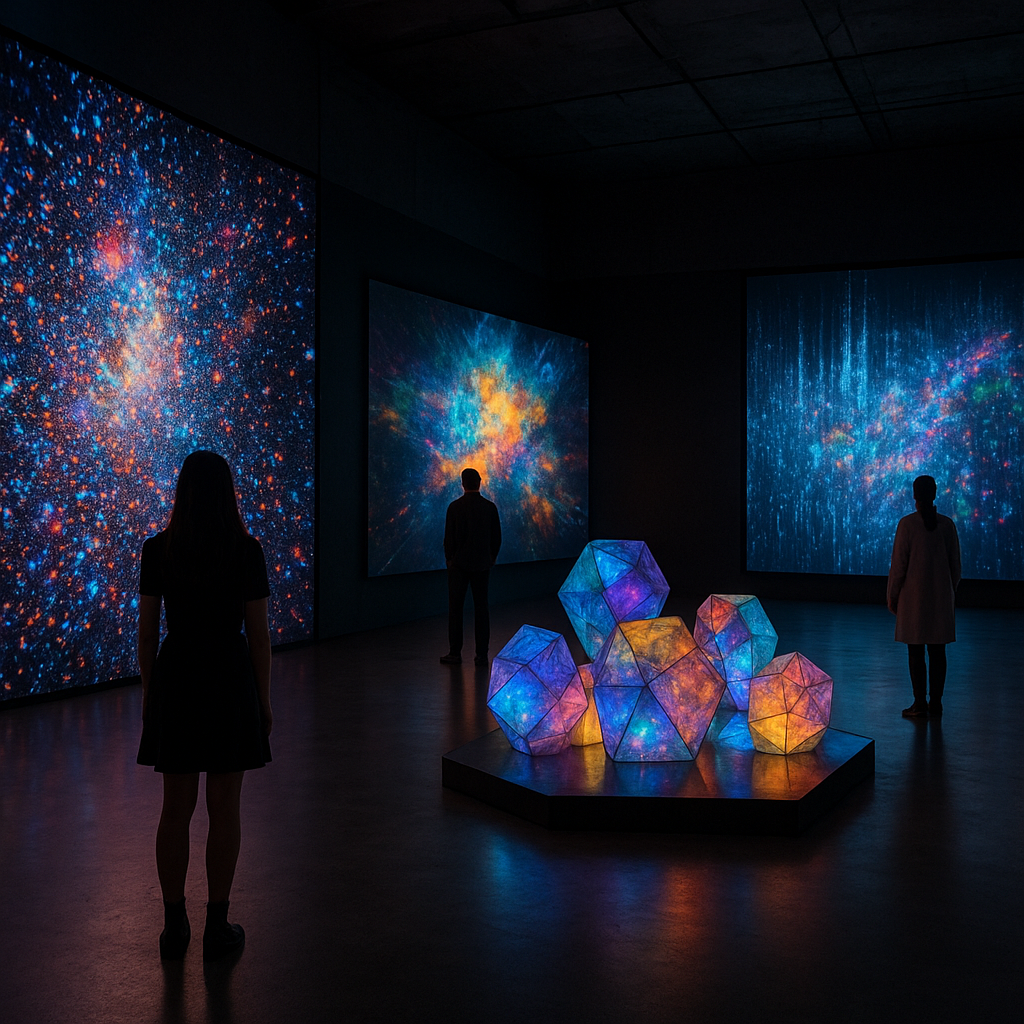
Tokyo’s reputation as a global trendsetter extends to its vibrant digital galleries. Here, pixels serve as paintbrushes, and code constructs entire universes. Venues like the Mori Building Digital Art Museum in Odaiba showcase immersive installations that dissolve the barrier between spectator and canvas.
- teamLab Borderless: Experience rooms filled with floating lanterns that drift with your movement, or digital creatures that roam the walls. The absence of borders means you can wander freely from one installation to another, each offering a unique sensory encounter.
- Ephemeral Projections at MORI Building Digital Art Museum: Walls become living tapestries as traditional Japanese patterns shift and bloom. Visitors often find themselves surrounded by swirling sakura petals or towering bamboo forests.
- VREX VR Lounge: Slip on a headset and dive into futuristic landscapes. Whether you’re piloting a mech or exploring an alien planet, this exhibit delivers high-octane thrills alongside soothing, meditative sequences.
These attractions highlight Tokyo’s willingness to push the boundaries of what constitutes exhibits, transforming static galleries into kinetic playgrounds. The fusion of sensor networks, real-time rendering, and AI-driven reactions ensures that no two visits are ever the same. Enthusiasts often describe their journey as stepping into an ever-evolving tapestry of light and sound, where each heartbeat may trigger flowers to bloom or stars to scatter across the ceiling.
Immersive Installations Blending Tradition and Technology
Beyond purely digital galleries, Tokyo’s art world also excels at weaving modern media into the fabric of ancient culture. Traditional craftsmanship meets interactive screens and projection mapping, creating experiences that resonate on multiple sensory levels.
Art by Craft at Asakusa
In the historic district of Asakusa, artisans collaborate with digital artists to bring Edo-period motifs to life. One standout piece involves handheld tablets that overlay animated ukiyo-e patterns onto handcrafted woodblock prints. As the viewer tilts the device, dragons coil and cherry blossoms drift across the page.
Light Festivals and Temple Grounds
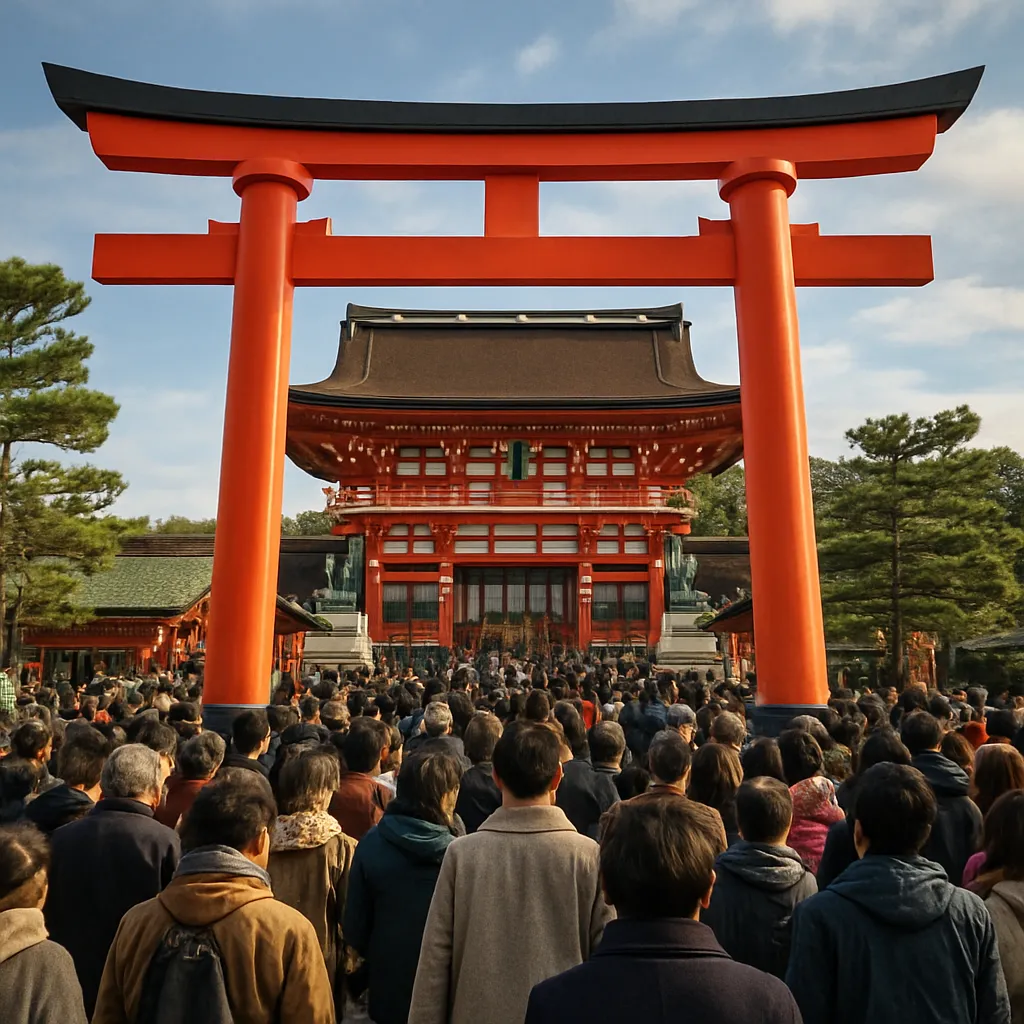
Throughout the year, temples like Senso-ji host seasonal illumination events. Ancient gates and lantern-lined pathways glow in kaleidoscopic hues courtesy of synchronized laser projectors. Visitors walk beneath a canopy of color, where every step triggers a subtle shift in light intensity or hue, creating a dynamic dialogue between old and new.
- Gojozaka Ceramics Light-Up: Traditional pottery glazing techniques are showcased under UV lighting, revealing hidden patterns and pigments.
- Modern Noh Performance: Dancers wear LED-embedded masks that respond to musical cues, seamlessly integrating centuries-old performance art with contemporary innovation.
These hybrid installations demonstrate Tokyo’s ability to preserve its rich heritage while embracing next-generation culture. By inviting audiences to interact with historical artifacts in unprecedented ways, artists cultivate a deeper appreciation for both the past and the future. The result is an emotionally resonant journey that lingers long after the exhibit ends.
Art Districts and Emerging Talent
While major attractions draw huge crowds, Tokyo’s smaller galleries and pop-up spaces are hotbeds of experimentation. Neighborhoods such as Roppongi, Daikanyama, and Nakameguro boast intimate venues where rising stars unveil bold, sometimes provocative creations.
- Kaikai Kiki Gallery in Roppongi: Founded by a pioneering digital artist, this space champions boundary-pushing talent. Expect large-scale sculptures that integrate RFID sensors, permitting viewers to influence lighting patterns with their presence.
- Daikanyama Hillside Terrace: A cluster of minimalist structures houses rotating exhibitions of motion-based art. One recent show featured floating drones painting in mid-air, leaving ephemeral trails of light.
- Nakameguro Canal Art Walk: Along the water’s edge, pop-up stalls and projection screens showcase short experimental films and digital collages. Street musicians often set up nearby, weaving live soundscapes into the visual presentations.
These districts offer a ground-level view of Tokyo’s future art luminaries. Unlike destination galleries, the ambiance here feels spontaneous and immersive, as if creativity leaks from every corner. Wandering through these lanes, you might stumble upon an audio-reactive mural or a holographic performance that blurs the line between fantasy and reality.
Visitor Tips for the Ultimate Experience
To fully appreciate Tokyo’s dynamic art environment, a bit of planning can go a long way.
- Reserve in Advance: Popular digital museums often require timed-entry tickets. Book weeks ahead to secure prime slots, especially for evening sessions when lighting effects are most striking.
- Check Seasonal Events: Many installations rotate throughout the year. Subscribe to gallery newsletters or follow local art blogs to stay updated on limited-run exhibits in hidden venues.
- Embrace Multisensory Layers: Bring noise-cancelling headphones or rent audio guides to capture sound-based components. Some installations rely on subtle audio cues that deepen emotional engagement.
- Respect Interaction Guidelines: While touching certain sensors or screens is encouraged, others may be motion-sensitive zones meant for viewing only. Signs are typically bilingual but feel free to ask staff for directions.
- Combine Art with Leisure: Many galleries are near eclectic cafés and rooftop bars. Plan to linger, discussing each exhibit over coffee or craft cocktails infused with yuzu and matcha flavors.
Whether you’re a seasoned art lover or a curious first-timer, Tokyo offers an ever-shifting tableau of installations and exhibits that challenge perceptions and ignite the imagination. Prepare to lose yourself in a city where light, sound, tradition, and technology converge in a spectacular celebration of human ingenuity.