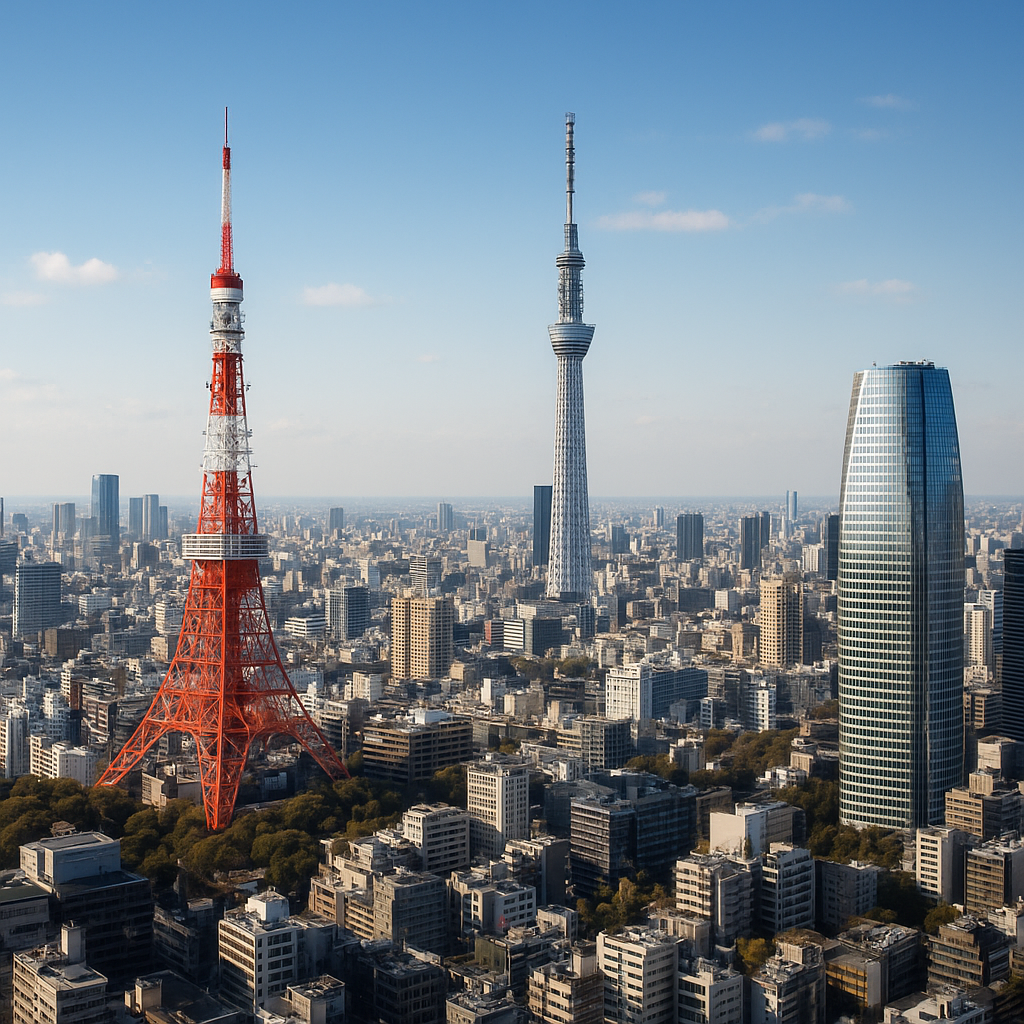
Tokyo’s ever-evolving skyline offers some of the most breathtaking vantage points in the world. From modern megastructures that reach for the sky to historic towers that have watched over the city for decades, these platforms provide both first-time visitors and seasoned travelers with unrivaled panoramas of the sprawling metropolis. Whether you’re chasing sunrise hues, city lights at dusk, or the iconic Mount Fuji silhouette on a clear day, Tokyo’s observation decks and towers deliver unforgettable views.
Tokyo Skytree: Reaching for the Heavens
Architectural Marvel
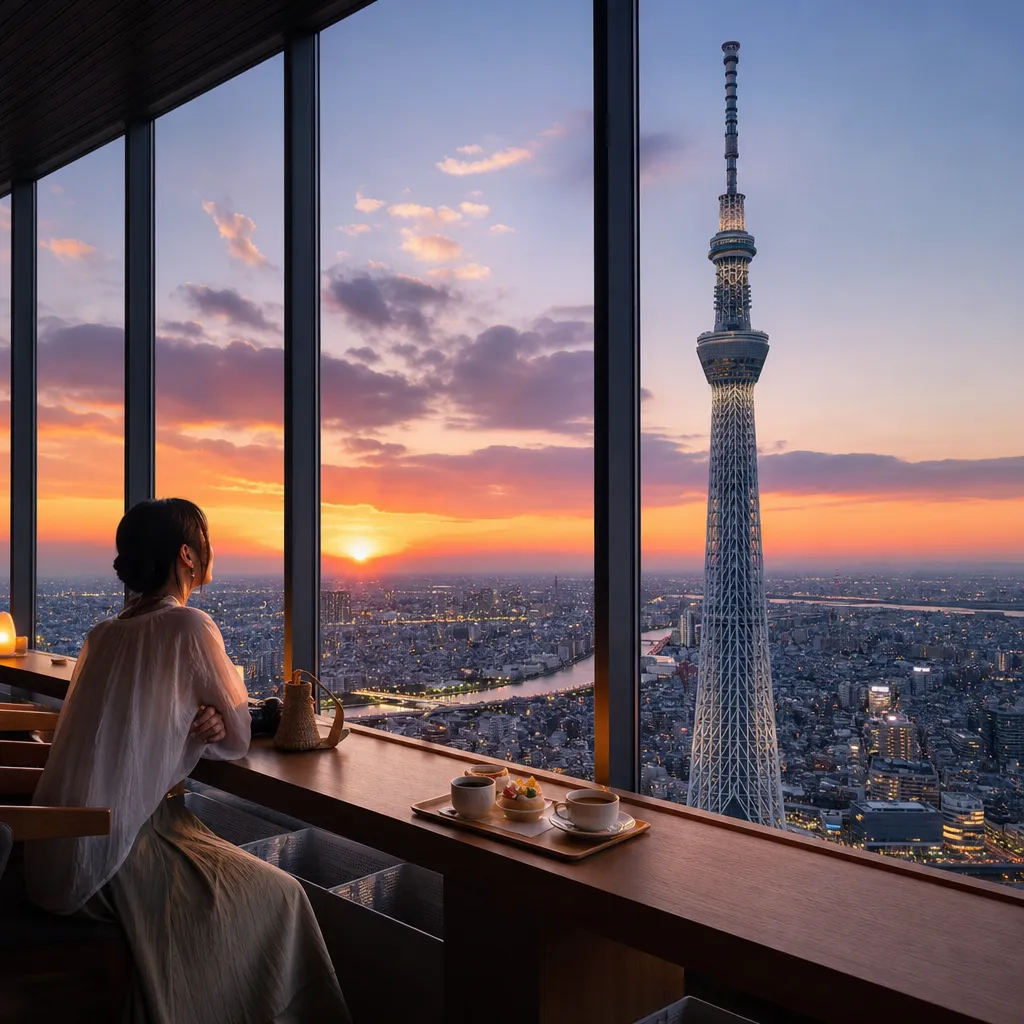
Standing at a staggering height of 634 meters, Tokyo Skytree is an emblem of cutting-edge architecture and an unmissable attraction. Since its opening in 2012, it has become the tallest tower in Japan and the second-tallest structure in the world. Its sleek design, inspired by traditional Japanese pagodas and neo-futuristic aesthetics, dominates the skyline of the Sumida district.
Observation Decks and Attractions
- Tembo Deck (350m): A triple-decked platform with floor-to-ceiling windows, offering 360° views.
- Tembo Galleria (450m): Known as the “world’s highest skywalk,” this gently spiraling corridor ascends along the tower’s circumference.
- Glass Floor Zone: Daredevils can peer straight down through reinforced glass to the city streets below.
- Restaurants & Cafés: Enjoy a meal or tea break with a panoramic backdrop, featuring both Japanese and Western cuisine.
The Skytree also houses a complex called Tokyo Solamachi, filled with boutiques, galleries, and an aquarium—ideal for extending your visit beyond mere sightseeing.
Icon of the East: Tokyo Tower and Its Timeless Appeal
Historical Significance
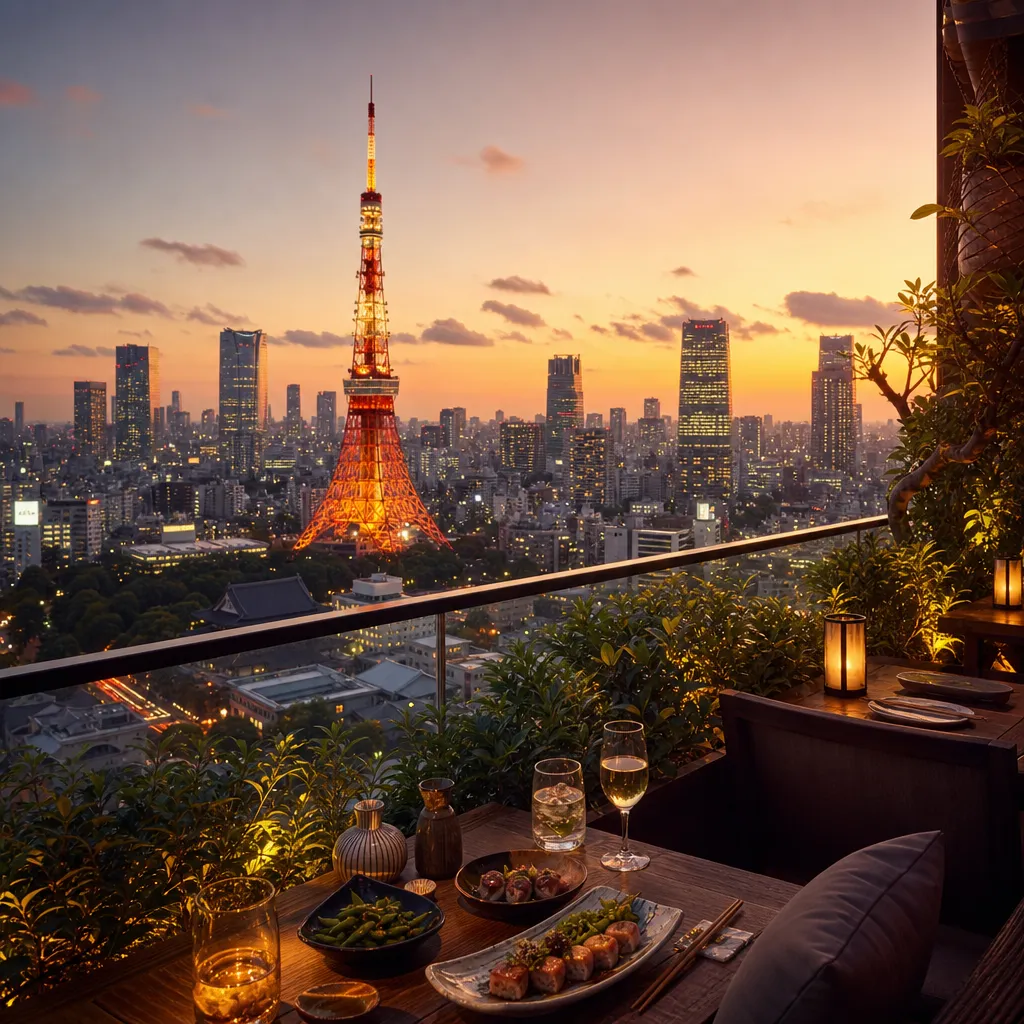
Since 1958, Tokyo Tower has served as both a broadcast antenna and a symbol of Japan’s post-war resurgence. Painted in striking white and international orange to comply with aviation safety regulations, it evokes Paris’s Eiffel Tower but boasts a unique local character that resonates with residents and visitors alike.
Deck Experiences
- Main Deck (150m): Located inside FootTown, with binoculars available for closer glimpses of landmark sites.
- Top Deck (250m): Ascend higher via a dedicated elevator for more expansive vistas, including glimpses of the Tokyo Bay area.
- FootTown Leisure Zone: A four-story building at the tower’s base featuring museums, restaurants, and a small shopping arcade.
By night, Tokyo Tower is illuminated in various color schemes to mark special events or seasonal celebrations. A visit after sunset reveals an illuminated giant that rivals the City of Lights in its romantic glow.
Hidden Gems: Lesser-Known Viewing Platforms
Tokyo Metropolitan Government Building
Nestled in Shinjuku’s vibrant ward, this twin-tower complex offers free observation decks at 202 meters on the 45th floor. Both the North and South towers welcome tourists daily, providing a budget-friendly way to savor Tokyo’s horizon. On clear days, you may spot Mount Fuji to the west and the skyline of Shinjuku’s own high-rise district directly below.
Roppongi Hills Mori Tower
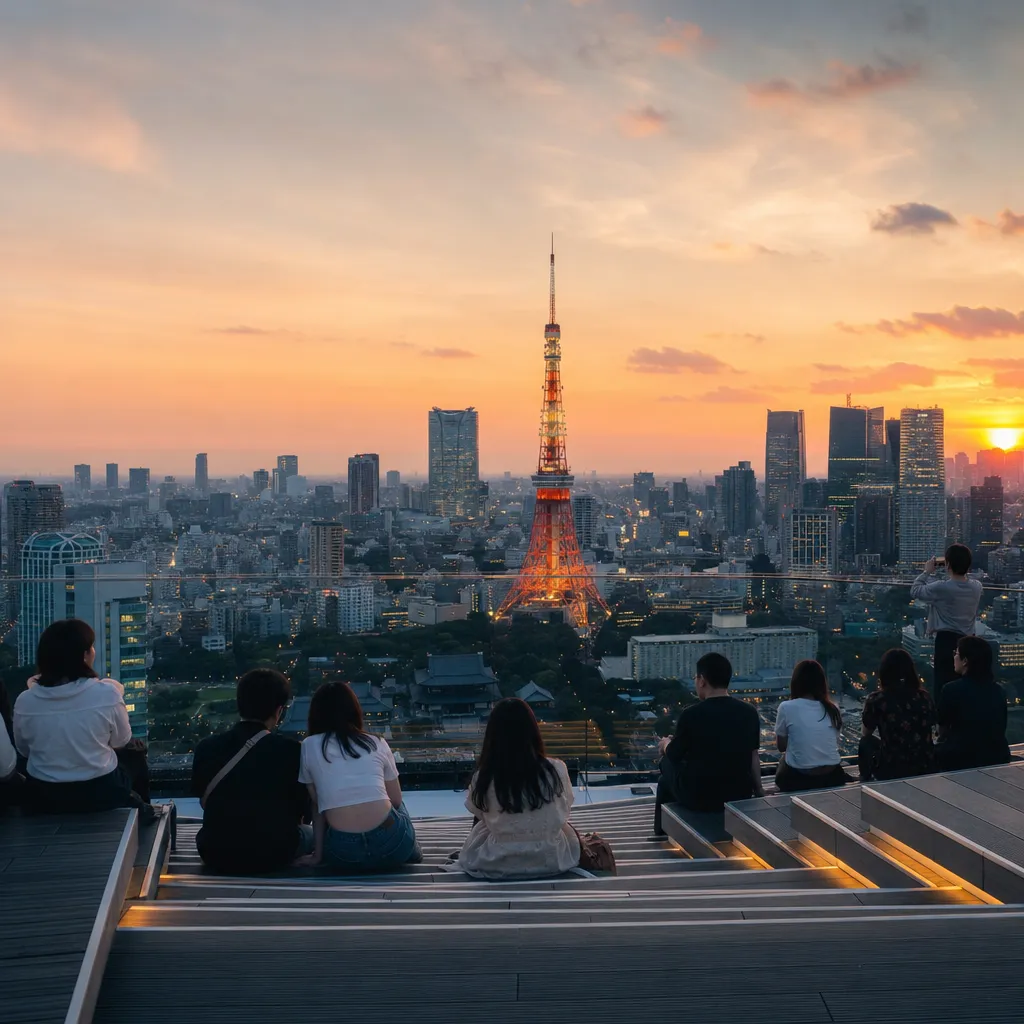
Ascend to the 52nd-floor deck and the rooftop Sky Deck of the Mori Tower for a chic, contemporary perspective. The Mori Art Museum on the same floor often hosts rotating exhibitions, making it a perfect cultural complement to your elevated sightseeing. Lighting design after dark highlights Tokyo Tower in the distance, creating an enchanting fusion of landmarks.
Shibuya Sky
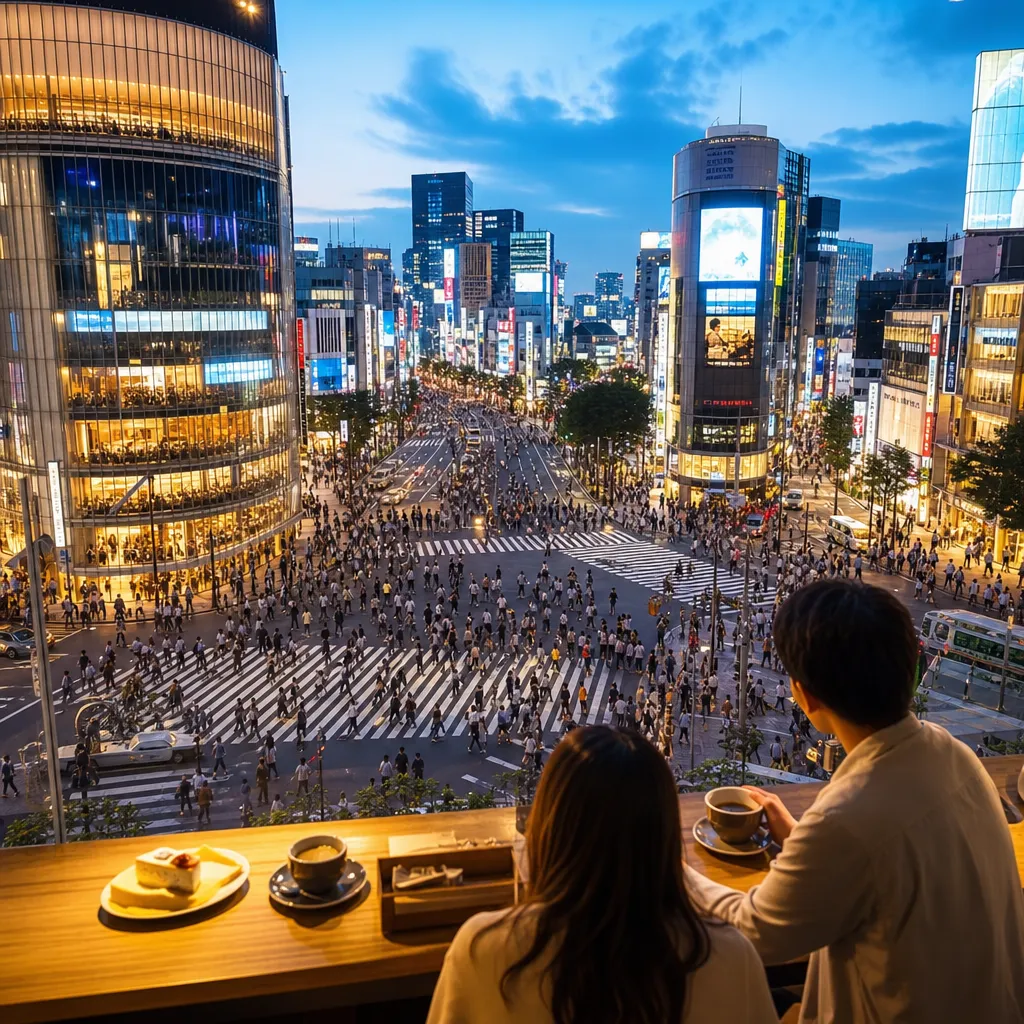
Perched atop the Shibuya Scramble Square complex, this modern terrace offers a 360° ledge with glass railings that immerse you in the frenetic energy of Shibuya Crossing. An interactive digital display provides real-time information about visible districts, seasonal events, and weather conditions, enhancing your immersive experience.
Comparing the Platforms: Features and Highlights
- Accessibility: Tokyo Skytree and Tokyo Tower offer elevators that whisk visitors up in under a minute, while some municipal buildings may involve a brief security check or a flight of stairs.
- Dining Options: The Skytree’s Solamachi offers dozens of eateries, whereas smaller decks like the Metropolitan Government Building focus on quick snacks and vending machines.
- Ticketing: Advanced online reservations are recommended for Skytree’s highest deck, especially on weekends. Government Building decks operate on a first-come, first-served basis without charges.
- Best Times to Visit: Early morning visits minimize crowds and deliver crisp air for far-reaching views. Twilight slots capture golden-hour hues, and late evenings showcase Tokyo’s city lights in full splendor.
Under the Night Sky: Moonlight and City Lights
Tokyo transforms after dusk. Neon signs blaze, bridges and rivers illuminate, and the horizon becomes a tapestry of lights stretching into every ward. For a romantic outing, consider:
- Champagne at Skytree’s rooftop bar while the city twinkles below.
- Night view picnic on the uncovered Sky Deck at Roppongi Hills.
- Photographing the symmetrical glow of Tokyo Tower framed by cherry blossoms in spring.
Stargazing may be elusive in central Tokyo’s light-polluted skies, but the sheer scale of urban illumination creates its own kind of wonder, reminding visitors of the city’s vibrancy and energy.
Practical Tips for Your Visit
- Check weather forecasts; climbing fog or rain drastically reduces visibility.
- Purchase combo tickets for multiple decks or discounts if planning to visit several towers.
- Carry a light jacket; higher altitudes can feel surprisingly cool.
- Use public transportation—most towers are adjacent to major train or subway stations.
- Respect closing times; some decks shutter early even when restaurants stay open later.
Exploring Tokyo from above reveals not only the grandiosity of its urban sprawl but also the delicate interplay between tradition and innovation. From towering steel giants to civic buildings offering free panoramas, every platform tells a story about the city’s past, present, and future. Embrace Tokyo’s vertical dimension and see why these observation decks remain some of the most iconic attractions in Japan’s capital.