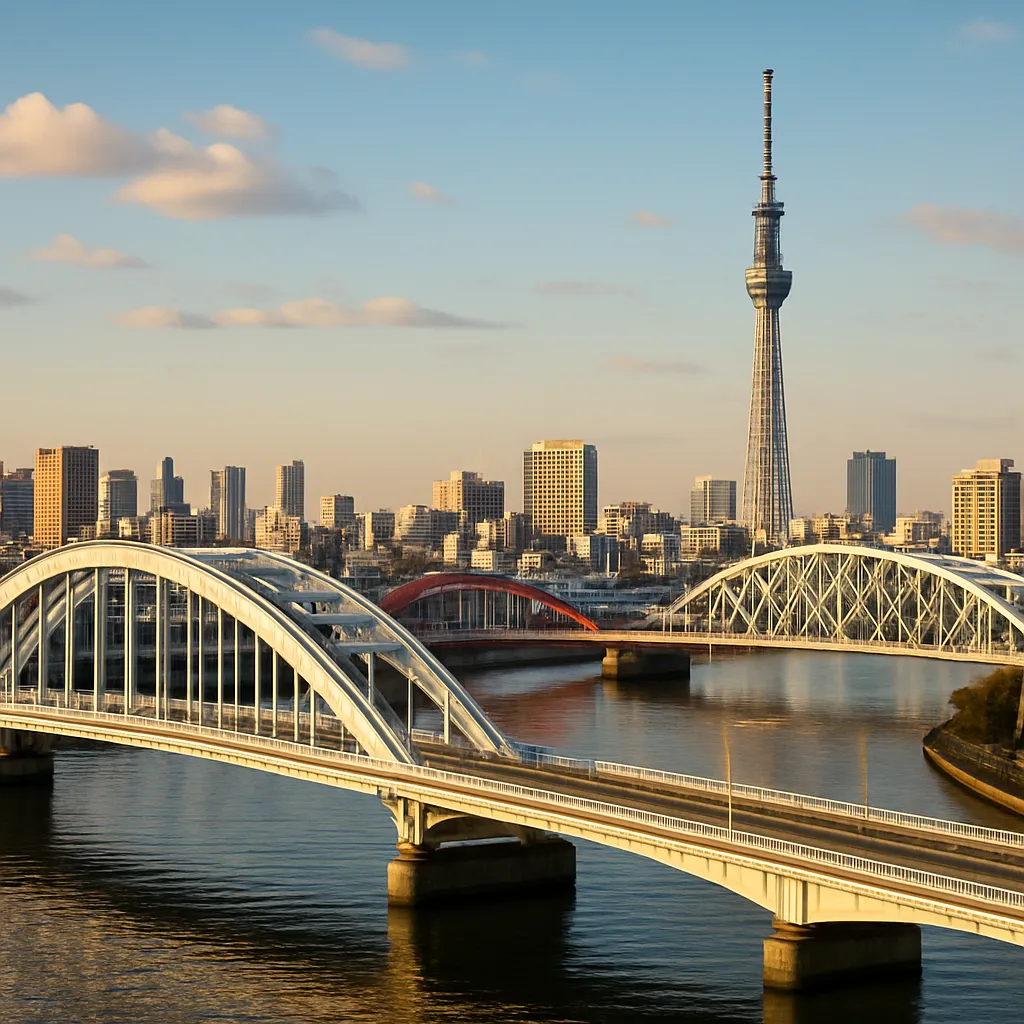
Tokyo stands as a sprawling metropolis where rivers carve through urban canyons, and bridges act as silent storytellers of centuries past and future aspirations. From the historic wooden spans of the Edo period to futuristic steel constructs, each crossing paints a canvas of cultural evolution. Enthusiasts and travelers alike find themselves drawn to these architectural marvels—places where the city’s pulse quickens at dawn and softens by night. Beyond mere transit, these structures offer panoramic vistas, serve as backdrops for festivals, and anchor community life along the waterways.
River Bridges of Historical Significance
In the heart of old Tokyo, formerly known as Edo, several bridges trace the footprints of samurai, merchants, and pilgrims. They evoke a time when waterways were Tokyo’s highways, and crossing points were hubs of trade and social exchange.
Nihonbashi – The Origin Point
Constructed during the early 17th century, Nihonbashi marks Kilometre Zero for Japan’s five major roads. Each step across the stone surface connects one with the historic Tokaido pilgrims and the bustling town markets that once lined its banks. Although repeatedly reconstructed—most recently in reinforced concrete—its original spirit endures.
- Material: Originally wood, now carved granite
- Dimensions: Approximately 50 meters long, 8 meters wide
- Nearby Attractions: Mitsukoshi Department Store, Tokyo Stock Exchange
Kiyosu Bridge – The Iron Testament
Standing close to Edo’s ancient castle site, Kiyosu Bridge first rose in 1903 as an all-steel arch. It survived the Great Kantō Earthquake and wartime blackouts. Today, its graceful curves hint at architectural ingenuity of the Meiji era, when Japan blended Western techniques with local aesthetics.
Modern Marvels: Bridges and Contemporary Design
As Tokyo embraced globalization, the skyline swelled and engineers dared to reimagine spans that could withstand seismic forces, typhoon winds, and accommodate high-volume traffic. These contemporary bridges display innovative engineering and sleek silhouettes against the urban horizon.
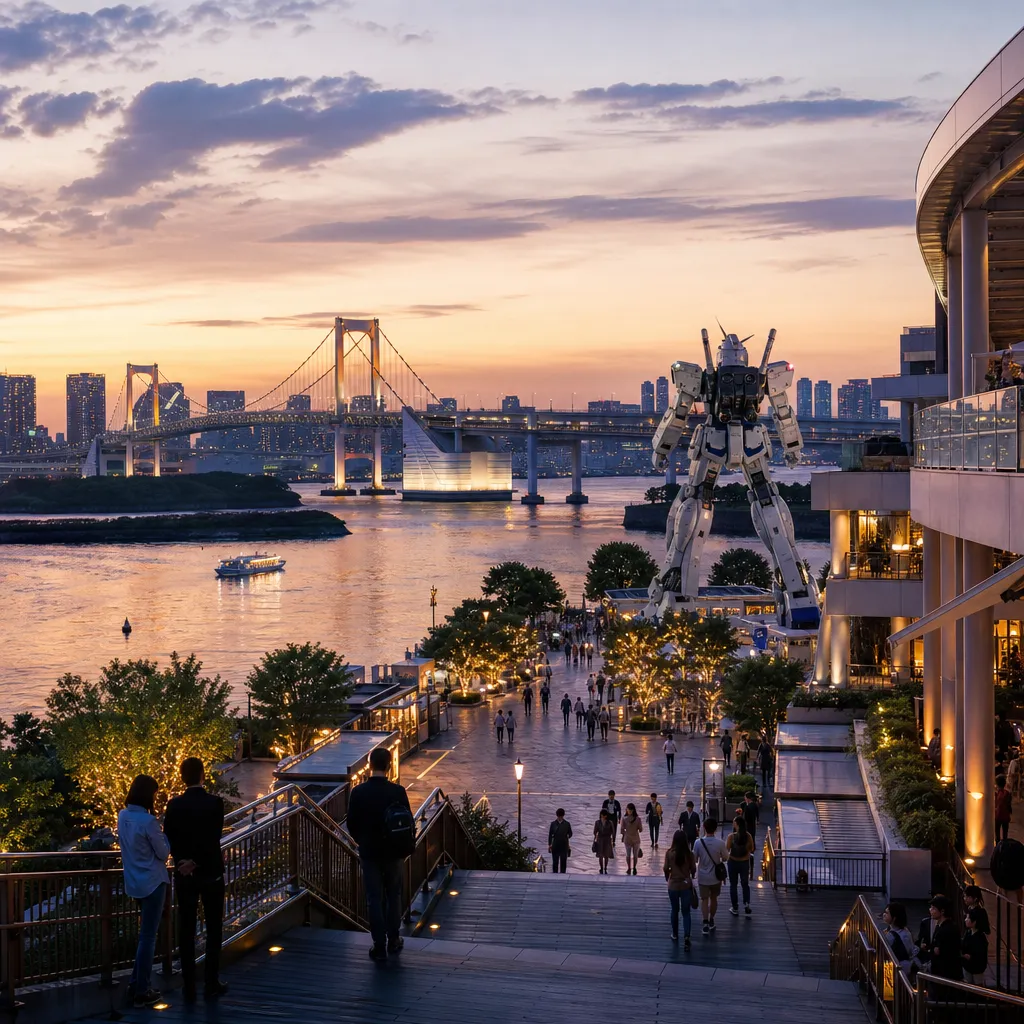
Rainbow Bridge
- Type: Suspension bridge, 798 meters long
- Features: Illumination with white, red, green lights
- Function: Connects Odaiba with Shibaura, supports road, rail, and pedestrian traffic
By night, the bridge’s luminous arches glow, reflecting off Tokyo Bay’s waters. Cruise boats often drift beneath, offering photographers an ideal foreground for nightscape captures.
Tokyo Gate Bridge
Nicknamed the “Dinosaur Bridge” for its angular trusses, the Tokyo Gate Bridge rises 2.6 kilometers over Tokyo Bay. Completed in 2012, it tackles extreme wind loads and shipping lanes. Observers spotlight its bold geometry, celebrating Tokyo’s fearless ambition to expand into the sea.
Kachidoki Bridge – A Swing Through Time
Once the only innovative double-leaf bascule bridge in the city, Kachidoki Bridge still opens on special occasions to allow larger vessels upstream. Its well-preserved mechanism stands as a testament to early 20th-century craftsmanship and remains a charming landmark among commuters.
Bridges as Cultural Icons: Festivals and Night Views
More than utilitarian arteries, Tokyo’s bridges transform into stages for cultural events. They host midnight fireworks, cherry blossom viewings, and temporary art installations that capture the city’s dynamic spirit.
Sumida River Fireworks Festival
Held every summer since 1733, this festival lights up the sky above bridges like Azuma and Komagata. Spectators gather on the embankments and pedestrian decks, witnessing over 20,000 fireworks burst in synchronized patterns. It’s a cherished occasion for families and couples alike, encapsulating the fleeting beauty of a serene moment amid urban clamor.
Cherry Blossoms in Spring
When sakura trees bloom along the Sumida River, bridges such as Sakurabashi become vantage points for floral canopies. At dawn, soft pink petals drift onto the water’s surface, creating a dreamy tableau. Walker-friendly lighting and seasonal vendors add to the romantic ambiance, ideal for leisurely evening strolls.
Illumination Installations
During winter months, select bridges are draped in LED displays that follow themes—there are marine-inspired aquariums on Rainbow Bridge and subtle pulses echoing city rhythms along Kiyosu Bridge. Enthusiasts of architectural lighting and photography schedule dedicated outings to document these ephemeral creations.
Practical Tips for Bridge Enthusiasts
For those seeking to delve deeper into Tokyo’s bridging tapestry, strategic planning will enhance every excursion. Here are a few pointers to navigate the city’s waterways and immortalize each span in memory or frame.
- Best Viewing Times: Early morning hours offer gentle light, minimal crowds, and soft reflections—perfect for capturing raw panoramic shots. Nighttime reveals illuminated profiles and dynamic city backdrops.
- Photography Gear: A wide-angle lens is essential for encompassing full arches, while a tripod ensures sharp long-exposure images of light trails on traffic-laden spans.
- Waterway Cruises: River boats on the Sumida and Tama rivers provide unique angles. Consider booking seasonal cruises that coincide with cherry blossoms or lantern festivals.
- Walking Routes: The Kyobashi-Ginza stretch offers multiple bridges within a 3-kilometer loop, blending shopping districts with riverbank promenades.
- Safety and Etiquette: Bicycle lanes on major bridges can be narrow; always yield to pedestrians. During peak seasons, respect local customs by keeping noise levels moderate and using designated viewing areas.
Exploring Beyond the Beaten Path
While the headline bridges receive deserved attention, hidden gems lie tucked in residential districts and reclaimed islands. Explorers may discover quaint wooden spans near temples or pop-up art events on temporary pedestrian crossings during redevelopment projects.
- Ota City Bridges: Quaint structures built after World War II, showcasing neighborhood murals and local history panels.
- Reclaimed Island Footbridges: Lightweight pedestrian bridges on man-made islands like Yumenoshima, offering glimpses of both industrial and natural landscapes.
- Temporary Art Crossings: During citywide art festivals, bridges host rotating exhibits—interactive sculptures and performance spaces that vanish as quickly as they appear.
The bridges of Tokyo embody a fusion of past, present, and future. They stand not just as practical crossings but as iconic symbols of resilience, creativity, and community. Each span is an invitation to pause, look beyond the traffic, and appreciate the narratives carved into steel and stone. Whether you’re an urban historian, a photography buff, or a casual wanderer, Tokyo’s bridges promise a journey rich in stories and landmark encounters around every river bend.