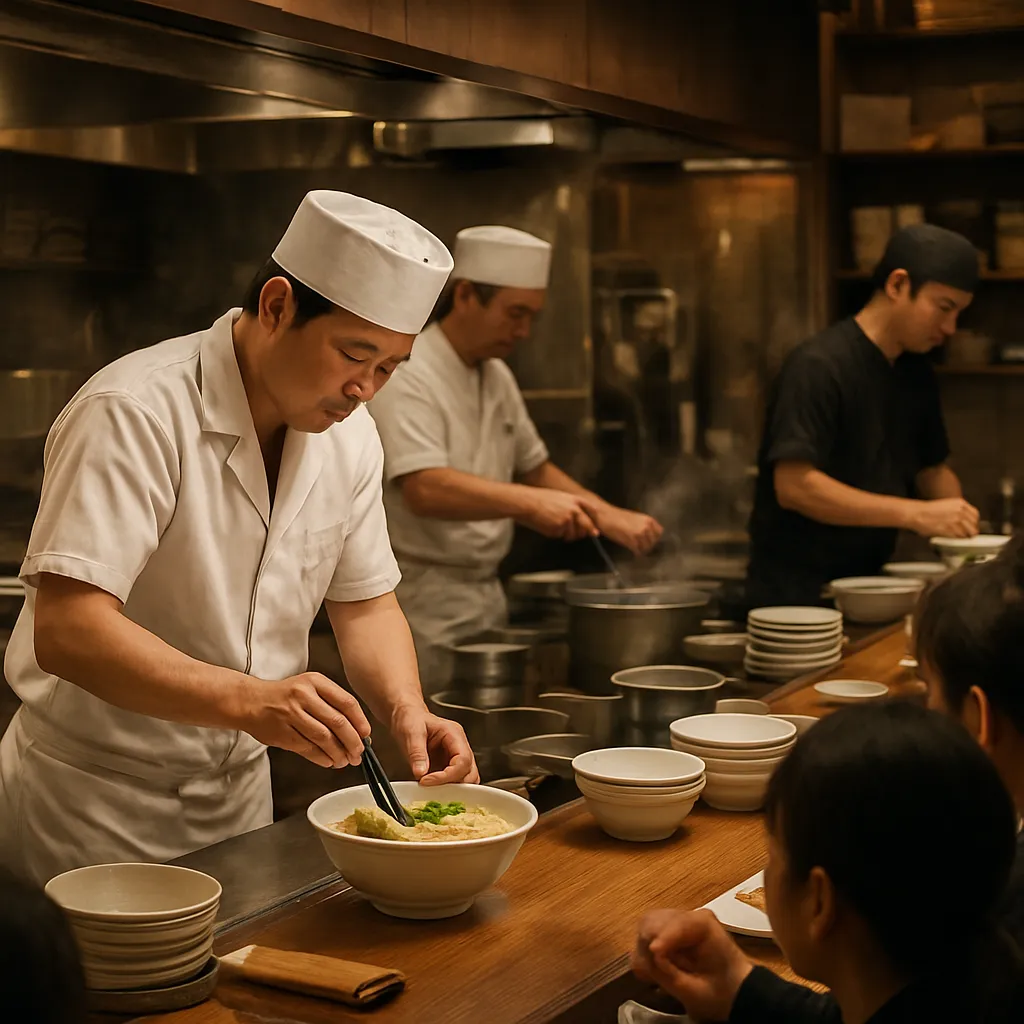
Tokyo’s ramen landscape has evolved beyond casual street fare into a stage for unparalleled culinary artistry. From intimate alleyway shops to sleek modern venues, Michelin-starred ramen restaurants in the Japanese capital reflect a harmonious blend of tradition and innovation. This article explores the unique traits, storied establishments, and behind-the-scenes processes that render these bowls of noodles true masterpieces.
The Allure of Michelin-starred Ramen in Tokyo
Over the past decade, the global fascination with ramen has soared, but Tokyo has managed to elevate a humble bowl of soup to the realm of haute cuisine. This transformation rests on meticulous attention to detail and unwavering dedication to craftsmanship. Each restaurant pursues a unique vision of flavor, harnessing years of experience to coax out layers of umami from broths simmered for hours or even days.
Despite their high reputation, these establishments maintain an unpretentious atmosphere, inviting both locals and visitors into a world where the simple combination of noodles, broth, and toppings can provoke genuine awe. Often nested in narrow lanes or behind unassuming façades, they encourage patrons to set aside preconceived notions of fast food and instead savor an artisan-driven approach to one of Japan’s most beloved dishes.
Signature Establishments Redefining Ramen Excellence
- Tsuta – The first ramen shop ever awarded a Michelin star. Located in Sugamo, Tsuta is renowned for its delicate shoyu broth infused with truffle oil. The chef’s unwavering commitment to quality shines through every slurp, as he sources rare soy sauces and ages them to extract complex flavors.
- Nakiryu – Nestled in Otsuka, Nakiryu features a signature tantanmen that balances heat and creaminess. A sesame-based broth meets homemade chili oil to produce an innovative harmony of spice and richness. Limited seats and a loyal following mean patrons often queue early, anticipating the bold, satisfying taste.
- Bun-Sho – A rising star in Meguro, Bun-Sho experiments with chicken and seafood broths, blending them to achieve a light yet intense umami profile. The chef’s playful approach to toppings—quail eggs, smoked chicken, extra-thin scallions—offers an authentic twist that redefines expectations.
- Den Tain – Located near Akihabara, Den Tain’s signature tonkotsu broth is boiled for over 18 hours, yielding a silky mouthfeel. The restaurant’s standout feature is its use of premium pork bones and a secret spice blend, creating a bowl that resonates with depth and long-lasting aftertaste.
- Ginza Kagari – Famous for its tori paitan (creamy chicken) broth, this chic spot in Ginza merges fine-dining aesthetics with ramen tradition. Its clear yet rich soup, paired with tender chicken chashu and yuzu zest, delivers an unparalleled sensory experience.
Mastering Broth and Noodle Craft: Behind the Scenes
Culinary mastery in ramen hinges on two primary elements: the broth and the noodles. Within Michelin-starred kitchens, chefs often devote weeks to perfecting a single recipe, adjusting variables such as water quality, temperature, and ingredient ratios.
Broth Development
Broths serve as the foundational vehicle for flavors. Chefs source bones, vegetables, seaweeds, and aromatic spices with extraordinary care. Some pursue a minimalist approach, emphasizing purity by using just a handful of ingredients, while others layer multiple stocks—pork, chicken, fish—to achieve a synergy of tastes. Meticulous skimming and temperature control ensure a pristine, unclouded soup, highlighting the natural essence of each component.
Noodle Formulation
Noodles might appear simple, but their texture defines the eating experience. Many Michelin-awarded ramen chefs operate in-house noodle factories, adjusting flour types, water hardness, and resting times to produce strands that remain firm under hot broth yet soft upon slurping. The result is a delicate balance between al dente bite and tender elasticity.
Navigating Tokyo’s Ramen Scene: Practical Tips
For visitors eager to sample these top-tier bowls, a few strategies can enhance the journey. First, plan ahead: many shops open limited hours and close once daily quotas are met. Checking social media updates or dedicated ramen blogs can reveal current waiting times.
- Arrive early: Weekday mornings often see shorter lines. Grab a coffee nearby and watch local life unfold before you.
- Use cash: Some establishments accept only yen, so carrying sufficient cash avoids disappointment at the door.
- Respect the ritual: Slurping is encouraged—it cools the noodles and intensifies umami perception. Engage with staff politely but refrain from taking photos mid-soup to preserve the focus on taste.
- Share recommendations: Tokyo’s ramen community is welcoming. Exchanging tips with fellow diners can lead to innovative discoveries, like hidden gems in suburban neighborhoods.
The Cultural Significance of Ramen in Tokyo
Beyond its ingredients and cooking methods, ramen embodies Tokyo’s dynamic spirit. It reflects post-war resilience when quick, hearty meals fueled workers rebuilding a shattered city. Over time, it evolved into a canvas for creative expression, with chefs worldwide inspired by Japan’s dedication to perfection.
In many ways, a visit to a Michelin-starred ramen shop is a cultural pilgrimage. It honors the unspoken ethics of Japanese hospitality—omotenashi—where every bowl is presented with precision and warmth. Patrons become part of a lineage, paying homage to pioneers who transformed everyday sustenance into a celebrated art form.
Embracing the Future of Tokyo Ramen
As Tokyo’s dining scene continues to evolve, new challengers emerge, experimenting with vegan broths, fusion ingredients, or artisanal toppings. Yet, the essence remains unchanged: a relentless pursuit of excellence, from the selection of premium ingredients to the final garnish. The Michelin stars awarded to ramen restaurants are not just accolades; they symbolize Japan’s unwavering commitment to elevating simple pleasures into unforgettable experiences.
For gourmands and casual diners alike, Tokyo’s top Michelin-starred ramen establishments offer more than nourishment—they provide a gateway into the heart of Japanese culinary innovation, celebrating the perfect union of tradition, creativity, and passion.