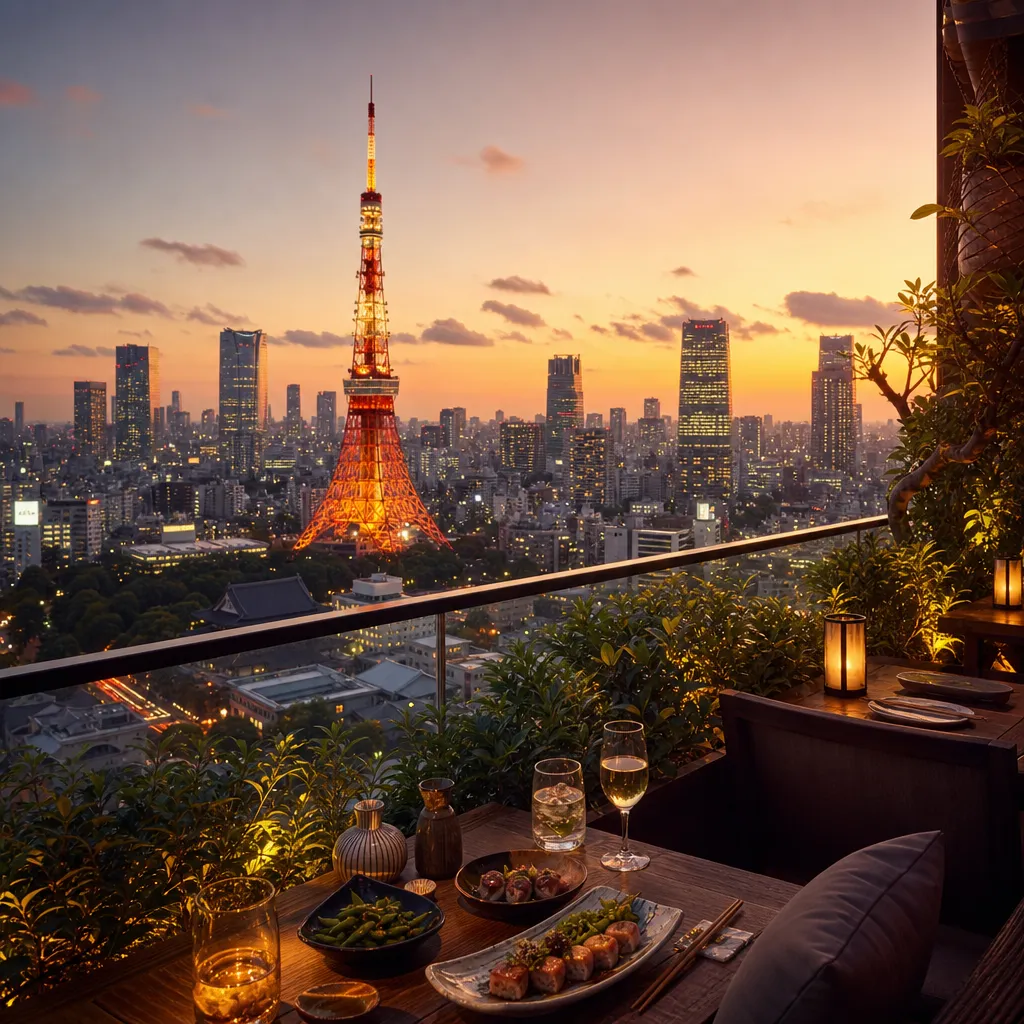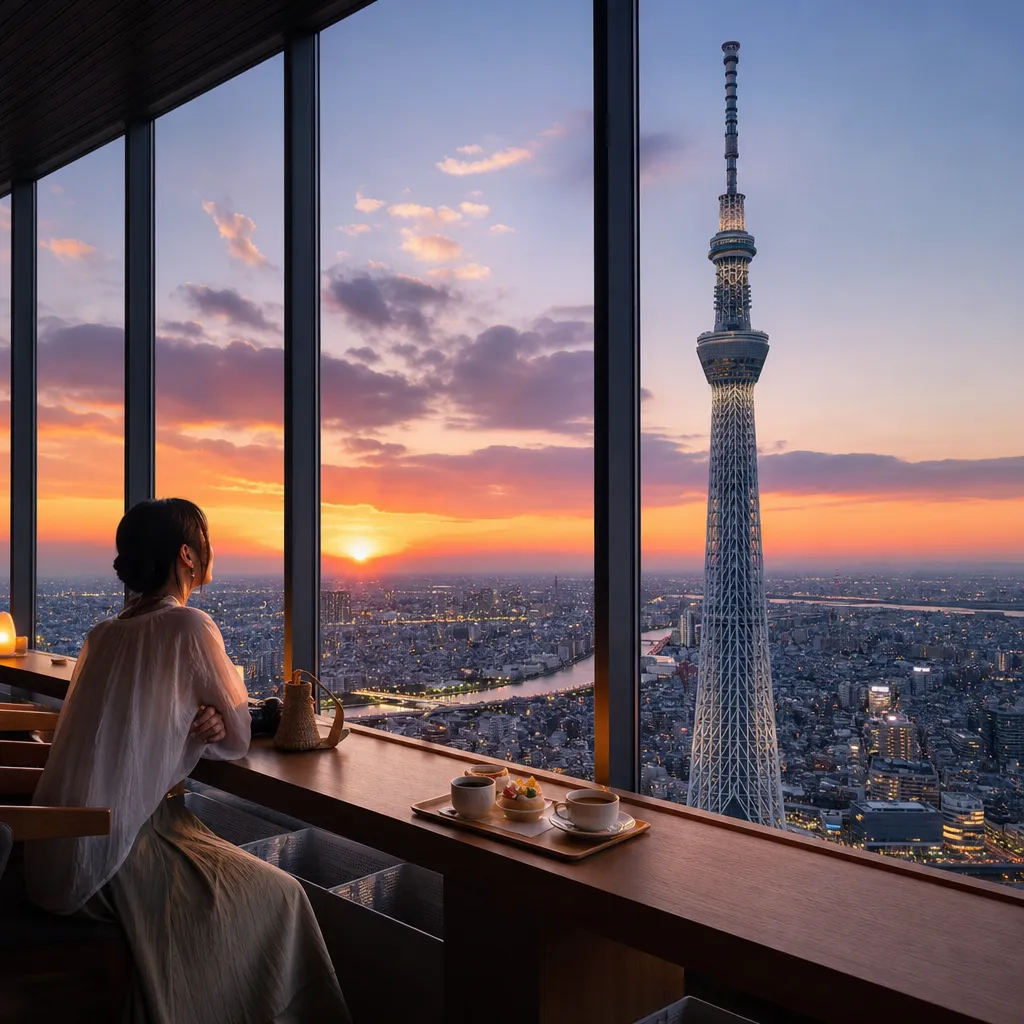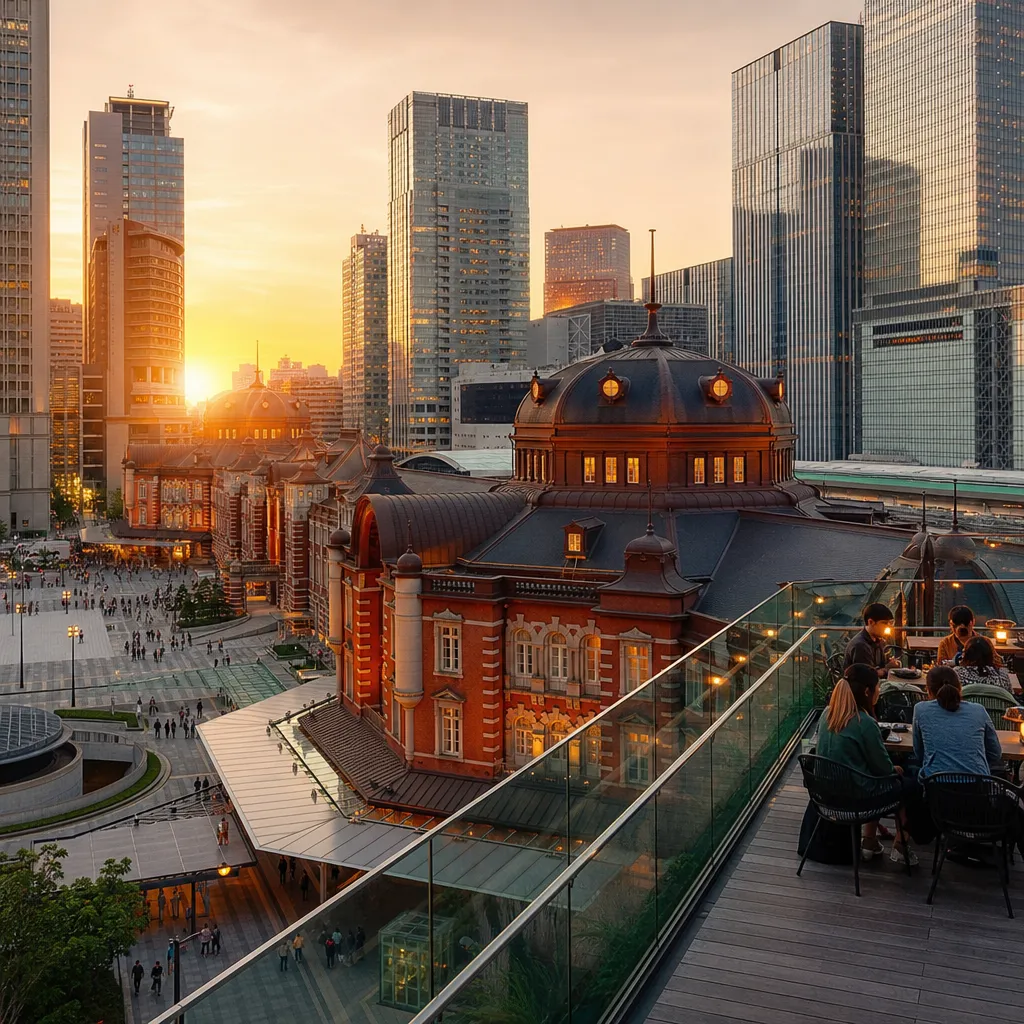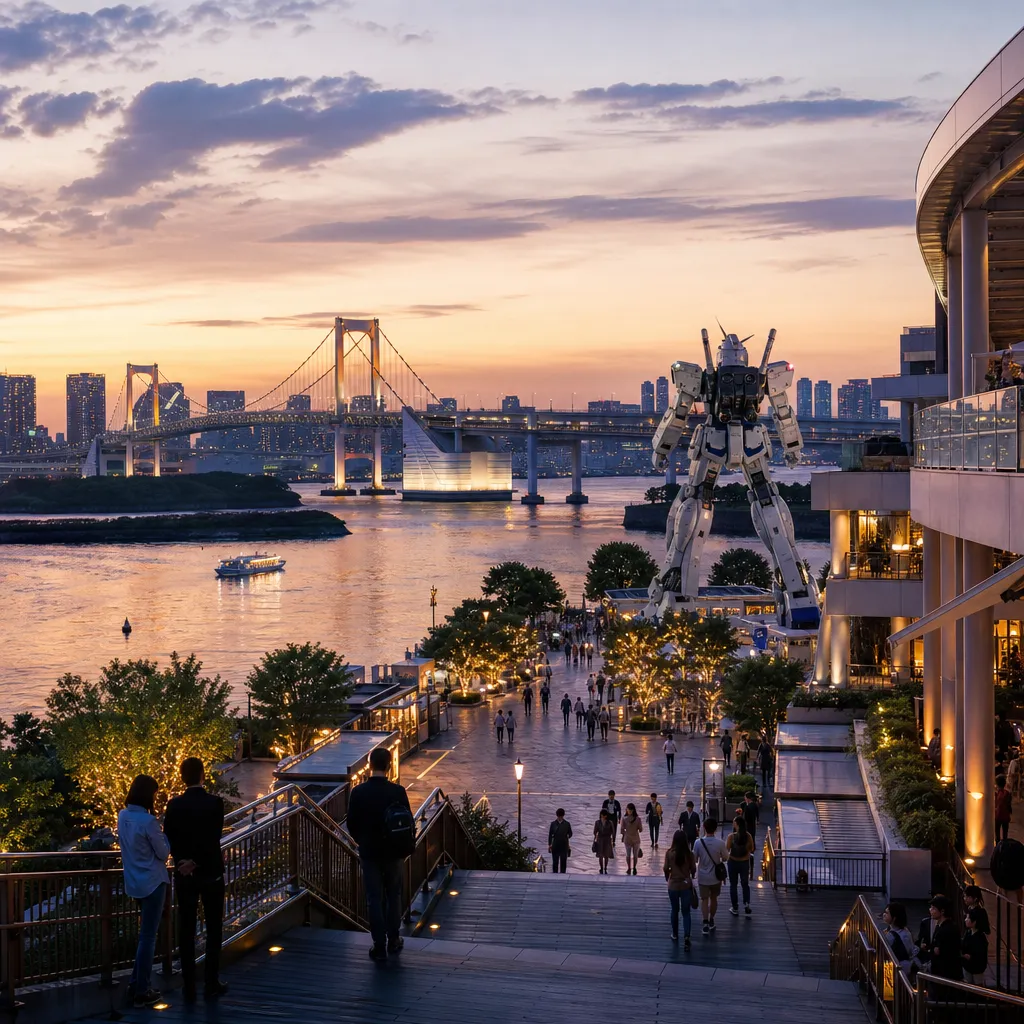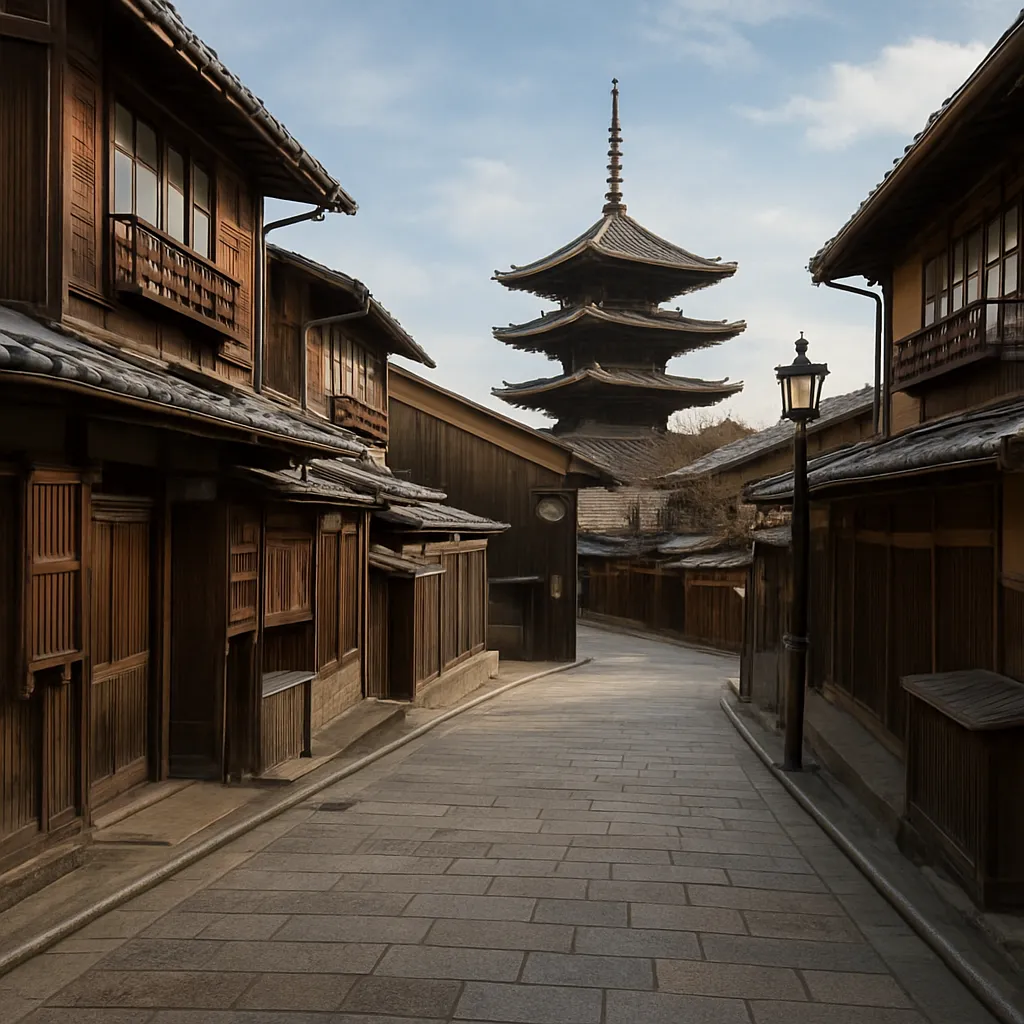
Tokyo’s tapestry of time-worn avenues and modern boulevards reveals a city that cherishes its past while embracing the future. From the glimmering lights of Ginza to the bustling stalls of Asakusa, each thoroughfare offers a unique glimpse into centuries of growth, change, and resilience. This journey across Tokyo’s most historic streets invites you to explore the vibrant intersection of commerce, culture, and community that has defined the metropolis for generations.
Historical Significance of Ginza’s Chuo-dori
From Wooden Streets to Modern Luxury
Chuo-dori in Ginza stands as an emblem of Tokyo’s transformation from the Edo period to the 21st century. Once lined with wooden shops after the great fire of 1872, it has steadily evolved into a premier luxury shopping district known around the globe. Strolling along this 1.2-kilometer stretch, visitors witness the seamless blend of towering glass façades and carefully restored historical edifices that celebrate the area’s roots.
Key milestones along Chuo-dori include:
- 1872: Reconstruction of Ginza after devastating fires introduces Western-style brick buildings.
- 1924: The iconic Wako Clock Tower is completed, symbolizing the district’s rise.
- 1963: Pedestrian-only Sundays launch, inviting locals and tourists to enjoy car-free sightseeing.
- 2010s: Major flagship stores from global brands dot the avenue, reinforcing its luxurious reputation.
Today, Chuo-dori pulses with energy. On weekends, the street transforms into a pedestrian paradise, where families, couples, and solo travelers share in the joy of discovery. The careful curation of high-end boutiques, art galleries, and refined cafes ensures that every step resonates with a sense of elegance and historical depth.
The Cultural Heritage of Nakamise Street in Asakusa
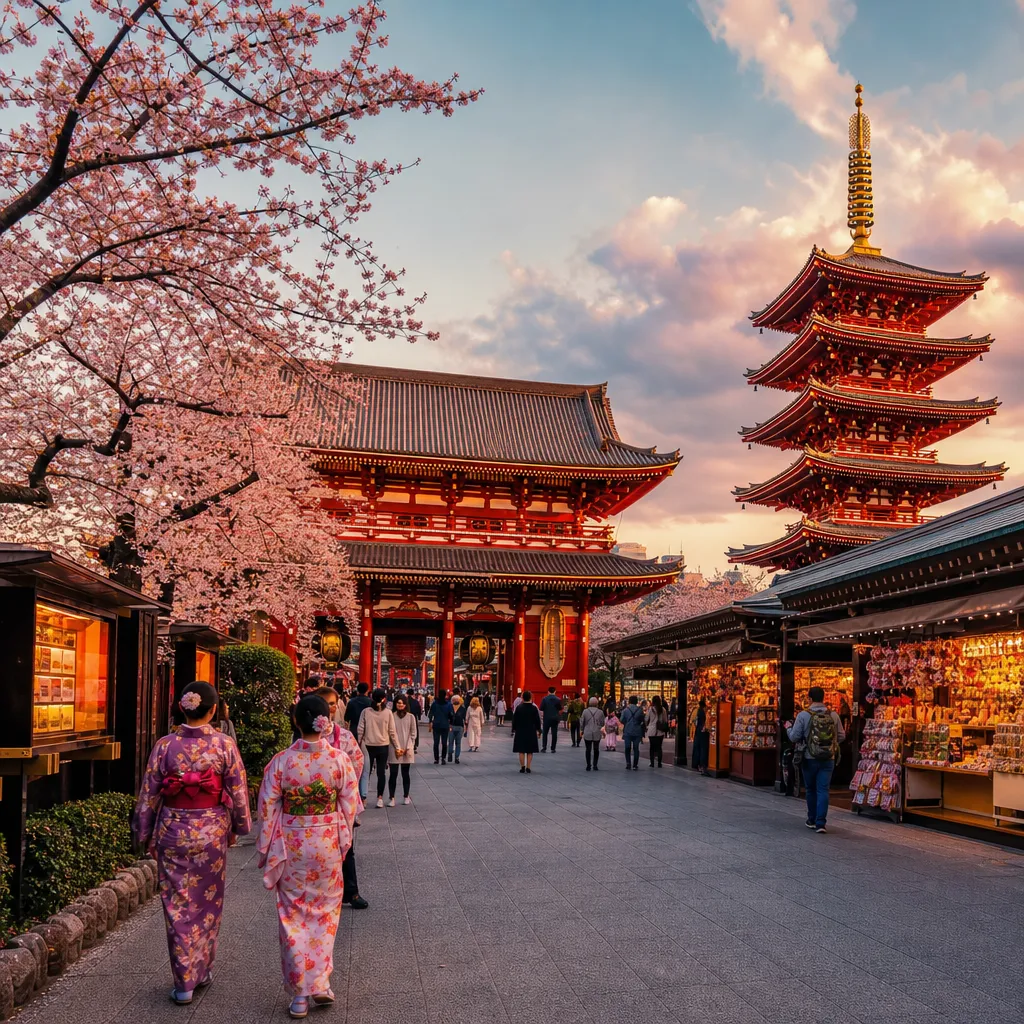
Nakamise Street, leading to the majestic Senso-ji Temple, has welcomed pedestrians for more than four centuries. As one of Tokyo’s oldest shopping alleys, it remains a living testament to Edo-period commerce and religious tradition. The narrow lane, just 250 meters long, bursts with color, sound, and the aroma of freshly baked ningyo-yaki cakes.
Highlights of this cultural corridor include:
- Traditional crafts such as craftsmanship in folding fans and handcrafted lanterns.
- Local culinary specialties, including kaminari-okoshi rice crackers and senbei rice cakes.
- Seasonal festivals like Hatsumode (first shrine visit) during New Year’s celebrations.
Each shop along Nakamise is more than a retail outlet; it is a guardian of age-old techniques and stories. Shopkeepers often share anecdotes of their family’s involvement across generations, preserving the tradition of hospitality and devotion that defined the district’s genesis. Visitors not only purchase souvenirs but also participate in a ritual of cultural continuity.
The Timeless Charm of Omotesando Approach to Meiji Shrine
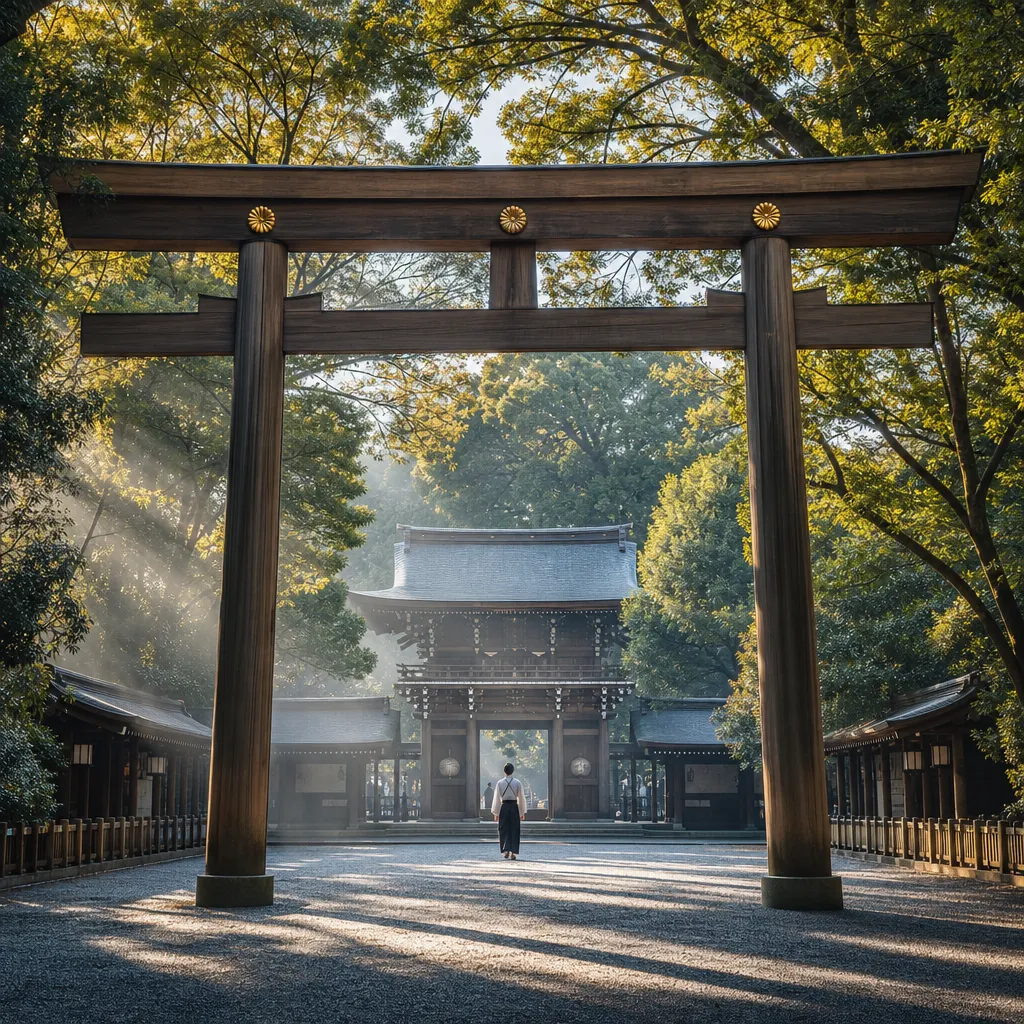
Framed by towering zelkova trees, the broad avenue of Omotesando gently guides worshippers and tourists toward Meiji Shrine’s serene entrance. In the early 1920s, this avenue was originally conceived as a grand approach for imperial processions, endowing it with a regal aura that lingers today.
Architectural Masterpieces and Modern Icons
Modern architects have infused Omotesando with bold designs that complement the street’s underlying solemnity. Examples include:
- Tokyu Plaza’s mirrored entrance, reflecting the avenue’s lush greenery.
- Tadao Ando’s Prada Building, showcasing concrete minimalism amid nature’s embrace.
- Understated cafes and boutique galleries that channel a refined, urban chic atmosphere.
This avenue has become a canvas for architectural experimentation, where each structure dialogues with its neighbor and with the natural beauty that flanks it. Yet, even as designers push boundaries, the street retains a contemplative quality, reminding visitors of the spiritual sanctuary that lies at its terminus.
Preservation Efforts and Future Directions
Tokyo’s commitment to preserving its historic streets involves meticulous planning and community engagement. Local government agencies collaborate with neighborhood associations to ensure that renovation projects honor the original streetscape while upgrading infrastructure for modern safety standards.
Key initiatives include:
- Facade restoration programs that encourage the use of traditional materials.
- Guidelines for lighting design to maintain an ambient, respectful nighttime environment.
- Public art installations that celebrate each street’s unique cultural narrative.
Looking forward, Tokyo aims to balance tourism growth with sustainable preservation. Digital mapping and augmented reality tours are being developed to guide visitors in a way that limits foot traffic damage and fosters deeper understanding. Through these strategies, the city strives to keep the legacy of its historic streets alive for future generations, ensuring that each step taken is a journey through time, memory, and communal pride.