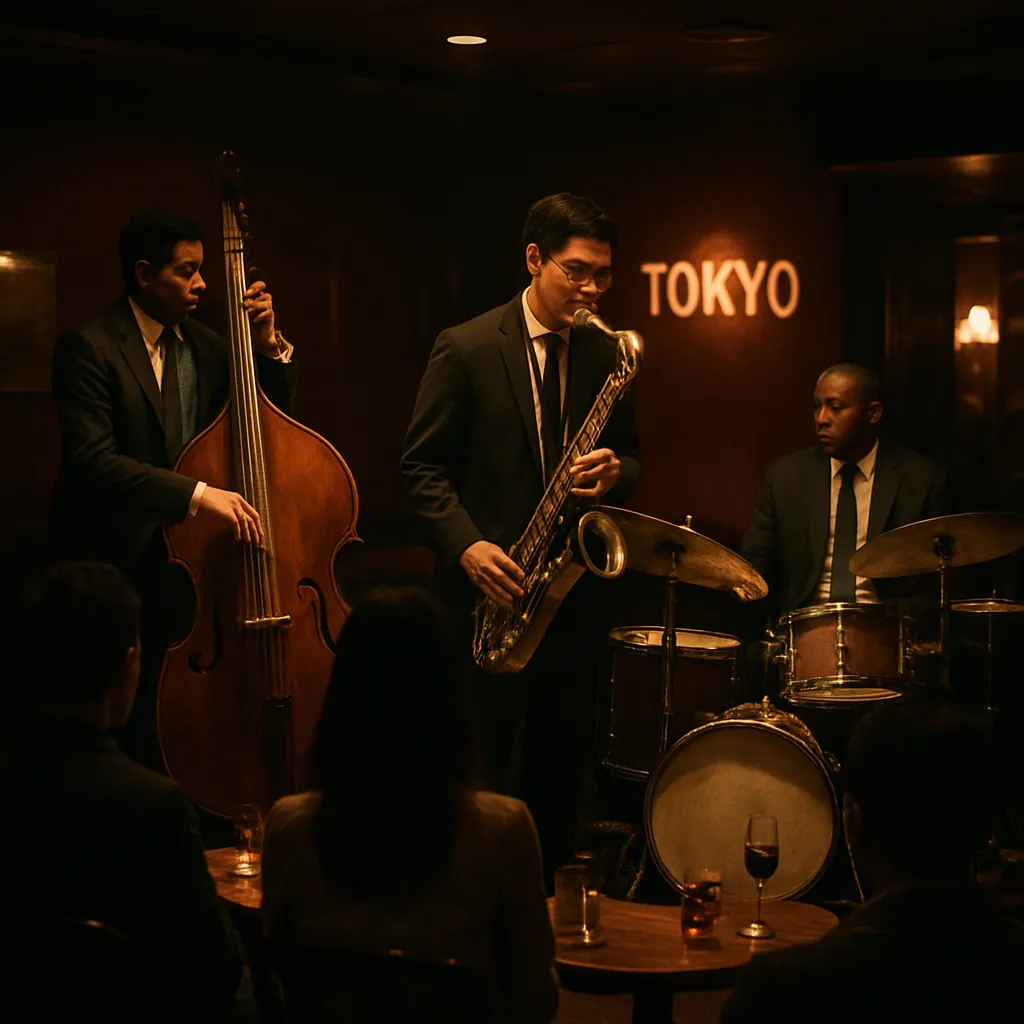
Tokyo’s vibrant nightlife hides a treasure trove of intimate venues where the **spirit** of **jazz** thrives. From the neon-lit streets of **Shinjuku** to the upscale avenues of **Ginza**, the city offers a diverse palette of sounds, styles, and atmospheres. Whether you’re hunting for classic swing, fiery bebop, or avant-garde experimentation, the capital’s jazz bars deliver unforgettable experiences that resonate long after the last note fades.
Tokyo’s Jazz Legacy
Since the postwar era, Tokyo has embraced **jazz** as a symbol of cultural renewal and creative expression. Early hotspots sprouted around bustling districts such as **Shibuya** and Roppongi, where American G.I.s and adventurous locals shared a passion for syncopated rhythms. Over decades, a homegrown scene developed, featuring pioneering Japanese musicians who fused traditional melodies with **improvisation** and modern harmonies.
Today, Tokyo honors its heritage through venues that balance reverence for the past with innovative programming. Historic clubs maintain vintage décor and analog sound systems, preserving the **authentic** resonance of vinyl records and tube amplifiers. Simultaneously, cutting-edge spots commission international acts and local talents pushing boundaries in free jazz and fusion. Visitors can glimpse this cultural tapestry at every turn, as Tokyo remains one of the world’s most dynamic jazz capitals.
Neighborhood Highlights
Each district in Tokyo boasts a unique character, reflected in its selection of jazz bars. Navigating the city by train or taxi opens doors to hidden gems tucked away in alleys, basements, and revamped townhouses.
- Shinjuku: Known for its electric nightlife, Shinjuku offers a mix of “live houses” and refined lounges. Here, you’ll find everything from raucous jam sessions to elegant piano bars.
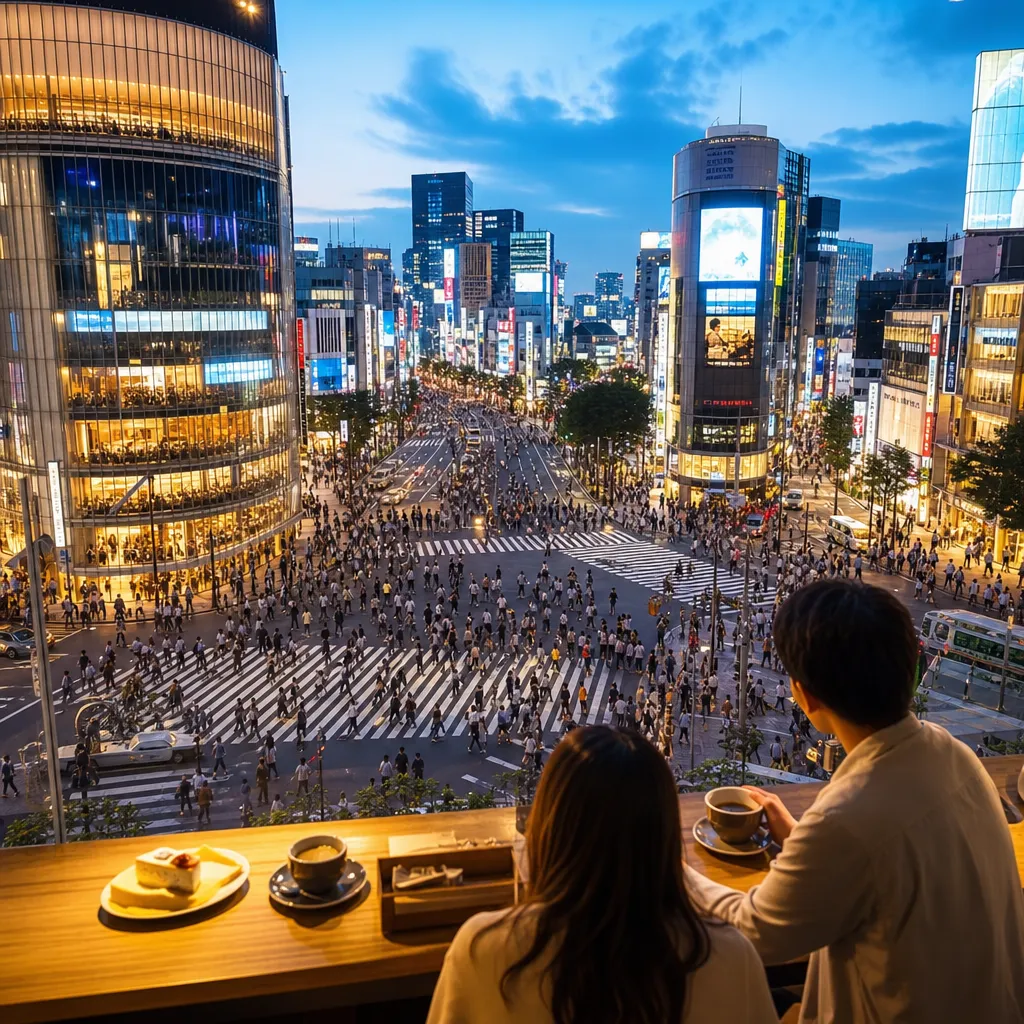
- Shibuya: A youth-oriented cultural hub, Shibuya’s jazz scene blends contemporary beats with soulful vocals. Trendy venues often double as art spaces, showcasing multimedia performances.
- Ginza: Tokyo’s luxury district hosts sophisticated clubs with impeccable service. Expect world-class acoustics, expertly crafted cocktails, and a formal dress code.
- Roppongi: Popular among expatriates, Roppongi features internationally minded bars where expats and Japanese enthusiasts mingle over globe-spanning lineups.
- Kichijoji: A residential neighborhood known for warm, community-driven spots—ideal for late-night hangs with live trios or soloists.
Must-Visit Jazz Bars
Blue Note Tokyo
One of the most **celebrated** names in live music worldwide, Blue Note Tokyo blends global prestige with local flair. Nestled in Aoyama, this spacious venue seats over 300 guests, offering impeccable sound and a roster featuring top international stars and leading Japanese performers. Reservations are essential, and the **ambiance** is polished yet inviting, complete with fine dining options that complement every set.
Cotton Club
Inspired by the legendary Harlem haunt, Cotton Club in Marunouchi evokes 1920s sophistication. Plush seating and Art Deco touches create an intimate environment where vocalists, big bands, and jazz quartets deliver thrilling shows. Their dinner-and-show packages are popular for special occasions, and the house band boasts virtuosic flair in both standards and modern arrangements.
Pit Inn
For an authentic, underground experience, head to Pit Inn in Shinjuku. Established in 1975, this basement venue is famed for spotlighting up-and-coming Japanese jazz talents and experimental ensembles. Walls adorned with concert posters and dim lighting set the stage for pure musical immersion—no frills, just phenomenal **sound**. The narrow bar counter encourages lively exchanges between artists and audience members.
Smalls
Smalls, located in the backstreets of Shibuya, exudes a bohemian vibe where jam sessions can blossom into spontaneous masterpieces. The décor features vintage instruments and secondhand records, and the nightly lineup often includes local heroes and visiting artists. The relaxed cover charge and friendly staff make Smalls a beloved haunt for seasoned aficionados and curious newcomers alike.
Body & Soul
Body & Soul in Roppongi welcomes jazz lovers since 1975 with its timeless spirit. This cozy bar emphasizes warm service and a diverse program, including soul, blues, and Latin jazz. Guests can enjoy a classic whisky selection alongside nightly performances, often spilling into impromptu after-hours jams.
Insider Tips for Jazz Bar Hopping
- Book Early: Venues like Blue Note Tokyo and Cotton Club often sell out weeks in advance. Check online schedules and secure tickets as soon as they’re released.
- Mind the Cover Charge: Many jazz bars require a table or live performance fee separate from your drink order. Expect to pay between ¥1,500 and ¥5,000 per person.
- Dress Code: While neighborhoods like Shibuya are casual, clubs in Ginza or Marunouchi may enforce smart attire. When in doubt, opt for smart-casual to blend in seamlessly.
- Timing Is Key: Doors typically open 30 minutes before showtime. Arriving early ensures better seating and a chance to soak in the **atmosphere** before the music begins.
- Language Tips: English is widely spoken at major clubs, but a few phrases in Japanese go a long way. Greet staff with “sumimasen” (excuse me) and thank them with “arigatō gozaimasu.”
- Explore Neighborhood Eateries: Many jazz bars partner with nearby restaurants, offering set menus. Plan a pre-show meal around Omoide Yokocho in Shinjuku or the backstreets of Ebisu for savory yakitori and ramen.
Delving Deeper: Beyond the Bar
True jazz enthusiasts will find more than just performances in Tokyo. The city’s record stores, such as Disk Union and HMV Record Shop, stock rare vinyl and specialty imports. Vinyl collectors can hunt for pressed gems by Japanese legends like Sadao Watanabe and internationally renowned artists.
Jazz-themed events and festivals also pepper the calendar year-round. The Tokyo Jazz Festival attracts global icons, while smaller gatherings like Yokohama Jazz Promenade foster community engagement and open-air concerts. Watching local schools and area bands perform at these festivals offers a grassroots perspective on the genre’s ongoing evolution in Japan.
Art exhibitions and documentary screenings dedicated to jazz history pop up in cultural centers like the National Art Center and independent galleries in Koenji and Nakano. These interdisciplinary events illuminate the genre’s ties to poetry, film, and visual art, enriching your understanding of jazz as a cross-cultural phenomenon.
Embracing the Tokyo Jazz Journey
Exploring Tokyo’s best jazz bars is not just about listening—it’s about connecting with a living tradition that pulses through the city’s veins. From the sultry melodies drifting from dimly lit basements to grand stages showcasing international superstars, each venue offers a unique window into jazz’s capacity to unite, surprise, and inspire. Pack your sense of adventure and prepare to be captivated by Tokyo’s unparalleled jazz tapestry.