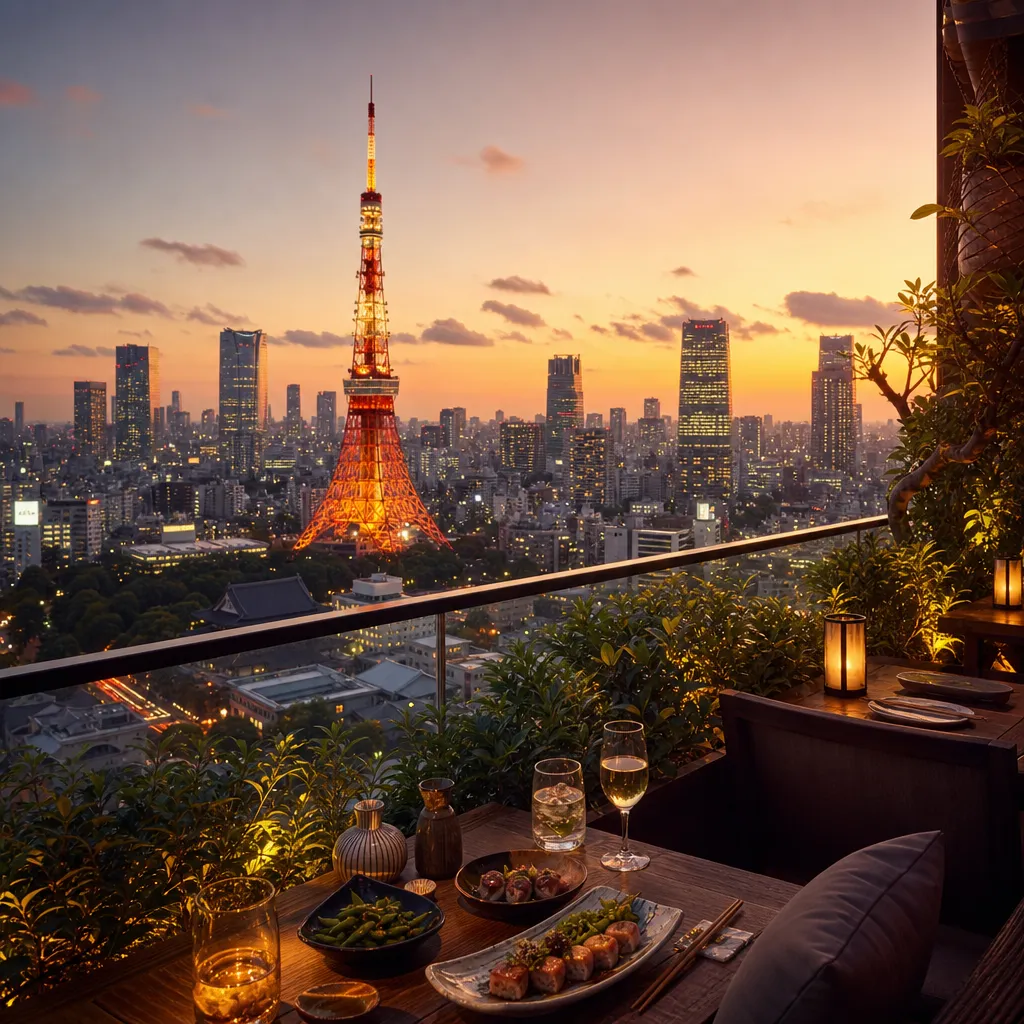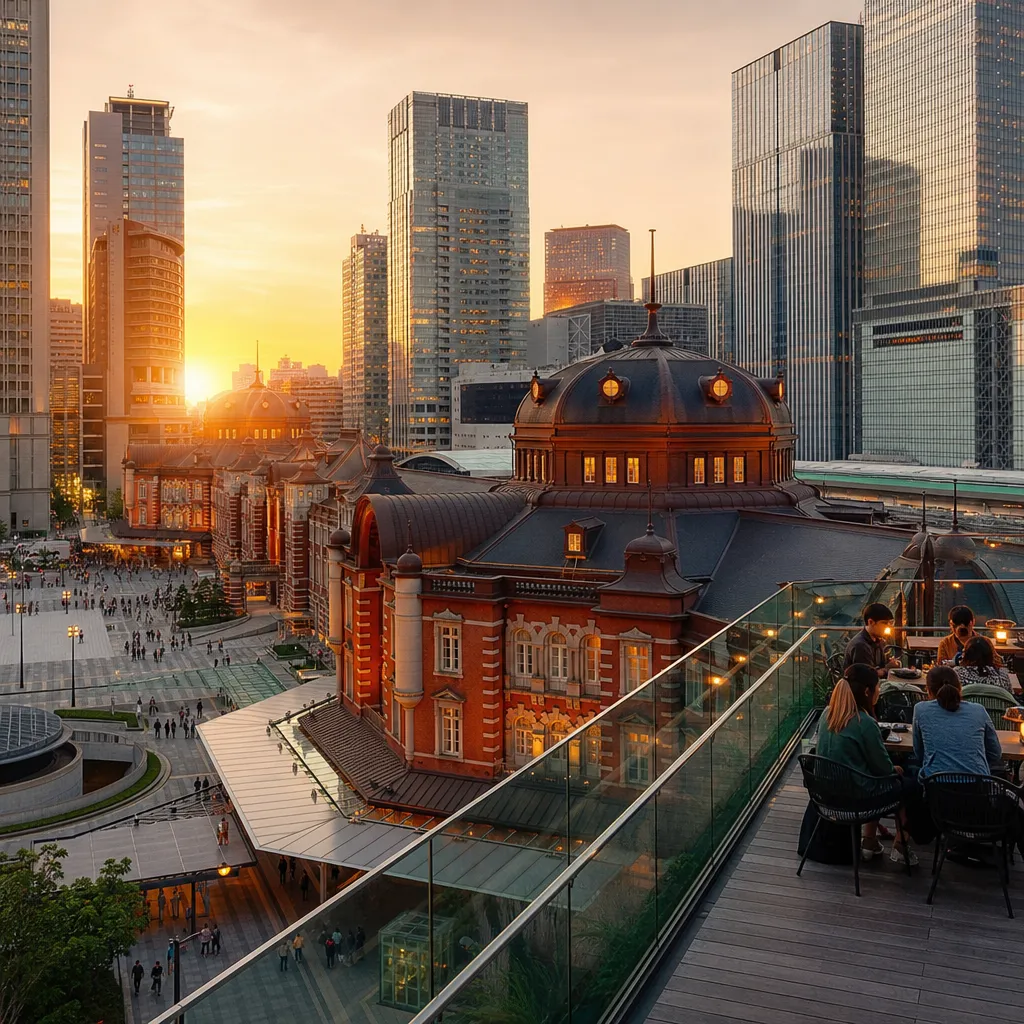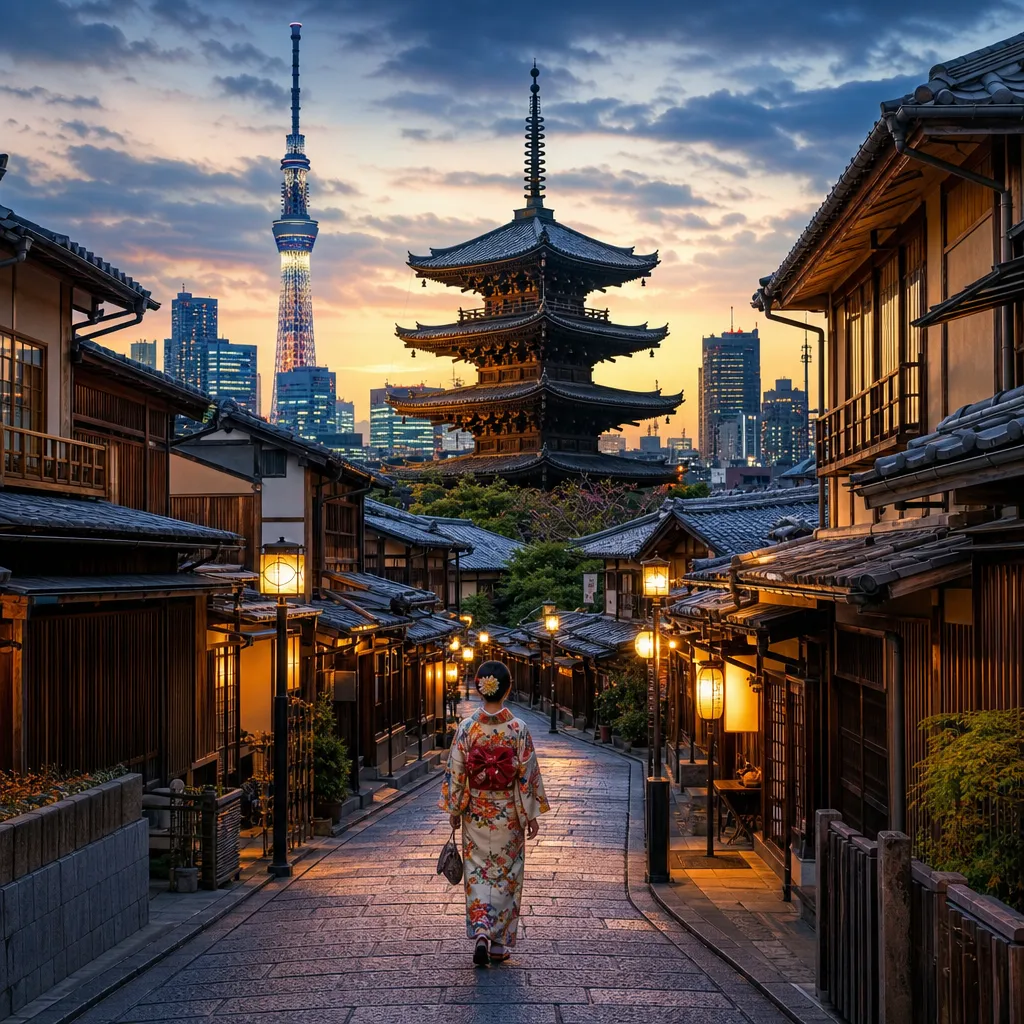
Choosing the best places to visit in Tokyo depends on what kind of city experience you want. This is a place where major landmarks, neighborhood streets, museums, gardens, food halls, and observation decks all sit within an efficient rail network, so it is possible to combine very different experiences in one day. The list below focuses on places that are genuinely useful for first-time and repeat visitors alike: spots with a strong sense of place, practical access, and enough variety to help you build an itinerary. Rather than only naming famous sights, this guide explains where each place is, why it is worth your time, and what to expect when you go.
Quick comparison of the best places to visit
| Place | Area | Type | Best For | Key Feature |
|---|---|---|---|---|
| Senso-ji | Asakusa, Taito | Temple district | Traditional streetscape and culture | Historic temple approach and atmosphere |
| Meiji Jingu | Shibuya ward, near Harajuku | Shrine and forested grounds | Calm visit in central Tokyo | Large sacred precinct within the city |
| Tokyo National Museum | Ueno, Taito | Museum | Japanese art and history | Strong permanent collection |
| Shibuya Scramble Crossing and Shibuya Sky | Shibuya | Cityscape and viewpoint | Urban energy and photography | Wide skyline views above a major hub |
| Tokyo Skytree and Solamachi | Sumida | Observation tower and shopping complex | Views, shopping, family visits | One of the city’s main elevated viewpoints |
| teamLab Planets TOKYO DMM | Toyosu, Koto | Immersive art attraction | Interactive indoor experience | Sensorial, walk-through installations |
| Tsukiji Outer Market | Tsukiji, Chuo | Market and food area | Breakfast and casual food exploration | Seafood-focused market streets |
| Ginza | Chuo | Shopping and architecture district | Department stores, design, dining | Polished retail streets and flagship buildings |
| Shinjuku Gyoen | Shinjuku | Garden and park | Seasonal nature and a quieter break | Large landscaped garden in central Tokyo |
| Yanaka | Taito/Bunkyo area | Old neighborhood walk | Slower local atmosphere | Traditional streets, temples, small shops |
1. Senso-ji and the Asakusa area
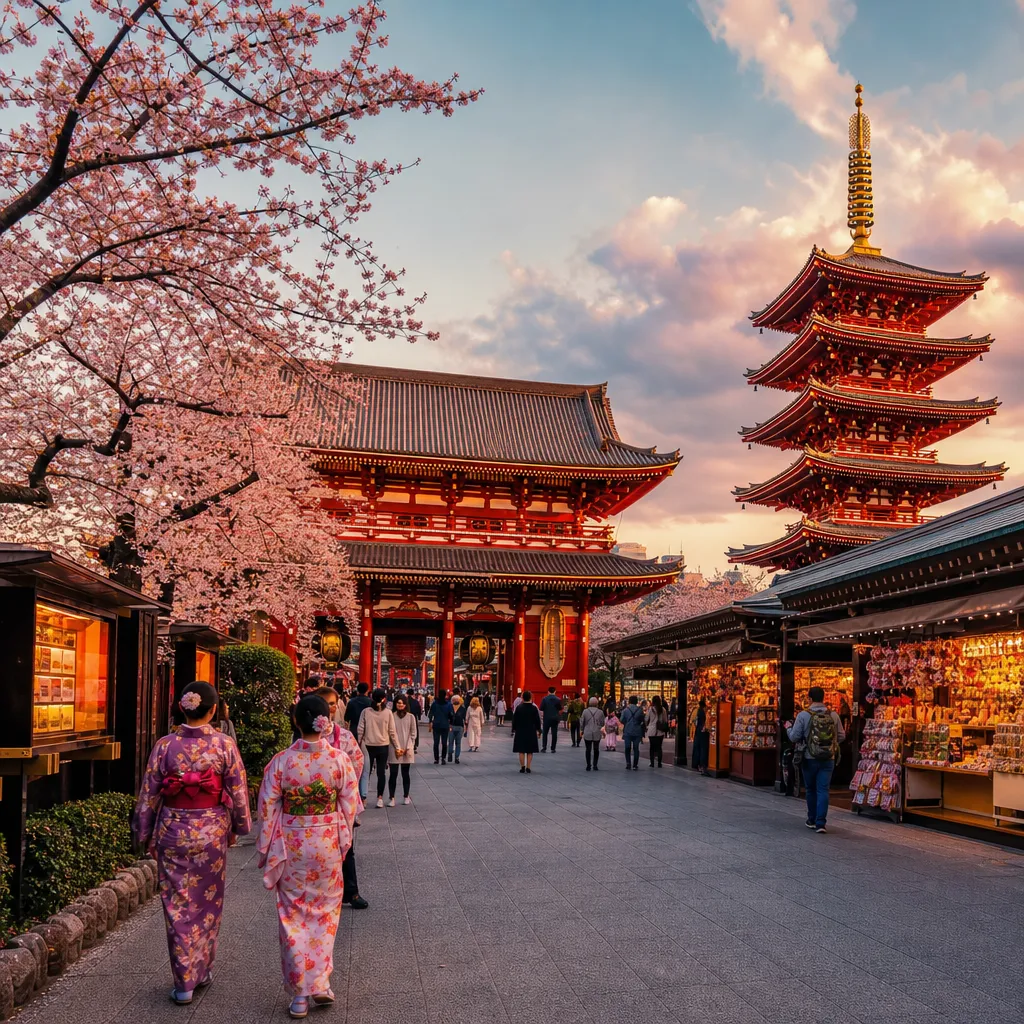
Senso-ji in Asakusa is one of the clearest places to start if you want a strong sense of older Tokyo. It is in Taito ward, with Asakusa Station serving as the main transport base, and the surrounding district is packed with temple-adjacent streets, snack shops, souvenir stores, and long-established businesses.
The main draw is not just the temple itself, but the full approach through Kaminarimon and Nakamise. Even when busy, the area still works well for first-time visitors because it is easy to understand on foot. You can pair it with a walk toward the Sumida River or continue on to Tokyo Skytree from the wider Asakusa side of the city.
Go early in the morning if you want a calmer visit and better photography conditions. Midday and weekends are much busier. As a Buddhist temple, visitors should behave respectfully around incense, prayer areas, and worshippers. This area suits photographers, families, and travelers who want an accessible traditional district without leaving central Tokyo.
2. Meiji Jingu and the Harajuku-Omotesando side of the city
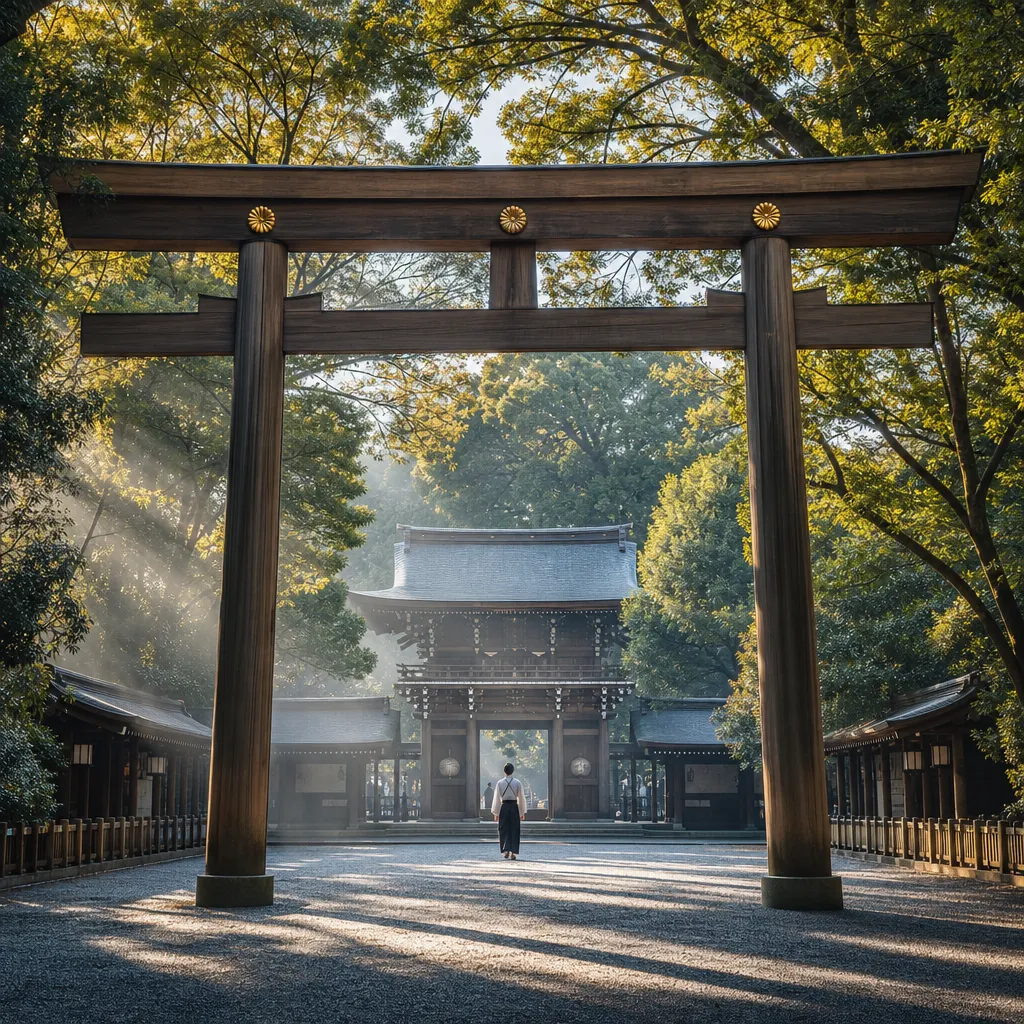
Meiji Jingu sits in Shibuya ward near Harajuku Station and Yoyogi, but the feeling is very different from the surrounding commercial streets. The approach through the forested grounds is one of the city’s best examples of how a major shrine can create a distinct atmosphere inside central Tokyo.
This is a Shinto shrine, not a temple, and the experience is more about space, approach, and quiet than about browsing shops. It pairs especially well with nearby neighborhoods: Harajuku for youth fashion and side streets, or Omotesando for architecture, galleries, and more polished shopping.
Visit in the morning or late afternoon for softer light and fewer crowds. The grounds are large enough that comfortable walking shoes help. If you want a balanced day, combine Meiji Jingu with Omotesando’s architecture and then continue toward Shibuya in the evening.
3. Tokyo National Museum and Ueno Park
If you only choose one major museum, Tokyo National Museum in Ueno is one of the strongest options. It is in Ueno Park, Taito ward, near Ueno Station, making it easy to reach from many parts of the city. The museum is particularly useful for visitors who want context for Japanese art, religion, ceramics, samurai material culture, and historical objects.
Ueno Park also gives you flexibility. You can build a museum-focused day around the broader museum cluster, or keep it lighter by visiting one institution and then walking the park. This is a practical area for travelers who want something substantial without complex planning.
Allow enough time; the collection is strong enough that rushing is a mistake. Check current exhibition and admissions information in advance, especially if you want to see a temporary show. The area suits solo travelers, couples, older visitors, and anyone interested in history more than nightlife.
4. Shibuya for Tokyo street energy, city views, and evening atmosphere
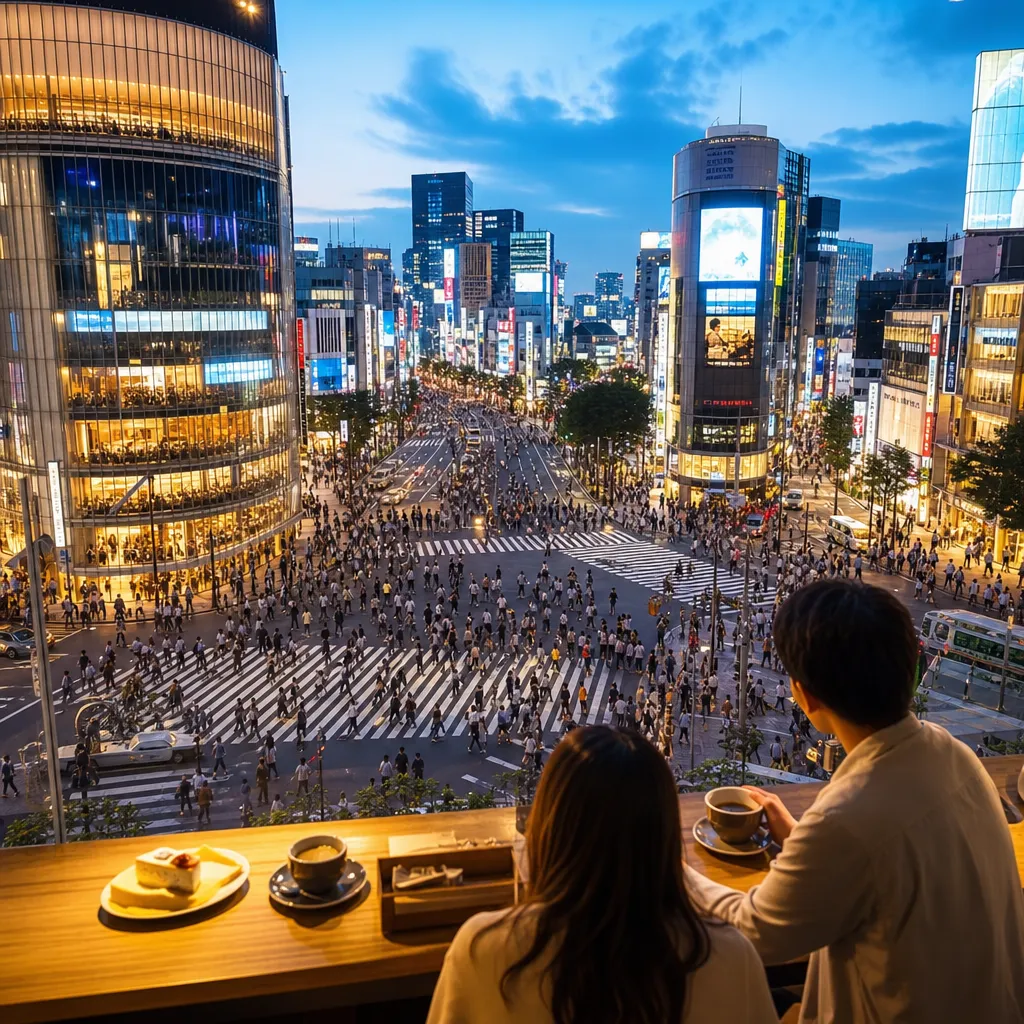
Shibuya is one of the best areas to experience the city’s intensity in a compact way. Around Shibuya Station you have the Scramble Crossing, large-scale retail, food floors, nightlife streets, and a constantly changing commercial landscape. For many travelers, it works best as an afternoon-into-evening destination.
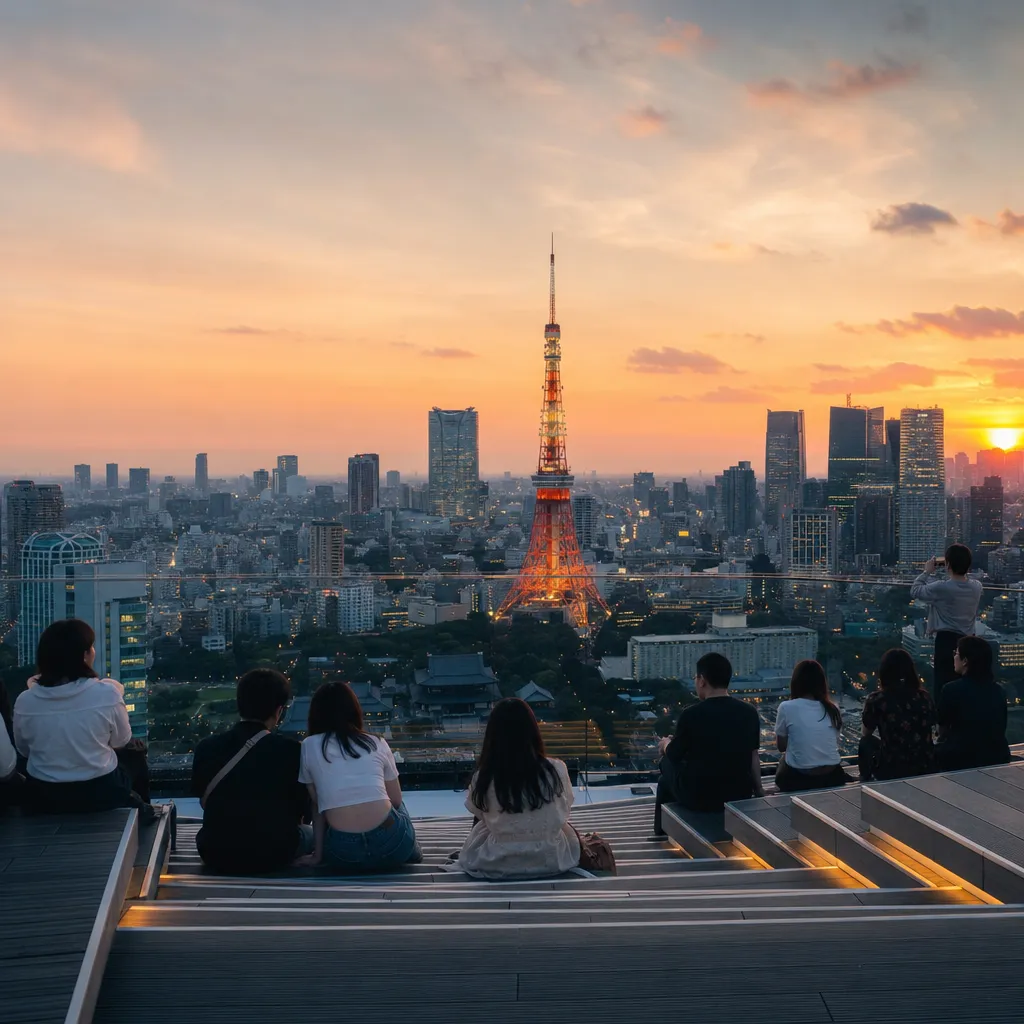
For views, Shibuya Sky is a strong choice because it combines a central location with a broad perspective over the city. It is especially good close to sunset, when you can see daylight transition into illuminated streets. Because this is a popular attraction, advance booking is often wise when available.
Street photography is easier here than in more formal districts, but expect crowds. This area suits first-time visitors, couples, and anyone who wants shopping, food, and skyline views in one place. Families can enjoy it too, though the atmosphere becomes more adult-oriented later in the evening.
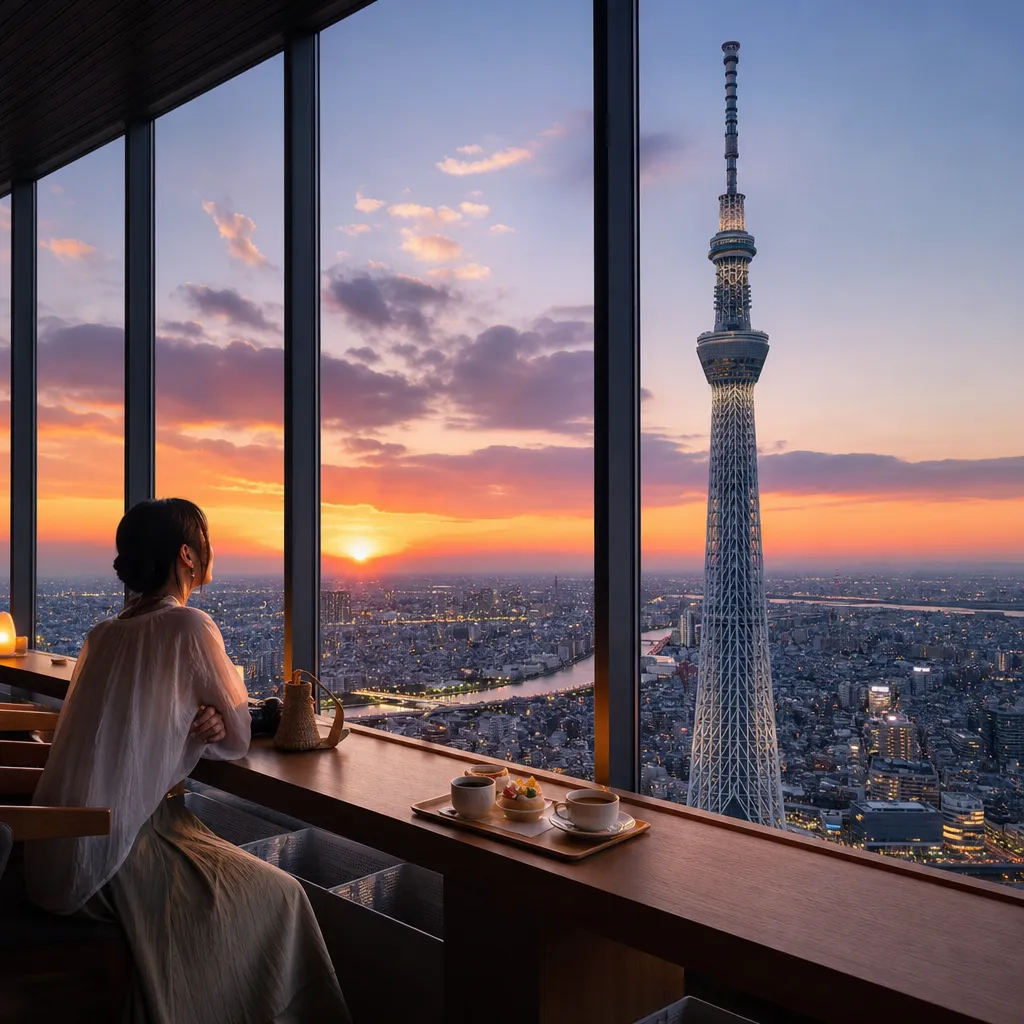
5. Tokyo Skytree and the Sumida riverside side of eastern Tokyo
Tokyo Skytree is in Sumida ward, with Tokyo Skytree Station and Oshiage serving the area. Unlike Shibuya’s dense street-center energy, this part of the city feels more open, and the tower works well when paired with eastern neighborhoods such as Asakusa or a river walk.
The draw is obvious: high city views and a recognizable skyline landmark. The adjacent Tokyo Solamachi complex makes the area convenient for dining, shopping, and family-friendly indoor time. This combination is especially helpful in poor weather or if your group has mixed interests.
On very clear days, long-distance visibility improves significantly. Sunset and night visits are particularly popular. Because the experience depends on visibility and crowd levels, checking current ticketing and access details before you go is sensible. This area is one of the easier viewpoint choices for families and multi-generational groups.
6. teamLab Planets TOKYO DMM for immersive indoor art
In Toyosu, Koto ward, teamLab Planets TOKYO DMM offers one of the city’s most distinctive indoor art experiences. It is not a conventional museum with framed objects and wall labels; instead, it is a walk-through environment built around light, space, reflection, and sensory interaction.
This is especially useful if you are traveling in bad weather, with teenagers, or with people who want an experience-oriented attraction rather than a historical one. Toyosu is farther east than the traditional central sightseeing core, but it is still straightforward by public transport and can be paired with the wider bayfront area.
Visitors should expect to move through dark rooms and spaces that may involve water or mirrored surfaces depending on the installation setup. Booking ahead is often important because timed entry is common. Wear clothing that works comfortably for an interactive environment and check current visitor guidance before arrival.
7. Tsukiji Outer Market for food-focused mornings
Tsukiji Outer Market in Chuo ward remains one of the most practical places for visitors who want to explore market streets and eat well in the morning. It is near Tsukiji and Tsukijishijo stations, and the surrounding area sits close enough to Ginza that it is easy to combine both in one outing.
The appeal here is variety: seafood shops, knife stores, tea, tamagoyaki, and small places serving breakfast or lunch. This is not the old inner wholesale tuna auction experience, so visitors should think of it as a lively market district rather than a full wholesale market visit.
Go early for the best atmosphere. Some businesses close earlier than visitors expect, and not every shop keeps the same rhythm. It suits casual eaters, photographers, and anyone who likes browsing as much as eating. If you want a more orderly and polished follow-up, head to nearby Ginza afterward.
8. Ginza for department stores, food halls, and modern city polish
Ginza, in Chuo ward, is one of the easiest districts for visitors who enjoy structured shopping, architecture, and dining. It is served by multiple stations across the area, and the neighborhood feels more refined and spacious than many of the city’s busier entertainment districts.
This is a good place to visit even if you are not shopping for luxury goods. Department store basements are useful for prepared foods and sweets, and the streets themselves are rewarding for architecture and window displays. Ginza also works well for lunch, tea, or a more formal dinner if you want a break from casual market eating.
Weekends can be especially pleasant for strolling. The district suits couples, solo travelers, shoppers, and visitors who prefer orderly urban spaces over youth-fashion districts. It can feel expensive, but browsing itself costs nothing, and the food halls are often accessible across a range of budgets.
9. Shinjuku Gyoen and Yanaka for a quieter side of the city
Not every strong Tokyo experience needs towers or giant intersections. Shinjuku Gyoen, in the wider Shinjuku area, offers one of the best landscaped garden escapes in central Tokyo. It is especially good during cherry blossom season and autumn color, but it is useful year-round when you need a quieter stretch between busier districts.
For a neighborhood walk, Yanaka offers a different kind of calm. In the Taito and Bunkyo side of the city, accessible from the Nippori area, it is known for older streets, temple clusters, small shops, and a slower residential-commercial rhythm. It feels more local and less spectacle-driven than major landmark zones.
Choose Shinjuku Gyoen if you want open green space with easy onward transport. Choose Yanaka if you prefer walking, browsing, and a more lived-in atmosphere. Both suit repeat visitors, photographers, and travelers trying to balance major sights with less intense parts of the city.
How to choose the right places for your itinerary
If this is your first trip, a balanced plan works best. One classic combination is Asakusa, Ueno, and Tokyo Skytree for a day focused on eastern districts. Another is Meiji Jingu, Omotesando, and Shibuya for a day that moves from shrine grounds to architecture and night views.
For food-oriented travelers, build around Tsukiji, Ginza, and a department store food hall. For indoor attractions, pair a museum in Ueno with teamLab Planets in Toyosu on a different day. If you want fewer station changes, stay within one side of the city rather than crossing back and forth repeatedly.
Tokyo is efficient, but scale still matters. A realistic day usually includes two major stops and one lighter neighborhood walk, not six ambitious landmarks. Check current admission systems, closures, and weather before committing to observation decks, gardens, or timed-entry attractions.
FAQ
What area is best for a first-time visit?
For a first trip, many visitors do well with a mix of Asakusa, Shibuya, Shinjuku, Ueno, and either Ginza or Harajuku. These areas cover traditional culture, modern city atmosphere, museums, shopping, and food without requiring overly complex planning.
Should I book Tokyo attractions in advance?
For popular viewpoints and immersive attractions, advance booking is often a good idea. Museums may be easier to visit more spontaneously, but special exhibitions and busy periods can change that. Always check official information before heading out.
What is the best time of day for sightseeing?
Mornings are best for temples, shrines, markets, and quieter photography. Late afternoon into evening works well for districts such as Shibuya and for observation decks where you want daylight and city lights in the same visit.
Are these places suitable for families?
Yes, especially Asakusa, Tokyo Skytree, Ueno Park, Shinjuku Gyoen, and teamLab Planets. Shibuya is also family-friendly during the day, though some nearby nightlife areas are better avoided late at night with young children.
Can I visit these places without speaking Japanese?
Yes. Major attractions and transport hubs are generally manageable for international visitors, with English support often available to some degree. Smaller shops and older market businesses may involve less English, but basic courtesy and patience usually go a long way.
Which places are best in bad weather?
Tokyo National Museum, teamLab Planets, department stores in Ginza, and Tokyo Skytree with its adjoining complex are useful rainy-day choices. Markets and temple districts become less comfortable in heavy rain.
Is photography allowed everywhere?
No. Outdoor streets and many public areas are straightforward, but museums, shrine buildings, temple interiors, and some exhibitions may restrict photography. Always follow posted rules and avoid blocking paths in crowded sightseeing areas.
What should I check before visiting?
Check official information for admission systems, temporary closures, special events, weather conditions, and transport updates. For markets, museums, and ticketed attractions, current operating details can change more often than guidebooks suggest.
Sources
- GO TOKYO (Tokyo Convention & Visitors Bureau)
- Japan National Tourism Organization
- Tokyo National Museum official website