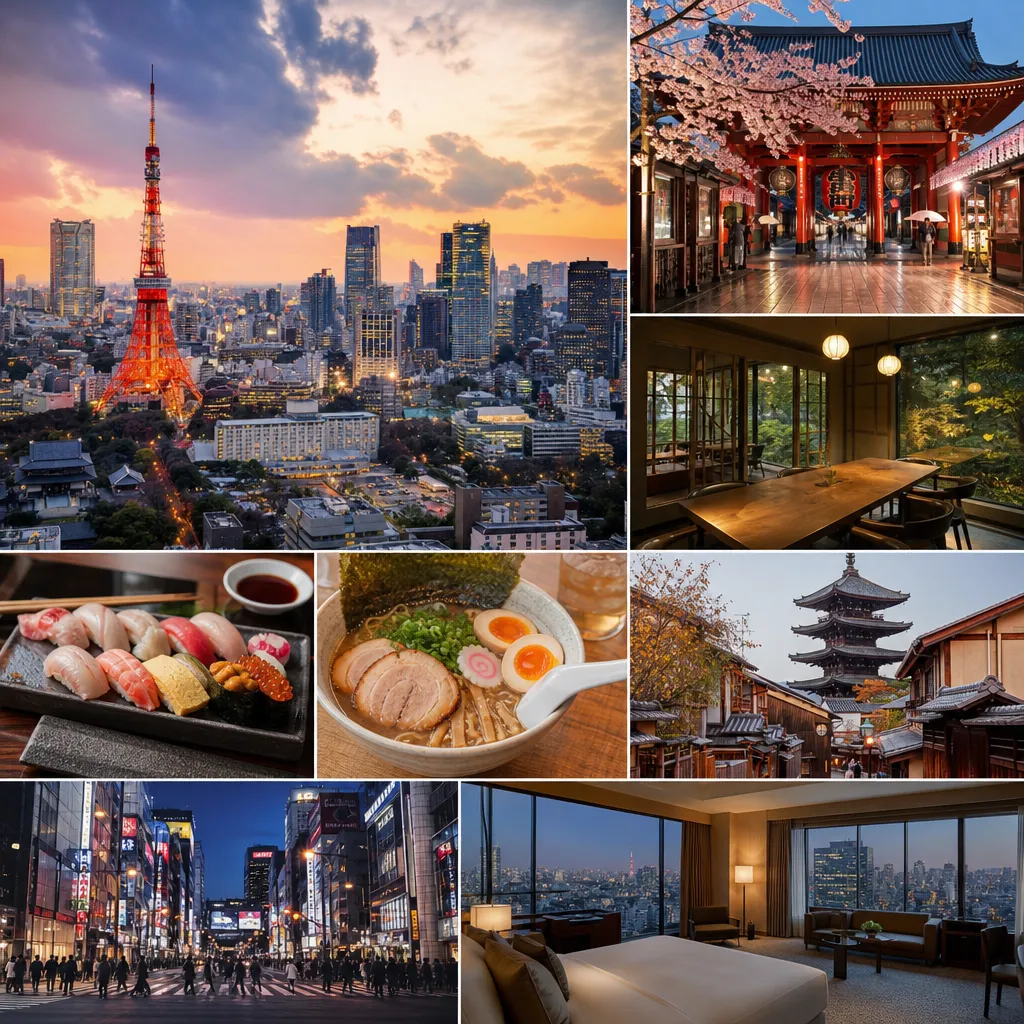
Planning a first trip to Tokyo is less about finding “the best” single area and more about understanding how the city’s neighborhoods differ. Tokyo is vast, highly connected, and easy to navigate once you decide what kind of days you want: old-town walks, design-forward shopping, late-night food, major museums, or quieter local streets. This guide focuses on how to use the city well, with practical neighborhood advice, transport context, and a curated set of places that are dependable starting points. Treat it as a framework for building an itinerary rather than a checklist to rush through.
Tokyo’s rail network makes it possible to combine very different experiences in one day, but distances can still be deceptive. Staying near a major station helps, especially for short visits. If you are in the city for only three to five days, choosing a base on the Yamanote Line or near a major subway interchange will make everything easier.
How to Choose the Right Area to Stay
Shinjuku, in western central Tokyo, is one of the most practical bases for first-time visitors. It is a major transport hub with easy access to many parts of the city and a huge range of hotels. The area around the station is busy, commercial, and neon-lit, with department stores, restaurants, and nightlife. It suits travelers who want convenience and late evenings, but it can feel overwhelming.
Shibuya works well if you want youth culture, fashion, dining, and strong transport links. It is still central, but the atmosphere is more style-driven and street-focused than Shinjuku. Stay here if you want easy access to Harajuku, Omotesando, Daikanyama, and Nakameguro.
Ginza, in Chuo ward, is calmer at night and more polished. It is a strong choice for department stores, refined dining, and good subway access. Travelers who prefer a more orderly, upscale environment often find Ginza easier than the larger entertainment districts.
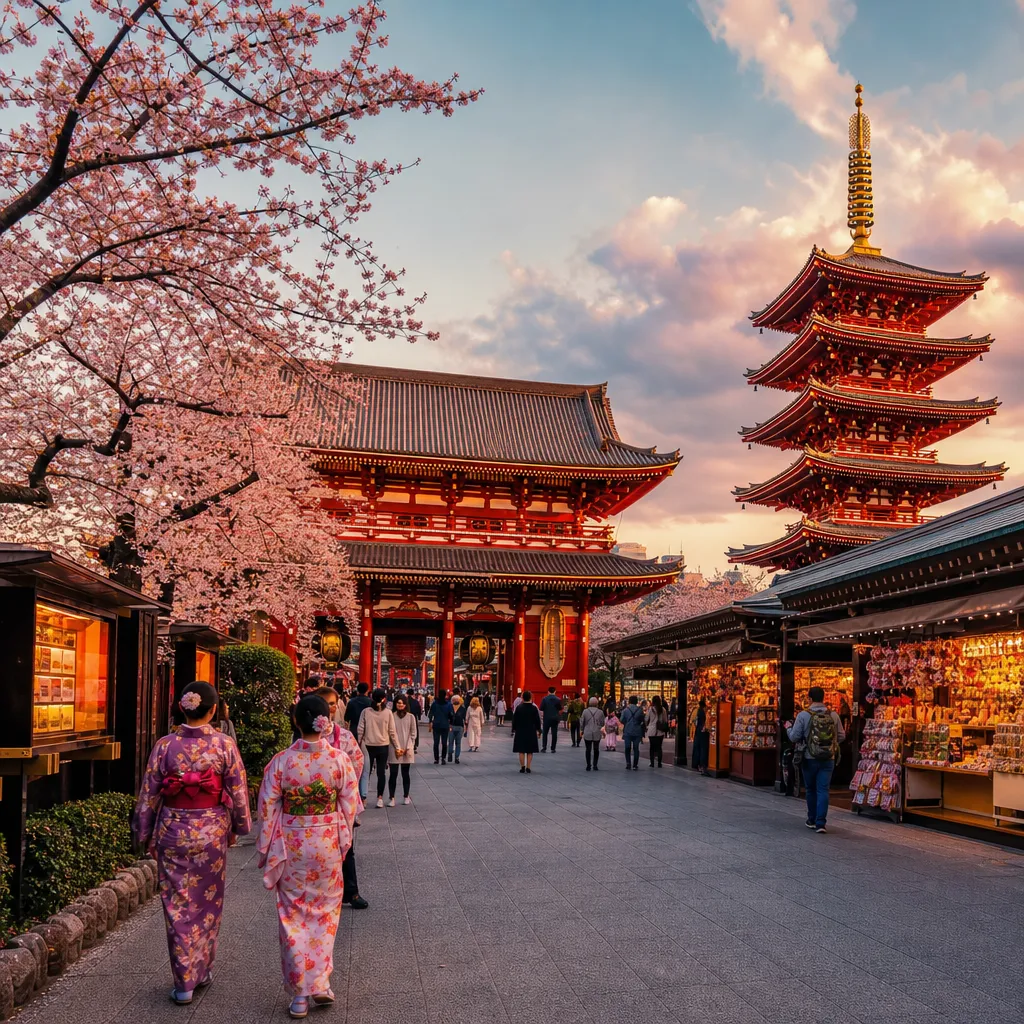
Asakusa, in Taito ward, is one of the best bases for visitors who want a traditional atmosphere. Around Senso-ji and the Sumida River, the surroundings feel older and more neighborhood-based than the western side of the city. It is especially appealing for slower mornings, temple walks, and family trips.
Ueno is practical for museums, park access, and rail connections northward, including some Shinkansen services. It tends to be less glossy than Ginza or Shibuya, but it is useful and often good value.
| Area | Part of Tokyo | Best For | Atmosphere | Main Transport Strength |
|---|---|---|---|---|
| Shinjuku | Western central Tokyo | First-time stays, nightlife, convenience | Busy, commercial, energetic | Major JR and subway connections |
| Shibuya | Southwestern central Tokyo | Fashion, food, younger street culture | Lively, modern, design-conscious | Excellent JR and private rail access |
| Ginza | Central Tokyo | Upscale shopping, calmer evenings | Refined, orderly, polished | Strong subway network |
| Asakusa | Eastern Tokyo | Traditional sightseeing, families, slower pace | Historic, local, visitor-friendly | Subway and riverfront access |
| Ueno | Northeastern central Tokyo | Museums, park access, practical travel | Useful, mixed, less polished | JR hub and some long-distance rail |
Classic Places That Still Deserve Time
Senso-ji in Asakusa remains one of the easiest places to understand Tokyo’s historical side. The approach through Nakamise is heavily visited, but arriving early makes a major difference. Go in the morning if you want softer light, fewer crowds, and a better chance to appreciate the temple grounds rather than just the shopping street. This area is easy to combine with a Sumida River walk or Tokyo Skytree later in the day.
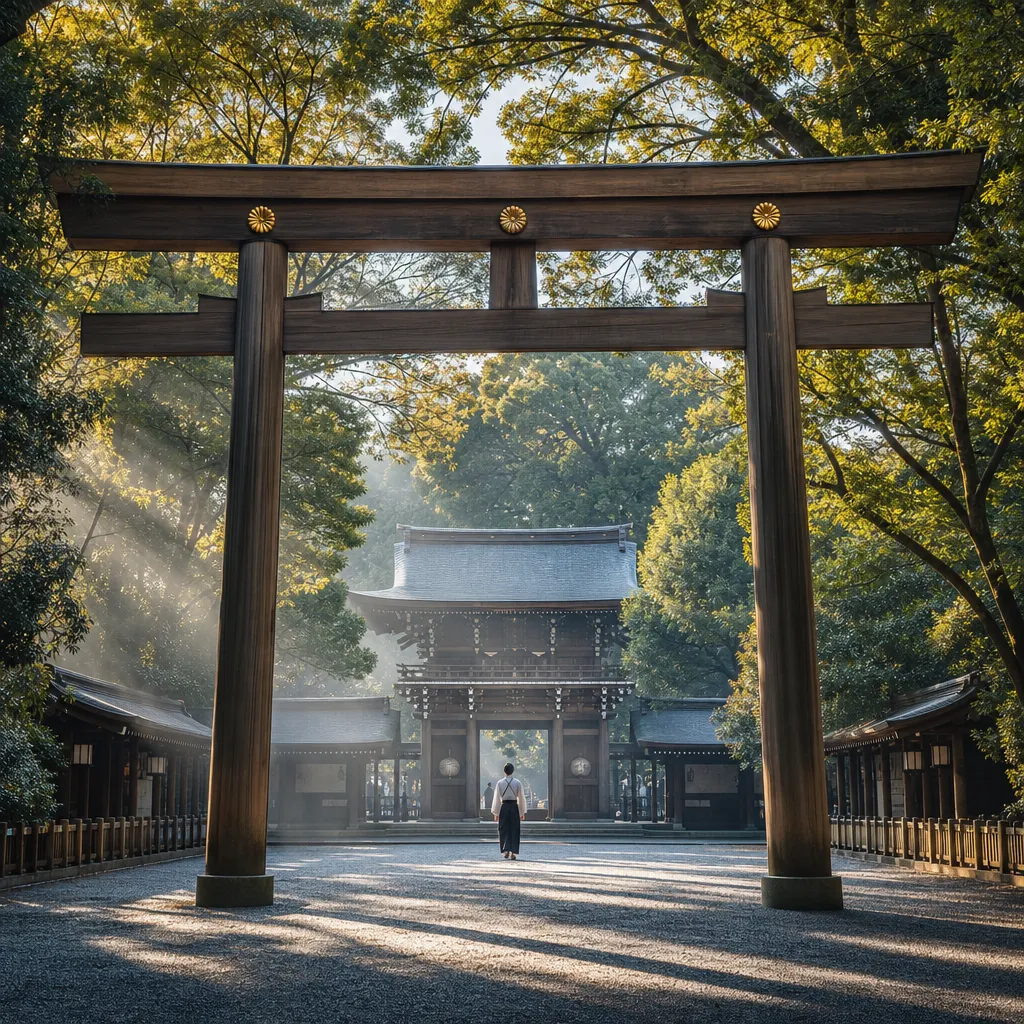
Meiji Jingu, near Harajuku and Yoyogi, gives a different experience: broad forested paths, large shrine grounds, and a sense of separation from the surrounding city. It is centrally located but feels quieter once inside. Visit respectfully, keep to marked areas, and remember this is an active Shinto shrine rather than a purely touristic site.
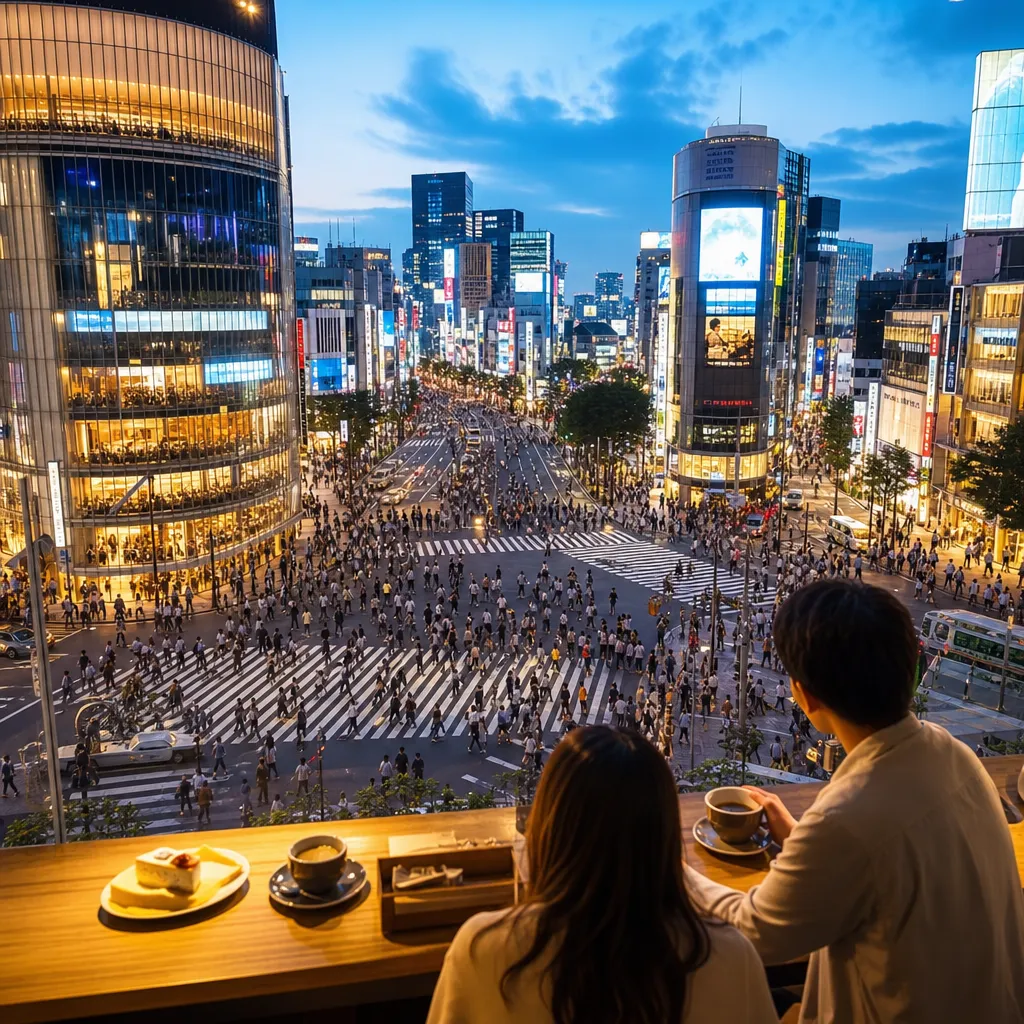
Shibuya Scramble Crossing is worth seeing once, especially for understanding contemporary urban Tokyo. Rather than staying only at the intersection, explore the wider district around Shibuya Station, where redevelopment has changed the skyline considerably. Combine it with Shibuya Sky if you want a high view, but check current ticketing arrangements in advance because timed entry is often important.
Tokyo National Museum in Ueno Park is one of the city’s strongest museum choices if you want historical depth. It is especially worthwhile for visitors interested in Japanese art, Buddhist sculpture, screens, ceramics, and samurai-era objects. The park setting also makes it easy to pair with other museums or a slower afternoon walk.
Best Neighborhoods for Walking and Wandering
Yanaka, in the broader Taito area near Nippori, is one of the most rewarding districts for visitors who want a low-rise, more residential side of the city. It is known for older streets, small temples, local shops, and a calmer rhythm than major central hubs. This suits photographers, repeat visitors, and anyone who enjoys walking without a strict list of attractions.
Kagurazaka, in Shinjuku ward but far removed from the skyscraper image of Shinjuku Station, mixes old lanes, eateries, and a long connection to French-influenced dining. The area is hilly by Tokyo standards, compact, and best explored on foot. It works well in the late afternoon and evening.
Daikanyama is a good choice for design-conscious travelers who like slower shopping streets, architecture, and cafés rather than major sights. It sits southwest of central Tokyo, near Shibuya and Ebisu, but feels much more relaxed. T-Site is a natural stop here if you enjoy bookstores and well-curated retail environments.
Kichijoji, farther west and outside the most central sightseeing circuit, is one of the best “liveable Tokyo” districts to visit. Inokashira Park gives the area breathing room, and the neighborhood combines shopping arcades, casual dining, and a local feel. It takes more effort to reach than Shibuya or Ueno, but it rewards half-day wandering.
Food Experiences Worth Planning Around
Tokyo rewards specificity. Instead of searching vaguely for “good Japanese food,” decide what you want: sushi breakfast, ramen lunch, soba in a quieter neighborhood, yakitori at night, or depachika grazing in a department store basement.
Toyosu Market is the replacement for Tsukiji’s wholesale market functions and is the place to consider if you are specifically interested in the modern fish market environment. It is in Koto ward, farther east than central sightseeing districts, and works best as an early start. For many travelers, however, the more practical food stop is the Tsukiji Outer Market, which remains easier for casual eating and browsing. It no longer functions as the inner wholesale market, so expectations matter.
Department store food halls, especially in Ginza, Nihombashi, Shinjuku, and Shibuya, are one of the city’s most useful food experiences. Mitsukoshi, Isetan, Matsuya, and Takashimaya branches can be excellent for prepared foods, sweets, gift items, and picnic-style meals. They are especially useful on rainy days, for solo travelers, and for visitors who want variety without committing to a full restaurant meal.
Ramen is best approached by style rather than celebrity rankings. Around stations such as Shinjuku, Ikebukuro, Ueno, and Tokyo Station, you will find many options ranging from richer tonkotsu styles to lighter shoyu and shio bowls. Expect vending-machine ordering at some shops, limited seating, and quick meal turnover. Long lingering is generally not the norm.
Yakitori is often best in the evening, especially around business and nightlife districts such as Yurakucho, Shinjuku, and areas near Meguro or Nakameguro. Some venues are highly polished and reservation-focused; others are more casual. Smoke, close seating, and compact spaces are common, so this is not always ideal for travelers with large luggage, strollers, or a need for quiet dining.
Soba can be a good counterbalance to heavier meals. You will find strong options across the city, but older neighborhoods and business districts often have dependable specialist shops. It suits lunches well and is a practical choice for travelers who want something distinctly Japanese but less intense than a tasting meal.
Museums, Architecture, and Indoor Days
Ueno Park is the most efficient museum district for many visitors. Beyond the Tokyo National Museum, the National Museum of Western Art and the Tokyo Metropolitan Art Museum make the area useful for a full indoor day. This is one of the best parts of the city to keep flexible for bad weather.
Mori Art Museum in the Roppongi area is a strong choice for contemporary exhibitions and a more international museum-going feel. Because exhibition schedules change, it is worth checking what is on before committing. The wider Roppongi Hills complex also makes it easy to combine art, dining, and city views.
Nezu Museum in Minami-Aoyama offers a more compact and elegant experience. It suits travelers interested in Japanese and East Asian art, but the setting is part of the appeal: refined architecture and a garden that can make the visit feel calmer than larger institutions. It pairs well with Omotesando and Aoyama walking.
For architecture, Omotesando remains one of the easiest districts to appreciate on foot. Major fashion buildings and commercial architecture line the avenue, while side streets reveal smaller-scale design stores and cafés. It is a practical area for visitors who want visual interest without committing to a formal museum.
Best Views and Photography-Friendly Spots
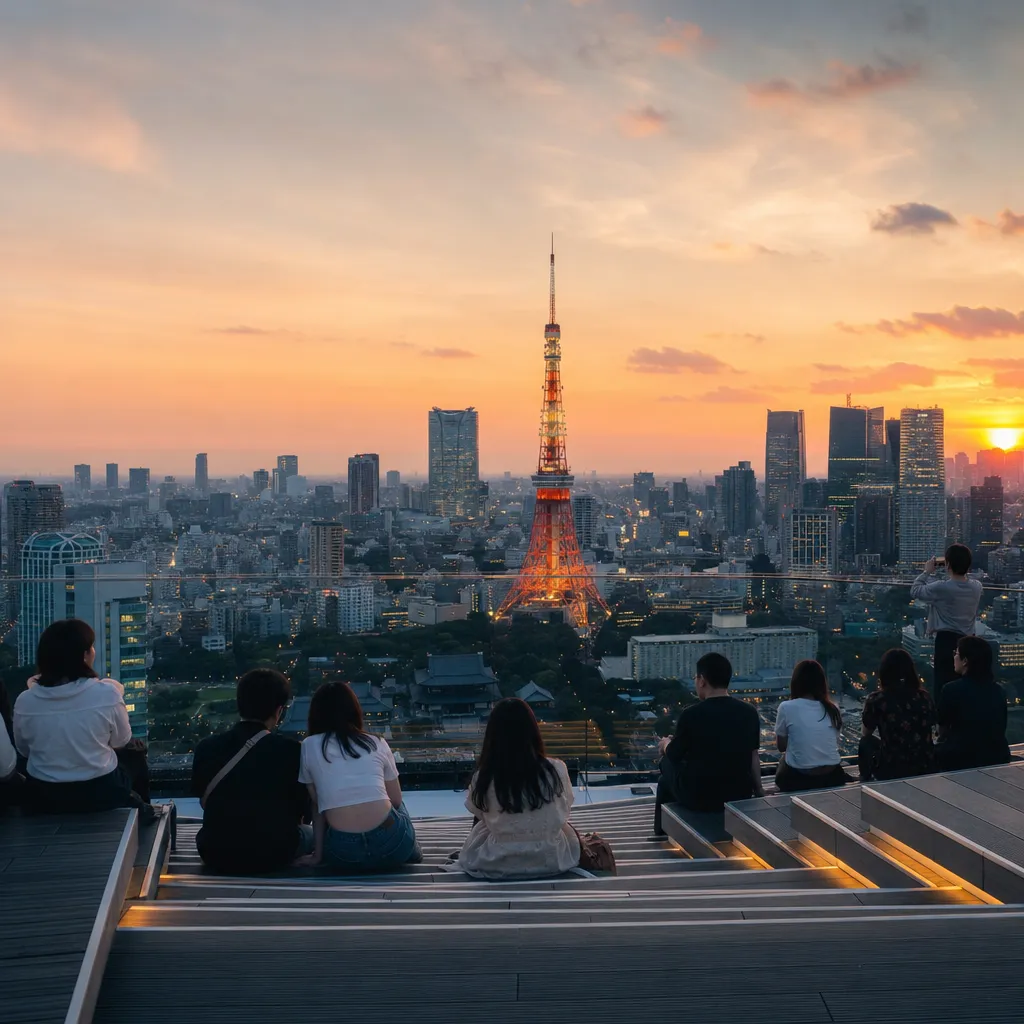
Shibuya Sky, above the redevelopment around Shibuya Station, is one of the strongest urban viewpoints for orientation and wide city photography. It is best for late afternoon into evening if you want transitions in light, but this is also the busiest period. Because access can depend on timed admission, advance planning is wise.
Tokyo Metropolitan Government Building in Shinjuku is a practical alternative for city views. It is well known, easy to reach in the wider Shinjuku area, and can work well for travelers who want a skyline perspective without building a full premium viewpoint experience into the day.
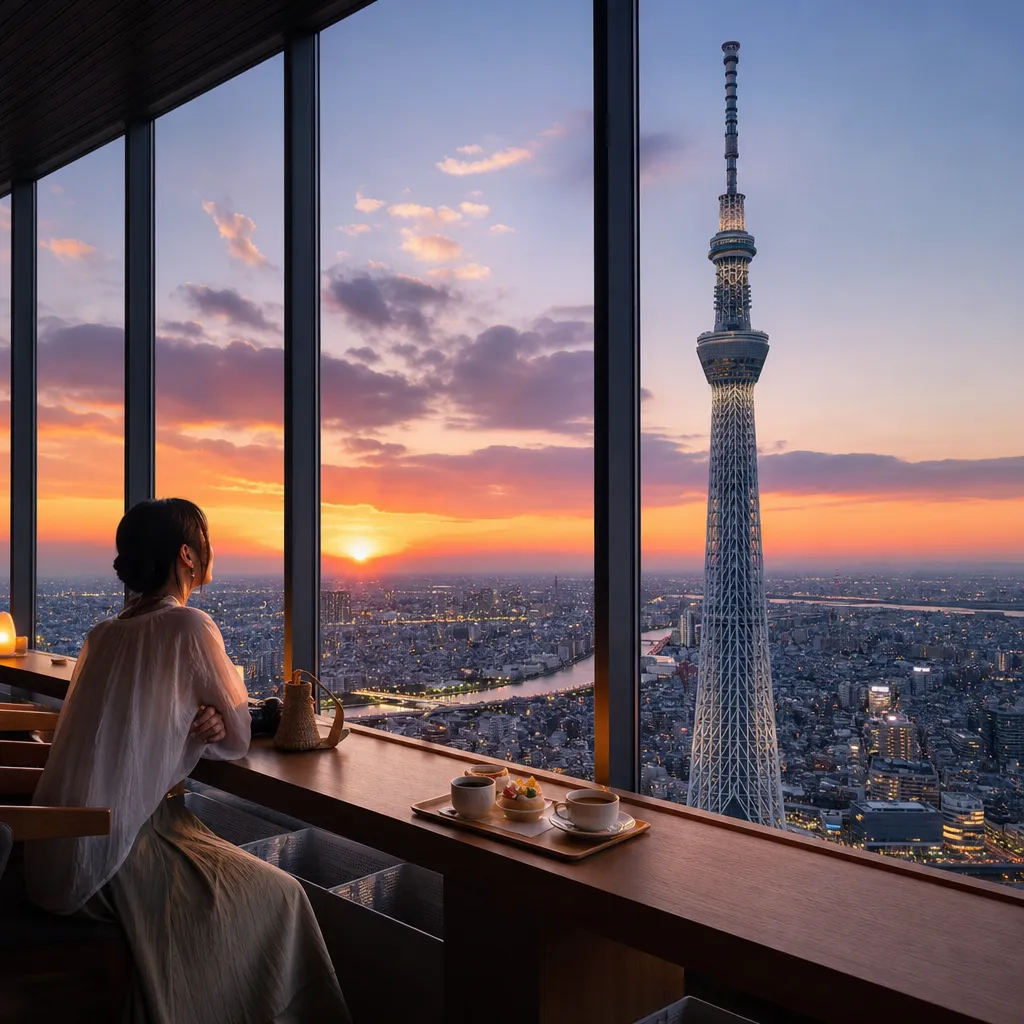
Tokyo Skytree, in Sumida near Oshiage, gives a different perspective because of its eastern location and dramatic height. It pairs naturally with Asakusa and the Sumida riverside. This area is farther from western neighborhoods like Shibuya and Shinjuku, so combine it sensibly rather than treating it as a quick detour.
For street photography, Asakusa, Yanaka, and parts of Shimokitazawa offer more textured pedestrian scenes than glass-and-tower districts. Early morning tends to work best in older neighborhoods; late afternoon can be better in fashion and café areas.
Shopping Beyond the Obvious
Ginza is still the benchmark for department stores and polished retail. It is less about bargain shopping and more about quality presentation, flagship stores, stationery, food halls, and a generally easy browsing environment. If you want a structured shopping day, this is one of the simplest places to plan.
Shimokitazawa, west of Shibuya, is one of the most useful areas for vintage stores, casual fashion, small music-related shops, and a younger independent retail atmosphere. It is better for browsing than targeting a single purchase. Weekends are lively, but weekdays can feel more manageable.
Jimbocho is the district to know if you care about bookstores. Near the center of the city and accessible by subway, it is known for secondhand and specialist bookshops. Even visitors who do not read Japanese may enjoy the atmosphere, especially if they are interested in prints, art books, or niche subjects.
Nihombashi suits travelers who prefer heritage retail and a more historically rooted commercial district. It feels more restrained than Shibuya or Harajuku and is a good place to look for long-established Japanese shops alongside modern redevelopment.
Easy Day Structures for Short Visits
If you have three days, a useful approach is to divide the city by character rather than by cardinal direction.
- Traditional East: Asakusa, Senso-ji, Sumida riverside, and either Ueno or Tokyo Skytree.
- Modern Core: Shibuya, Harajuku, Omotesando, and Meiji Jingu.
- Culture and Food: Ueno museums, Ginza or Nihombashi shopping, followed by an evening meal in Shinjuku or Yurakucho.
If you have five days or more, add one slower neighborhood day for Yanaka, Kagurazaka, Kichijoji, or Daikanyama. This is often what makes a trip feel less hurried and more personal.
Practical Tokyo Tips That Save Time
- Use station names, not only neighborhood names. Tokyo districts can be larger than visitors expect.
- Build around one or two train corridors per day. Constant zigzagging across the city wastes time.
- Reserve selectively. Popular fine-dining restaurants, special viewpoints, and some themed experiences may need advance booking, but many good casual meals do not.
- Start early for major sights. Asakusa, Meiji Jingu, and popular museums are usually more pleasant earlier in the day.
- Carry a small bag for purchases and trash. Public bins can be limited.
- Check current operating details before going. Opening days, timed entry systems, and restaurant policies can change.
What area of Tokyo is best for a first-time visitor?
Shinjuku, Shibuya, Ginza, and Ueno are the most practical first-time bases, depending on whether you prioritize nightlife, fashion, shopping, or museum access. Asakusa is also a strong choice if you prefer a traditional atmosphere over nightlife.
How many days do I need for Tokyo?
Three full days is enough for a first overview, but five to seven days gives you time to include museums, slower neighborhoods, and better food planning without rushing constantly.
Do I need restaurant reservations in Tokyo?
Not for most casual ramen, soba, or everyday dining. Reservations are more important for high-end sushi, kaiseki, special counters, and some popular evening restaurants.
Is Tokyo easy to explore by public transport?
Yes. The rail and subway systems are extensive and efficient. Staying near a major station simplifies transfers, especially if you are carrying luggage or returning late.
What is the best time of day to visit major sights?
Morning is usually best for temples, shrines, and older neighborhoods. Late afternoon into evening works well for viewpoints, shopping districts, and many food-focused areas.
Which neighborhood is best for traditional Tokyo atmosphere?
Asakusa is the easiest and most direct choice. Yanaka is also excellent if you want a quieter, more residential old-town feel.
Is Tokyo suitable for families?
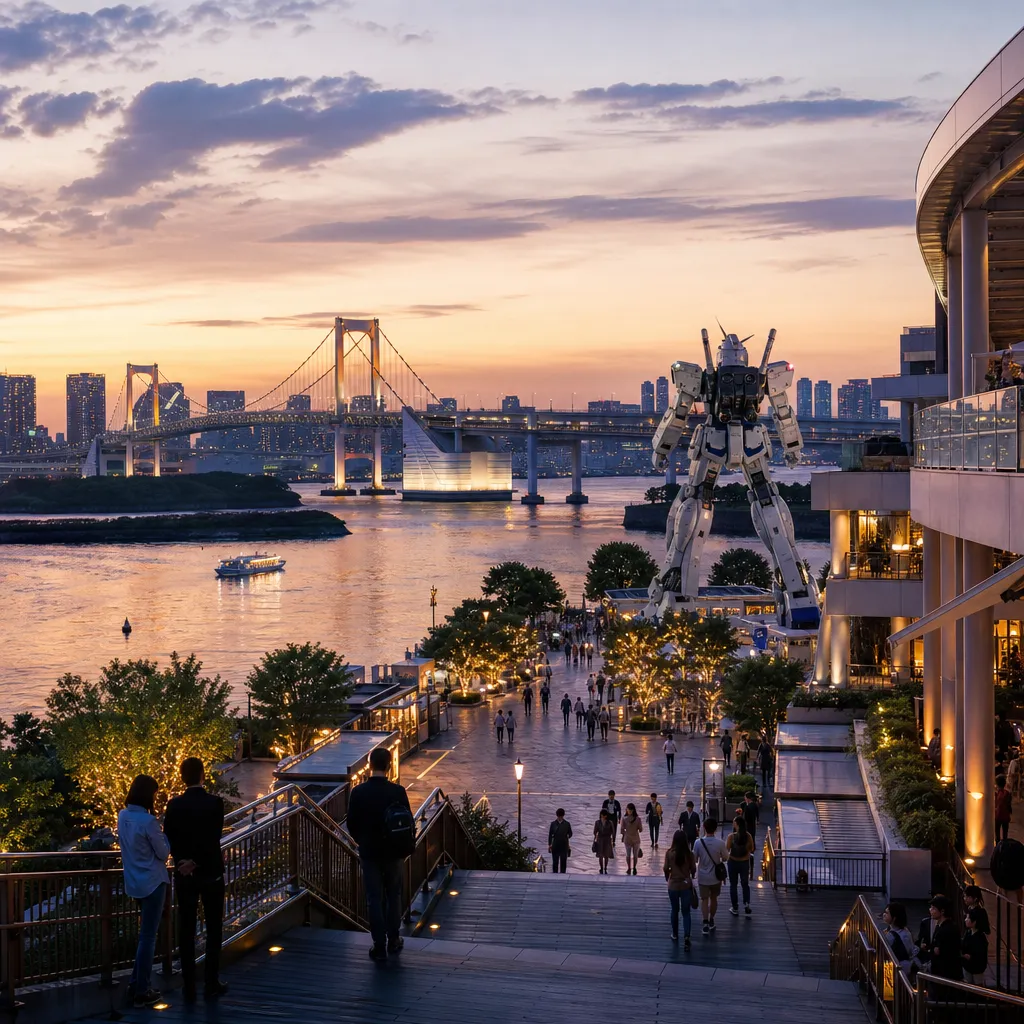
Yes, especially areas such as Asakusa, Ueno, Odaiba, and Kichijoji. Families usually benefit from planning shorter travel hops and leaving room for parks, indoor attractions, and early meals.
What should I check before visiting a specific place?
Check current opening days, ticketing systems, reservation requirements, and any temporary closures. This matters especially for museums, viewpoints, and destination restaurants.
Sources
- GO TOKYO (Tokyo Convention & Visitors Bureau)
- Japan National Tourism Organization
- Tokyo Metropolitan Government