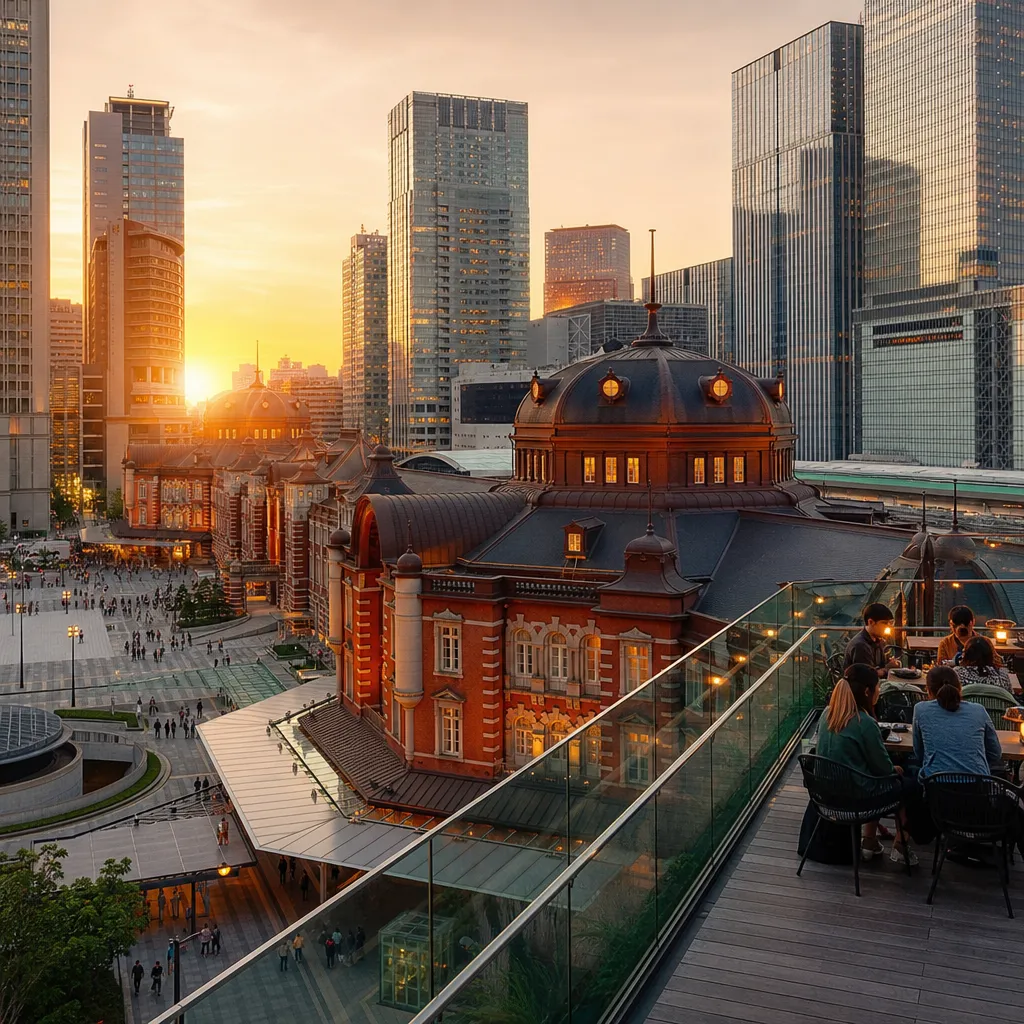
Nestled along the Pacific coastline, Tokyo offers a thrilling tapestry of culinary delights that reflect centuries of tradition and cutting-edge innovation. From bustling alleys lined with neon signs to serene tea houses tucked away in hidden gardens, the city’s gastronomic landscape invites travelers to embark on a sensory journey. This article highlights the top food tours in Tokyo, unveiling the flavors, districts, and insider strategies that ensure an unforgettable experience in this Tokyo metropolis.
Exploring Tokyo’s Vibrant Food Districts
Each neighborhood in Tokyo has its own edible identity. A guided stroll through buzzing markets and backstreet alleys introduces visitors to a kaleidoscope of textures, aromas, and tastes. Below are some of the most celebrated districts to include on any food tour.
- Tsukiji Outer Market
- Once home to the world’s largest fish auction, this historic quarter now thrives with stalls selling fresh seafood, pickles, and artisanal knives.
- Sample hand-rolled maki, freshly shucked oysters, and tamagoyaki drizzled in soy sauce.
- Shinjuku
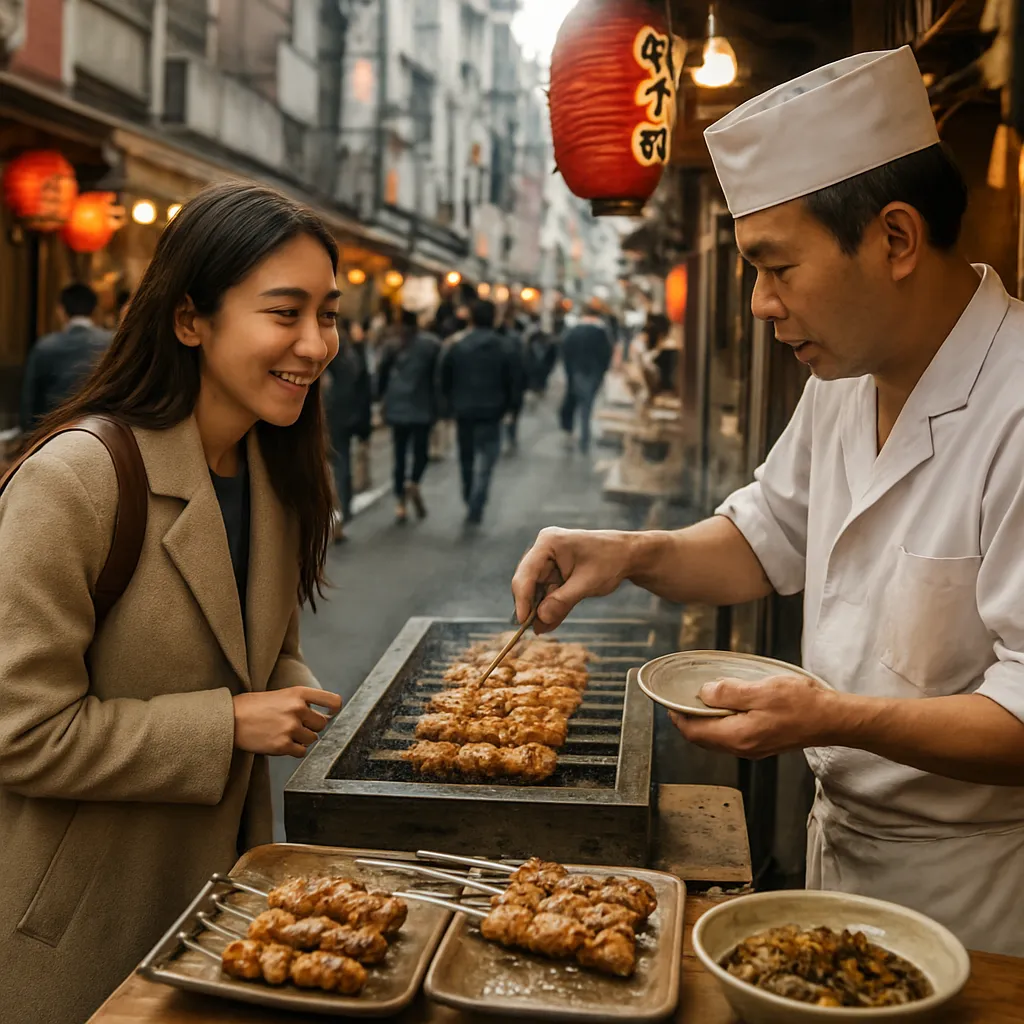
- Known for its karaoke bars and towering skyscrapers, Shinjuku reveals tucked-away izakaya alleys where locals savor yakitori and craft beer.
- Busy food alleys such as Omoide Yokocho glow warmly at night, offering grilled skewers and piping-hot bowls of ramen.
- Asakusa
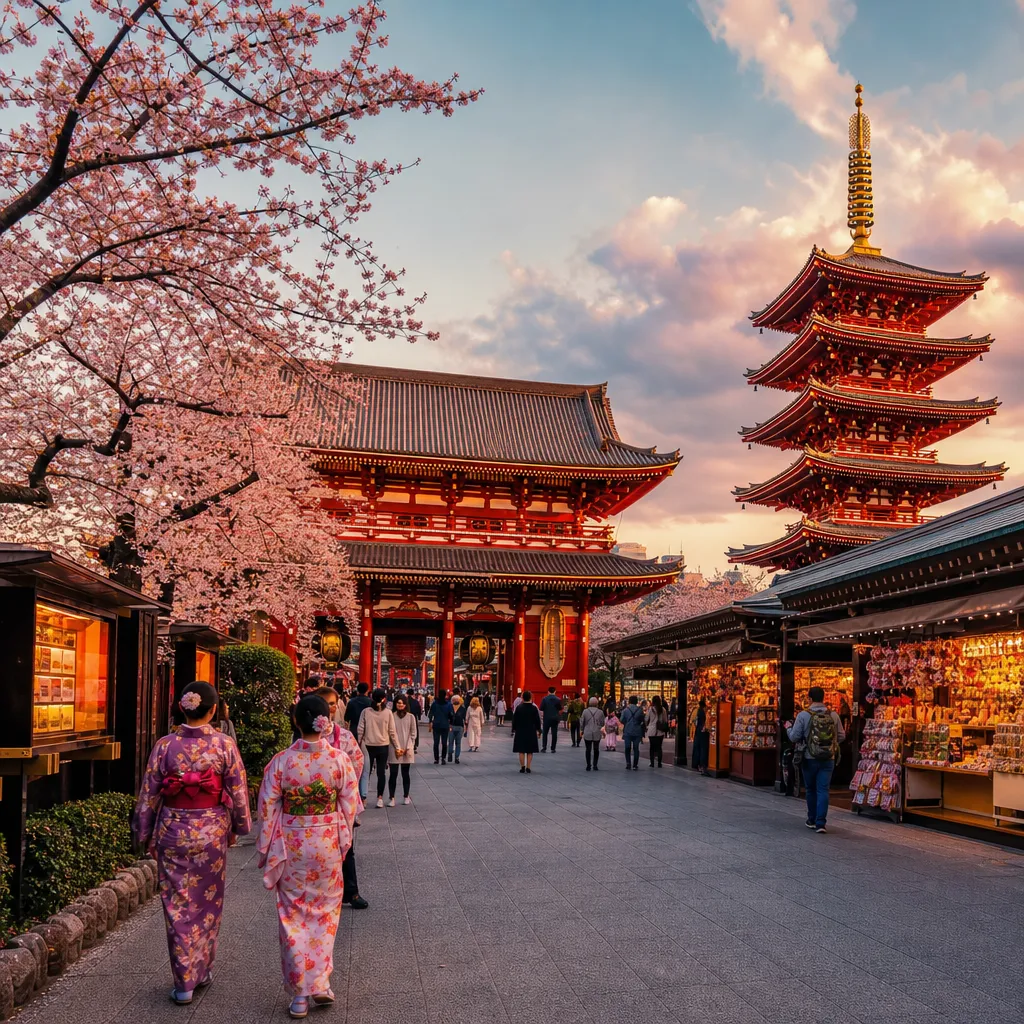
- Famous for the Senso-ji Temple, Asakusa also hosts street vendors selling melon pan, dango, and savory tempura.
- Witness artisans preparing wagashi confections and sip on matcha tea in traditional wooden storefronts.
- Tsukishima
- The birthplace of monjayaki, a savory pancake cooked on a flat grill at your table.
- Enjoy strolling riverside promenades before indulging in gooey, cheese-filled variations of this local specialty.
Signature Culinary Experiences on a Tour
Sushi Masterclass at Tsukiji
Under the guidance of a veteran itamae (sushi chef), participants learn how to select the freshest cuts of tuna, salmon, and uni. The lesson covers knife techniques, rice seasoning, and the art of crafting nigiri worthy of a Michelin-star restaurant. Visitors leave not only with a satisfied appetite but also newfound respect for the centuries-old tradition of sushi making.
Ramen Quest in Shinjuku’s Backstreets
Ramen shops in Tokyo vary in broth base, noodle thickness, and regional flair. A guided ramen crawl leads to hidden gems where you can slurp tonkotsu (pork bone), shoyu (soy sauce), and miso varieties. Each bowl is an exercise in umami balance—rich, savory, and soul-soothing. Tastings often include side dishes like gyoza dumplings and chashu pork buns.
Izakaya Hopping in Golden Gai
Golden Gai, nestled beneath the neon canopies of Shinjuku, offers an intimate bar-hopping experience. Tiny wooden pubs seat no more than a dozen patrons, each specializing in grilled skewers, sashimi platters, or tofu desserts. With a pint of Asahi or a warm cup of sake in hand, guests mingle with locals and listen to lively anecdotes from bar owners.
Street-Food Safari in Ueno and Ameya-Yokocho
The open-air market near Ueno Station is a paradise for fans of street-food. Vendors sell takoyaki (octopus balls), yakisoba noodles, and candied fruit skewers. Beyond the snacks, the tour often includes stops at hidden tea stalls serving matcha lattes and artisanal mochi, demonstrating how traditional sweets are crafted by hand.
Insider Tips for an Unforgettable Food Tour
- Book a small-group tour to ensure personalized attention from your guides. Groups of six or fewer allow for in-depth conversations and off-menu tastings.
- Carry cash. Many street stalls and older markets operate on a cash-only basis, so have plenty of yen on hand.
- Learn basic chopstick etiquette: avoid pointing, sticking them vertically in rice, or passing food chopstick-to-chopstick.
- Go early or late. Popular spots fill quickly at midday; pre-dawn mornings at Tsukiji or late-night izakaya rounds in Shinjuku offer a more relaxed pace.
- Mix savory and sweet: balance heavy broths with citrusy desserts like kakigōri (shaved ice) flavored with yuzu or strawberry.
- Respect local customs: say “itadakimasu” before eating and “gochisosama” after finishing your meal to show gratitude.
- Bring a portable charger. Navigating districts and translating menus online can drain batteries faster than expected.
- Try seasonal specialties. In spring, hunt for sakura-flavored treats; in autumn, sample roasted chestnuts and sweet potato snacks.
- Wear comfortable shoes. Many tours involve walking cobblestone lanes and climbing narrow staircases in centuries-old buildings.
- Be adventurous. Ask your guide for off-the-beaten-path stalls featuring local street vendors or home-style kitchens.