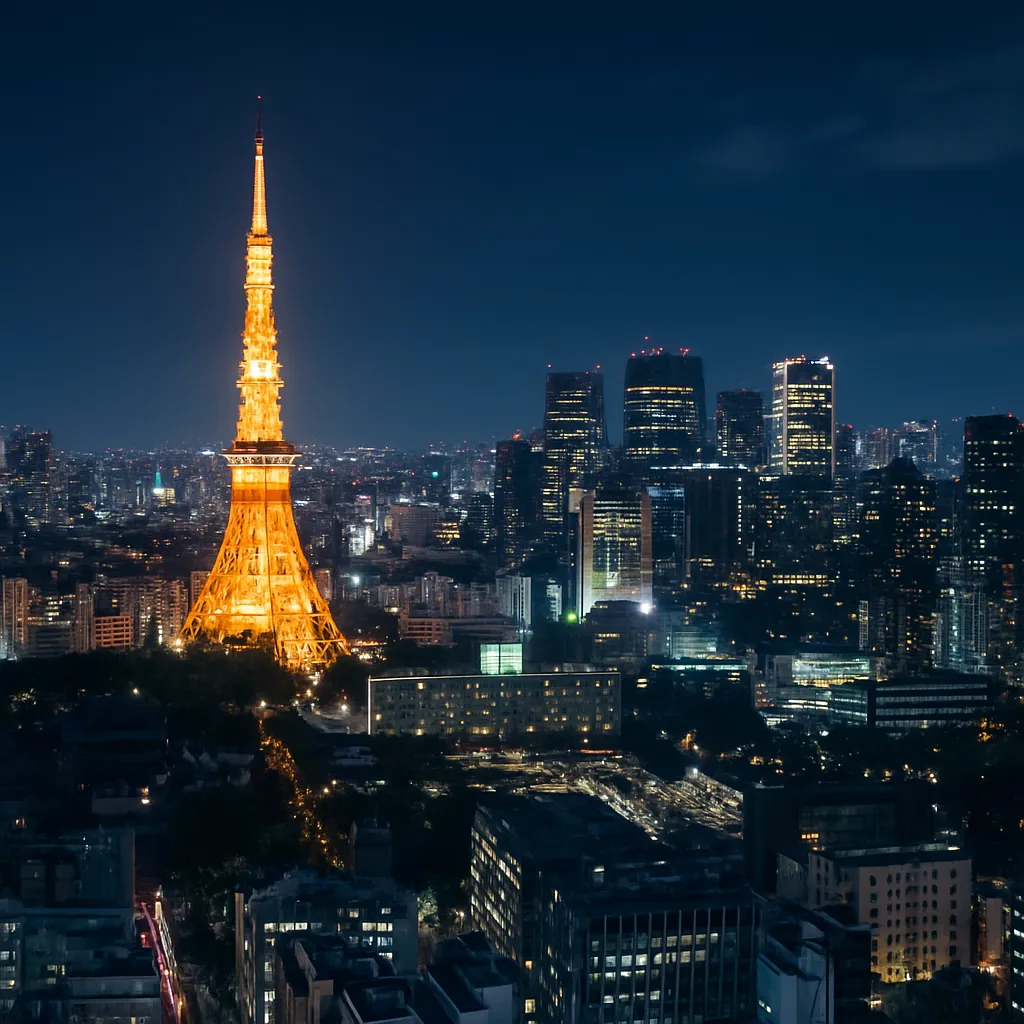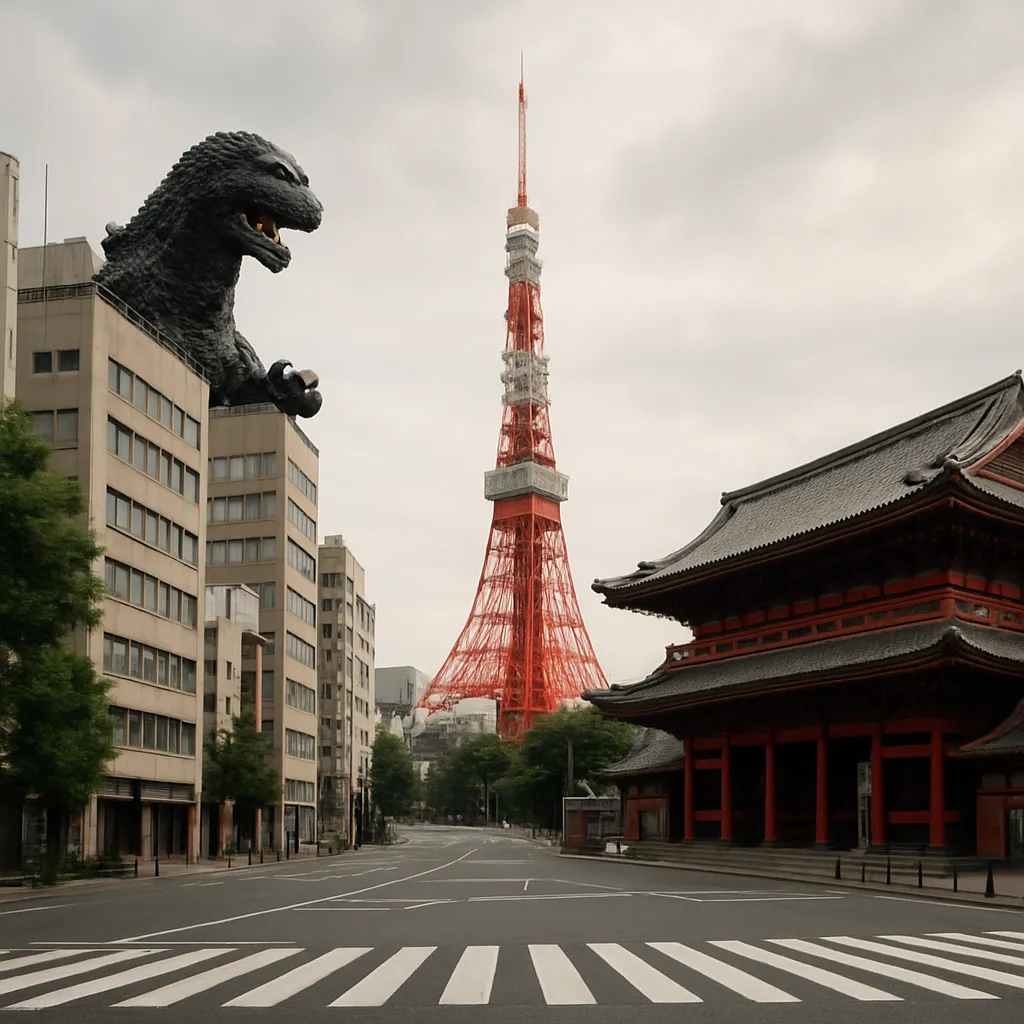
Tokyo radiates a magnetic energy where cutting-edge **innovation** blends seamlessly with centuries-old traditions. Amid the towering skyscrapers and bustling streets, the city’s boutique hotels offer travelers an intimate escape, each boasting a distinctive character that reflects Tokyo’s ever-evolving spirit. Whether nestled in a historic alley of Asakusa or perched above the neon lights of Shinjuku, these properties focus on personalized **hospitality**, thoughtful design and a sense of discovery that big chains simply cannot replicate. Embark on an unforgettable journey through hidden neighborhoods, immersive interiors and culinary delights that define Tokyo’s coolest boutique hotels.
Neighborhood Gems to Discover
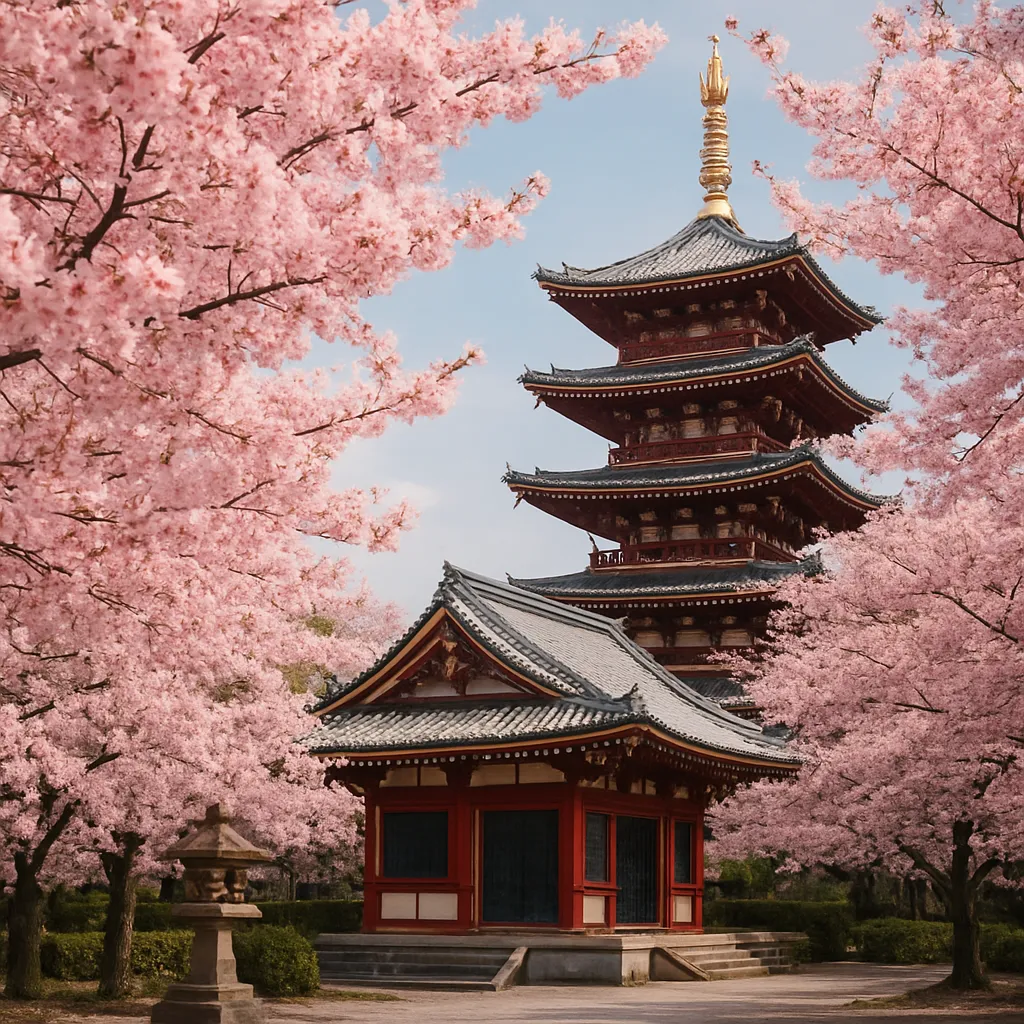
Tokyo’s diverse districts provide the perfect backdrop for boutique properties eager to showcase local culture and heritage. In the heart of Asakusa, guests can wander past the iconic Senso-ji Temple before returning to a hideaway featuring exposed wooden beams and handcrafted tatami mats. This area embodies the city’s rich **history**, inviting travelers to savor traditional festivals and street food stalls mere steps from their rooms.
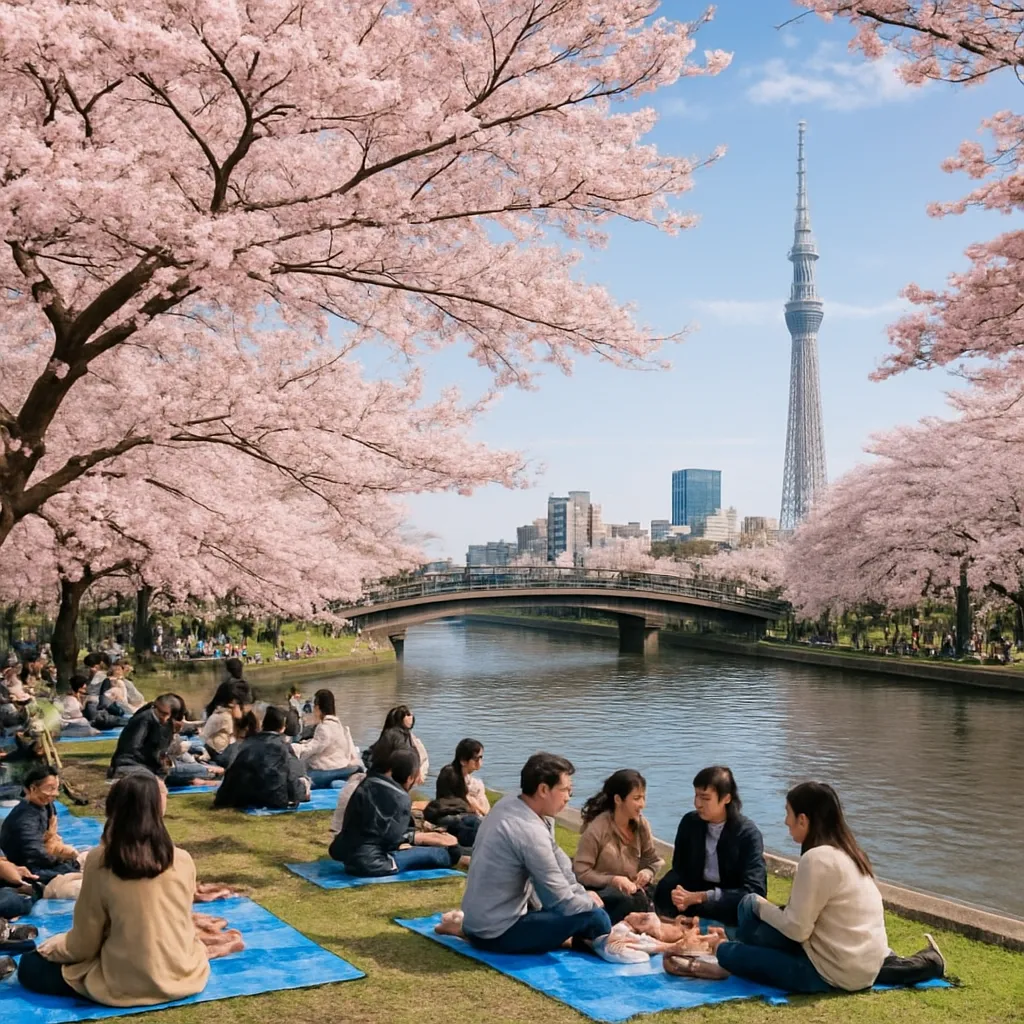
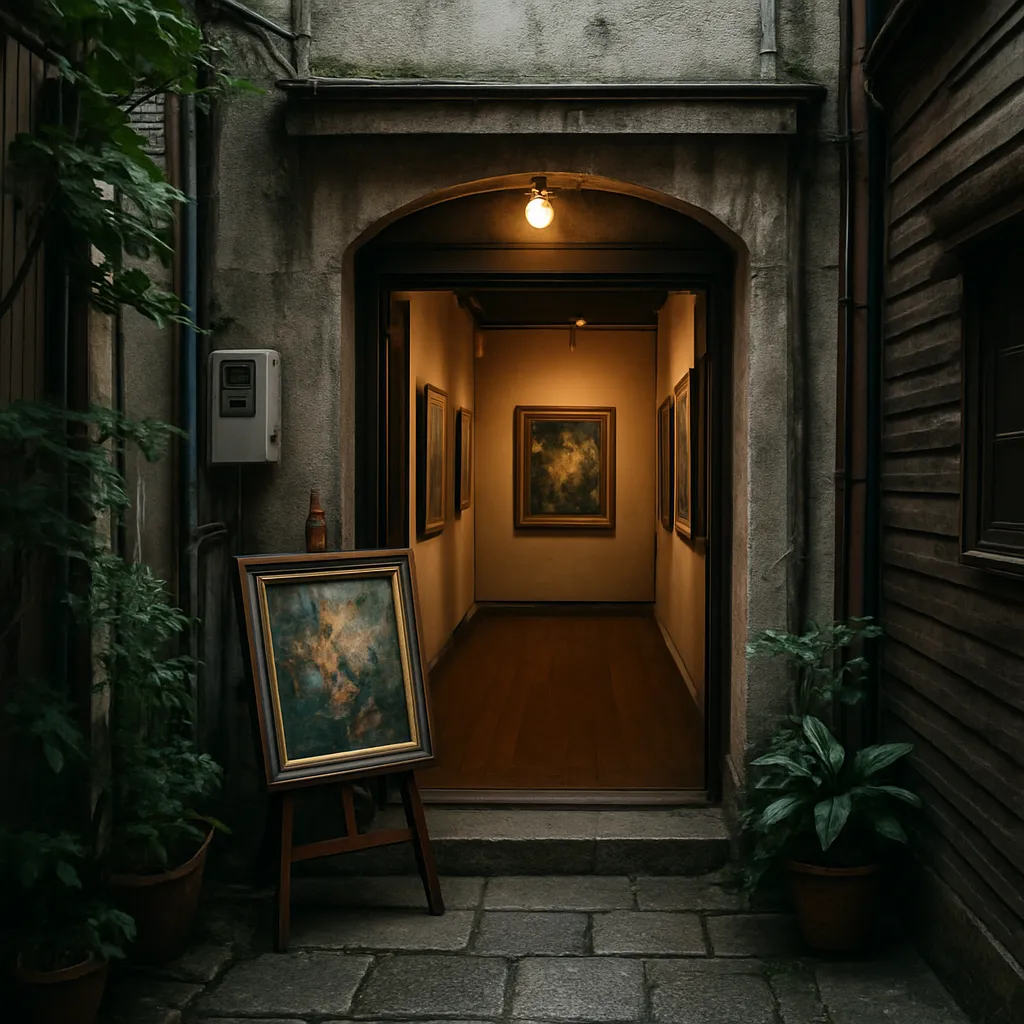
Over in Daikanyama, a leafy enclave favored by fashionistas and artists, sleek glass façades and minimalist lobbies set the tone for a modern retreat. Here, small galleries and indie cafés lie within walking distance, making early morning strolls among cherry blossoms feel delightfully serene. The emphasis on **design** extends from bespoke furniture to curated art installations, encouraging guests to appreciate Tokyo’s contemporary flair.
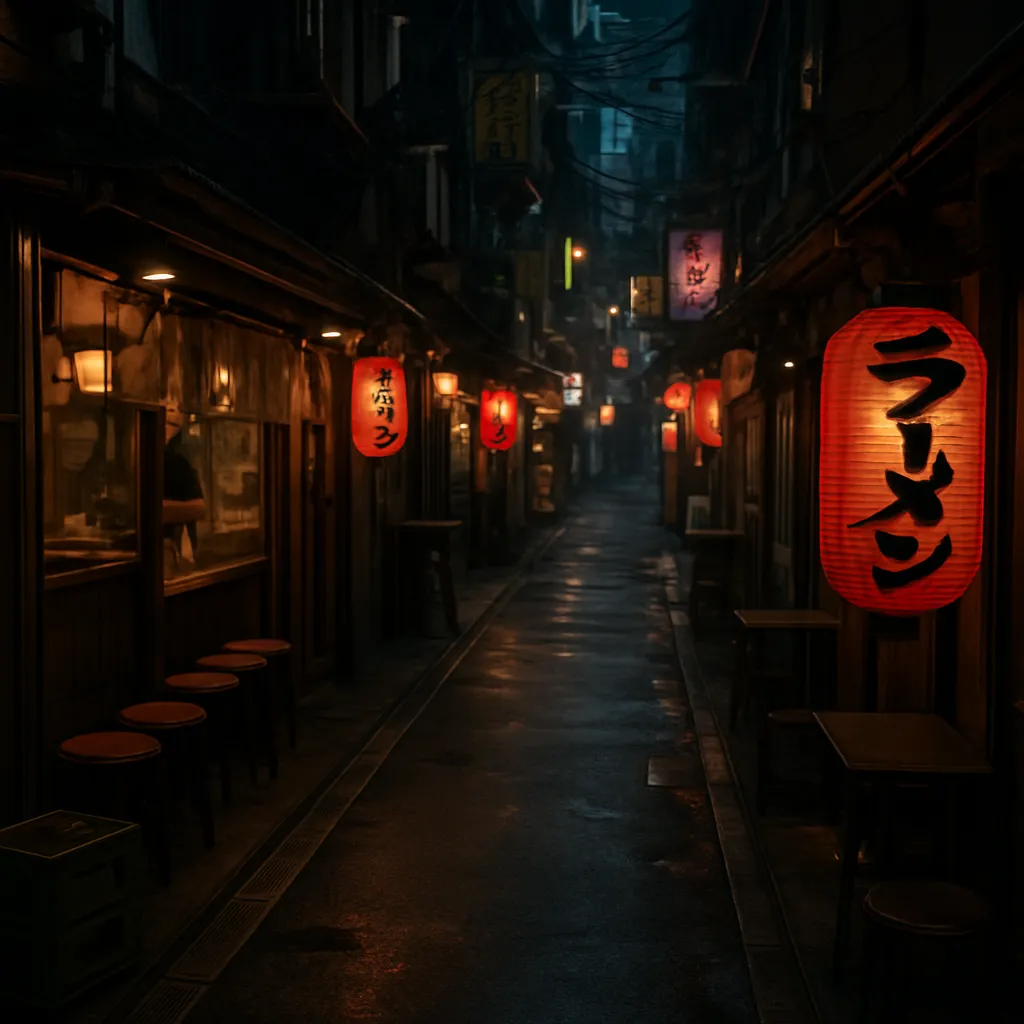
Shibuya and Shinjuku remain buzzing hubs for nightlife and entertainment, but surprising corners in these districts hide quiet sanctuaries. Imagine stepping off a side street into a hotel lobby bathed in warm lantern light, its walls adorned with local calligraphy and cityscape prints. Room upgrades may include private open-air balconies overlooking neon river reflections or cozy reading nooks perfect for late-night journaling.
Venturing east toward Ryogoku offers a glimpse of sumo culture, with boutique inns situated along riverside promenades. Guests can often arrange to watch morning training sessions or sample chanko nabe at home-style kitchens, forging a personal connection to this storied athletic tradition. Such locations highlight the **authenticity** that defines boutique stays in Tokyo.
Design and Ambiance
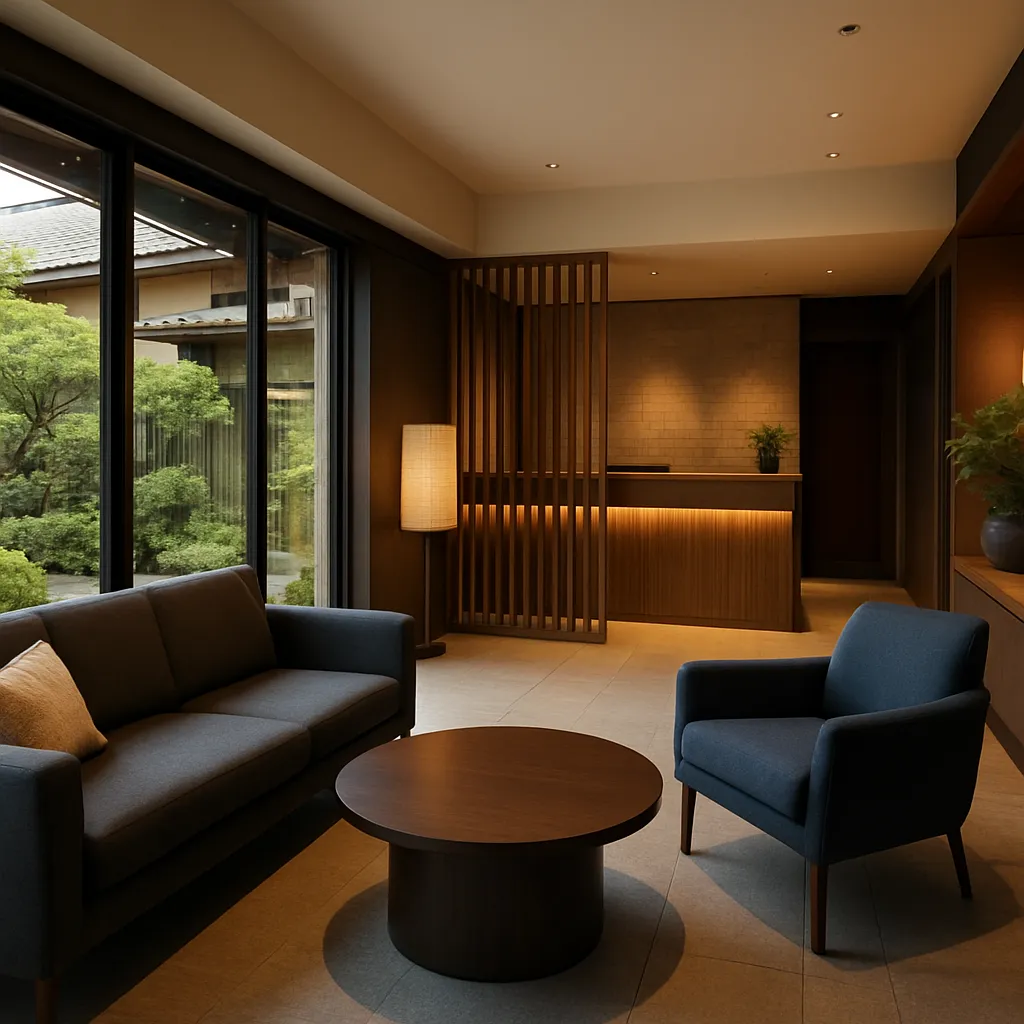
Every element in a boutique hotel is carefully considered, from the soothing color palettes to the handcrafted textiles. Traditional **craftsmanship** meets modern technology, as rooms may feature tatami flooring alongside smart lighting systems. Natural materials like hinoki wood and washi paper lend a calming atmosphere, while sleek lines and neutral tones evoke a sense of **serenity**.
Some properties take inspiration from Japan’s rich artistic legacy. You might find lacquered tables inspired by Edo-period aesthetics or ukiyo-e prints integrated into the décor. Hand-dyed curtains and locally sourced pottery elevate the guest experience, emphasizing the hotel’s commitment to supporting regional artisans.
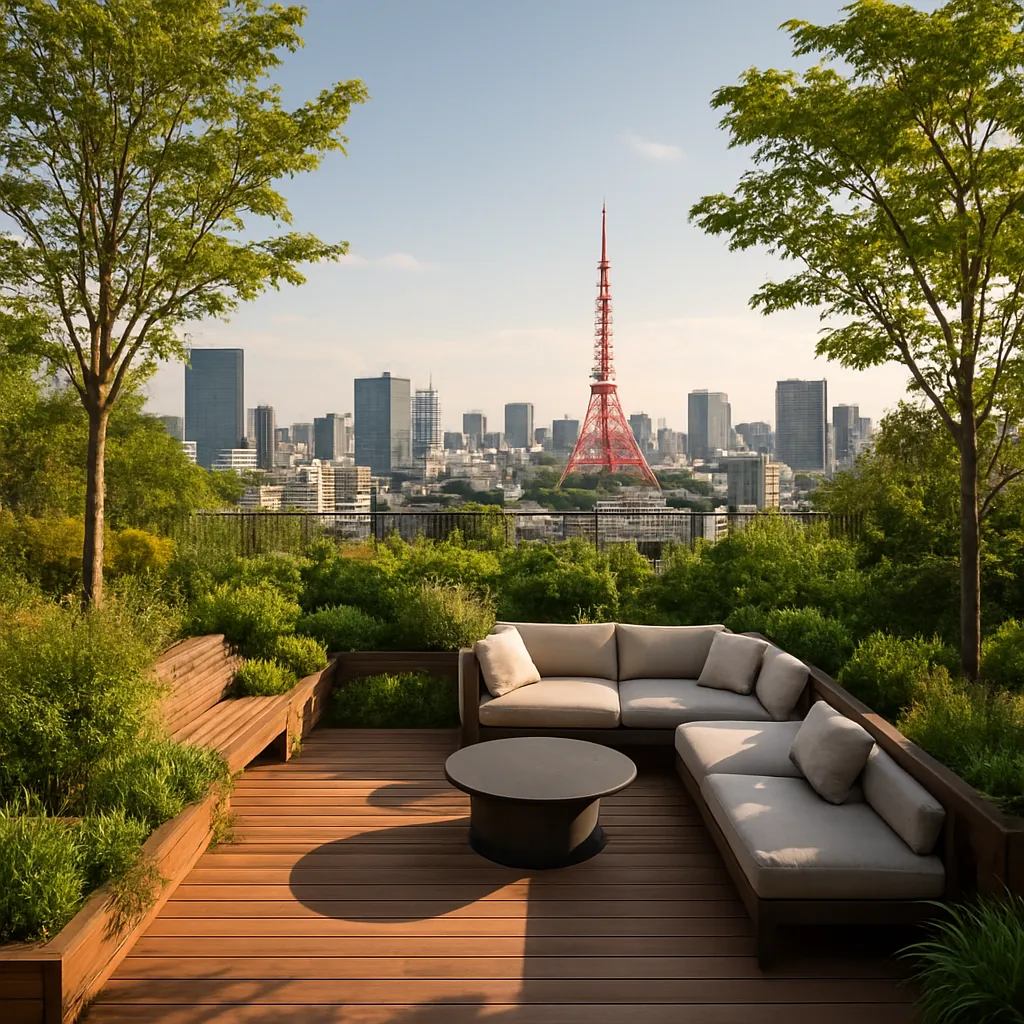
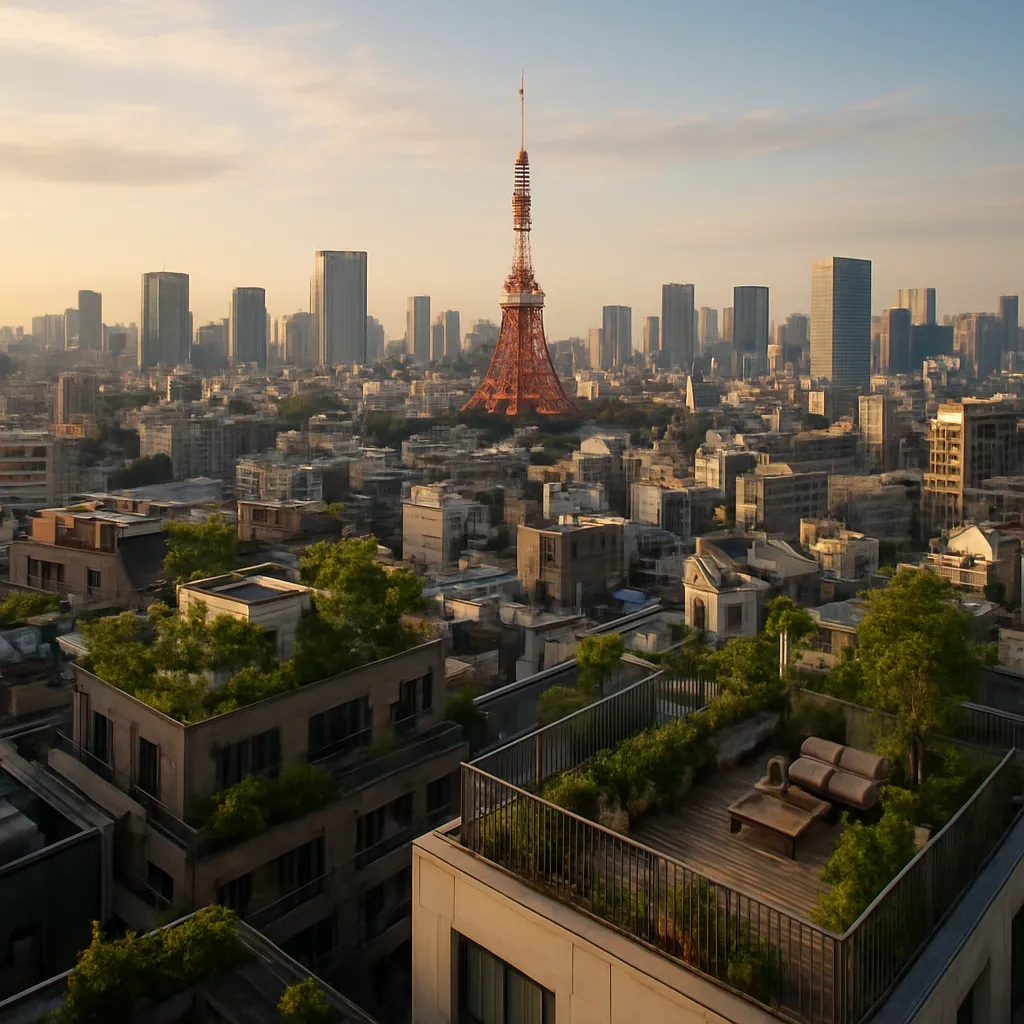
Floor-to-ceiling windows are a hallmark of urban retreats, offering panoramic views of the city’s skyline or secluded garden courtyards. At night, Tokyo’s glowing metropolis becomes a living artwork, visible from the comfort of a plush daybed. The interplay of light and shadow creates a tranquil sanctuary that contrasts sharply with the streets below.
For those craving a more intimate vibe, capsule-style private pods have evolved beyond their practical roots into luxurious hideouts. Equipped with temperature control, adjustable privacy screens and multimedia systems, these micro-spaces deliver an efficient yet **cozy** experience. Innovative layouts maximize every inch, showcasing how **creativity** can transform modest square footage into a desirable retreat.
Experiential Perks and Local Flavors
Boutique hotels in Tokyo distinguish themselves with tailored experiences that extend beyond in-room comforts. **Gastronomy** takes center stage: exclusive dining rooms or rooftop terraces often host renowned chefs crafting seasonal kaiseki courses. Ingredients sourced directly from nearby fish markets or organic farms guarantee freshness and authenticity.
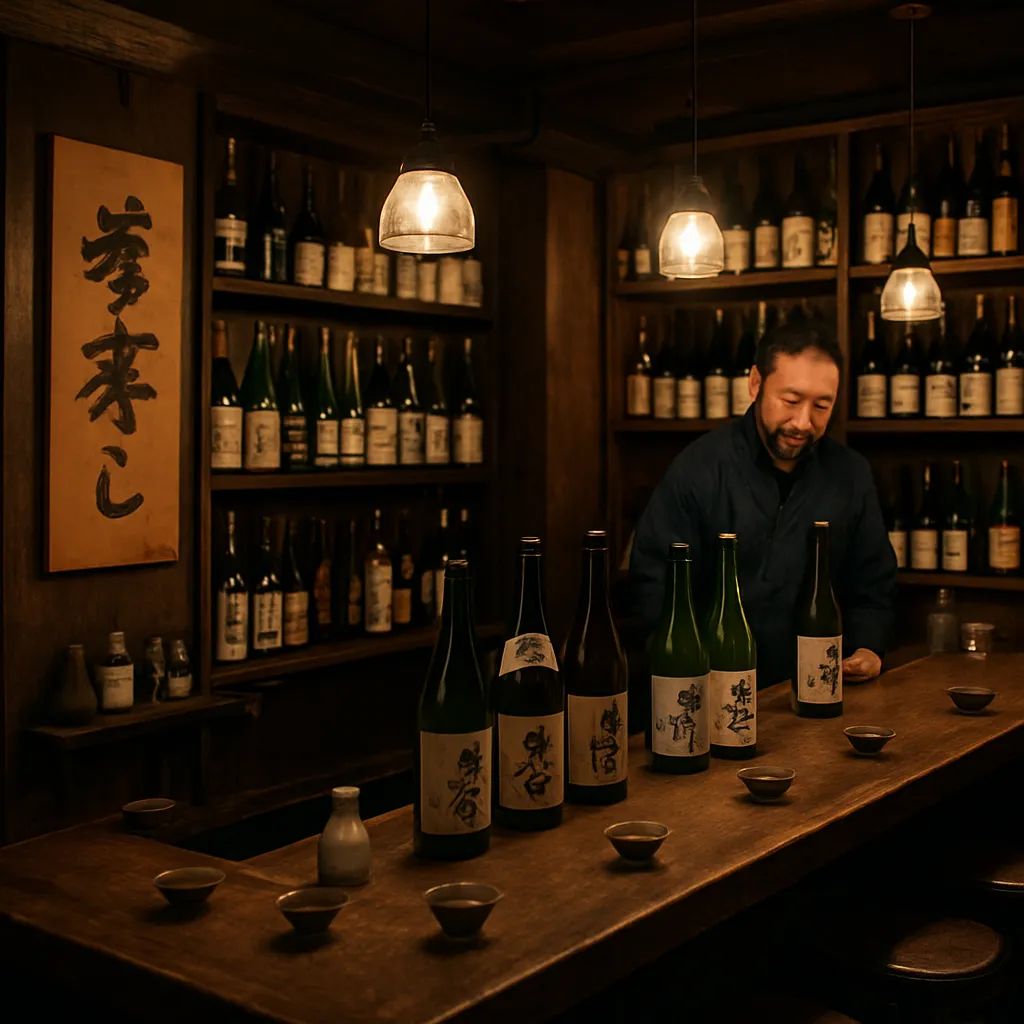
Tea ceremonies, sake tastings and calligraphy workshops immerse guests in traditional Japanese arts. Imagine practicing brush strokes under the guidance of a master artisan, then sampling rare sake varieties in a private cellar. These curated activities foster a deeper appreciation for local culture, far removed from typical tourist itineraries.
Fitness and wellness programs embrace Tokyo’s modern sensibilities. Boutique spas incorporate hot stone massages, mineral-rich onsens and bespoke aromatherapy sessions. Yoga studios within hotel grounds draw on minimalist aesthetics to create peaceful sanctuaries for early-morning flows, while rooftop plunge pools offer stunning views and urban tranquility.
Exclusive partnerships with neighborhood businesses ensure that guests receive special treatment at nearby boutiques, galleries and cafés. Early access to pop-up exhibitions, personalized shopping tours and after-hours visits to hidden shrines are just a few examples of the elevated experiences on offer.
Booking Tips and Insider Advice
Securing a room at Tokyo’s most sought-after boutique hotels often requires proactive planning. Peak travel seasons—such as cherry blossom viewing in spring and autumn foliage—see properties fill up quickly. To improve your chances, consider booking directly through the hotel’s website, as many offer member-only **benefits**, complimentary breakfast and room upgrades.
Midweek stays typically yield better rates and fewer crowds, allowing for a more relaxed exploration of in-house amenities and nearby attractions. Early check-in and late check-out requests are more likely to be accommodated if you communicate your preferences in advance.
Leverage local transportation passes for seamless access to multiple neighborhoods. While many boutique hotels are located within easy walking distance of subway stations, having an IC card (Suica or Pasmo) ensures effortless transfers across Tokyo’s extensive transit network.
Don’t hesitate to ask the concierge for off-menu recommendations—these hidden gems can lead to unforgettable adventures. Whether it’s a tucked-away yakitori joint or a secret garden teahouse, the right tip can transform your stay into a once-in-a-lifetime **journey** through Tokyo’s dynamic urban tapestry.