Nestled in the heart of Tokyo, this guide invites you to wander through sprawling green avenues, explore world-renowned galleries and uncover hidden gems around a park steeped in centuries of history and vibrant modern life.
Discovering Ueno Park’s Heritage and Layout
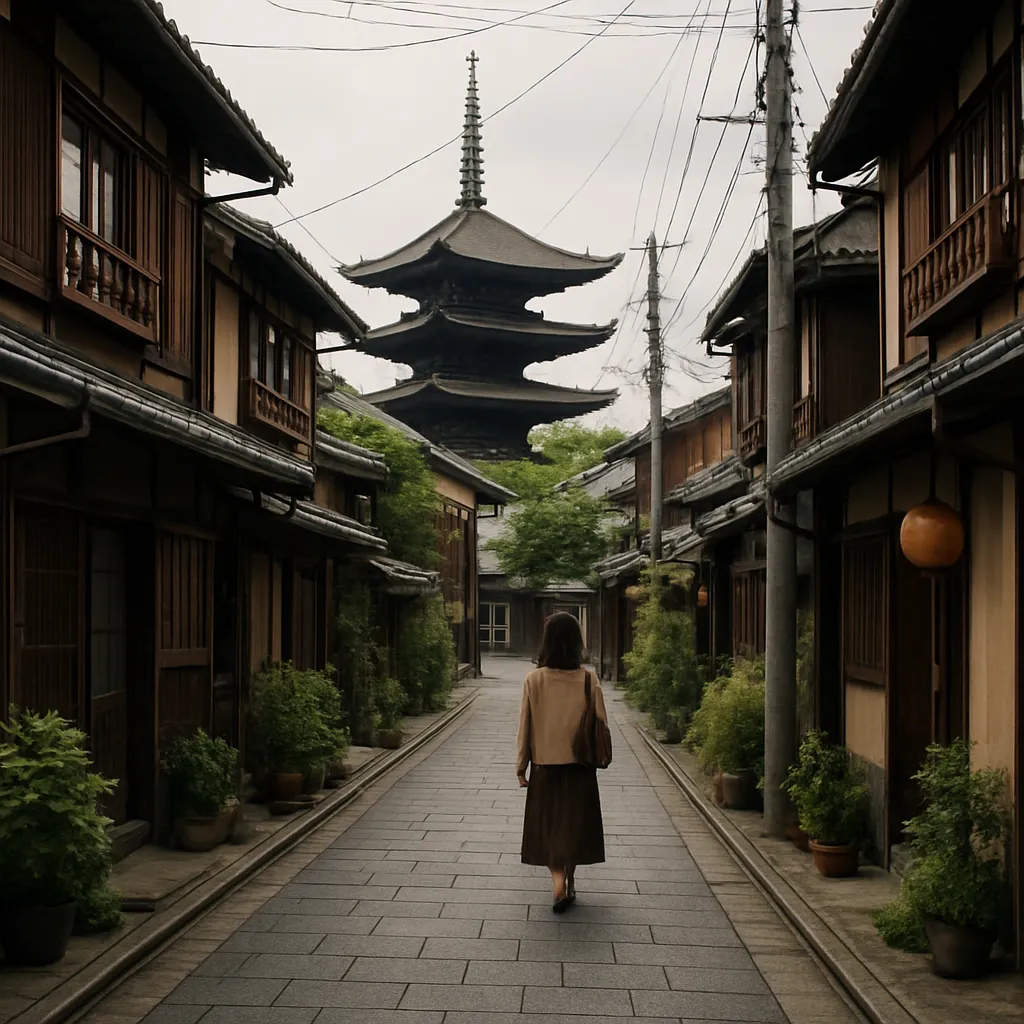
Stretching over 130 acres, Ueno Park stands as a cherished urban oasis where art, nature and remembrance converge. Originally part of the Kan’ei-ji temple grounds in the early 17th century, the park was transformed into a public space in 1873, becoming one of Japan’s very first Western-style parks. Today, visitors can stroll under towering ginkgo trees along winding pathways, pause by serene water features and reflect at solemn monuments dedicated to national figures.
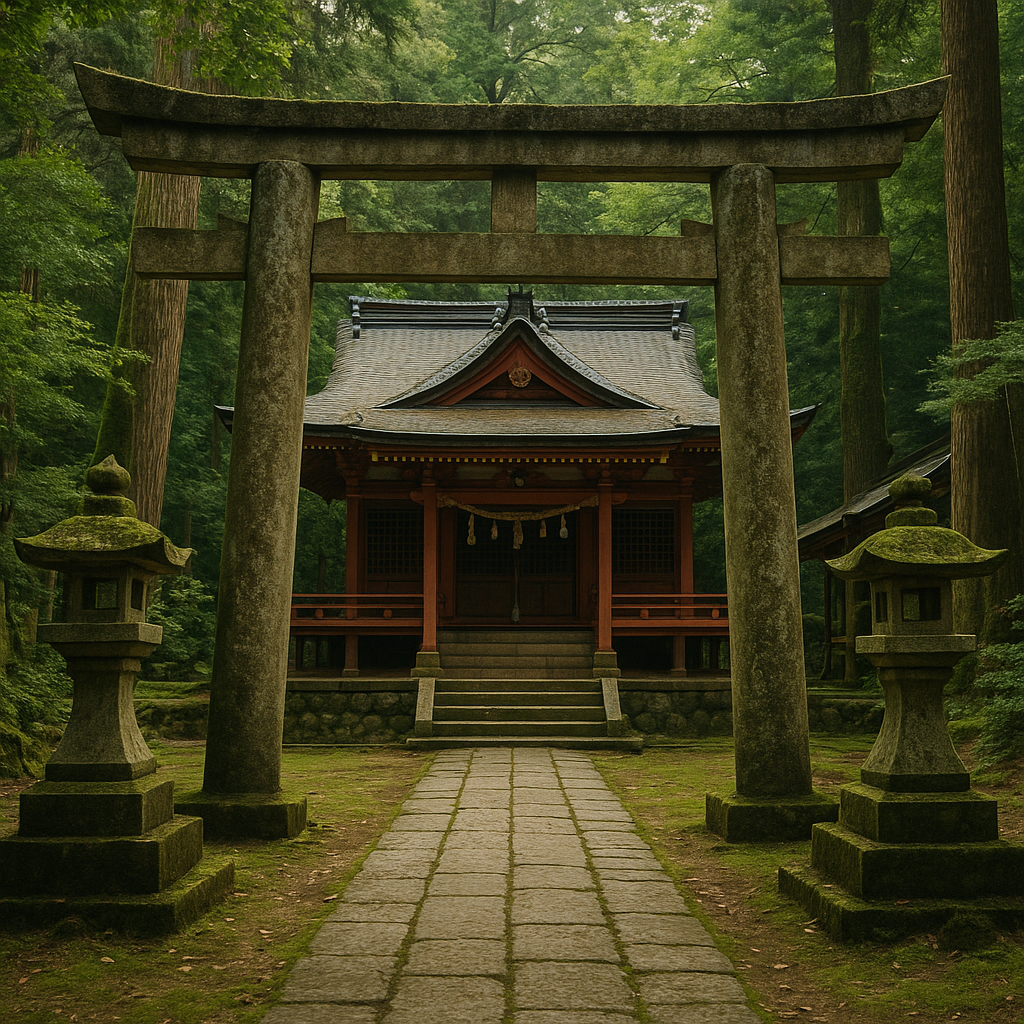
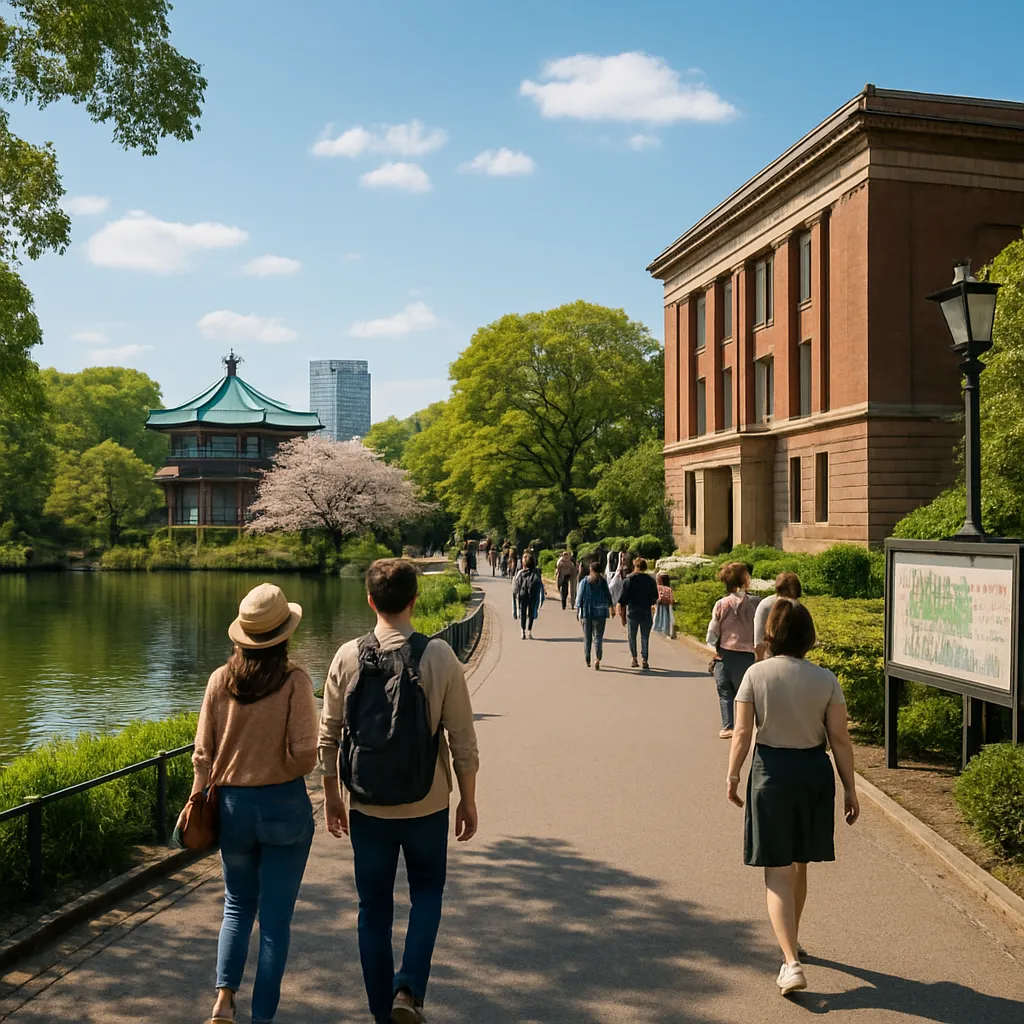
A stroll begins near the park’s southern entrance, where a row of historic stone lanterns leads to a grouping of shrines and statues. Mid-way, the iconic pavilion at Shinobazu Pond floats on emerald waters, offering boat rentals for an intimate view of lotus flowers in summer and brilliant reflections in autumn. Follow the paved loop north to discover ample cherry-blossom viewing spots—ideal for hanami gatherings as petals drift in the gentle spring breeze.
Whether you arrive via JR Ueno Station, Keisei Skyliner or one of several subway lines, easy access ensures you can dive straight into exploration. Information kiosks near central gates provide free maps, multilingual signage and rest areas, allowing you to customize your own itinerary in search of art, relaxation or both.
Immersing Yourself in World-Class Museums
Ueno Park is synonymous with museum culture. A short walk from the pond reveals a cultural quarter where masterpieces and ancient artifacts reside. This section highlights the must-visit institutions that have earned Tokyo global acclaim.
Tokyo National Museum
As Japan’s oldest and largest museum, the Tokyo National Museum boasts an unparalleled collection of over 110,000 items. Spread across multiple buildings, you can trace 10,000 years of Japanese art and history: from delicate Jōmon pottery to magnificent samurai armor. Interactive displays and rotating special exhibitions ensure returning visitors always find something new to admire.
National Museum of Western Art
Designed by Le Corbusier protégé Kunio Maekawa, the National Museum of Western Art houses a superb collection of Impressionist and Post-Impressionist works. Featuring pieces by Monet, Renoir and Rodin, the museum’s minimalist galleries emphasize natural light and open space, inviting you to linger before each brushstroke and sculpture.
Tokyo Metropolitan Art Museum
A hub for contemporary voices, this museum hosts rotating exhibitions of emerging artists alongside international touring shows. Multimedia installations, design showcases and experimental performances highlight Tokyo’s cutting-edge culture scene. The adjacent plaza often stages outdoor events, from jazz ensembles to fashion pop-ups.
National Museum of Nature and Science
Perfect for families and curious minds, this museum explores the wonders of the natural world and technological innovation. Hands-on exhibits range from life-size dinosaur skeletons to spacecraft replicas, illustrating Japan’s commitment to scientific discovery and environmental stewardship. The adjacent botanical research facilities underscore the park’s remarkable biodiversity.
Savoring Culinary Delights and Local Culture
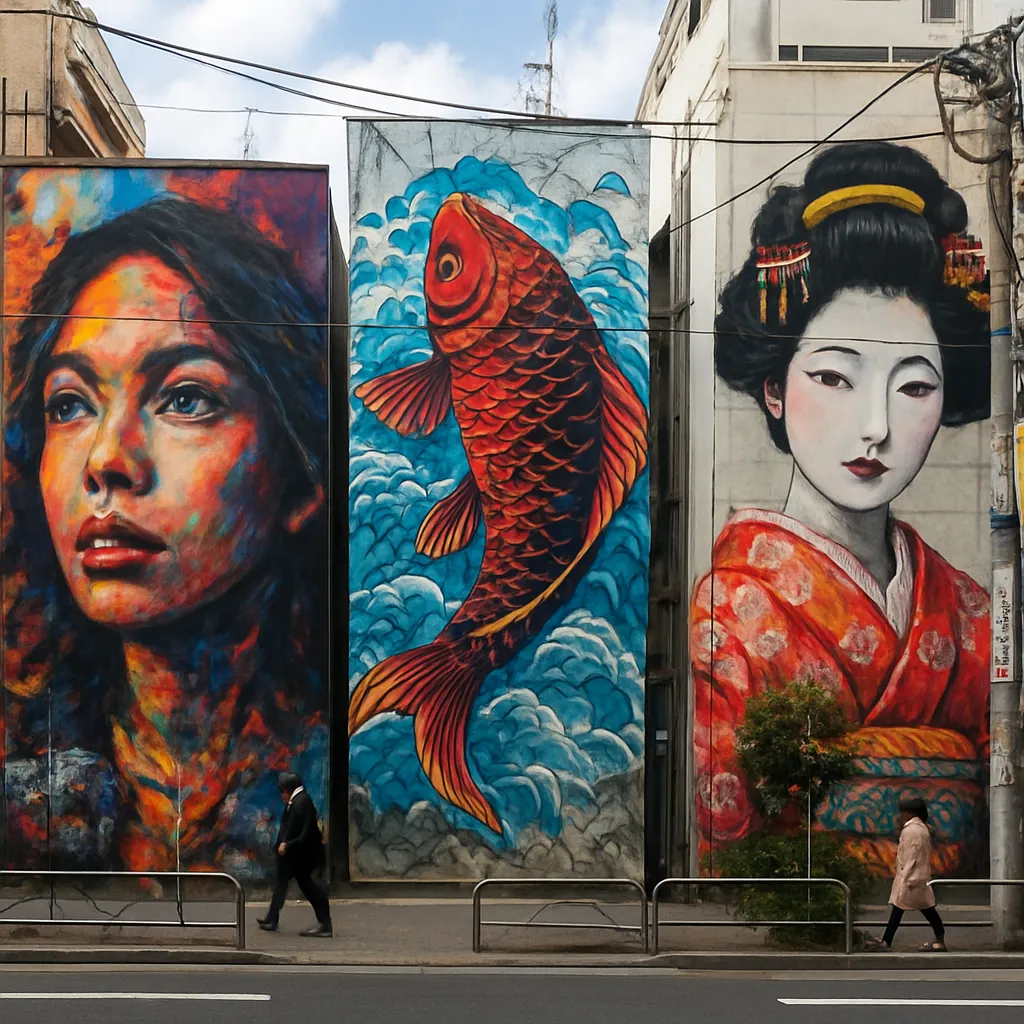
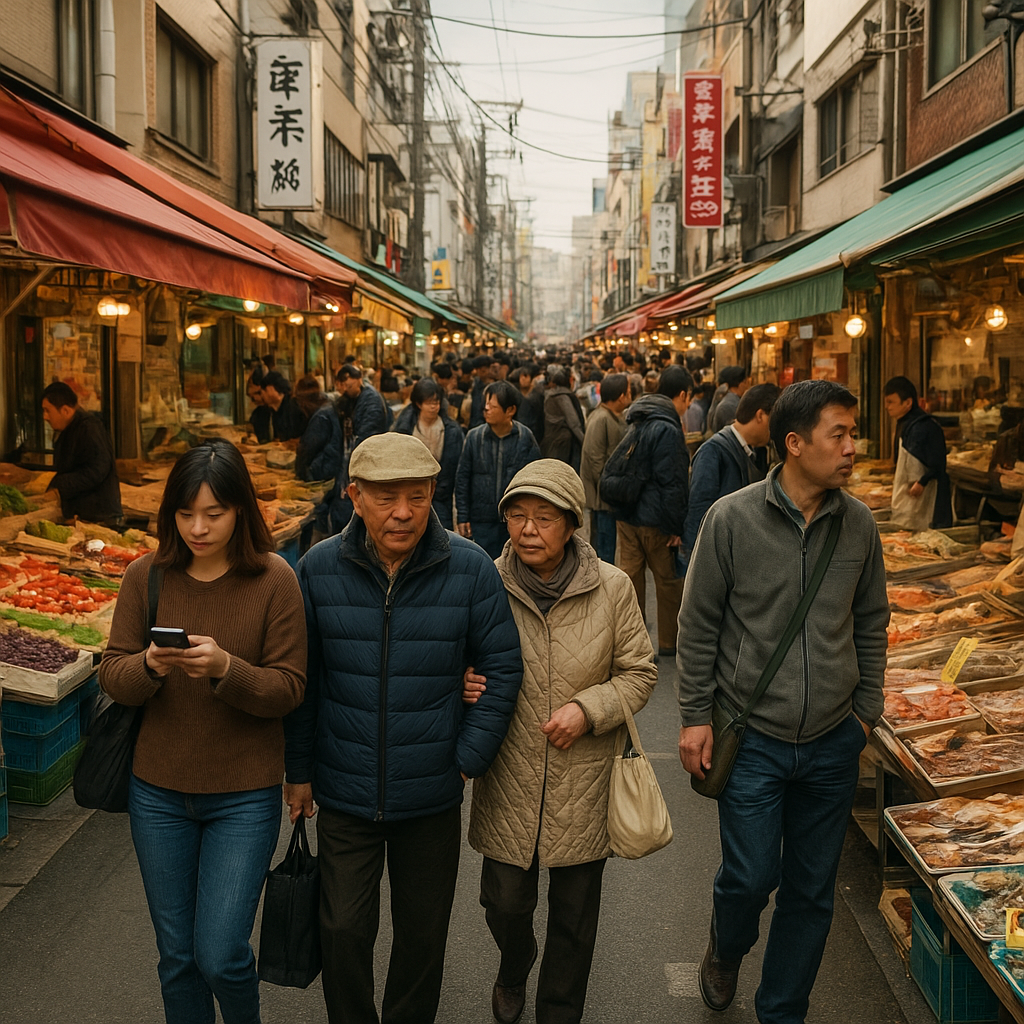
Beyond green lawns and galleries, Ueno offers a bustling tapestry of flavors and street-side discoveries. Head east to Ameyoko for an endlessly lively shopping arcade bursting with colorful stalls. Here you can sample piping-hot tako-yaki octopus balls, pick up imported chocolates, fresh fish and regional snacks at budget-friendly prices.
For a more refined meal, follow these recommendations:
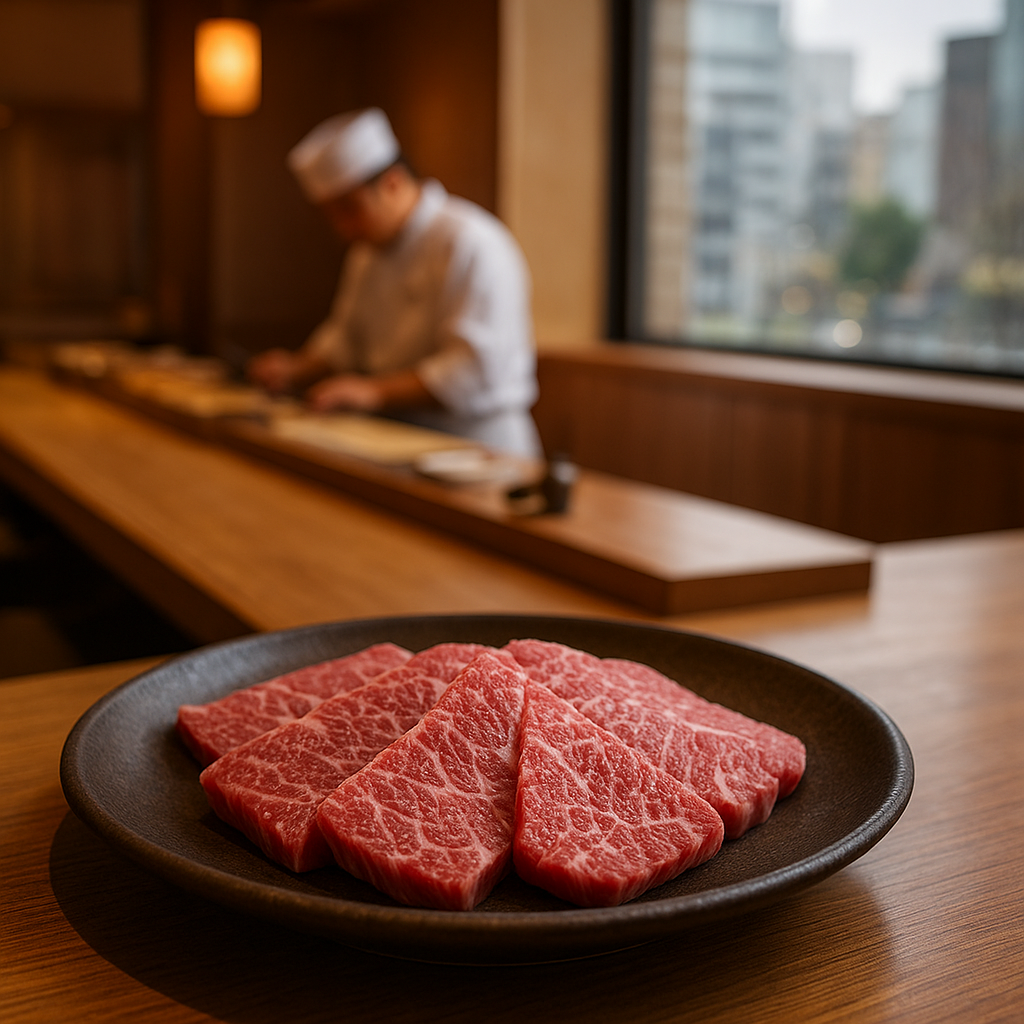
- Ginza-style sushi counters near the Central Gate, where chefs serve seasonal nigiri from local catches.
- Izakaya alleys toward the park’s western edge, offering charcoal-grilled yakitori and sashimi platters in cozy wooden interiors.
- Tea houses tucked beside flower gardens, perfect for savoring matcha paired with sweet wagashi confections.
Late afternoon is ideal for a caffeine boost. Small cafés dotted along the northern perimeter showcase single-origin beans and homemade pastries. Don’t miss the chance to try a Japanese twist on espresso, accented with yuzu or kinako.
Seasonal Wonders and Insider Tips
Ueno Park’s charm shifts dramatically with the seasons. In spring, pathways transform into soft pink tunnels as cherry blossoms burst into bloom. Local photographers set up tripods at sunrise, capturing petals drifting like confetti on the wind. For hanami, arrive early and stake out a spot—drinking is permitted here but pick up trash before you leave.
Summer ushers in lotus festivals at Shinobazu Pond, where illuminated blooms rise from the water after dusk. In autumn, maple and ginkgo leaves blaze in fiery hues, offering one of Tokyo’s most photogenic strolls. Winter’s crisp air brings quietude; warm up in on-site museums or join early-morning tai chi groups practicing on the dew-covered grass.
Local secrets for a seamless visit:
- Download the park’s official app for real-time event updates and audio guides.
- Use bicycle rentals at park entrances to cover more ground and enjoy hidden corners off the main paths.
- Visit museums on weekday mornings to avoid crowds—some offer free late-night openings once a month.
- Keep an eye out for volunteer park guides wearing distinctive green vests; they offer free walking tours in multiple languages.
Whether your goal is artistic inspiration, a taste of traditional flavors or simply a moment of tranquility amid urban bustle, Ueno Park and its surroundings guarantee an unforgettable Tokyo experience rich in history and modern vibrancy.