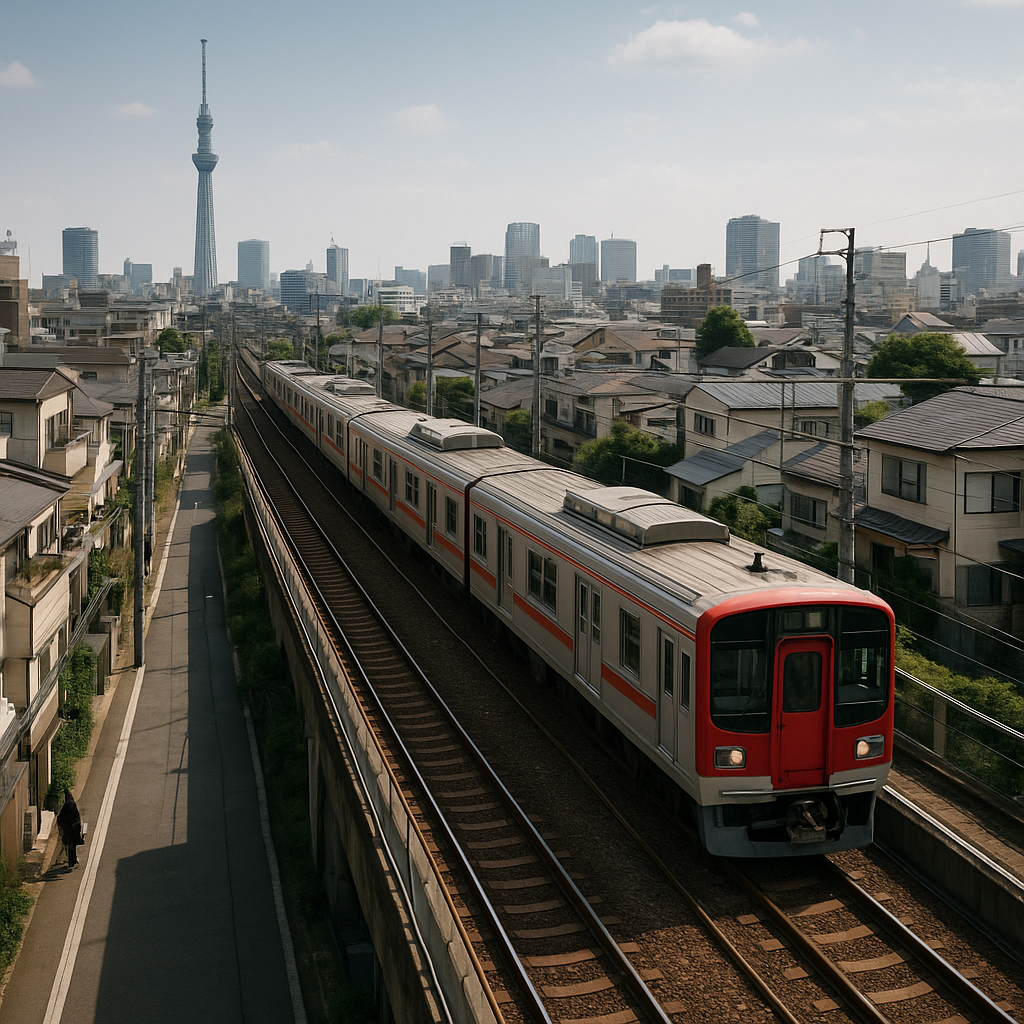
Tokyo’s sprawling rail network is a testament to its efficient design and the city’s commitment to seamless transportation. Navigating the metropolis by train unveils a tapestry of neighborhoods, each with its own distinctive charm and character. From the vibrant neon-lit streets of Shibuya to the serene gardens nestled near Mitaka, every stop offers a unique glimpse into Tokyo’s blend of traditional and modern lifestyles. This guide explores key train lines and the must-see areas they connect, ensuring an unforgettable exploration of Japan’s dynamic capital.
Yamanote Line – The Circular Pulse of Tokyo
The JR Yamanote Line is often referred to as Tokyo’s “loop road,” encircling the inner wards and linking major hubs. With 29 stations over a 34.5-kilometer circle, it offers travelers access to some of the city’s most iconic districts. Trains arrive every few minutes, ensuring that hopping from one area to another is both efficient and convenient. Below are highlights of three key stops.
Shinjuku
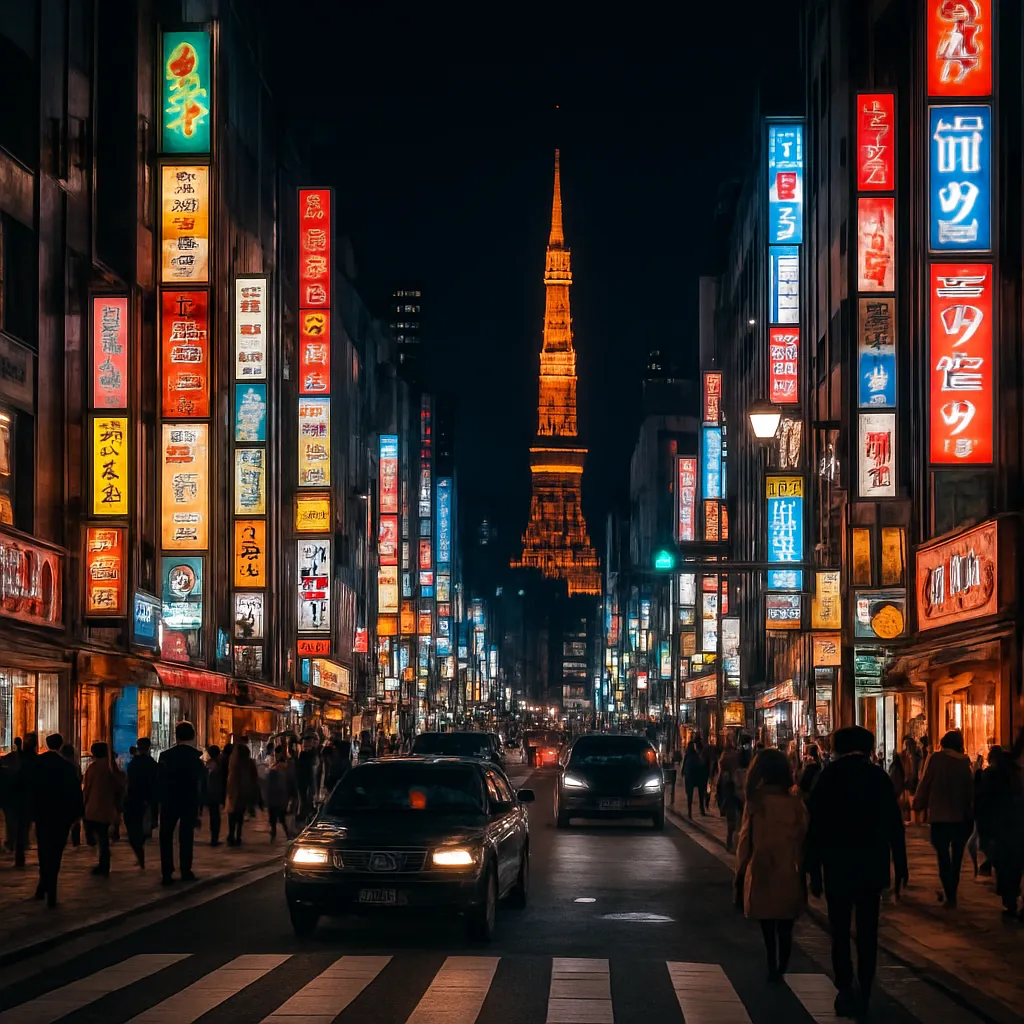
- Entertainment District: Explore Kabukichō’s neon skyline and vibrant nightlife.
- Shopping Havens: Visit the sprawling Isetan department store and Takashimaya Times Square.
- Observation Decks: The Tokyo Metropolitan Government Building offers free panoramic scenic views.
Shinjuku Station is the world’s busiest railway station, serving over three million passengers daily. Beyond its towering skyscrapers, inner pockets like Golden Gai feature narrow alleyways lined with tiny bars and eateries, providing a taste of the city’s intimate culture.
Harajuku
- Takeshita Street: A hub for youth fashion and quirky boutiques.
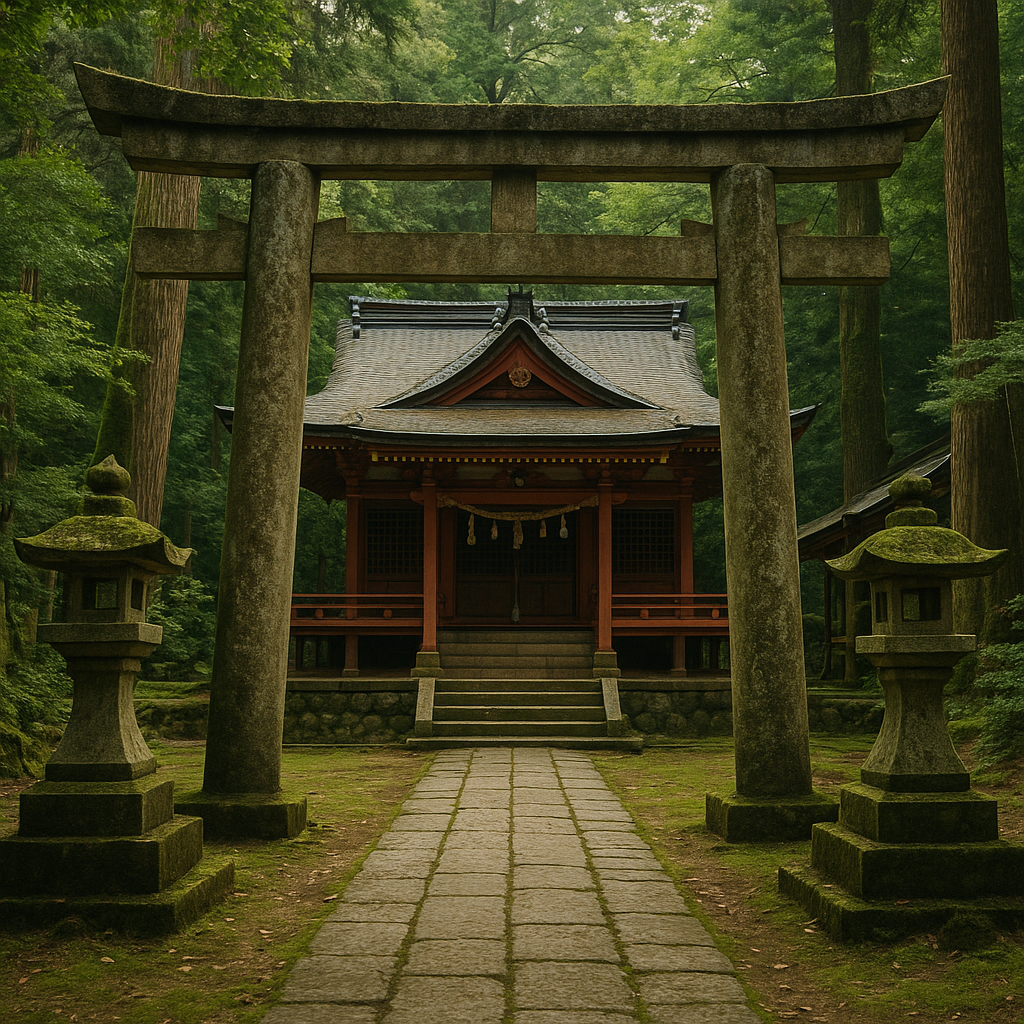
- Meiji Shrine: A peaceful Shinto sanctuary set within a lush forest.
- Omotesando Avenue: Architectural marvels and upscale cafes.
Harajuku stands at the intersection of avant-garde fashion and historical reverence. While the shrine grounds exude tranquility, the bustling shopping streets showcase Tokyo’s ever-evolving style scene.
Shibuya
- Shibuya Crossing: Often dubbed the world’s busiest pedestrian scramble.
- Hachikō Statue: A symbol of loyalty and an iconic meeting point.
- Center Gai: Neon arcades, live music venues, and gourmet street food.
The energy in Shibuya pulses with youthfulness. Modern skyscrapers stand alongside retro-game centers, creating a juxtaposition of past and future. Seek out hidden rooftops for iconic nightscape photos.
Ginza Line – From Historic Asakusa to Sleek Ginza
The Tokyo Metro Ginza Line, inaugurated in 1927, was Japan’s first subway line. Running from Asakusa in the east to Shibuya in the west, it weaves through neighborhoods rich in both heritage and high-end glamour. With its distinctive orange trains, this line offers a direct path to some of the city’s most varied experiences.
Asakusa
- Sensō-ji Temple: Tokyo’s oldest Buddhist temple, painted in bright vermilion.
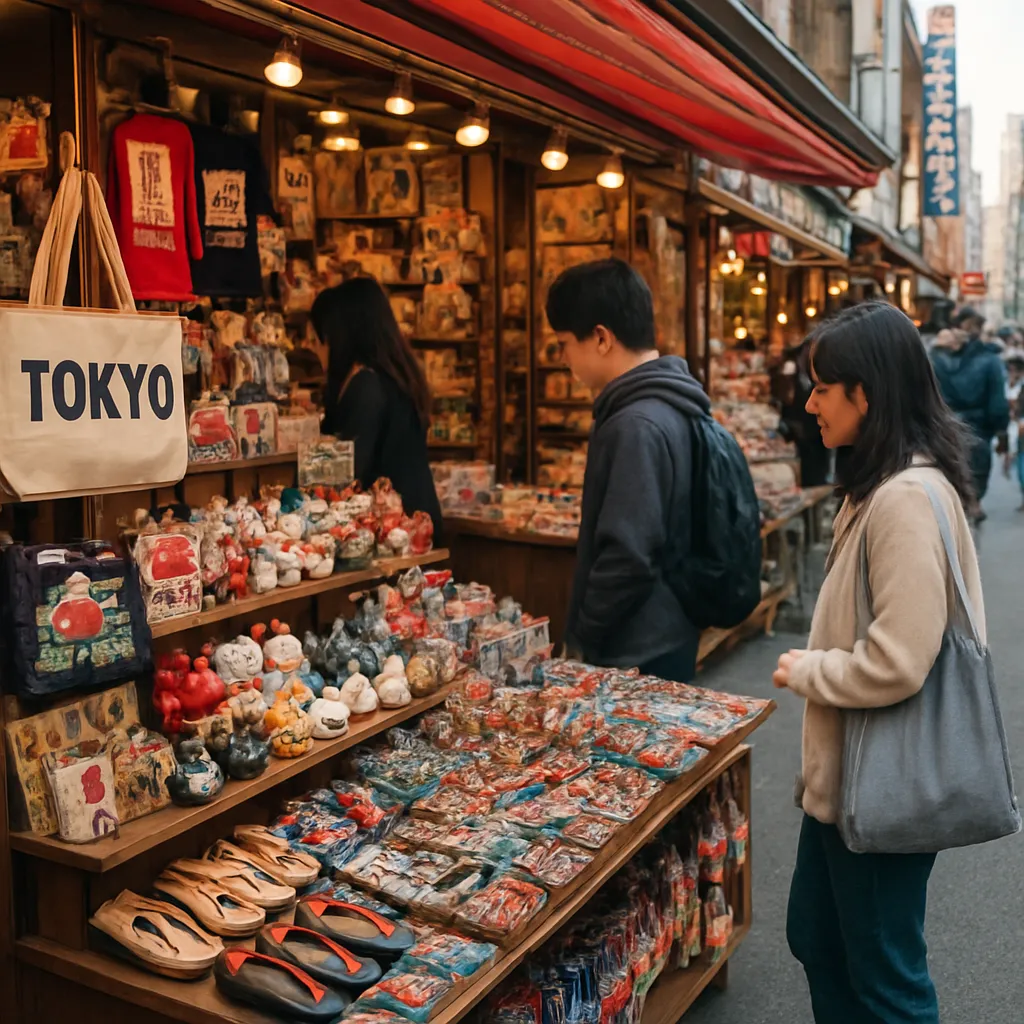
- Nakamise Shopping Street: Traditional snacks and souvenir stalls leading up to the main hall.
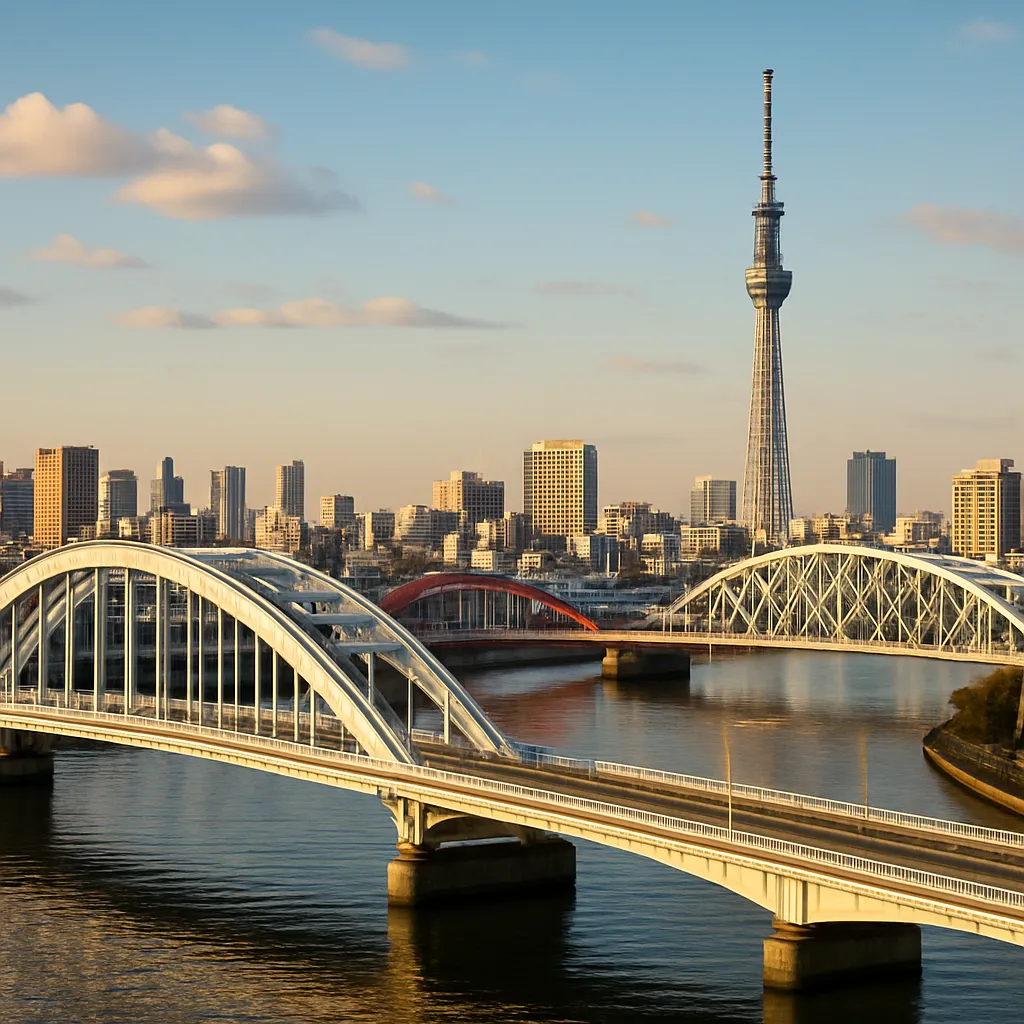
- Sumida River Cruises: Scenic boat rides showcasing riverside parks and skytowers.
Asakusa’s old-town atmosphere evokes a nostalgic side of Tokyo. Donkey carts, rickshaws, and traditional festivals add to the cultural tapestry of the area.
Ginza
- Luxury Boutiques: From international fashion houses to artisanal shops.
- Art Galleries: Innovative exhibits in sleek, minimalist spaces.
- Fine Dining: Michelin-star restaurants serving both Japanese and global cuisine.
Ginza is a showcase of Tokyo’s architectural prowess. Buildings grill into the sky with avant-garde facades, while underground shopping malls reveal hidden gourmet corridors. At night, the district becomes a glittering avenue worthy of exploration.
Chūō Line – Connecting West Tokyo’s Suburban Gems
Stretching from Tokyo Station westward to Takao, the JR Chūō Line splits into rapid and local services. It serves neighborhoods that balance metropolitan life with leafy retreats. Many residents commute to central Tokyo via this line, but the stops themselves offer attractions worthy of a dedicated visit.
Kichijōji
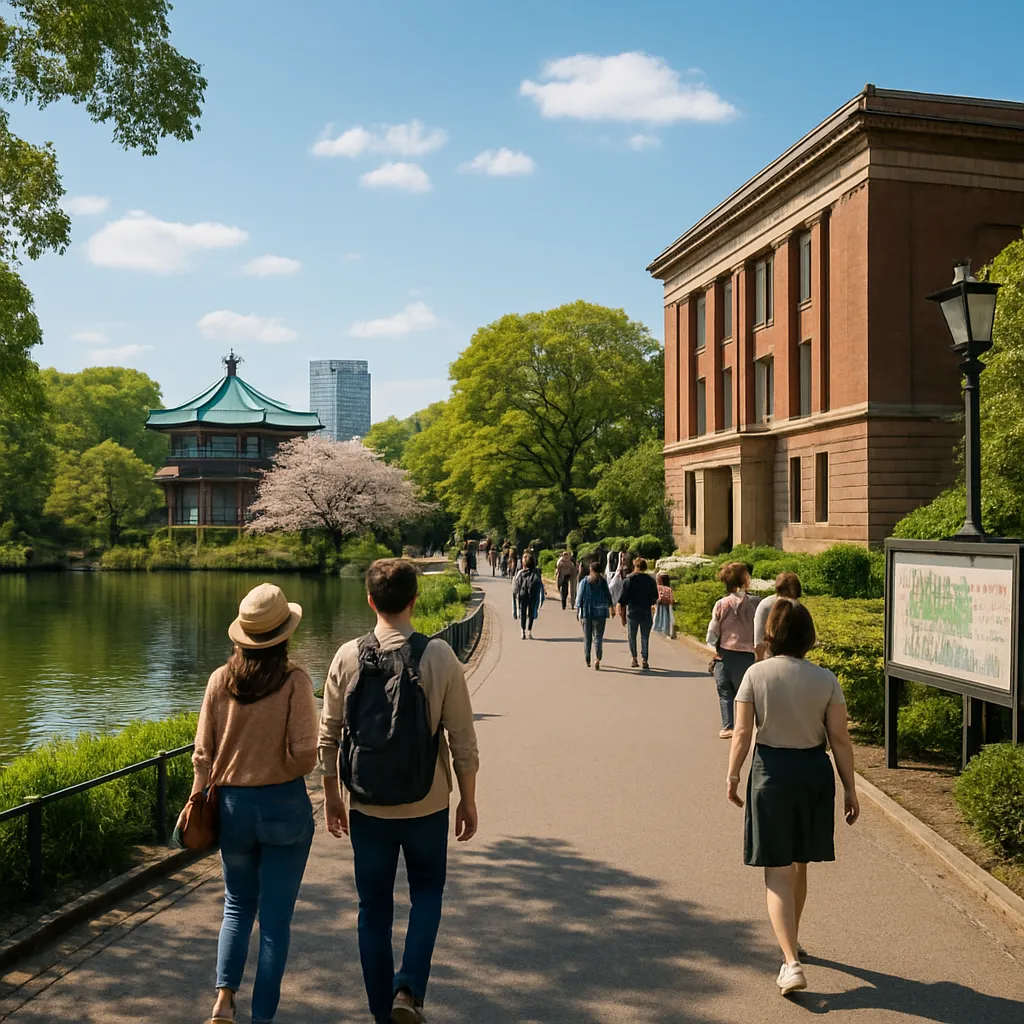
- Inokashira Park: Boating ponds, cherry blossoms in spring, and Musashino Hachimangū shrine.
- Ghibli Museum: A must-see for fans of Studio Ghibli’s anime masterpieces.
- Harmonica Yokocho: A maze of cozy izakayas and vintage shops.
Kichijōji blends a scenic park setting with creative entertainment. The museum’s whimsical architecture and lush gardens echo the line’s theme of bridging urban and natural worlds.
Nakano
- Nakano Broadway: A haven for manga, anime, and collectible enthusiasts.
- Sun Mall Shopping Street: Lively arcade with affordable eateries and boutiques.
- Historic Temples: Small, tucked-away sanctuaries offering peaceful respite.
Nakano showcases Tokyo’s otaku culture in full display. From retro video game shops to themed cafes, the area bursts with innovation and community energy.
Mitaka
- Studio Ghibli Park (upcoming): An immersive world based on beloved films.
- Mitaka Forest Ghibli Museum: Whimsical exhibits and rooftop garden.
- Café & Bookstores: Intimate spots perfect for quiet reflection.
Mitaka offers an escape from the dynamic central wards. Its tree-lined streets and creative spaces encourage visitors to slow down and savor every moment.
Suburban Lines and Hidden Corners
While major lines capture the limelight, Tokyo’s network extends far beyond the inner circle. Lines such as the Odakyu, Keiō, and Tōbu Tojo open doors to peripheral neighborhoods with distinct local flavors. A few recommendations include:
- Shimokitazawa (Keiō/Inokashira): Bohemian vibes, secondhand boutiques, and live music venues.
- Kawagoe (Tōbu Tojo): Edo-period warehouses, sweet potato snacks, and historic bell towers.
- Ikebukuro (Seibu): Sunshine City complex, anime hubs, and lush rooftop gardens.
Venturing off the beaten path reveals Tokyo’s lesser-known treasures. Whether it’s sampling regional street foods or admiring centuries-old shrines, these lines offer a deeper look into the city’s multifaceted personality. Armed with a rail pass or a rechargeable Suica card, every journey becomes an opportunity to uncover fresh wonders.