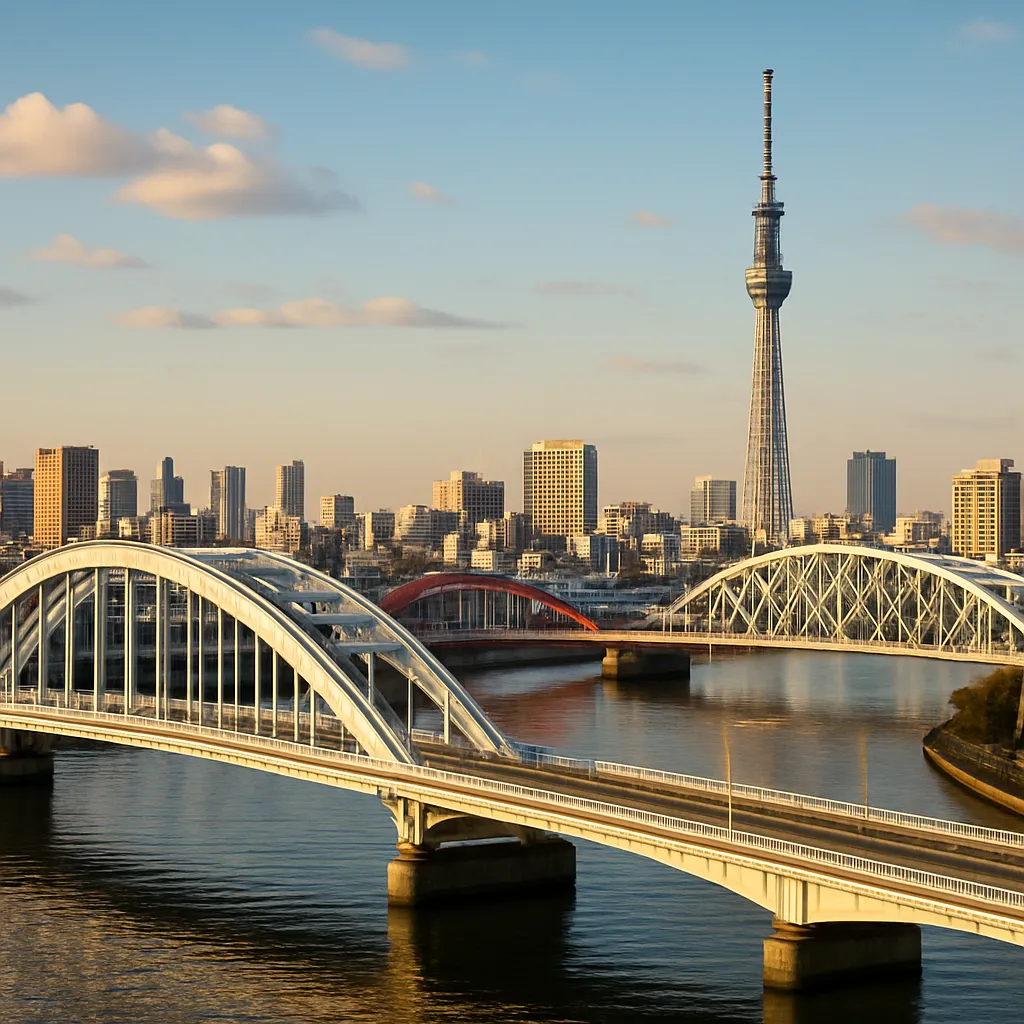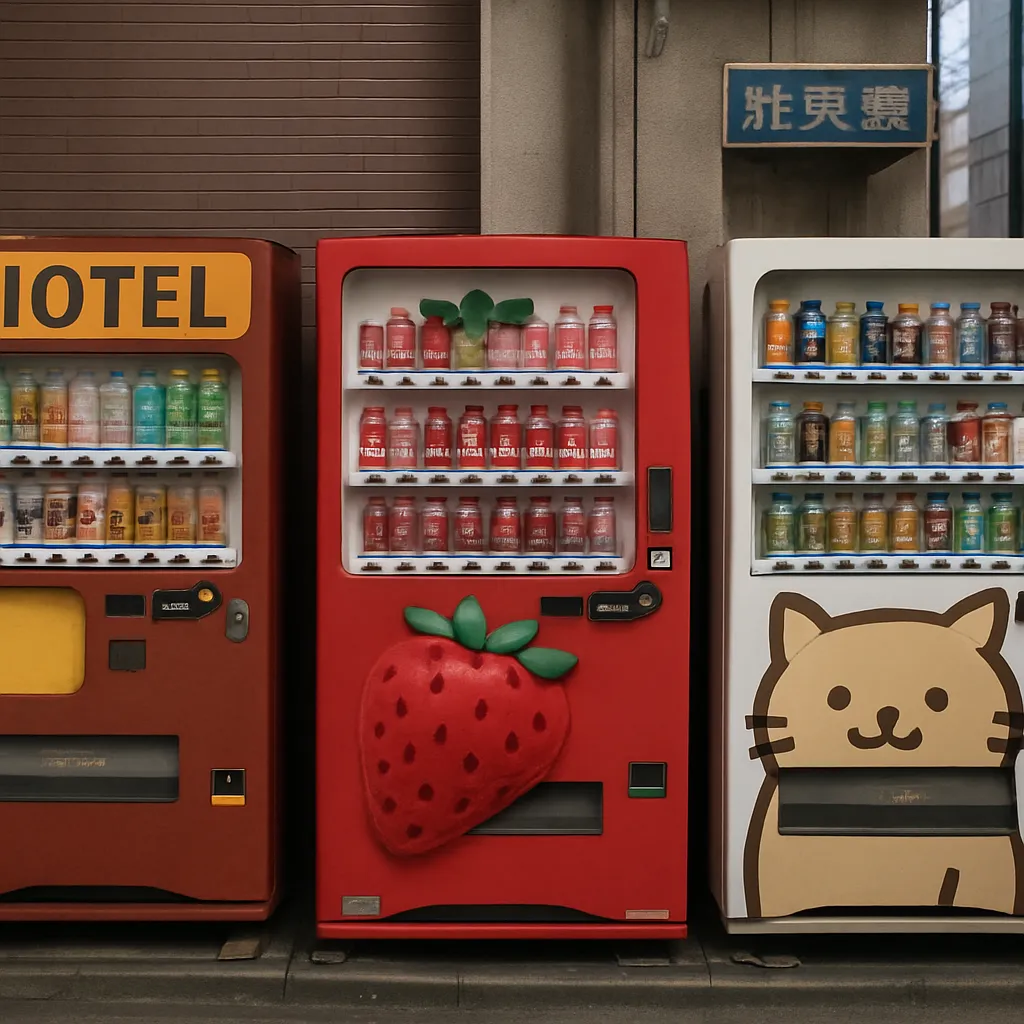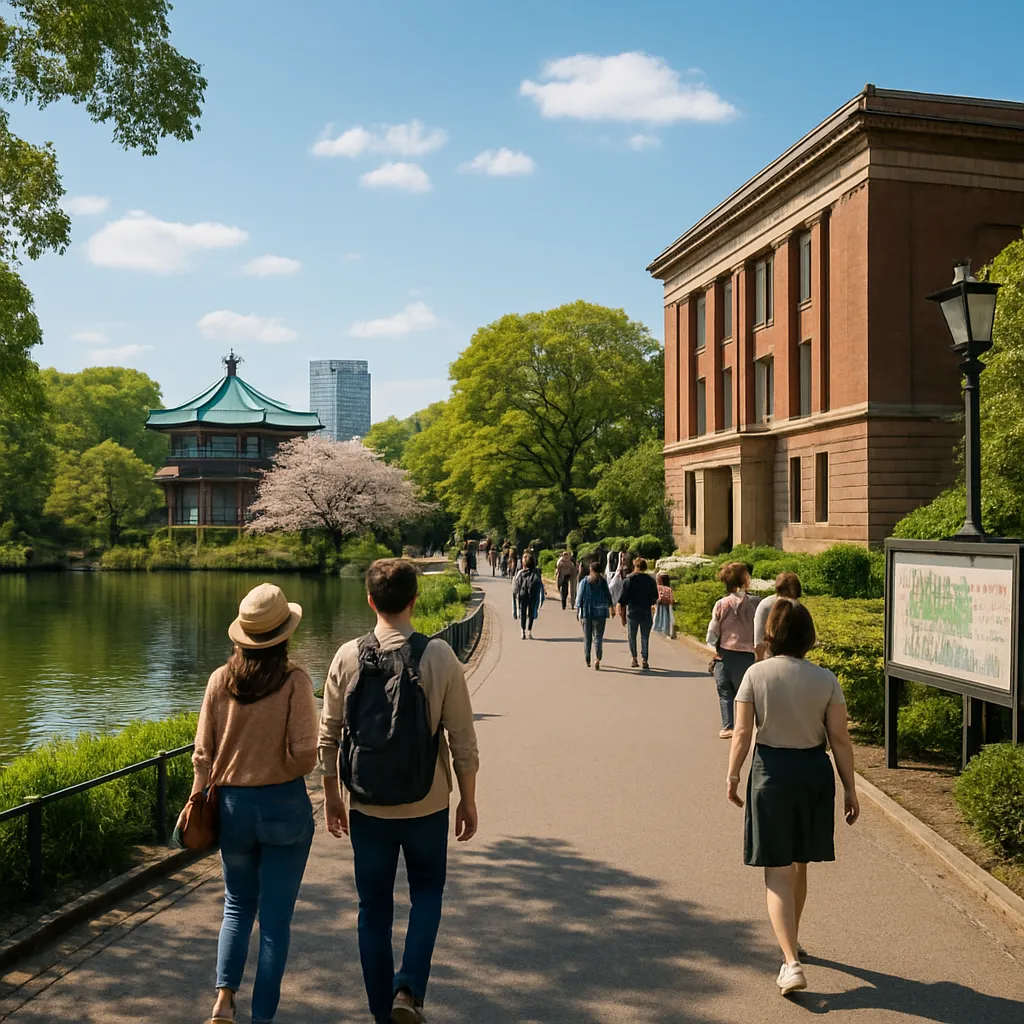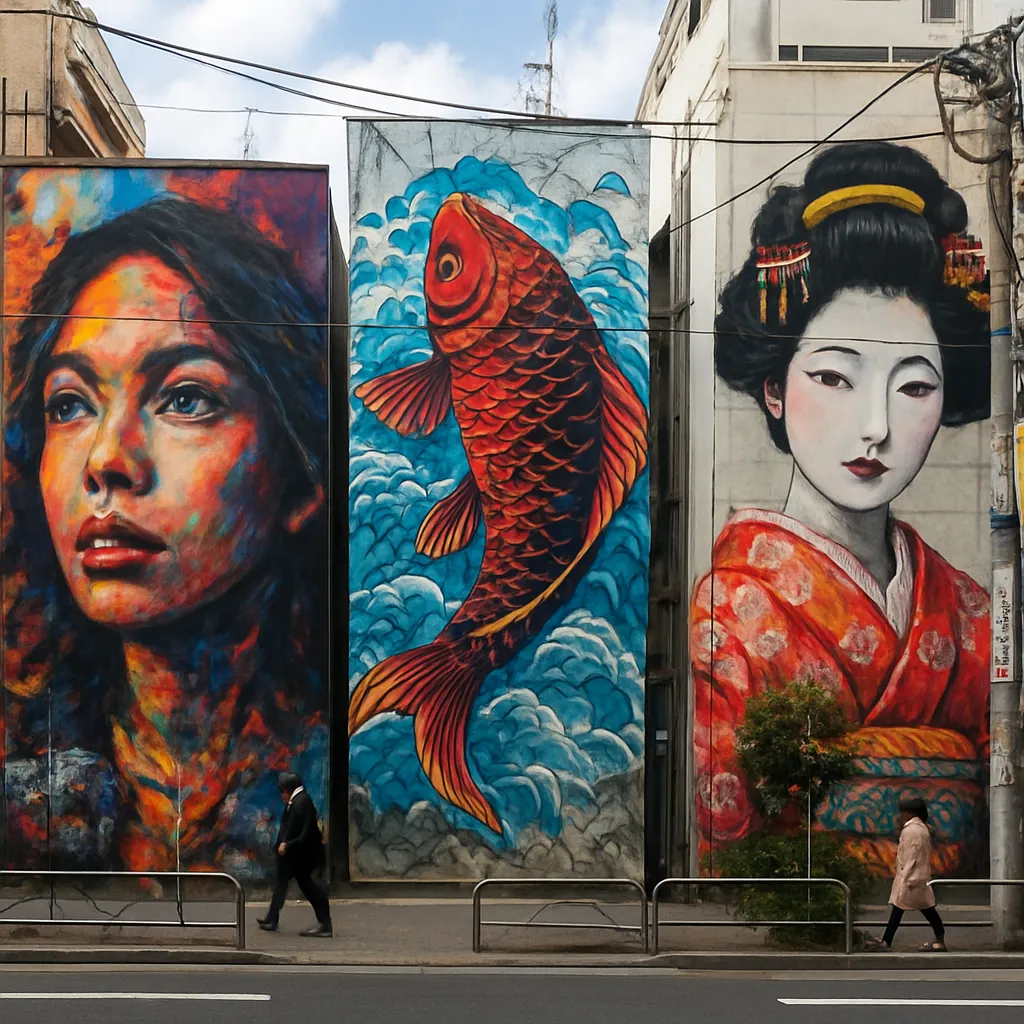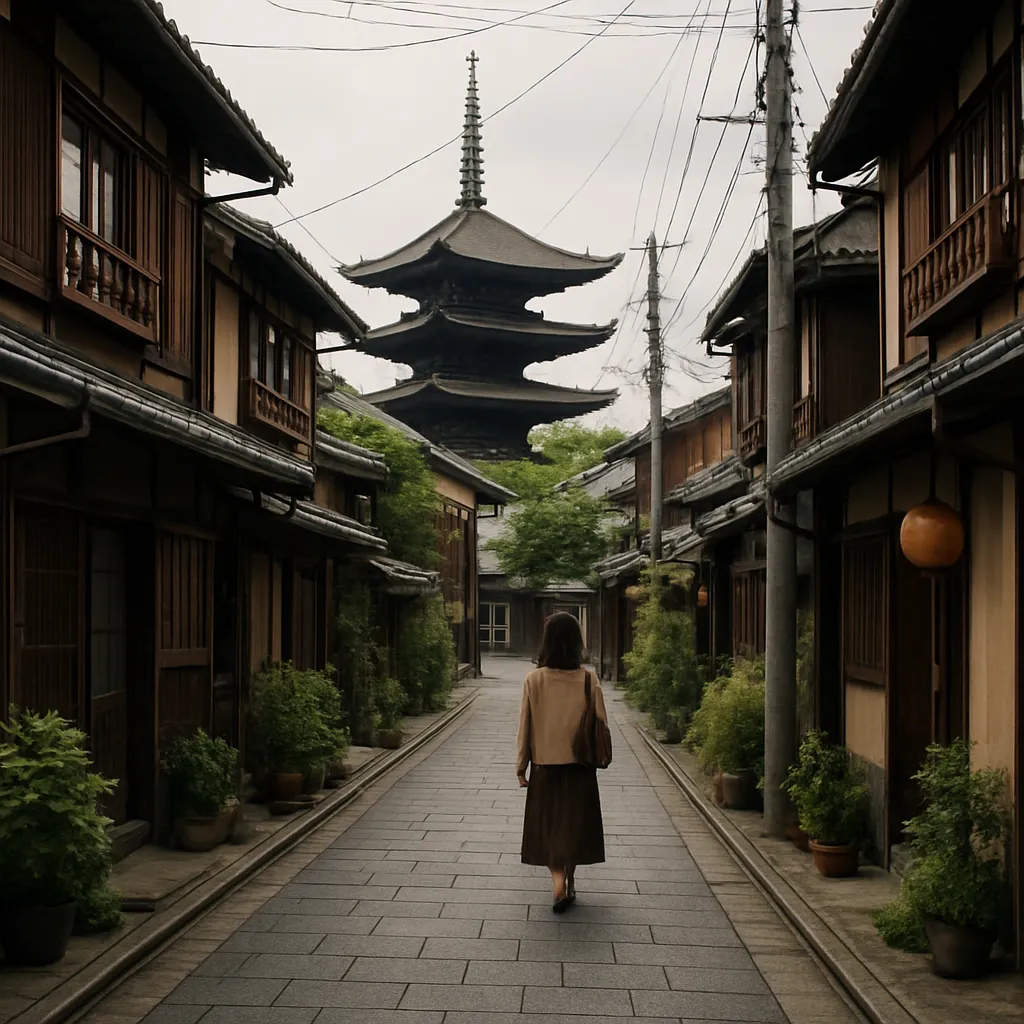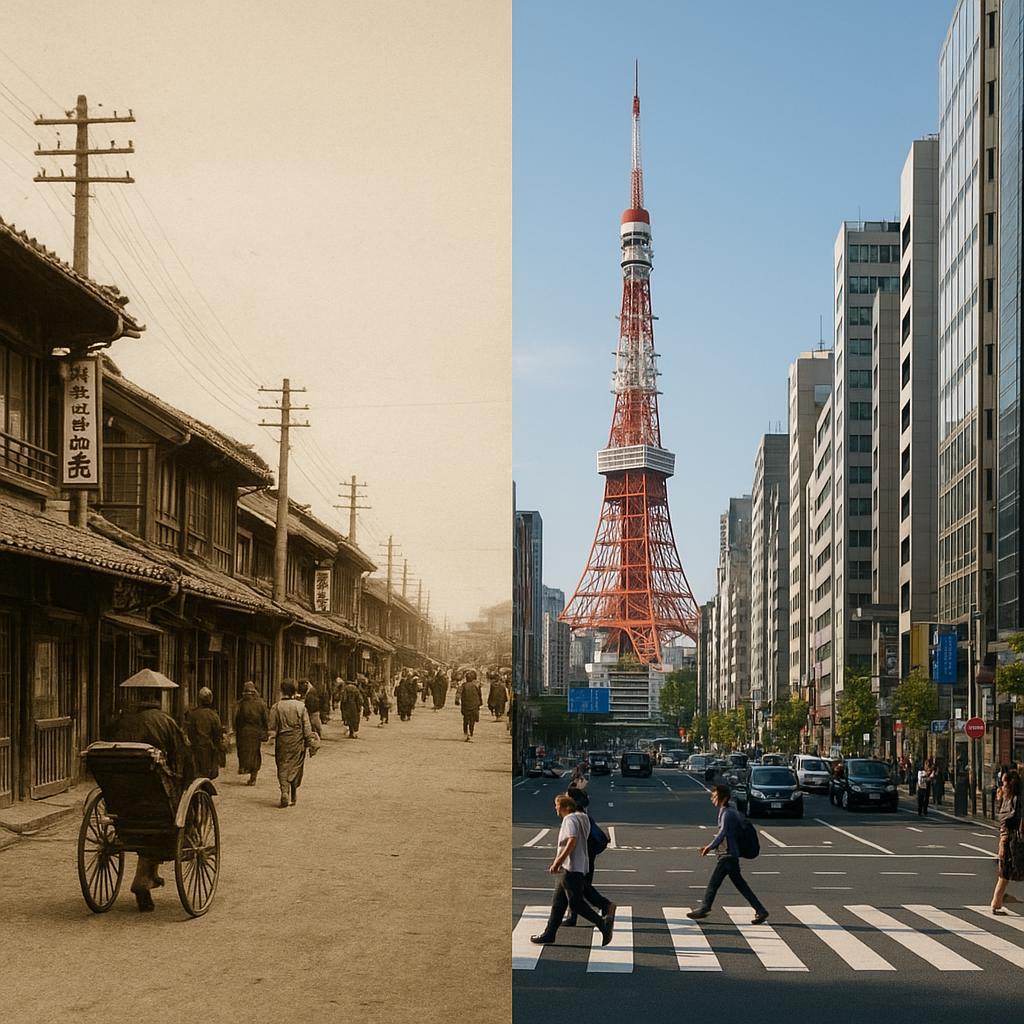
Embark on a **visual journey** through the winding lanes of **Tokyo**, where echoes of samurai footsteps mingle with the hum of bullet trains. From serene shrines tucked away in narrow alleyways to towering **skyscrapers** that pierce the clouds, this city pulsates with layers of **history** and bursts of **innovation**. Dive into an exploration that reveals how traditions have been woven into the fabric of a hyper-modern metropolis.
Ancient Foundations and the Edo Era
Tokyo’s story begins long before neon lights and high-speed rails. During the early 17th century, Tokugawa Ieyasu established Edo as the shogunate’s seat, erecting grand castles and martial quarters. The city was enclosed by moats and walls, its residents governed by strict class hierarchies. Edo flourished into one of the world’s largest urban centers, famed for its ukiyo-e woodblock prints, kabuki theatres, and refined tea ceremonies.
Urban Layout and Architecture
- Edo Castle: The sprawling fortress that anchored political power
- Merchant districts: Rows of wooden machiya with paper lantern facades
- Temple clusters: Sanctuaries like Sensō-ji offering solace in a bustling town
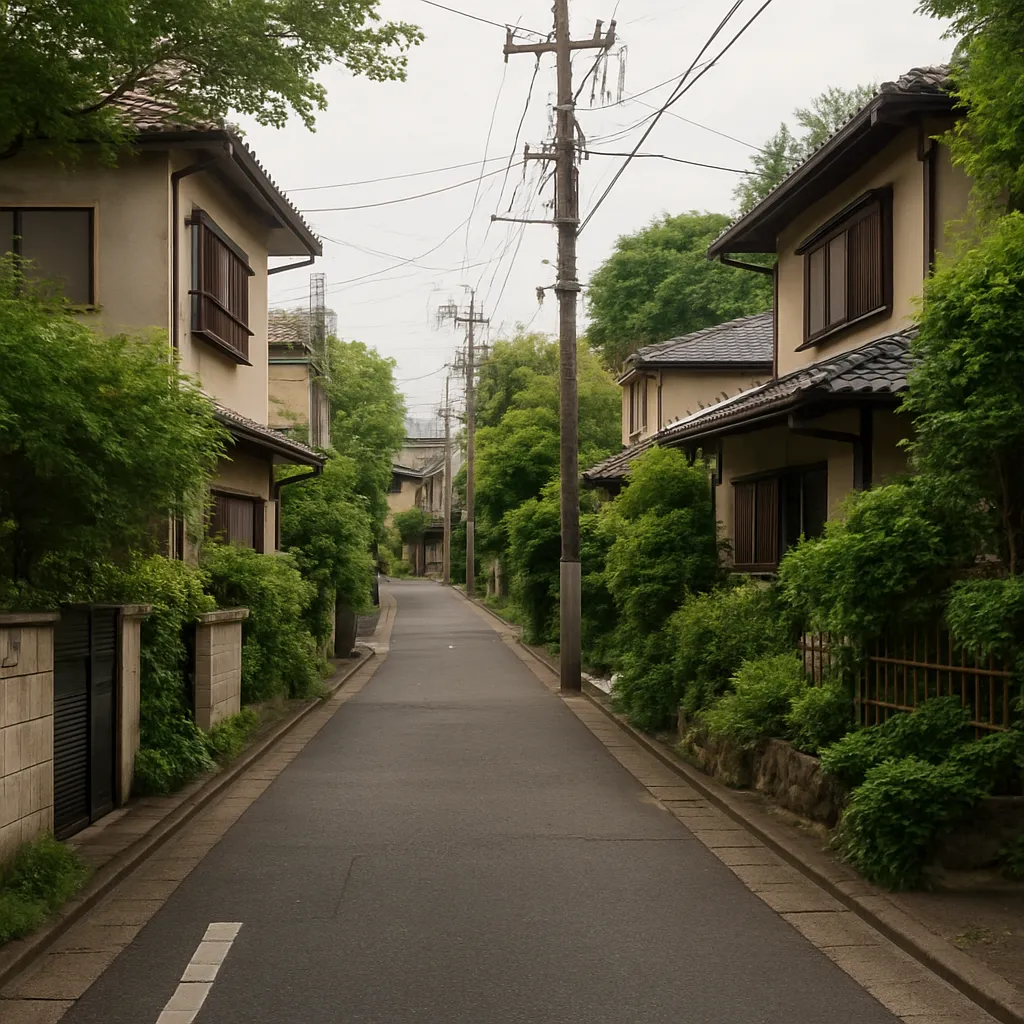
The **architecture** of the period prioritized natural materials and modular design, facilitating rapid reconstruction after frequent fires. Narrow streets led to hidden gardens, creating pockets of green amidst dense building clusters.
Cultural Flourishing
Under the shogunate’s rule, strict social codes fostered innovative arts within defined spaces. Patrons supported painters and playwrights, while floating world districts like Yoshiwara became centers of literature, poetry, and refined entertainment. This era’s cultural **legacy** still permeates Tokyo’s museums and festival calendars.
Meiji Restoration and Rapid Modernization
The mid-19th century brought dramatic change. With the collapse of the shogunate and the dawn of the Meiji era, Edo was reborn as Tokyo—“eastern capital.” The government pursued an aggressive program of Westernization, eager to shed feudal constraints and embrace **technology** and global trade.
Infrastructure Revolution
- Railways: The first steam trains connected Tokyo to Yokohama in 1872
- Telegraph lines: Instant communication revolutionized governance
- Bridges and roads: Stone displays replaced wooden crossings, enabling heavier loads
Streets once traversed on foot soon accommodated rickshaws, horse-drawn carriages, and eventually automobiles. The **transportation** network laid during Meiji set the stage for Tokyo’s complex modern system of subways and bullet trains.
Educational and Cultural Exchange
New universities and technical institutes welcomed scholars from Europe and America, catalyzing an era of **innovation**. Western-style buildings arose alongside Shinto shrines, a bold architectural dialogue between old and new. Students studied law, medicine, and engineering, forging a civic identity that prized progress without entirely abandoning tradition.
Postwar Reconstruction and Economic Miracle
The devastation of World War II left Tokyo in ruins, its population displaced and infrastructure shattered. Yet the city’s indomitable spirit spurred rapid rebuilding. In less than two decades, Tokyo transformed into a beacon of modernity, hosting the 1964 Olympics that introduced the world to its magnetic energy.
Reimagined Skylines
- High-rises in Ginza and Shinjuku: Vertical expansion redefined city limits
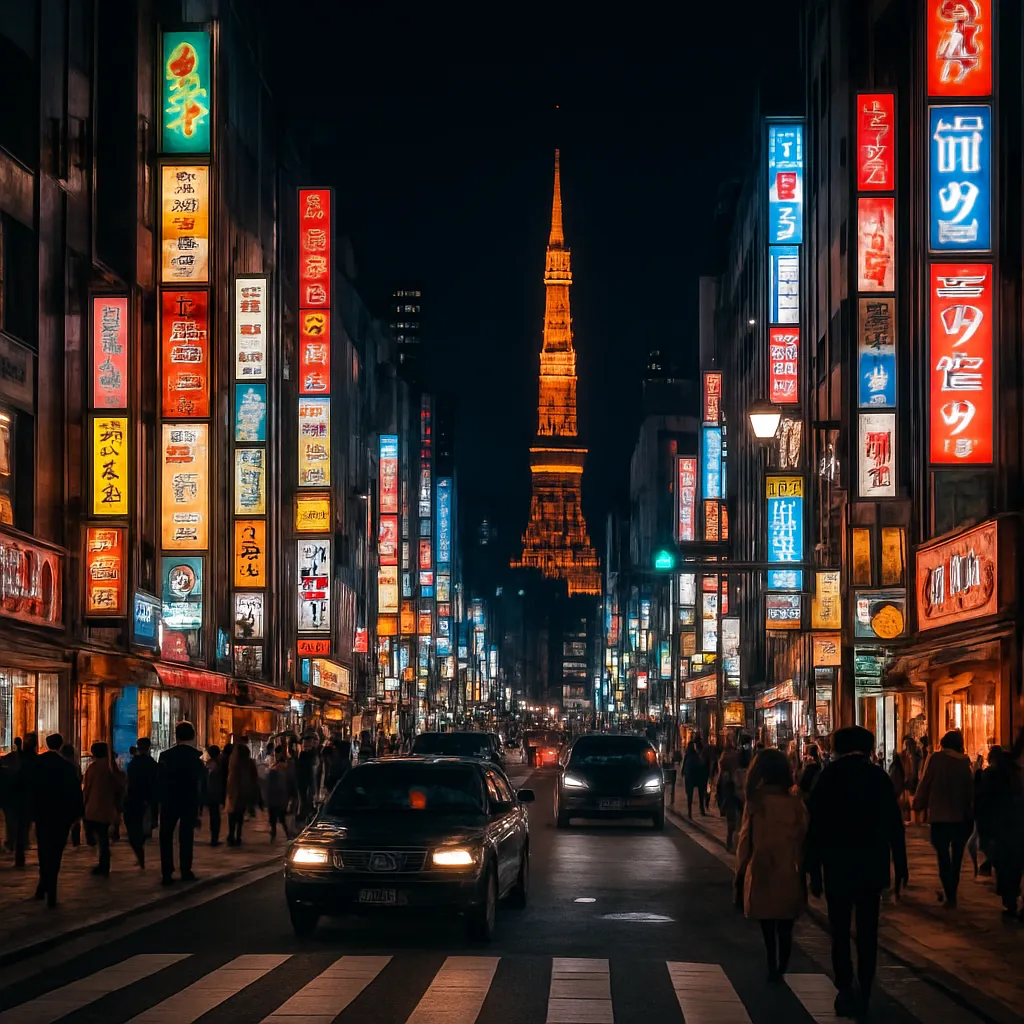
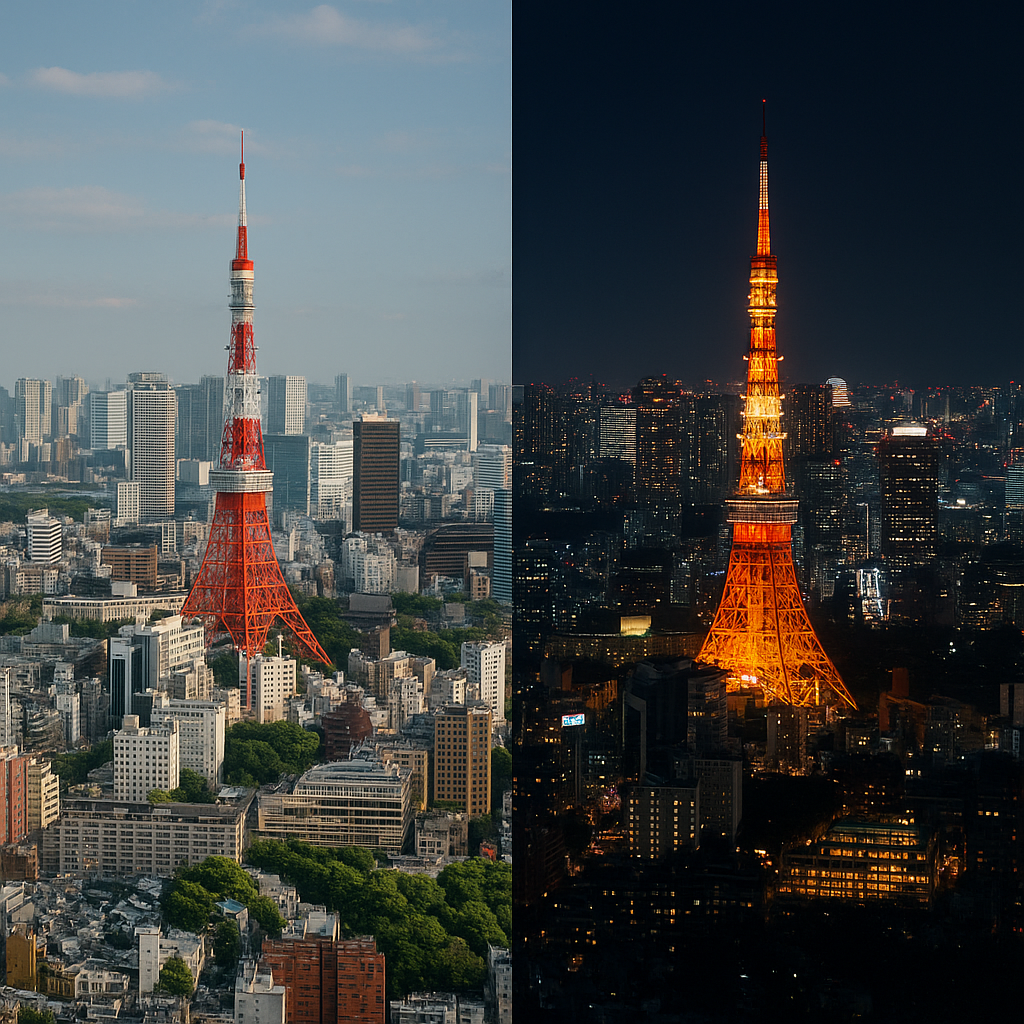
- Tokyo Tower: A steel lattice beacon symbolizing economic resurgence
- Suburban suburbs: Planned residential blocks offered affordable living
Urban planners balanced high-density development with public parks and recreational areas. The **skylines** that once showcased low-slung timber buildings now glittered with steel and glass, signaling Tokyo’s newfound role as an economic powerhouse.
Economic and Social Shifts
Manufacturing boomed in nearby Kawasaki and Yokohama, while Tokyo’s corporate headquarters oversaw global operations. The rise of the salaryman and the sakura-chasing weekend culture underscored a fast-paced lifestyle. Traditional festivals continued, but they now shared space with jazz clubs and avant-garde galleries.
Contemporary Tokyo: Fusion of Heritage and Futurism
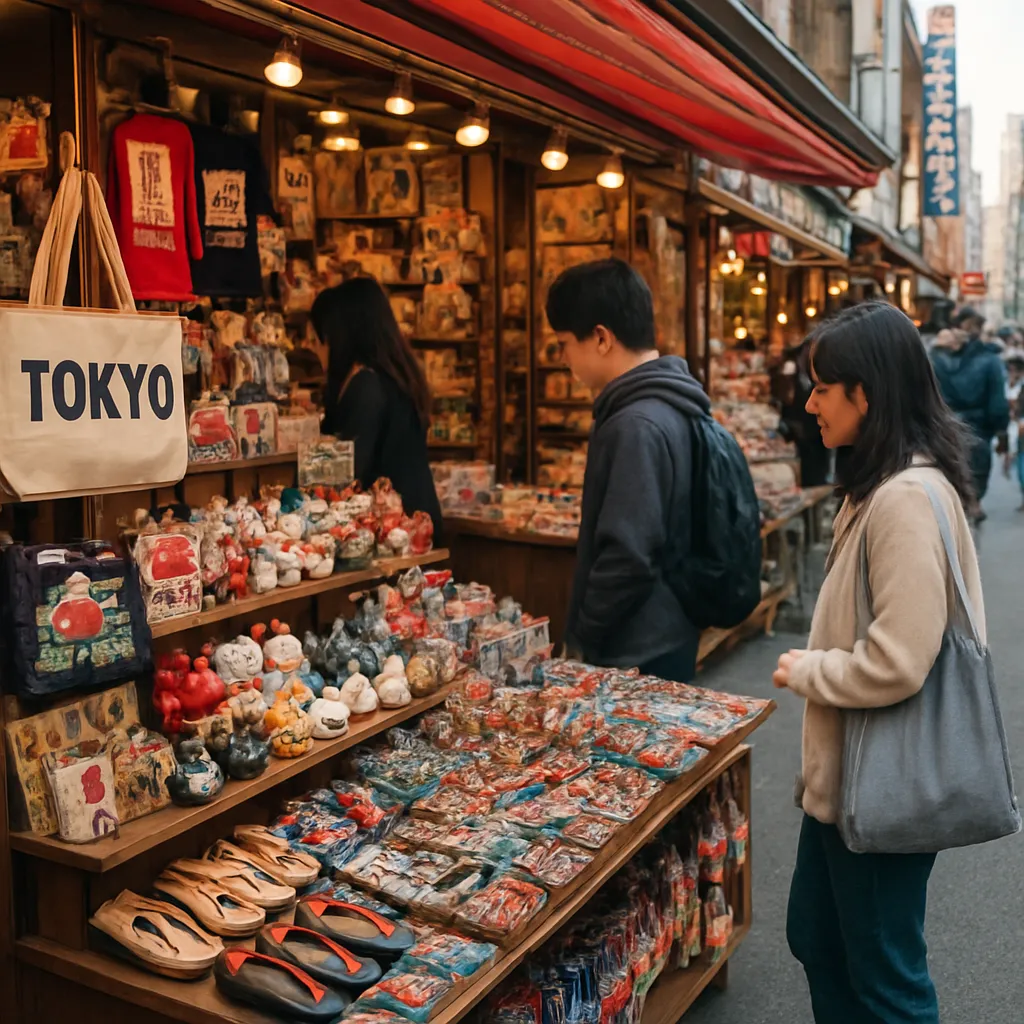
Today’s Tokyo is a tapestry of neon-lit streets, robotic cafes, and centuries-old shrines. Districts like Asakusa preserve Edo’s charm, with craftsmen hand-casting incense and stall vendors selling rice crackers. Meanwhile, areas such as Odaiba and Roppongi showcase futuristic designs and entertainment complexes.
Innovative Districts
- Akihabara: Tech mecca brimming with gadgets, anime, and gaming culture
- Harajuku: A kaleidoscope of fashion subcultures blending vintage and cutting-edge styles
- Shibuya Crossing: A human sea of organized chaos beneath giant LED screens
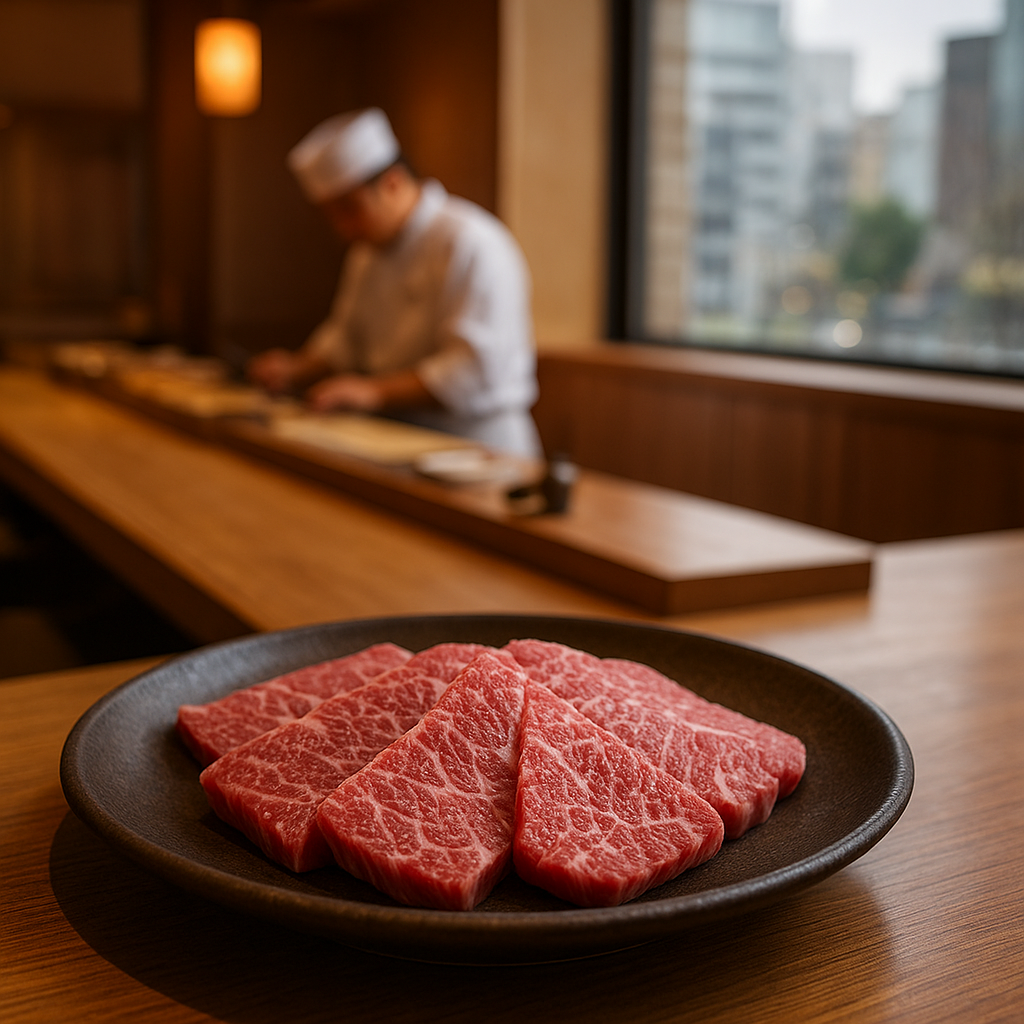
The interplay between **tradition** and progress is palpable. Shinto priests recite ancient chants steps away from digital art installations. Local artisans use 3D printing to craft modern kimonos, while Michelin-starred chefs reinterpret sushi for global palates.
Sustainability and the Future
Facing climate challenges, Tokyo embraces green initiatives. Rooftop gardens, solar-paneled stations, and hydrogen-powered buses are becoming mainstream. Smart city technologies optimize energy use, traffic flow, and disaster preparedness. Citizens participate in tree-planting drives, ensuring that even amidst concrete and steel, pockets of nature flourish.
- Shrines coexist with solar arrays
- Automatic trains adapt to real-time passenger volumes
- 3D-printed homes offer rapid, eco-friendly housing solutions
The Continuous Dialogue Between Past and Future
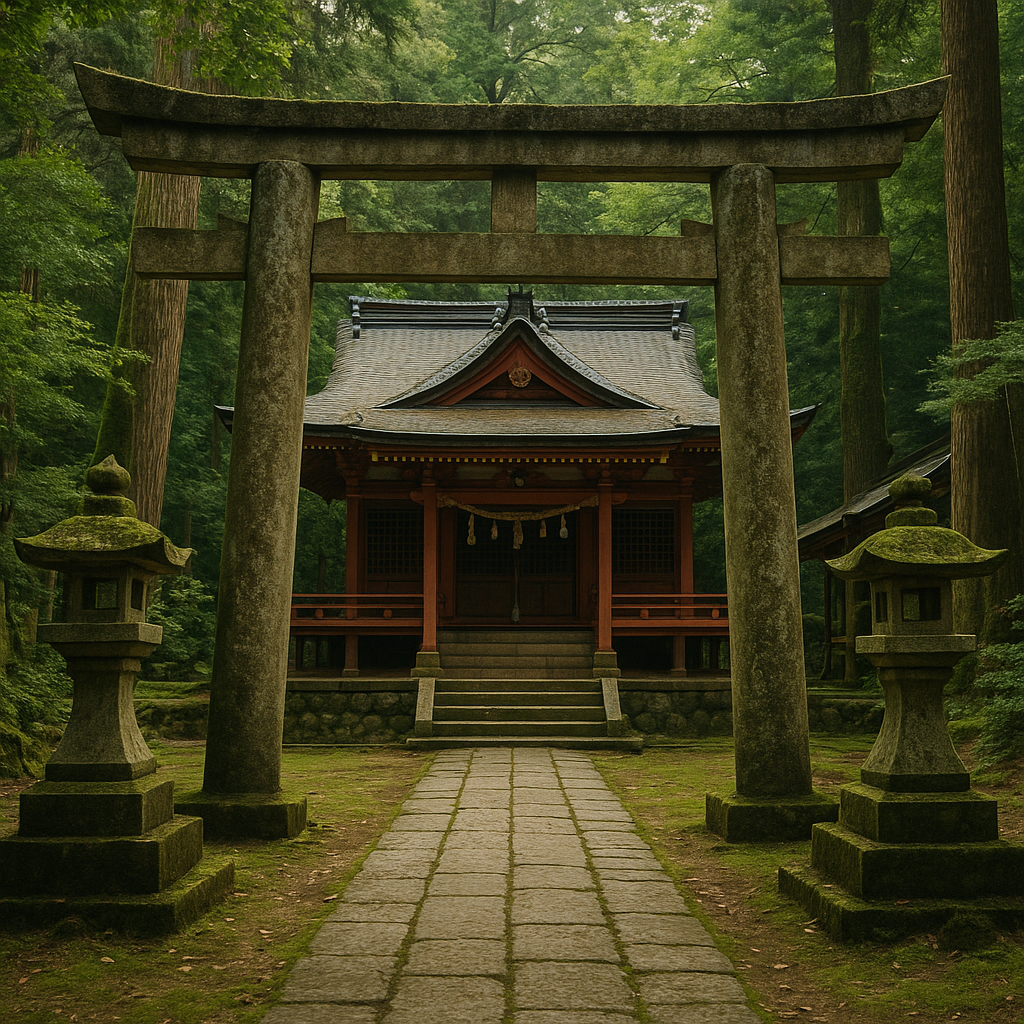
In Tokyo, every street tells a story. At dawn, you may glimpse a salaryman pausing at a centuries-old torii gate before racing to the station. At twilight, the glow of lanterns casts shadows on contemporary façades. This city thrives on the **dynamic tension** between its historic roots and its futuristic ambitions.
As you wander through ancient temples and gleaming towers, remember that Tokyo’s essence lies in its ability to adapt, preserve, and reinvent. Each alley, each tower, each festival contributes to an ever-evolving tapestry—where the whispers of the past guide the architects of tomorrow.