Tokyo’s vibrant festival scene is an invitation to immerse yourself in the pulse of the city, where centuries-old tradition meets modern energy. From the grand processions of Shinto shrines to the neon-lit night markets, each event offers a chance to experience Tokyo like a true local. Whether you’re chasing the glitter of lanterns or savoring sizzling streetfood, these celebrations—known collectively as omatsuri—are your gateway to the heart of Japanese culture.
Traditional Rituals and Historic Celebrations
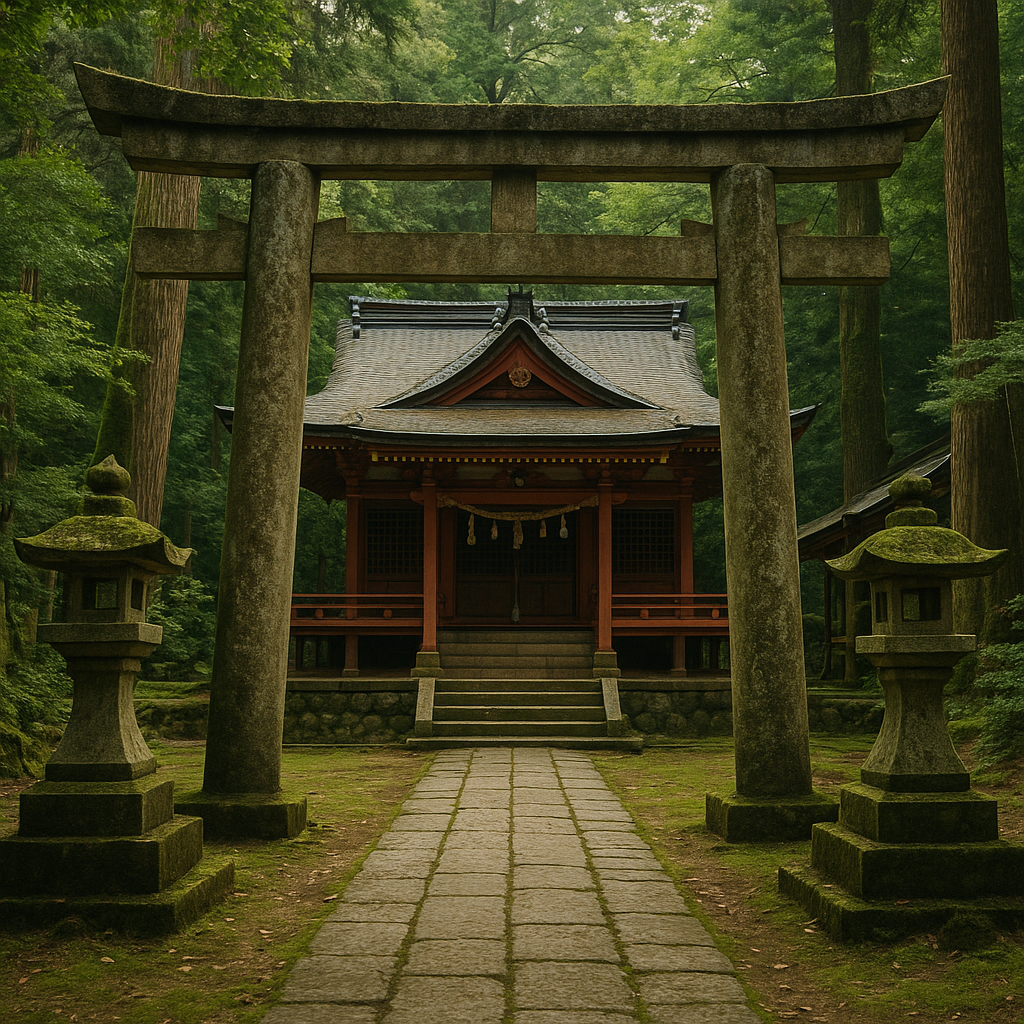
At the core of Tokyo’s matsuri are time-honored ceremonies, many of which date back centuries. Shrine festivals, processions, and blessing rituals blend community spirit with religious reverence, creating an atmosphere of joyful devotion. To witness these rites is to step into a living tapestry of history.
Background of Tokyo Matsuri
Shinto shrines across the city host annual events that honor their enshrined deities. These gatherings often feature:
- Purification ceremonies (harae) by shrine priests
- Processions carrying portable shrines (mikoshi)
- Traditional music (hayashi) and dance performances
Understanding the significance of each rite enhances your appreciation of the solemn moments and festive bursts of energy that follow.
Major Shrine Festivals: Sanja, Kanda, Sanno
- Sanja Matsuri (Mid-May): One of Tokyo’s most exuberant omatsuri, held in Asakusa. Watch proud carriers hoist massive mikoshi through crowded streets, chanting and clanging bells to bestow blessings.
- Kanda Matsuri (Odd-numbered years in Mid-May): Centered around Kanda Myojin Shrine, this festival features ornate floats, vibrant parades, and dignified rituals. It alternates with the Sanno Matsuri to maintain balance in the calendar.
- Sanno Matsuri (Even-numbered years in Mid-June): Dubbed the “festival of elegance,” it parades around Hie Shrine in Nagatacho. Expect majestic courtly costumes and a sense of imperial pageantry.
Streetfood, Snacks, and Festival Fare
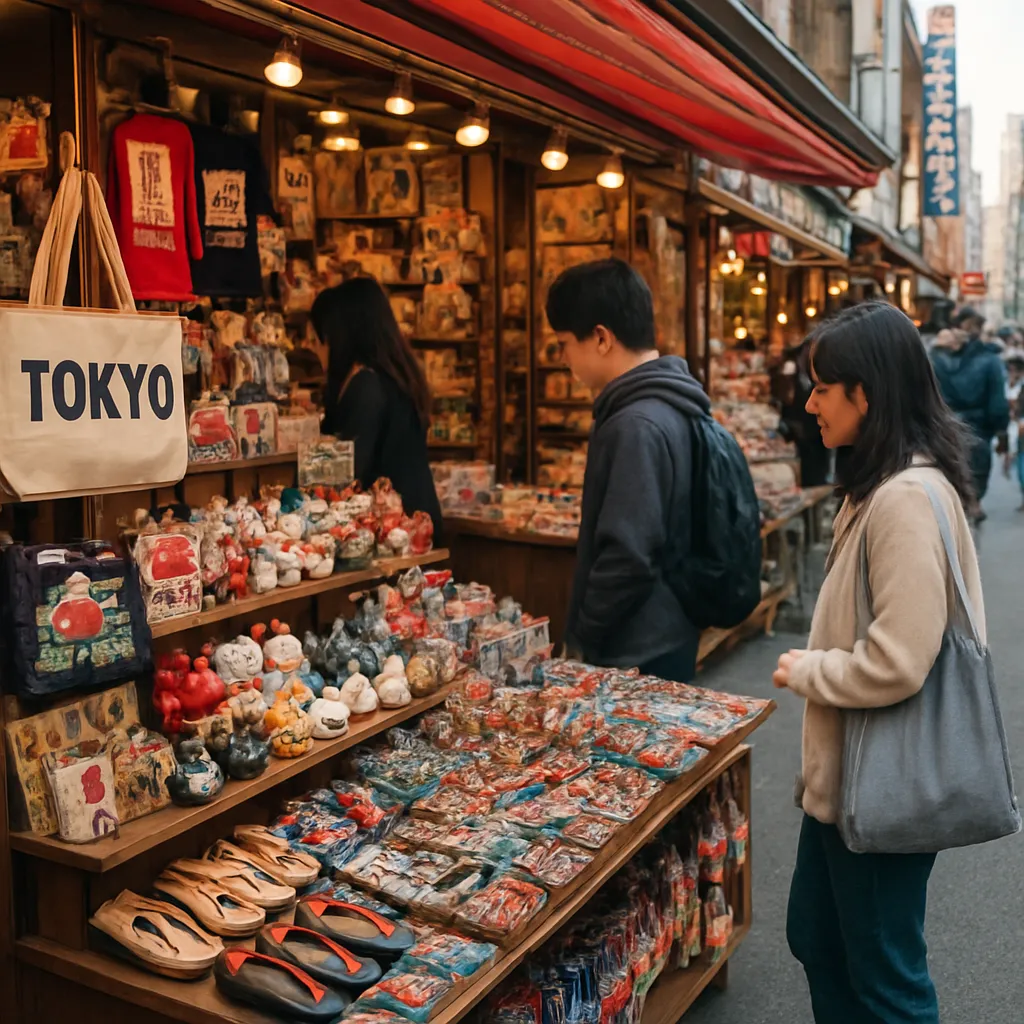
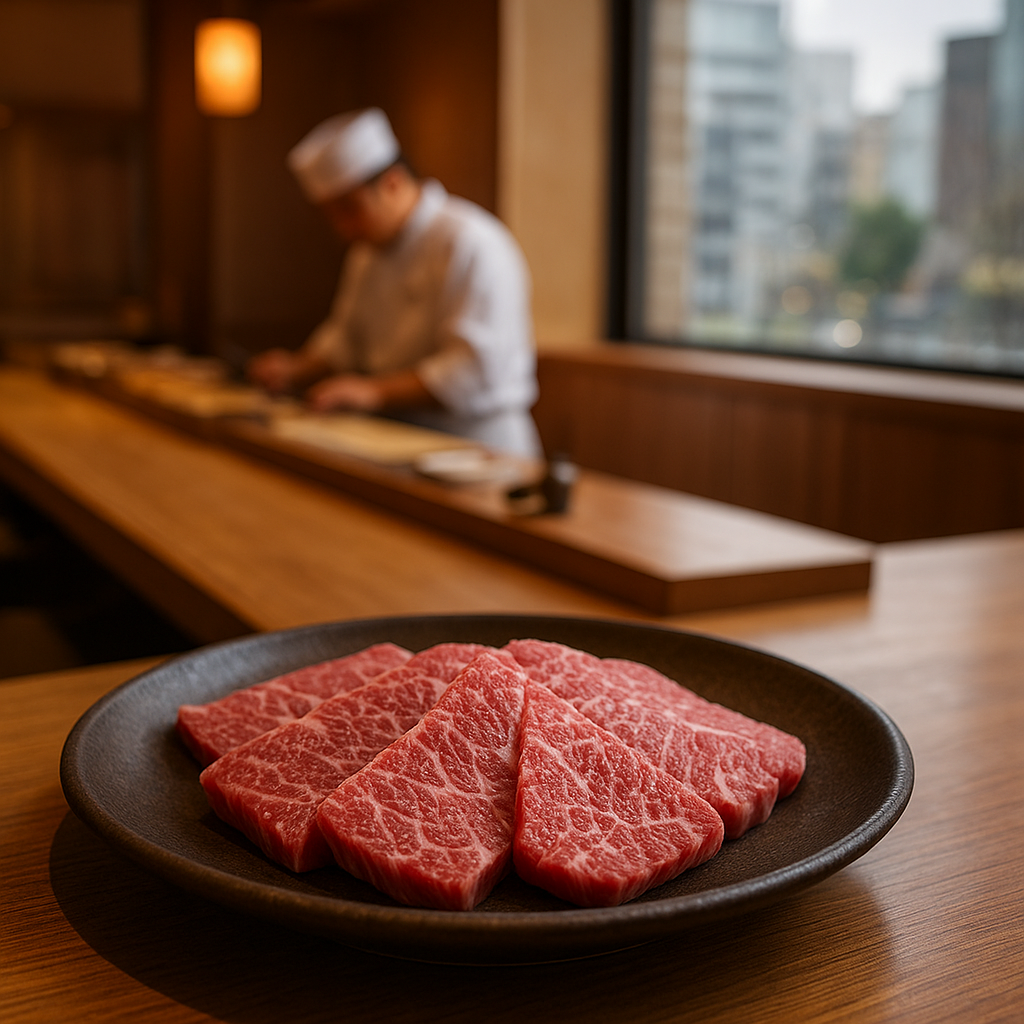
No festival experience is complete without diving into the world of food stalls. Tokyo’s matsuri vendors transform sidewalks into gastronomic wonderlands. From savory bites to sweet treats, here are must-try delights:
- Takoyaki: Octopus-filled balls drizzled with sauce and mayo
- Okonomiyaki: Savory pancake layered with cabbage, pork, and special seasonings
- Yakisoba: Stir-fried noodles loaded with vegetables and tangy sauce
- Kakigōri: Shaved ice topped with colorful syrups—perfect for hot summer days
- Taiyaki: Fish-shaped pastry stuffed with sweet red bean paste
- Yakitori: Skewered grilled chicken seasoned with salt or tare sauce
For a more local twist, track down specialty stalls offering regional variations—you might spot Kyoto-style yaki-imo or Hiroshima-style okonomiyaki.
Navigating Crowds and Finding Hidden Gems
Busy thoroughfares like Nakamise in Asakusa can feel overwhelming. To enjoy festivals like a resident, plan ahead and seek out lesser-known celebrations in quiet neighborhoods. Here are tips to blend in seamlessly:
- Arrive early: Beat peak crowds by showing up 30–60 minutes before the main procession.
- Follow side streets: Small shrines in side alleys often host intimate omatsuri with local charm.
- Use local transit passes: A day pass on buses or subways can save money and time between scattered events.
- Join neighborhood associations: Some wards publish free schedules of resident-only festivals—ask at your hotel or local tourist office.
- Engage with volunteers: Friendly festival staff often wear matching happi coats; a simple greeting (like “Otsukaresama desu”) can earn tips on the best viewing spots.
Dress Code and Cultural Etiquette
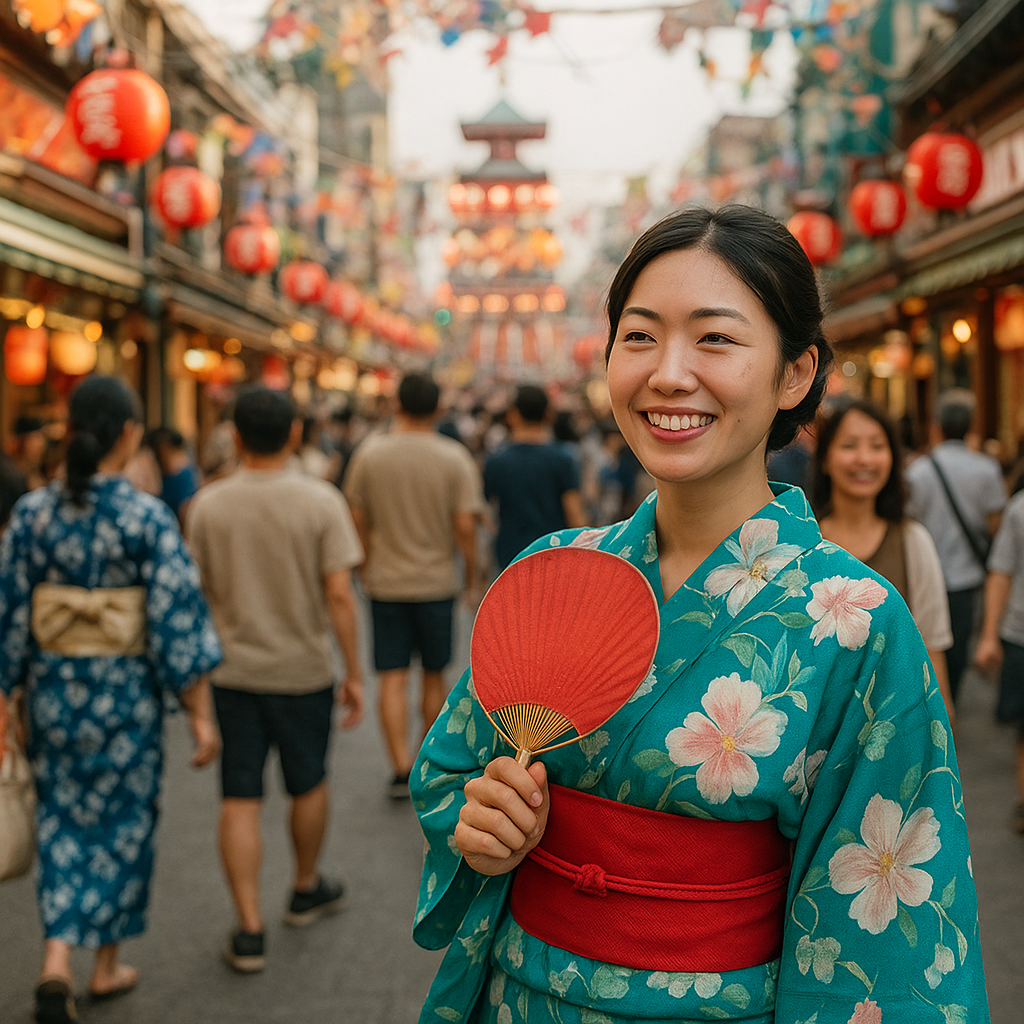
Wearing a yukata (summer kimono) instantly elevates your festival experience. Many local rental shops near major matsuri sites offer affordable outfits complete with obi (belt) and geta (wooden sandals). Follow these guidelines:
- Keep shoes clean: Remove debris before stepping into shrine grounds.
- Respect boundaries: Don’t cross ropes or barriers; some areas are reserved for shrine officials.
- Use quiet voices in solemn rituals: Whisper during blessings or when the mikoshi passes by.
- Dispose of trash properly: Carry a small bag for wrappers—festival sites may lack ample bins.
- Keep the mood festive: Join hands for group dances, clap along to taiko drumming, and smile for photos when invited.
Seasonal Highlights and Calendar
Tokyo’s festival calendar reflects the changing seasons. Planning your trip around these events ensures a front-row seat to cultural displays year-round:
- Spring (March–May): Cherry blossom celebrations segue into vibrant shrine matsuri like Sanja and Kanda.
- Summer (June–August): Fireworks (hanabi) displays and Obon lantern festivals illuminate warm evenings.
- Autumn (September–November): Autumnal shrine festivals combine harvest prayers with dynamic processions.
- Winter (December–February): Illuminations and New Year rites at Meiji and Zojoji shrines mark the year’s end.
No matter the season, Tokyo’s neighborhoods each offer unique celebrations—from the retro flair of Shimokitazawa’s neighborhood matinee to the futuristic glow of Odaiba’s waterfront fairs.