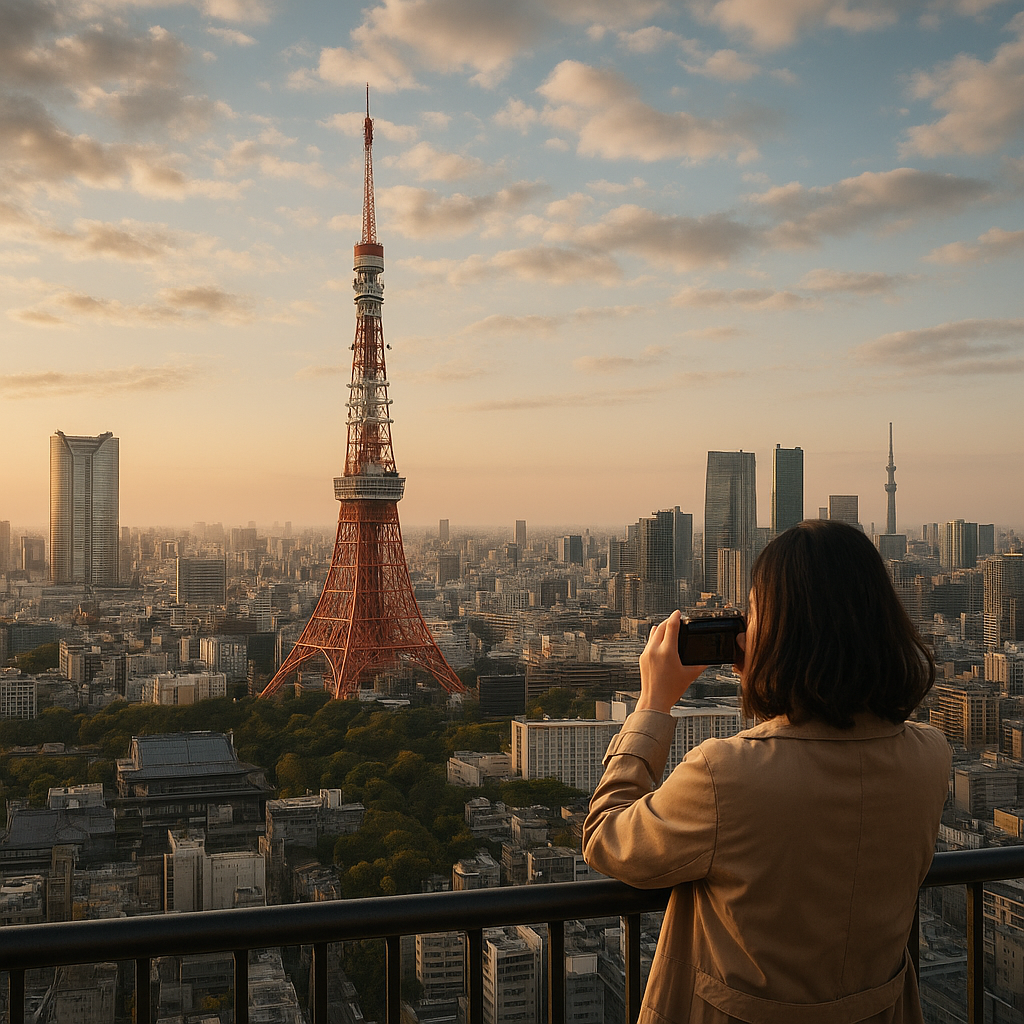
Tokyo’s kaleidoscope of light, color, and motion offers endless opportunities for photographers seeking to capture the city’s unique character. From neon-lit streets that pulse with energy to centuries-old temples that radiate timeless serenity, every corner of this sprawling metropolis reveals a new layer of visual intrigue. Armed with a camera and a sense of curiosity, you can dive into a world where ultramodern architecture meets age-old tradition, and where quiet alleyways stand in stark relief to bustling intersections. Whether you’re shooting with a mirrorless system, a smartphone, or a vintage film camera, Tokyo promises to expand your creative horizons and help you craft unforgettable images.
Urban Street Photography in Shibuya and Shinjuku
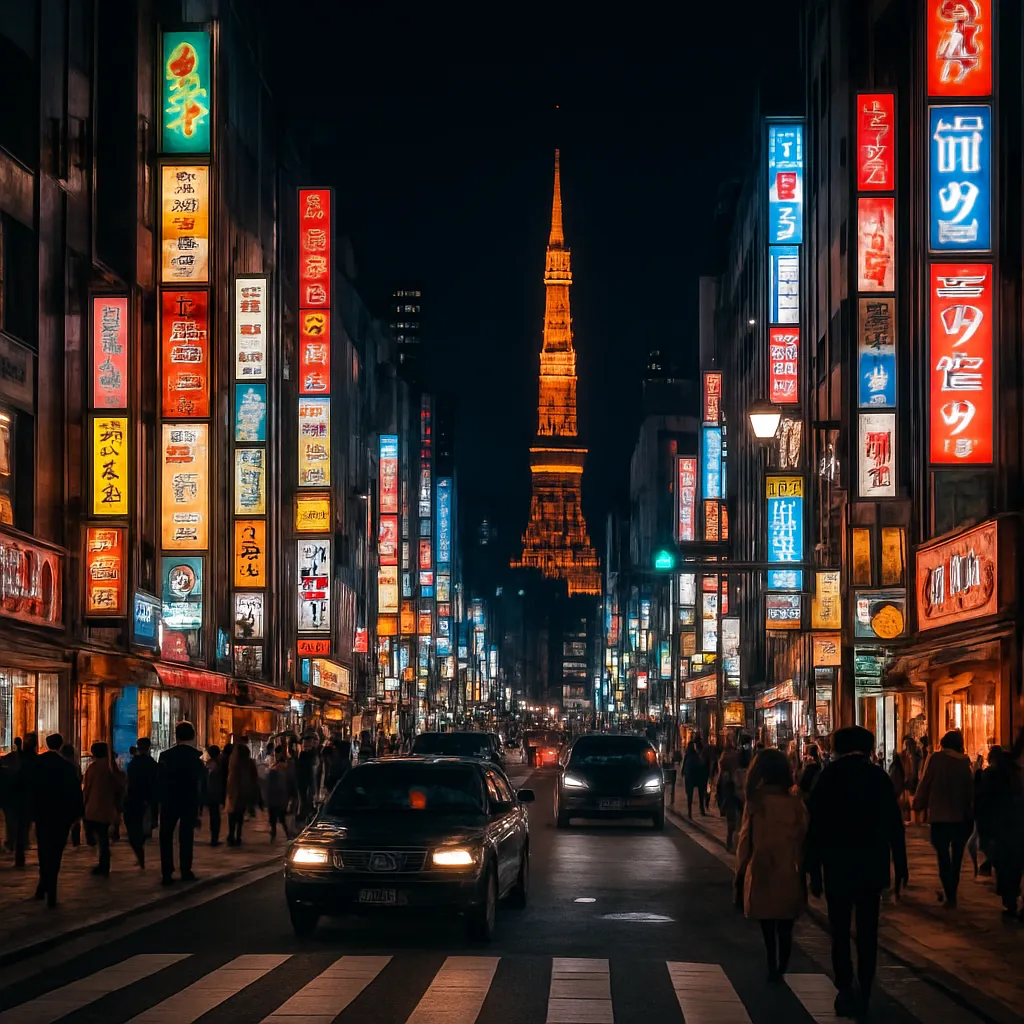
Two of Tokyo’s most iconic districts, Shibuya and Shinjuku, are veritable playgrounds for street photographers. Here, skyscrapers loom overhead as streams of pedestrians crisscross the famous scramble crossing. The interplay of neon billboards, reflective glass facades, and dense crowds creates a scene bursting with vibrant energy and contrast. Shooting in these zones challenges you to anticipate fleeting moments: a lone figure pausing to consult their phone against a backdrop of moving taxis, or the precise instant when a wave of umbrellas surges forward under unexpected rain.
- Vantage Points: Seek out elevated platforms—cafés above the scramble crossing or office buildings with public observation decks—to frame wide-angle shots.
- Shutter Speed: Use fast shutter speeds (1/250s or faster) to freeze motion and capture crisp silhouettes in the swirl of pedestrians.
- Nighttime Exposures: Experiment with longer exposures to transform moving car lights into dynamic light trails, adding an abstract dimension to your images.
- Rule of Thirds: Position bright signage or distinctive architecture at intersecting gridlines to balance busy compositions.
Historic Temples and Traditional Scenes
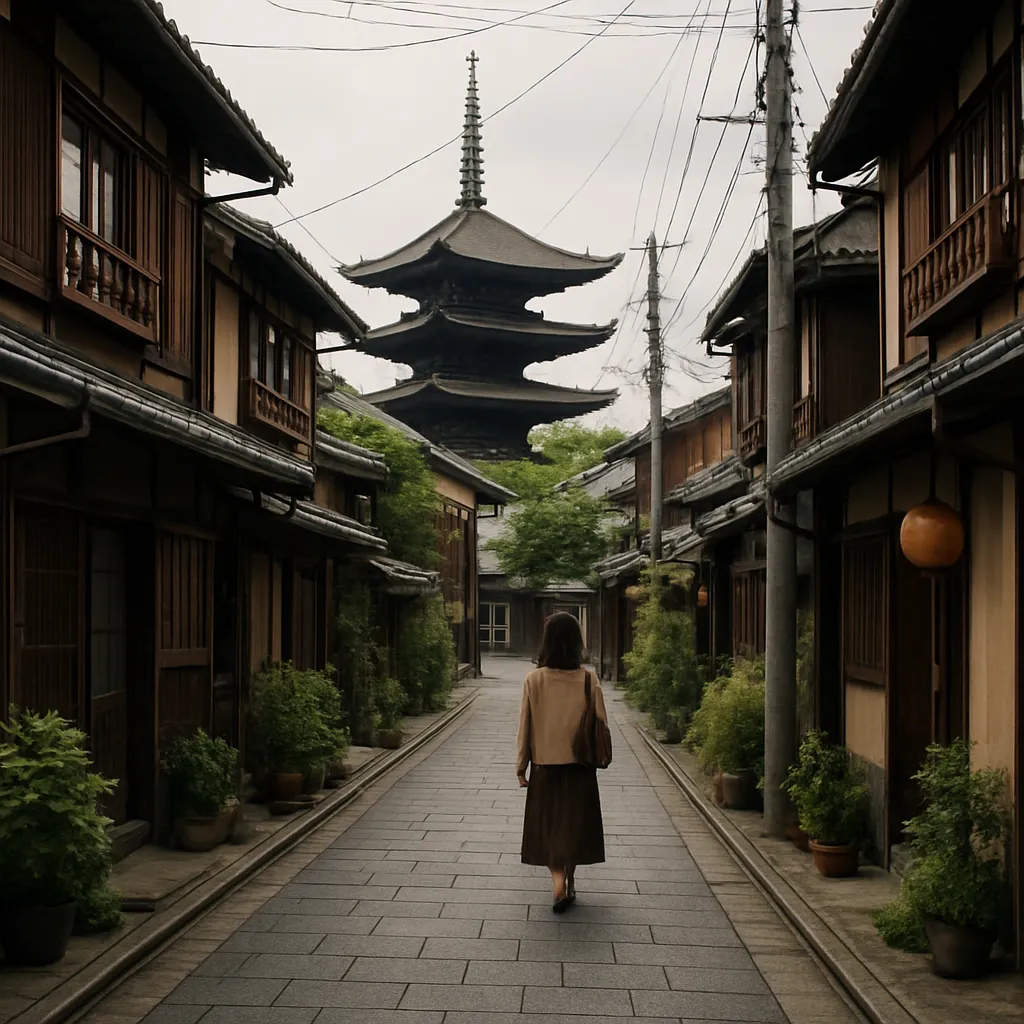
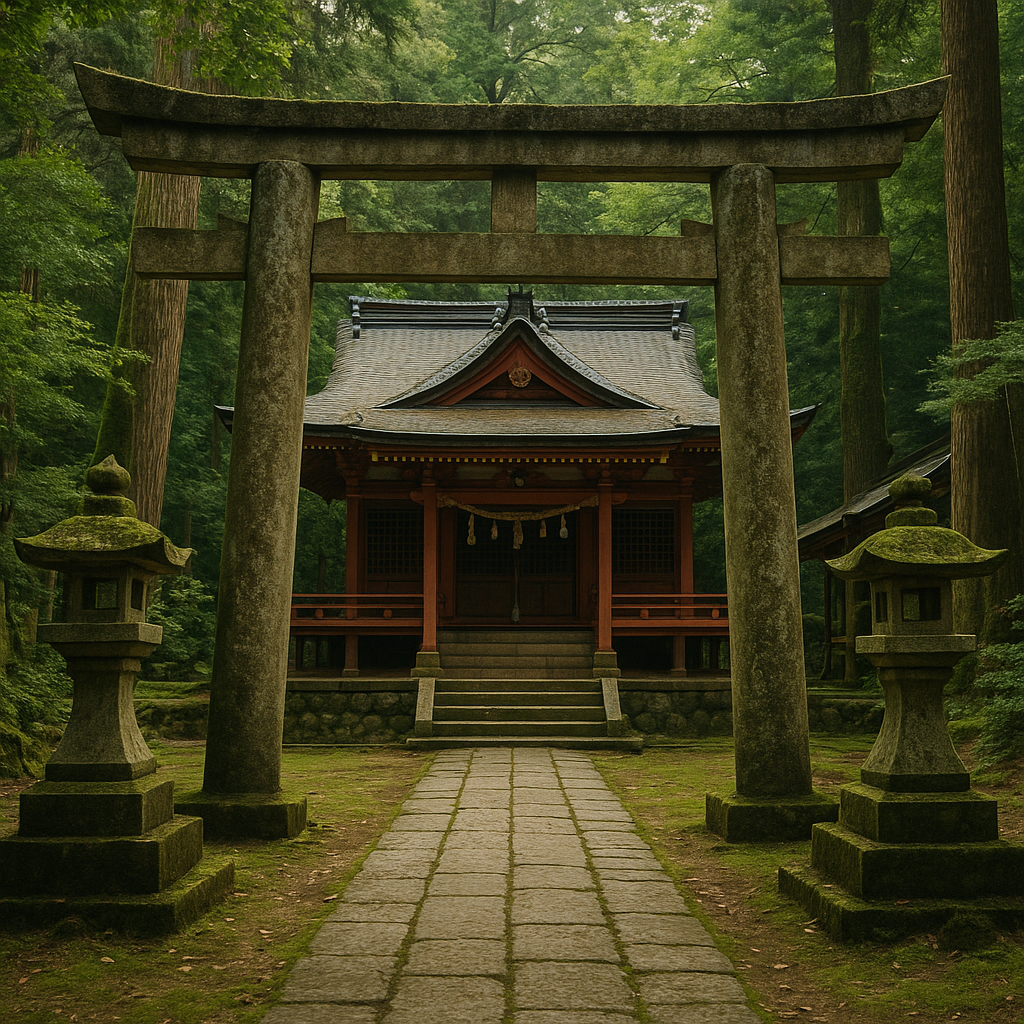
Beyond Tokyo’s futuristic veneer lies a tapestry of sacred shrines, quiet gardens, and weathered wooden gates that whisper tales of the past. In Asakusa, the venerable Senso-ji temple stands as a testament to the city’s enduring tradition. Photographers flock to its monumental lanterns and vermillion-stained structures at dawn, when the morning light bathes the complex in a warm glow and crowds are still thin. Alternatively, Meiji Shrine’s forested pathways near Harajuku offer a retreat into lush greenery, where shafts of sunlight pierce the canopy, illuminating rows of ancient cedar trees.
- Golden Hour: Aim for early morning or late afternoon to capture soft, diffused light around temple rooftops and stone lanterns.
- Detail Shots: Focus on close-ups of ornate carvings, weathered wood textures, or translucent paper lanterns to convey intimate moments.
- People in Frame: Include worshippers placing coins or tying ema plaques to imbue the scene with human presence and cultural context.
Skylines, Night Views, and Waterfronts
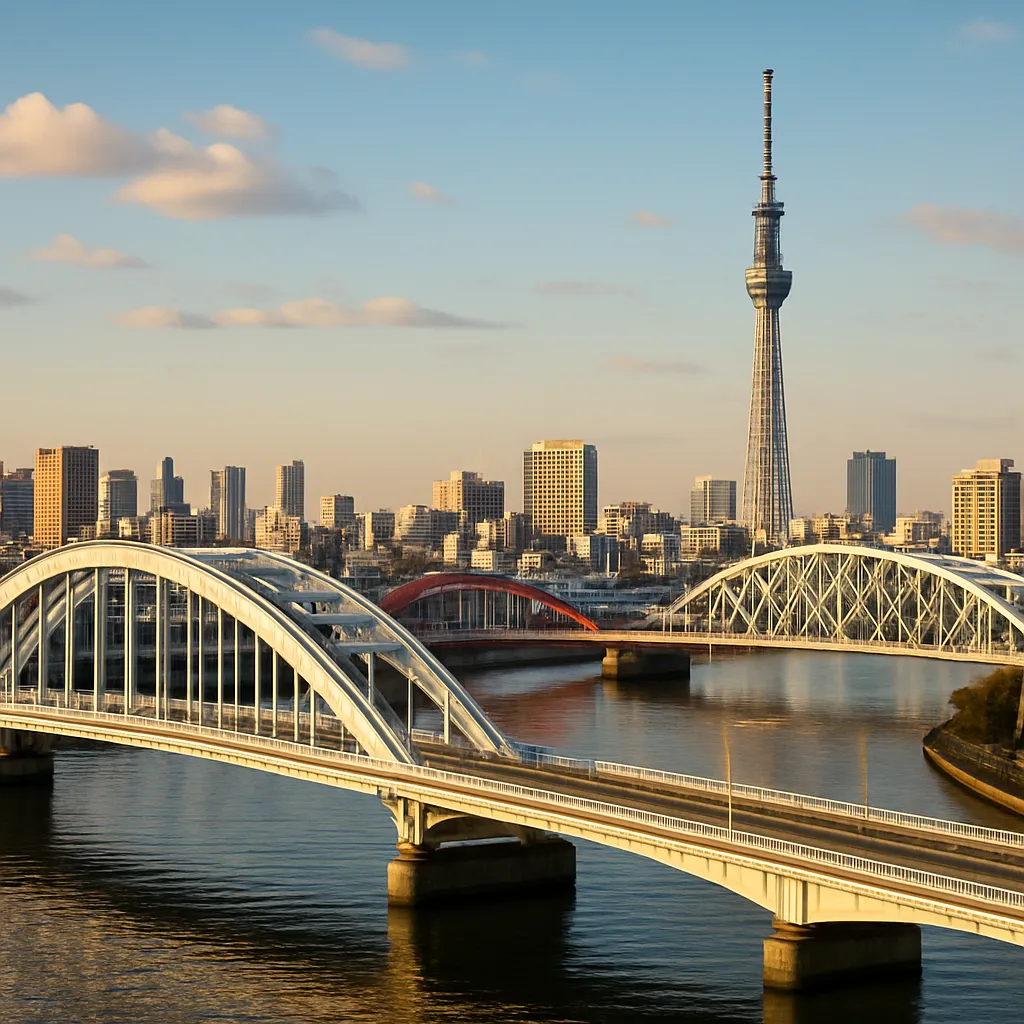
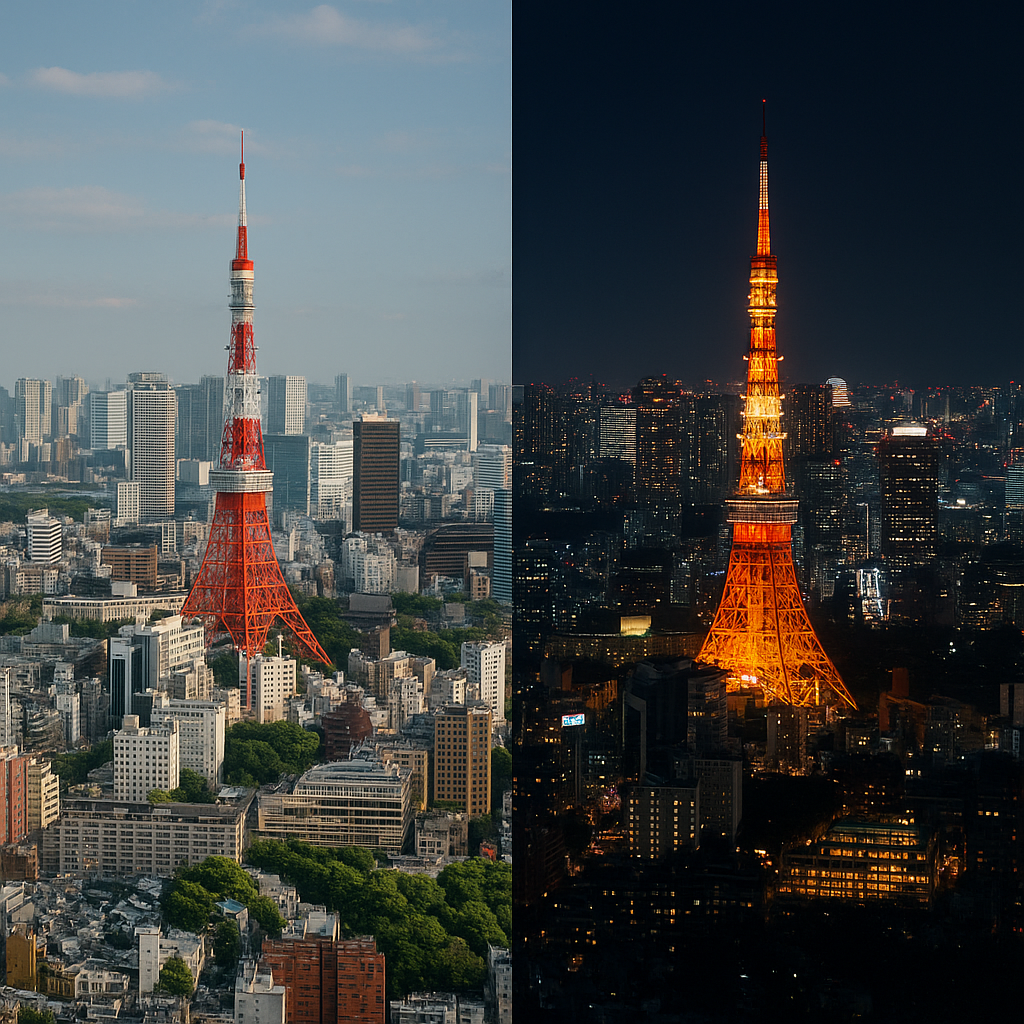
Tokyo’s skyline is a symphony of architectural innovation, from the soaring spires of Tokyo Skytree to the glowing latticework of Tokyo Tower. Capturing these landmarks against the canvas of dusk or nighttime skies can yield images of breathtaking scale and drama. Odaiba’s waterfront promenade provides a spectacular vantage point for shooting the Rainbow Bridge, its steel cables illuminated in shifting hues. Reflections shimmer on Tokyo Bay, mirroring city lights and creating a painterly landscape that fuses water and steel.
- Tripod Use: Bring a sturdy tripod to maximize sharpness in long exposures and low-light conditions.
- Low ISO: Keep ISO settings between 100 and 400 to reduce noise and preserve fine details in the armored metal structures.
- Bracketing: Capture multiple exposures for HDR blending, ensuring both the darkest shadows and brightest highlights retain texture.
- Foreground Interest: Incorporate elements like piers, boats, or silhouetted figures to add depth and scale to skyline portraits.
Offbeat Neighborhoods and Hidden Gems
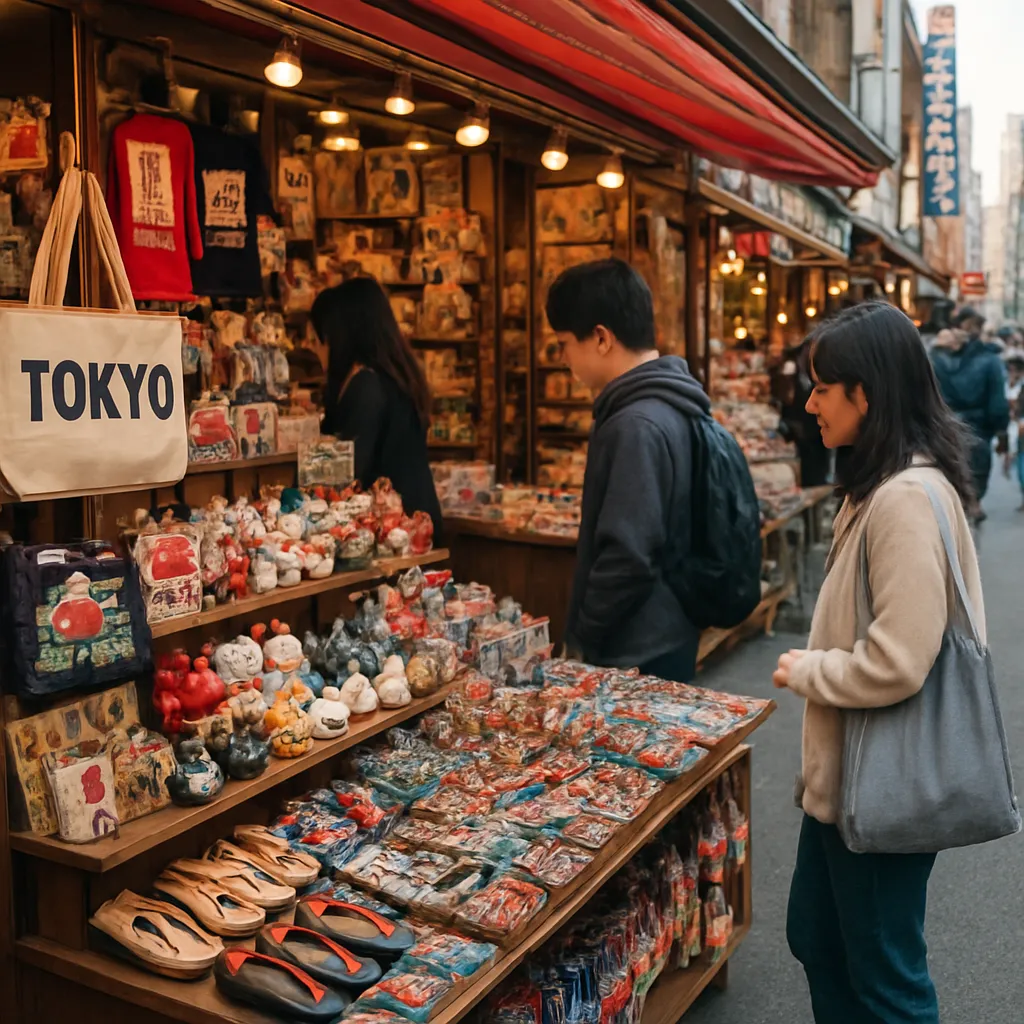
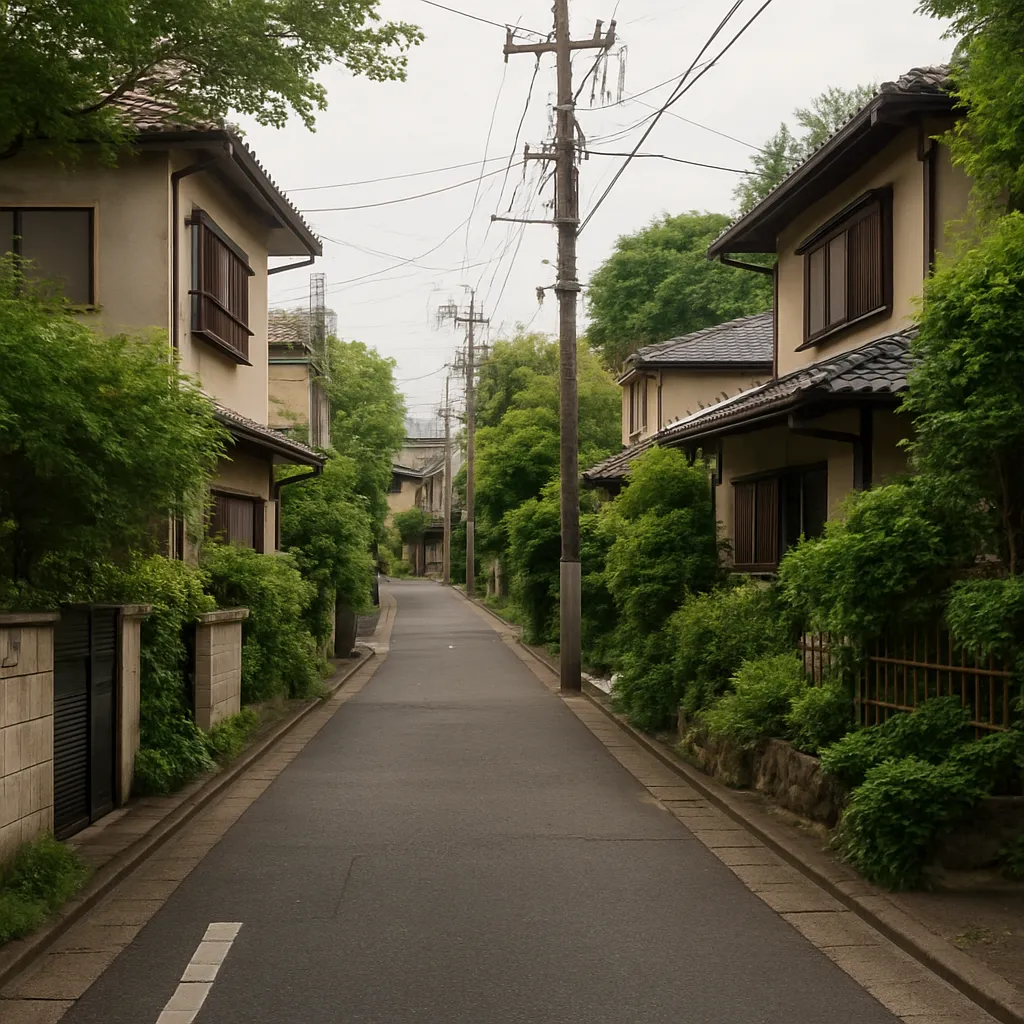
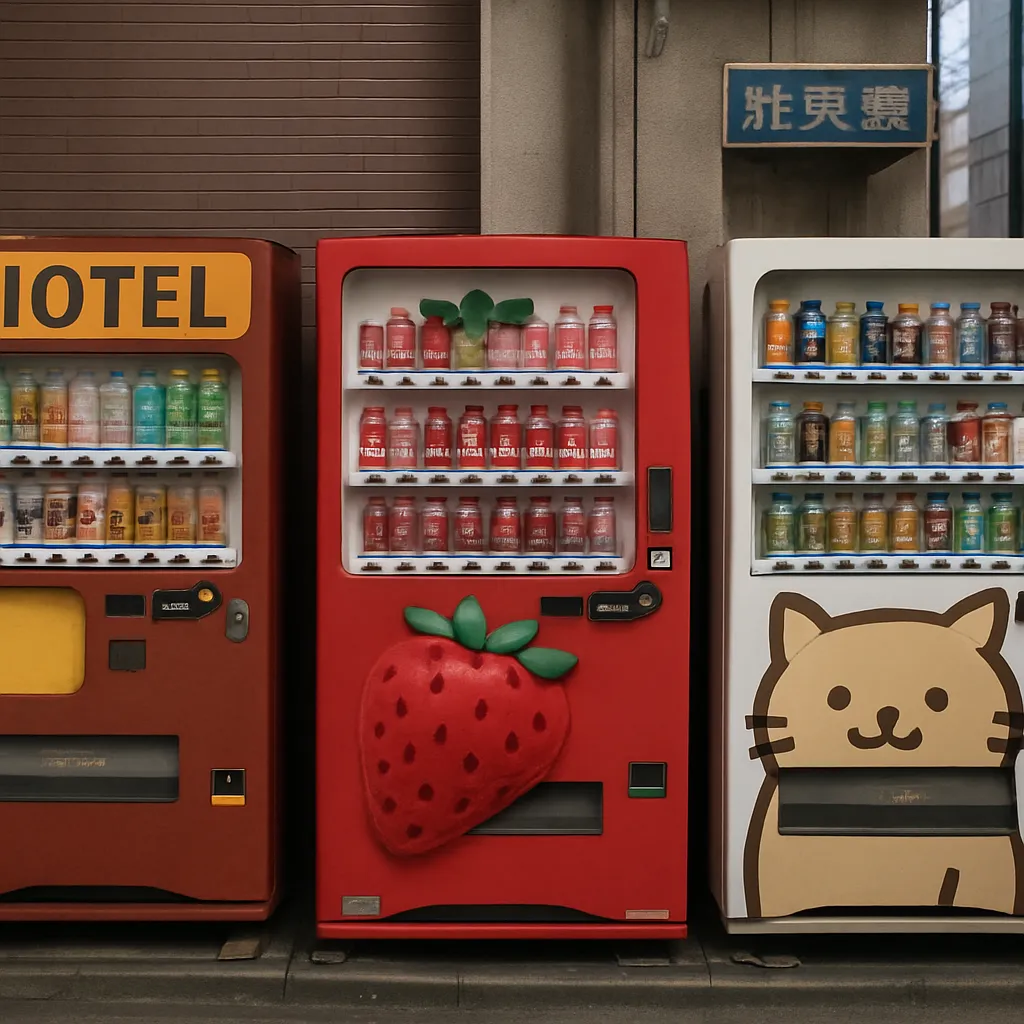
While Tokyo’s major tourist hubs deliver postcard-perfect scenes, the city’s true soul often resides in quieter enclaves where everyday life unfolds in subtle, unexpected ways. In Shimokitazawa, narrow lanes brim with eclectic vintage shops and cozy cafés, where soft, ambient light filters through stained-glass windows. At Yanaka, aged stone walls and narrow alleys evoke a sense of nostalgia, interspersed with stray cats lounging by moss-covered tombstones. These pockets of the city reveal an urban tapestry woven from both obsolescence and renewal.
- Golden Natual Light: Seek backlit alleyways at midday, when diffused light creates gentle shadows and enhances texture on uneven pavement.
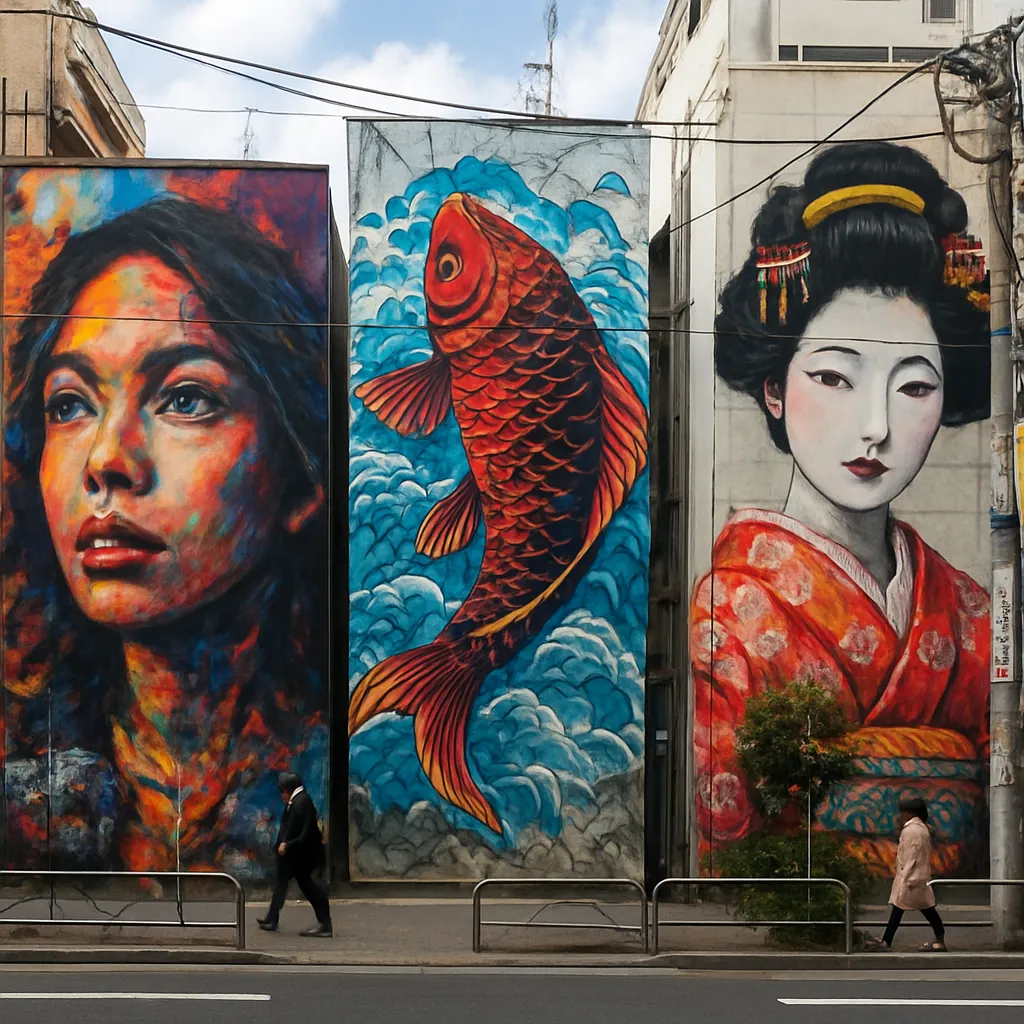
- Candid Portraits: Engage kindly with local shopkeepers or street musicians, then discreetly frame them against mural-covered walls or rolling storefront shutters.
- Seasonal Contrasts: In spring, cherry blossoms flutter down narrow lanes; in autumn, fiery red maples line local shrines—timing your visit unlocks dramatic shifts in atmosphere.
Seasonal Opportunities
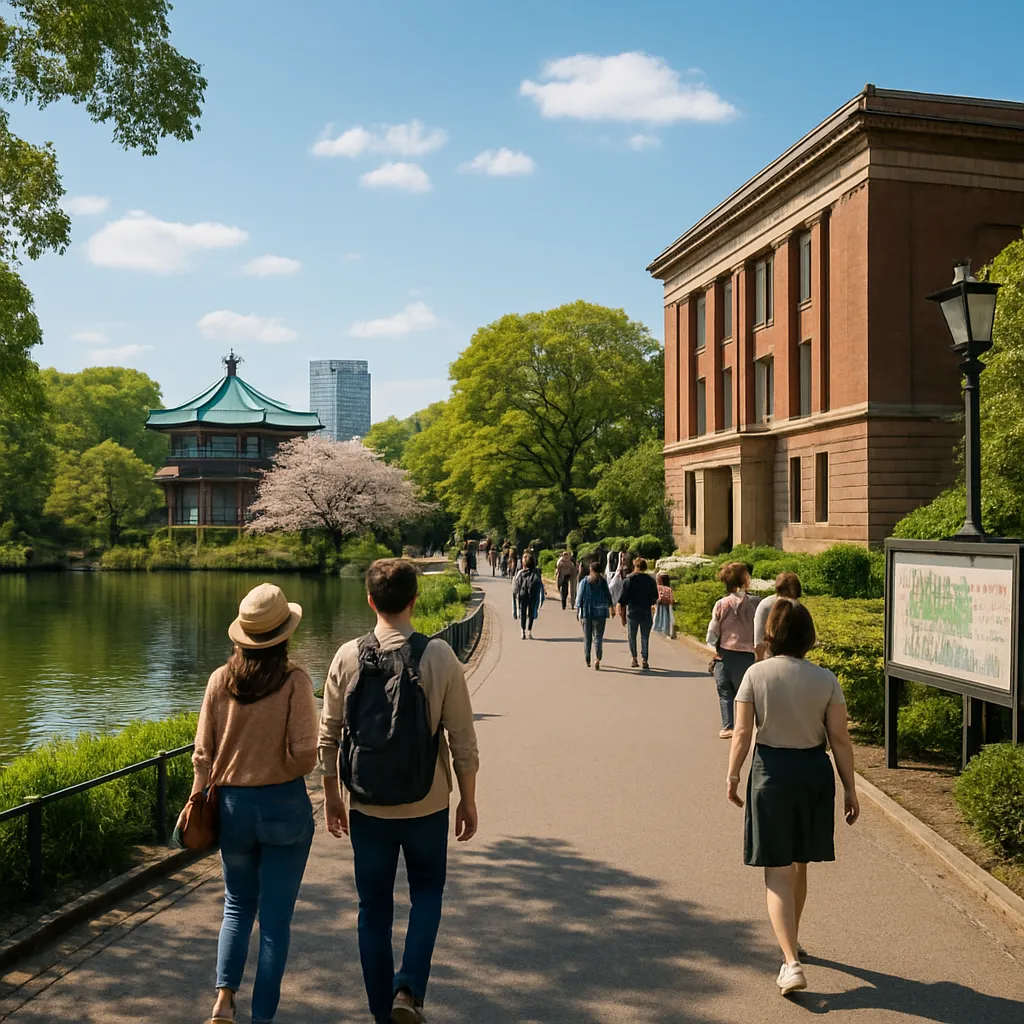
Tokyo transforms through the year, offering photographers fresh palettes with each season. In spring, the city is draped in pastel pinks as sakura blooms blanket parks like Ueno and Chidorigafuchi. Summer brings lively matsuri festivals, complete with illuminated floats, vibrant yukata-clad crowds, and the rhythmic beat of taiko drums. Autumn’s crisp air ushers in brilliant foliage along riverbanks, while winter nights glow with festive illuminations in Marunouchi and the Roppongi Hills complex. By aligning your shoot with these seasonal phenomena, you can elevate familiar scenes into memorable, fleeting moments.
Practical Tips and Gear Recommendations
Before setting out on your Tokyo photographic journey, consider these essentials to optimize both comfort and creativity:
- Compact Lenses: A 35mm or 50mm prime lens will keep your kit light while maintaining versatility for street, portrait, and landscape shots.
- Extra Batteries and Memory Cards: Cold weather and continuous shooting can drain batteries quickly; carry spares to avoid missing key moments.
- Wi-Fi Sharing Devices: Quick image transfer to social platforms speeds up edits and lets you share fresh perspectives of Tokyo’s skyline in real time.
- Comfortable Footwear: Many of the best shoots require walking miles through winding streets and crowded hubs—supportive shoes are a must.
- Language Apps: Basic Japanese phrases for greetings and polite requests can open doors, secure permissions, and foster smiles from locals.