Spring unfurls across Tokyo with a riot of pale pink petals, inviting both locals and visitors to partake in the age-old custom of hanami. As cherry trees awaken from their winter slumber, the entire metropolis transforms into a living canvas of delicate blooms. From sprawling gardens to hidden alleyways, the city offers endless opportunities for exploration and immersion in Japanese culture during this ephemeral season.
The Beauty of Cherry Blossoms Across Tokyo
History and Cultural Significance
The arrival of sakura petals each spring has been celebrated in Japan for over a millennium. Originally embraced by the aristocracy of the Heian period, cherry blossom appreciation later spread to the samurai class and, ultimately, to the common people. Today, hanami gatherings symbolize renewal, the fleeting nature of life, and the unifying power of natural beauty. Poets and painters have long immortalized the blossoms in verse and artwork, reinforcing their place as an enduring tradition.
Famous Viewing Spots
While cherry trees can be found on nearly every street corner, certain locations in Tokyo have earned legendary status for their blossom displays:
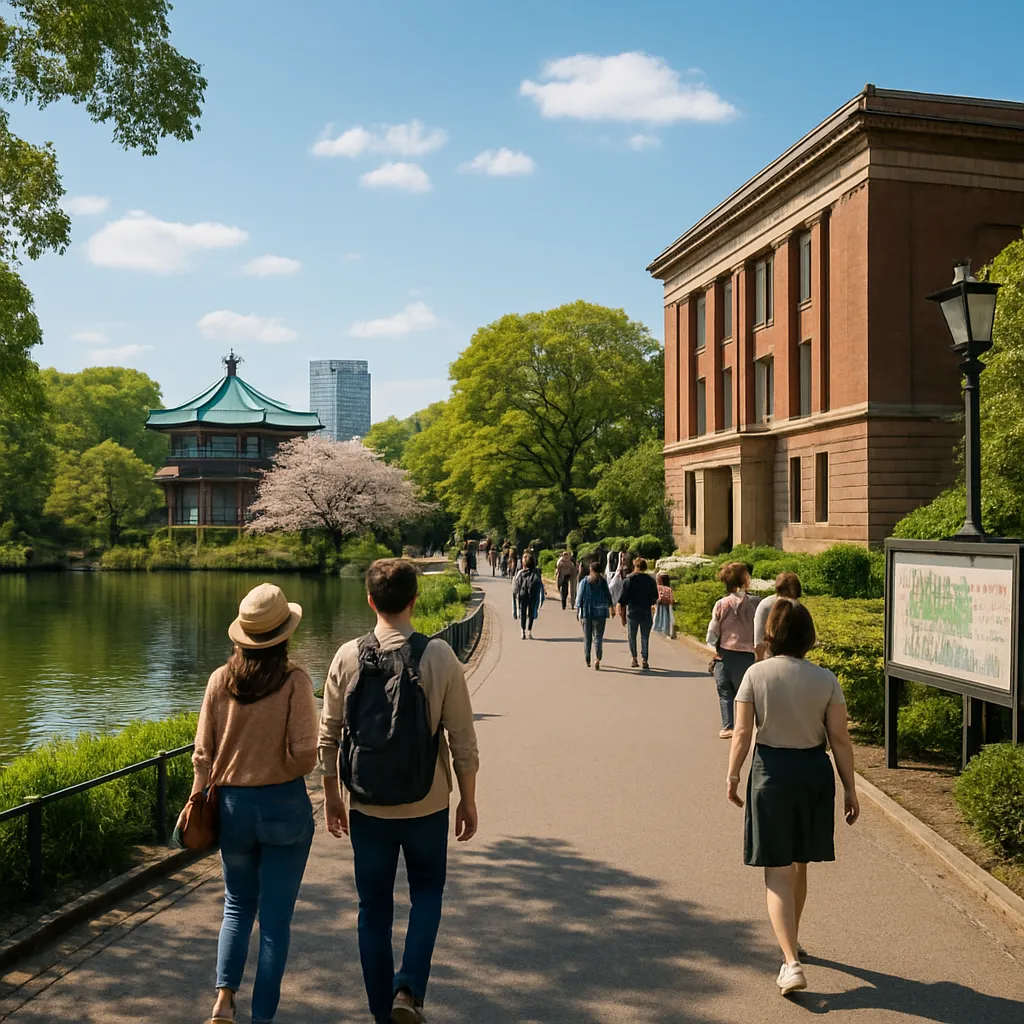
- Ueno Park – Over 1,000 cherry trees line the main promenade, creating a tunnel of pink.
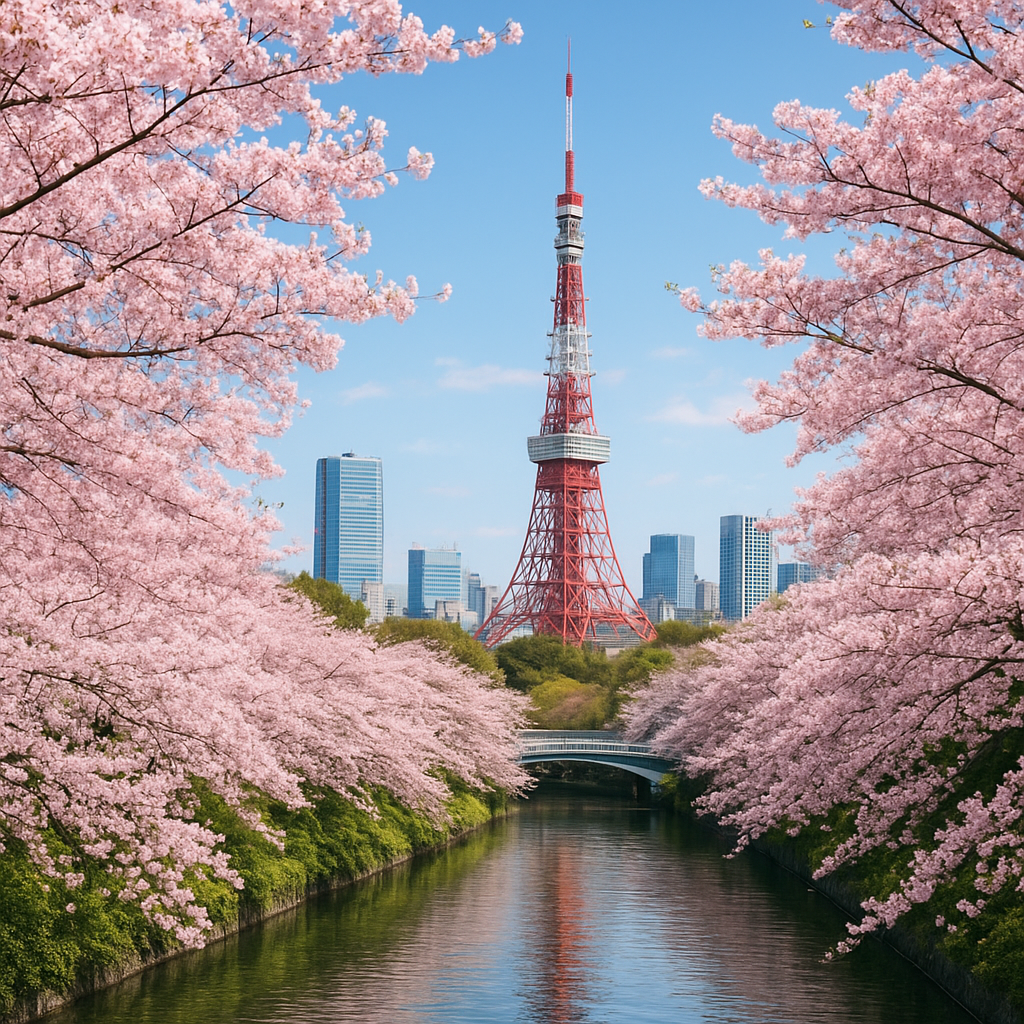
- Meguro River – Branches arch gracefully over the water, offering a mirror of blooms.
- Shinjuku Gyoen – A blend of Japanese- and English-style gardens showcasing multiple cherry varieties.
- Yoyogi Park – A lively atmosphere with food stalls, street performers, and ample picnic spots.
- Chidorigafuchi – Moored boats glide beneath cascading petals for a romantic vantage point.
Beyond Sakura: Springtime Festivals and Events
Sumida River Fireworks Festival
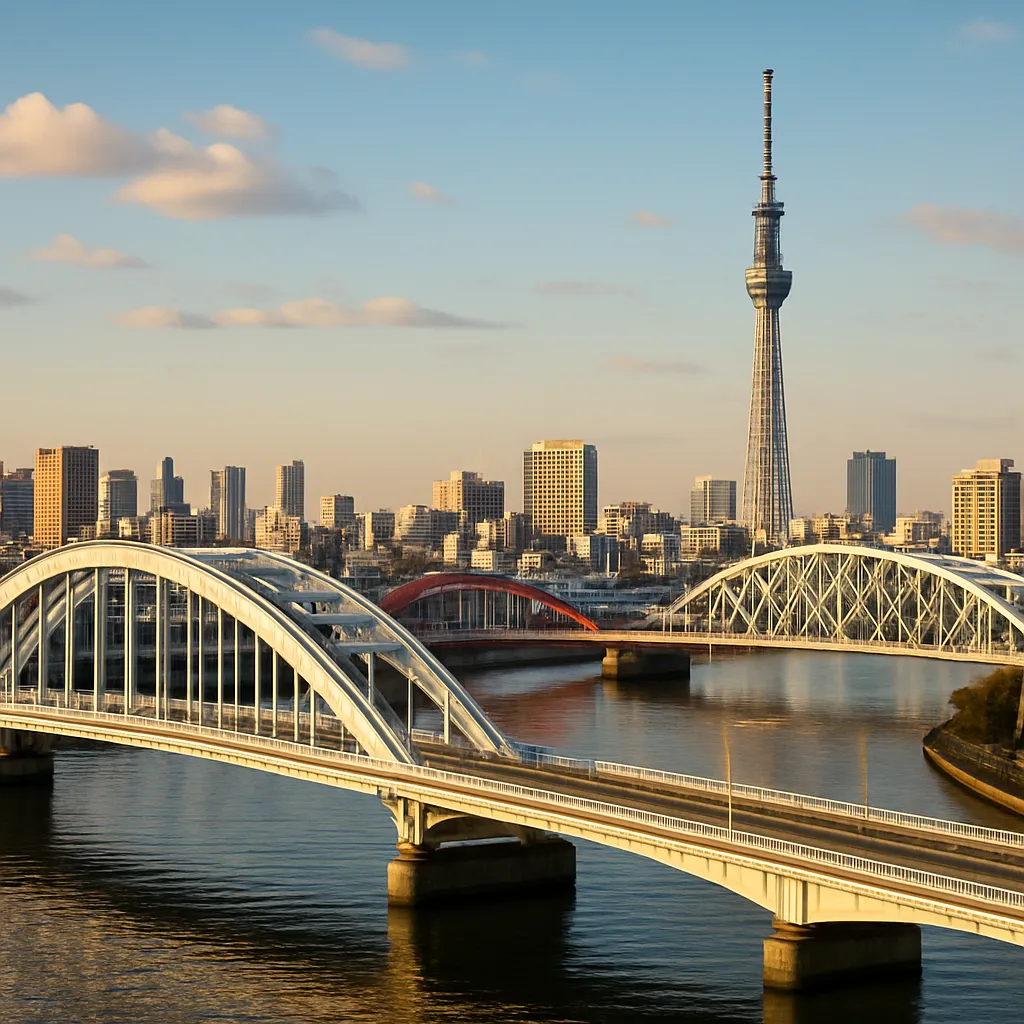
Though fireworks are typically a summer affair, the festival held on the banks of the Sumida River in early spring offers an unexpected twist. Against the backdrop of lingering cherry blossoms, dazzling pyrotechnics dance across the night sky. Energetic crowds don traditional yukata, while vendors sell seasonal snacks like sakura-flavored mochi and grilled yakitori.
Street Fairs and Local Traditions
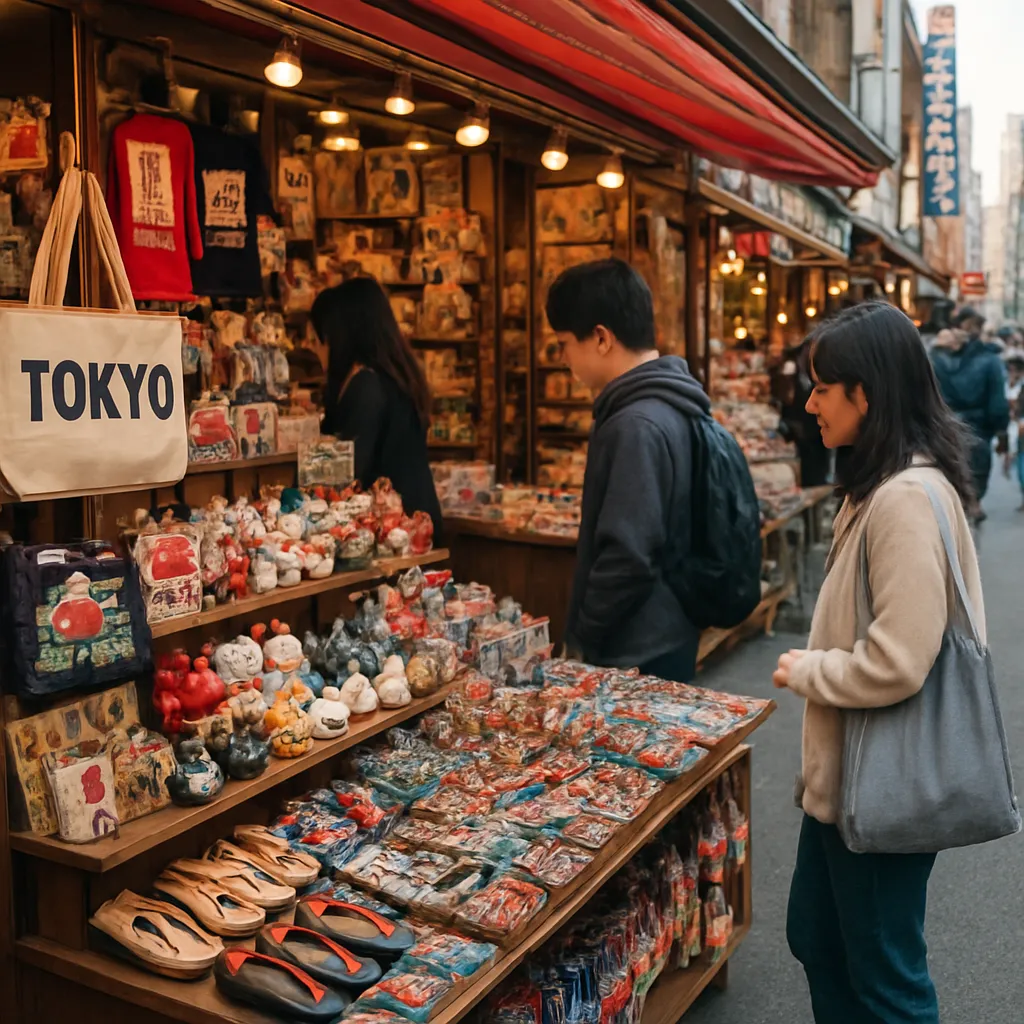
Throughout March and April, neighborhood associations host small-scale fairs that highlight regional crafts and foods. These events often include:
- Tea ceremonies beneath blooming trees, led by local tea masters.
- Ikebana (flower arranging) demonstrations using fresh cherry branches.
- Taiko drumming performances echoing through temple courtyards.
- Workshops on calligraphy and sakura-inspired art.
Culinary Delights and Seasonal Flavors
Sakura-Inspired Treats
Spring menus across Tokyo spotlight the delicate fragrance of sakura. Cafés and bakeries offer:
- Pink-hued sakura mochi – sticky rice cakes wrapped in preserved cherry leaves.
- Cherry blossom parfaits layered with ice cream, red bean paste, and sweet jelly.
- Sakura-flavored cream puffs dusted with petal powder.
- Seasonal bento boxes featuring sakura-shaped rice and pickled blossoms.
Refreshing Spring Beverages
To complement these confections, local bars and tea houses serve:
- Sakura lattes – steamed milk infused with cherry blossom syrup.
- Cherry blossom cocktails – gin or sake bases garnished with floating petals.
- Cold-brew green teas blended with sakura essence.
Exploring Tokyo’s Green Retreats
Ueno Park and Beyond
Ueno Park remains one of the most iconic parks in Tokyo for springtime strolls. Beyond the main cherry lane, visitors can wander to the Shinobazu Pond, where lotus leaves float serenely under a canopy of blooms. Nearby, the Tokyo National Museum offers an indoor refuge with exhibits on samurai armor and ancient ceramics—ideal for a cultural interlude between outdoor excursions.
Hidden Gardens and Quiet Escapes
For those seeking solitude, several lesser-known spots provide peaceful alternatives to the bustling hotspots:
- Kyu-Furukawa Gardens – An elegant blend of Western rose garden and Japanese landscape.
- Institute for Nature Study – A protected woodland preserve teeming with native flora.
- Rikugien Garden – A historical stroll garden with carefully placed stones and teahouses.
- Hamarikyu Gardens – Tidal ponds meet manicured lawns within sight of skyscrapers.
Practical Tips for a Perfect Spring Visit
Timing and Reservations
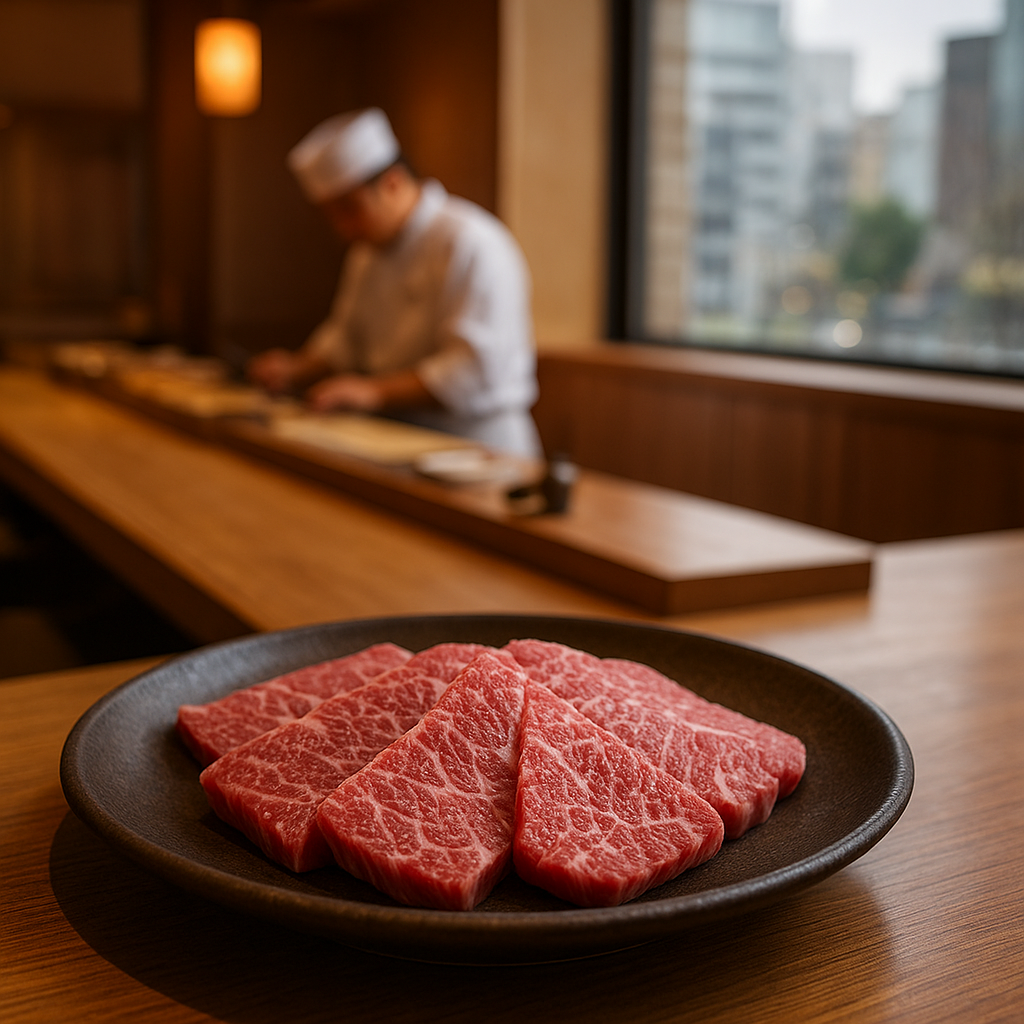
Cherry blossom forecasts vary each year, typically peaking between late March and early April. To secure a prime picnic spot, arrive early—many enthusiasts stake out locations before sunrise. If you plan to dine at popular sakura-season restaurants, book weeks in advance.
Etiquette and Sustainability
During hanami, respect local customs by:
- Bringing your own trash bags and disposing of waste properly.
- Avoiding damage to branches or tree roots.
- Keeping noise levels moderate in residential areas.
Many parks have introduced eco-friendly initiatives, such as compostable plates and designated recycling stations, ensuring that this cherished tradition endures responsibly.