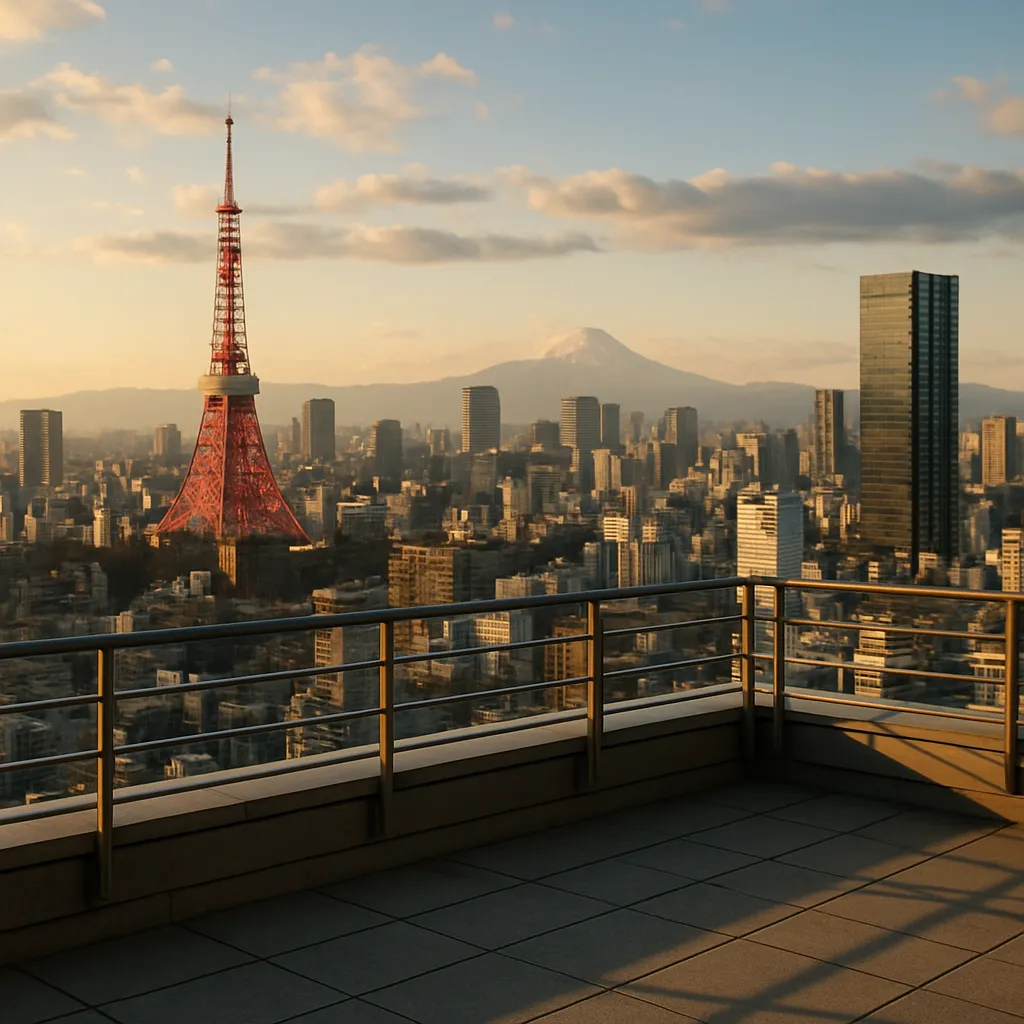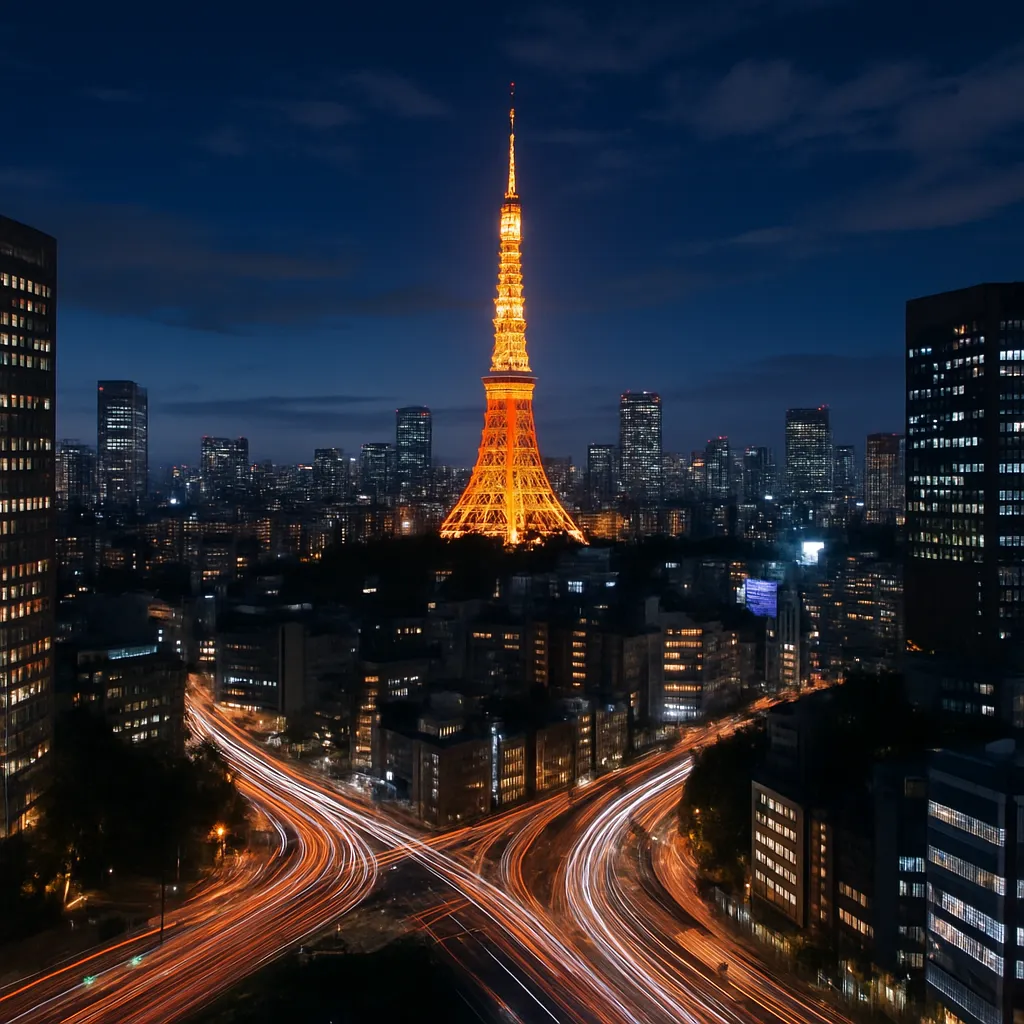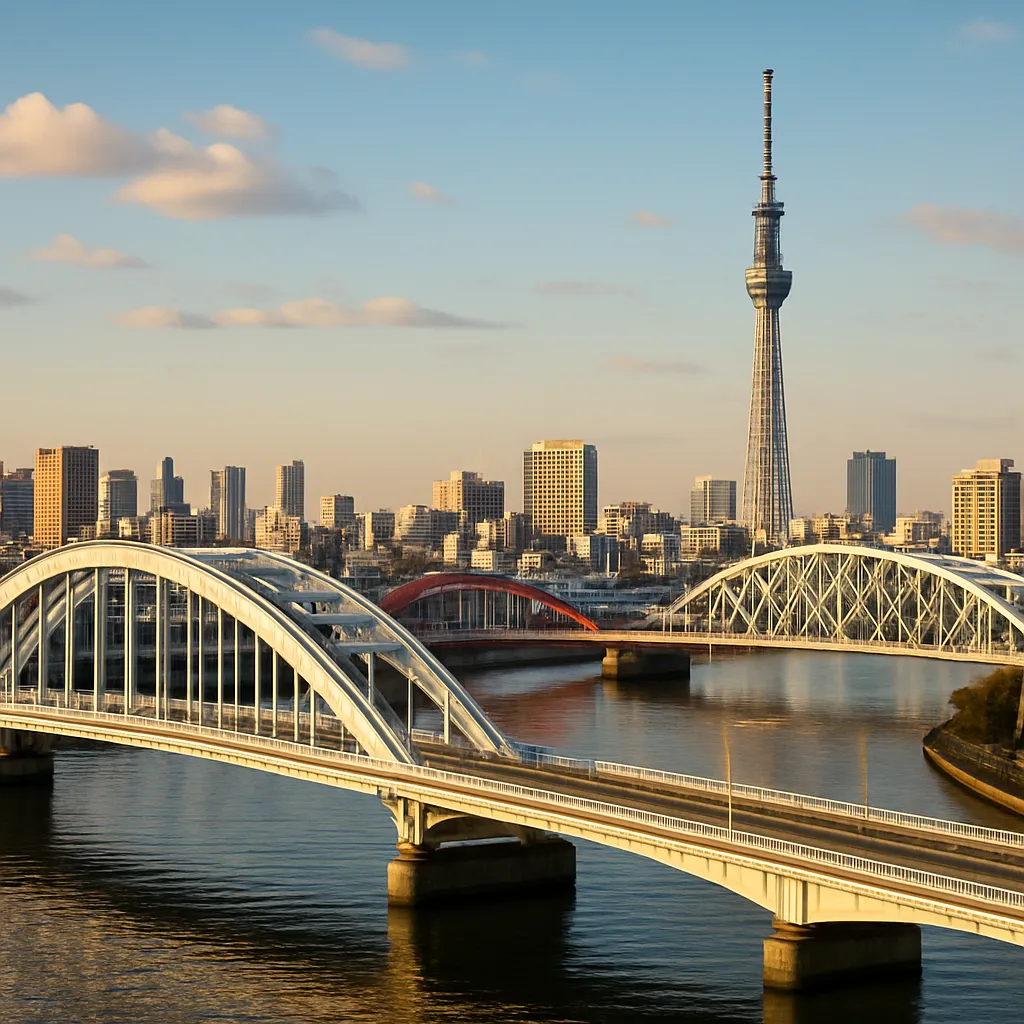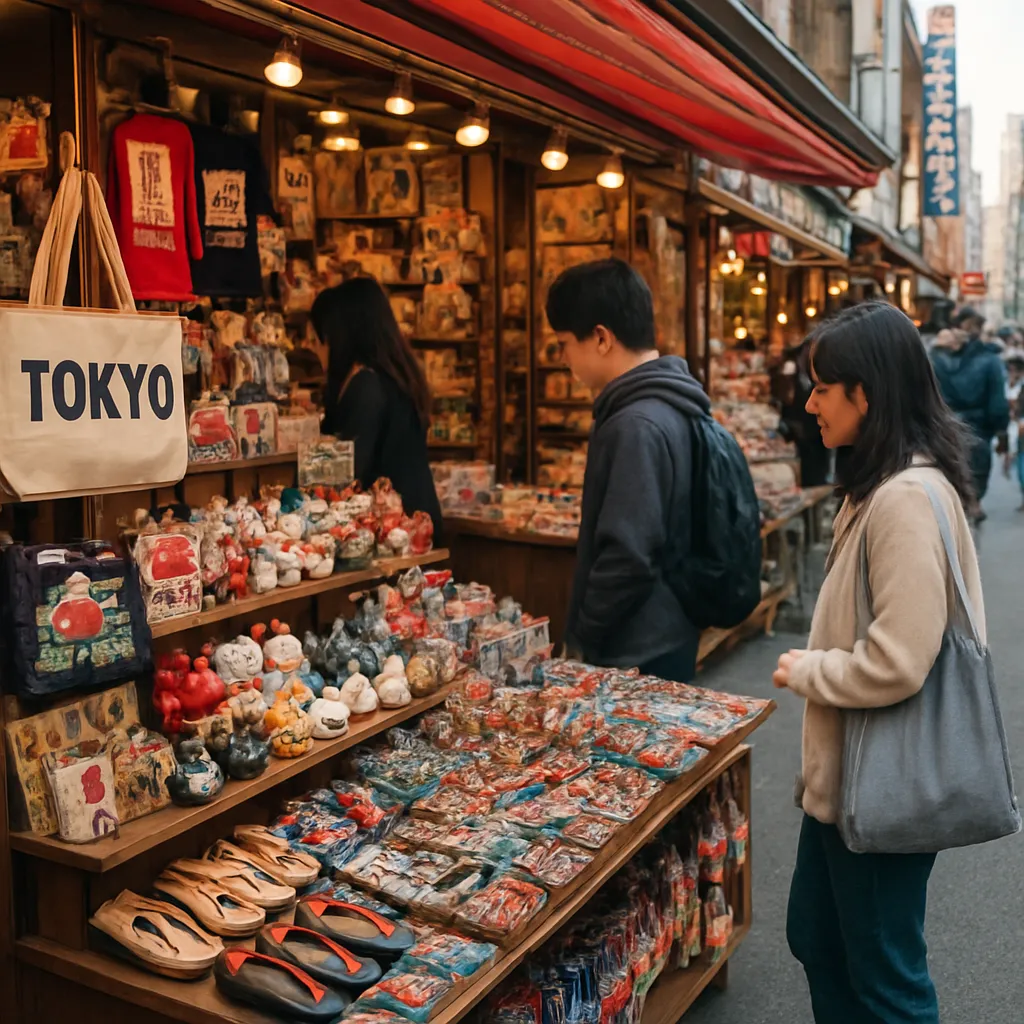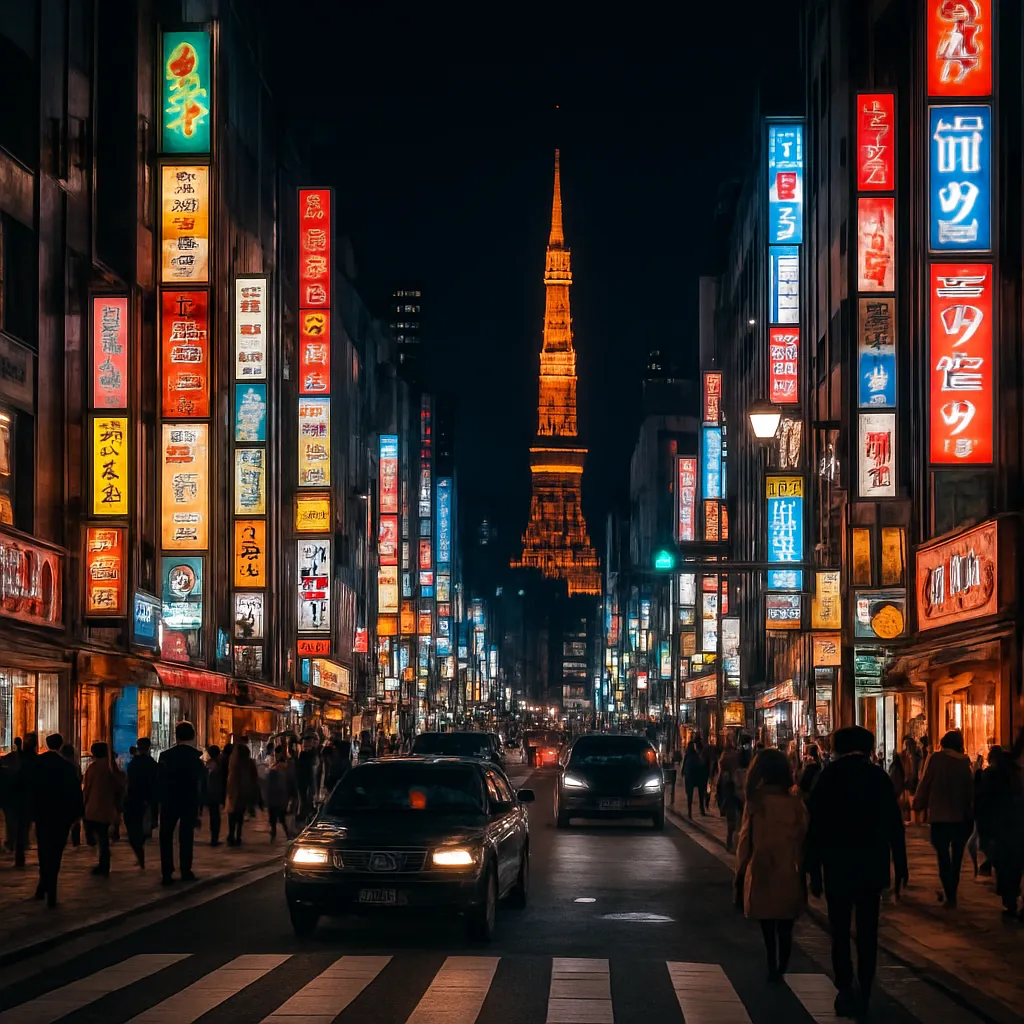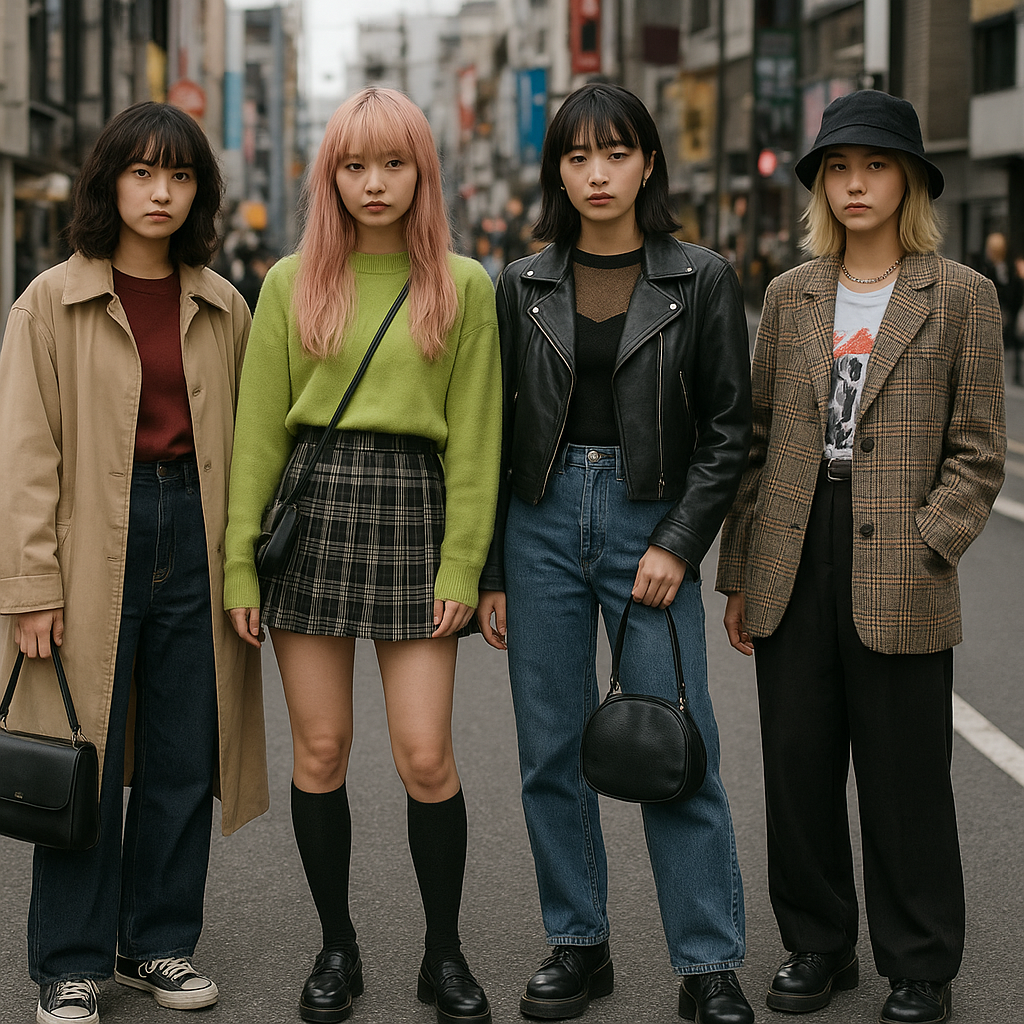
Tokyo remains a dynamic epicenter of street style, where tradition and innovation collide to produce some of the fashion world’s most **captivating** and **visionary** looks. From the neon-lit alleys of Shibuya to the eclectic lanes of Harajuku, local trendsetters continually push boundaries, transforming everyday wear into a platform for **individuality** and **artistic** expression. Readers are invited to explore the latest shifts in Tokyo street fashion, delving into the movements and motifs that define this vibrant scene.
Emerging Harajuku Aesthetics
The Harajuku district has long been synonymous with colorful experimentation and fearless creativity. Over the past year, the neighborhood’s style landscape has evolved, blending classic subculture elements with modern twists aimed at a new generation of fashion-forward youth.
Harajuku’s Color-Block Renaissance
Vivid palettes and bold color blocking are making a triumphant return. Trendsetters layer oversized blazers over neon tees, pairing them with high-waisted cargo pants. This revival has spotlighted:
- Primary and secondary hues in clashing combos
- Graphic prints inspired by anime and manga
- Unexpected textures such as vinyl and mesh
DIY and Customization Culture
Personalization remains at the heart of Harajuku style. Enthusiasts repurpose vintage pieces and hand-paint denim jackets, integrating local motifs like cherry blossoms or ukiyo-e prints. Key aspects include:
- Hand-stitched patches showcasing personal stories
- Upcycling workshops in community spaces
- Collaborations with local artisans and tailors
Techwear and Functional Style
Given Tokyo’s futuristic cityscape, the city’s techwear movement has gained global prominence. Functional style is no longer solely about performance; it now intersects with high-fashion, delivering garments that are both practical and visually **striking**.
Materials and Innovation
Techwear designers in Tokyo prioritize cutting-edge fabrics to achieve weather resistance, breathability, and mobility. Noteworthy developments include:
- Waterproof yet lightweight nylon blends
- Self-cleaning textile coatings
- Smart fabrics embedded with temperature control
Urban Utility Meets Minimalism
Function-driven details such as multiple compartments, adjustable straps, and modular attachments have been reinterpreted through a minimalist lens. Consumers now gravitate towards:
- Streamlined silhouettes in monochrome palettes
- Hidden pockets and magnetic closures
- Modular backpacks that adapt to daily needs
Sustainable and Vintage Revival
Amid fast-paced trends, Tokyo’s style community is increasingly embracing sustainability. A renewed interest in vintage garments has sparked a vibrant market for secondhand treasures, embodying both environmental awareness and a deep appreciation for retro charm.
Thrift Market Boom
Neighborhoods like Nakano and Koenji host weekly flea markets, where visitors can find unique pieces spanning eras from the Showa period to the early 2000s. Highlights include:
- Military surplus coats with original insignia
- Denim jackets with authentic 1990s wash
- Patterned knitwear reminiscent of vintage ski wear
Ethical Craftsmanship
Alongside preloved clothing, local brands are championing slow fashion, focusing on meticulous craftsmanship and sustainable sourcing. Key principles are:
- Use of organic cotton and bamboo fibers
- Small-batch production to reduce waste
- Collaborations with rural cooperatives for hand-dyeing techniques
Fusion of Traditional and Contemporary
Tokyo’s street style thrives on the fusion of centuries-old traditions with avant-garde concepts. Designers and enthusiasts alike draw inspiration from classical motifs, reimagining them for a global audience.
Kimono-Inspired Layering
Modern streetwear has adopted kimono silhouettes, layering them over graphic tees and cargo pants to create a dialogue between past and present. This approach emphasizes:
- Wide sleeves paired with belt cinches
- Bold obi-inspired waist ties
- Floral and geometric patterns reinterpreted on modern cuts
Footwear as a Cultural Statement
Footwear designers are experimenting with traditional _geta_ and _zori_ shapes, merging them with high-performance soles. Enthusiasts look for:
- Elevated wooden platform elements
- 3D-printed components for enhanced comfort
- Hand-painted straps featuring kanji lettering
Spotlight on Key Influencers
The Tokyo street fashion narrative is propelled by a network of influencers, stylists, and underground creatives who amplify emerging trends through social media and on-the-ground events.
Micro-Communities and Online Hubs
Instagram collectives and TikTok channels dedicated to Tokyo style curate daily looks, while Discord servers facilitate peer critiques and styling challenges. These platforms highlight:
- Real-time trend alerts from Shinjuku crossing
- Virtual styling sessions with seasoned street stylists
- Photo drops from niche subculture gatherings
Collaborative Pop-Up Experiences
Brands often host limited-time pop-ups that fuse fashion with music, art, and culinary elements. Attendees can expect:
- Live customizations by street artists
- Experimental runway performances in warehouse spaces
- Exclusive merch drops commemorating local collaborations
Future Directions
As global attention turns to Tokyo’s cutting-edge style scene, future directions include increased integration of digital elements—like AR-enhanced garments—and further cross-cultural collaborations. Expect to see **innovation** meet **nostalgia** as designers explore new ways to weave Tokyo’s rich sartorial heritage into tomorrow’s streetwear landscape.