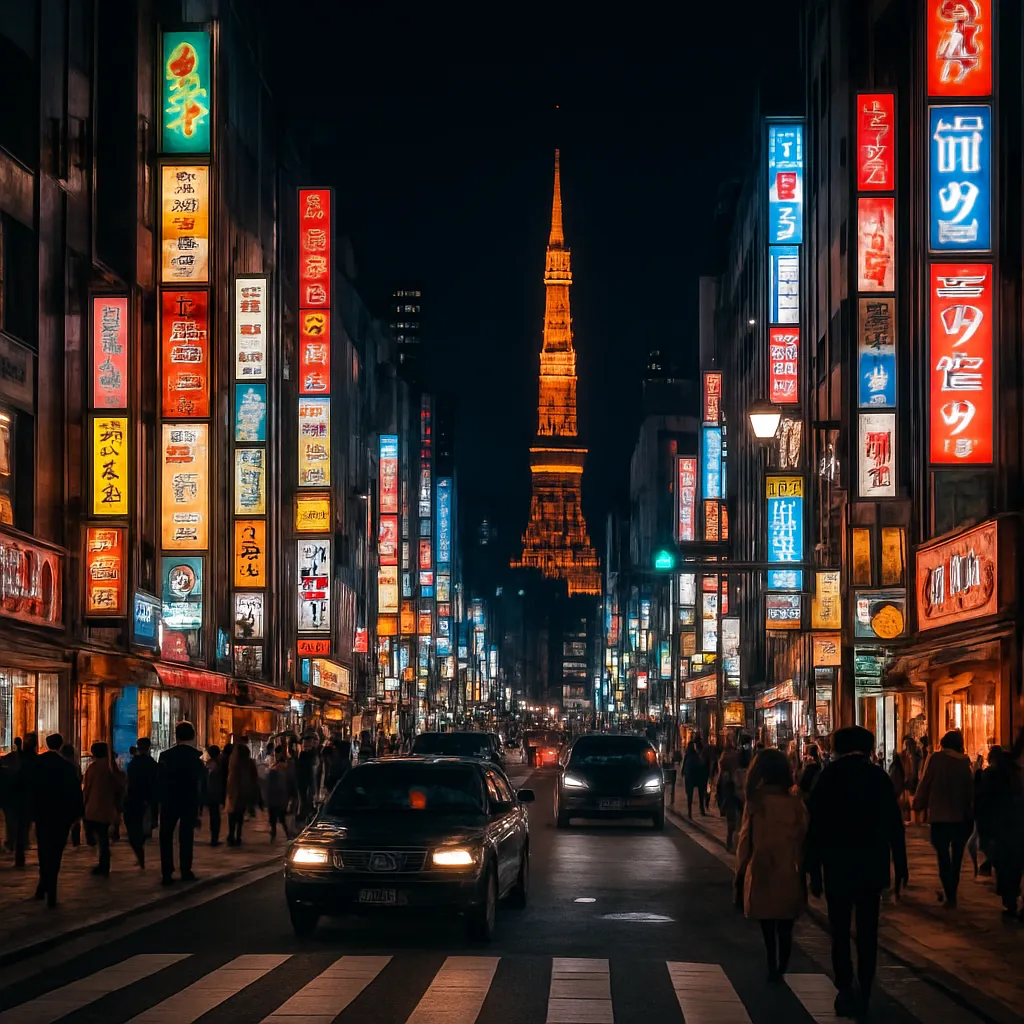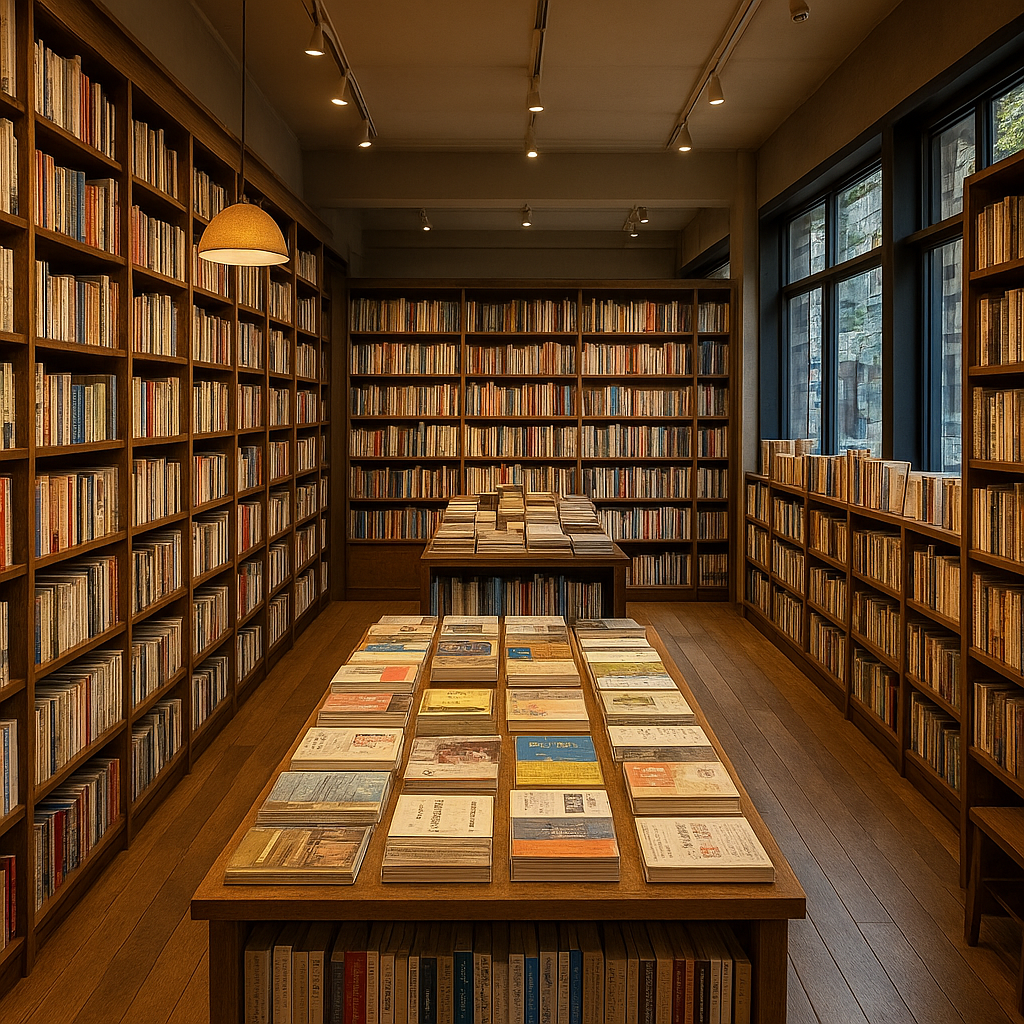
Winding through neon-lit alleys and modern boulevards, Tokyo reveals a vibrant tapestry of bookstores and libraries that cater to every imaginable taste. From century-old shops preserving a sense of nostalgia to cutting-edge library complexes showcasing futuristic design, the city invites readers on a journey of discovery. Each venue offers a unique atmosphere, inviting patrons to explore shelves overflowing with manga, art books, academic journals, and rare manuscripts. Whether you’re a local resident or a curious visitor, the literary landscape of Tokyo promises moments of quiet reflection and communal inspiration.
Traditional Charm: Historic Bookstores of Tokyo
The heart of Tokyo’s literary scene beats strongest in its historic shops, many of which have been in operation for generations. Nestled between contemporary high-rises, these bookstores exude an aura of timelessness, where wooden floors creak underfoot and the scent of aged paper fills the air. Iconic examples include Jimbocho Book Town, an area boasting over 180 shops specializing in secondhand volumes. Here, bibliophiles can unearth antique collections and out-of-print treasures at bargain prices.
Highlights of Jimbocho Book Town
- Antiquarian Bookstores: Shops such as Kanda Used Bookstore offer rare prints dating back centuries.
- Academic Texts: Specialized stores carry scholarly works on philosophy, history, and science.
- Manga Archives: Collectors can find first editions and limited prints of beloved series.
Another gem is Shosen Grande in Jinbocho, a multi-level emporium combining modern design with classic charm. Visitors can browse foreign-language titles in a bright, airy setting before relaxing at an in-house café. The integration of coffee culture and literature underscores Tokyo’s dedication to fostering a community of curious minds. For those seeking a more intimate setting, Kyobunkan in Ogawamachi offers gently curated shelves in a brick-and-beam interior, perfect for long afternoons of browsing.
Modern Skylines: Large-Scale Book Retailers
In stark contrast to traditional bookstores, Tokyo’s contemporary retailers showcase cutting-edge architecture and vast inventories. Among the most celebrated is Tsutaya Books in Daikanyama, designed by the renowned architect Klein Dytham. Its expansive glass façade and open-plan layout create a seamless connection between indoor and outdoor spaces. Patrons here can explore thousands of volumes while enjoying a panoramic view of the city.
Features of Tsutaya Books
- Café Integration: A stylish Starbucks within the store encourages visitors to linger over espresso and novels.
- Art Galleries: Rotating exhibits blur the line between literature and visual expression.
- Digital Resources: Touchscreen stations allow for instant ordering of out-of-stock items.
In Shibuya, the 10-floor Maruzen & Junkudo combines a dizzying selection of Japanese and international titles with dedicated spaces for children’s literature, design periodicals, and culinary guides. Its multilingual staff ensures that foreign readers never feel lost in translation. Meanwhile, the Yurindo flagship store in Shinjuku Tower Records complex brings together music and literature under one roof, embodying Tokyo’s creative synergy.
For those who prefer browsing by theme, Book 1st in Ikebukuro offers specialized sections for travel, fashion, and technology. Its sleek design and clear signage make it easy to locate niche genres. By harnessing digital displays and interactive catalogs, these retailers underscore Tokyo’s commitment to innovation in the world of bookselling.
Architectural Wonders: Tokyo’s Public Libraries
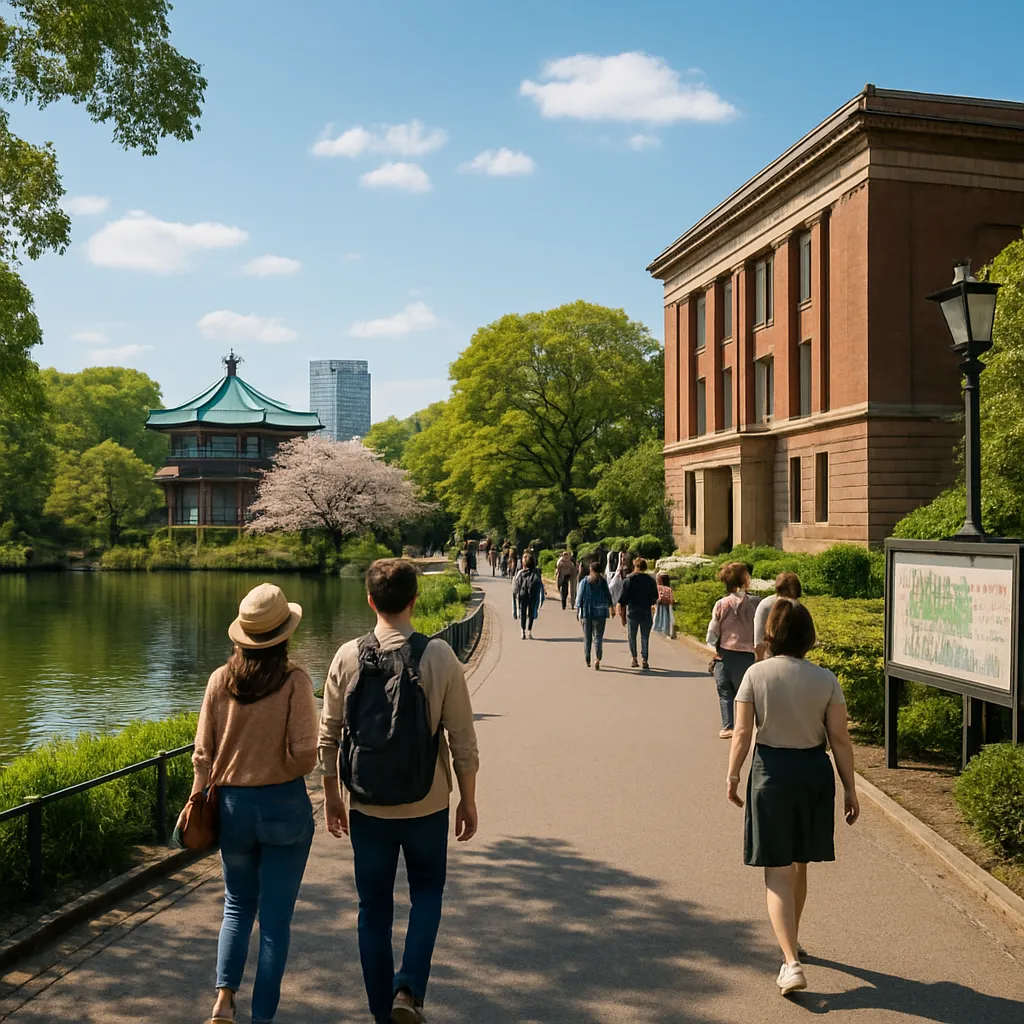
Public libraries in Tokyo are more than repositories of books; they are architectural masterpieces and cultural hubs. One standout is the International Library of Children’s Literature in Ueno Park. Housed in a restored Meiji-era building, this facility blends historic charm with modern amenities. Natural light pours through expansive windows, illuminating murals and reading nooks designed for young readers and their families.
Notable Public Libraries
- National Diet Library: Japan’s premier research institution, offering vast archives and specialized reading rooms.
- Setagaya Central Library: Featuring striking wooden interiors and a terrace overlooking greenery.
- Meguro Library & Museum: Combining literature exhibits with a public lending section in a waterfront setting.
The Daikanyama T-Site Library, part of the Tsutaya Books complex, deserves special mention for its innovative use of space. Glass partitions maintain an open feel, while secluded reading booths offer privacy. Seasonal events, such as author readings and workshops, draw a creative crowd eager to engage with emerging voices. In Shibuya, the Sakura Hills Library features minimalist design with bamboo accents, promoting a sense of calm in the urban hustle. These public venues underscore Tokyo’s dedication to fostering knowledge and providing equitable access to information.
Hidden Gems: Niche and Community Book Spaces
Beyond the well-known giants lie Tokyo’s hidden gems—intimate shops and community-driven spaces that cater to specific interests. Small cafés double as micro-libraries, where guests can grab a latte and a poetry pamphlet for a modest fee. Places like Books and Cafe B&B in Jimbocho welcome travelers and locals alike, hosting open-mic nights and writing circles in collaboration with local universities.
Community Initiatives
- Pop-up Book Fairs: Seasonal markets feature independent publishers and zine artists.
- Mobile Libraries: Retro vehicles stocked with picture books and comics travel to parks and festivals.
- Literary Workshops: Spaces such as Kodomo no Shokan offer weekly storytelling sessions for children.
For fans of diversity and specialization, specialist stores like Orange Pekoe Books in Kichijoji focus exclusively on art, design, and craft publications. Their curated selection of international magazines and niche titles creates a haven for designers and illustrators. Similarly, Mixed Media Bar in Shinjuku transforms into a late-night library lounge, complete with craft beer and a rotating collection of graphic novels.
These venues often collaborate with local artists and writers, hosting gallery openings and book launches that foster a tight-knit community spirit. In every corner of Tokyo, you’ll find spaces where literature meets lifestyle, and readers converge to celebrate the written word. Whether seeking a rare folio or a cozy spot to read manga, Tokyo’s bookstores and libraries offer endless opportunities for exploration and inspiration.