Discovering the **heart** of Tokyo often involves diving into bustling streets, neon-lit alleys, and historic shrines—but the city also hides lush escapes high above the chaos. Tokyo’s rooftop gardens and terraces offer an unexpected blend of **panorama**, serenity, and modern design, creating urban sanctuaries where visitors can recharge among greenery and **sustainability**-driven landscapes. From the dizzying heights of skyscrapers to cozy pockets of green in suburban neighborhoods, these elevated havens showcase how Japan seamlessly merges tradition with cutting-edge innovation.
Tokyo’s Skyline Retreats
Shibuya Sky Garden Oasis
Perched atop the glassy towers of Shibuya Scramble Square, this rooftop garden transforms a shopping and entertainment hub into a green utopia. The design emphasizes urban biodiversity, integrating native plants that change with the seasons. Visitors can sip a coffee at the café while gazing out at the legendary Shibuya Crossing, capturing a 360-degree view of Tokyo’s sprawling cityscape.
- Location: Level 14 and 45-47, Shibuya Scramble Square
- Features interactive planting displays and LED-lit pathways
- Best time to visit: Sunset hours for spectacular skyline hues
Roppongi Hills Observation Deck & Green Roof
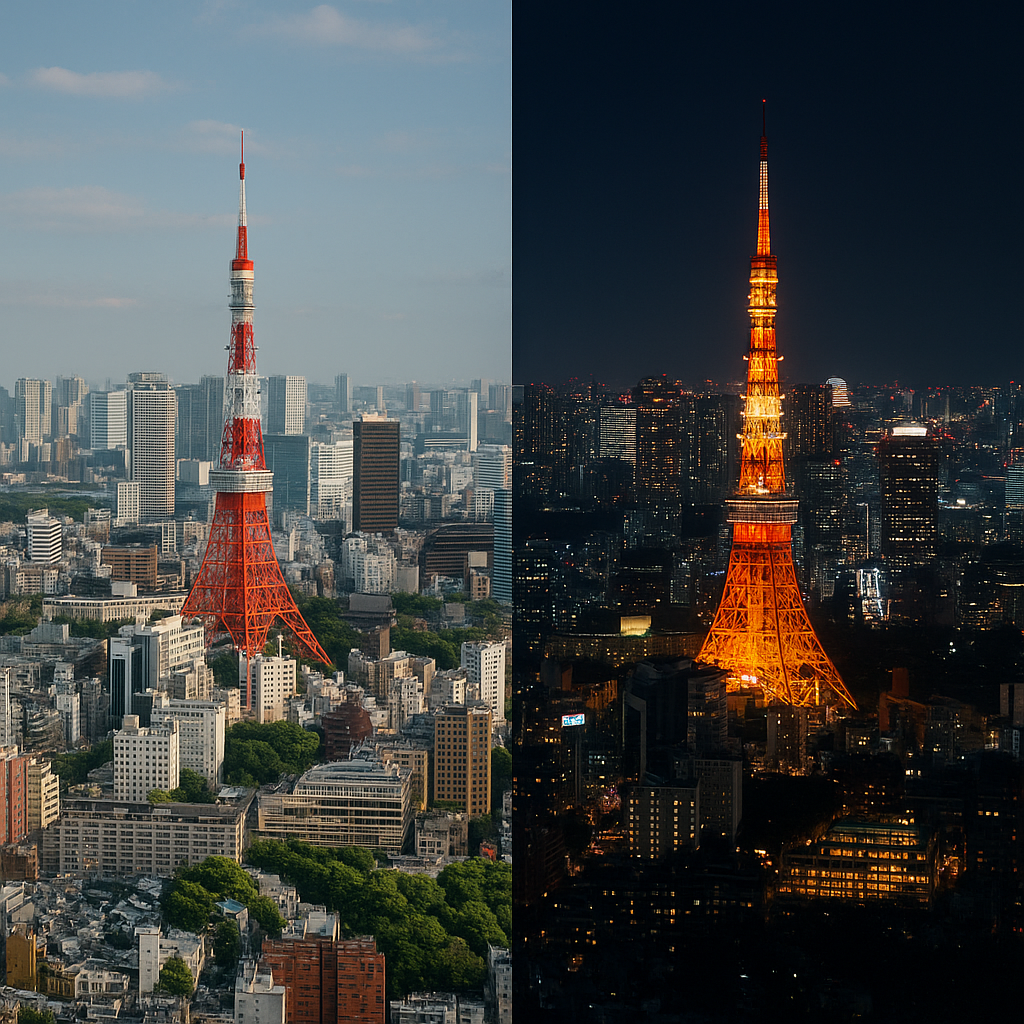
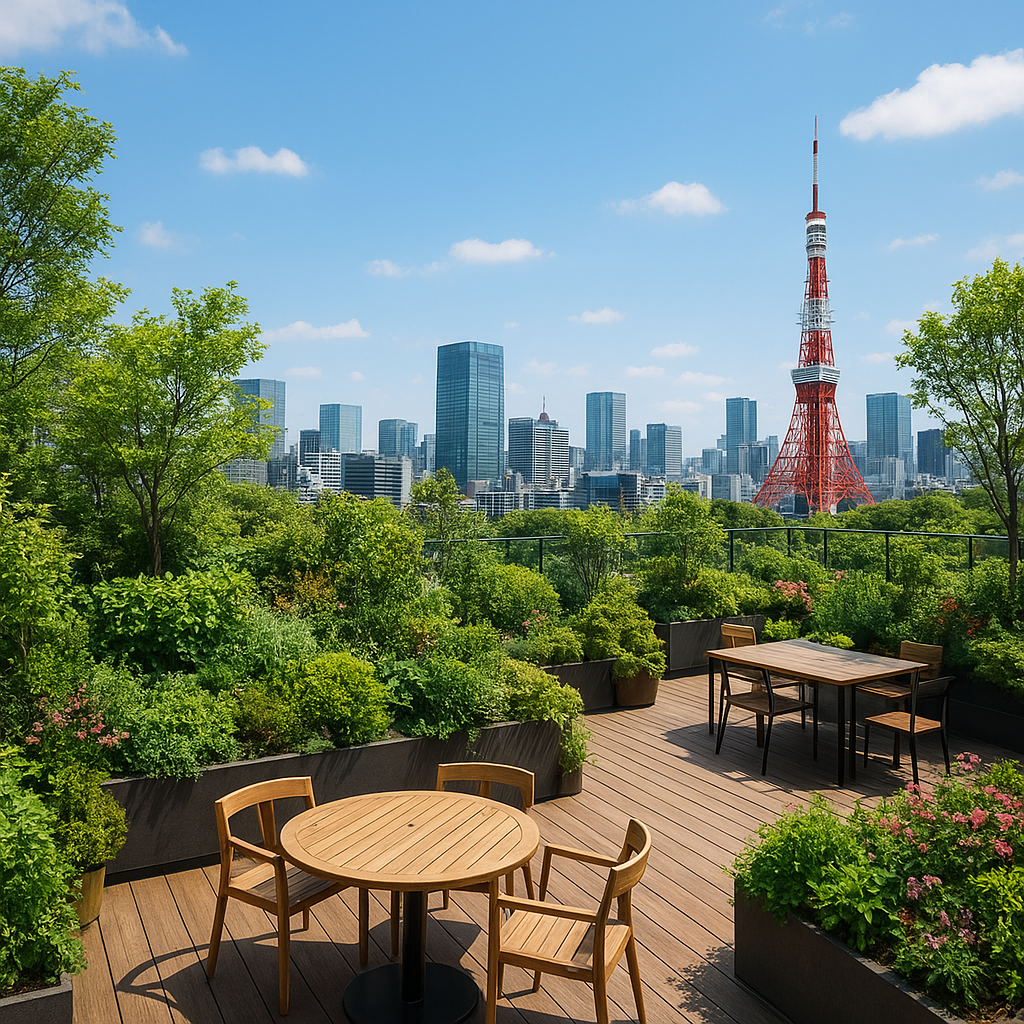
Rising 238 meters high, the Mori Tower’s rooftop garden is a testament to sustainability in urban planning. The terrace features drought-resistant grasses and solar-powered lighting. It’s a favorite spot for evening gatherings, offering unobstructed views of Tokyo Tower and Tokyo Bay. Special seasonal events—such as star-watching nights—add an extra layer of attraction.
- Highlights: Panoramic glass walls, ambient lounge seating
- Green roof area: 2,600 square meters of planted spaces
- Access: Included with observation deck ticket
Tokyu Plaza Omotesando Harajuku Sky Garden
Hidden above the chic retail complex in Omotesando, the Sky Garden creates a serene contrast to the nearby pedestrian paradise. Bamboo groves, small ponds, and wooden decks form intimate nooks perfect for reading or quiet conversation. This terrace demonstrates how tranquility can flourish amid urban energy.
- Best for: A peaceful respite during busy shopping days
- Unique feature: Glass elevator ride through a vertical garden
- No admission fee
Hidden Green Gems in Suburban Tokyo
Setagaya Secluded Terrace
Nestled above a local community center in Setagaya, this rooftop terrace may be small, but it’s big on charm. Flowering vines, potted maples, and a miniature koi pond create a Japanese courtyard vibe. Perfect for families and couples, the terrace is often overlooked by tourists but beloved by residents seeking a quiet break. Seasonal workshops on bonsai and ikebana bring educational value to the space.
Kichijoji Harmony Park Roof
Overlooking Inokashira Park, the rooftop garden atop a civic building blends seamlessly with the treetops below. A network of boardwalks and pergolas supports climbing roses and hydrangeas, providing a carpet of color in spring and summer. Birdwatchers often spot local species like the Japanese white-eye flitting around the blossoms.
- Seasonal blooms: Cherry blossoms in April, hydrangeas in June
- Facilities: Rest areas, outdoor reading corner
- How to get there: Short walk from Kichijoji Station
Ota City Green Terrace
In southeastern Tokyo, Ota City’s municipal offices boast a rooftop garden designed for public use. Fruit trees—mikan, persimmons, and loquats—line the walkways, while vegetable plots demonstrate urban agriculture techniques. Community volunteers maintain the garden, illustrating how community engagement can transform concrete rooftops into thriving ecosystems.
Cultural and Seasonal Delights
Cherry Blossom Viewing Above the City
While many flock to Ueno Park and Chidorigafuchi, some of the best cherry blossom views can be enjoyed from high vantage points. Rooftop gardens in areas like Akihabara and Nihonbashi host temporary sakura-themed pop-ups in spring, complete with lanterns and traditional music performances. These limited-time events provide a unique perspective on hanami, combining horticulture with contemporary art installations.
Autumn Foliage and Moon Viewing
As autumn arrives, Japanese maples turn brilliant shades of crimson and orange. Certain rooftop terraces, such as those in the Marunouchi business district, organize monthly moon-viewing ceremonies (tsukimi), where guests sit beneath a canopy of maples and enjoy matcha tea and seasonal sweets. This blending of nature and cultural tradition emphasizes Tokyo’s ability to celebrate seasons in creative spaces.
Winter Illumination Experiences
From December through February, several rooftop gardens adopt winter lighting schemes. Icicle-like LED installations and illuminated tree canopies transform rooftops into dreamy wonderlands. Ebisu Garden Place and Tokyo Midtown often feature collaborative art exhibits, pairing light sculptures with evergreen plantings to create memorable winter escapes.
Planning Your Elevated Tokyo Escape
Timing and Access
Most rooftop gardens in Tokyo are open from morning until late evening, but hours vary by season and location. Check individual websites for special event schedules. Some terraces require advance reservations, especially for guided tours or evening events. Advance planning ensures you won’t miss seasonal highlights like cherry blossoms or illumination displays.
Etiquette and Sustainability
Respecting rules is key to maintaining these delicate environments. Many gardens prohibit outside food, encourage recycling, and ask visitors to stay on designated paths to protect plant beds. Some venues offer guided workshops on composting and sustainable gardening, inviting guests to learn hands-on practices that can be applied at home.
Nearby Attractions and Dining
- Combine a rooftop visit with a stroll through nearby galleries, temples, or shopping streets.
- Seek out local cafés offering rooftop views for breakfast or afternoon tea.
- Look for terrace-based bars that serve craft beers or sake alongside small plates, perfectly marrying culinary delights with sky-high vistas.
Transportation Tips
Tokyo’s efficient train and subway networks provide easy access to most rooftop spots. Key stations like Shibuya, Roppongi, and Kichijoji are connected to multiple lines. For suburban gems, consider taking a local bus or using a bike share service to navigate quieter neighborhoods. Always check last train times if you plan to stay after dark.