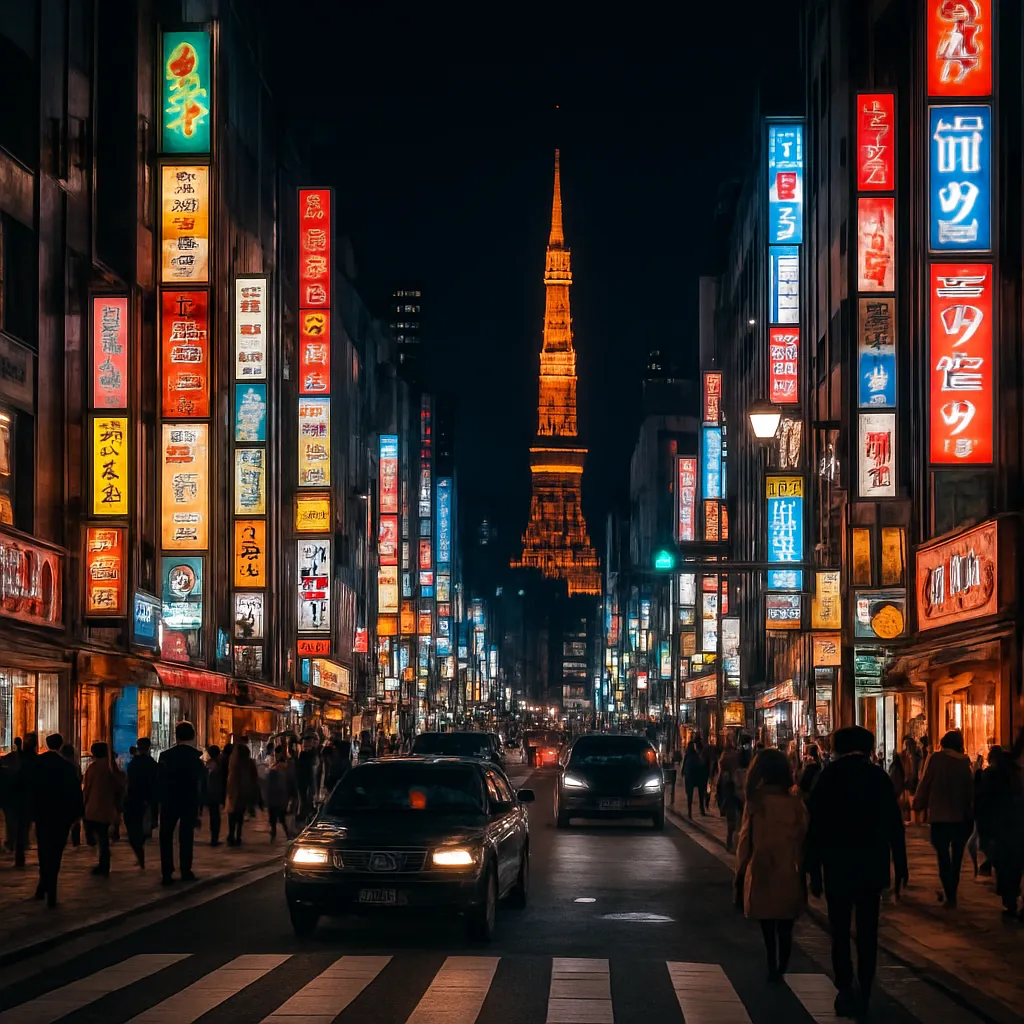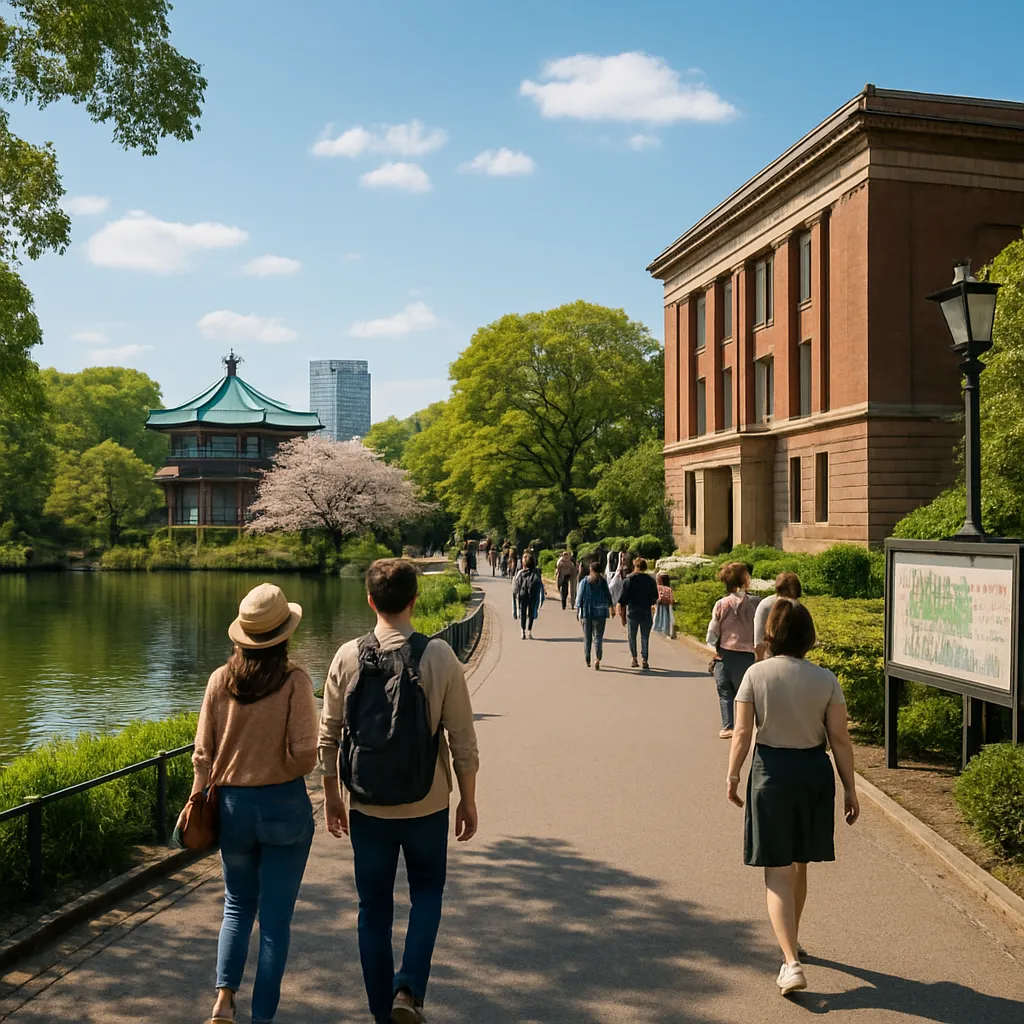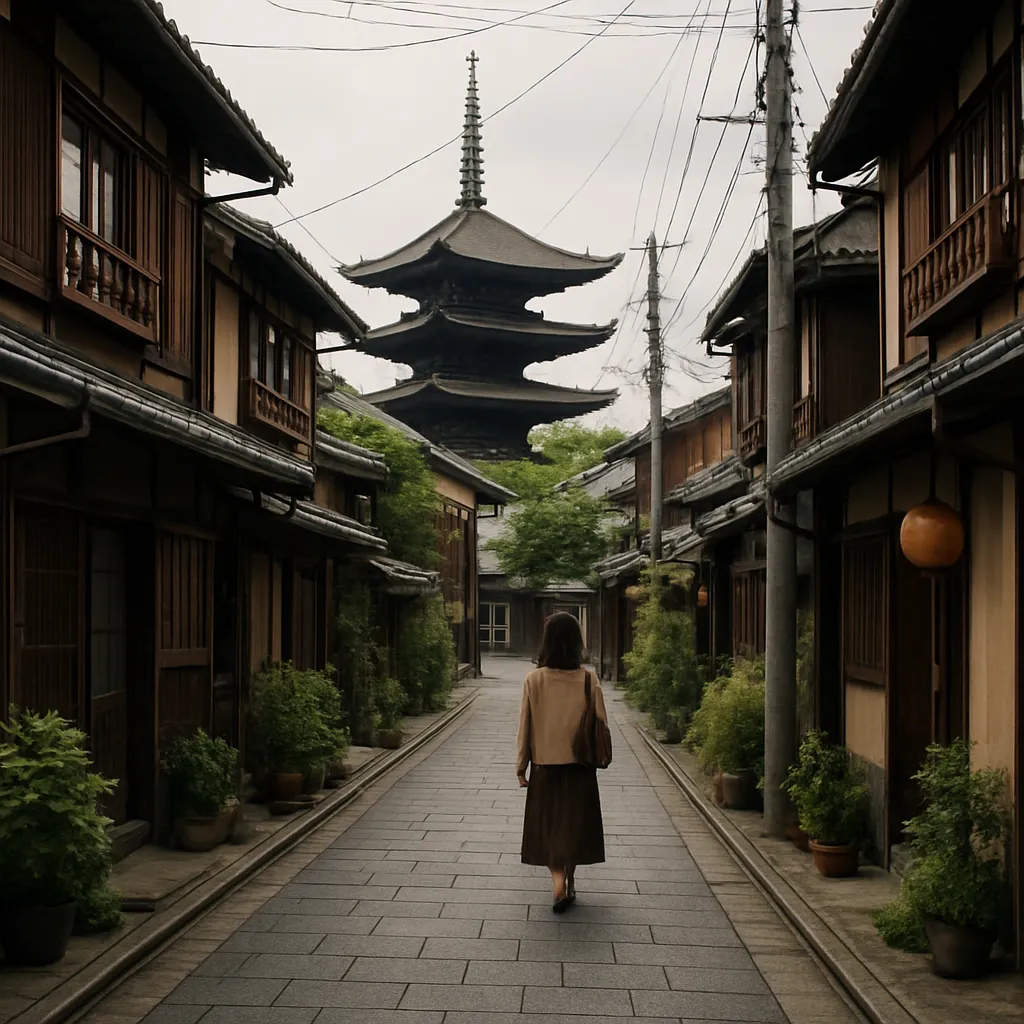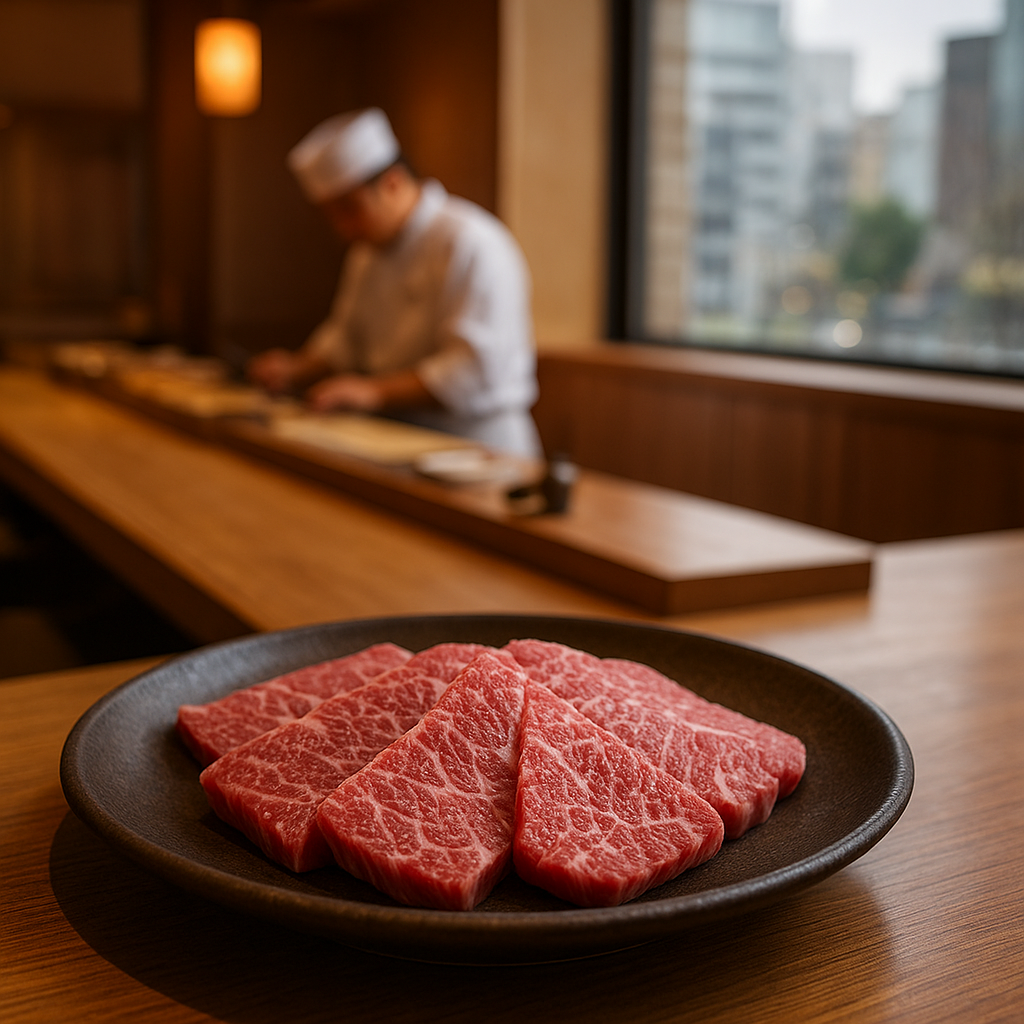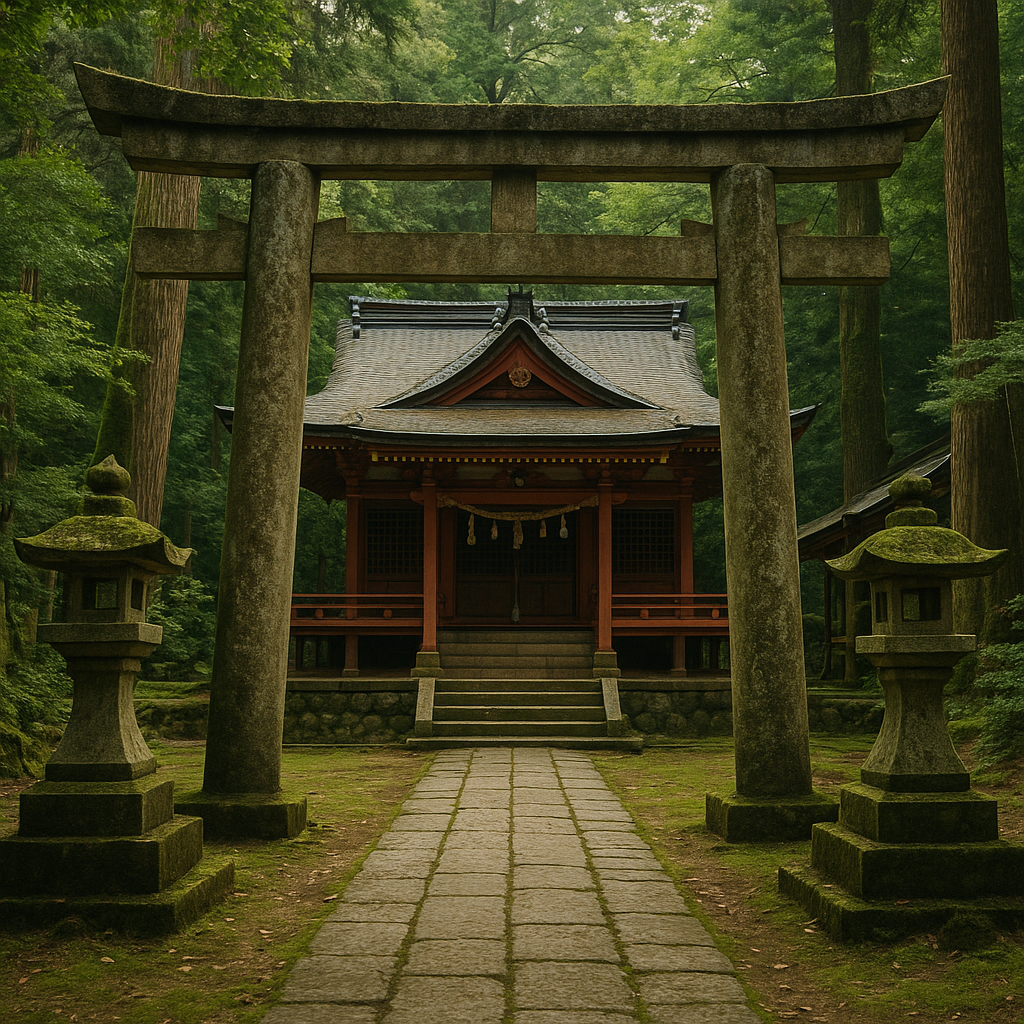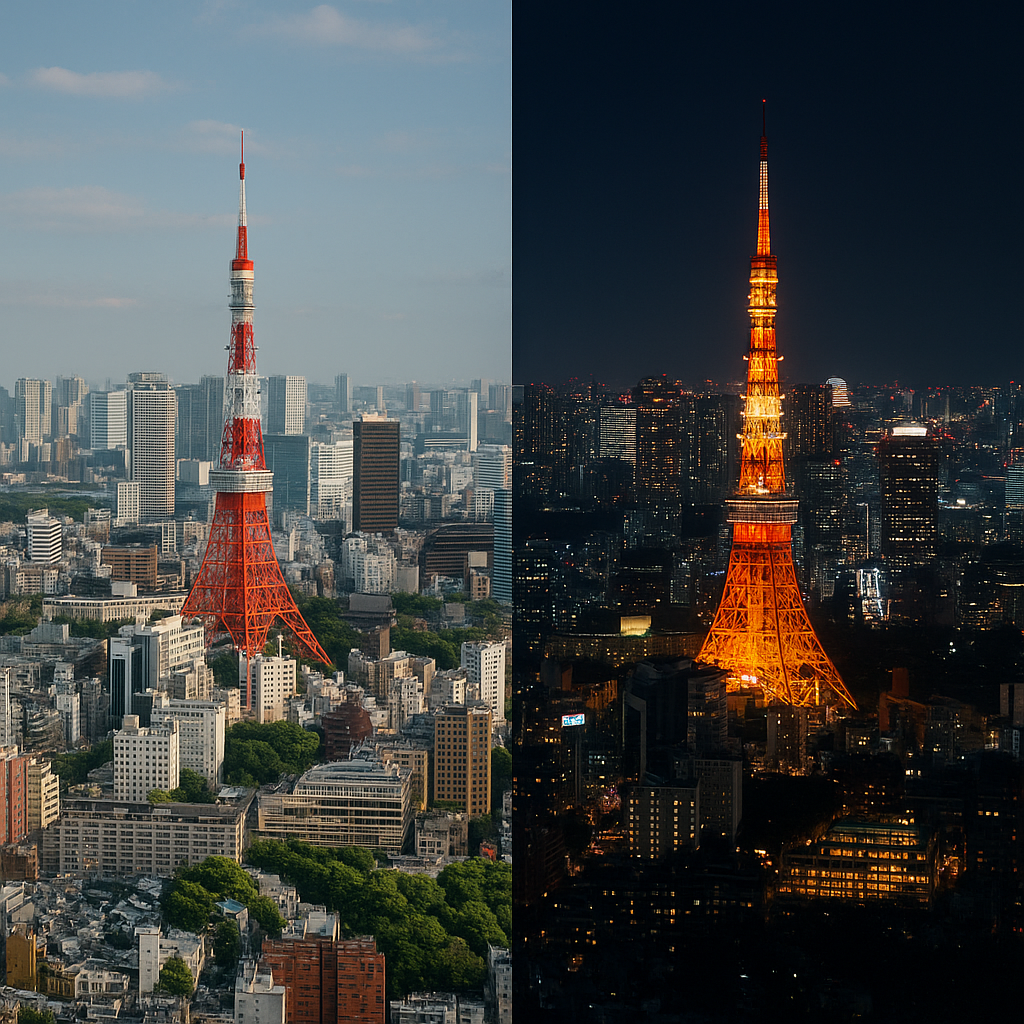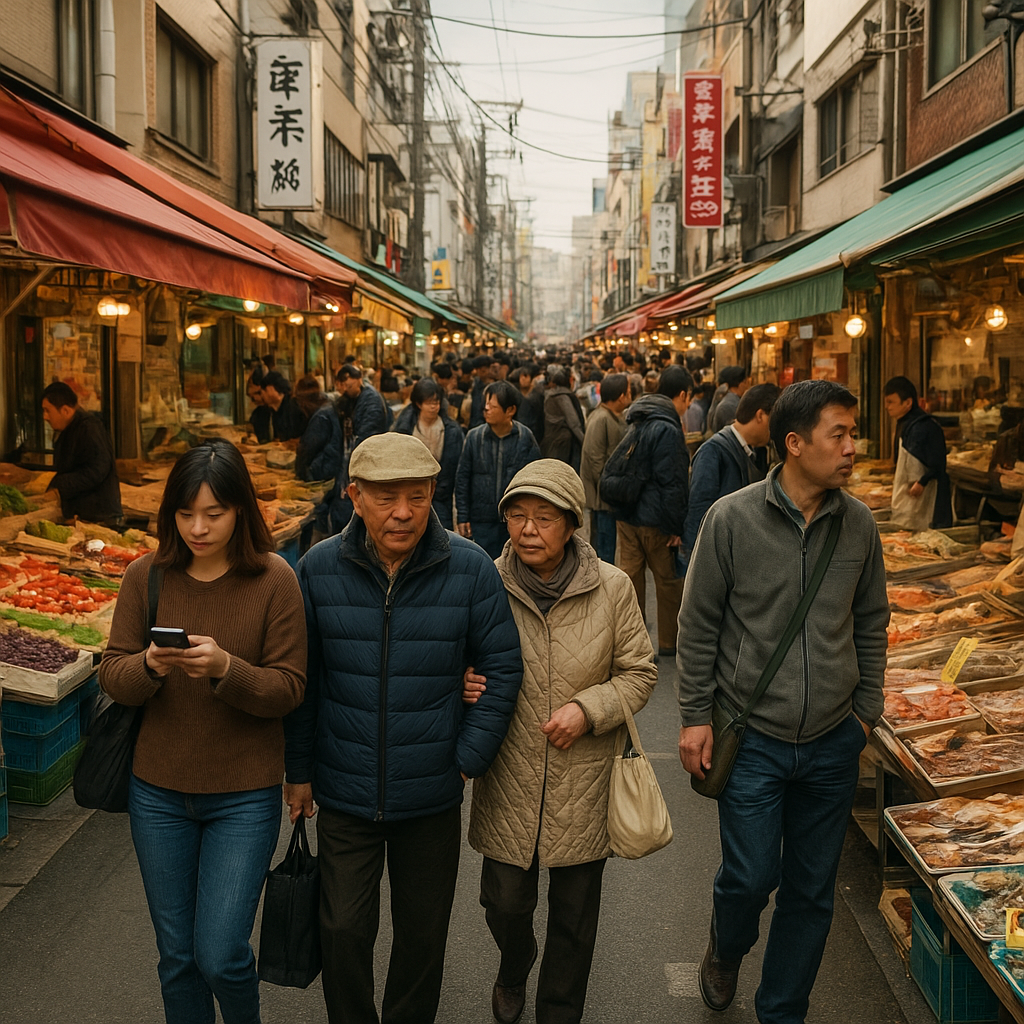
Exploring Tokyo demands more than just a map and a camera—it requires genuine respect for deeply rooted traditions and everyday customs. Whether you’re wandering through neon-lit streets in Shinjuku or admiring tranquil temples in Asakusa, understanding local etiquette will help you blend in and make a positive impression. This guide covers essential dos and don’ts, from the art of bowing to the unspoken rules of public transport.
Gestures and Greetings
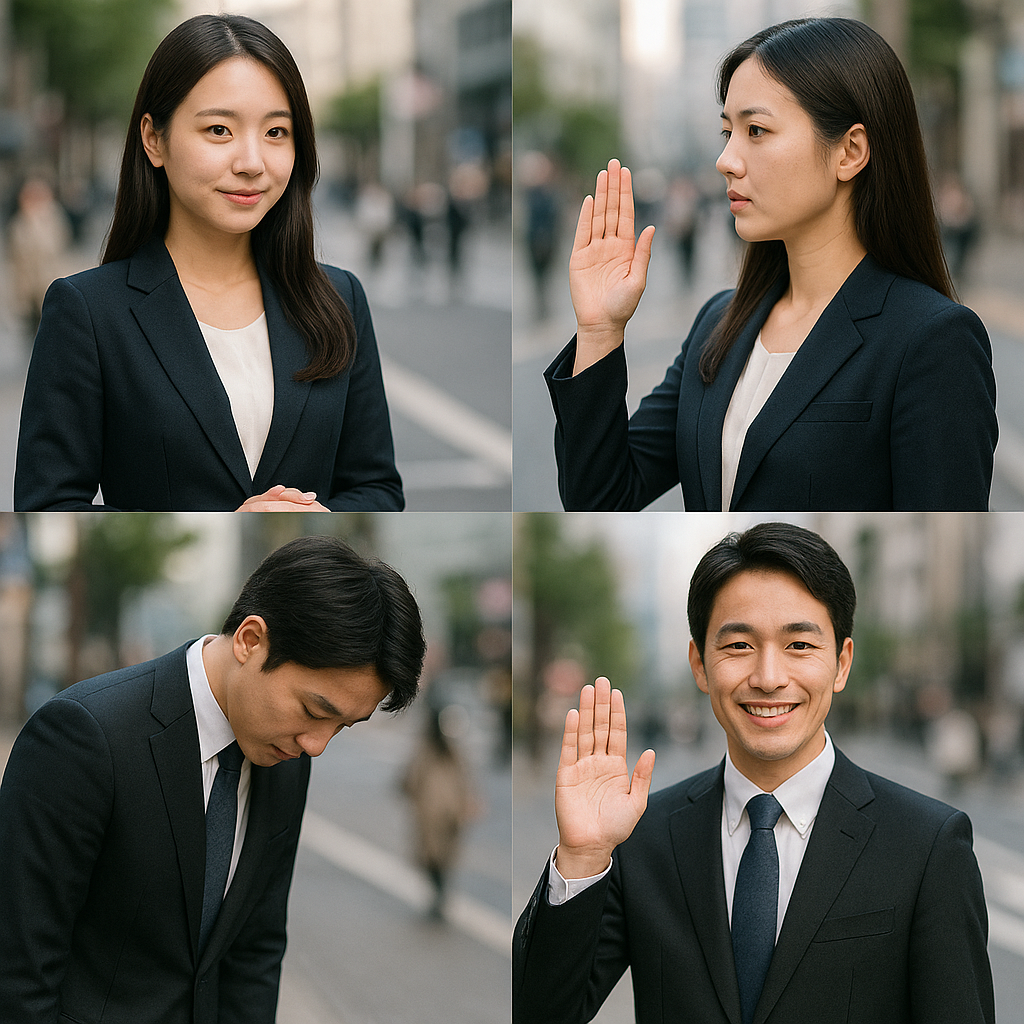
In Tokyo, initial encounters hinge on subtle body language. Foreigners often feel uncertain about how much to bow or when to extend a handshake. Observing locals can help you master these greetings and avoid awkward faux pas.
Do’s
- Offer a gentle bowing between 15–30 degrees to show respect, especially to elders or business contacts.
- Maintain soft eye contact and a calm facial expression to convey sincerity.
- Present business cards with both hands, facing the recipient, and take a moment to examine any card you receive.
- Use polite phrases such as “Hajimemashite” (nice to meet you) and end sentences with “-masu” forms to sound courteous.
Don’ts
- Avoid over-the-top or deep bows; too much can feel insincere.
- Do not pat someone on the back or touch their shoulder without invitation.
- Never pocket a business card without at least glancing at it—this shows disregard.
- Refrain from using overly loud or animated hand gestures when greeting.
Shoes and Cleanliness
Cleanliness is taken very seriously in Tokyo. At homes, temples, and some traditional ryokans, you’ll be asked to remove your shoes before entering. This practice keeps indoor spaces hygienic and symbolizes respect for the host’s environment.
Do’s
- Look for a genkan (entryway) and leave footwear neatly aligned, facing outward.
- Wear plain or minimal socks if you anticipate visiting multiple shoe-free areas.
- Carry a small bag for your shoes if the establishment doesn’t provide lockers.
- Use provided slippers for bathroom areas—change into toilet-specific slippers if available.
Don’ts
- Avoid walking across tatami mats with outdoor footwear, as they can stain or damage delicate straw surfaces.
- Do not leave shoes scattered around; it’s seen as messy and disrespectful.
- Never wear bathroom slippers outside the designated toilet area.
- Refrain from stepping on raised thresholds or platforms without first removing your shoes.
Queueing and Punctuality
Tokyoites are known for their disciplined approach to waiting in line and being on time. Whether you’re boarding a train or grabbing a popular ramen spot, you’ll join neat, single-file queueing patterns and expect swift, orderly service.
Do’s
- Stand on the correct side of escalators—usually left in Tokyo—for people who wish to walk uphill.
- Line up behind the person directly in front of you, leaving a respectful distance.
- Arrive at tours, meetings, and reservations at least five minutes early to demonstrate punctuality.
- Listen for station announcements and watch marker signs for your train’s boarding position.
Don’ts
- Do not cut into lines, even if your group is small or you’re in a rush.
- Avoid loudly calling out to friends or gesturing impatiently while waiting.
- Refrain from stepping forward until the train doors open and passengers have disembarked.
- Never block elevator entrances or exits when waiting for a ride.
Public Transportation Conduct
Subway cars and buses in Tokyo operate under an unspoken code of silence and personal space. Commuters value a tranquil atmosphere and maintain a low-profile presence.
Do’s
- Keep mobile phones on silent or vibrate mode; take calls outside the carriage if possible.
- Offer priority seats to pregnant women, elderly passengers, and people with disabilities.
- Hold on to handrails or overhead straps without swaying into neighboring spaces.
- Prepare a prepaid transit card like Suica or Pasmo to streamline fare payment.
Don’ts
- Avoid talking on the phone or playing loud music without headphones.
- Do not place shopping bags or backpacks on seats—keep them at your feet.
- Refrain from eating or drinking, unless you’re on a long-distance train that permits refreshments.
- Never lean against doors or block the flow of boarding passengers.
Dining and Gift-Giving Etiquette
Food culture in Tokyo is a treasure trove of rituals. From savoring sushi to offering small presents at a friend’s home, following proper manners transforms a meal or gift exchange into a meaningful cultural experience.
Do’s
- Say “Itadakimasu” before eating and “Gochisousama” after finishing your meal.
- Use chopsticks correctly—rest them on a holder or on the side of your plate when not in use.
- Share small dishes with friends by serving them onto individual plates rather than communal chopsticks.
- Present gifts wrapped neatly, using both hands; small omiyage (souvenirs) are often given after trips.
Don’ts
- Do not stick chopsticks upright in rice—this resembles funeral rituals and is taboo.
- Avoid passing food directly from your chopsticks to someone else’s; use a shared plate or serving chopsticks.
- Refrain from tipping at restaurants; it can cause confusion and is not customary.
- Never give gifts in sets of four, as the number is associated with death in Japanese culture.