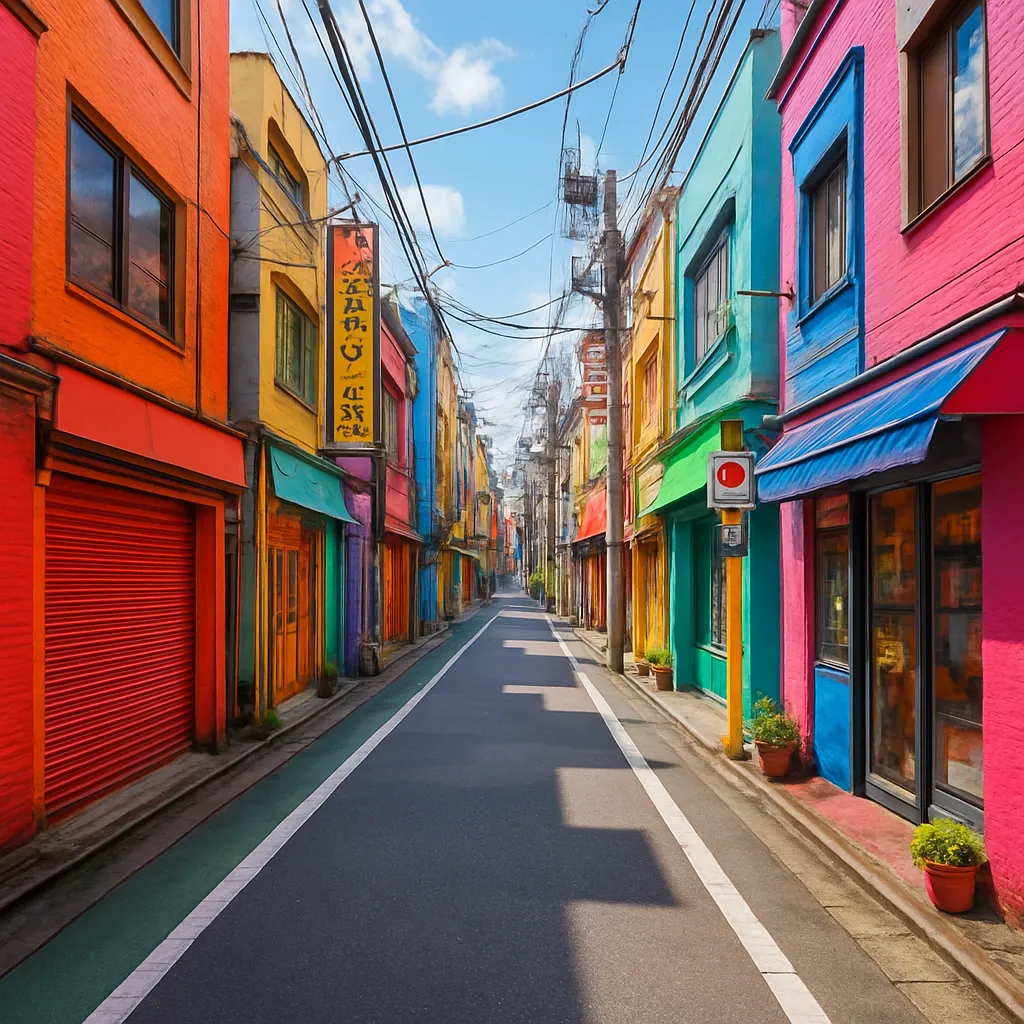
Tokyo’s most colorful neighborhoods stand as vibrant tapestries of **culture**, **innovation**, and **diversity**. These districts pulsate with neon lights, avant-garde fashion, and timeless traditions that invite travelers to embark on unforgettable adventures. From the bustling scramble of Shibuya Crossing to the serene lantern-lined alleys of Asakusa, every corner offers a new discovery. In this article, we journey through some of the city’s most iconic areas, exploring their signature sights, unique culinary delights, and hidden gems. Prepare to dive into a world where ancient temples share space with cutting-edge boutiques and where every street tells a story of **fusion** between past and present.
Shibuya: A Neon Wonderland
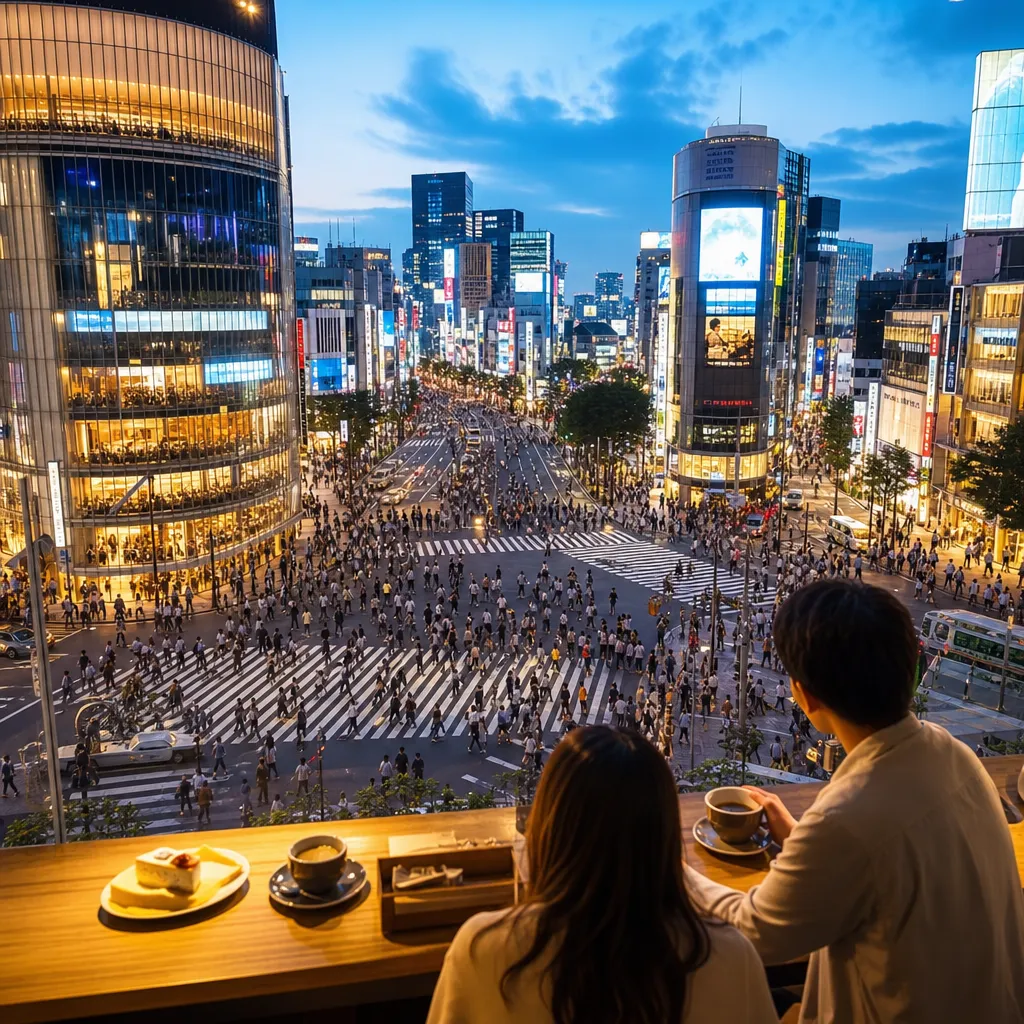
Shibuya is synonymous with energy and youthful spirit. As one of Tokyo’s most famous meeting spots, this neighborhood dazzles visitors with its towering billboards, colossal department stores, and the world-renowned Shibuya Crossing. Here, hundreds of pedestrians surge through the intersection from all directions every few minutes, creating a mesmerizing choreographed chaos that perfectly captures the district’s dynamic vibe.
Key attractions in Shibuya:
- Shibuya Scramble Crossing – The epitome of Tokyo’s brisk pace. Best viewed from the second-floor window of the adjacent Starbucks.
- Hachiko Statue – A touching tribute to the loyal dog Hachiko, a beloved local icon that represents **tradition** and fidelity.
- Shibuya Center-gai – Neon-lit streets brimming with fashion boutiques, karaoke bars, and themed cafes catering to all tastes.
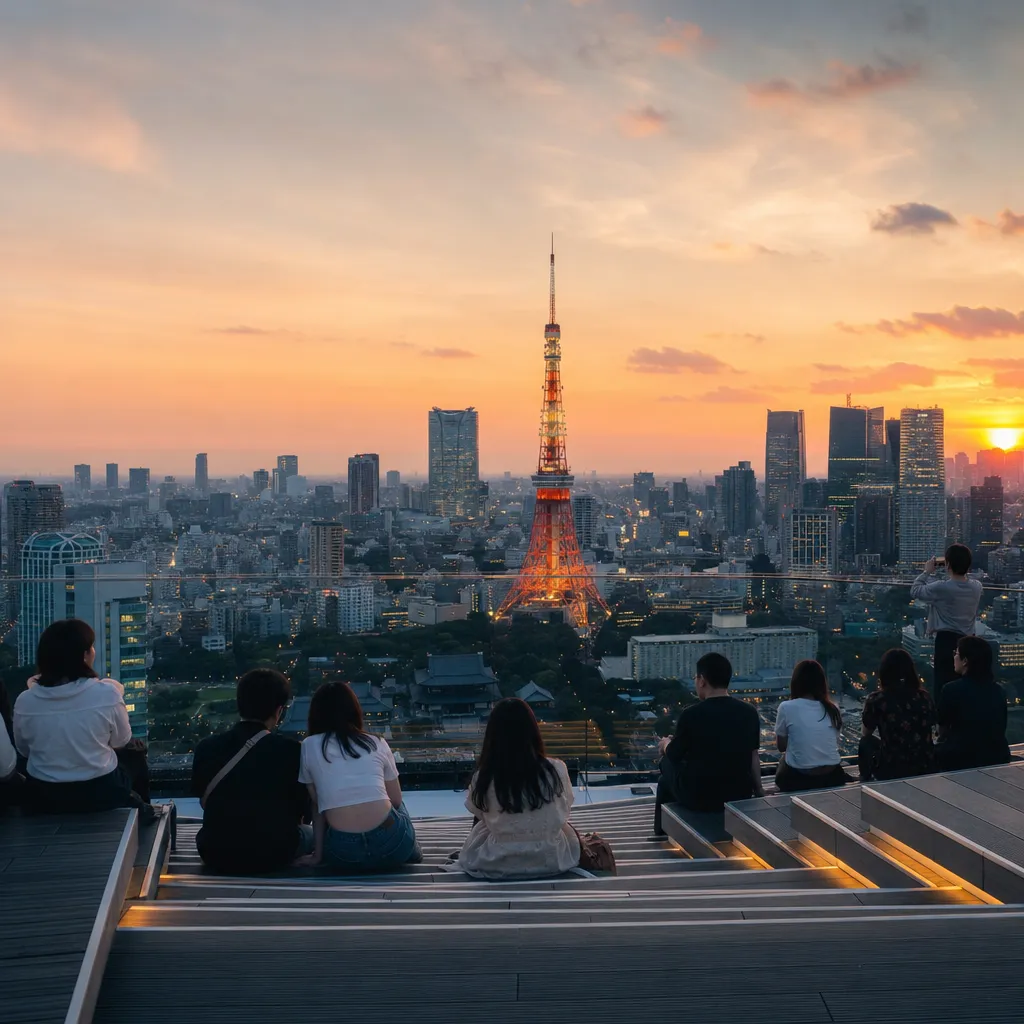
- Magnet by Shibuya 109 – A trendsetting complex featuring rooftop views, interactive art installations, and pop-up shops showcasing cutting-edge design.
Don’t miss the chance to wander down Rainbow Street, a narrow alley lined with quirky snack stands, vintage stores, and hidden galleries. As night falls, Shibuya transforms into a kaleidoscope of color, with laser beams cutting through the sky and club-goers flocking to the area’s most iconic nightlife venues.
Harajuku and Omotesando: Fashion Forward
Just a short stroll from Shibuya lies Harajuku, the beating heart of Tokyo’s street style and youth subculture. Famous for its flamboyant outfits, cosplaying crowds, and mouthwatering crepes, Harajuku invites visitors to embrace the unexpected and celebrate individuality.
Highlights of Harajuku and Omotesando:
- Takeshita Street – A pedestrian-only lane where fashionistas browse shops selling everything from kawaii accessories to indie designer wear.
- Cat Street – The hipper side of Harajuku, dotted with artisanal coffee shops, minimalist boutiques, and lifestyle concept stores.
- Omotesando Hills – An architectural marvel designed by Tadao Ando, featuring high-end brands, fine dining, and rooftop gardens.
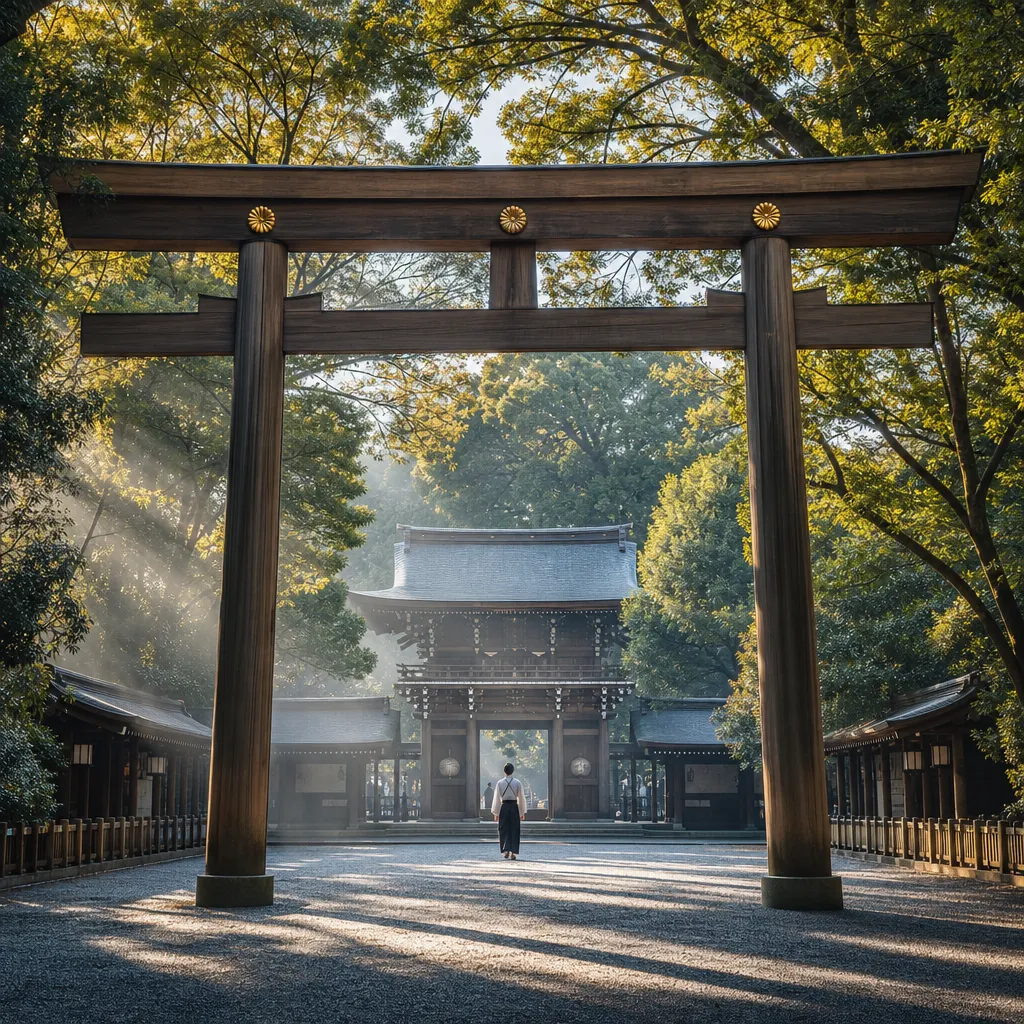
- Meiji Shrine – A tranquil oasis just off Omotesando, offering respite within a lush forest and deep insight into Shinto **tradition**.
Whether you’re on the hunt for the latest Harajuku streetfood trend—think rainbow cotton candy or bubble tea served in fish-shaped buns—or seeking a leisurely brunch on an outdoor terrace along Omotesando’s boulevard, these neighborhoods deliver a heady mix of high fashion, cutting-edge design, and **culinary** ingenuity.
Asakusa and Ueno: Tradition Meets Trend
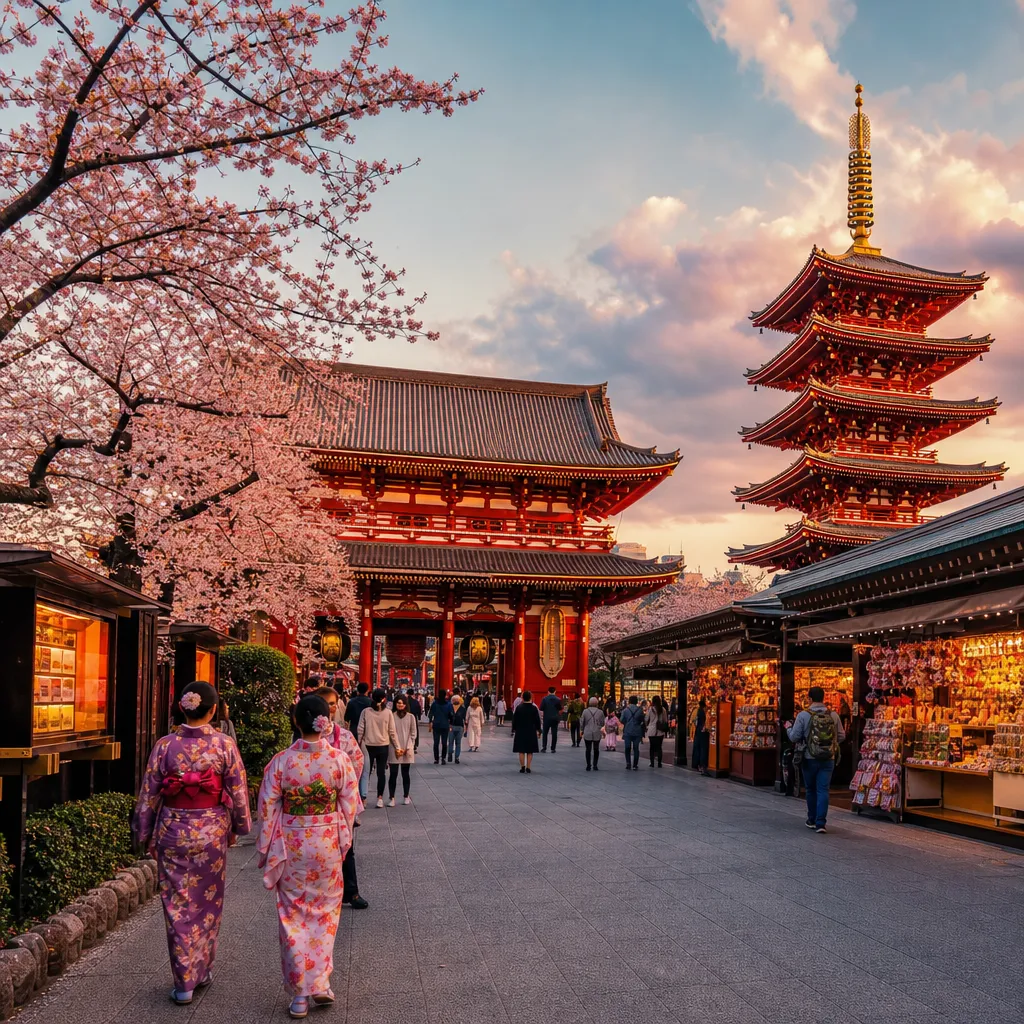
As one of Tokyo’s oldest areas, Asakusa retains an unmistakable sense of history. The majestic Senso-ji Temple stands as the district’s centerpiece, its crimson gates and five-story pagoda drawing visitors in search of spiritual solace and cultural discovery.
Main experiences in Asakusa and nearby Ueno:
- Senso-ji Temple – Tokyo’s oldest Buddhist temple, surrounded by Nakamise-dori, a bustling market street offering traditional snacks and handcrafted souvenirs.
- Kaminarimon Gate – The “Thunder Gate,” with its giant red lantern and guardians of thunder and wind, makes for an iconic photo opportunity.
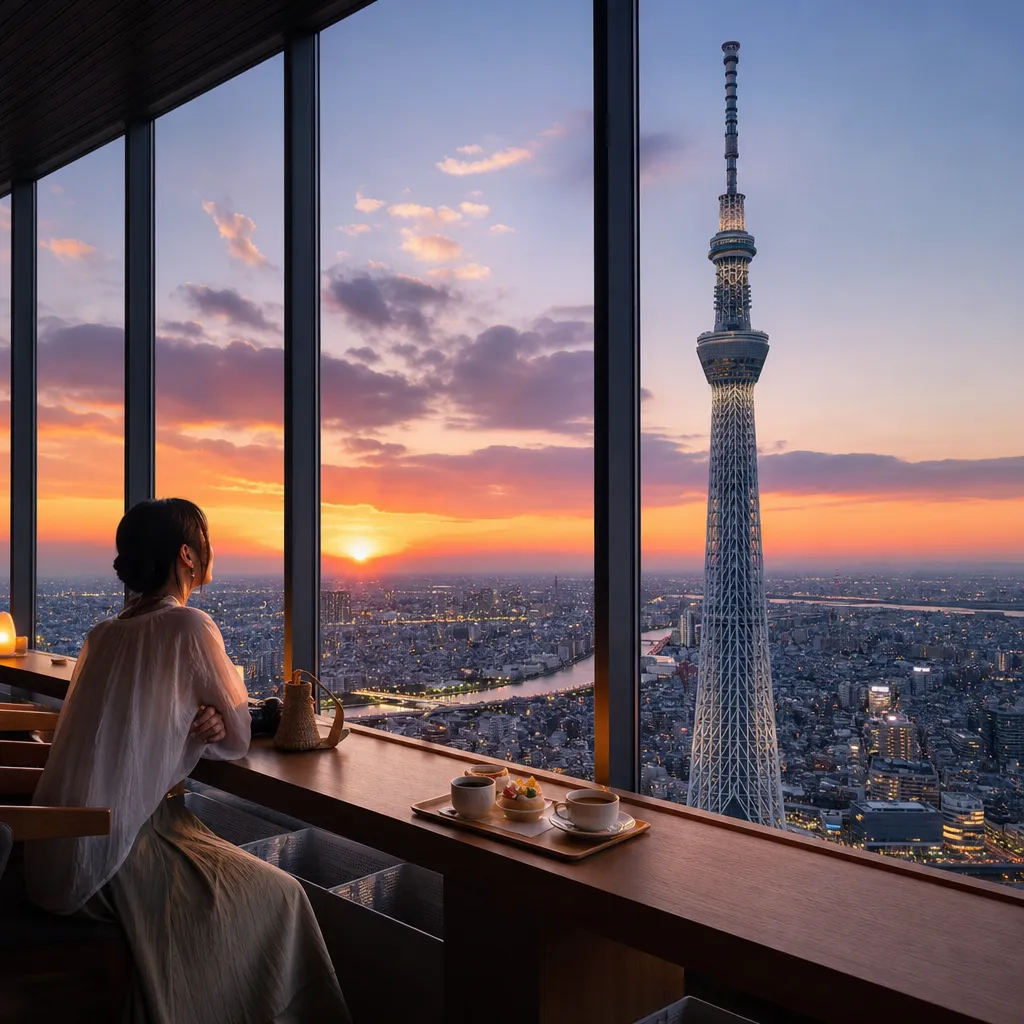
- Sumida River Cruise – A scenic boat ride providing unique views of Tokyo Skytree and the city skyline.
- Ueno Park – Home to multiple museums, a zoo, and cherry blossom alleys that burst into pink splendor each spring.
At Ueno, delve into the Tokyo National Museum’s expansive collection, featuring samurai armor and exquisite ceramics that highlight Japan’s artistic heritage. Afterward, indulge in a hearty bowl of ramen at a local stall before exploring Ameyoko Market, where fresh seafood, dried fruits, and imported goods line the narrow lanes in a riot of colors and scents.
Akihabara: Electric Town and Pop Culture Hub
Akihabara, often dubbed “Electric Town,” is the epicenter of gaming, anime, and gadget aficionados. Neon signs, retro arcades, and multi-story electronics emporiums define this district, creating a futuristic playground for tech enthusiasts and pop culture fans alike.
Akihabara must-sees:
- Electronic Shops – From giant retailers stocking the latest cameras and computers to countless small vendors selling niche components.
- Maid Cafes – Themed establishments where staff dress in elaborate costumes, offering interactive performances and unique menus.
- Animate Akihabara – A multi-level wonderland of manga, anime merchandise, and collectibles spanning popular franchises.
- Retro Game Stores – Hidden gems where you can unearth vintage consoles, classic cartridges, and rare memorabilia.
As technology evolves, Akihabara remains at the forefront of innovation, with virtual reality arcades, robotics showcases, and prototype demos. Even if you’re not a hardcore gamer, the district’s sheer intensity and **artistry** in design make it an unforgettable stop on any Tokyo itinerary.