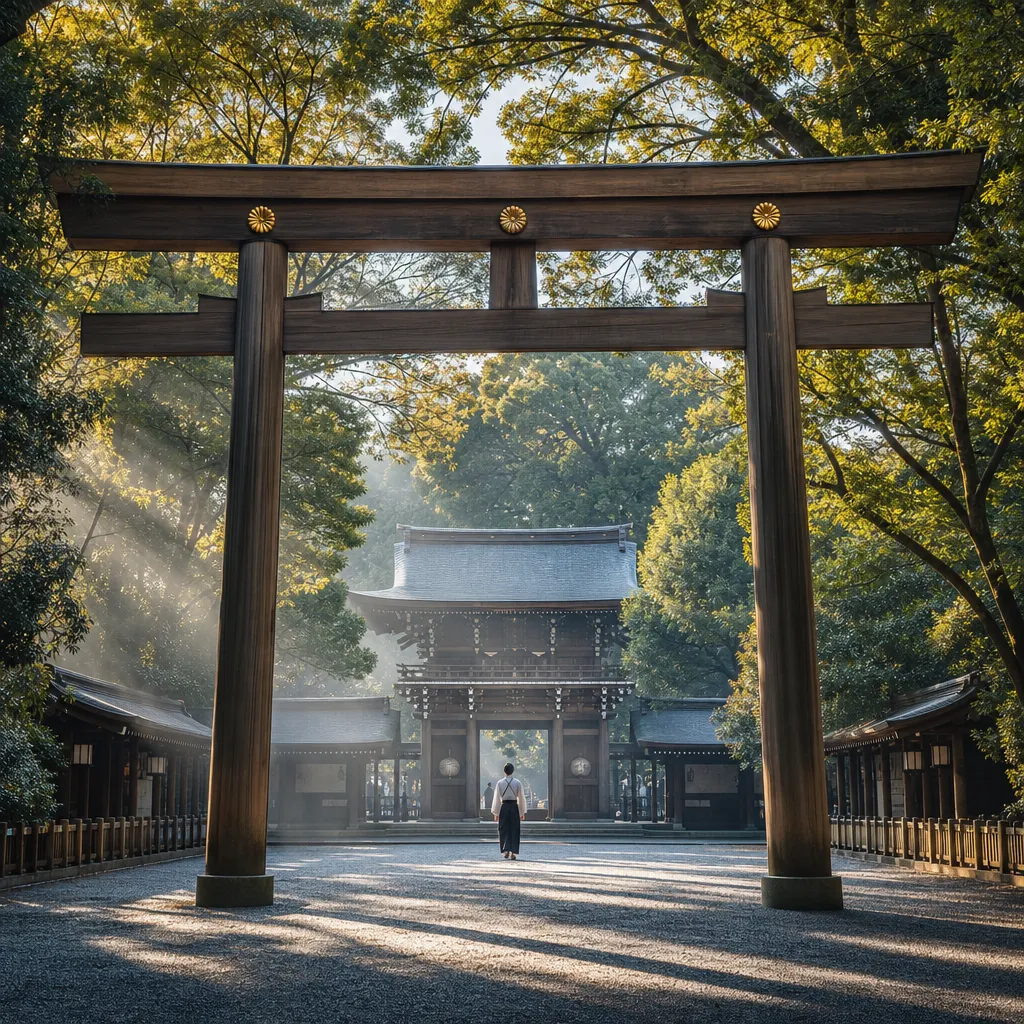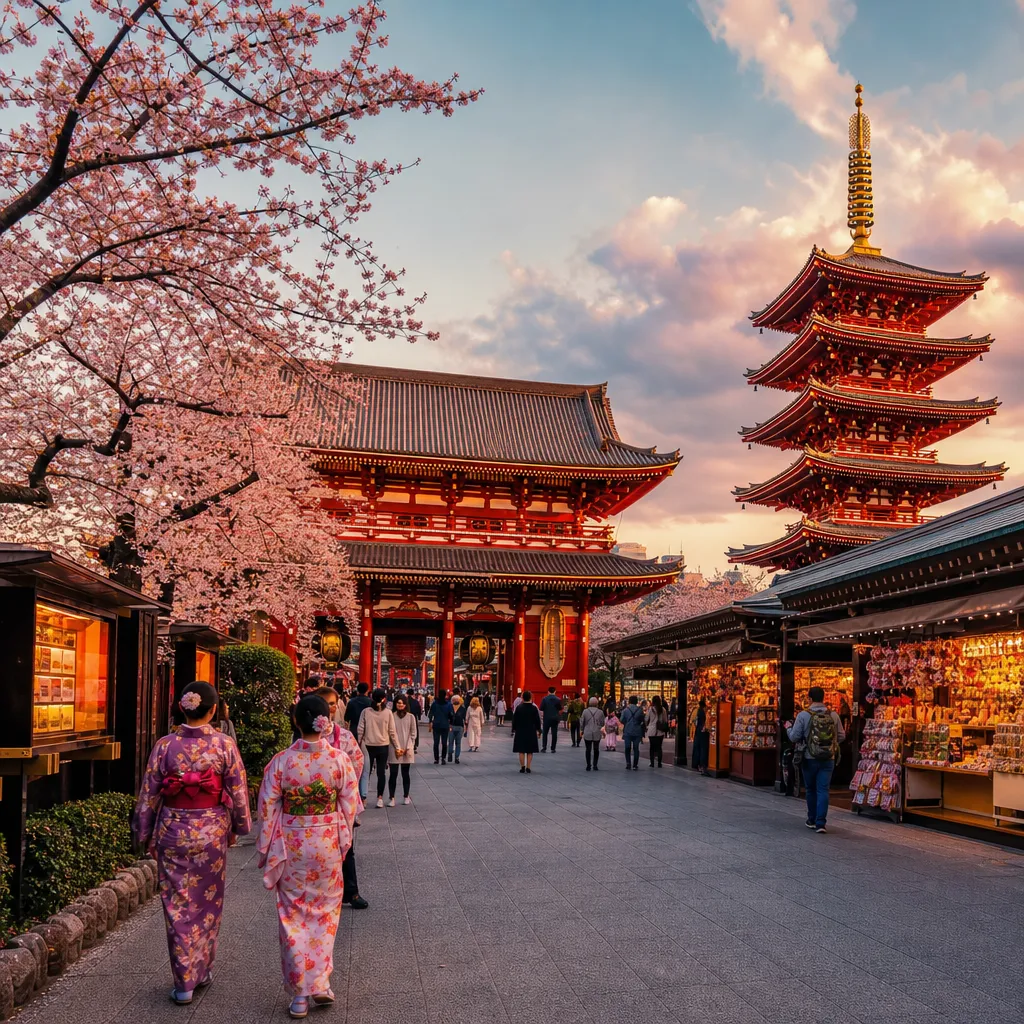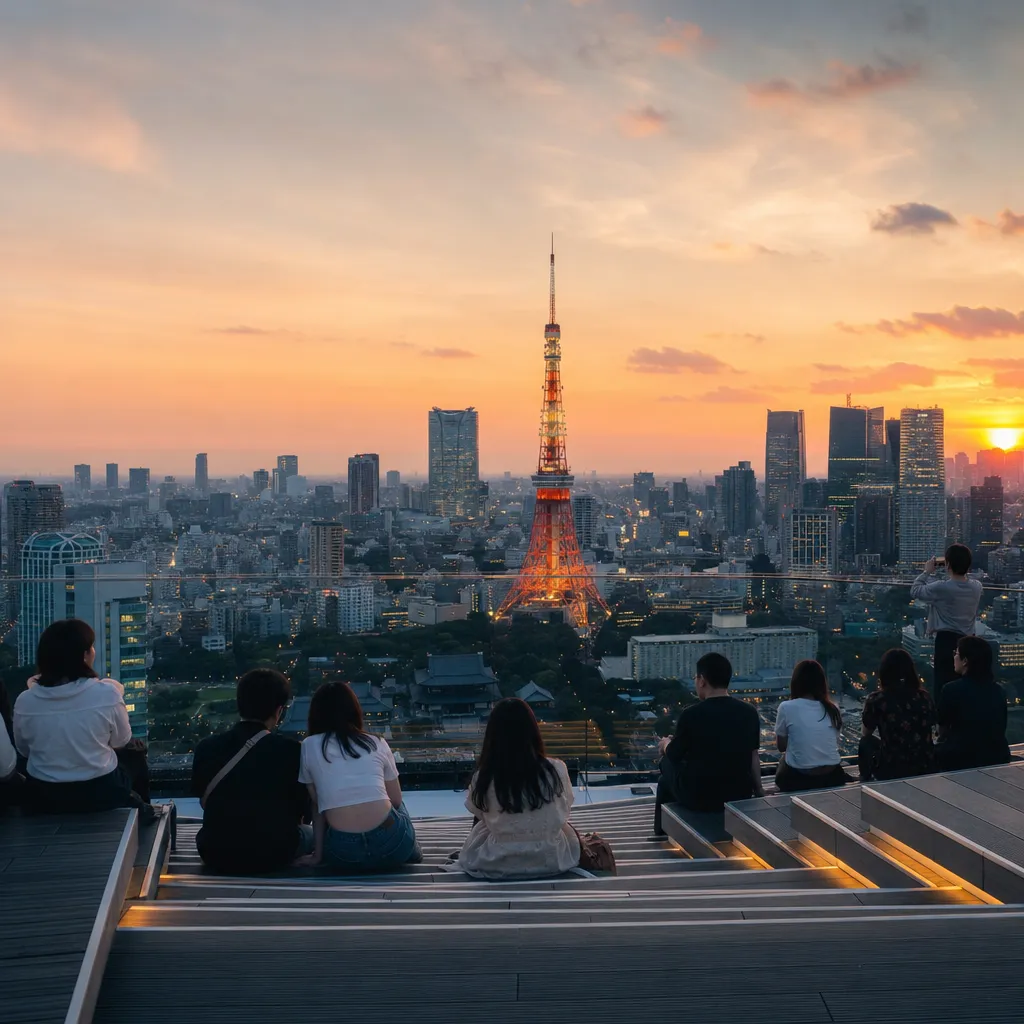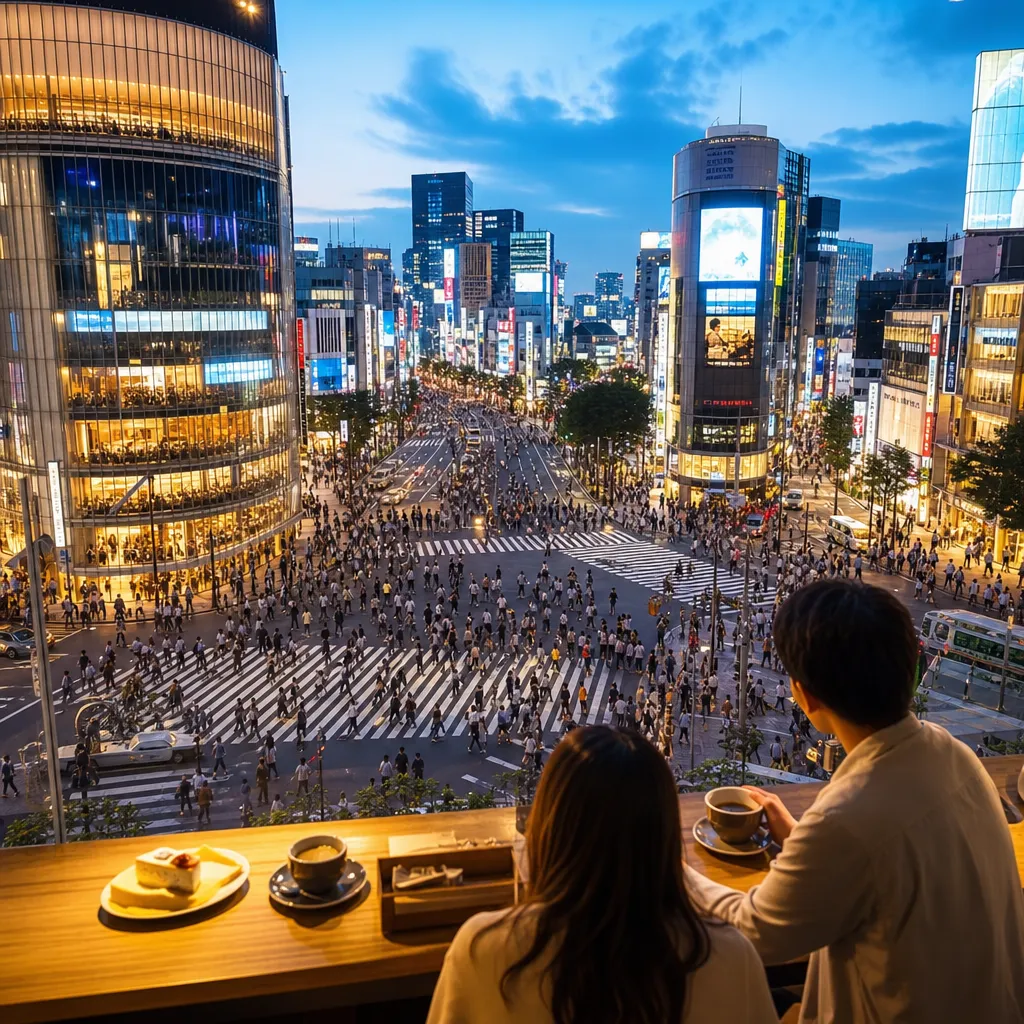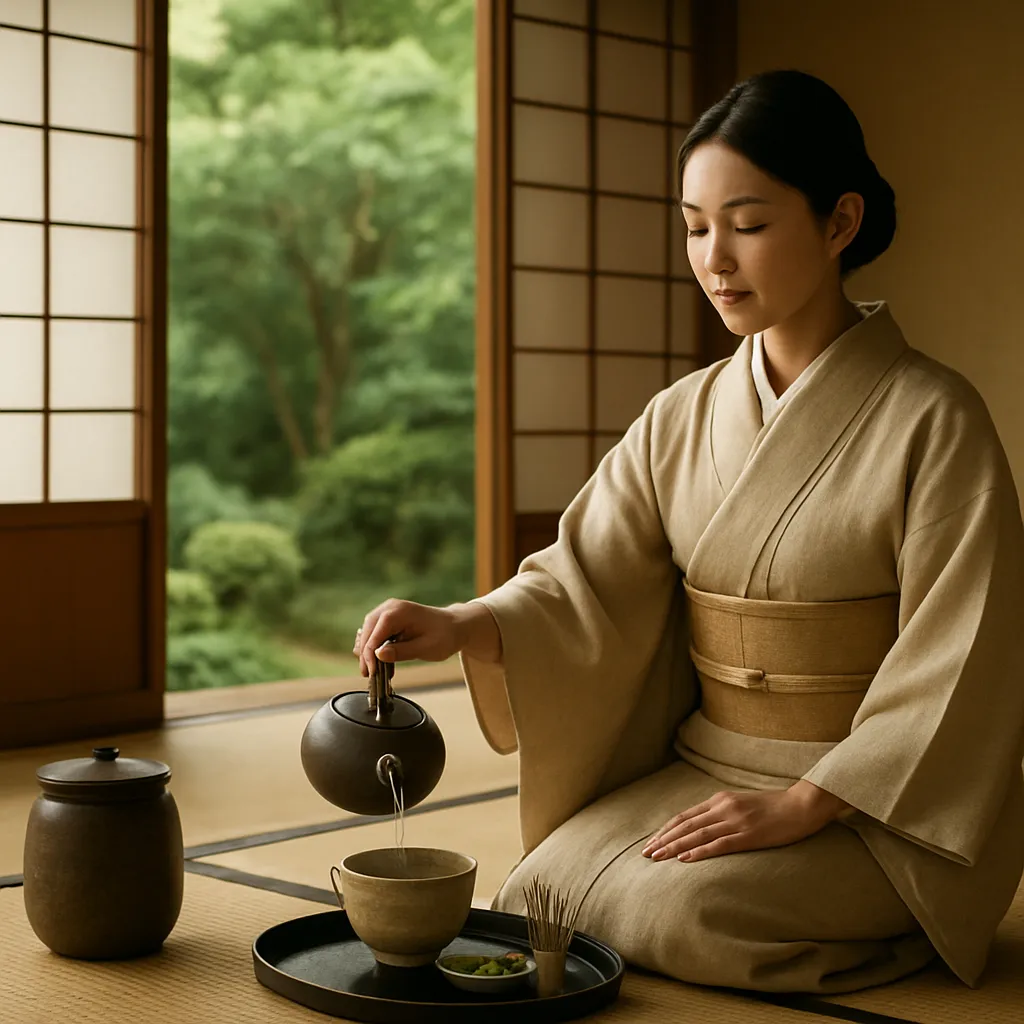
In the heart of Tokyo’s bustling metropolis lies a world where time seems to slow, offering visitors a chance to experience the art of tea in its purest form. From centuries-old teahouses nestled behind hidden gates to contemporary spaces fusing classic rituals with modern design, the city provides a wealth of opportunities for both seasoned enthusiasts and curious newcomers. By immersing oneself in these ceremonies, one can uncover a deeper appreciation for Japanese culture, history, and the enduring pursuit of serenity.
The Essence of the Japanese Tea Ceremony
The Japanese tea ceremony, or “chanoyu,” is not merely about drinking tea. It embodies a complex choreography of gestures, tools, and materials, each element carefully chosen to create an atmosphere of harmony and respect. At its core lie four guiding principles:
- Wa (和): Harmony in every movement and between guests
- Kei (敬): Respect for the utensils, the host, and fellow participants
- Sei (清): Purity in mind, body, and environment
- Jaku (寂): Tranquility that emerges after the ceremony’s activities
These concepts transcend the mere act of preparing matcha. They encourage mindfulness, teaching participants to appreciate the fleeting beauty of each moment, from the gentle whisking of tea powder to the soft rumble of a distant urban street.
Top Tea Houses in Tokyo
1. Urasenke Tokyo Branch
Located near the imperial palace grounds, the Urasenke Tokyo Branch is a pilgrimage site for those seeking authenticity. As part of one of the oldest and most respected tea schools, this venue hosts daily ceremonies led by certified tea masters. Guests sit on tatami mats in a traditional tearoom (chashitsu), observing the carefully measured scooping of green tea powder, the brisk yet graceful whisking, and the deliberate offering of the bowl.
2. Hama-rikyū Gardens Teahouse
Situated within the historic Hama-rikyū Gardens, this open-air tea house blends lush greenery with a serene pond. Visitors can enjoy a tranquil view of the meticulously landscaped garden while sipping freshly prepared matcha. The seasonal backdrop, whether cherry blossoms in spring or fiery foliage in autumn, adds an extra layer of tranquility to the experience.
3. Sakurai Japanese Tea Experience
For those seeking a more interactive session, Sakurai Japanese Tea Experience provides hands-on instruction. Participants learn about the origin of tea leaves, the importance of water temperature, and proper whisking techniques. The friendly instructors emphasize the art’s craftsmanship, ensuring that every guest leaves with newfound knowledge and a genuine appreciation for tea preparation.
4. Camellia Garden in Omotesando
Camellia Garden merges modern design with traditional elements. The sleek interior, complete with minimalist tables and a large window overlooking a rock garden, offers a contemporary twist. Here, guests can sample single-origin Japanese teas beyond matcha, such as gyokuro and sencha, each served with detailed explanations of flavor profiles and brewing nuances.
Hidden Retreats and Modern Adaptations
While historic tea houses provide a strong link to the past, Tokyo’s culinary innovators have begun to reimagine tea ceremonies for a new generation. These modern adaptations maintain the spirit of chanoyu while offering unique twists:
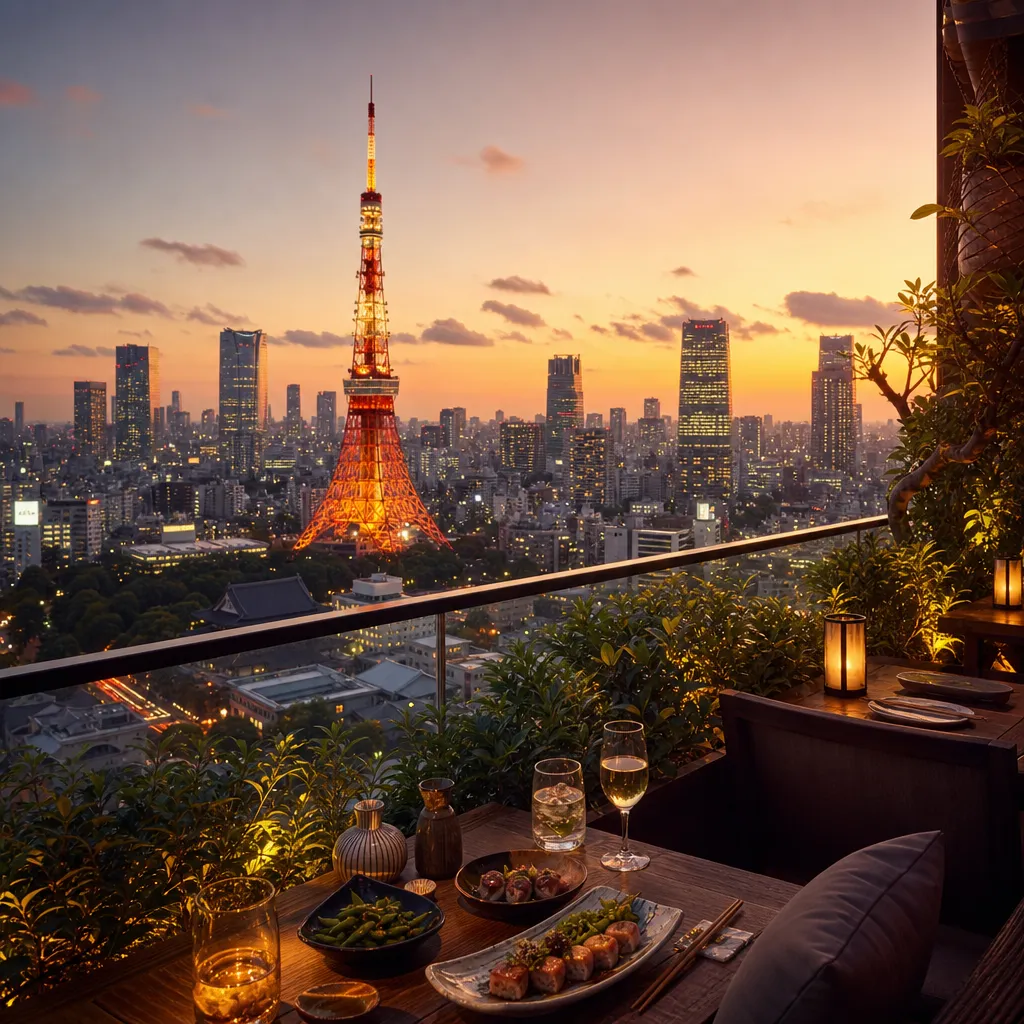
- Rooftop Tea Sessions: Perched above Shibuya’s neon-lit streets, these events combine panoramic views with twilight tea rituals.
- Scented Tea Ceremonies: Incorporating aromatic oils and incense, these sessions heighten the senses and amplify the meditative qualities of the tea experience.
- Art Gallery Teahouses: Nestled inside contemporary galleries in Roppongi, they pair tea with rotating art exhibitions, creating a multi-sensory journey.
For travelers who prefer privacy, several boutique hotels in neighborhoods like Daikanyama and Nakameguro offer in-room tea ceremonies. A tea master arrives with a portable tea set, transforming the suite into an intimate tearoom. This personalized approach allows for flexible scheduling and a one-on-one introduction to tea etiquette.
Etiquette and Tips for Participants
Participating in a tea ceremony involves respect for both tradition and fellow guests. To fully engage in the practice, keep these suggestions in mind:
- Arrive on time. Punctuality reflects respect for the host and the ritual’s precise timing.
- Remove your shoes at the entrance and wear clean, unobtrusive clothing. Bright patterns can distract from the ceremony’s focused atmosphere.
- Observe the host’s movements closely. Every gesture, from bowing to handling the tea bowl, carries symbolic meaning.
- When receiving the tea bowl, turn it slightly so the front faces away from you. This small act demonstrates mindfulness and appreciation.
- Drink the tea in three sips, wiping the rim between sips with a clean cloth provided by the host.
- Express gratitude at the end by politely acknowledging the host and fellow participants.
By adhering to these guidelines, visitors can ensure their experience is smooth, respectful, and deeply enriching.
Conclusion
Tokyo’s tea ceremonies offer an oasis of tradition amid the city’s fast-paced energy. Whether seeking a historic venue, a hidden rooftop escape, or a personalized in-room session, participants will uncover a layer of Japanese culture defined by harmony, elegance, and an unwavering commitment to detail. Embracing these rituals provides not only a moment of peaceful reflection but also a profound connection to Japan’s enduring tea heritage.