Nestled amid bustling cityscapes and neon lights, Tokyo’s oldest shrines offer a timeless gateway to the spiritual heart of Japan. Each sacred precinct carries its own whisper of divine encounters, age-old legends, and architectural marvels that contrast sharply with the surrounding metropolis. This article explores the revered sanctuaries scattered across Tokyo, delving into their unique histories, mythic tales, and enduring significance for both pilgrims and casual visitors alike.
The Sacred Foundations of Tokyo’s Shrine Culture
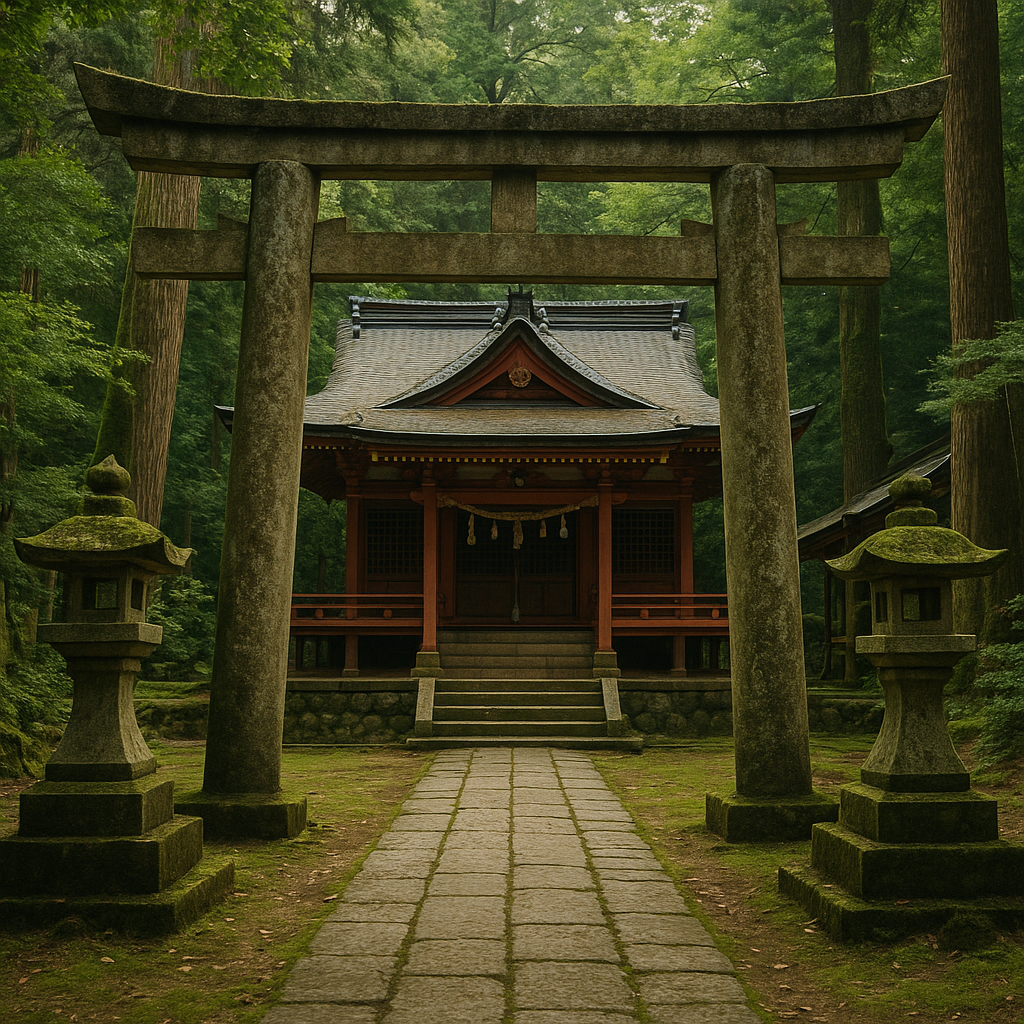
The story of Shintoism in Tokyo is one of resilience and transformation. As the city evolved from the small fishing village of Edo into today’s global metropolis, its spiritual landscape grew richer. Shrines once commissioned by feudal lords now stand as living monuments to Japan’s ancient traditions. Visitors walking through wooden torii gates are invited to reflect on the relationship between humans and kami, the divine spirits revered in Shinto belief.
From the earliest days, shrines served not only as religious hubs but also as community centers. Festivals, known as matsuri, brought villagers together to pray for bountiful harvests, safe journeys, and enduring prosperity. Over time, these celebrations became elaborate spectacles, blending solemn ritual with vibrant pageantry. Even today, Tokyo’s urbanites turn to these sanctuaries for blessings before the New Year, during marriage ceremonies, or when seeking good health and fortune.
Legendary Shrines and Their Timeless Tales
Senso-ji Shrine in Asakusa
Senso-ji is Tokyo’s oldest Buddhist temple, established in 645 CE, yet it also honors Shinto traditions through its adjacent shrines. According to legend, two fishermen discovered a statue of the bodhisattva Kannon in the Sumida River. When villagers tried to return the figure to the water, it inexplicably resettled itself. Interpreting this as a miracle, a temple was built to venerate Kannon, the guardian of compassion. Today, millions pass beneath the enormous Kaminarimon lantern, seeking blessings of mercy and protection.
Meiji Jingu Shrine in Harajuku
Meiji Jingu honors Emperor Meiji and Empress Shoken, who guided Japan through transformative modernization. Completed in 1920, the shrine’s architecture evokes traditional Shinto aesthetics, constructed almost entirely of Japanese cypress. Hidden behind a vast forest of over 100,000 trees from all prefectures of Japan, Meiji Jingu provides a peaceful serenity in the city’s youth-centered district. Visitors may write wishes on wooden plaques or purchase omamori charms for success, health, and love.
Yasukuni Shrine in Chiyoda
Yasukuni commemorates those who perished in service of the nation. Established in 1869, its history is intertwined with ancestors enshrined as kami. The shrine grounds feature a museum detailing military artifacts and memorial tablets. Controversies surrounding war commemorations have made Yasukuni a focal point of political discourse, yet its solemn rituals and annual festivals draw countless worshippers paying respects and seeking reconciliation with the past.
Kanda Myojin in Chiyoda
Kanda Myojin dates back over 1,300 years, dedicated primarily to Taira no Masakado, a warrior whose spirit is honored as a protective kami. The shrine’s vibrant gables and vermilion structures stand out amid the high-tech offices of Akihabara. Each May, the Kanda Festival fills the streets with mikoshi portable shrines, parades of samurai reenactors, and traditional music, celebrating Tokyo’s enduring culture and communal spirit.
Hie Shrine in Akasaka
Hie boasts a unique network of stairs flanked by fox statues, guardians of the harvest deity Ōkuninushi. This heritage site is famous for its Sannō Matsuri, once one of Edo’s three major festivals. Participants carry lavishly decorated mikoshi through Tokyo’s avenues, invoking blessings for prosperity and good fortune. The shrine’s quiet hilltop location offers panoramic views, a contrast to the city’s frenetic pace below.
Ritual Practices and Pilgrimage Traditions
Visiting Tokyo’s shrines often involves a series of customary steps, each reflecting deep-rooted beliefs. Travelers cleanse their hands and mouths at the temizuya pavilion before approaching the main hall. Offerings of coins, symbolic bows, and claps invite attendance from the kami. Ema—small wooden plaques for written wishes—decorate walls, while shining bells signal heartfelt prayers.
- Omikuji fortunes: slip of paper divining future prospects, tied to trees when unfavorable.
- Shimenawa ropes: braided straw marking sacred boundaries and warding off evil spirits.
- Seasonal festivals: spring cherry-blossom blessing rituals, summer purification fire ceremonies.
These rituals connect worshippers to centuries of ritual practice. For many, participating in shrine activities instills a sense of belonging to a timeless community. Whether it’s the quiet hush before dawn prayers or the jubilant music of festival floats, Tokyo’s sacred sites continue to inspire reverence and wonder.
Preserving Tradition Amid Urban Evolution
Despite Tokyo’s rapid urbanization, shrine caretakers work tirelessly to guard architectural integrity and intangible customs. Restoration efforts employ traditional carpentry techniques, ensuring that wooden beams and decorative carvings echo their original splendor. Educational programs invite schoolchildren to learn calligraphy, dance, and ceremonial etiquette, passing knowledge to new generations.
Even as skyscrapers cast long shadows, shrines maintain an unwavering presence, offering respite from the city’s roar. Seasonal events—autumn leaf viewings, winter illumination—draw both local and international guests. Many find that a simple visit, a moment of reflection before a torii gate, can restore a sense of balance and connection.
Through ongoing preservation, Tokyo’s oldest shrines remain vibrant hubs of faith and folklore. These sacred spaces, steeped in ritual and myth, continue to shape the spiritual tapestry of Japan’s capital, inviting all who enter to experience the enduring dialogue between past and present.