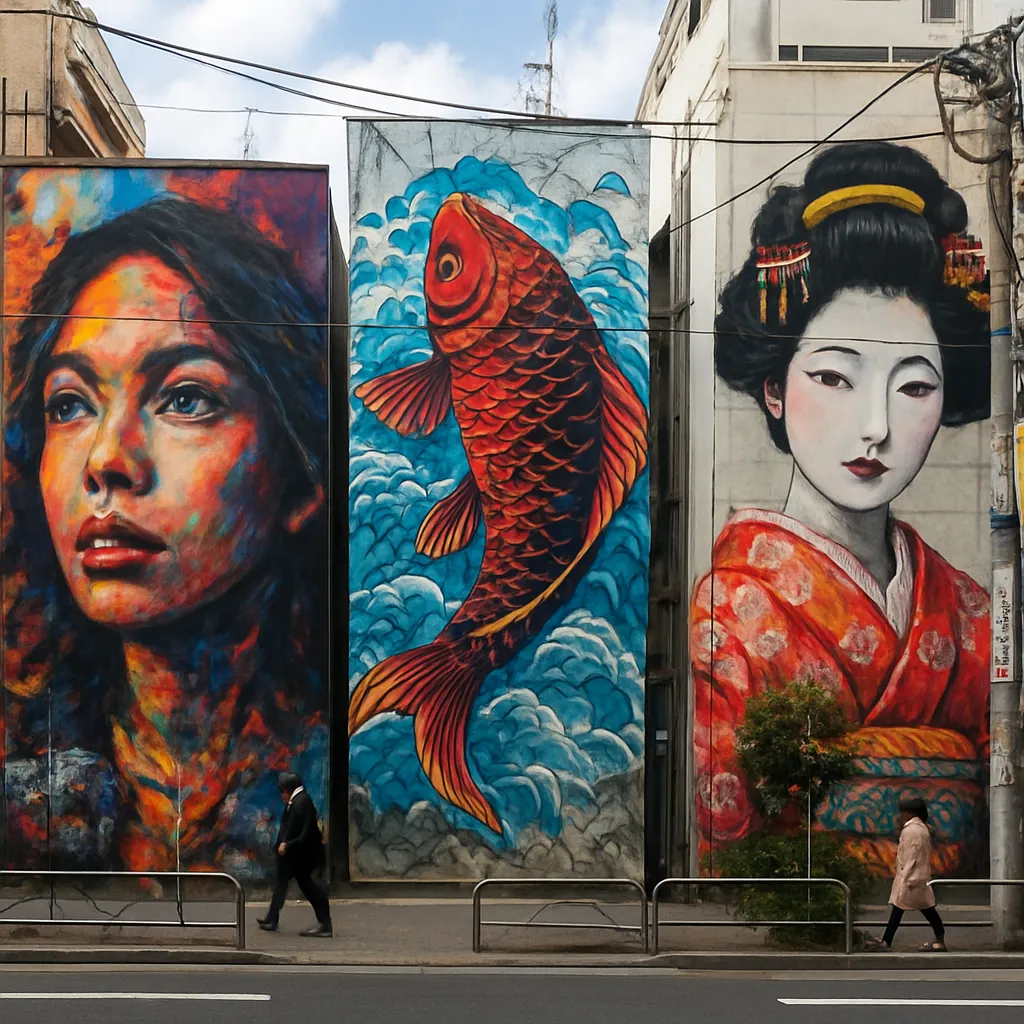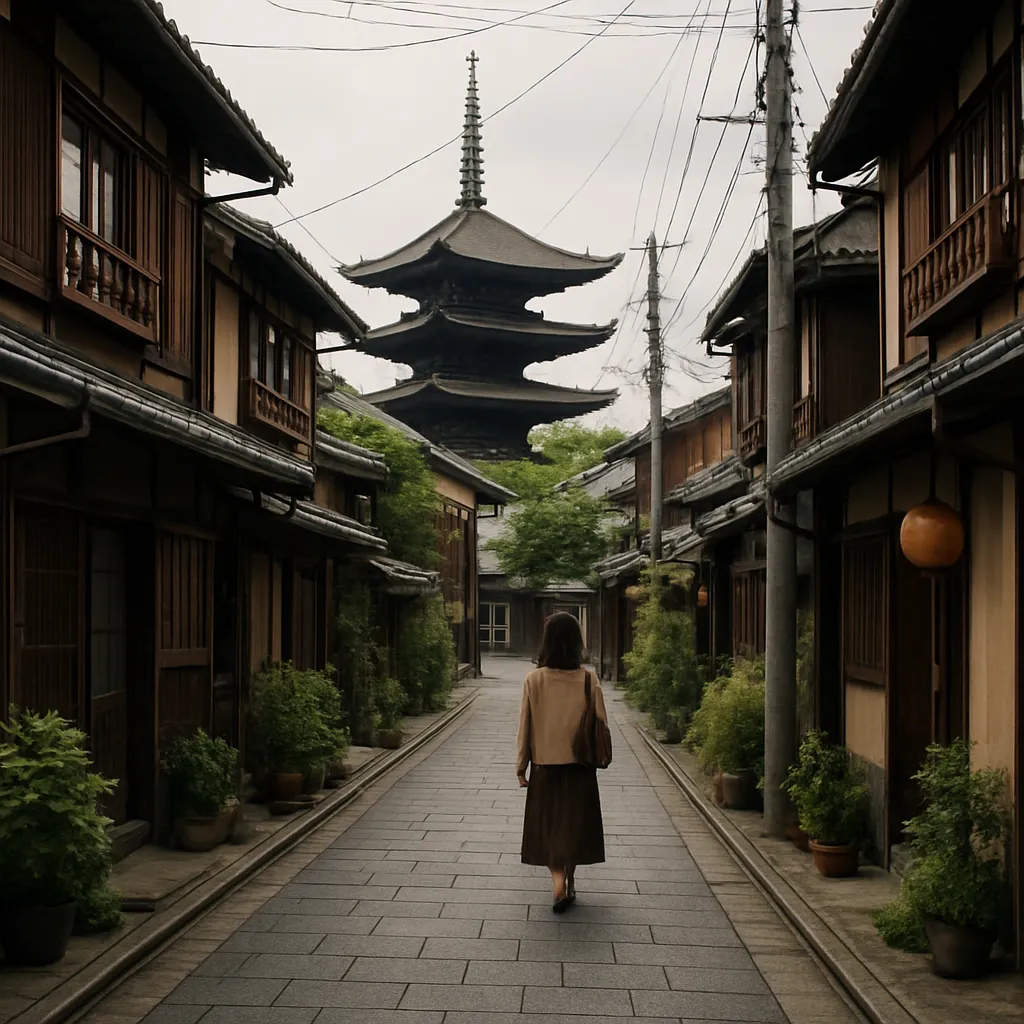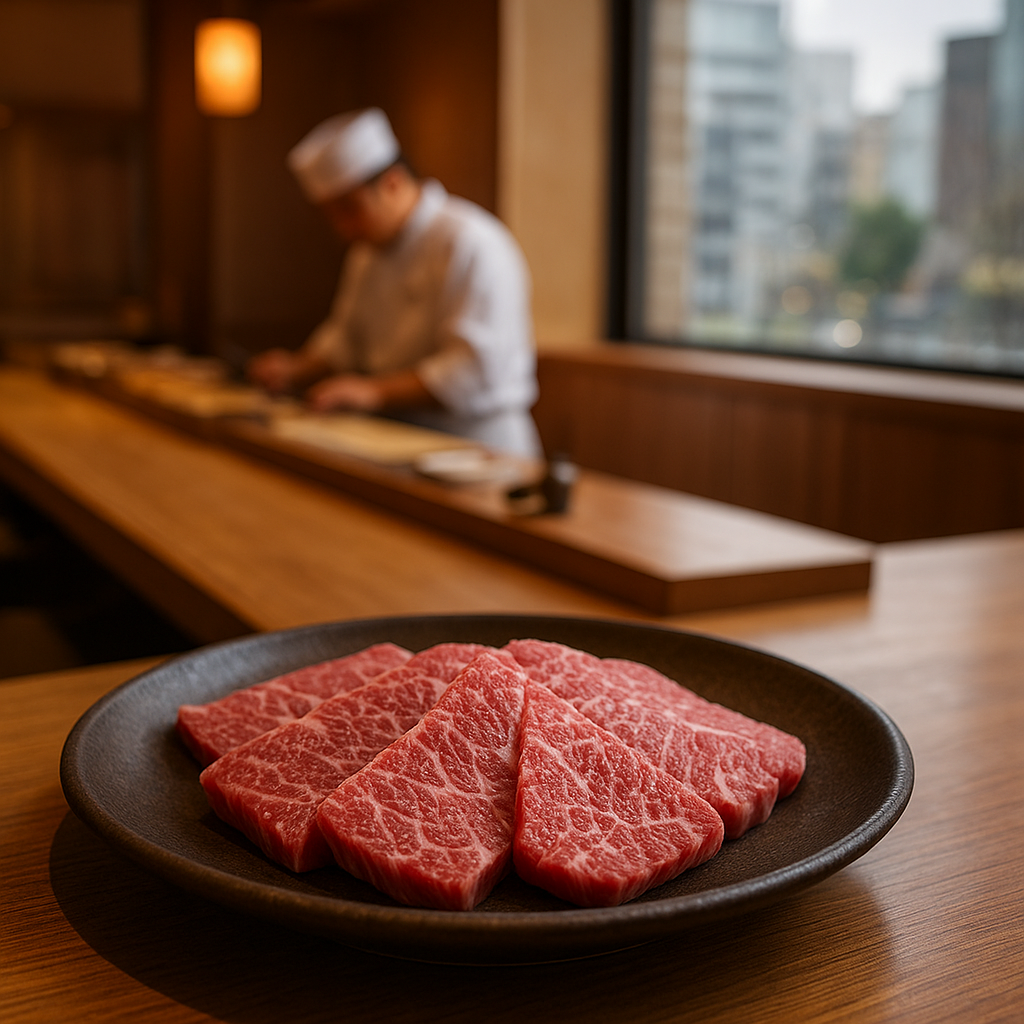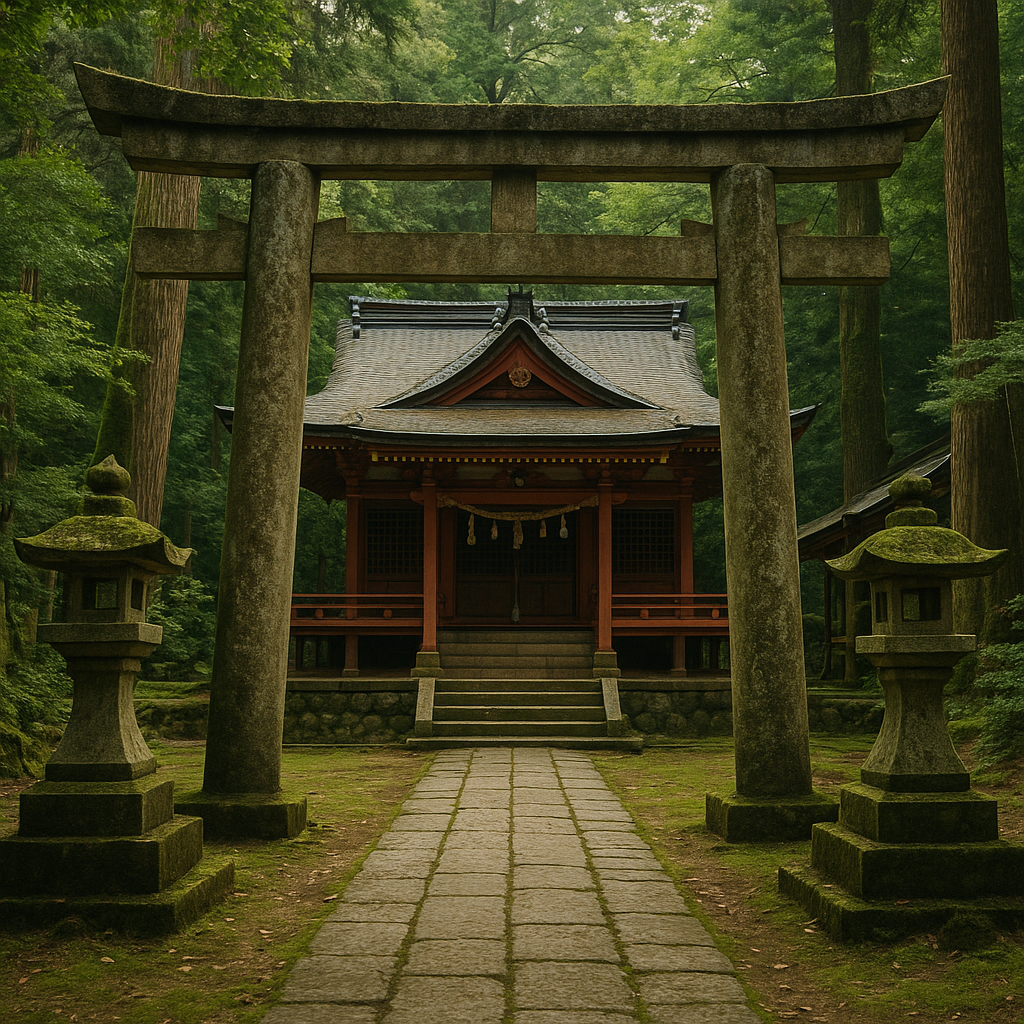
Nestled within the intricate maze of narrow alleys and bustling thoroughfares, Tokyo’s street markets offer an unparalleled glimpse into the city’s vibrant daily life. Far beyond mere tourist attractions, these markets are living snapshots of local culture, where centuries-old tradition fuses with contemporary trends. From the aroma of sizzling delicacies to the sight of master artisans at work, Tokyo’s street markets serve up a feast for the senses, inviting visitors to discover hidden gems around every corner.
Exploring Asakusa’s Timeless Charm
Asakusa remains one of Tokyo’s most beloved districts, a neighborhood that gracefully bridges the gap between the historic and the modern. At the heart of this area lies the Nakamise Shopping Street, a centuries-old approach to the famous Senso-ji Temple, lined with over eighty stalls. Each vendor showcases an array of offerings, ranging from traditional souvenirs and handcrafted masks to sweet rice crackers and colorful kimonos.
Strolling along Nakamise, visitors can sample local treats that highlight the region’s rich culinary heritage. Popular items include:
- Freshly grilled yakitori skewers, drizzled with a savory tare sauce.
- Age-manju, deep-fried cakes filled with sweet red bean paste.
- Traditional ningyo-yaki, small sponge cakes molded into adorable figures of Buddhist deities.
- Local artisan teas, from robust hojicha to delicate sencha blends.
Beyond food, the Asakusa market scene offers interactive experiences. Many shops welcome customers to witness the creation process: from pounding mochi by hand to painting intricate designs on lacquerware. For a deeper dive, several nearby workshops allow visitors to try their hand at Japanese crafts, creating a ceramic tea cup or customizing wooden chopsticks to take home as a personalized keepsake.
Hidden Treasures in Ueno and Ameya-Yokocho
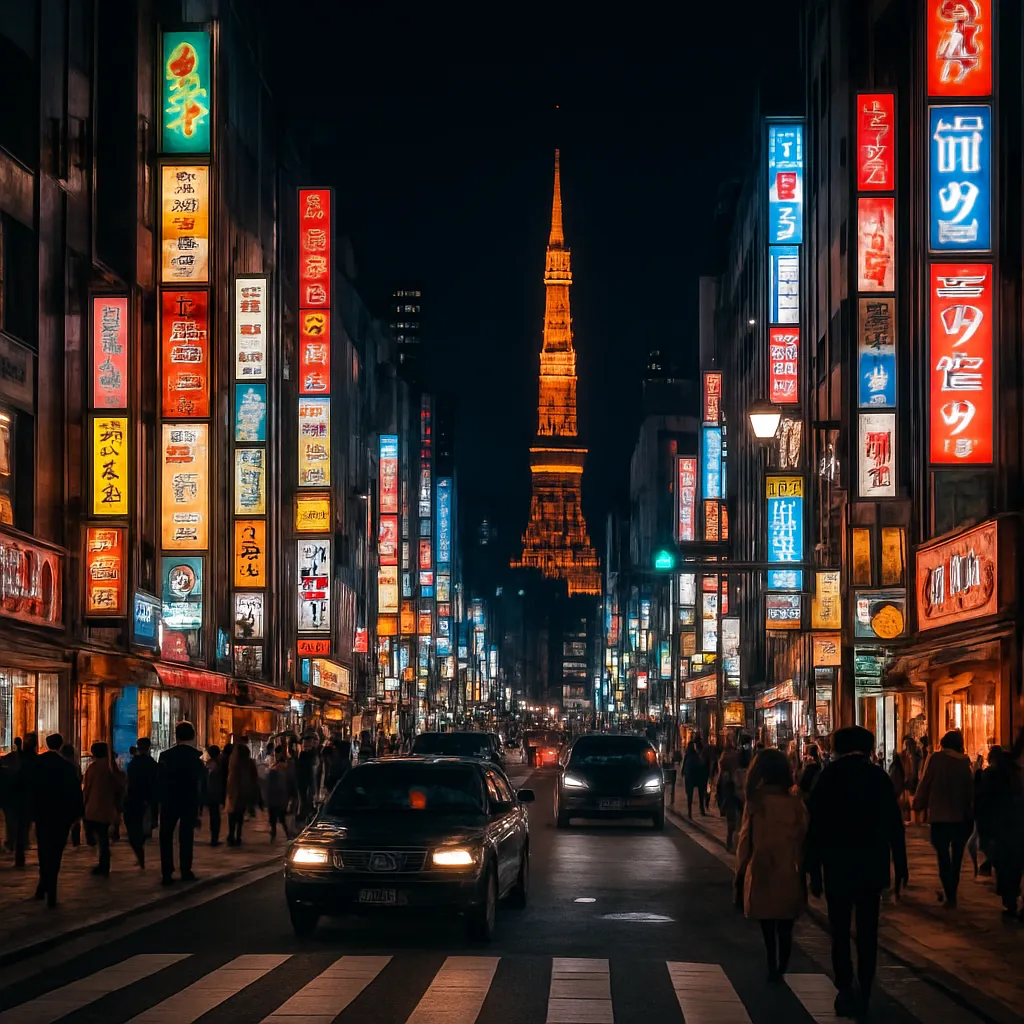
Just a short train ride from Asakusa, Ueno’s Ameya-Yokocho—often called Ameyoko—burst with a more informal yet equally compelling energy. Once a lively black-market after World War II, this narrow, covered street has evolved into a bustling arcaded market offering everything from fresh produce to fashion bargains. The constant chatter, haggling, and neon signs give Ameyoko a distinctly dynamic vibe.
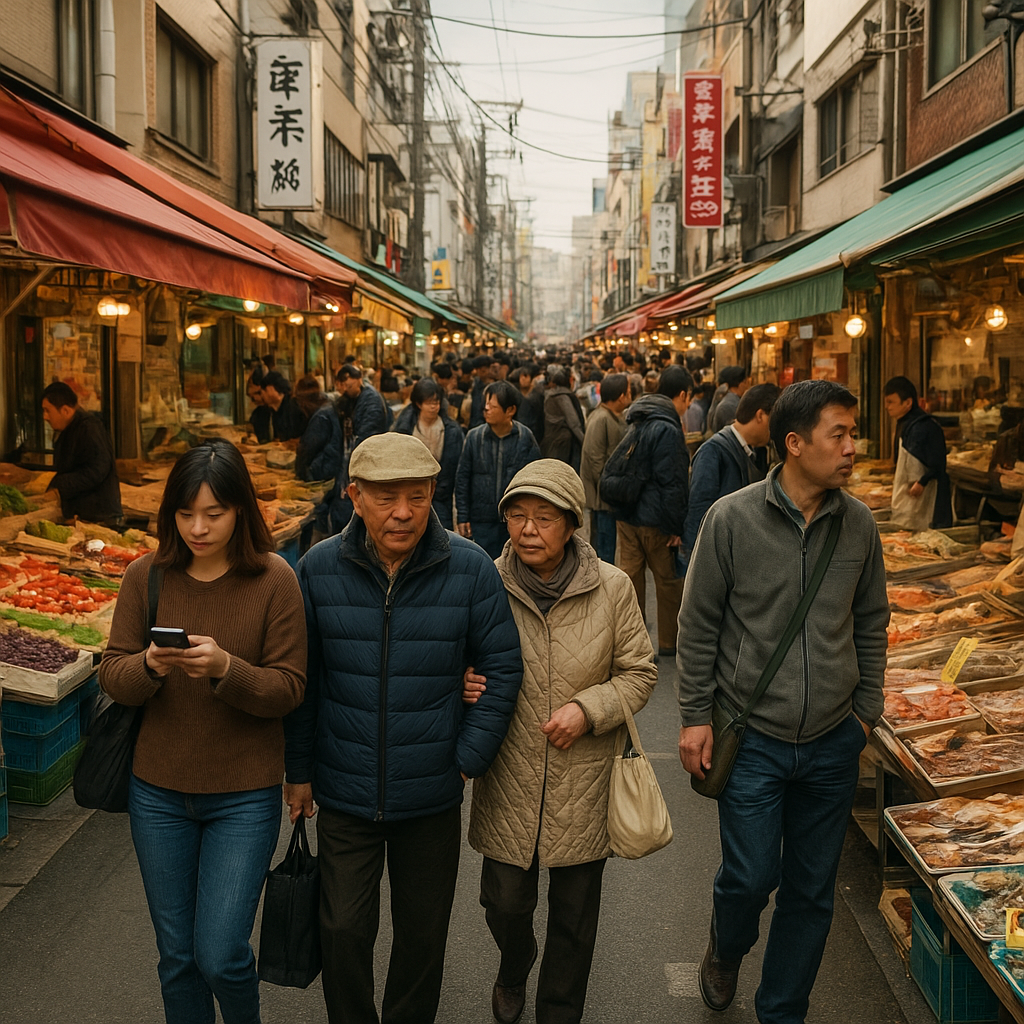
Food lovers will gravitate toward the seafood stalls, where trays of glistening tuna slices and ikura (salmon roe) are on display. Nearby vendors serve piping-hot bowls of crab miso soup and skewers of grilled squid. For a sweet finish, pick up fluffy cotton candy spun fresh on-site or sample taiyaki filled with custard, chocolate, or matcha cream.
Beyond the flavors, Ameyoko is also a paradise for bargain hunters. Clothing shops burst with imported goods, while electronics stalls advertise discounted headphones, cameras, and portable chargers. Vintage aficionados can unearth unique vinyl records or retro apparel at pocket-friendly prices. The market’s kaleidoscope of offerings and raw charm embody Tokyo’s wide-ranging street-level appeal.
Modern Twists in Shimokitazawa and Nakano
While traditional markets capture Tokyo’s past, neighborhoods like Shimokitazawa and Nakano demonstrate how street culture continues to evolve. Known for its innovative spirit and bohemian flair, Shimokitazawa boasts pedestrian-only streets lined with indie boutiques, secondhand bookstores, and cozy cafés. Each week, a small open-air market pops up in the heart of the area, featuring local designers and homegrown brands.
Shoppers can peruse stalls offering eclectic jewelry, hand-printed T-shirts, and custom leather goods. Live performances—from acoustic guitar sets to spoken-word poetry—often animate the scene, creating an impromptu festival atmosphere. Food trucks station themselves at strategic corners, serving gourmet hot dogs topped with kimchi or artisanal ice cream reminiscent of classic Japanese flavors like yuzu and black sesame.
Over in Nakano, the sprawling Nakano Sun Mall and Nakano Broadway combine street-market energy with a passion for pop culture. Here you’ll find collectible figurines, rare manga editions, and themed cafés dedicated to anime and video games. Side streets host small mom-and-pop stalls where you can sample fusion dishes—takoyaki stuffed with cheese or bao buns flavored with teriyaki pulled pork—underscoring Tokyo’s ability to blend global influences.
Community and Cultural Significance
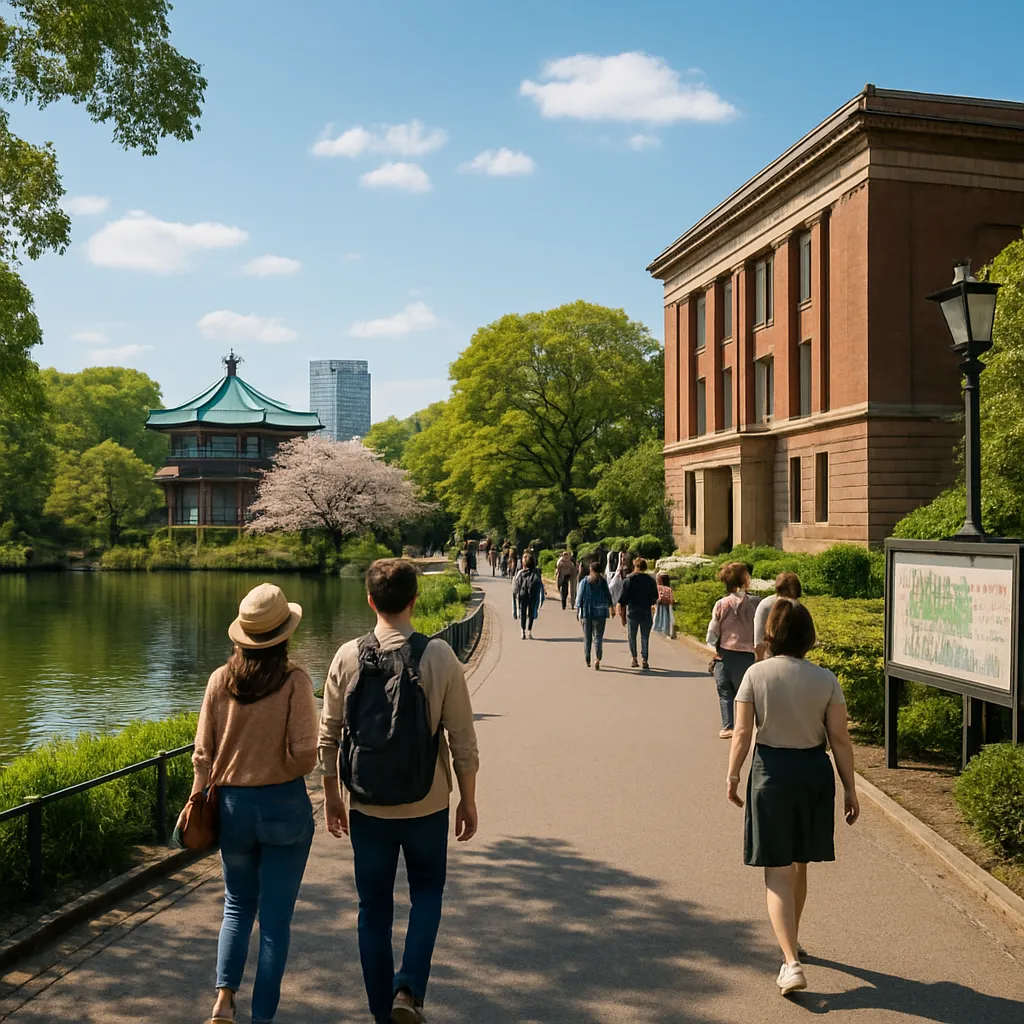
Tokyo’s street markets are more than just places to shop and eat; they act as vital hubs for local community interaction. Older generations share memories and life wisdom, while younger residents introduce fresh ideas and trends. Street festivals, such as the Tori-no-Ichi fair in Asakusa or the Ueno Sakura Matsuri, transform market districts into grand celebrations, complete with traditional music, dance, and elaborate decorations.
These events often feature charity stalls and cultural exhibits, drawing visitors from near and far to support local causes and appreciate Japan’s tradition of communal harmony. Market operators frequently collaborate with neighborhood associations to preserve historical landmarks and improve public spaces, ensuring that each alleyway retains its unique character amid rapid urban development.
From the community ties forged at shared seating areas to the intergenerational conversations sparked by a single piece of handcrafted pottery, Tokyo’s street markets encapsulate the heart and soul of the city. Whether you seek a taste of the past, a glimpse of emerging trends, or simply a memorable day of exploration, these lively corridors offer a window into Tokyo’s enduring spirit—where every purchase, conversation, and discovery contributes to the rich tapestry of urban life.