Tokyo, a sprawling metropolis where tradition meets innovation, offers unparalleled opportunities to delve into Japan’s vibrant food culture. From the meticulous art of sushi-making to the tantalizing flavors of street stalls, visitors can engage in hands-on experiences that reveal the city’s epicurean secrets. Whether you’re a seasoned home cook or a curious traveler, Tokyo’s culinary landscape promises a journey filled with discovery, creativity, and lasting memories.
Mastering Sushi and Sashimi
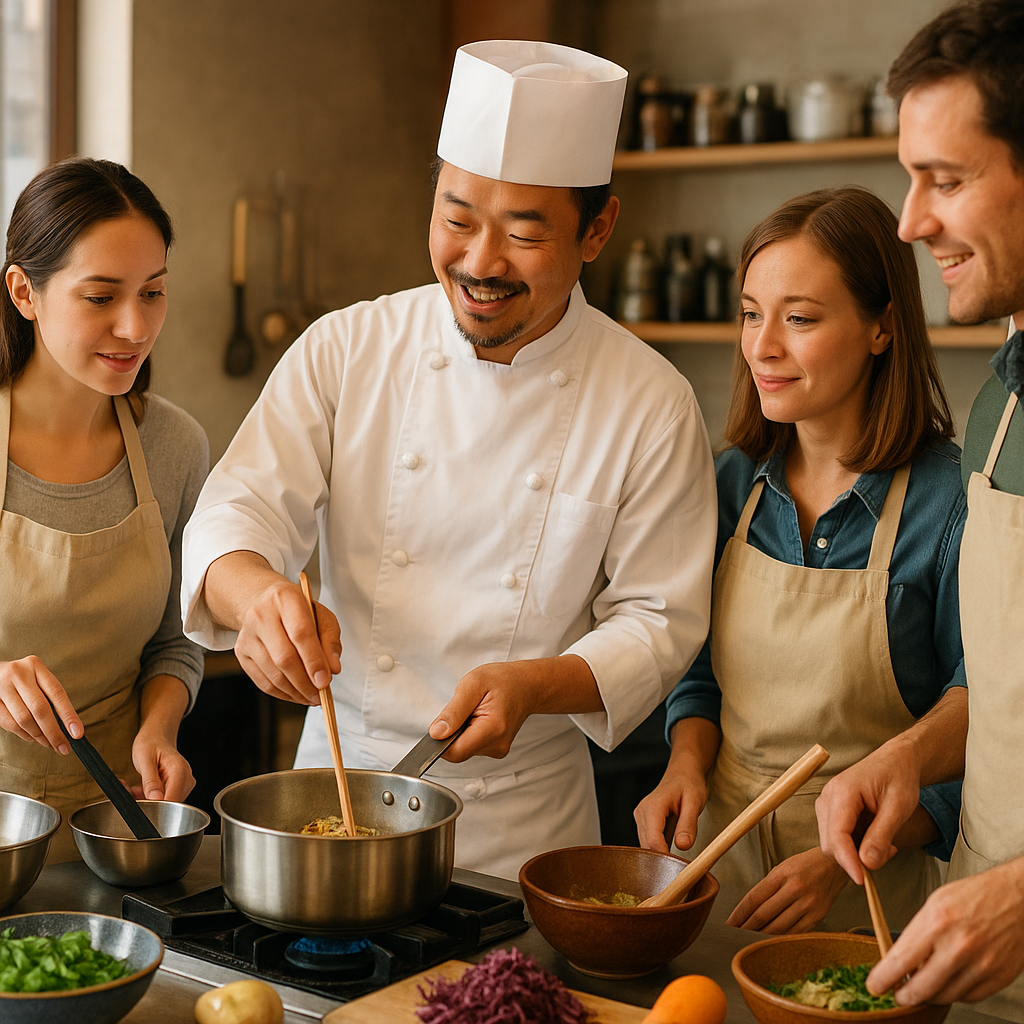
Diving into the world of sushi is an essential rite of passage for any food enthusiast visiting Tokyo. Under the guidance of seasoned chefs, participants learn the time-honored techniques behind nigiri, sashimi, and maki rolls. Classes typically begin with an introduction to the finest cuts of fish, emphasizing the importance of selecting fresh and sustainable ingredients. Students are shown how to slice tuna, salmon, and yellowtail with precision, ensuring the perfect texture and appearance.
What to Expect
- Demonstrations on rice seasoning and the ideal vinegar-to-sugar ratio
- Hands-on practice forming nigiri under an expert’s watchful eye
- Tips for pairing soy sauce and wasabi to enhance delicate flavors
- A tasting session featuring locally caught seafood
Throughout the session, instructors share insights into sushi’s origins, the evolution of Edo-style dining, and modern adaptations. The goal is to equip participants with practical skills they can replicate at home, while fostering an appreciation for the subtle craftsmanship behind each piece of sushi.
Discovering Regional Flavors
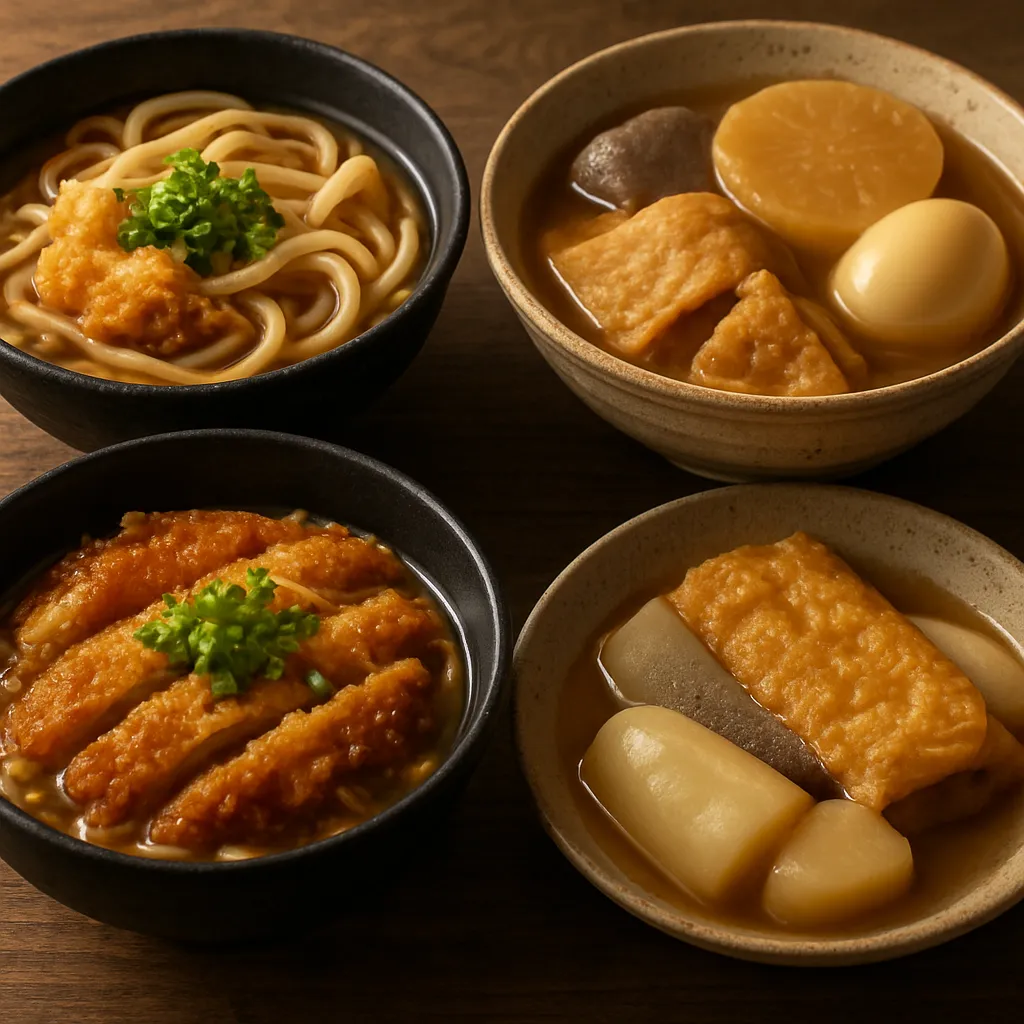
Japan’s diverse regions contribute to a tapestry of distinctive culinary traditions, and Tokyo serves as a gateway to these local specialties. Cooking classes focus on dishes like Hiroshima-style okonomiyaki, Kyoto’s refined kaiseki, and Hokkaido’s rich miso-based soups. Students gain insight into the role of terroir and seasonality in Japanese cuisine, experimenting with ingredients sourced from rural prefectures.
Highlights of Regional Workshops
- Okonomiyaki stations where participants customize batter and toppings
- Kaiseki plating techniques emphasizing balance and aesthetics
- Seasonal broth preparation using kelp and dried bonito flakes
- Guided tastings of regional sake and shochu pairings
Attendees leave with a deeper understanding of Japan’s culinary diversity, along with recipes refined over centuries. Emphasis is placed on cultural context, allowing visitors to see how geography, climate, and history shape each dish’s unique profile.
Immersive Street Food Tours
For those seeking an adventurous approach, Tokyo’s bustling alleyways and hidden markets provide an authentic glimpse into everyday Japanese dining. Guided street food tours wind through neighborhoods like Asakusa, Shibuya, and Tsukishima, where participants sample an array of savory and sweet delicacies. Each stop offers a chance to chat with vendors, learn cooking shortcuts, and uncover local favorites that might otherwise escape notice.
Must-Try Street Snacks
- Takoyaki: Octopus-filled batter balls drizzled with tangy sauce
- Yaki Imo: Roasted sweet potatoes sold from vintage trucks
- Monjayaki: A runnier cousin of okonomiyaki, cooked on a griddle
- Dango: Skewered rice dumplings glazed in soy-based syrups
These tours are led by food writers or industry veterans who share insider stories about Tokyo’s changing palate and the resurgence of traditional stalls. Along the way, participants learn about seasonality, ingredient sourcing, and the importance of community in sustaining small-scale vendors.
Private Chef Experiences
For a truly luxurious culinary journey, private chef experiences offer personalized menus tailored to individual tastes and dietary preferences. Held in upscale residences or boutique venues, these sessions combine a cooking demonstration with a multi-course meal. Guests watch as the chef prepares each dish, asking questions about technique, plating, and flavor development.
Customized Menu Examples
- Seasonal sashimi platter featuring rare catches of the day
- Hand-rolled temaki with a variety of inventive fillings
- Miso-marinated black cod served with pickled vegetables
- Matcha-infused desserts paired with artisanal teas
Beyond the feast, the intimate setting encourages in-depth discussion about Japanese culinary philosophy, from the concept of umami to the significance of color and texture contrast. By the evening’s end, guests walk away with recipes, technique notes, and an enriched perspective on Japanese hospitality.
Culinary Etiquette and Cultural Insights
Understanding proper etiquette enhances any gastronomic adventure in Tokyo. Many classes include segments on table manners, chopstick use, and the significance of communal dining. Participants learn the meaning behind customary phrases like itadakimasu and gochisousama, which frame meals as acts of gratitude and respect.
- Seating arrangements in traditional tatami rooms
- Guidelines for pouring drinks in social settings
- Rules for using oshibori (hot towels) before meals
- Ceremonial practices in tea preparation and appreciation
These insights foster a deeper connection with Japanese culture, turning each cooking class or tour into a holistic experience that transcends simple food preparation.
Booking Tips and Practical Advice
To make the most of Tokyo’s cooking classes and food tours, consider these pointers:
- Reserve well in advance, especially for popular sushi workshops
- Communicate dietary restrictions clearly to the organizer
- Wear comfortable clothing and shoes for walking tours
- Bring a camera to document your creations and tasty discoveries
- Learn a few basic Japanese phrases to enhance interactions
With thoughtful planning and an open mind, every culinary activity becomes an opportunity to connect with Tokyo’s vibrant food scene, leaving participants inspired to recreate flavors at home and carry a piece of Japan’s gastronomic heritage with them.