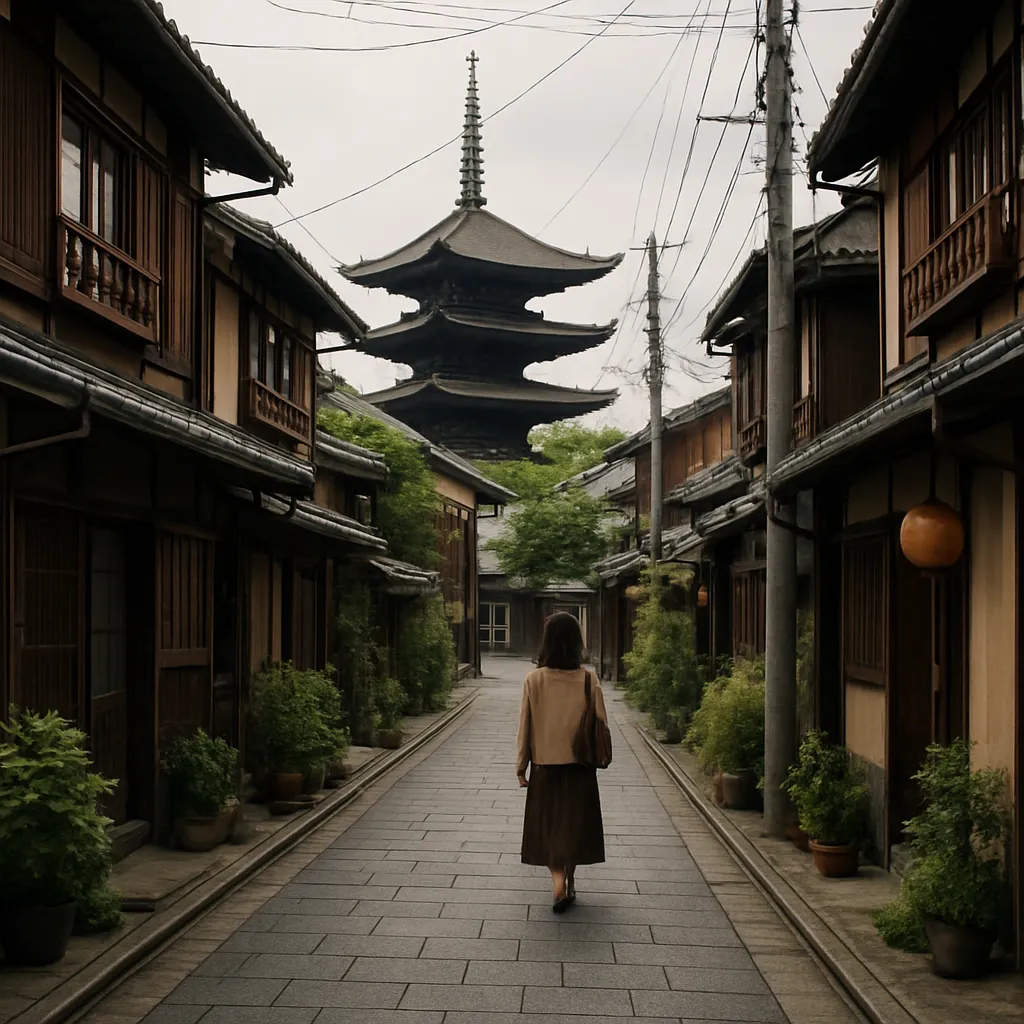
Yanaka stands as one of Tokyo’s most enchanting districts, a place where the echoes of the past resonate through narrow streets, timeworn wooden houses, and centuries-old temples. Nestled in the northeastern part of the city, this neighborhood has preserved the spirit of old Edo, offering visitors a chance to wander through lanes that feel untouched by the relentless pace of modern Tokyo. From its historic cemeteries to its vibrant artisan shops, Yanaka weaves together a tapestry of tradition and contemporary creativity, inviting travelers to immerse themselves in its unique blend of heritage and everyday life.
History and Heritage
The origins of Yanaka date back to the Edo period (1603–1868), when it flourished as a residential area for artisans and merchants. Unlike other parts of Tokyo that faced extensive wartime destruction or rapid redevelopment, Yanaka retained much of its architectural identity. The district’s narrow alleys are lined with wooden machiya townhouses, their tiled roofs and latticed windows reminding visitors of a bygone era. Many of these buildings now house quaint cafés, galleries, and craft studios, yet they continue to exude the spirit of Edo Tokyo.
One of the most significant landmarks in Yanaka is the Yanaka Cemetery, established in 1874. Sprawling over 100,000 square meters, it is more than a burial ground; it serves as a serene public park where cherry blossoms burst into bloom each spring, drawing crowds who come to appreciate both the historical setting and the natural beauty. The cemetery contains the graves of many famous figures, including writers, politicians, and artists, making it a site of cultural pilgrimage.
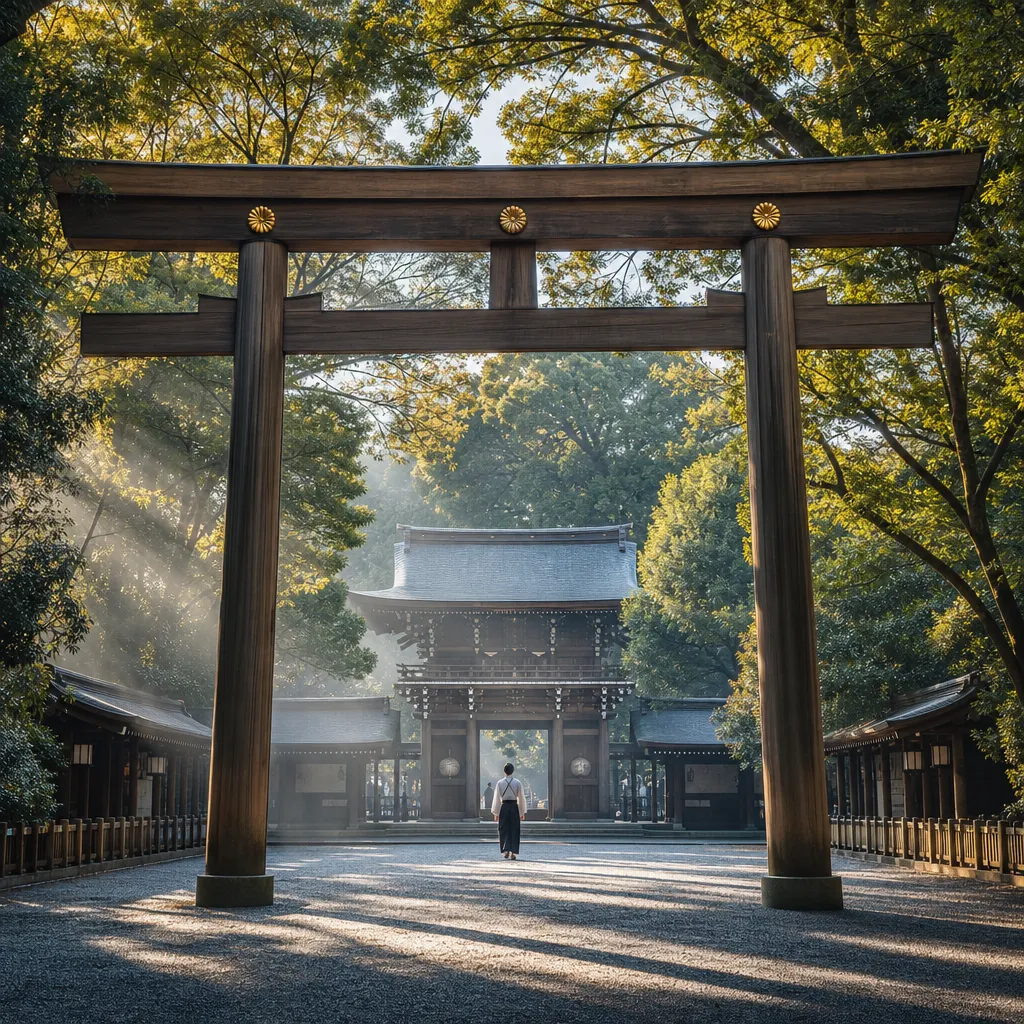
Another key testament to Yanaka’s past is the cluster of temples and shrines dotting the neighborhood. Sites such as Tennoji Temple and Nezu Shrine stand as guardians of spiritual tradition. Their wooden gates, stone lanterns, and moss-covered statues lend the area a solemn atmosphere. Visitors can often witness morning rituals or local ceremonies, allowing them to catch a glimpse of centuries-old rituals that have endured through the ages.
Cultural Landmarks and Craftsmanship
Craftsmanship thrives in Yanaka, where generations of artisans have honed their skills in pottery, textiles, and metalwork. Galleries and workshops line the narrow side streets, showcasing everything from delicate porcelain tea sets to hand-dyed fabrics. Many of these craftsmen welcome visitors inside, offering demonstrations and the chance to purchase unique souvenirs directly from the makers. This intimate setting highlights the district’s deep-rooted dedication to craftsmanship and creative expression.
- Pottery Studios: Featuring glazes influenced by traditional Edo aesthetics, these studios produce tableware prized both for everyday use and as collectible art.
- Indigo Dye Shops: Local dyers use age-old techniques to create textiles in deep, rich blue patterns, a hallmark of Japanese design.
- Washi Paper Makers: Small enterprises preserve the art of handmade paper, offering delicate sheets used in calligraphy, lanterns, and interior décor.
Beyond tangible crafts, Yanaka also supports contemporary artists. Small galleries exhibit paintings, sculptures, and installations that explore themes of memory, urban transformation, and the intersection of past and present. These exhibitions often change monthly, ensuring that each visit reveals fresh perspectives on Tokyo’s evolving cultural landscape.
Local Life and Community Spirit
Despite its popularity among tourists, Yanaka retains a genuine sense of neighborhood community. Local markets and small shops foster daily interactions between long-time residents and visitors. At the iconic Yanaka Ginza shopping street—a narrow pedestrian lane lined with more than fifty stores—patrons can sample traditional cuisine like sweet dango rice dumplings, fresh taiyaki pastries, and savory menchi-katsu (breaded meat patties). The aromas of grilling fish and sweet bean paste waft through the air, tempting passersby to stop for a snack or a cup of tea.
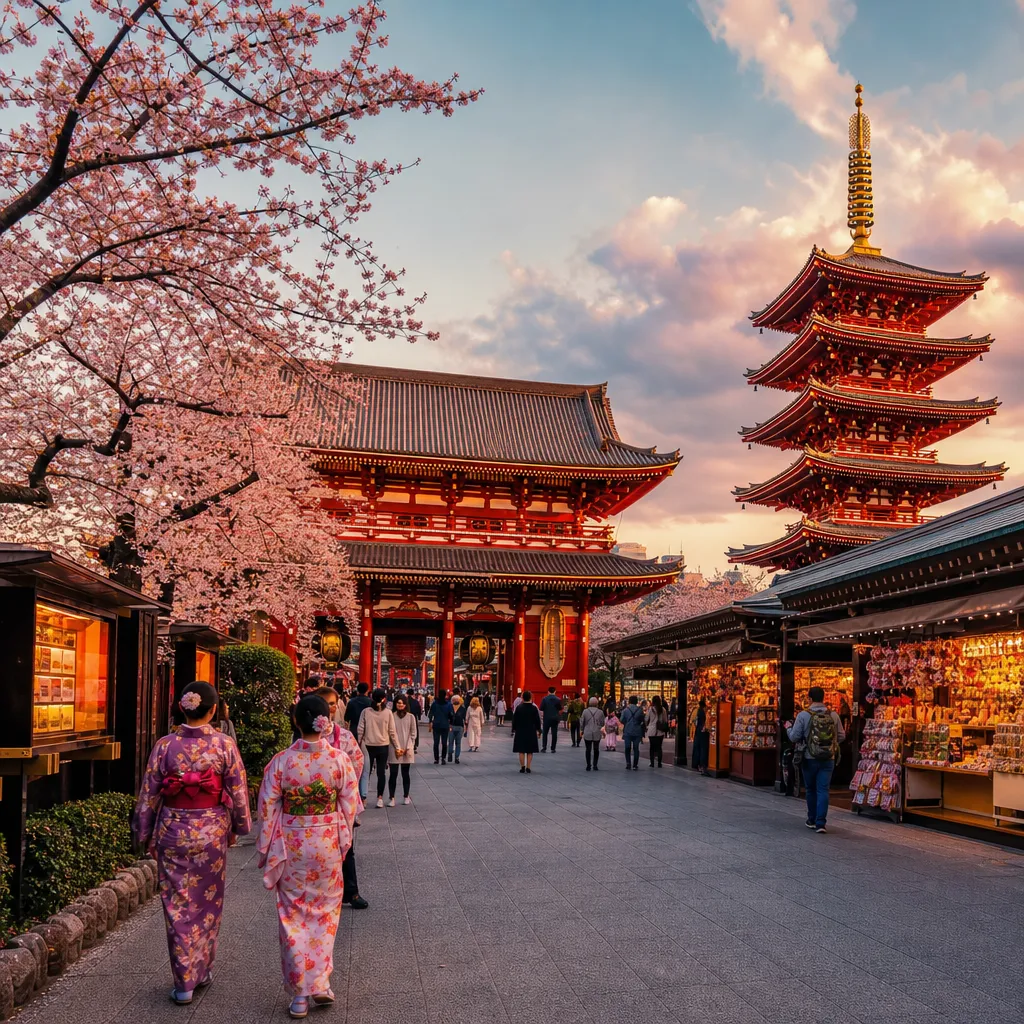
Seasonal festivals animate the district with lively processions, music, and dance. During the Cherry Blossom Festival, lanterns are hung in Yanaka Cemetery, creating a magical nighttime display. In summer, the neighborhood hosts the Sasaki Shrine Matsuri, where locals carry portable shrines in spirited parades, accompanied by taiko drummers and children in traditional dress. These events offer glimpses of communal bonds that have bound the district’s residents for generations.
Green Spaces and Tranquility
Amid the urban environment, Yanaka offers several pockets of tranquility. The Nezu Park, with its winding pathways and seasonal flora, invites visitors to escape the city’s bustle. Sakura-lined avenues provide spectacular views in spring, while autumn brings fiery hues of maple and ginkgo. Nearby, the Ueno Taiko-en garden offers serene strolls around koi ponds and stone bridges. These green oases underscore the district’s harmonious balance between city life and nature.
Experiencing Yanaka Today
Exploring Yanaka is best done on foot, allowing ample time to discover hidden corners and serendipitous finds. Recommended itineraries often begin at Nippori Station, proceeding through Yanaka Ginza before branching off to temples, galleries, and teahouses. Along the way, travelers might pause at a local bookstore specializing in vintage maps and photographs, or at a small jazz café tucked behind a residential block. Each turn reveals a new facet of the neighborhood’s enduring charm.
Photographers, writers, and artists flock to Yanaka to capture its poetic contrasts: the interplay of light and shadow on weathered wooden walls, the calm of ancient burial grounds, and the warm smiles of shopkeepers welcoming customers inside. Many find inspiration in the district’s ability to bridge past and present, forging a narrative that celebrates continuity amidst change.
Whether drawn by its historic cemeteries, artisan workshops, seasonal celebrations, or the simple pleasure of a leisurely stroll, visitors leave Yanaka with a renewed appreciation for Tokyo’s multifaceted identity. In a metropolis defined by innovation and speed, this nostalgic old town stands as a testament to the enduring power of memory, community, and the art of living.